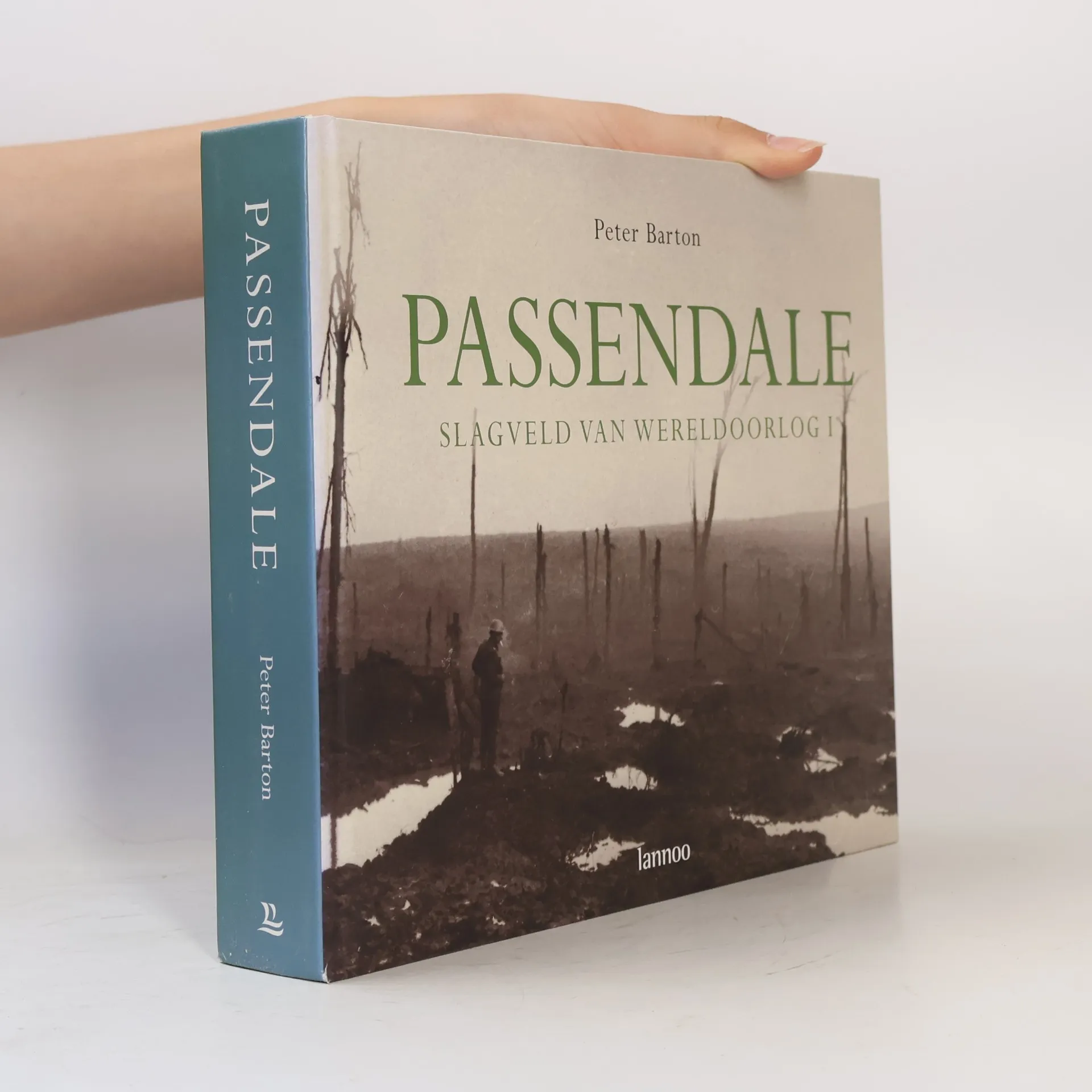
In de tweede helft van 1917, straks exact 90 jaar geleden, vochten geallieerde en Duitse troepen in Passendale de derde slag bij Ieper uit. Het was een van de meest verwoestende slagen uit de Eerste Wereldoorlog.;;;De geallieerden hoopten er een beslissende doorbraak te forceren. Op 6 november 1917, na een maandenlange strijd, namen de geallieerden eindelijk Passendale in. Ze betaalden wel een bijzonder hoge prijs: het offensief eiste aan beide zijden in totaal naar schatting meer dan 200.000 slachtoffers.;;;Uitvoerig geïllustreerd met foto's, kaarten en aangrijpende getuigenissen ;;;Aan de hand van meer dan veertig panoramische foto's, inclusief recent ontdekt en nooit eerder gepubliceerd Duits materiaal, brengt dit boek het slagveld van Passendale op onnavolgbare wijze opnieuw tot leven. Tussen 31 juli en 10 november 1917 woedde de Derde Slag bij Ieper, met als tragisch hoogtepunt de gevechten om het dorp Passendale. De Britse veldmaarschalk Haig hoopte op een snelle doorbraak. Maar na maanden van vechten in wat het beste omschreven kan worden als een kapotgeschoten moeras, was het front slechts enkele kilometers opgeschoven. Honderdduizenden lieten het leven in deze hel op aarde. Een groot deel van de soldaten verdronk en zou nooit meer worden teruggevonden. Mannen, paarden en zelfs kanonnen verdwenen voor eeuwig in de Vlaamse modder.
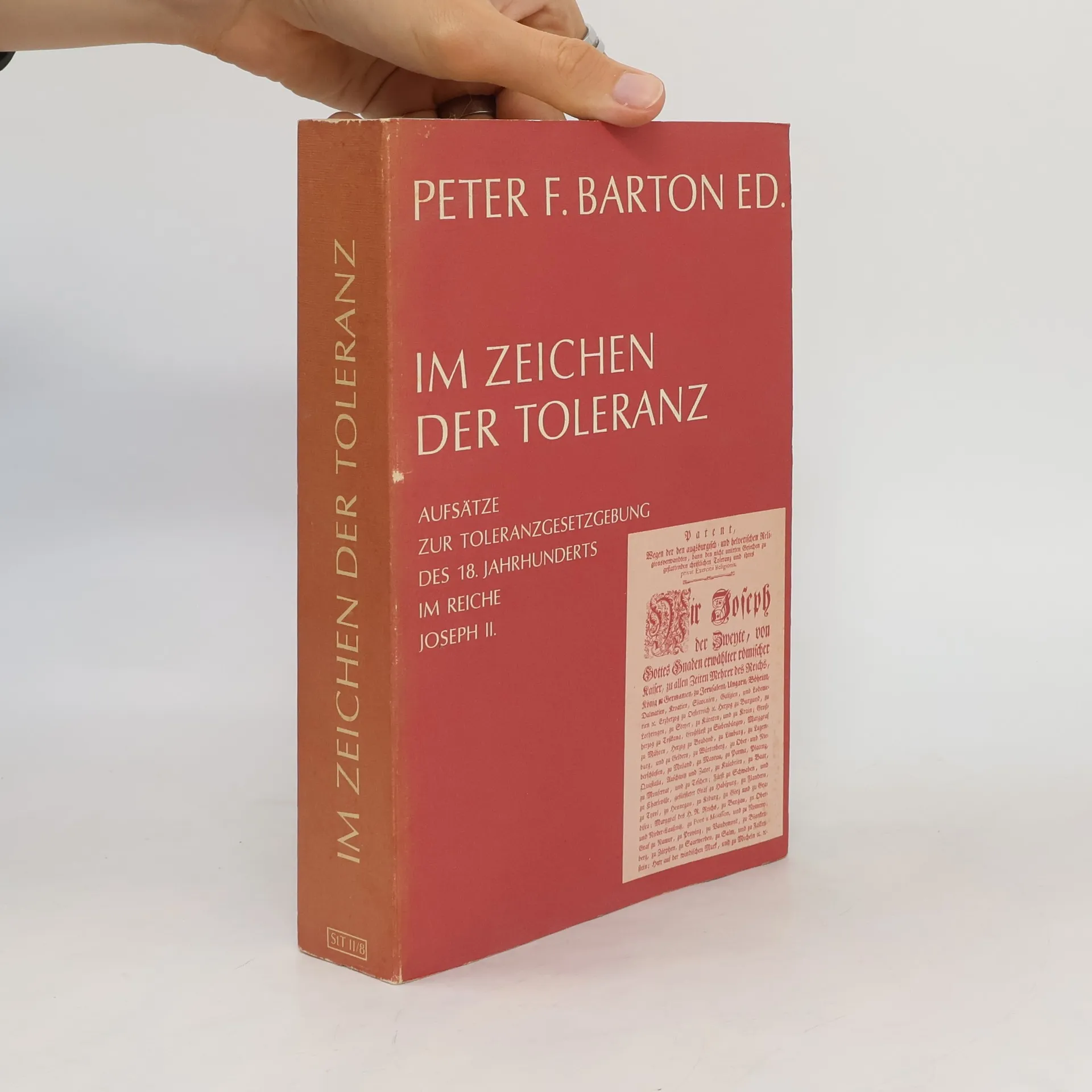
Peter F. Barton Reihenfolge der Bücher (Chronologisch)
Peter Barton ist Historiker, Archäologe und Filmemacher, dessen Werk sich auf die Entdeckung und Interpretation vergessener visueller Materialien des Ersten Weltkriegs konzentriert. Nach achtjähriger Recherche im Archiv der Panoramabilder des Imperial War Museum, die als Schlüssel zum vollständigen Verständnis des Konflikts gelten, hat sich Barton als anerkannte Autorität etabliert. Seine tiefgreifenden Forschungen und Ausgrabungen an der Westfront tragen zur Bewahrung und Zugänglichmachung wertvoller historischer Erkenntnisse bei. Bartons Tätigkeiten umfassen nicht nur das Schreiben, sondern auch die Produktion preisgekrönter Dokumentarfilme und die Leitung von Projekten zur Bergung und Veröffentlichung von Schlachtfeldpanoramen.

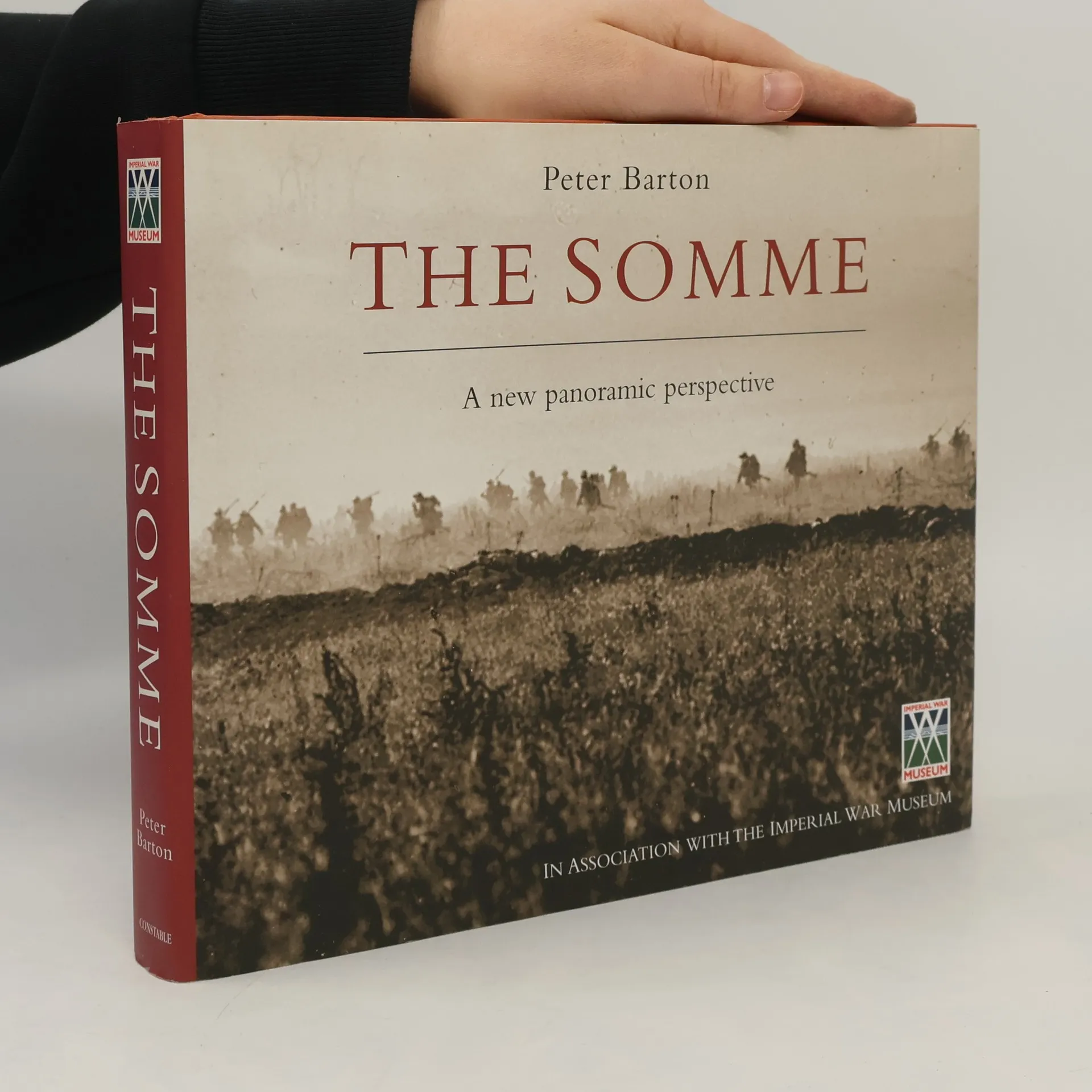
The Somme
- 192 Seiten
- 7 Lesestunden
Unique panoramas reveal new truths about the Battle of the Somme, in association with The Imperial War Museum. Beginning on 1 July 1916, the battle marked the bloodiest day in British military history and became a symbol of suffering for many nations. The landscape of Picardy remains largely unchanged, making the Imperial War Museum's panorama collection the most complete 'then and now' impression of the battleground. This volume features over 50 extraordinary panoramas that provide starkly different perspectives than those typically imagined, including views from the trench parapet. New research sheds light on the controversial first day, exploring the perplexing choice of ordnance against German dugouts and the use of a network of 'Russian Saps' created before the battle. These tunnels brought British forces within 10 metres of German trenches, but over-secrecy and poor communication often left them unexploited. In areas where they were used, however, the results were dramatic. The book also includes unpublished personal testimonies and examines lesser-known aspects of the battle, such as the Royal Engineers' Push Pipes, Bored Mines, and Livens Flame Projectors. Accompanied by photographs, original maps, and specially commissioned drawings, this work offers a fresh perspective on the Somme.
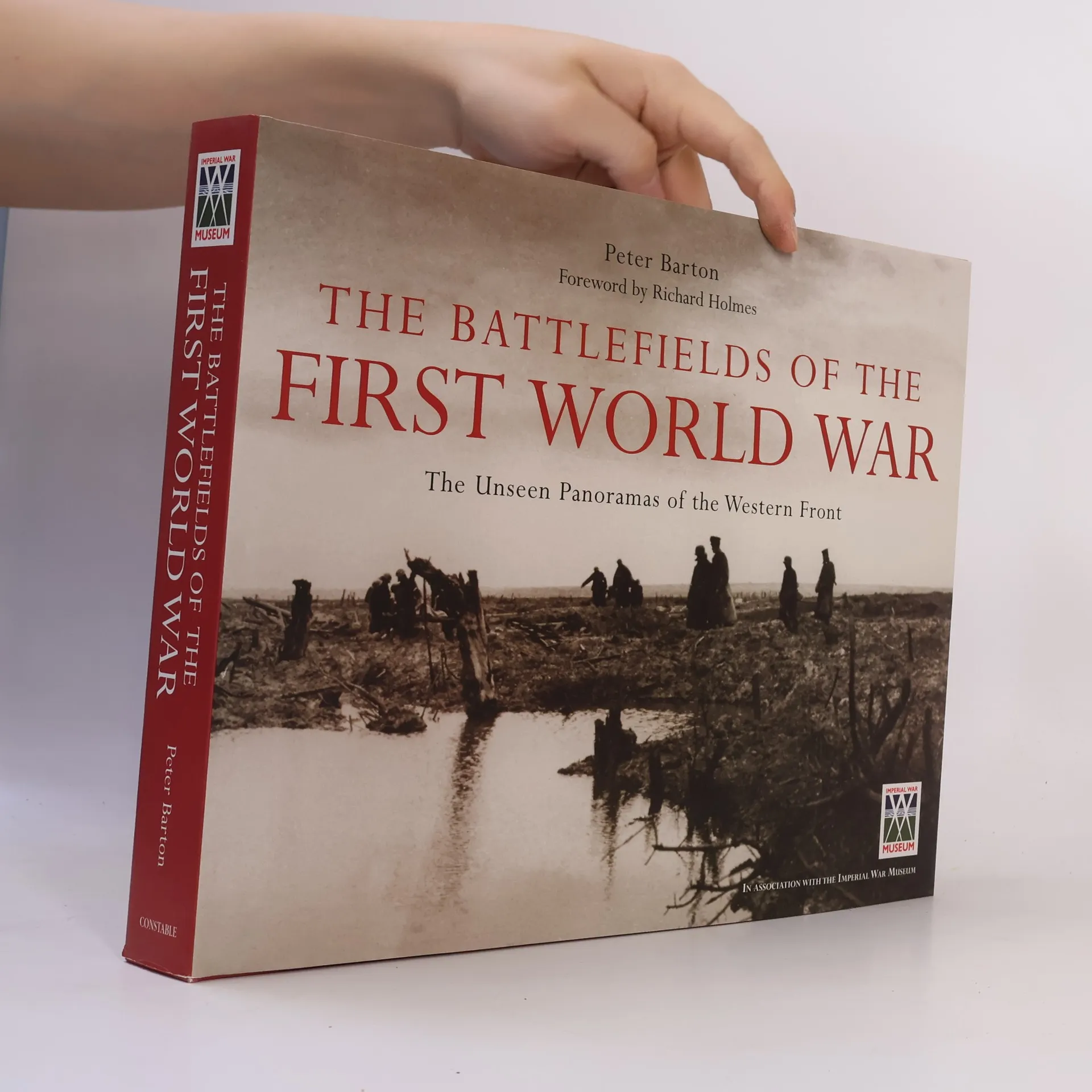
The Battlefields of the First World War
The Unseen Panoramas of the Western Front
- 352 Seiten
- 13 Lesestunden
Experience the First World War's battlegrounds like never before, from the First Battle of Ypres to the grim mud of Passchendaele. This work presents stunning panoramas alongside poignant personal photographs and soldiers' recollections from the featured battles. The panoramic images, created by the British Royal Engineers for intelligence, resemble early satellite mapping. Photographers risked their lives, exposing themselves for extended periods to capture views typically seen only through a trench periscope. Many images offer a 160-degree field of view, revealing details like a soldier picking lice or a sniper in hiding. Spanning the entire Western Front, these photographs have a profound impact on general audiences while providing specialists with insights into a lost world, contextualizing other archives temporally and geographically. They challenge common perceptions of the war, depicting not only the tortured landscapes of mud but also fields of flowers, beaches, and standing churches. While desperate scenes exist, the work emphasizes that much of the conflict unfolded in a recognizable, real landscape, offering a nuanced understanding of the war's environment.
Florenz
- 560 Seiten
- 20 Lesestunden
Florentia - die" blühende" Stadt: Unter den Medici erwachte hier der italienische Humanismus, Künstler wie Leonardo da Vinci, Botticelli oder Brunelleschi machten Florenz lebendig. Noch heute spürt man das einzigartige Flair, wenn man durch die Straßen schlendert, vorbei an dem Dom Santa Maria del Fiore, der Piazza della Signora, den Kunstschätzen der Uffizien ..
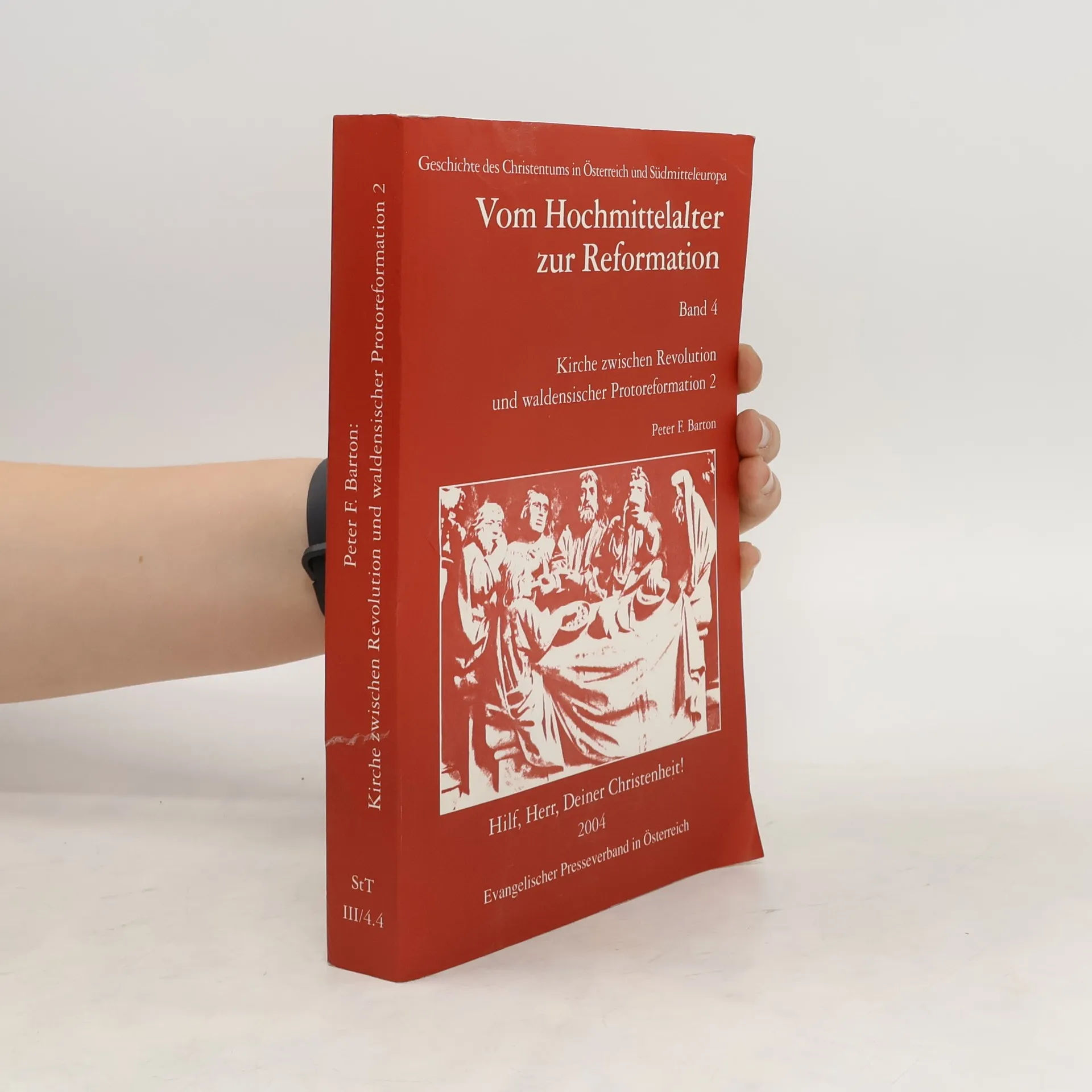
Vom Hochmittelalter zur Reformation 2
- 372 Seiten
- 14 Lesestunden
Studien und Texte zur Kirchengeschichte und Geschichte/Dritte Reihe/Bd. 4/4 - Vom Hochmittelalter zur Reformation
Vom Hochmittelalter zur Reformation 1
- 160 Seiten
- 6 Lesestunden