Gratisversand in ganz Deutschland!
Bookbot

Harry Zohn

    21. November 1923 – 3. Juni 2001
    Karl Kraus and the critics
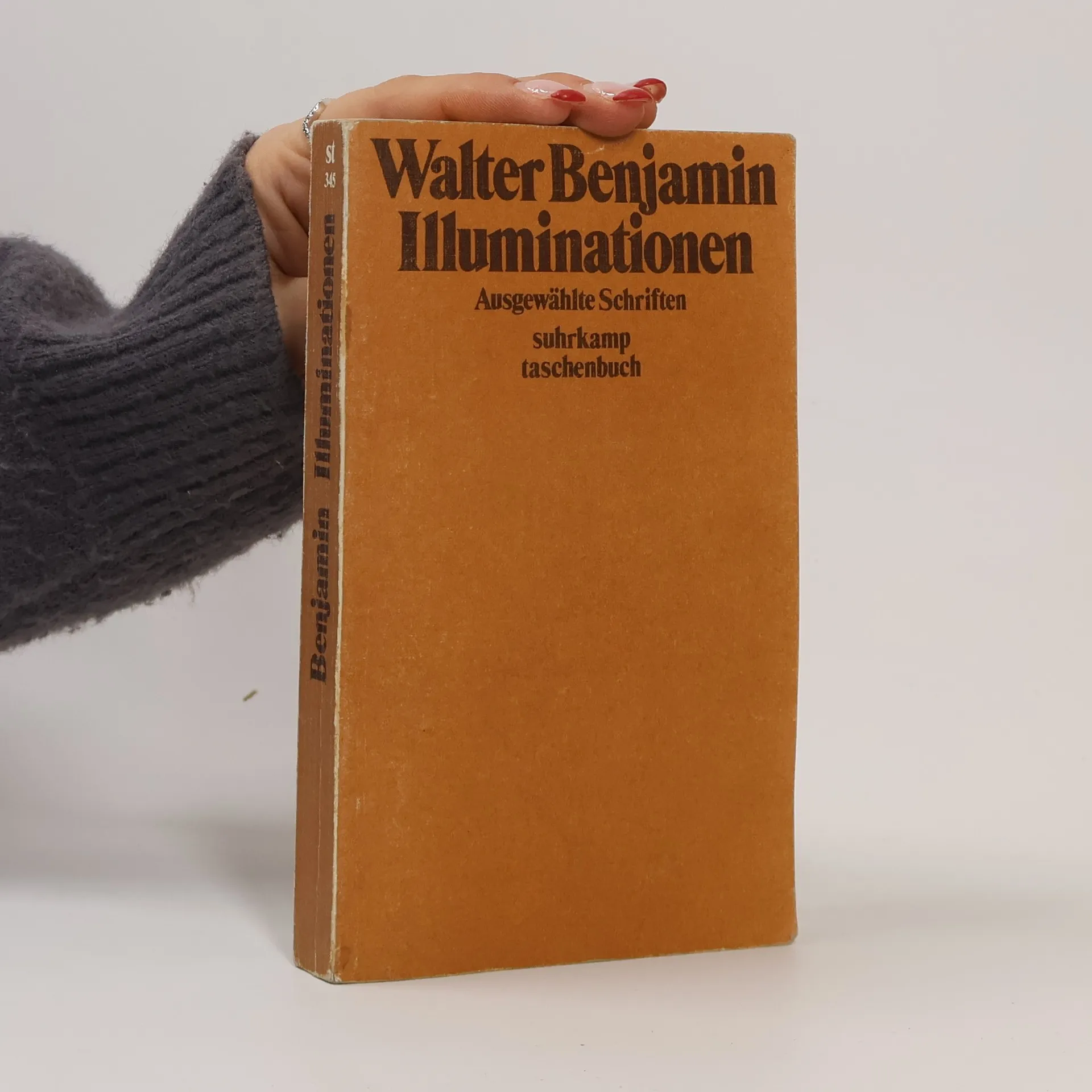
    Illuminationen
    In These Great Times
    Karl Kraus
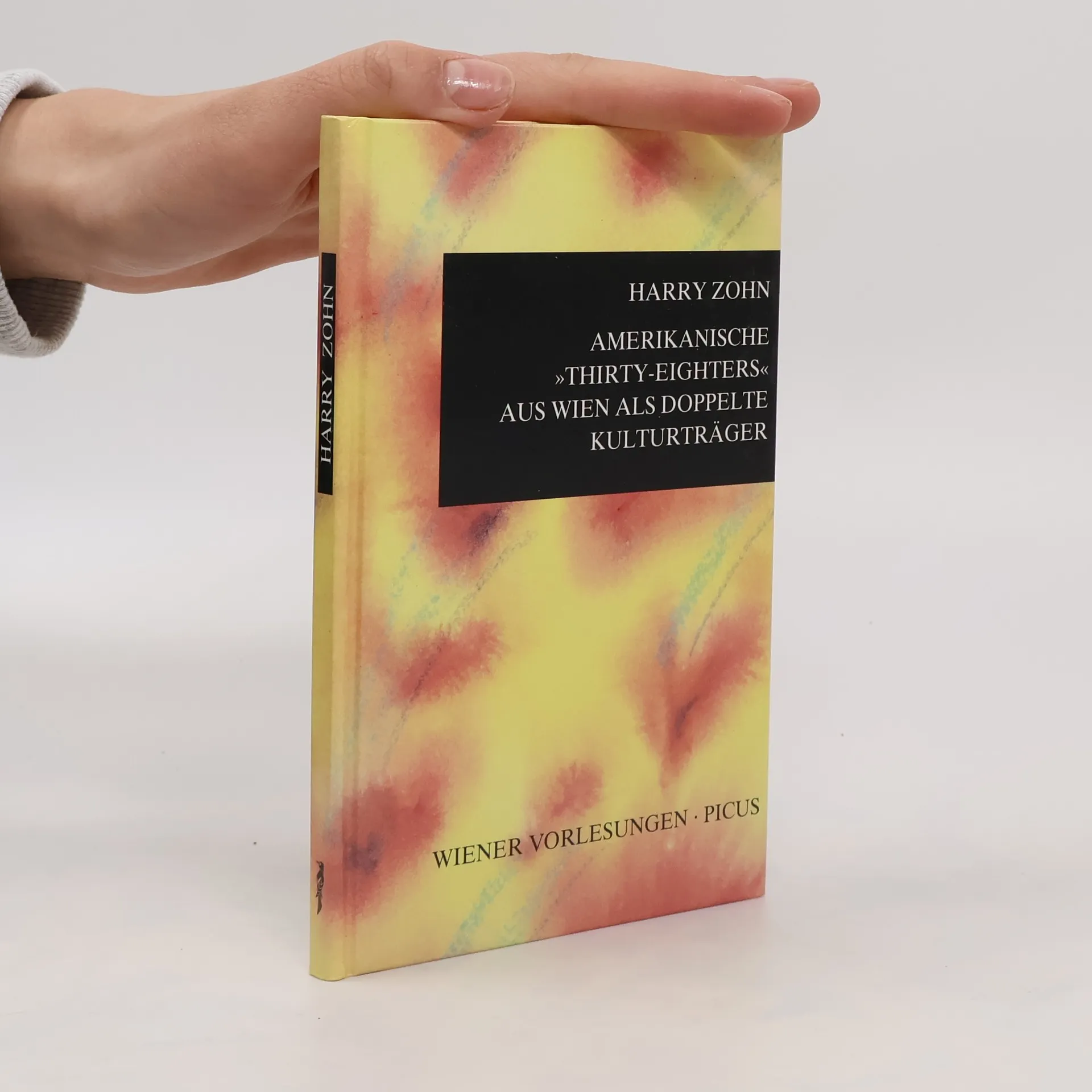
    Amerikanische "Thirty-Eighters" aus Wien als doppelte Kulturträger
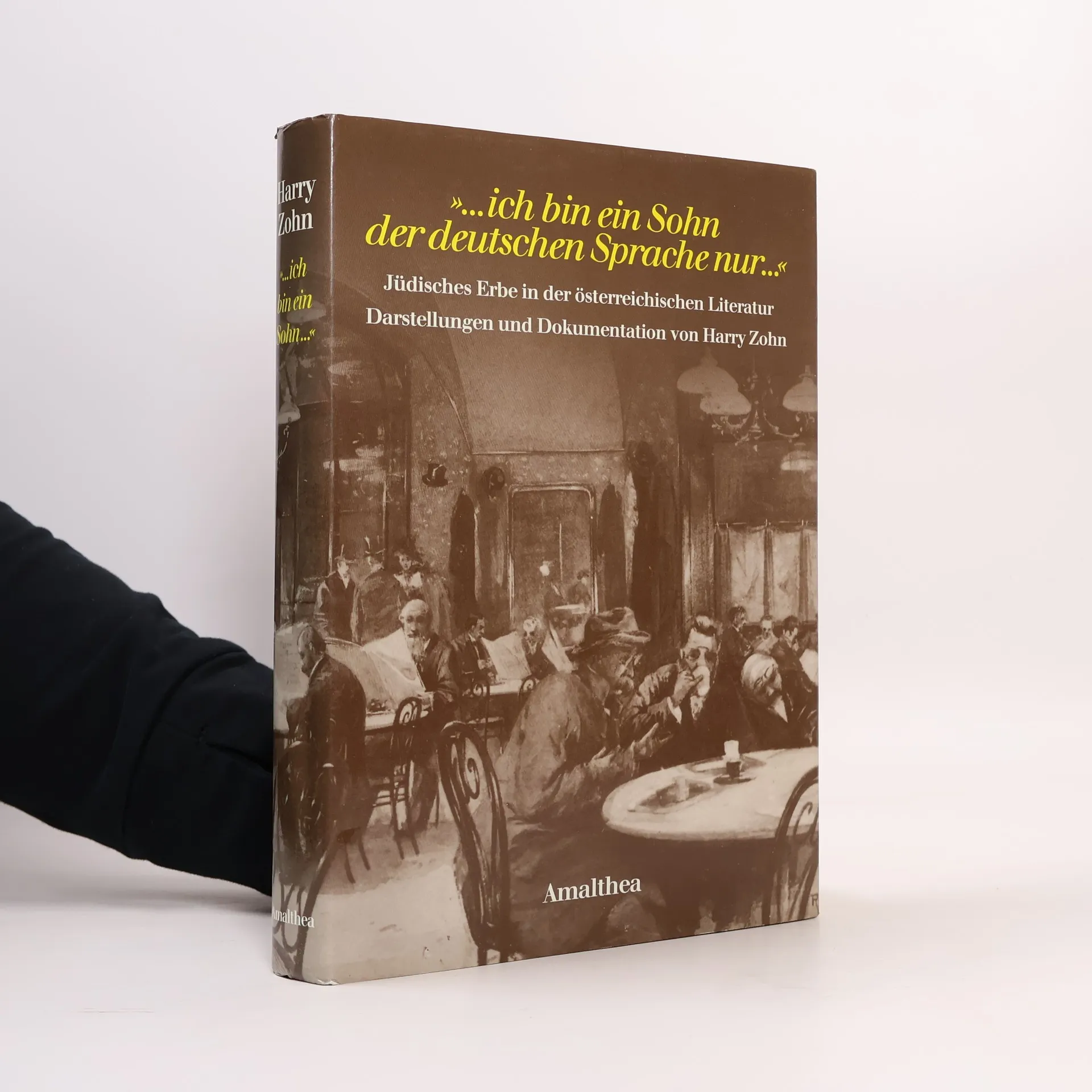
    "...ich bin ein Sohn der deutschen Sprache nur...": Judisches Erbe in der österreichischen Literatur
    • 2018

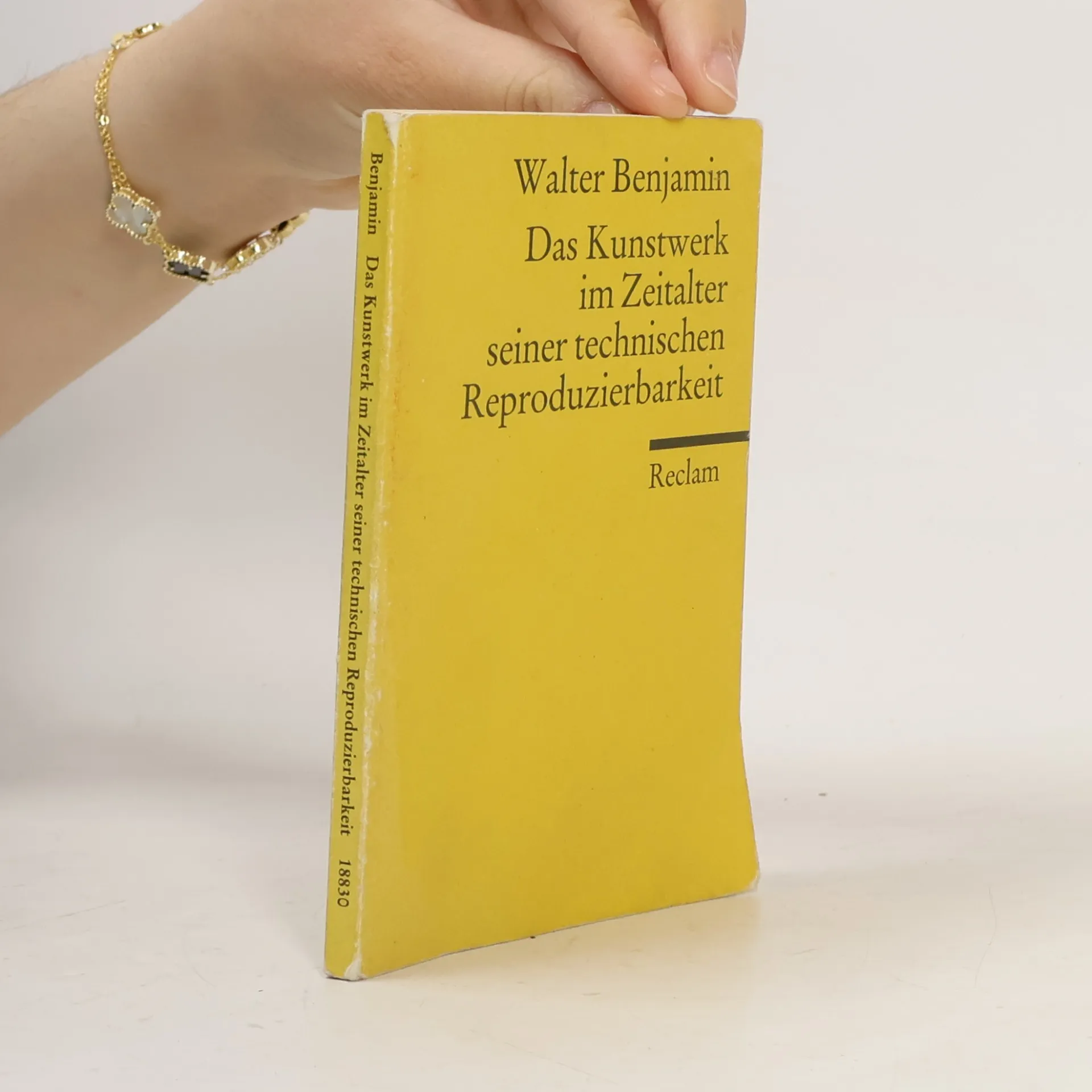
      Das Kunstwerk im Zeitalter seiner technischen Reproduzierbarkeit

      Drei Studien zur Kunstsoziologie

      • 107 Seiten
      • 4 Lesestunden
      4,1(17824)Abgeben

      Walter Benjamin beschreibt in dem Aufsatz Das Kunstwerk im Zeitalter seiner technischen Reproduzierbarkeit die geschichtlichen, sozialen und ästhetischen Prozesse, die mit der technischen Reproduzierbarkeit des Kunstwerkes zusammenhängen. In die Reihe der kunstsoziologischen Arbeiten Benjamins gehören auch die beiden hier zum ersten Mal in Buchform veröffentlichten Texte: Kleine Geschichte der Photographie (1931) und Eduard Fuchs, der Sammler und der Historiker (1937). Sie erhärten Benjamins Einsichten am Einzelfall.

      Das Kunstwerk im Zeitalter seiner technischen Reproduzierbarkeit
    • 2016

      In These Great Times

      • 200 Seiten
      • 7 Lesestunden
      4,0(1)Abgeben

      Selected poems and prose by Austria's most controversial satirists of the interwar years

      In These Great Times
    • 1997

      An analysis of the relationship between the great Viennese writer Karl Kraus and his literary critics.Karl Kraus (1874-1936) is widely regarded as one of the most talented and influential satirists of the twentieth century. He was an enormously productive writer of poetry, critical essays, and aphorisms, and spent the bulk of hislife in Vienna. The key to his work is his love of language, and his disdain for those who abuse it. To him, language was the moral criterion and accreditation for a writer. He set about to provide an imperishable profile of his age from the very perishable materials of newspaper reports. Kraus is famous as editor of the satirical journal Die Fackel (The Torch), and as author of the immense play, Die letzten Tage der Menschheit (The Last Daysof Humanity, 1918-19). This is the first attempt to analyze the most significant literary criticism on the works of Karl Kraus, an undertaking that reveals even more about the literary establishment in Vienna than about the greatwriter.

      Karl Kraus and the critics
    • 1995

      This collection of essays and translations reflects the Viennese-born author-translator's Austrian-Jewish heritage as well as representing his broad involvement as a cultural mediator between his native and adopted countries. The essays - on Herzl, Zweig, Kraus, Kafka, Werfel, Waldinger, Csokor, Trakl, and the winegarden songs of Vienna - highlight the great Jewish contribution to Austrian culture, and they are supplemented and illuminated by the short prose of Zweig, Herzl, Beer-Hofmann, Polgar, Buber, and others.

      Austriaca and Judaica
    • 1990
    • 1988

      Vienna and Its Jews

      The Tragedy of Success, 1880-1980s

      • 460 Seiten
      • 17 Lesestunden

      Traces the history of the Jewish community in Vienna, assesses the extent of Austrian anti-Semitism, and explains why the Jews were so fond of pre-World War I Vienna

      Vienna and Its Jews
    • 1969

      Das Leben der Studenten. Zwei Gedichte von Friedrich Hölderlin. Schicksal und Charakter. Die Aufgabe des Übersetzers. Goethes Wahlverwandtschaften. Das Kunstwerk im Zeitalter seiner technischen Reproduzierbarkeit. Paris, die Hauptstadt des XIX. Jahrhunderts. Über einige Motive bei Baudelaire. Zentralpark. Über den Begriff der Geschichte. Theologisch-politisches Fragment. Kommentare zu Briefen aus dem bürgerlichen Jahrhundert. Auswahl aus der Berliner Kindheit um Neunzehnhundert. Der destruktive Charakter. Erfahrung und Armut. Kurze Schatten. Schönes Entsetzen. Denkbilder. Kleine Kunst-Stücke. Ibizenkische Folge. Haschisch in Marseille. Zum Bilde Prousts. Robert Walser. Karl Kraus. Der Erzähler.

      Illuminationen