

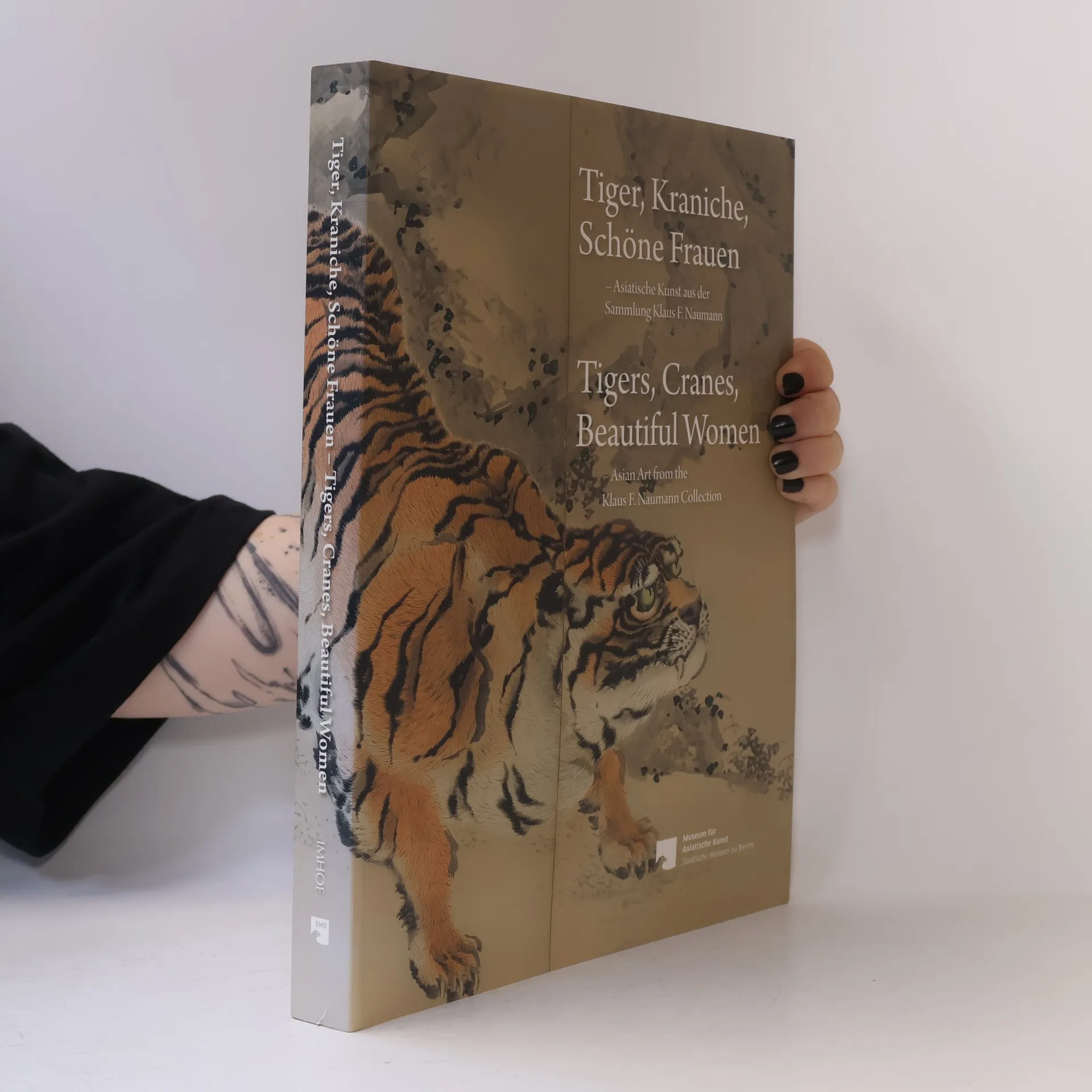

Performing - painting in Tokugawa Japan
- 192 Seiten
- 7 Lesestunden
This pioneering study examines painting as performance in Japan from the 16th to the 19th centuries, analyzing its socio-economic contexts and functions. It explores how this artistic practice served various roles, including elite entertainment, community expression, and alternative artistic identities, reflecting the evolving relationship between painters and their audiences. Key topics include painting for the elite in the 16th century, ritualized performances for the Tokugawa shogun, and the diversification of painting functions during this period. The study also delves into diplomatic entertainment for the shogun's guests and performances in the presence of the emperor and warrior elite. It highlights painting as a means of identity expression and examines cultural networks in 17th and 18th century Japan, including communities of creation and appreciation. The text discusses literati gatherings, collaborative production, and the emergence of eccentric identities through finger painting. Additionally, it addresses the commercialization of culture in 18th century Japan, the interplay between kyōka poets, gesaku writers, and ukiyo-e painters, and the role of fame in calligraphy and painting parties (shogakai). Ultimately, it presents painting performances as significant public relations events within an expanding art world.