'Provokant wird Cornwells Studie zur Geschichte und zur Gegenwart dadurch, dass er Papst Pius X. und sein Dekret 'Quam singulari' in den Mittelpunkt seiner Abhandlung stellt. In ihm bestimmte Pius X. 1910, dass jeder Katholik von nun an einmal in der Woche, statt wie früher einmal im Jahr, zur Beichte gehen müsse. Und noch viel dramatischer: Pius X. führte damit die Kinderbeichte und die Erstkommunion für die erst Siebenjährigen ein. Zu Recht spricht Cornwell von einem 'der gewagtesten Experimente an Kindern, die je im Namen des Christentums verordnet wurden'.', taz, Brigitte Werneburg, 05.02.2014
John Cornwell Reihenfolge der Bücher (Chronologisch)
1. Januar 1940
John Cornwell ist ein britischer Journalist und Autor, der für seine investigativen Arbeiten und seine Erforschung der Verbindung zwischen Wissenschaft, Ethik und den Geisteswissenschaften bekannt ist. Seine Schriften befassen sich eingehend mit den komplexen ethischen Dilemmata, die sich aus wissenschaftlichen Fortschritten ergeben, und untersuchen, wie diese Fragen unsere Gesellschaft prägen. Mit akribischer Recherche und scharfsinniger Analyse widmet er sich oft kontroversen Themen und komplexen historischen Zusammenhängen. Über seine Beiträge zum Verständnis der Wissenschaft hinaus bietet er auch tiefe Einblicke in die katholische Kirche und ihre Auseinandersetzung mit der modernen Welt.
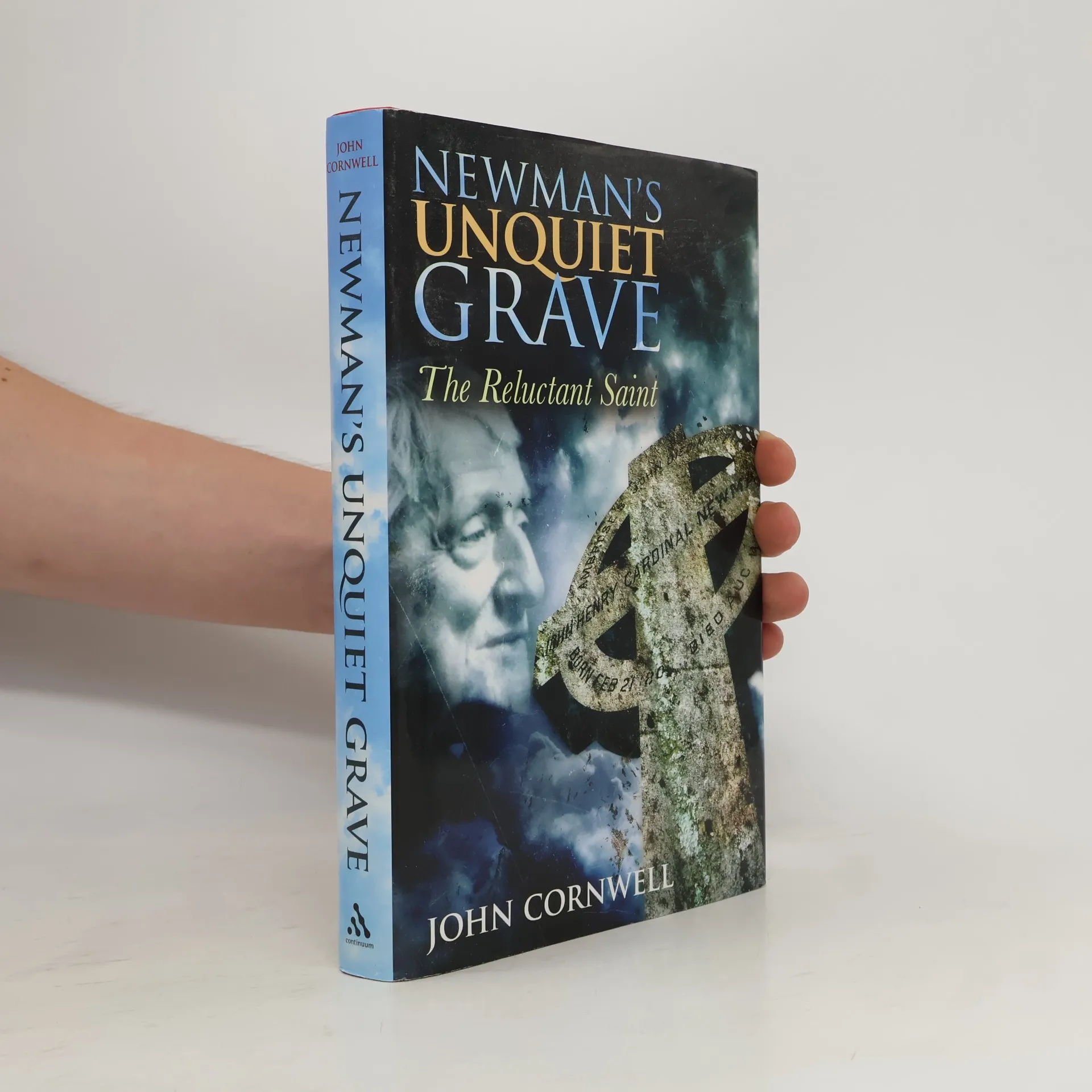
John Henry Newman was the most eminent English-speaking Christian thinker and writer of the past two hundred years. James Joyce hailed him the 'greatest' prose stylist of the Victorian age.A problematic campaign to canonise Newman started fifty years ago. After many delays John Paul II declared him a 'Venerable'. Then Pope Benedict XVI, a keen student of Newman's works, pressed for his beatification. But was Newman a 'Saint'?In Newman's Unquiet Grave John Cornwell (author of A Thief in the Night and Hitler's Pope) tells the story of the chequered attempts to establish Newman's sanctity against the background of major developments within Catholicism. His life was marked by personal feuds, self-absorption, accusations of professional and artistic narcissism, hypochondria, and same-sex friendships that at times bordered on the apparent homo-erotic.John Cornwell investigates the process of Newman's elevation to sainthood to present a highly original and controversial new portrait of the great man's life and genius for a new generation of religious and non-religious readers alike.
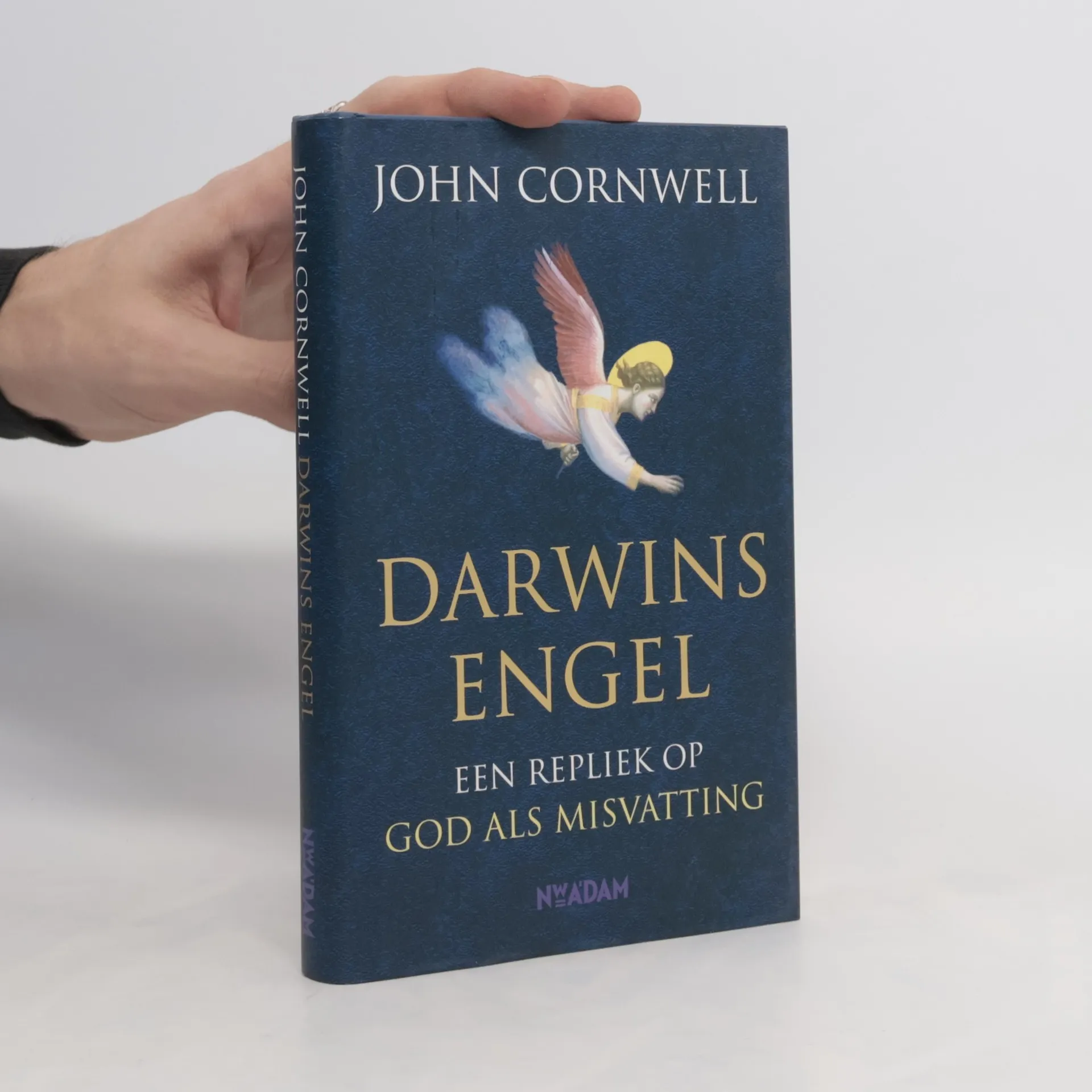
Hét antwoord op Dawkins' veroordeling van godsdienst Met de bestseller God als misvatting heeft Richard Dawkins een scala aan heftige reacties uitgelokt, variërend van de hoogste lof tot felle verontwaardiging. Hij is de lieveling van atheïsten geworden en een mikpunt van hoon voor gelovigen. John Cornwell is ervan overtuigd dat God als misvatting om een reactie vraagt die zowel monter van toon als robuust is. In de rol van beschermengel van prominente biologen - te beginnen met Darwin - heeft Cornwell een lange brief aan Dawkins geschreven. Daarin wijst hij de grote geleerde op een aantal wezenlijke punten in God als misvatting dat volgens hem niet strookt met de logica en het gezonde verstand. Cornwells 'engel' is niet zozeer een verbolgen en defensieve apologeet als wel een vriendelijke wetenschapsman met verbeeldingskracht en gevoel voor ironie. Welwillend neemt hij de moeite om Dawkins een waslijst voor te leggen van wat in zijn ogen dwalingen en tekortkomingen zijn: van Dawkins' gebrek aan begrip van wat geloof en twijfel in wezen inhouden tot diens blinde vlek voor de aard van het atheïsme en de pseudo-wetenschap onder Stalin, Hitler en Mao. Het resultaat is een uiterst leesbare verdediging van de godsdienst in de moderne wereld. In de breed gevoerde discussie over God en religie, die in ons tijdgewricht volop in gang is, komt dit boek met een nieuw en ander, onmisbaar geluid.
Hitlerův papež. Tajný příběh Pia XII.
- 398 Seiten
- 14 Lesestunden
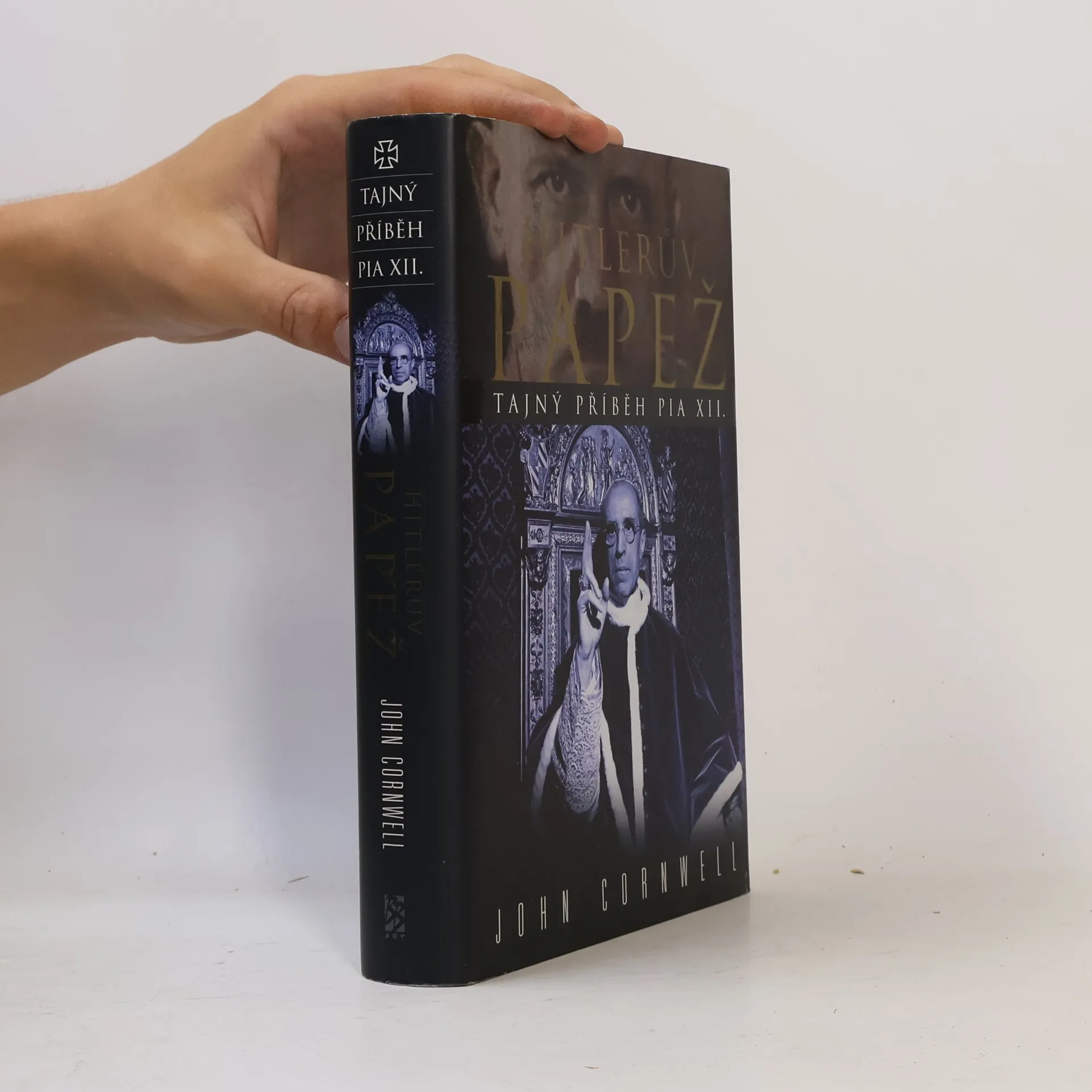
Tajný příběh Pia XII. Publikace přibližuje život i politickou činnost kontroverzního papeže Pia XII., který ve funkci státního tajemníka podepsal dohodu s Hitlerem a vyhýbal se odsouzení nacismu. Výklad dětství, dospívání, diplomatické kariéry. Hlavní pozornost je věnována působení ve funkci státního tajemníka a papežství, kdy podepsal konkordát s nacistickým Německem i velké vstřícnosti k nacistické politice. Rekapitulace působení tzv. Hitlerova papeže, jenž vešel do dějin svým antisemitismem a bojem proti komunismu...
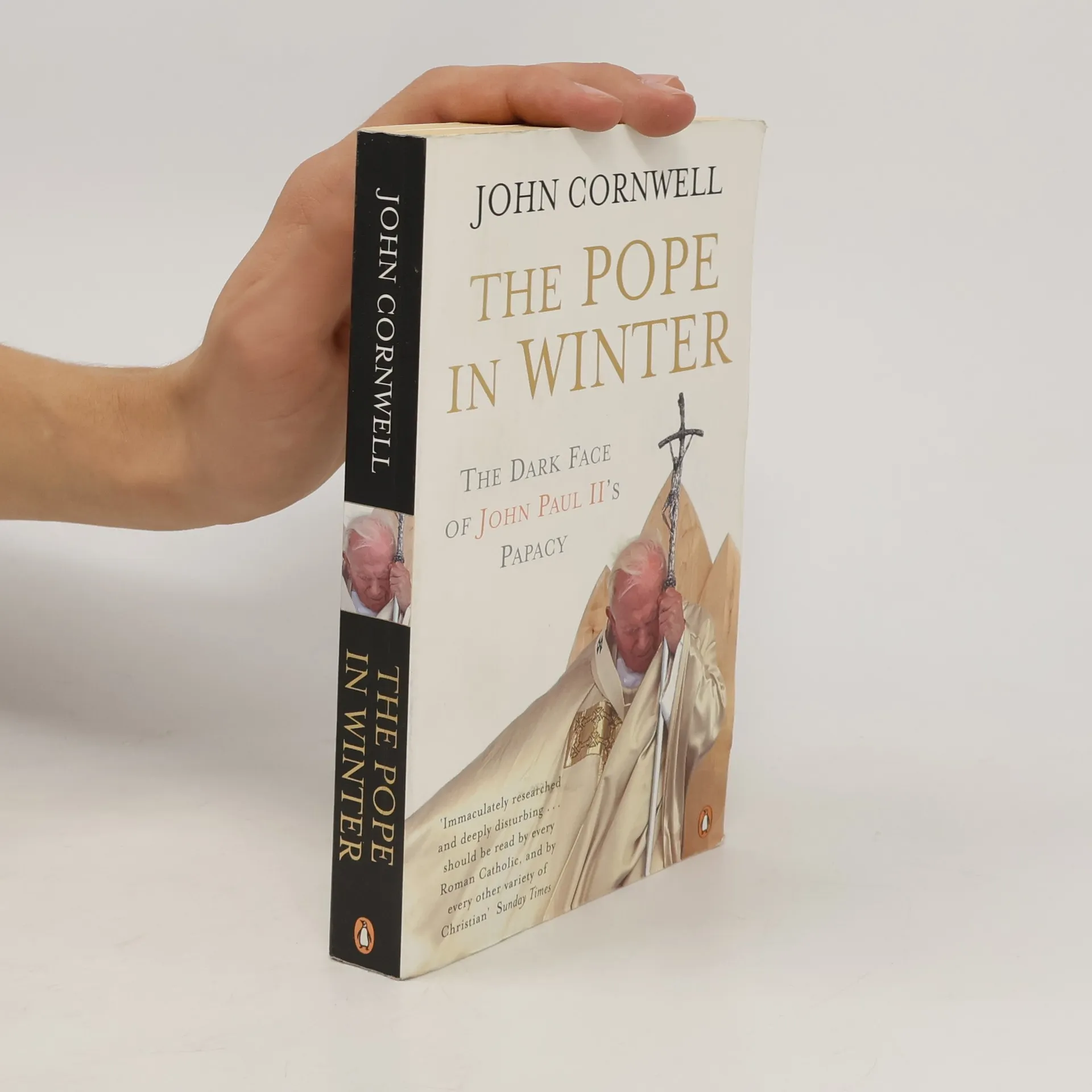
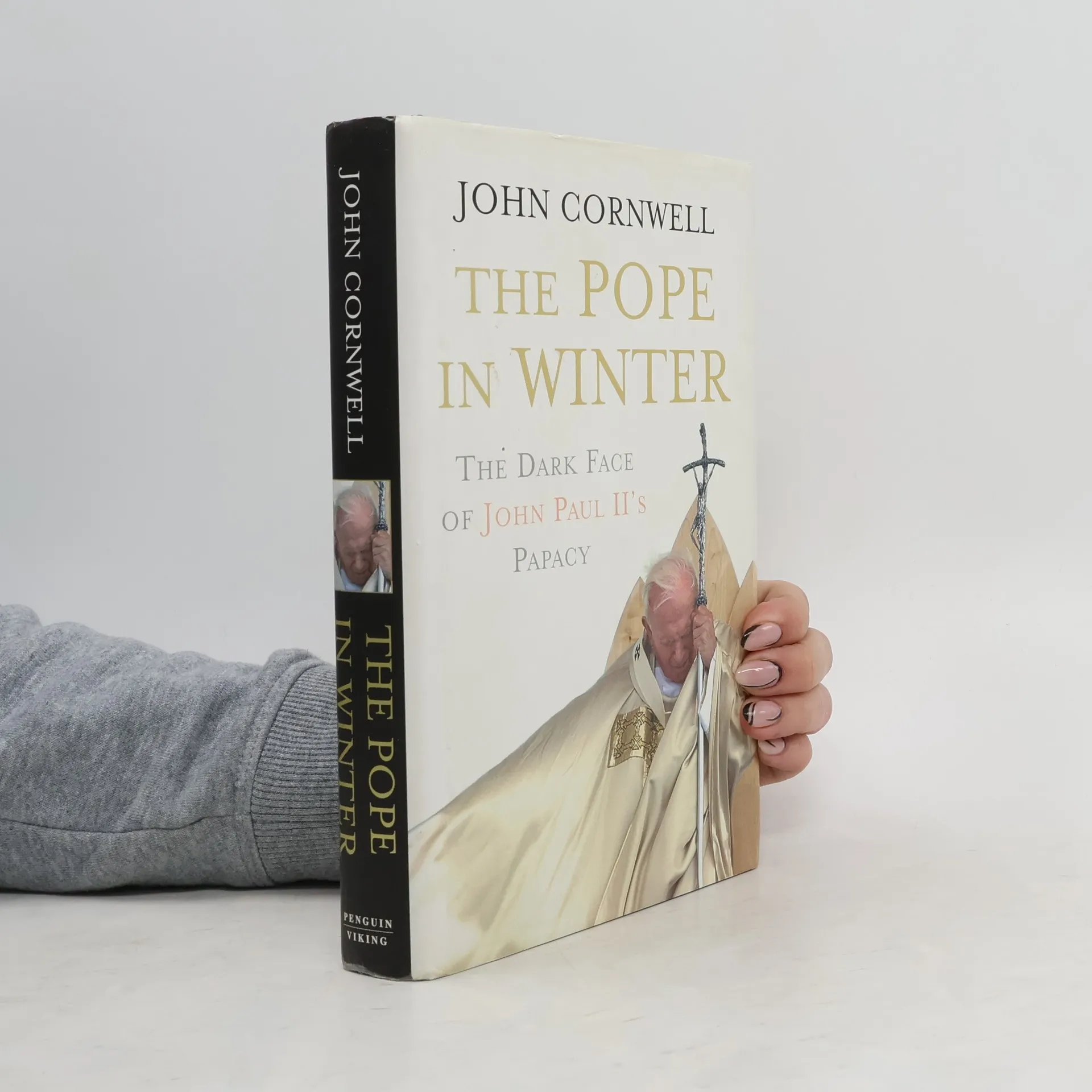
The Late John Paul II was portrayed by admirers as one of history's great popes. But in The Pope in Winter, leading Vatican expert John Cornwell seriously questions the workings of his papacy and points to fundamental flaws - exacerbated by age and infirmity - that have alarming consequences for both the Catholic Church's future and John Paul II's successor.
Opkomst en ondergang van de Duitse wetenschap vanaf het begin van de twintigste eeuw tot de ineenstorting van het Derde Rijk in 1945.
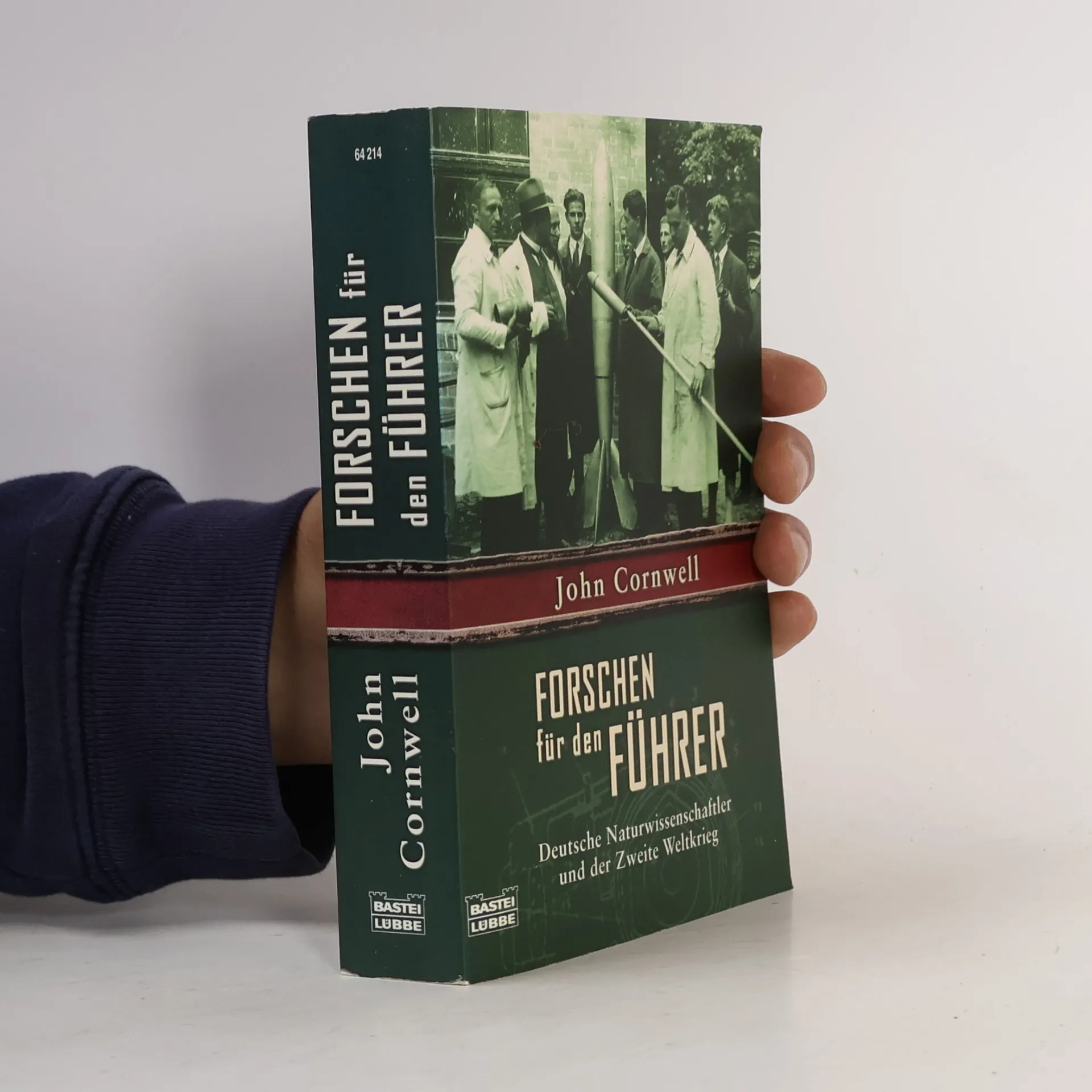
Forschen für den Führer
- 576 Seiten
- 21 Lesestunden
Sie waren unumstrittene Stars und machten Deutschland zum internationalen Mekka der Naturwissenschaften: Wilhelm Conrad Röntgen, David Hilbert, Max Planck, Fritz Haber, Lise Meitner, Otto Hahn, Albert Einstein, Max Born, Werner Heisenberg und viele andere. Kein anderes Land erhielt in den ersten beiden Jahrzehnten des 20. Jahrhunderts so viele Nobelpreise wie Deutschland. Doch mit der Machtergreifung der Nazis im Jahr 1933 waren viele Prominente aus Wissenschaft und Forschung gezwungen, ihr Land zu verlassen. Die, die blieben, wurden in die ideologische Pflicht genommen, mussten ihre Arbeit in den Dienst der Hitler'schen Tötungsmaschinerie und Kriegspolitik stellen. Und sie taten es, entwickelten Panzer, Raketen, chemische Kampfstoffe und Bomben, die die Welt in Angst und Schrecken versetzten. Dies ist die Chronik der deutschen Naturwissenschaften in der ersten Hälfte des 20. Jahrhunderts - einer Wissenschaftsdisziplin, die, zum Nutzen der Menschheit gedacht, millionenfachen Tod brachte. Ein erschreckendes, ein dunkles Kapitel deutscher Geschichte, hier zum erstenmal umfassend dargestellt.
Persoonlijk portret van de Rooms-Katholieke Kerk aan het begin van de 21ste eeuw.
Pius XII.
- 483 Seiten
- 17 Lesestunden
Während sich Europa auf den Zweiten Weltkrieg zubewegt, wird im März 1939 in Rom ein neuer Papst gewählt. Die Wahl des Konklaves fällt auf Eugenio Pacelli. Der Kardinal, der sich fortan Pius XII. nennt, blickt auf eine steile Karriere als Kirchenmann zurück. Bereits das Konkordat mit dem Deutschen Reich vom 20. Juli 1933 trägt seine Handschrift. Es verschaffte dem NS-Regime wertvolle innen- und außenpolitische Anerkennung. Während des Krieges steuert Pius XII. einen Kurs strikter Neutralität, selbst dann noch, als sich die Niederlage der Achsenmächte abzeichnet. Er vermeidet jede klare Verurteilung der Judenverfolgung, über deren Ausmaß er weitgehend unterrichtet ist
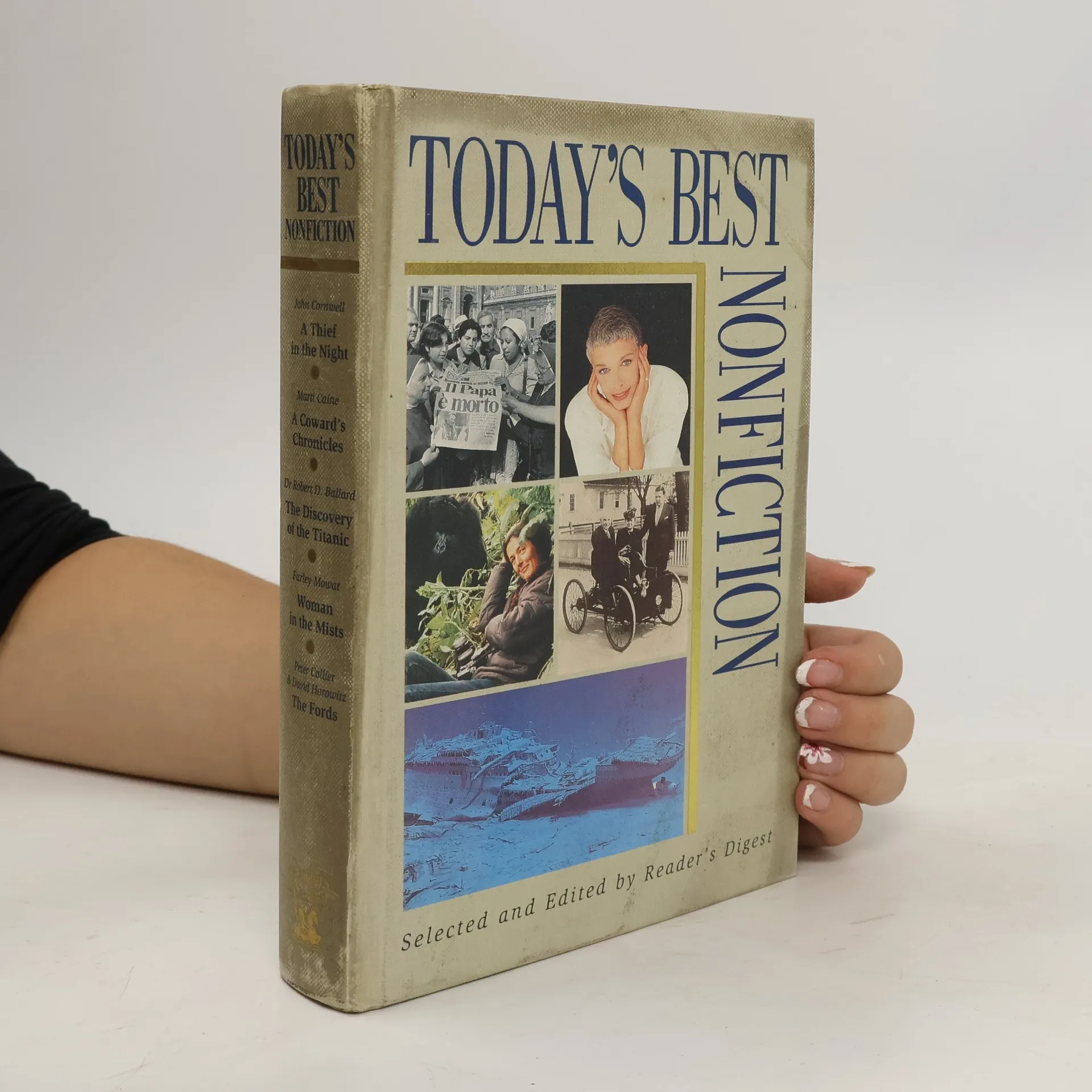
Today's Best Nonfiction
A Coward's Chronicles. The Discovery of the Titanic. Woman in the Mists. The Fords
John Cornwell uncovers in his investigation into the sudden death of Pope John Paul I on September 28, 1978, the truth of his shameful and tragic end—facts more startling than the conspiracy theories of his murder.
Wie ein Dieb in der Nacht - Der Tod von Papst Johannes Paul I. - bk1312/1; Paul Zsolnay Verlag; John Cornwell; Paperback; 1989
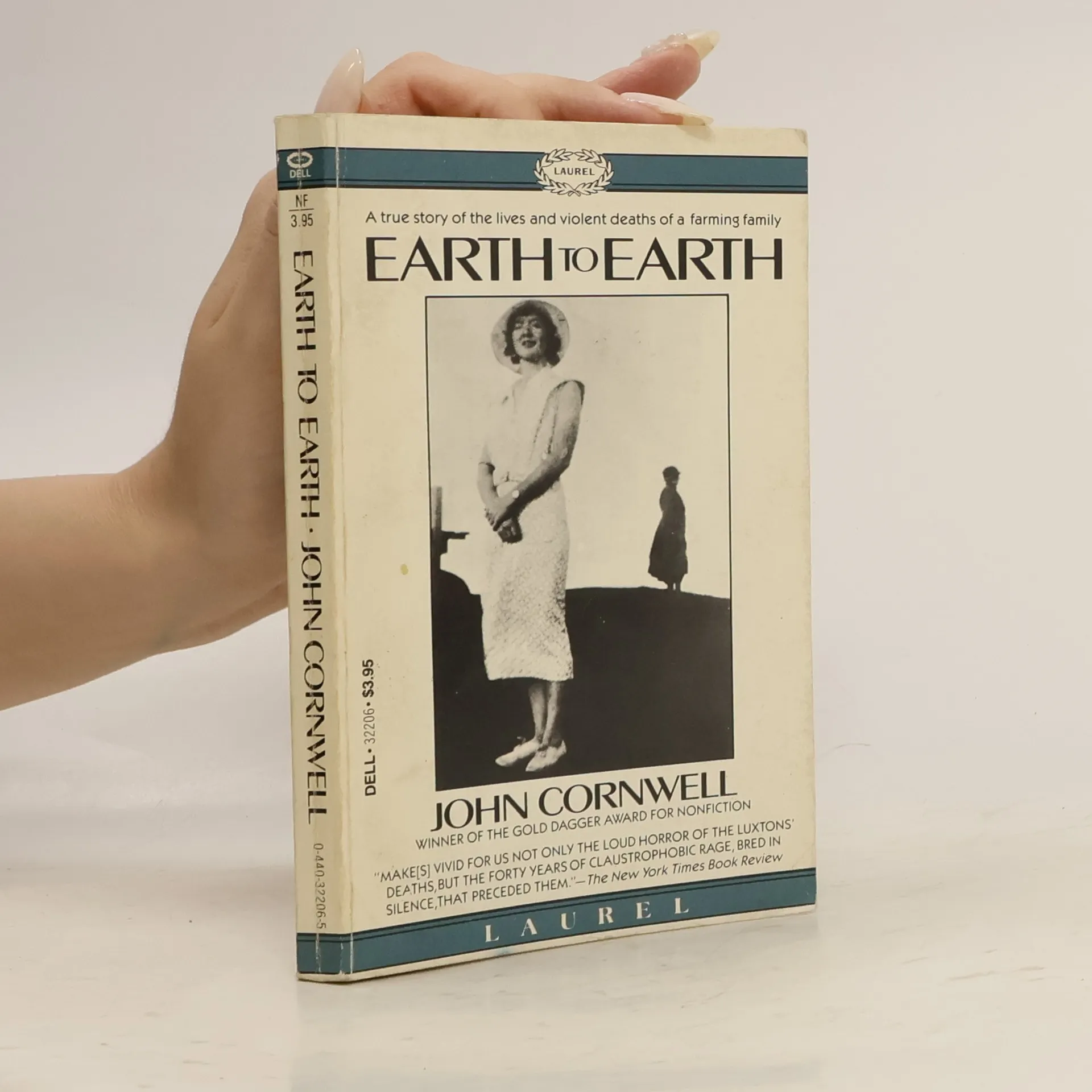
Earth to Earth
- 174 Seiten
- 7 Lesestunden
On a September day in 1975, amid the pungent smells of ripe apples and falling leaves, Robbie, Francis and Alan Luxton were found shot to death on the remote Devon Farm that had belonged to their family for hundreds of years. Reclusive, eccentric, and miserly, the two brothers and a sister shared secrets no one ever suspected until their mysterious deaths brought attention to their strange lives. In a saga reaching back over generations, author John Cornwell probes the verdant surface of the peaceful Devonshire countryside to unearth the truth about a formidable family... to uncover a poignant tale of madness, love, and tragedy... to answer the dark questions about how they lived and why they died. --- from book''s back cover