

This comprehensive examination of 18th and 19th-century architecture explores its extreme diversity within the context of social, economic and political upheaval. It offers an analysis of the ways issues of style functioned to make architecture one of the most experimental art forms in the period. schovat popis
Barry Bergdoll Bücher
Barry Bergdoll ist Professor für Architekturgeschichte an der Columbia University. Seine Arbeit befasst sich mit wichtigen architektonischen Strömungen und ihren historischen Entwicklungen. Er untersucht, wie sich architektonische Stile und Ideen im Laufe der Zeit entwickelt haben und welche Auswirkungen sie auf die Gesellschaft hatten. Seine Perspektive auf Architektur ist tief in ihrem historischen Kontext verwurzelt.


Sordo Madaleno
- 420 Seiten
- 15 Lesestunden
A monograph on the work of three generations of architects, a determining factor in the dynamic transformation of Mexico
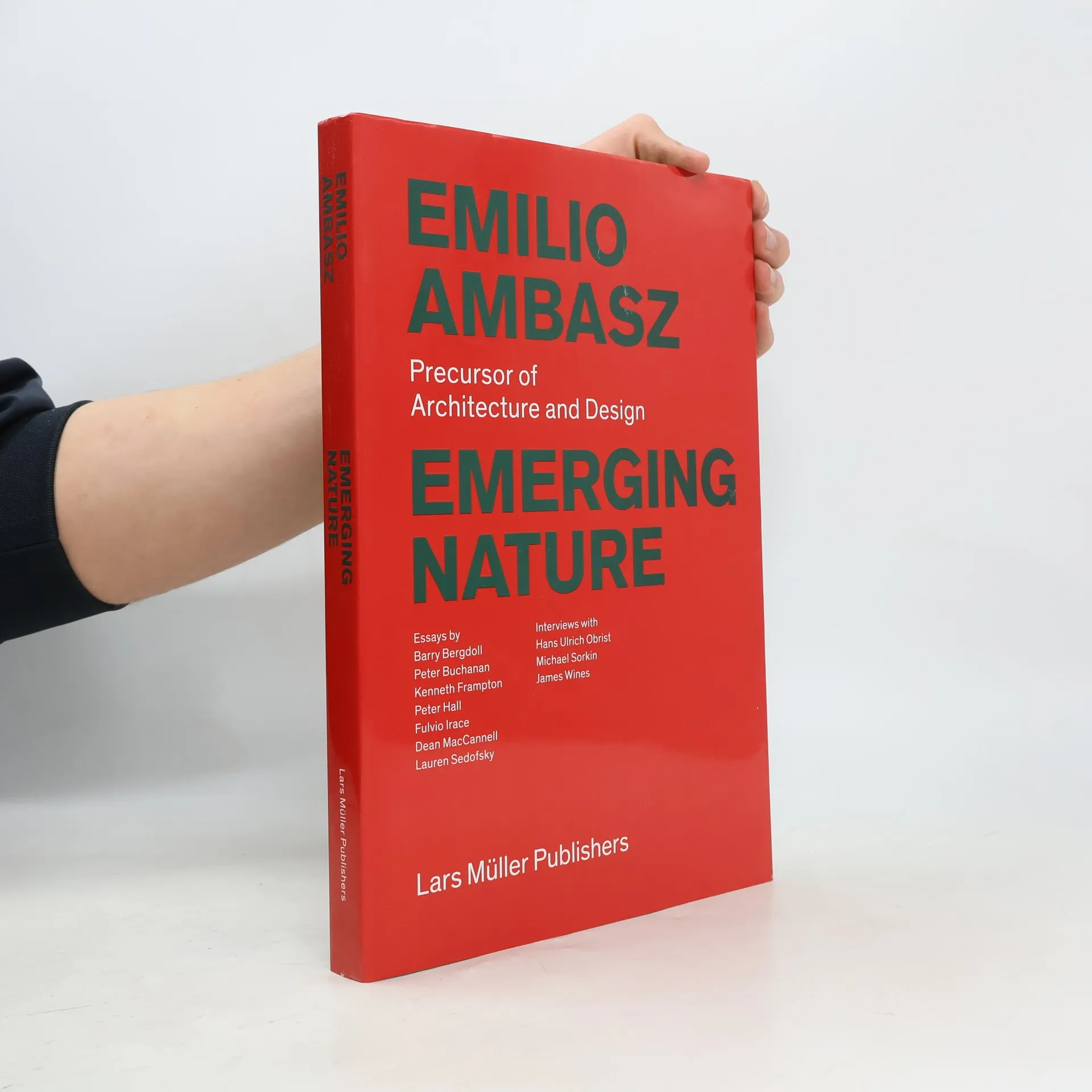
Emilio Ambasz - Emerging Nature
- 312 Seiten
- 11 Lesestunden
This comprehensive volume documents the work of the Argentine architect, graphic designer, and industrial designer Emilio Ambasz. Ambasz's main concern is to integrate nature and construction into architectural design, which is why he is regarded as one of the most important pioneers of Green Architecture. In his work a combination of landscape and architecture emerges, in which his respect for the environment and ecological sustainability becomes clear. A prime example of this is the Fukuoka Prefectural International Hall in Japan: a building that houses more than 100,000 m2 of exhibition spaces, theaters, and offices is also an open green area in the form of a hanging garden. In addition to the documentation of Ambasz's architectural, graphic, industrial, and exhibition design, this publication contains essays by Barry Bergdoll, Kenneth Frampton, and Peter Buchanan, as well as three interviews with Emilio Ambasz, conducted by Michael Sorkin, James Wines, and Hans Ulrich Obrist.
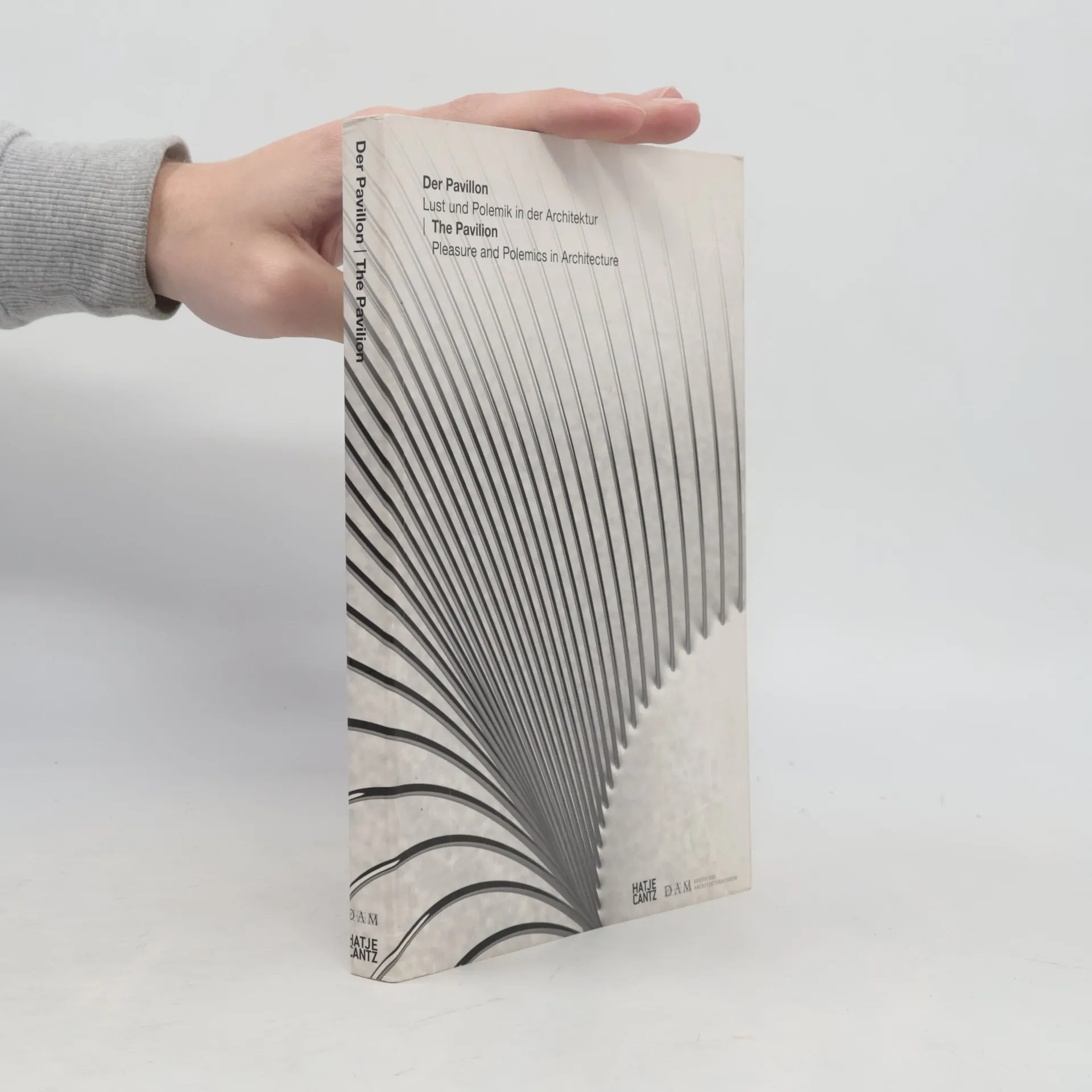
The Pavilion examines both the history and the contemporary state of pavilion architecture, something of a niche genre in the field, but with a long history of masterpieces. It consists of two parts: first, the examination of a group of twentieth-century pavilions, and second, a collection of essays that survey historical and more recent examples. This outstanding analysis was produced by students of architecture at Frankfurt's St�delschule. In the theoretical section, well-known authors discuss the materials used in pavilions, starting with influences from the Orient, India and Asia, and moving on to significant twentieth-century pavilions and recent temporary buildings that seem to occupy a space between art and architecture. In addition, the book documents the research and development of a summer pavilion for the garden at the Deutsches Architekturmuseum in Frankfurt produced by the offices of Barkow Leibinger and Werner Sobek.