

Bookbot

Michael J. Wooldridge

    A Brief History of Artificial Intelligence
    Artificial intelligence
    The Road to Conscious Machines
    Reasoning About Rational Agents
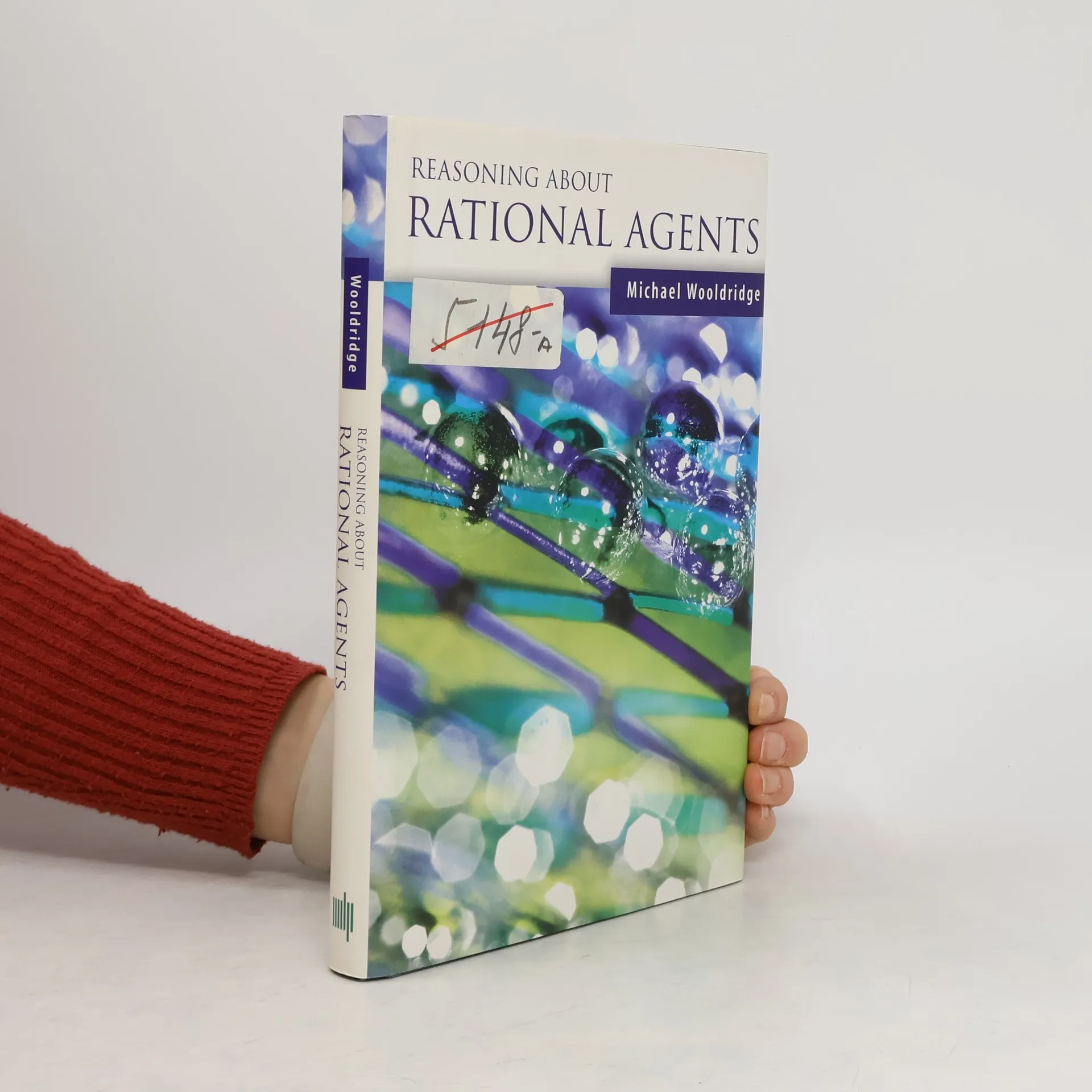
    • Reasoning About Rational Agents

      • 241 Seiten
      • 9 Lesestunden

      One goal of modern computer science is to engineer computer programs that can act as autonomous, rational agents; software that can independently make good decisions about what actions to perform on our behalf and execute those actions. Applications range from small programs that intelligently search the Web buying and selling goods via electronic commerce, to autonomous space probes. This book focuses on the belief-desire-intention (BDI) model of rational agents, which recognizes the primacy of beliefs, desires, and intentions in rational action. The BDI model has three distinct an underlying philosophy based on practical reasoning in humans, a software architecture that is implementable in real systems, and a family of logics that support a formal theory of rational agency.The book introduces a BDI logic called LORA (Logic of Rational Agents). In addition to the BDI component, LORA contains a temporal component, which allows one to represent the dynamics of how agents and their environments change over time, and an action component, which allows one to represent the actions that agents perform and the effects of the actions. The book shows how LORA can be used to capture many components of a theory of rational agency, including such notions as communication and cooperation.

      Reasoning About Rational Agents
      4,0
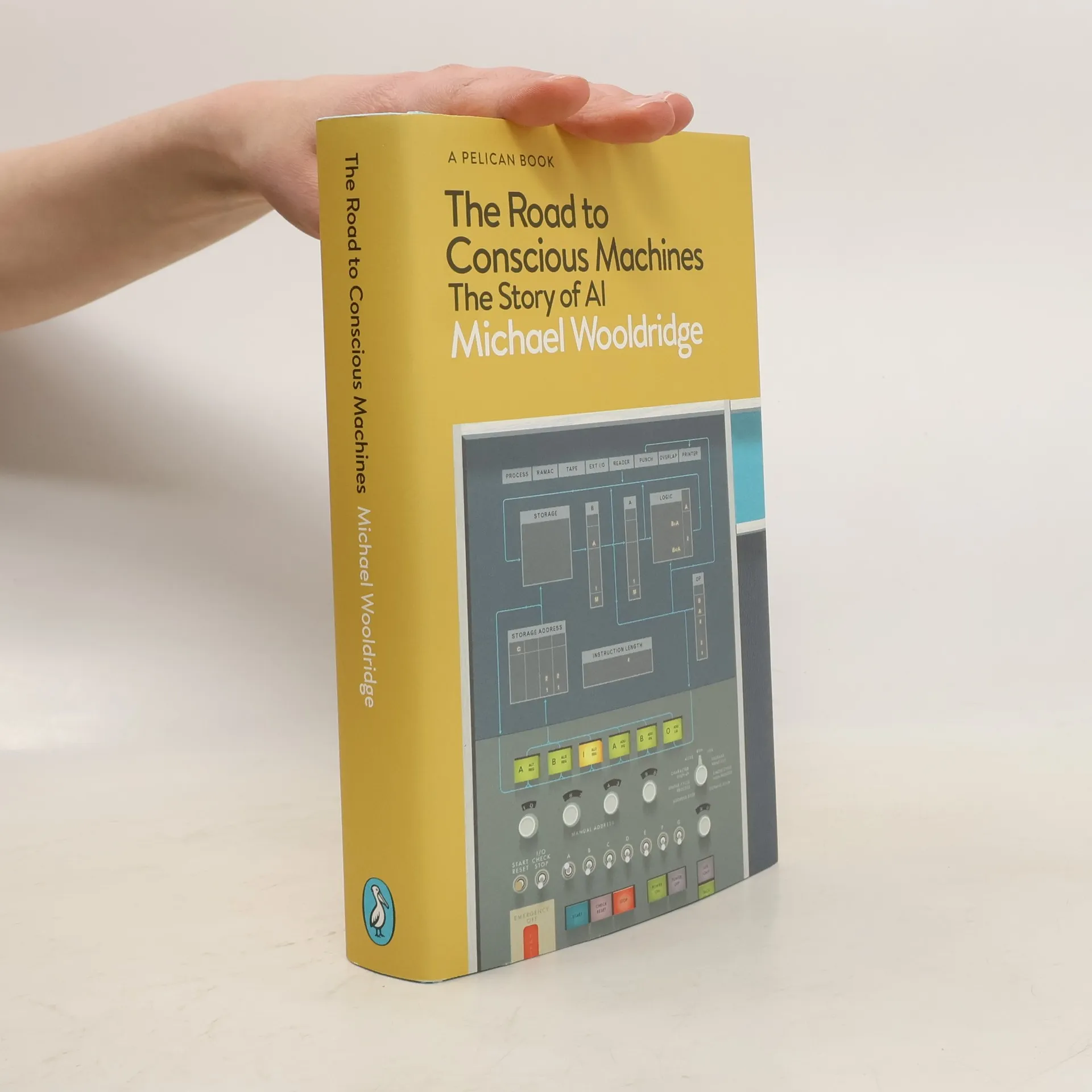
    • The Road to Conscious Machines

      • 416 Seiten
      • 15 Lesestunden

      In the past twenty years, AI has transformed from a niche field with questionable reputation to the most speculated-about pursuit in contemporary culture. But how much of our perception of AI as self-aware, conscious and autonomous beings is a pipe dream cooked up by the charlatans and snake-oil salesmen of science? In The Road to Conscious Machines, Michael Wooldridge tells the story of AI, from its origins in the first Turing computers to DeepMind and newer innovations that will shape the next few decades. Mythbyusting AI's capabilities as logical, rational, intelligent, independent actors, Wooldridge makes a convincing case that most AI engineers are - like everyone -- just figuring things out as they go along. In this deft and detailed survey of AI's booms and busts, Wooldridge brings a healthy injection of humility to an overhyped field. AI appeals to fundamental questions about what it means to be human; so too do the failures and limitations of its past.

      The Road to Conscious Machines
      4,2
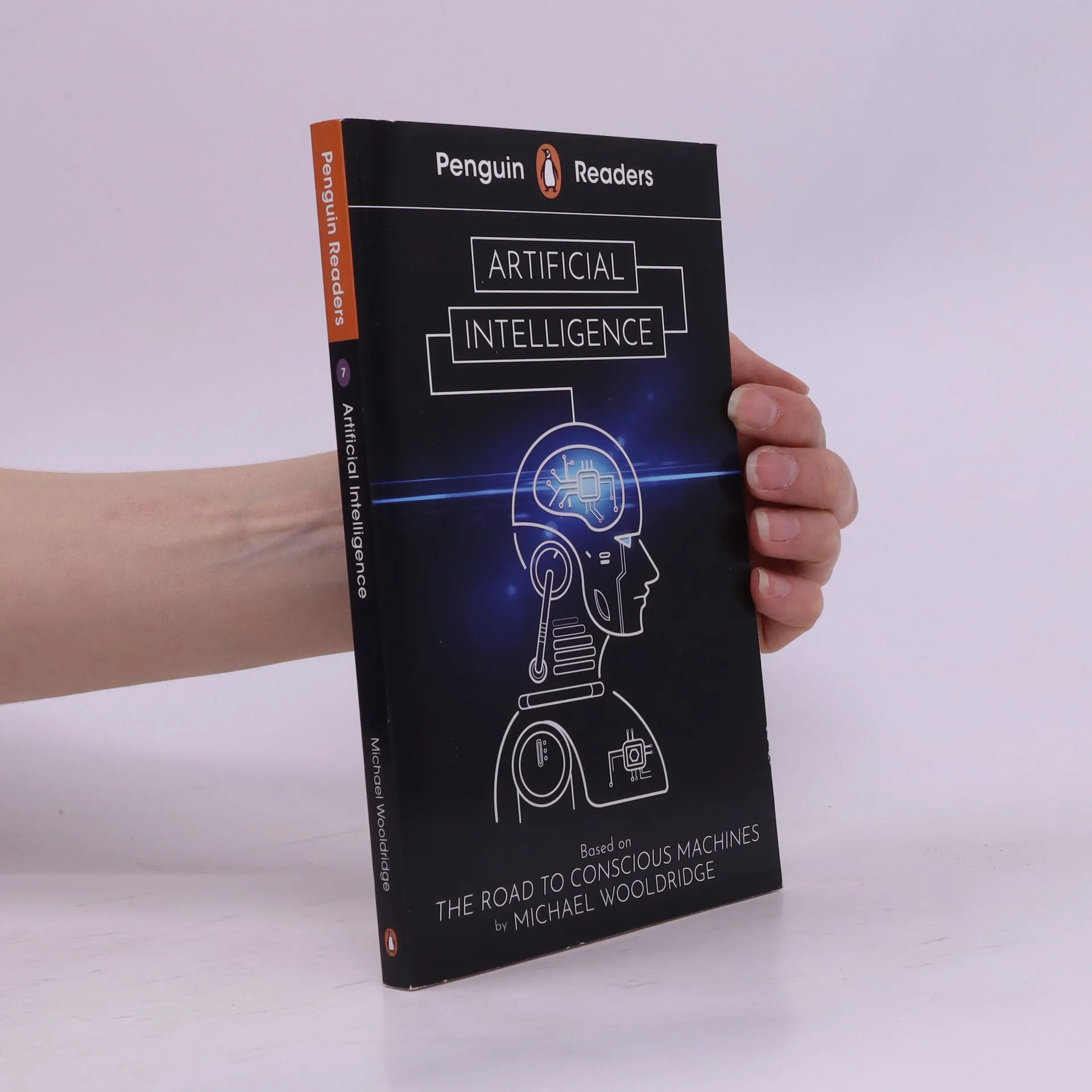
    • Artificial intelligence

      • 144 Seiten
      • 6 Lesestunden

      With carefully adapted text, new illustrations, language practise activities and additional online resources, the Penguin Readers series introduces language learners to bestselling authors and compelling content. Titles include popular classics, exciting contemporary fiction, and thought-provoking non-fiction. Artificial Intelligence, a Level 7 Reader, is B2 in the CEFR framework. The longer text is made up of sentences with up to four clauses, introducing future perfect simple, mixed conditionals, past perfect continuous, mixed conditionals, more complex passive forms and modals for deduction in the past. This book aims to explain what AI is and what it is not. It turns to different subjects to understand AI, and what it means for the world. It also examines important AI developments in the past, present and future.

      Artificial intelligence
      3,8
    • From Oxford's leading AI researcher comes a fun and accessible tour through the history and future of one of the most cutting edge and misunderstood field in Artificial IntelligenceThe somewhat ill-defined long-term aim of AI is to build machines that are conscious, self-aware, and sentient; machines capable of the kind of intelligent autonomous action that currently only people are capable of. As an AI researcher with 25 years of experience, professor Mike Wooldridge has learned to be obsessively cautious about such claims, while still promoting an intense optimism about the future of the field. There have been genuine scientific breakthroughs that have made AI systems possible in the past decade that the founders of the field would have hailed as miraculous. Driverless cars and automated translation tools are just two examples of AI technologies that have become a practical, everyday reality in the past few years, and which will have a huge impact on our world.While the dream of conscious machines remains, Professor Wooldridge believes, a distant prospect, the floodgates for AI have opened. Wooldridge's A Brief History of Artificial Intelligence is an exciting romp through the history of this groundbreaking field--a one-stop-shop for AI's past, present, and world-changing future.

      A Brief History of Artificial Intelligence
      3,9