
America through Foreign Eyes is written for Americans by a foreigner who has lived, studied, worked and dealt with America for half a century. In these pages, Jorge G. Castañeda seeks to reflect upon some of the more salient features of the country. He considers the observations of other foreigners, from Dickens to Naipaul, and identifies aspects of the U.S. that were not touched upon by these authors. As a former Foreign Minister of Mexico, Castañeda brings a different viewpoint to issues ranging from purported American exceptionalism, uniformity, race and religion, culture, immigration, and the death penalty. Ultimately, he describes the United States' arduous and successful road to modernity, and the construction of what can justly be called an American civilization.
Jorge Castañeda Gutman Reihenfolge der Bücher (Chronologisch)
Jorge Castañeda Gutman ist ein mexikanischer Intellektueller, dessen Werk sich mit den komplexen Beziehungen zwischen Mexiko, Lateinamerika und den Vereinigten Staaten auseinandersetzt. Sein Schreiben zeichnet sich durch ein tiefes Verständnis von Geschichte und Politik aus, wobei er sich oft auf Themen wie nationale Identität, Demokratie und internationale Beziehungen konzentriert. Castañeda scheut keine provokativen Einblicke, und seine Analysen regen zum Nachdenken über globale Fragen aus einer einzigartigen Perspektive an.

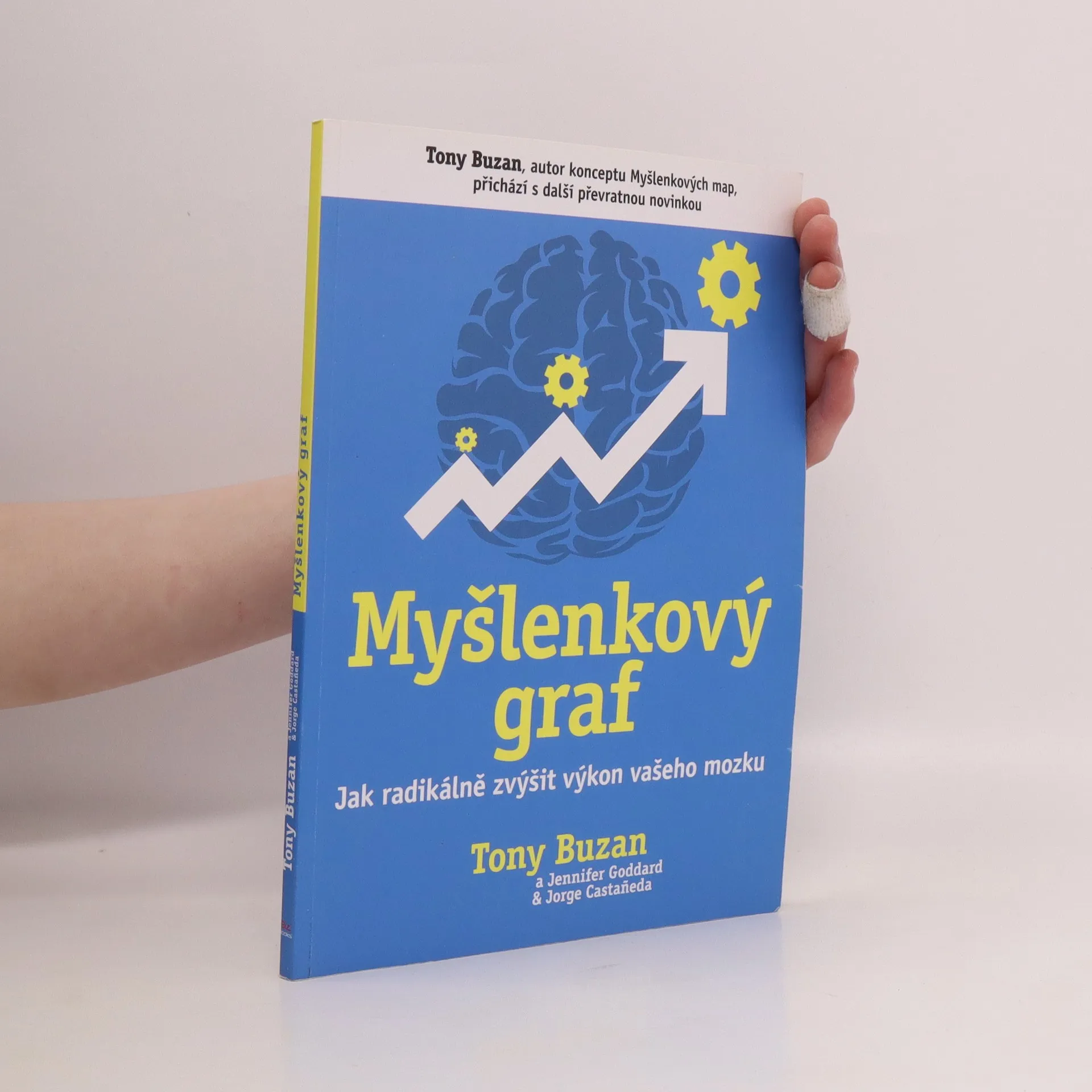


Myšlenkový graf, který jeho autor a tvůrce geniálního konceptu myšlenkových map, Tony Buzan, považuje za ten nejdůležitější graf na světě, odkrývá tajemství schopnosti učit se a pamatovat si. Pomocí jednoduchého grafu dokážete neuvěřitelným způsobem zvýšit možnosti svého mozku, dokážete si zapamatovat mnohem víc, než jste si kdy uměli představit a začnete chápat věci v souvislostech, které vám před tím vůbec nepřicházely na mysl. Myšlenkový graf vychází z veleúspěšných myšlenkových map, které ideálně doplňuje a navazuje na ně. Myšlenkové mapy pomáhají dnes už milionům lidí na celém světě a myšlenkový graf dovádí potenciál tohoto konceptu k dokonalosti. Pomocí myšlenkového grafu dokážete: - Převést jazyk svého mozku do srozumitelné řeči. - Pochopíte, proč chápete i proč nechápete. - Naučíte se učit se efektivněji, než kdykoliv před tím. - Zjistíte, že většina úspěšných lidí minulosti i současnosti podvědomě vycházela z principů myšlenkového grafu. Otevřete stavidla své kreativity a využijte všechnu kapacitu, kterou váš zázračný mozek nabízí!
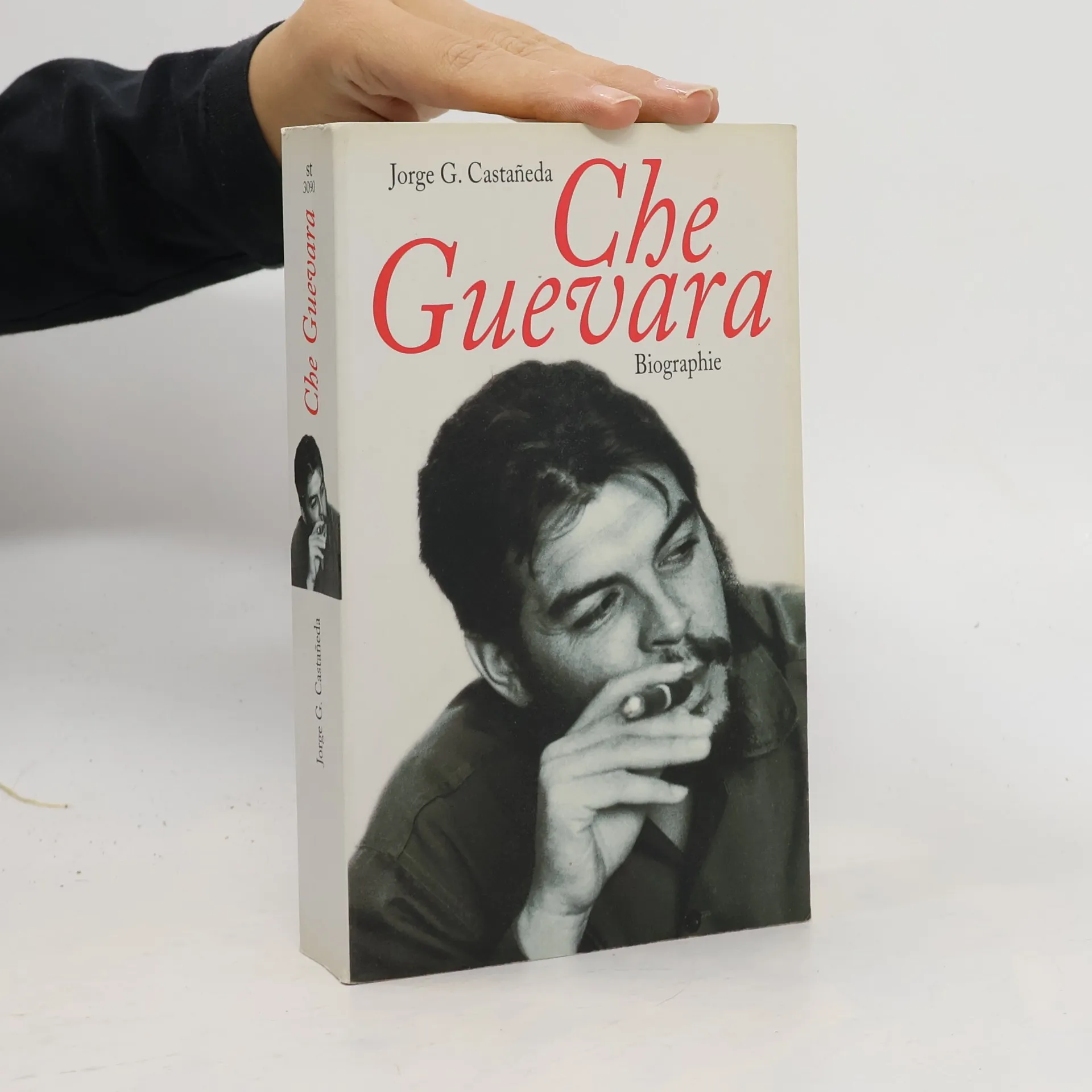
By the time he was killed in the jungles of Bolivia, where his body was displayed like a deposed Christ, Ernesto "Che" Guevara had become a synonym for revolution everywhere from Cuba to the barricades of Paris. This extraordinary biography peels aside the veil of the Guevara legend to reveal the charismatic, restless man behind it. Drawing on archival materials from three continents and on interviews with Guevara's family and associates, Castaneda follows Che from his childhood in the Argentine middle class through the years of pilgrimage that turned him into a committed revolutionary. He examines Guevara's complex relationship with Fidel Castro, and analyzes the flaws of character that compelled him to leave Cuba and expend his energies, and ultimately his life, in quixotic adventures in the Congo and Bolivia. A masterpiece of scholarship, Companero is the definitive portrait of a figure who continues to fascinate and inspire the world over.
Decades ago, Ernesto Guevara de la Serna met a sudden end in southeastern Bolivia, giving rise to an enduring myth. The mention of "Che" evokes the image of the bearded revolutionary leader who played a pivotal role in Latin American and African upheavals during the '50s and '60s. This account offers a balanced and thorough exploration of Che's personal and political life, incorporating unique materials such as his teenage love letters and detailed reviews of archives from the former USSR. The narrative contextualizes each phase of Che's career within its social, cultural, and political backdrop, addressing critical questions about the Socialist movement. It examines whether the Soviets supported or betrayed Che in the Congo and Bolivia and explores Fidel Castro's true feelings towards him. Most intriguingly, it delves into how a privileged, asthmatic doctor from Argentina became the iconic figure known as Che. The text includes acknowledgments, a prologue, and sections covering his childhood, medical school years, revolutionary activities, and the complexities of his relationships, ultimately leading to his death and the mythos that followed.
Vintage Español: Compañero
Vida y muerte del Che Guevara - Spanish-language edition
- 553 Seiten
- 20 Lesestunden
Latin America's leading political scientist Jorge G. Castaneda reconstructs the complicated life of Argentine revolutionary Ernesto "Che" Guevara, explaining how Che ultimately transcended ideology and politics to become a counter-cultural hero and idol of American college students. photos.
In writing this portrait of Che Guevara, the author was given access to Che's family and friends.
Die bolivianische Armee beging den entscheidenden Fehler, Che Guevaras Leiche für Journalisten aufzubereiten. Man reinigte seinen ausgemergelten Körper, stutzte seinen Bart und kämmte ihn, bevor das legendäre Foto um die Welt ging. Was man verhindern wollte, war erreicht: Eine Ikone war geboren. Diese exzellente Biographie beschreibt den Lebensweg von Ernesto Guevara de la Serna, von seinen großbürgerlichen Anfängen in Argentinien bis zu seinem gewaltsamen Tod 1967 in Bolivien, in spannender Manier, die an große lateinamerikanische Erzähler erinnert. Die Familie gehörte zur Elite Argentiniens, und es ist bemerkenswert, dass seine Mutter Celia, eine willensstarke Demokratin, ihren asthmakranken Sohn nicht auf eine Eliteschule schickte. Stattdessen unterrichtete sie mittellose Mitschüler in ihrem Haus. Castañeda sieht in ihr das prägende Beispiel für Guevaras späteren Lebensweg. Beide liebten die Gefahr und besaßen tiefes Mitgefühl. Eine ähnliche Rolle sollte später Fidel Castro einnehmen. Der Kampfes- und Leidensweg Guevaras, beginnend mit der Machtergreifung Peróns 1945, über sein Medizinstudium und die erste Liebe in Buenos Aires bis hin zu seinem radikalen Bruch mit der Geliebten und seiner Heimat 1953, wird in ruhigem, epischem Ton dargestellt. Wer diesen Stil schätzt, wird mit einem spannenden Buch belohnt.

