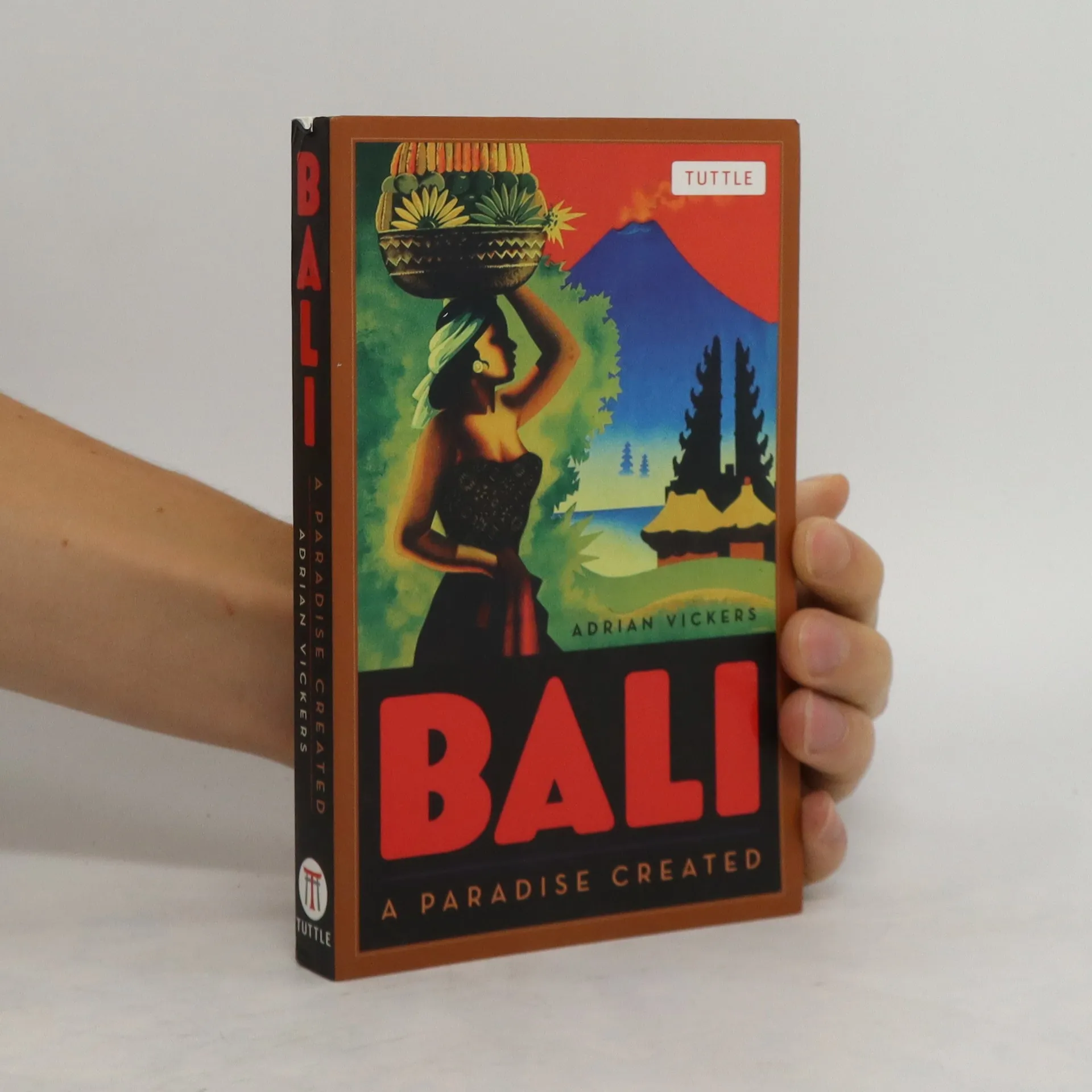
Bali. Ein Paradies wird erfunden
- 407 Seiten
- 15 Lesestunden



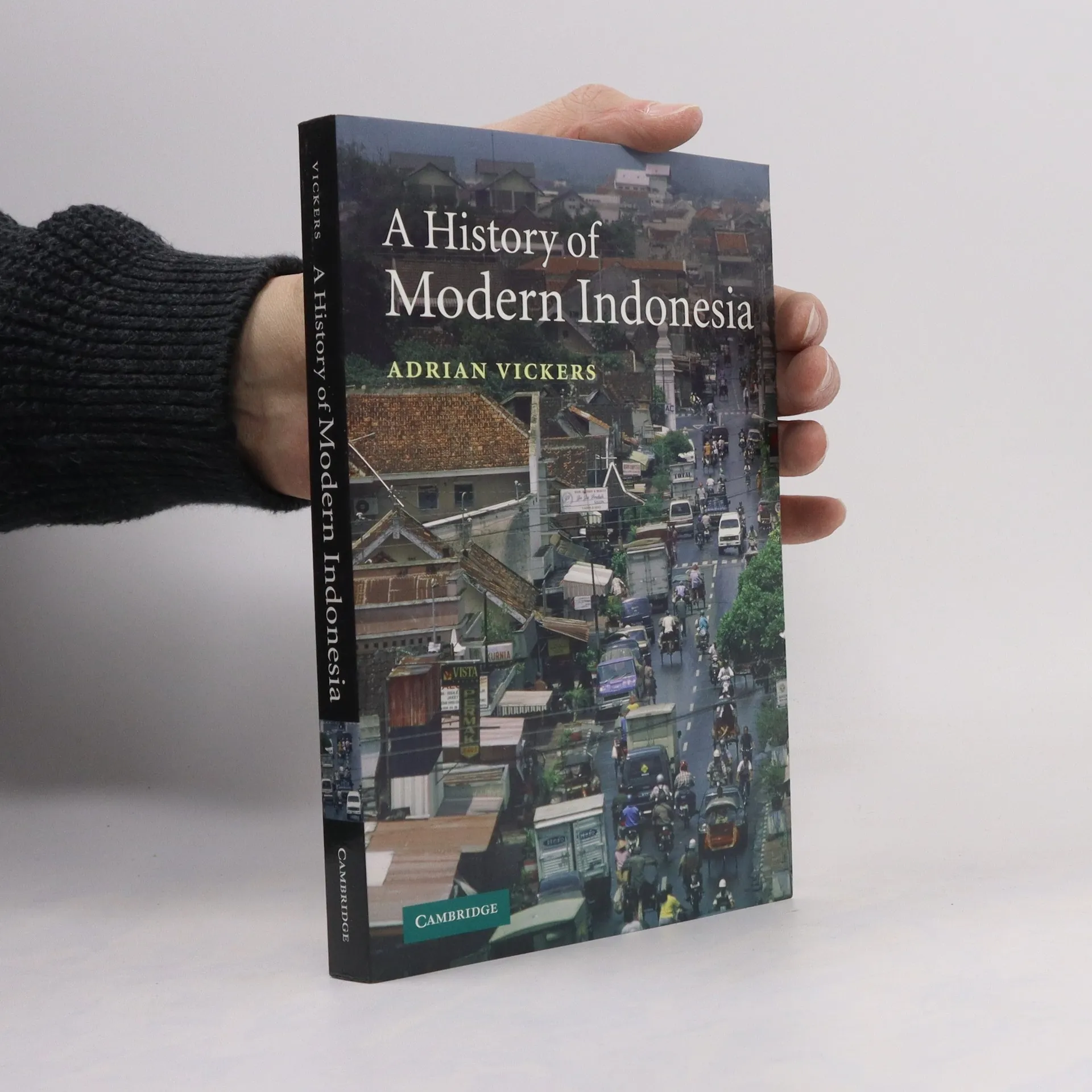

Although Indonesia has the fourth largest population in the world, its history is still relatively unfamiliar and understudied. Guided by the life and writings of the country's most famous author, Pramoedya Ananta Toer, Adrian Vickers takes the reader on a journey across the social and political landscape of twentieth-century Indonesia in this innovative and timely account. He begins by explaining the country's origins under the Dutch in the early part of that century, the subsequent anticolonial struggle and the revolution which led to independence in 1949. Thereafter the spotlight is on the 1950s, a crucial period in the formation of Indonesia as a new nation, which was followed by the Sukarno years, and the anti-communist massacres of the 1960s when General Suharto took over as president. The concluding chapters chart the fall of Suharto's New Order after thirty-two years in power, and the subsequent political and religious turmoil which culminated in the Bali bombings in 2002.Drawing on insights from literature, art and anthropology, Adrian Vickers portrays a complex and resilient people struggling out of a troubled past.
The Last Paradise as seen through Western eyes
This comprehensive survey of Balinese painting explores its evolution from origins to its current prominence in the Asian art scene. Surprisingly, the highest-priced contemporary painter in Southeast Asia is Bali-born Nyoman Masriadi, whose work is rooted in a rich tradition. The book examines two centuries of remarkable artwork, highlighting how Balinese painting has developed its unique trajectory while sharing features with other artistic traditions. Its foundations lie in Indian art and religion, which arrived in Bali over a millennium ago, along with influences from ancient Javanese culture and interactions with other Asian arts, especially Chinese, as well as later Western art. This blend has created an aesthetic tradition that incorporates narratives from ancient Indian epics, Javanese mythology, and the communal life of the Balinese. Beginning with an overview of the island's aesthetic traditions, the book discusses pre-colonial painting practices still alive in Kamasan, the heart of "classical" Balinese art. The focus shifts to the emergence of new styles from the 1930s onward, shaped by the tourist industry and globalization. The text introduces readers to significant masterpieces and artists, concluding with an examination of today's key figures, providing insight into the contemporary art scene.