

Parameter
Mehr zum Buch
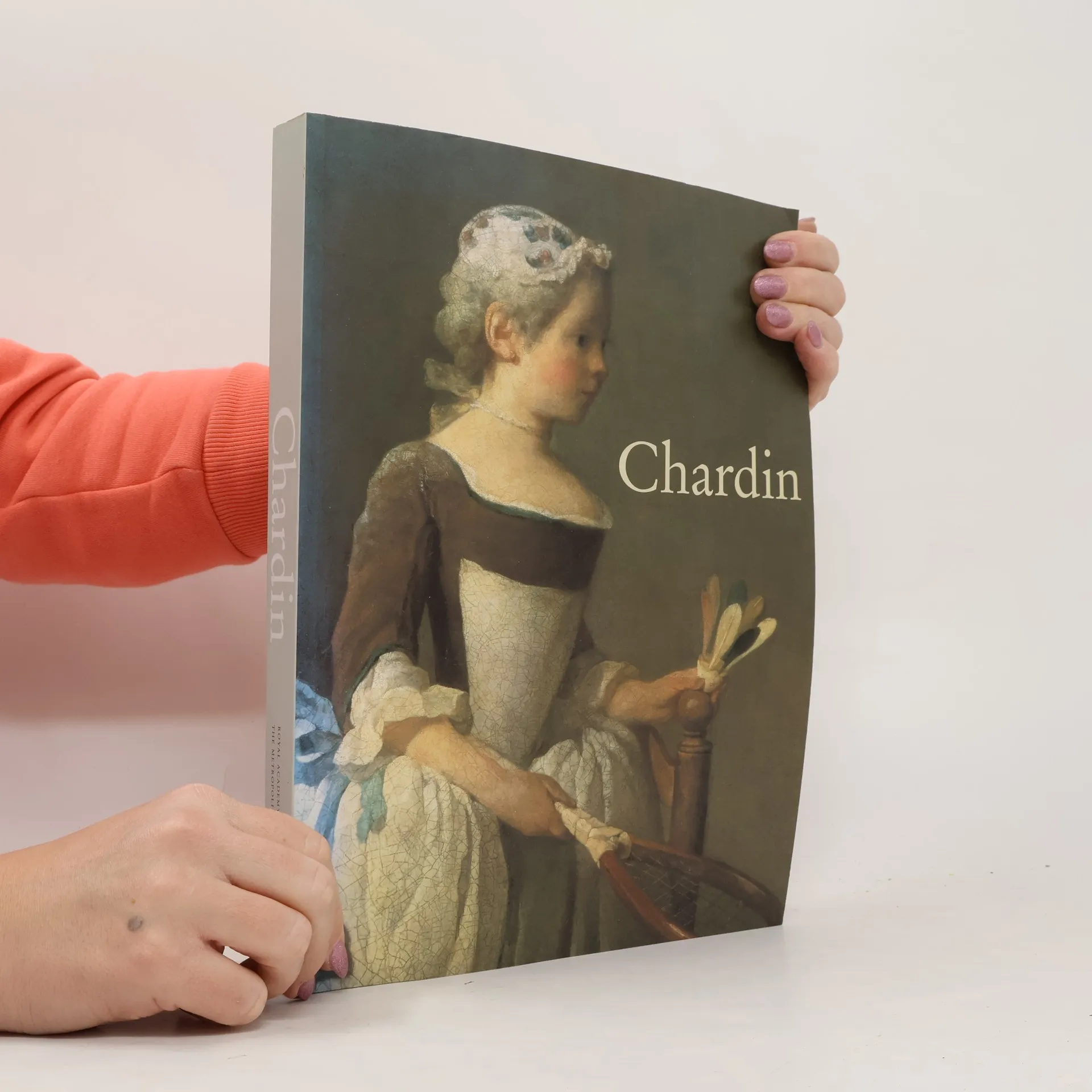
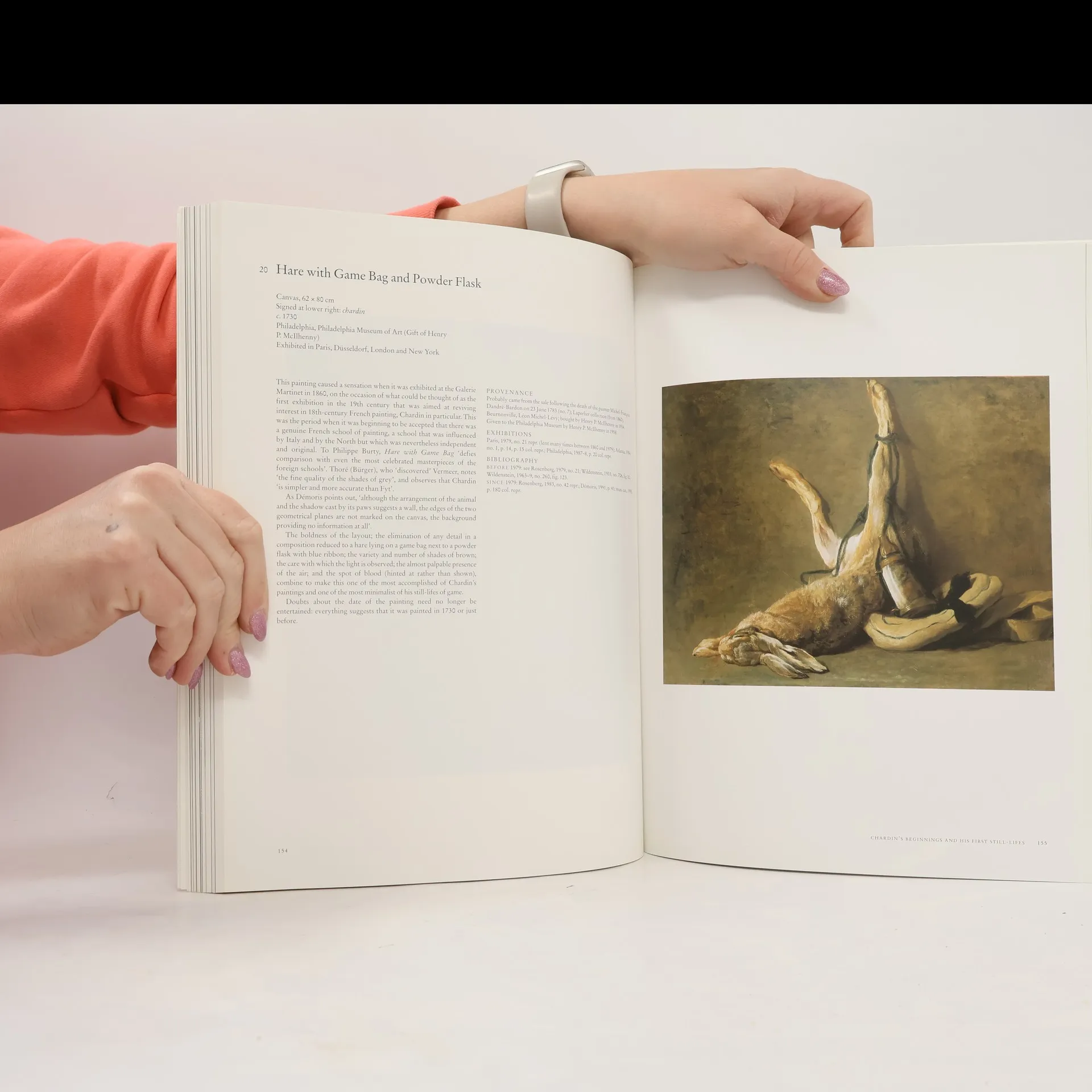
Jean Simeon Chardin (1699-1779) started his career with a great interest in still life, a subject held in particularly low regard by the Royal Academy of Painting and Sculpture. According to the Academy, the most important paintings contained human figures (most highly ranked were mythological or historical subjects) and paintings with no human figures were at the bottom of the hierarchy. As the Academy exerted an enormous influence, truly making or breaking an artist's career. Aware of this hierarchy, Chardin began including figures in his work in about 1730, mainly women and children. These scenes of domestic interiors were unprecedented because Chardin gave them a greater intensity and intimacy than the usual lighthearted depiction of everyday life. Chardin's technique also set him apart from his contemporaries, as he did not prepare for a painting by doing many drawings or studies, but rather started right on the canvas itself. Diderot once called Chardin the 'great magician' because of the way he united color, composition and subject. With 100 colour illustrations of Chardin's work and six essays by leading experts in the field, the book will discuss his biography, his use of ceramics and glass and the complex history of engravings of his paintings.


Buchkauf
Chardin, Jean Baptiste Siméon Chardin
- Sprache

- Erscheinungsdatum
- 2000
- Einband
- (Paperback)
Hier könnte deine Bewertung stehen.
- Titel
- Chardin
- Sprache
- Englisch
- Autor*innen
- Jean Baptiste Siméon Chardin
- Verlag
- Royal Academy of Arts
- Erscheinungsdatum
- 2000
- Einband
- Paperback
- ISBN10
- 0900946830
- ISBN13
- 9780900946837
- Reihe
- Kategorien
- Schlagwörter
- Kunst
- Bewertung
- 5 von 5 Sternen
- Beschreibung
- Jean Simeon Chardin (1699-1779) started his career with a great interest in still life, a subject held in particularly low regard by the Royal Academy of Painting and Sculpture. According to the Academy, the most important paintings contained human figures (most highly ranked were mythological or historical subjects) and paintings with no human figures were at the bottom of the hierarchy. As the Academy exerted an enormous influence, truly making or breaking an artist's career. Aware of this hierarchy, Chardin began including figures in his work in about 1730, mainly women and children. These scenes of domestic interiors were unprecedented because Chardin gave them a greater intensity and intimacy than the usual lighthearted depiction of everyday life. Chardin's technique also set him apart from his contemporaries, as he did not prepare for a painting by doing many drawings or studies, but rather started right on the canvas itself. Diderot once called Chardin the 'great magician' because of the way he united color, composition and subject. With 100 colour illustrations of Chardin's work and six essays by leading experts in the field, the book will discuss his biography, his use of ceramics and glass and the complex history of engravings of his paintings.