

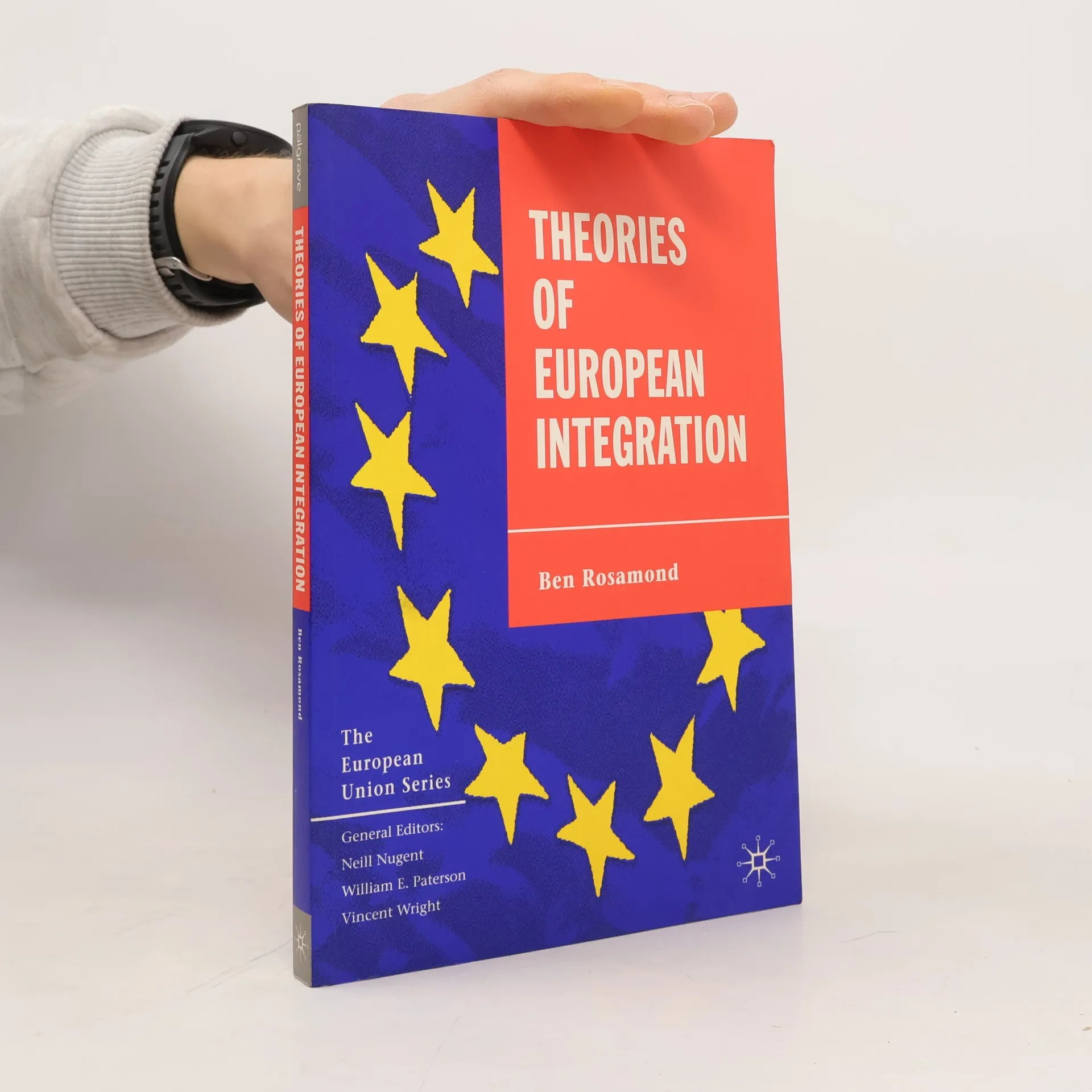


Mehr zum Buch
In this first book-length treatment of integration theory for many years, Ben Rosamond provides an accessible and stimulating critical introduction to the full range of classical and contemporary perspectives. The book explains the centrality of theoretical work to the study of integration and the EU and carefully locates different theories within their wider intellectual and 'real world' contexts. This thoroughly researched book engages with the key debates to have arisen from theoretical deliberations about European integration. It develops its own distinctive contribution, emphasising the importance of 'sociology of knowledge' questions when evaluating integration theory and stressing the continued significance of international theory to the study of the EU.
Publikation

Buchkauf
Theories of European Integration, Ben Rosamond
- Sprache

- Erscheinungsdatum
- 2000
- Einband
- (Paperback),
- Buchzustand
- Gebraucht - Gut
- Preis
- 3,69 €inkl. MwSt.
Hier könnte deine Bewertung stehen.
- Titel
- Theories of European Integration
- Sprache
- Englisch
- Autor*innen
- Ben Rosamond
- Verlag
- Palgrave
- Erscheinungsdatum
- 2000
- Einband
- Paperback
- Seitenzahl
- 256
- ISBN10
- 0333647173
- ISBN13
- 9780333647172
- Reihe
- Kuratierte Auswahl
- The European Union series
- Schlagwörter
- Politik
- Bewertung
- 3,9 von 5 Sternen
- Beschreibung
- In this first book-length treatment of integration theory for many years, Ben Rosamond provides an accessible and stimulating critical introduction to the full range of classical and contemporary perspectives. The book explains the centrality of theoretical work to the study of integration and the EU and carefully locates different theories within their wider intellectual and 'real world' contexts. This thoroughly researched book engages with the key debates to have arisen from theoretical deliberations about European integration. It develops its own distinctive contribution, emphasising the importance of 'sociology of knowledge' questions when evaluating integration theory and stressing the continued significance of international theory to the study of the EU.