




Mehr zum Buch
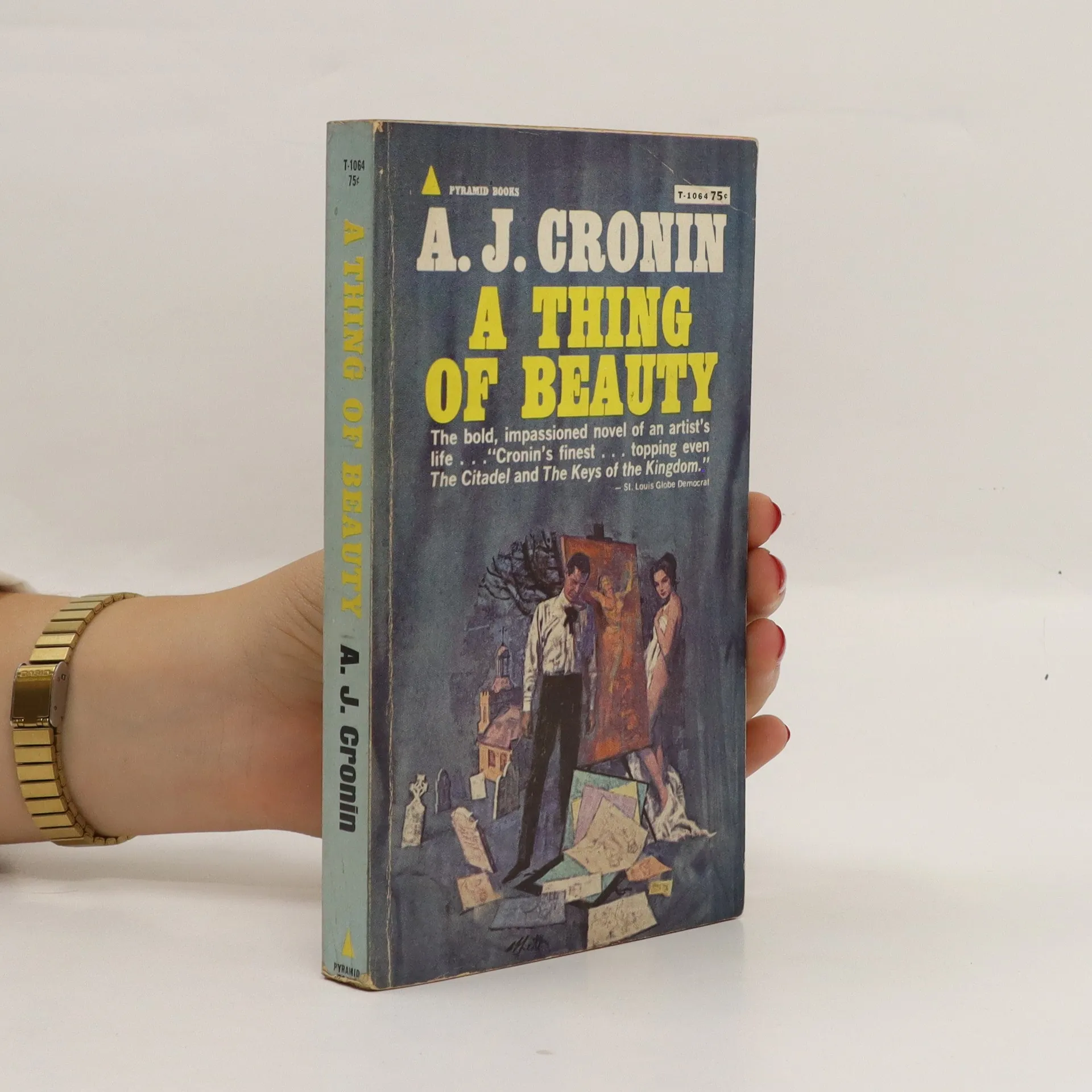
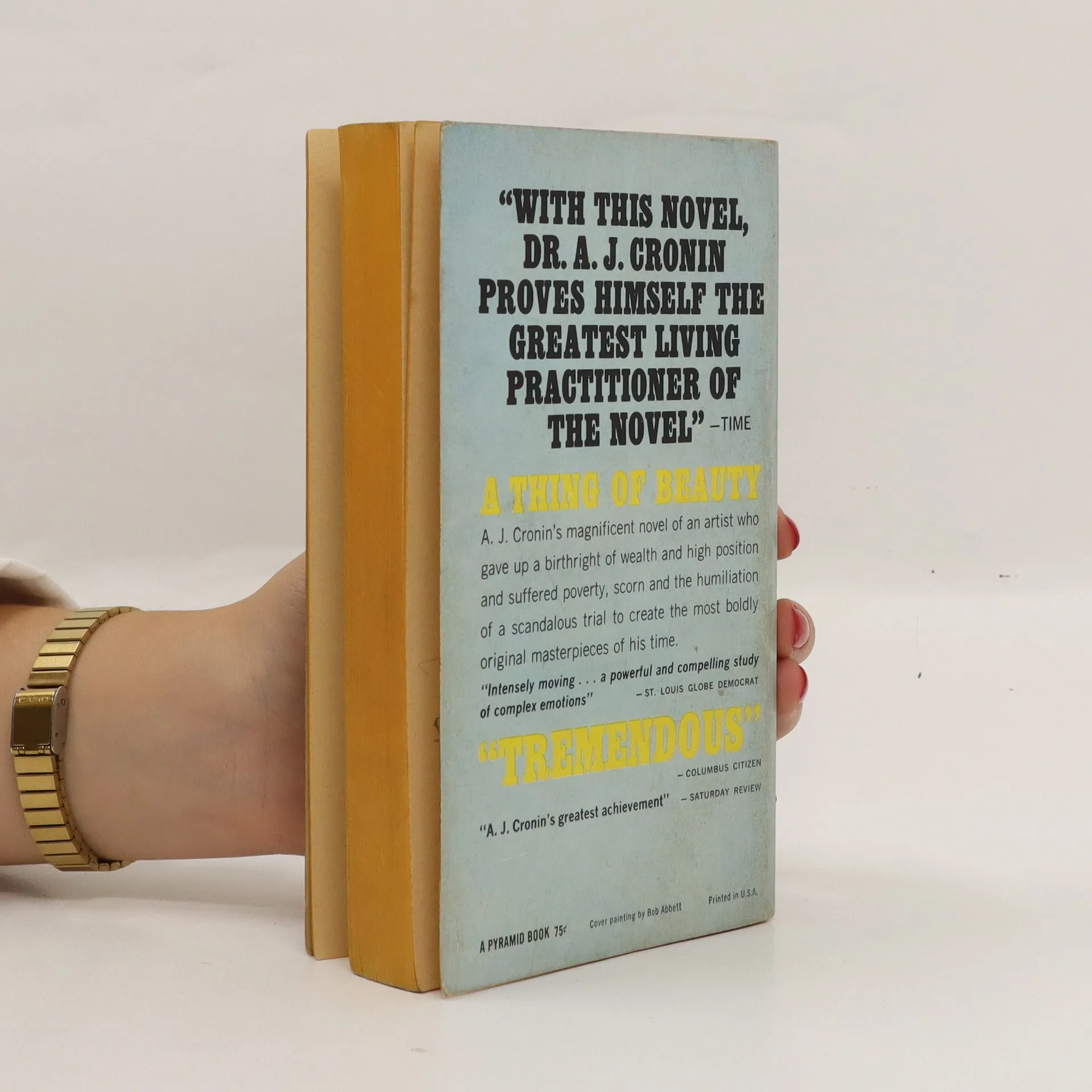
The life of Stephen Desmond, the hero of this extensive novel by Cronin, is the fate of a man who feels called to be an artist. His deep and profound conviction, which ultimately culminates in obsession, is fundamentally justified by Stephen's extraordinary painting talent, his unique worldview, and his opinions that contradict the demands of established traditional art. This is at the core of the conflict between his conception of the artist's mission and the expectations of conformist aesthetes who set the tone in the English art world of the 1920s. Moreover, Stephen's uncompromising artistic stance is reflected in his private and social life; from a young man firmly rooted in the family of an Anglican clergyman, he becomes the black sheep and outcast, who—after experiencing the colorful and superficial life of the Parisian bohemia—must earn a living as a freelance painter in a circus. The sacrifices he is willing to make for his artistic obsession continually escalate, creating an insurmountable chasm between him and the prudish bourgeois society from which he emerged. In this richly structured and captivating novel, Cronin creates a portrait of a true artist who is willing to sacrifice health and life for his work and who—like many great painters in history—achieves recognition only after death.




Buchkauf
A thing of beauty, A. J. Cronin
- Sprache

- Erscheinungsdatum
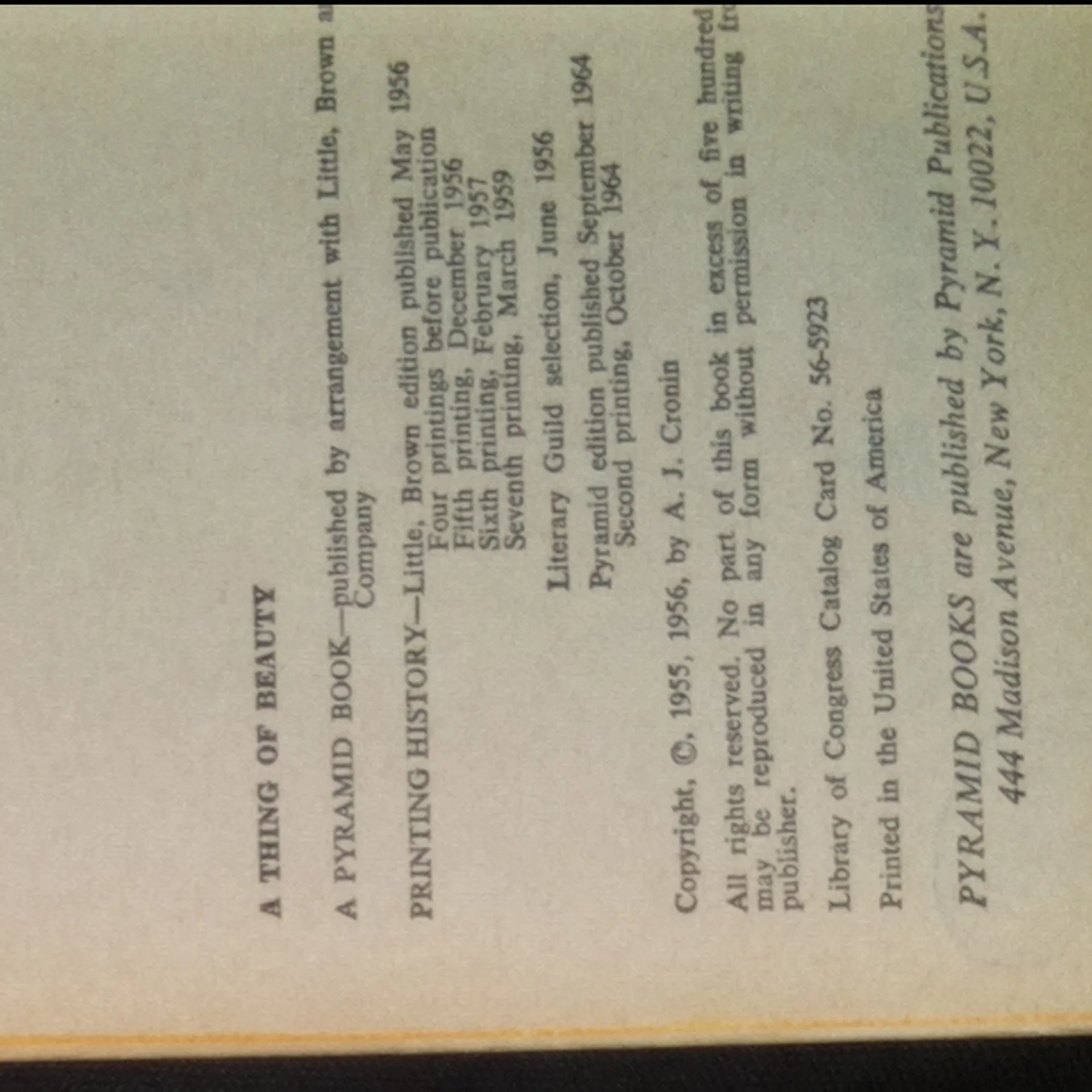
- 1964
Keiner hat bisher bewertet.
- Titel
- A thing of beauty
- Sprache
- Englisch
- Autor*innen
- A. J. Cronin
- Erscheinungsdatum
- 1964
- Reihe
- Beschreibung
- The life of Stephen Desmond, the hero of this extensive novel by Cronin, is the fate of a man who feels called to be an artist. His deep and profound conviction, which ultimately culminates in obsession, is fundamentally justified by Stephen's extraordinary painting talent, his unique worldview, and his opinions that contradict the demands of established traditional art. This is at the core of the conflict between his conception of the artist's mission and the expectations of conformist aesthetes who set the tone in the English art world of the 1920s. Moreover, Stephen's uncompromising artistic stance is reflected in his private and social life; from a young man firmly rooted in the family of an Anglican clergyman, he becomes the black sheep and outcast, who—after experiencing the colorful and superficial life of the Parisian bohemia—must earn a living as a freelance painter in a circus. The sacrifices he is willing to make for his artistic obsession continually escalate, creating an insurmountable chasm between him and the prudish bourgeois society from which he emerged. In this richly structured and captivating novel, Cronin creates a portrait of a true artist who is willing to sacrifice health and life for his work and who—like many great painters in history—achieves recognition only after death.