

Mehr zum Buch
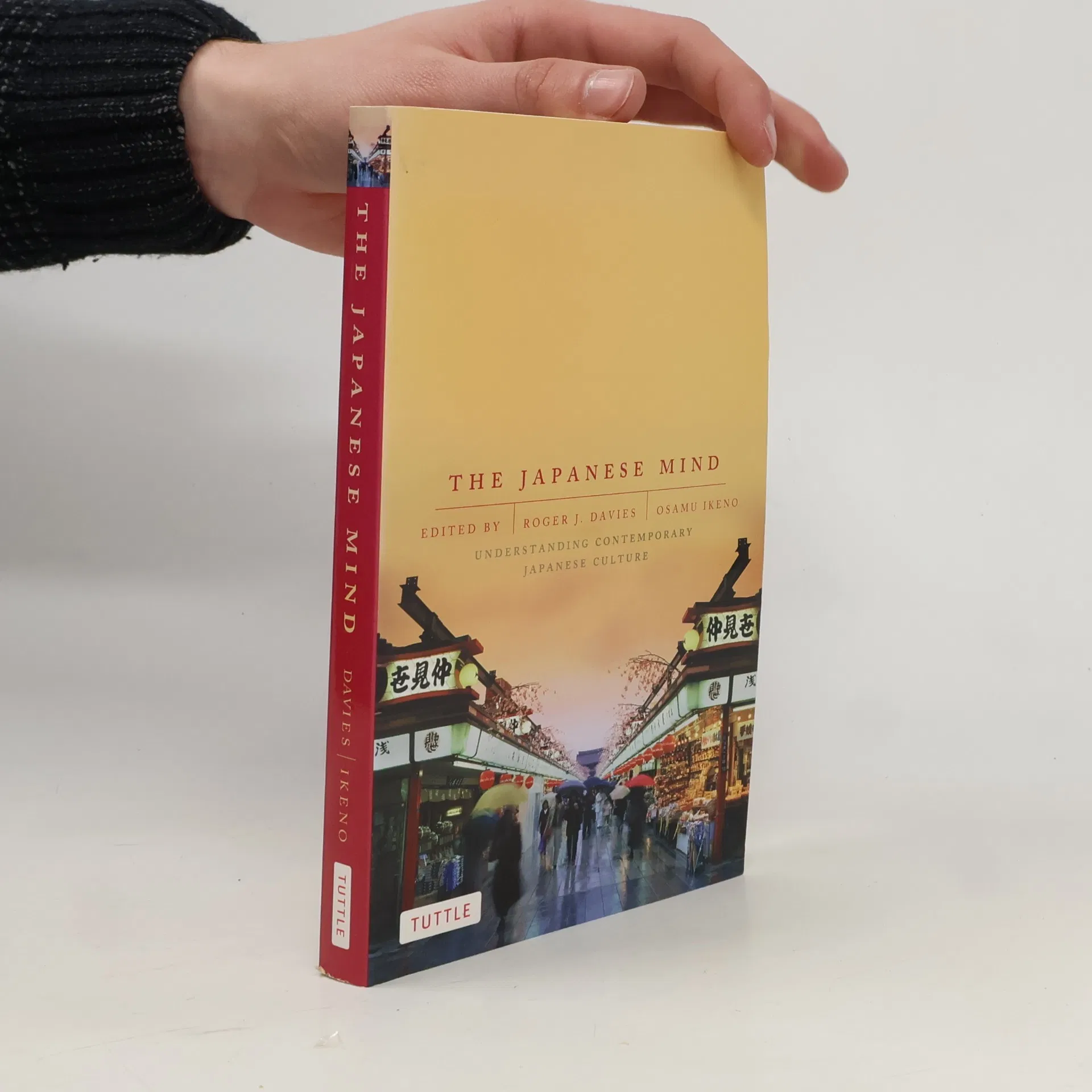
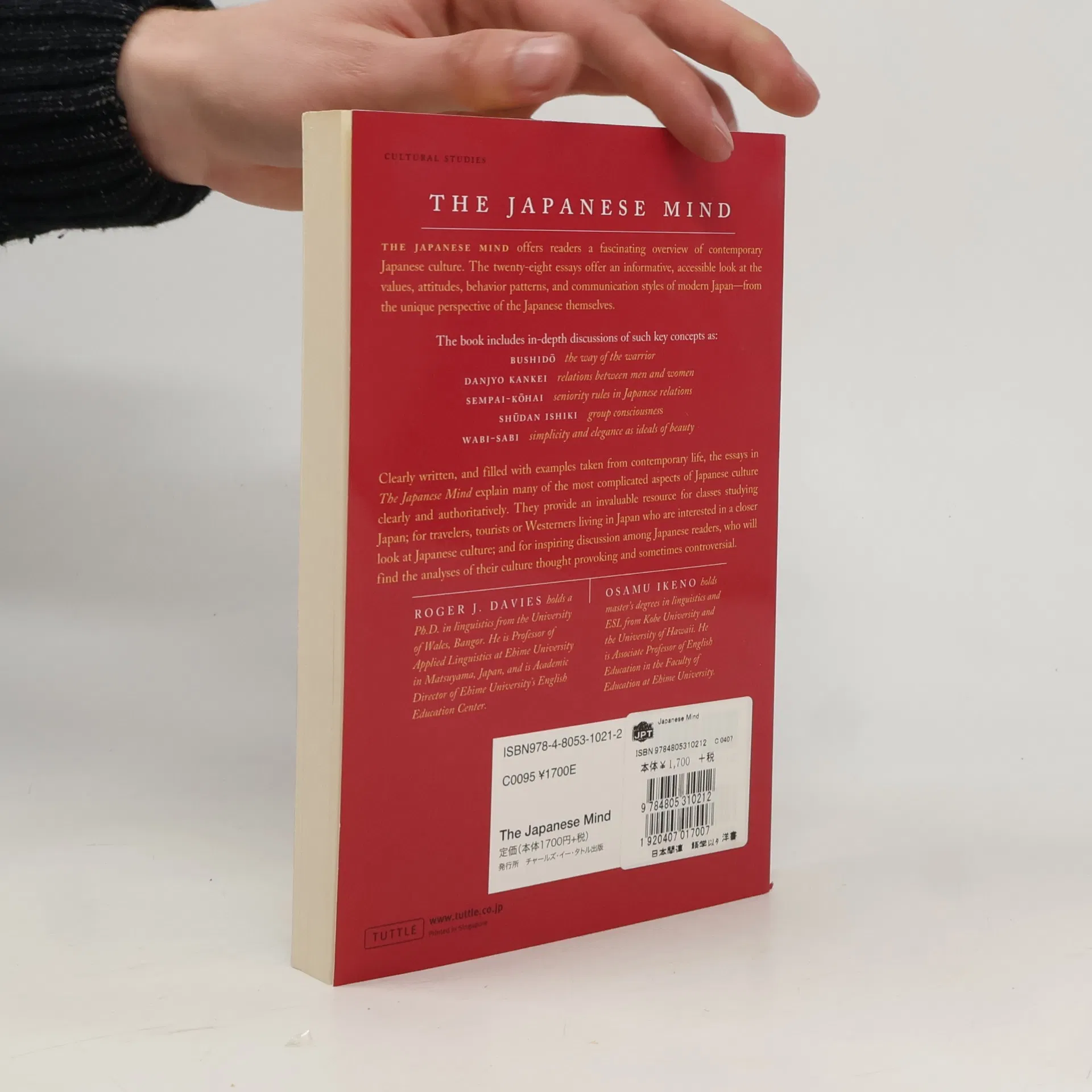
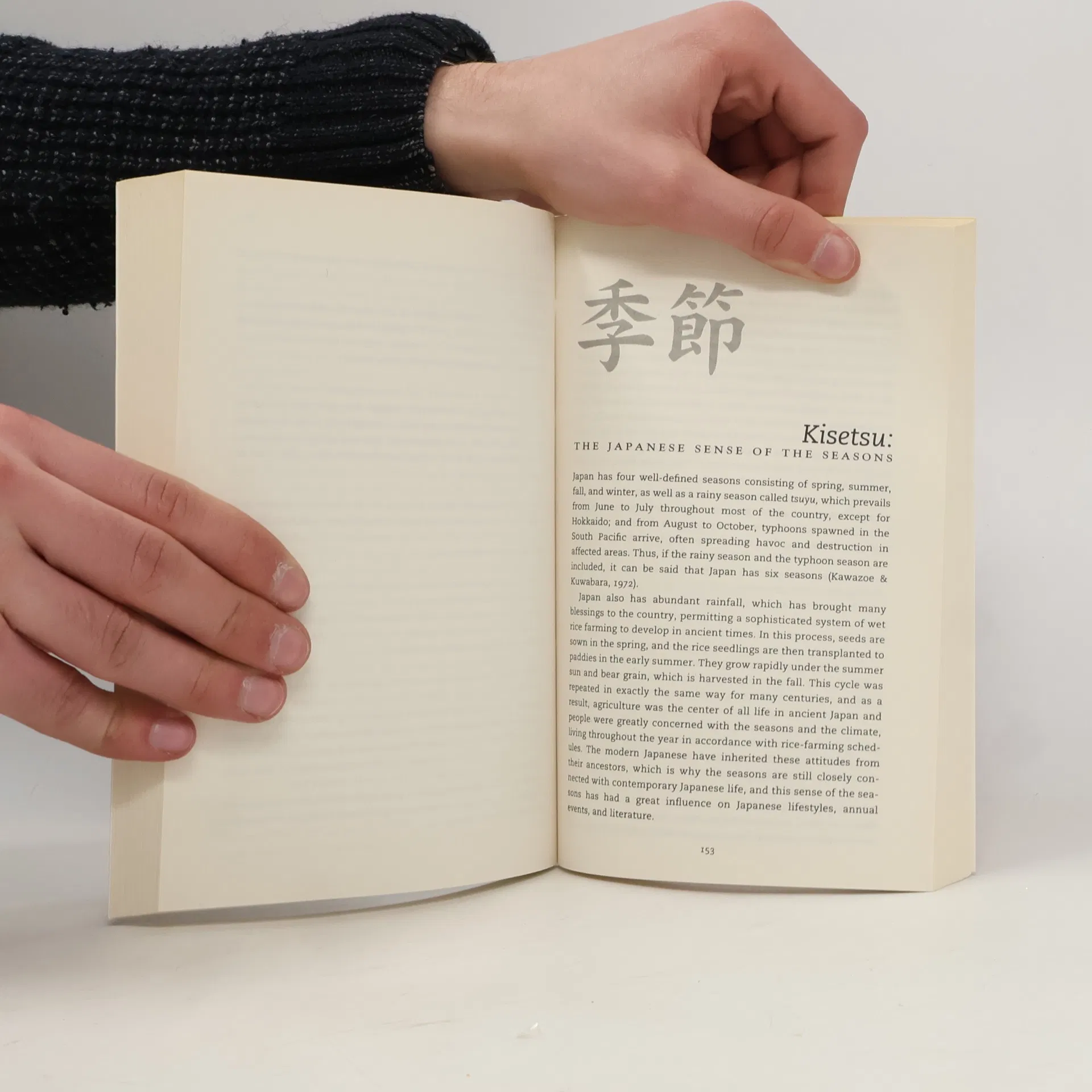
In The Japanese Mind, Roger Davies offers Westerners an invaluable key to the unique aspects of Japanese culture. Readers of this book will gain a clear understanding of what really makes the Japanese, and their society, tick. Among the topics explored: aimai (ambiguity), amae (dependence upon others' benevolence), amakudari (the nation's descent from heaven), chinmoku (silence in communication), gambari (perseverence), giri (social obligation), haragei (literally, "belly art"; implicit, unspoken communication), kenkyo (the appearance of modesty), sempai-kohai (seniority), wabi-sabi (simplicity and elegance), and zoto (gift giving), as well as discussions of child-rearing, personal space, and the roles of women in Japanese society. Includes discussion topics and questions after each chapter. All in all, this book is an easy-to-use introduction to the distinguishing characteristics of Japanese society; an invaluable resource for anyone - business people, travelers, or students - perfect for course adoption, but also for anyone interested in Japanese culture.
Sprache


Buchkauf
The Japanese Mind, Roger J. Davies, Osamu Ikeno
- Sprache

- Erscheinungsdatum
- 2002
- Einband
- (Paperback),
- Buchzustand
- Gebraucht - Gut
- Preis
- 20,49 €inkl. MwSt.
Hier könnte deine Bewertung stehen.
- Titel
- The Japanese Mind
- Sprache
- Englisch
- Autor*innen
- Roger J. Davies, Osamu Ikeno
- Verlag
- Tuttle Publishing
- Erscheinungsdatum
- 2002
- Einband
- Paperback
- ISBN10
- 4805310219
- ISBN13
- 9784805310212
- Reihe
- Schlagwörter
- Historisches Thema, Reisen, Kultur und Gesellschaft, Japan, Asien, Japanische Literatur
- Bewertung
- 3,7 von 5 Sternen
- Beschreibung
- In The Japanese Mind, Roger Davies offers Westerners an invaluable key to the unique aspects of Japanese culture. Readers of this book will gain a clear understanding of what really makes the Japanese, and their society, tick. Among the topics explored: aimai (ambiguity), amae (dependence upon others' benevolence), amakudari (the nation's descent from heaven), chinmoku (silence in communication), gambari (perseverence), giri (social obligation), haragei (literally, "belly art"; implicit, unspoken communication), kenkyo (the appearance of modesty), sempai-kohai (seniority), wabi-sabi (simplicity and elegance), and zoto (gift giving), as well as discussions of child-rearing, personal space, and the roles of women in Japanese society. Includes discussion topics and questions after each chapter. All in all, this book is an easy-to-use introduction to the distinguishing characteristics of Japanese society; an invaluable resource for anyone - business people, travelers, or students - perfect for course adoption, but also for anyone interested in Japanese culture.