

Parameter
Mehr zum Buch
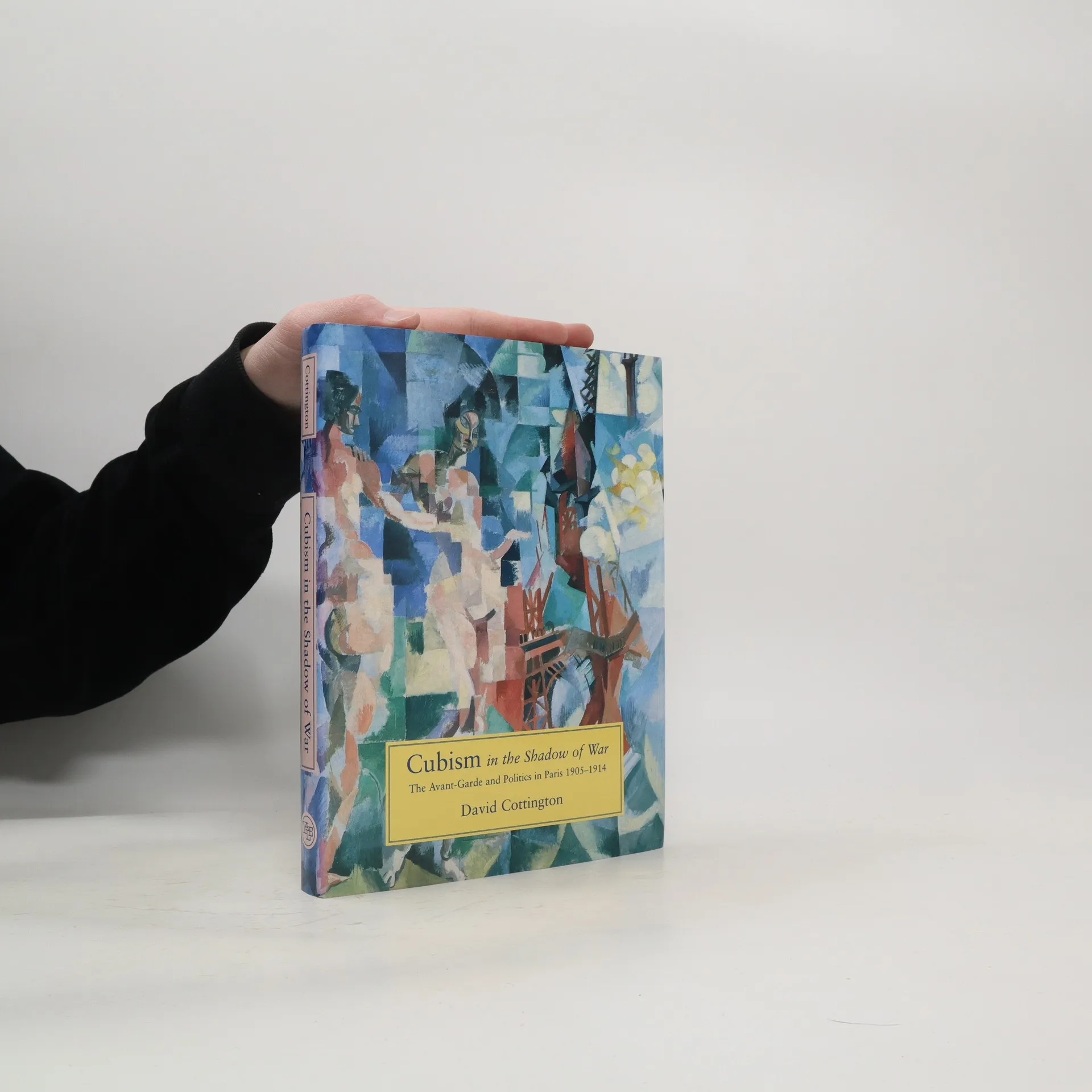
This groundbreaking work reassesses the history and significance of cubism, examining the movement within the complex political, economic, and cultural landscape of pre-World War I France. As part of the Parisian artistic avant-garde, cubism played a crucial role during the turbulent Belle Epoque. The author explores cubism's connections to discourses of nationalism, aestheticism, gender, and the social purpose of art, which shaped the modern experience in Paris leading up to the war. In Part I, the focus is on the "cubist conjuncture" following the collapse of the Bloc des Gauches, a collaboration between the liberal middle class and working-class sectors led by Parisian intellectuals and artists, including future cubists. After the Bloc's failure, workers turned to trade unionism while artists gravitated toward aesthetic avant-gardism. The author analyzes this consolidation of the artistic avant-garde, its ties to the burgeoning dealer-centered art market, and the prevailing and counter discourses of the time. Part II delves into specific aspects of cubist art and the movement, from the conservative modernism of Le Fauconnier and Gleizes to Picasso's aestheticism in his papiers-collés and the collective project of the "cubist house." These examples illustrate cubism as a contradictory and unstable constellation of interests and practices, at times aligning with dominant social and political forces, and at other times opp
Buchkauf
Cubism in the shadow of war, David Cottington
- Sprache

- Erscheinungsdatum
- 1998
- Einband
- (Hardcover)
Hier könnte deine Bewertung stehen.
- Titel
- Cubism in the shadow of war
- Sprache
- Englisch
- Autor*innen
- David Cottington
- Verlag
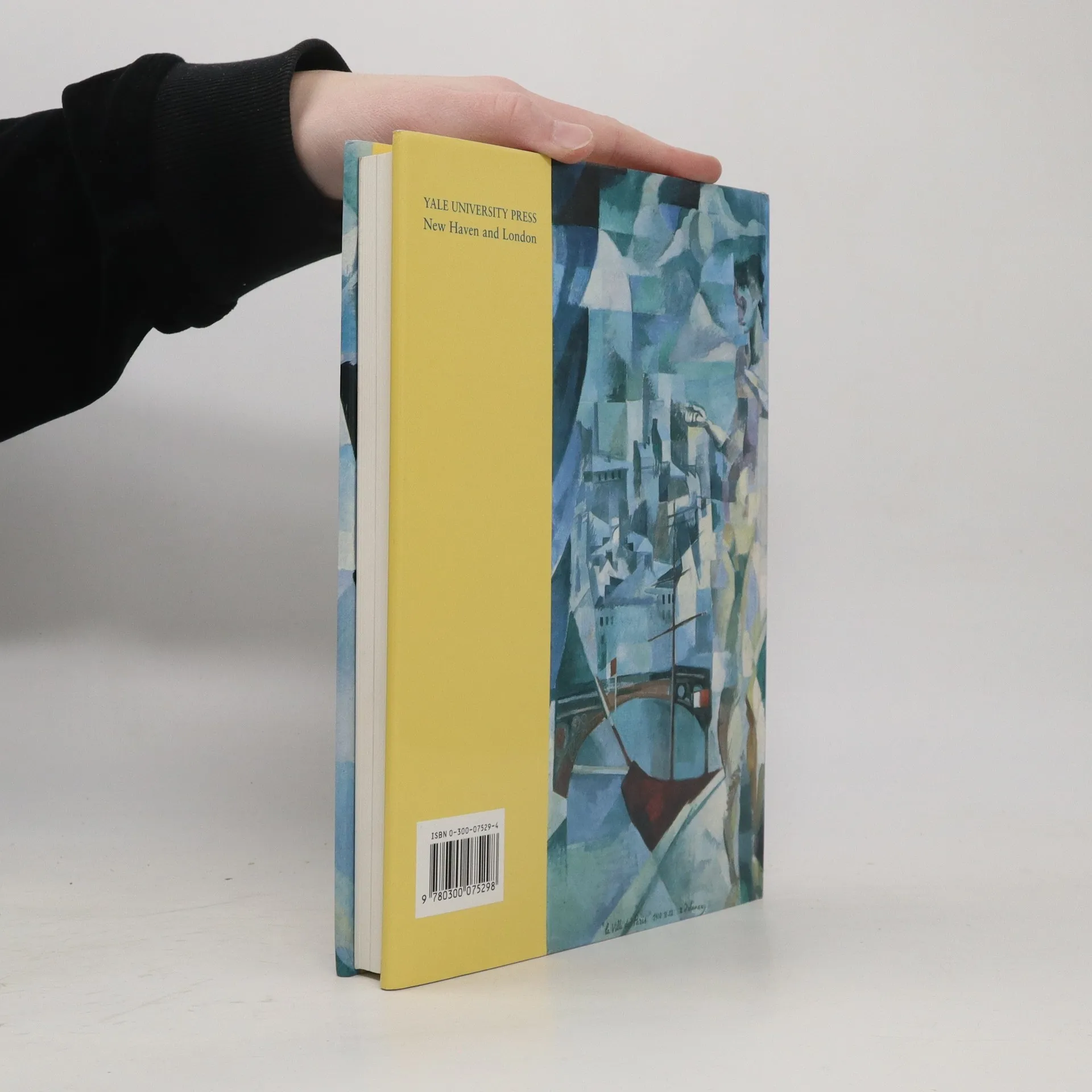
- Yale University Press
- Erscheinungsdatum
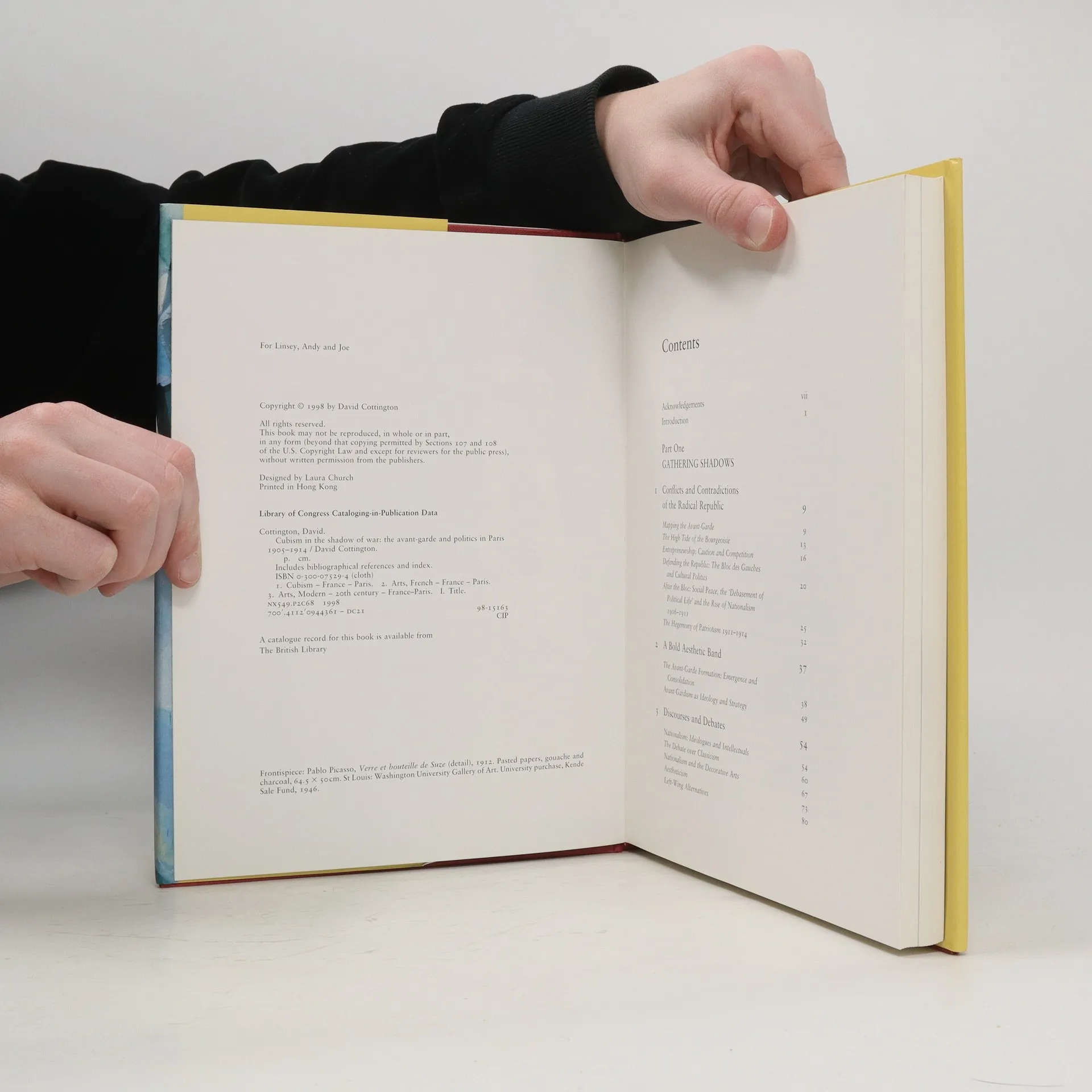
- 1998
- Einband
- Hardcover
- ISBN10
- 0300075294
- ISBN13
- 9780300075298
- Reihe
- Kategorien
- Schlagwörter
- Kunst
- Bewertung
- 4,2 von 5 Sternen
- Beschreibung
- This groundbreaking work reassesses the history and significance of cubism, examining the movement within the complex political, economic, and cultural landscape of pre-World War I France. As part of the Parisian artistic avant-garde, cubism played a crucial role during the turbulent Belle Epoque. The author explores cubism's connections to discourses of nationalism, aestheticism, gender, and the social purpose of art, which shaped the modern experience in Paris leading up to the war. In Part I, the focus is on the "cubist conjuncture" following the collapse of the Bloc des Gauches, a collaboration between the liberal middle class and working-class sectors led by Parisian intellectuals and artists, including future cubists. After the Bloc's failure, workers turned to trade unionism while artists gravitated toward aesthetic avant-gardism. The author analyzes this consolidation of the artistic avant-garde, its ties to the burgeoning dealer-centered art market, and the prevailing and counter discourses of the time. Part II delves into specific aspects of cubist art and the movement, from the conservative modernism of Le Fauconnier and Gleizes to Picasso's aestheticism in his papiers-collés and the collective project of the "cubist house." These examples illustrate cubism as a contradictory and unstable constellation of interests and practices, at times aligning with dominant social and political forces, and at other times opp