Kubismus
- 80 Seiten
- 3 Lesestunden
Einführung in Theorie, Kunstproduktion, Vertreter und historischen Zusammenhänge dieser modernen Kunstrichtung.



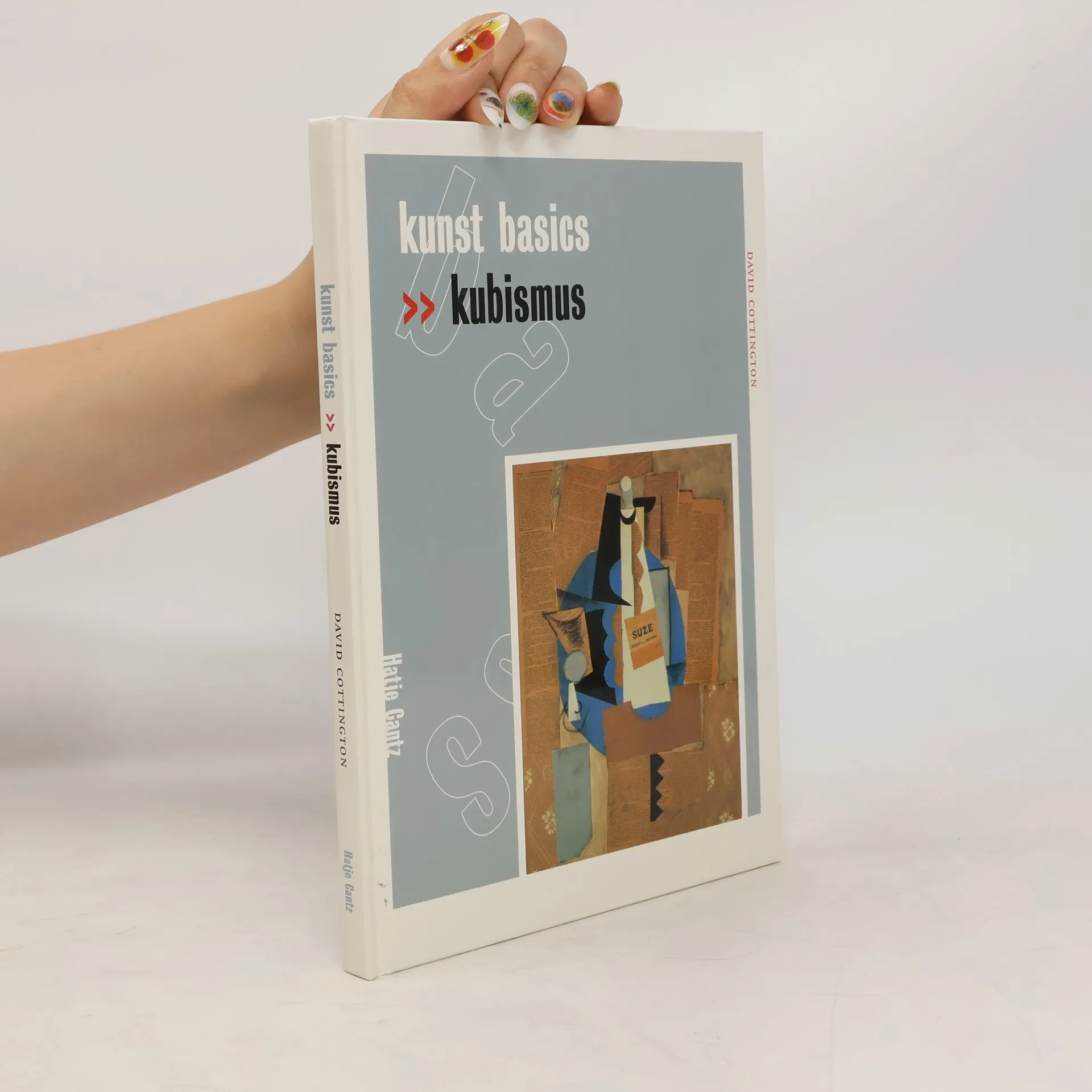
Einführung in Theorie, Kunstproduktion, Vertreter und historischen Zusammenhänge dieser modernen Kunstrichtung.
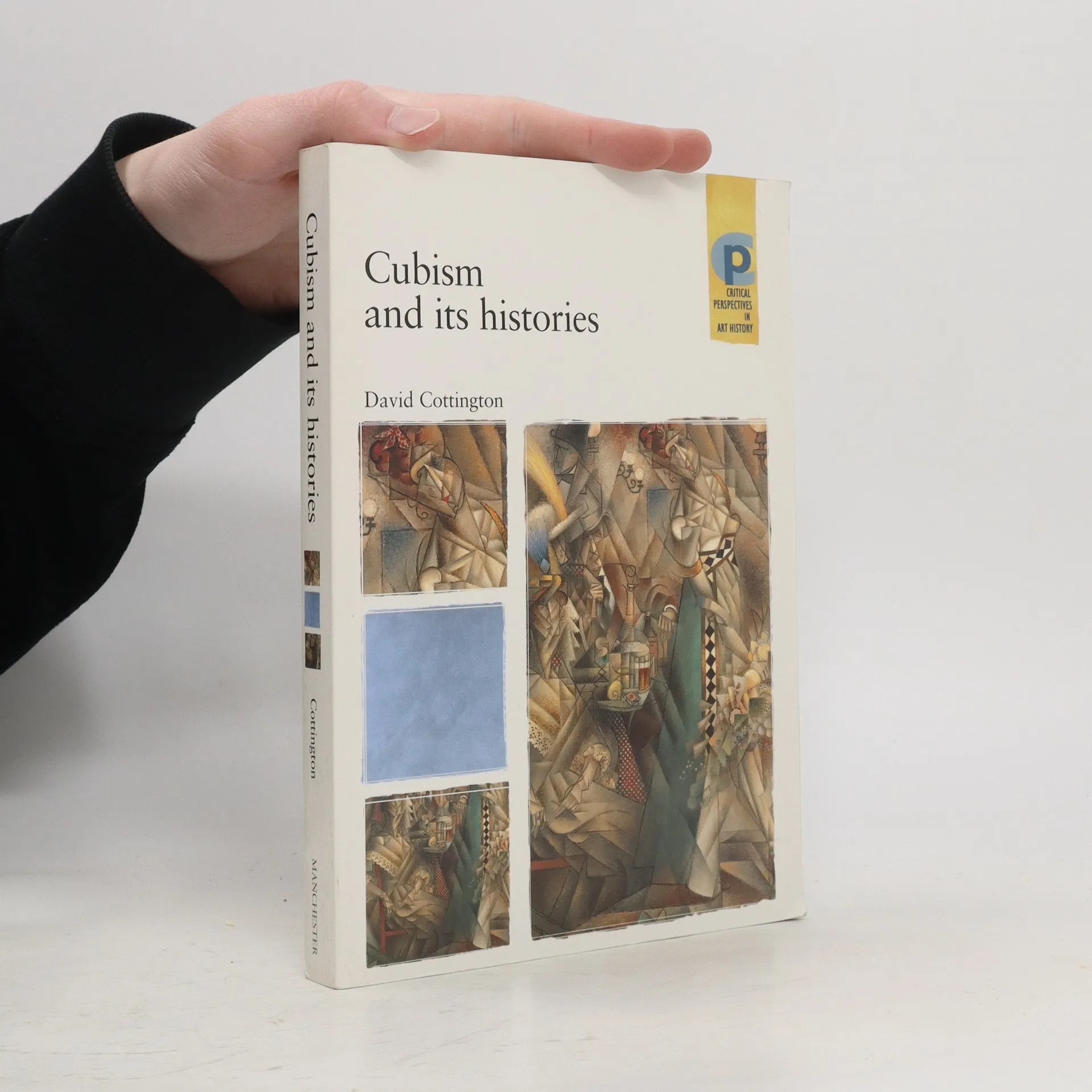
Cubism was the most influential artistic movement of the 20th century, yet just what cubism was, or stood for, is still in dispute. This book offers a way beyond this confusion through a narrative of cubism's beginnings, consolidation and dissemination.
Focusing on the artistic avant-garde movement, this book delves into its formation in Paris and London prior to 1915, offering a comprehensive and detailed exploration of its development. It highlights key influences, figures, and cultural contexts that shaped this revolutionary period in art history, providing readers with a deeper understanding of the dynamics at play during this transformative era.
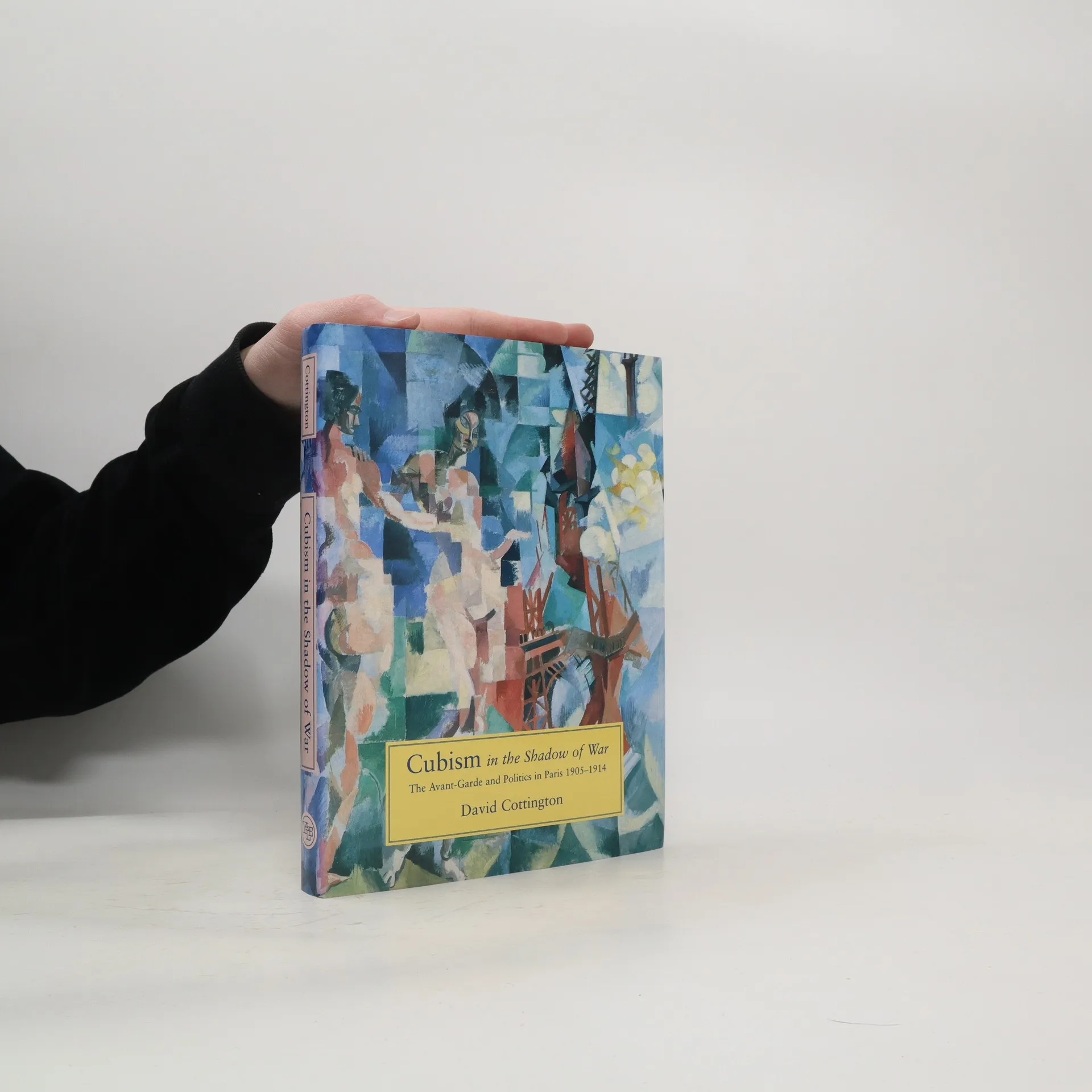
This groundbreaking work reassesses the history and significance of cubism, examining the movement within the complex political, economic, and cultural landscape of pre-World War I France. As part of the Parisian artistic avant-garde, cubism played a crucial role during the turbulent Belle Epoque. The author explores cubism's connections to discourses of nationalism, aestheticism, gender, and the social purpose of art, which shaped the modern experience in Paris leading up to the war. In Part I, the focus is on the "cubist conjuncture" following the collapse of the Bloc des Gauches, a collaboration between the liberal middle class and working-class sectors led by Parisian intellectuals and artists, including future cubists. After the Bloc's failure, workers turned to trade unionism while artists gravitated toward aesthetic avant-gardism. The author analyzes this consolidation of the artistic avant-garde, its ties to the burgeoning dealer-centered art market, and the prevailing and counter discourses of the time. Part II delves into specific aspects of cubist art and the movement, from the conservative modernism of Le Fauconnier and Gleizes to Picasso's aestheticism in his papiers-collés and the collective project of the "cubist house." These examples illustrate cubism as a contradictory and unstable constellation of interests and practices, at times aligning with dominant social and political forces, and at other times opp
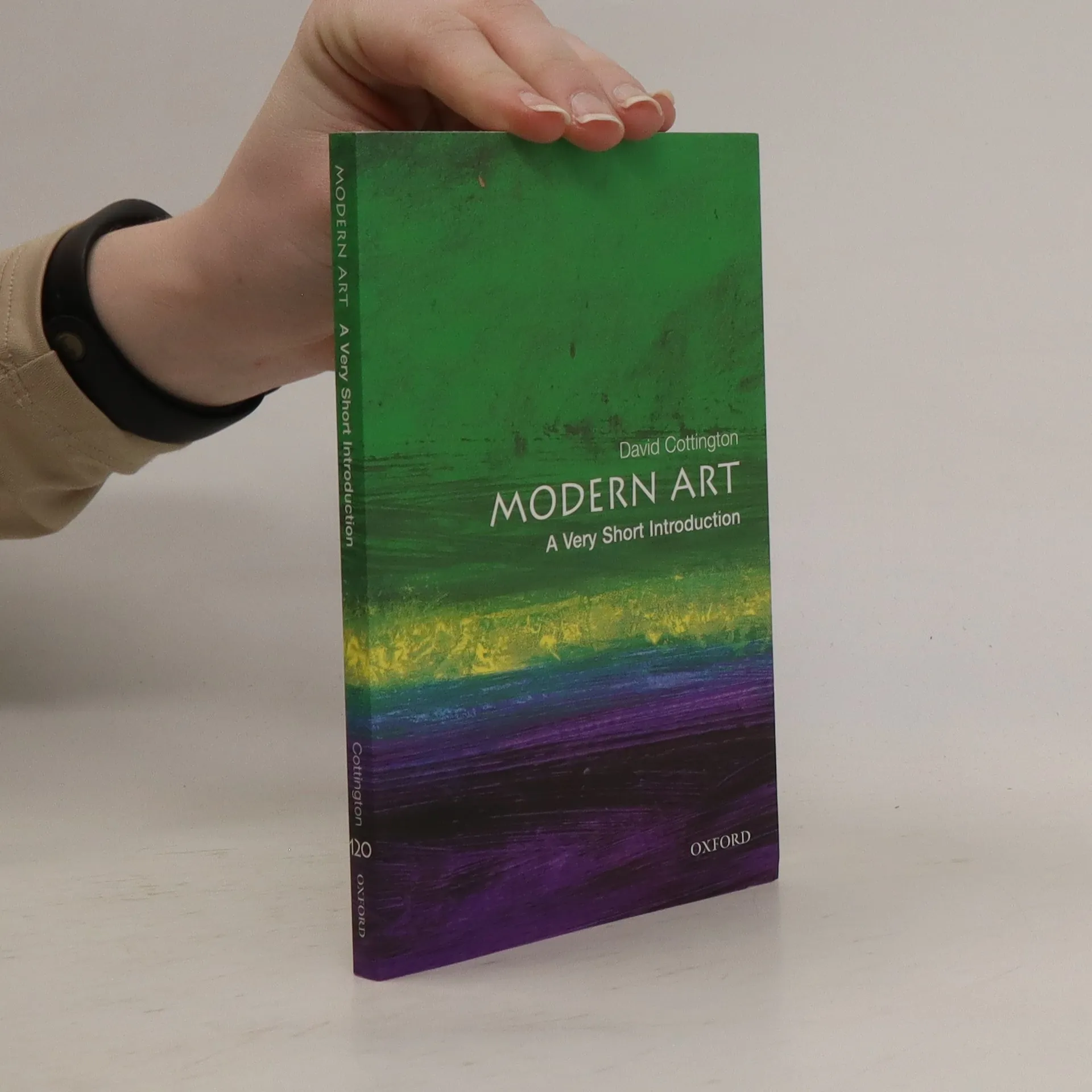
Public interest in modern art continues to grow, as witnessed by the spectacular success of the Tate Modern in London and the Bilbao Guggenheim. Modern A Very Short Introduction engages general readers, offering them not only information and ideas about modern art, but also explaining its contemporary relevance and history. The book focuses on interrogating the idea of "modern" art by asking such questions What makes a work of art qualify as modern, or fail to? How has this selection been made? What is the relationship between modern and contemporary art? Is "postmodernist" art no longer modern, or just no longer modernist? In either case, why--and what does this claim mean, both for art and the idea of "the modern?"Cottingham examines many key aspects of this subject, including the issue of controversy in modern art, from Manet's Dejeuner sur L'Herbe (1863) to Picasso's Les Demoiselles , and Tracey Emin's Bed (1999). He also looks at the role of the dealer from the main Cubist art dealer Kahnweiler, to Charles Saatchi.About the Combining authority with wit, accessibility, and style, Very Short Introductions offer an introduction to some of life's most interesting topics. Written by experts for the newcomer, they demonstrate the finest contemporary thinking about the central problems and issues in hundreds of key topics, from philosophy to Freud, quantum theory to Islam
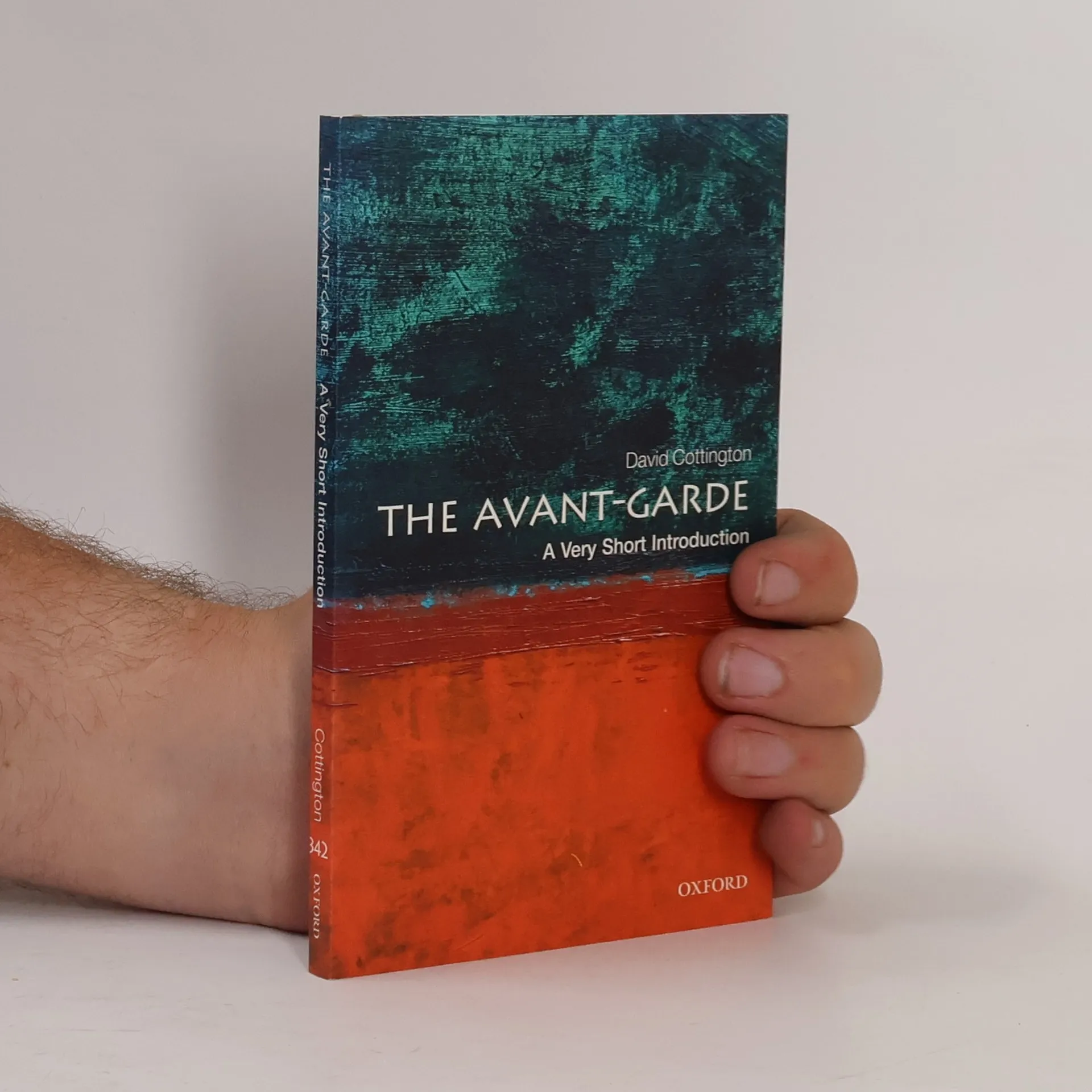
For over a hundred years 'the avant-garde' has been the most influential concept in modern art; its impact on the history of modern culture has been profound. In this Very Short Introduction, David Cottington explores why the avant-garde carries so much authority, and places it within the context of western modernity and capitalist culture.