Gratis Versand ab 16,99 €. Mehr Infos.
Bookbot

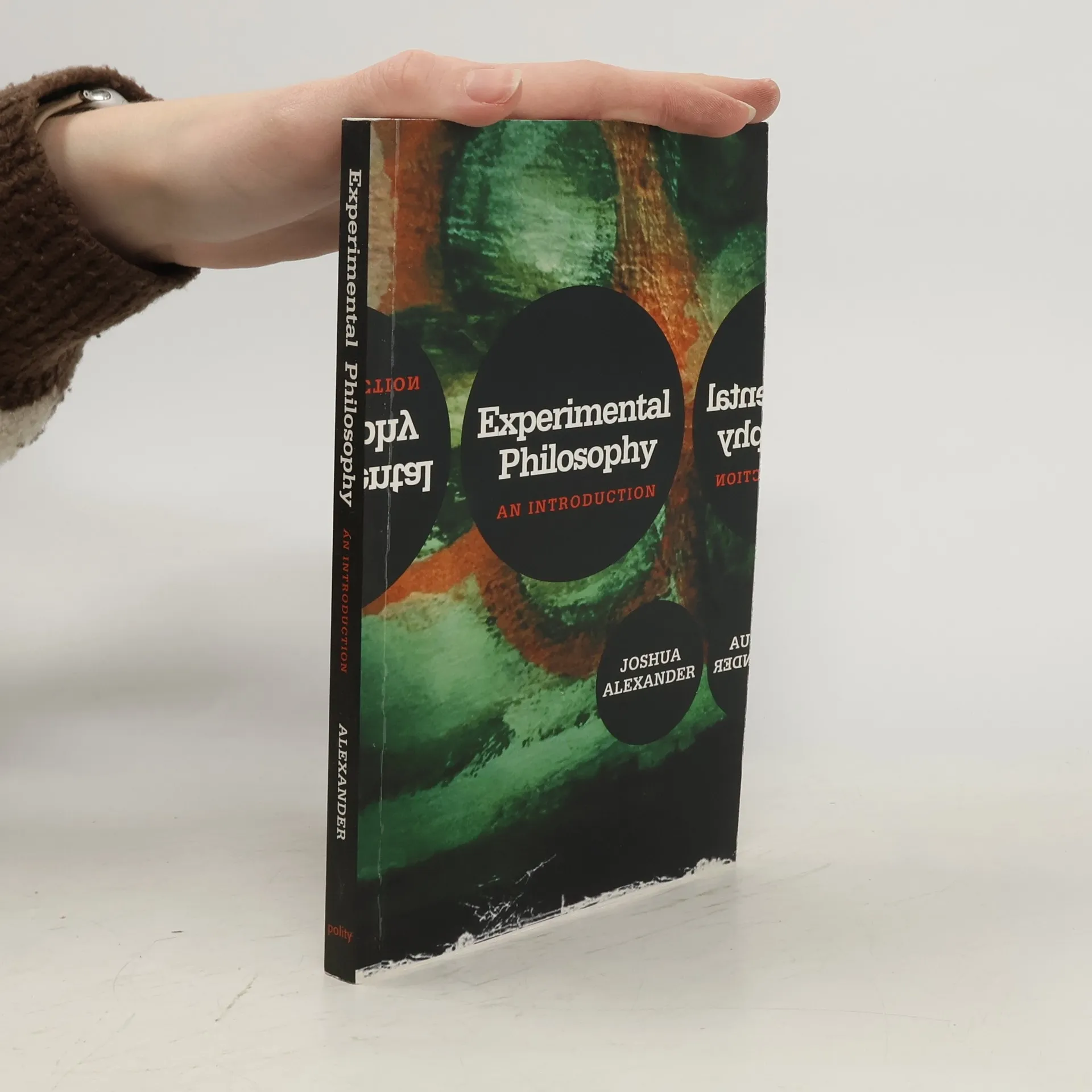
Experimental Philosophy. An Introduction

Autor*innen

Buchbewertung

Mehr zum Buch

Experimental philosophy uses experimental research methods from psychology and cognitive science in order to investigate both philosophical and metaphilosophical questions. It explores philosophical questions about the nature of the psychological world - the very structure or meaning of our concepts of things, and about the nature of the non-psychological world - the things themselves. It also explores metaphilosophical questions about the nature of philosophical inquiry and its proper methodology. This book provides a detailed and provocative introduction to this innovative field, focusing on the relationship between experimental philosophy and the aims and methods of more traditional analytic philosophy. Special attention is paid to carefully examining experimental philosophy's quite different philosophical programs, their individual strengths and weaknesses, and the different kinds of contributions that they can make to our philosophical understanding. Clear and accessible throughout, it situates experimental philosophy within both a contemporary and historical context, explains its aims and methods, examines and critically evaluates its most significant claims and arguments, and engages with its critics.

Buchkauf

Experimental Philosophy. An Introduction, Joshua Alexander

Sprache
Erscheinungsdatum
2012
product-detail.submit-box.info.binding
(Paperback)
Wir benachrichtigen dich per E-Mail.

Lieferung

  • Gratis Versand ab 16,99 € in ganz Deutschland! Mehr Infos.

Zahlungsmethoden

3,6
Sehr gut
22 Bewertung

Hier könnte deine Bewertung stehen.

Titel
Experimental Philosophy. An Introduction
Sprache
Englisch
Autor*innen
Joshua Alexander
Verlag
Polity
Erscheinungsdatum
2012
Einband
Paperback
Seitenzahl
200
ISBN10
0745649181
ISBN13
9780745649184
Reihe
Bewertung
3,55 von 5 Sternen
Beschreibung
Experimental philosophy uses experimental research methods from psychology and cognitive science in order to investigate both philosophical and metaphilosophical questions. It explores philosophical questions about the nature of the psychological world - the very structure or meaning of our concepts of things, and about the nature of the non-psychological world - the things themselves. It also explores metaphilosophical questions about the nature of philosophical inquiry and its proper methodology. This book provides a detailed and provocative introduction to this innovative field, focusing on the relationship between experimental philosophy and the aims and methods of more traditional analytic philosophy. Special attention is paid to carefully examining experimental philosophy's quite different philosophical programs, their individual strengths and weaknesses, and the different kinds of contributions that they can make to our philosophical understanding. Clear and accessible throughout, it situates experimental philosophy within both a contemporary and historical context, explains its aims and methods, examines and critically evaluates its most significant claims and arguments, and engages with its critics.