



Mehr zum Buch
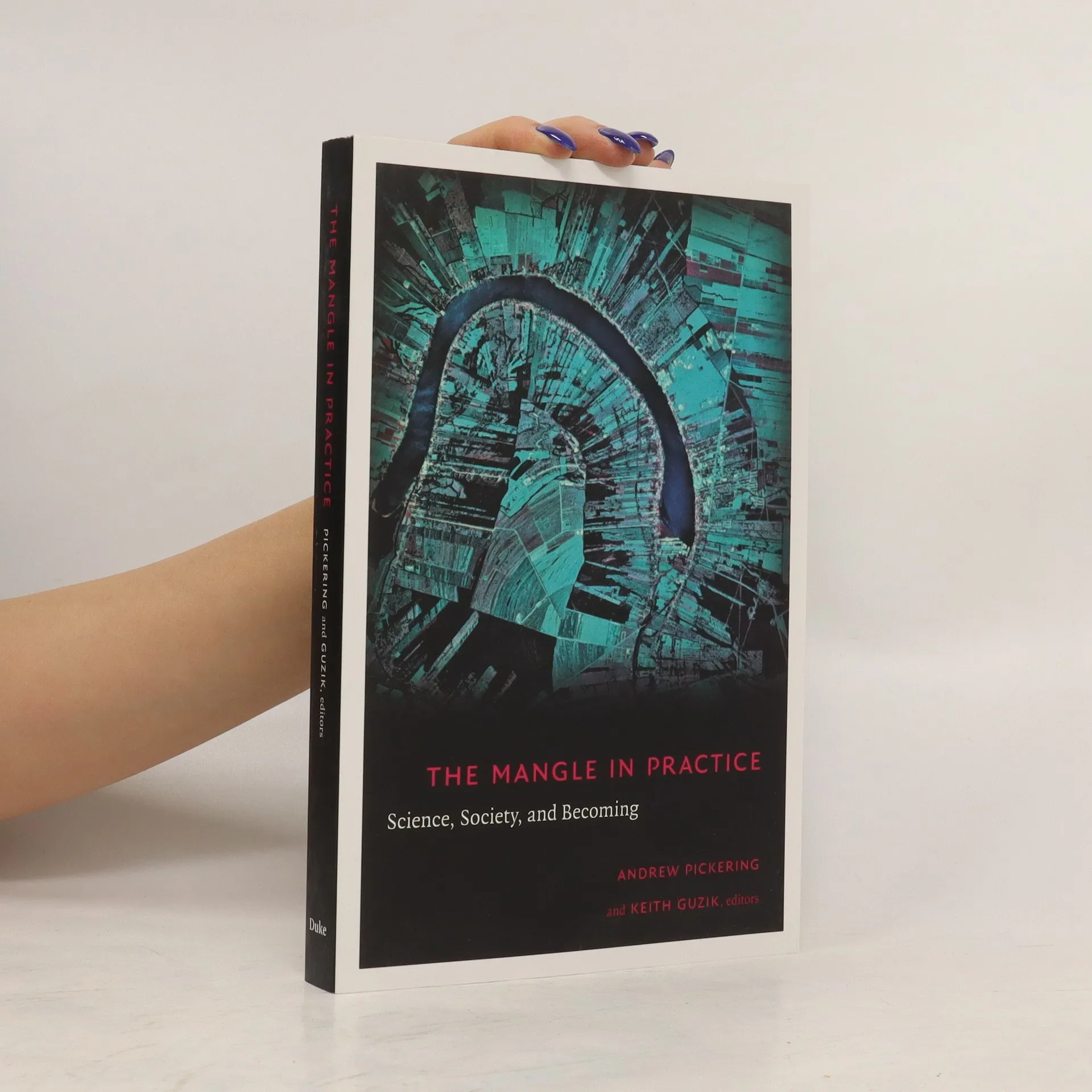
In "The Mangle of Practice," the renowned sociologist of science Andrew Pickering argued for a reconceptualization of research practice as a "mangle," an open-ended, evolutionary, and performative interplay of human and non-human agency. This collection aims to extend the mangle's reach by exploring its application across a wide range of fields including history, philosophy, sociology, geography, environmental studies, literary theory, biophysics, and software engineering. The mangle points to a shift in interpretive sensibilities that makes visible a world of de-centered becoming. This volume demonstrates the viability, coherence, and promise of such a shift, not only in science and technology studies, but in the social sciences and humanities more generally.
Publikation

Buchkauf
The Mangle in Practice, Andrew Pickering, Keith Guzik
- Sprache

- Erscheinungsdatum
- 2009
- Einband
- (Paperback)
Hier könnte deine Bewertung stehen.
- Titel
- The Mangle in Practice
- Sprache
- Englisch
- Autor*innen
- Andrew Pickering, Keith Guzik
- Verlag
- Duke University Press
- Erscheinungsdatum
- 2009
- Einband
- Paperback
- ISBN10
- 0822343738
- ISBN13
- 9780822343738
- Kategorien
- Schlagwörter
- Historisches Thema, Wissenschaft, Technologie
- Bewertung
- 4 von 5 Sternen
- Beschreibung
- In "The Mangle of Practice," the renowned sociologist of science Andrew Pickering argued for a reconceptualization of research practice as a "mangle," an open-ended, evolutionary, and performative interplay of human and non-human agency. This collection aims to extend the mangle's reach by exploring its application across a wide range of fields including history, philosophy, sociology, geography, environmental studies, literary theory, biophysics, and software engineering. The mangle points to a shift in interpretive sensibilities that makes visible a world of de-centered becoming. This volume demonstrates the viability, coherence, and promise of such a shift, not only in science and technology studies, but in the social sciences and humanities more generally.