


Parameter
Mehr zum Buch
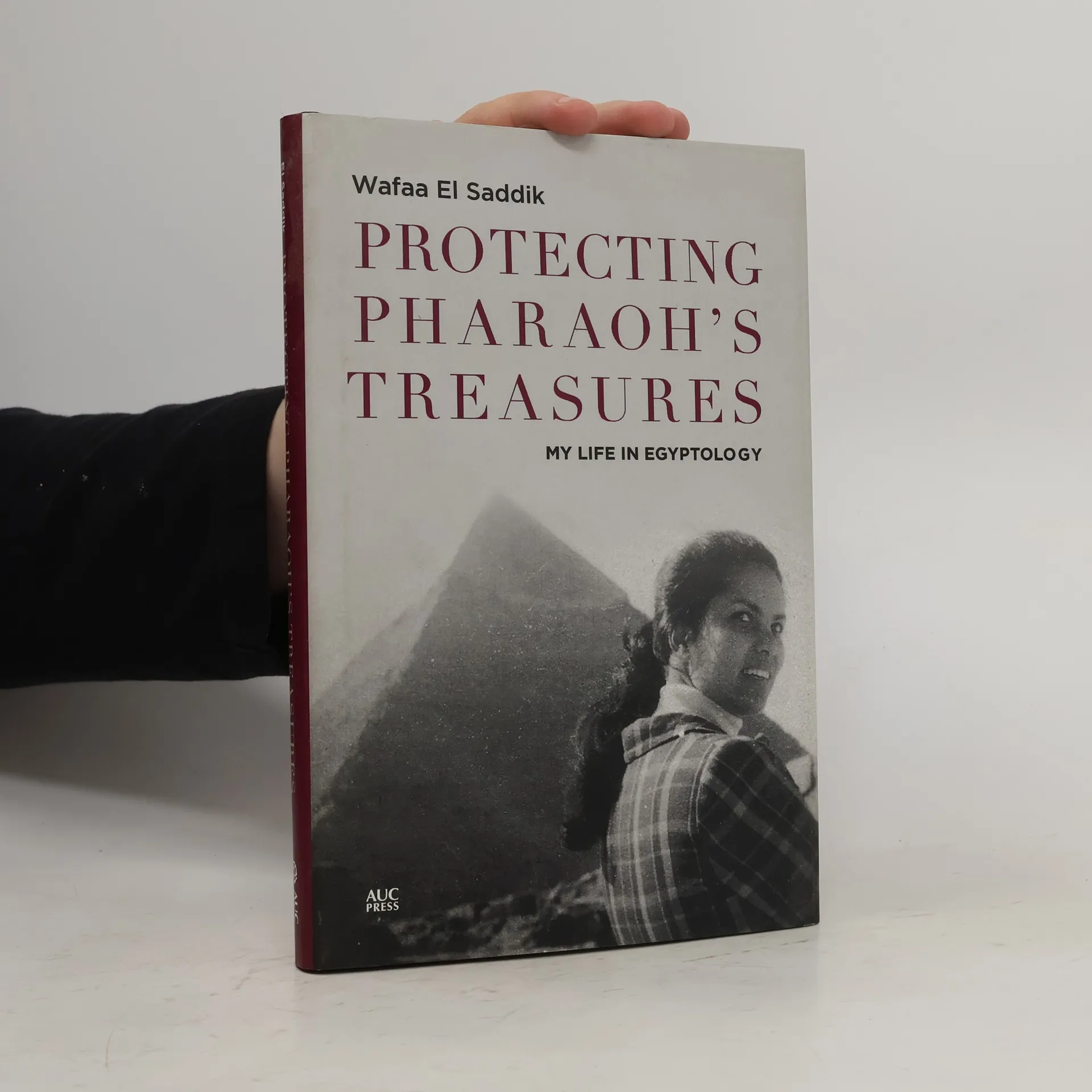
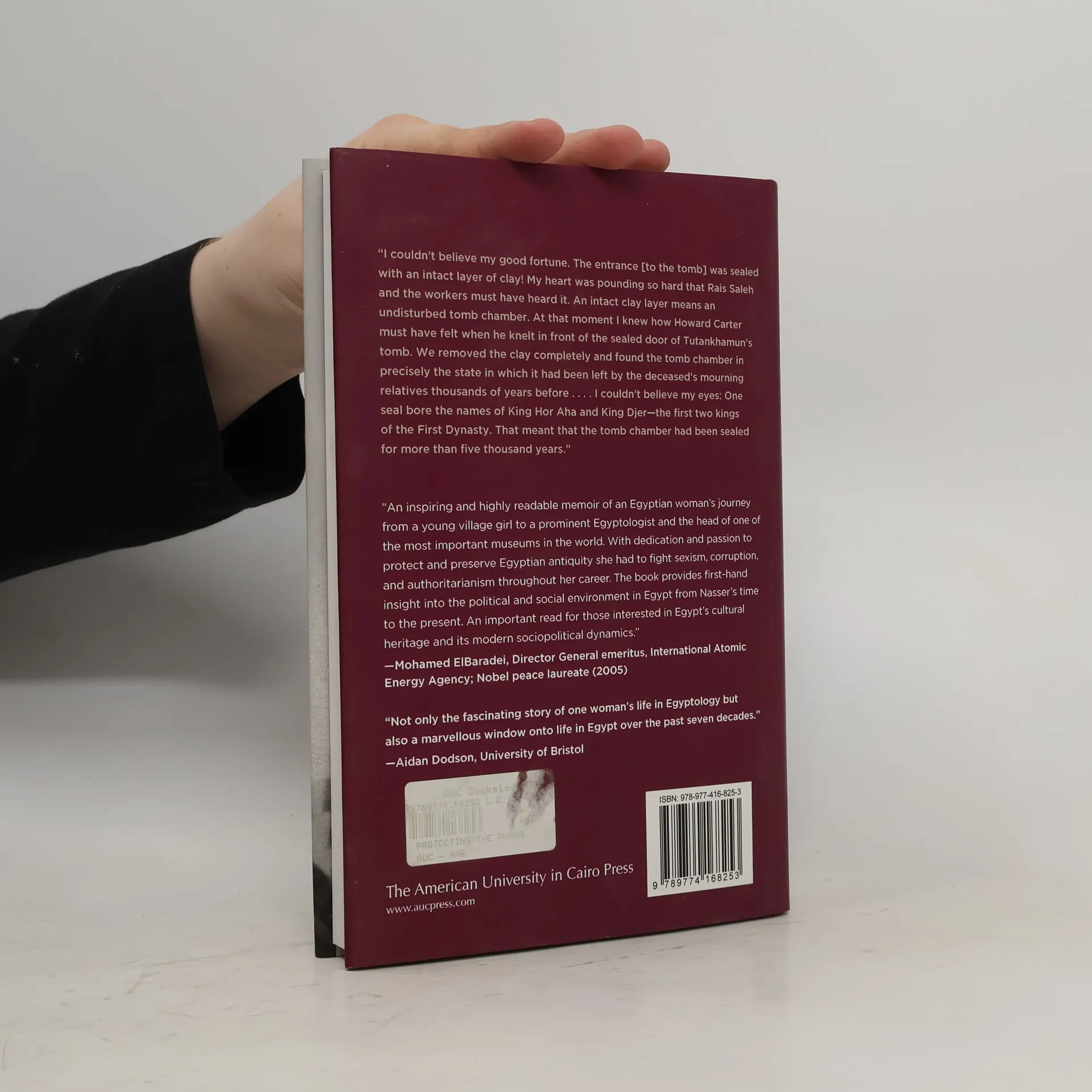
Growing up in Egypt's Nile Delta, Wafaa El Saddik was fascinated by the magnificent pharaonic monuments from an early age, and as a student she dreamed of conducting excavations herself and working in the Egyptian Museum in Cairo. At a time when Egyptology was dominated by men, especially those with close connections to the regime, she was determined to succeed, and secured grants to study in Boston, London, and Vienna, eventually becoming the first female general director of the country's most prestigious museum. She launched the first general inventory of the museum's cellars in its more than hundred-year history, in the process discovering long-forgotten treasures, as well as confronting corruption and nepotism in the antiquities administration. In this very personal memoir, she looks back at the history of her country and asks, What happened to Egypt? Where did Nasser's bright new beginning go wrong? Why did Sadat fail to bring peace? Why did the Egyptians allow themselves to be so corrupted by Mubarak? And why was the Muslim Brotherhood able to achieve power? But her first concern remains: How can the ancient legacy of her country truly be protected?
Buchkauf
Protecting Pharaoh's Treasures, Wafaa El Saddik, Rüdiger Heimlich, Russell Stockman
- Sprache

- Erscheinungsdatum
- 2017
- Einband
- (Hardcover)
Hier könnte deine Bewertung stehen.
- Titel
- Protecting Pharaoh's Treasures
- Sprache
- Englisch
- Autor*innen
- Wafaa El Saddik, Rüdiger Heimlich, Russell Stockman
- Erscheinungsdatum
- 2017
- Einband
- Hardcover
- ISBN10
- 9774168259
- ISBN13
- 9789774168253
- Reihe
- Schlagwörter
- Ägypten
- Bewertung
- 4,55 von 5 Sternen
- Beschreibung
- Growing up in Egypt's Nile Delta, Wafaa El Saddik was fascinated by the magnificent pharaonic monuments from an early age, and as a student she dreamed of conducting excavations herself and working in the Egyptian Museum in Cairo. At a time when Egyptology was dominated by men, especially those with close connections to the regime, she was determined to succeed, and secured grants to study in Boston, London, and Vienna, eventually becoming the first female general director of the country's most prestigious museum. She launched the first general inventory of the museum's cellars in its more than hundred-year history, in the process discovering long-forgotten treasures, as well as confronting corruption and nepotism in the antiquities administration. In this very personal memoir, she looks back at the history of her country and asks, What happened to Egypt? Where did Nasser's bright new beginning go wrong? Why did Sadat fail to bring peace? Why did the Egyptians allow themselves to be so corrupted by Mubarak? And why was the Muslim Brotherhood able to achieve power? But her first concern remains: How can the ancient legacy of her country truly be protected?