


Mehr zum Buch
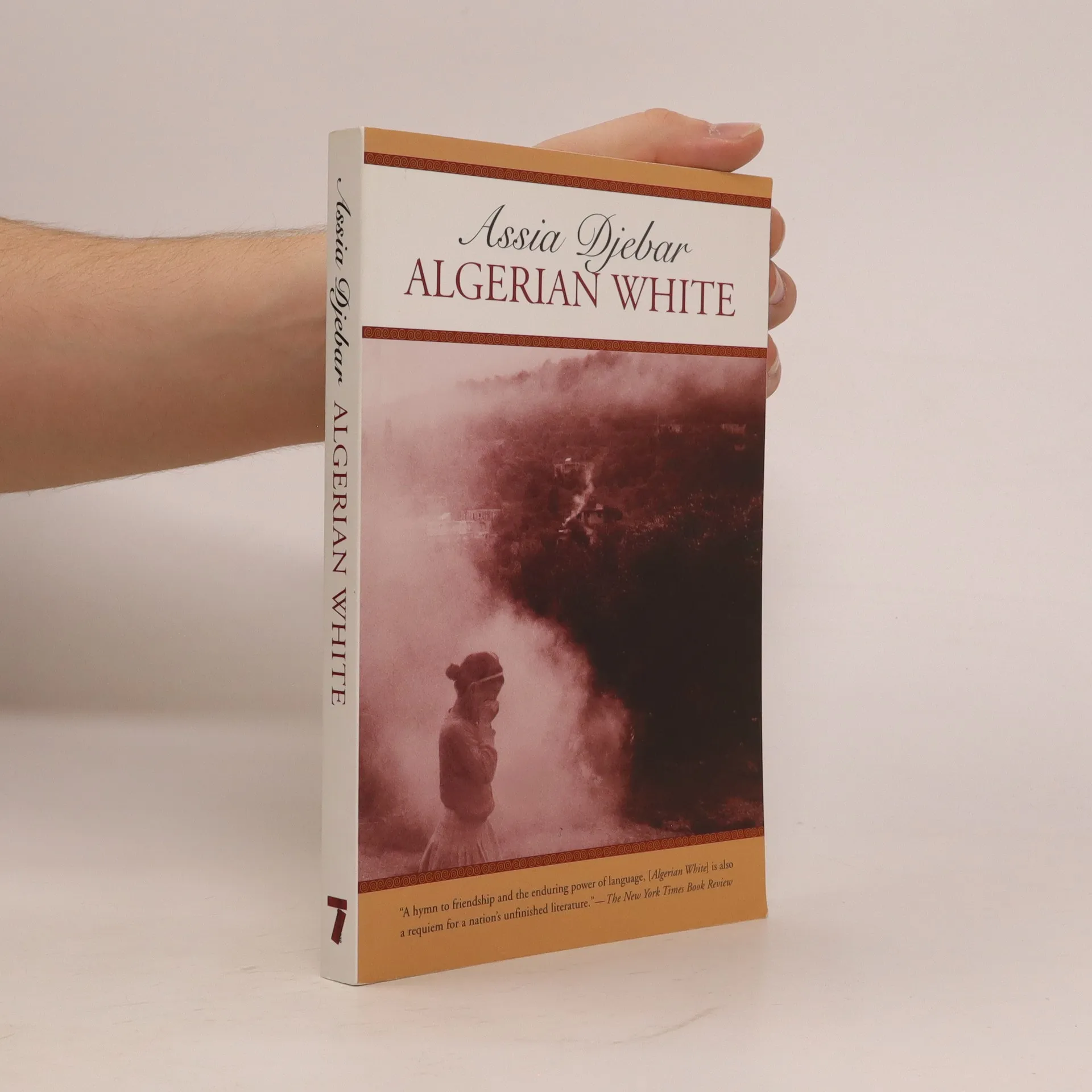
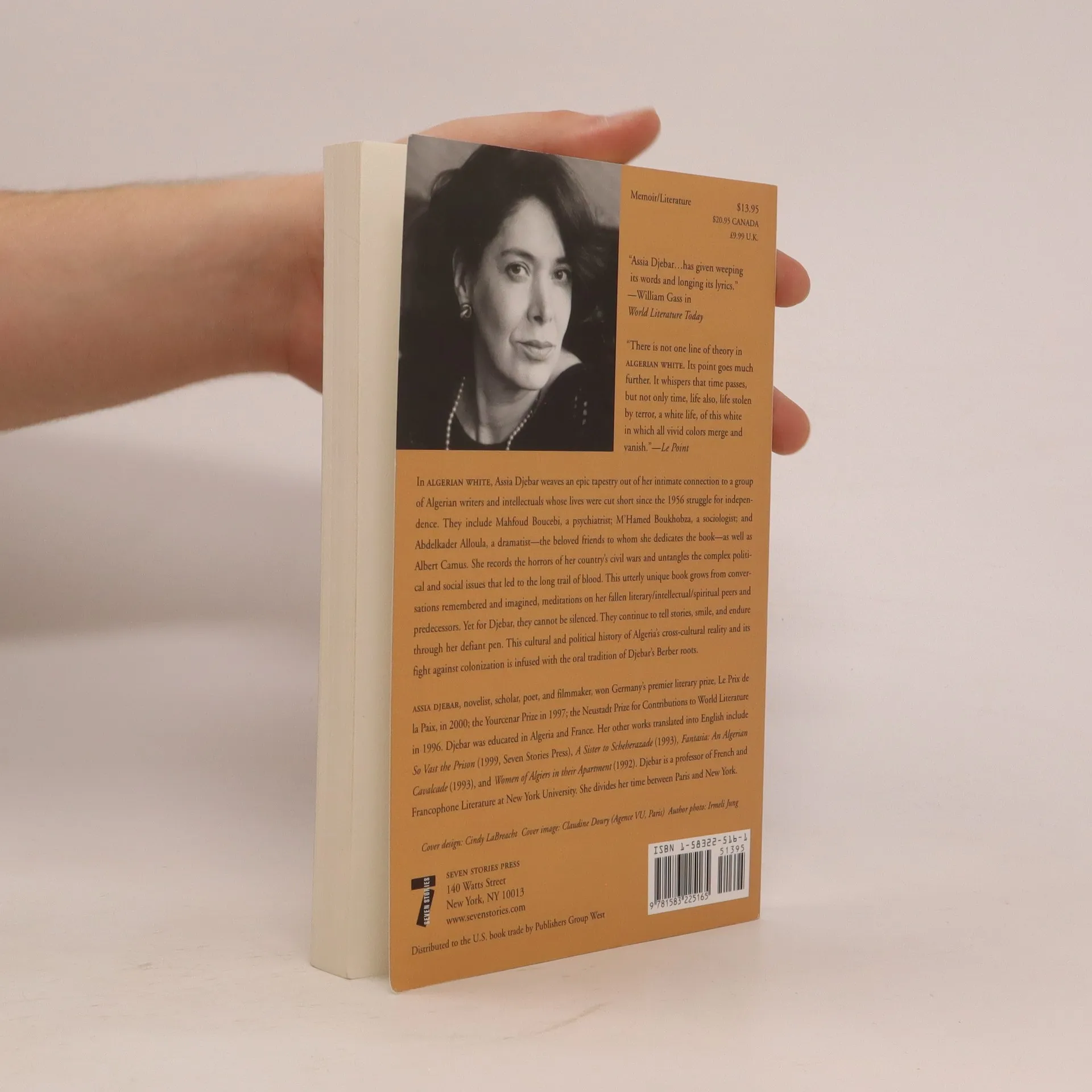
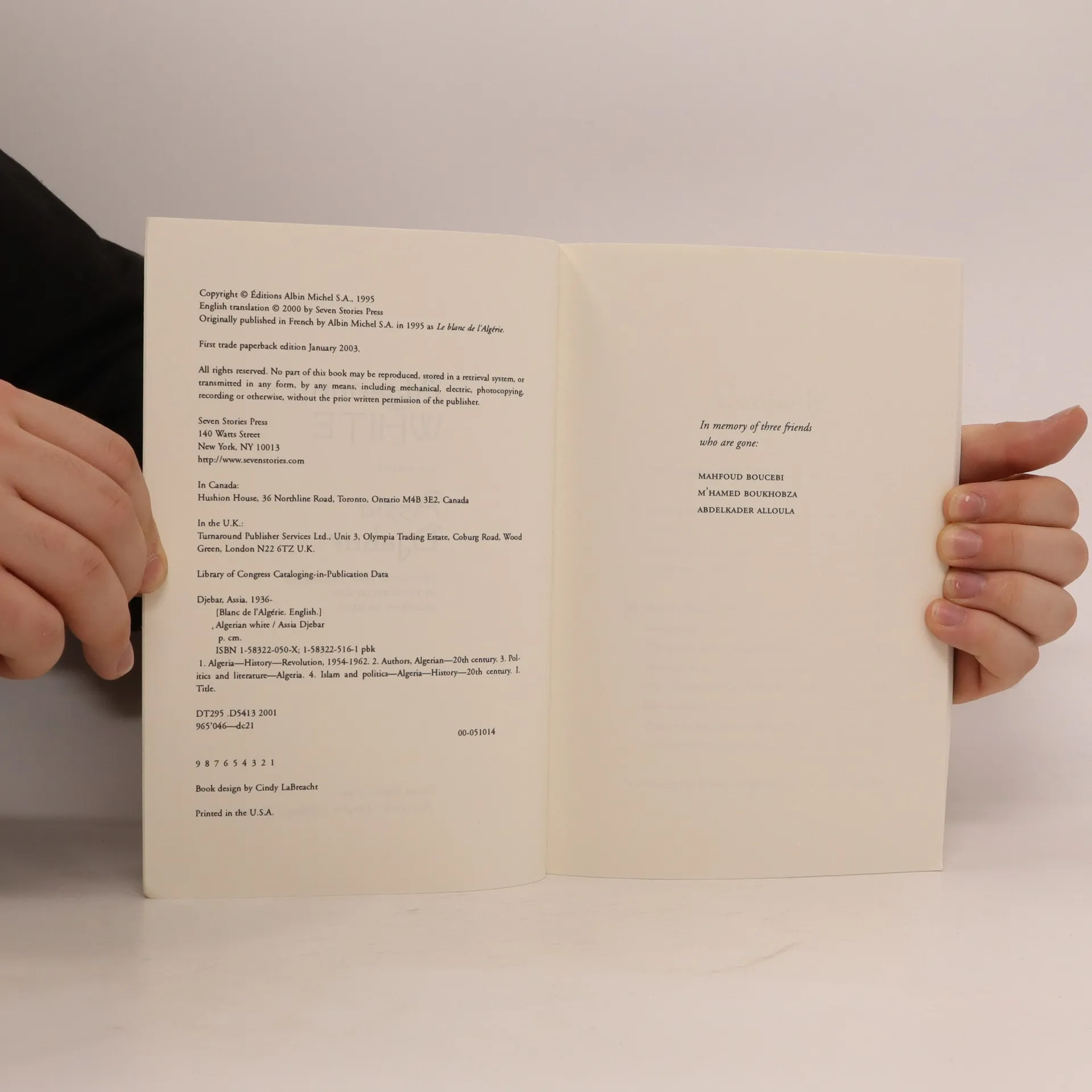
In Algerian White, Assia Djebar weaves a tapestry of the epic and bloody ongoing struggle in her country between Islamic fundamentalism and the post-colonial civil society. Many Algerian writers and intellectuals have died tragically and violently since the 1956 struggle for independence. They include three beloved friends of Djebar: Mahfoud Boucebi, a psychiatrist; M'Hamed Boukhobza, a sociologist; and Abdelkader Alloula, a dramatist; as well as Albert Camus. In Algerian White, Djebar finds a way to meld the personal and the political by describing in intimate detail the final days and hours of these and other Algerian men and women, many of whom were murdered merely because they were teachers, or writers, or students. Yet, for Djebar, they cannot be silenced. They continue to tell stories, smile, and endure through her defiant pen. Both fiction and memoir, Algerian White describes with unerring accuracy the lives and deaths of those whose contributions were cut short, and then probes even deeper into the meaning of friendship through imagined conversations and ghostly visitations.


Publikation

Buchkauf
Algerian White, Assia Djebar
- Sprache

- Erscheinungsdatum
- 2003
- Einband
- (Paperback)
Hier könnte deine Bewertung stehen.
- Titel
- Algerian White
- Sprache
- Englisch
- Autor*innen
- Assia Djebar
- Verlag
- Seven Stories Press,U.S.
- Erscheinungsdatum
- 2003
- Einband
- Paperback
- Seitenzahl
- 244
- ISBN10
- 1583225161
- ISBN13
- 9781583225165
- Reihe
- Kategorien
- Schlagwörter
- Frankreich, Afrika, Algerien
- Bewertung
- 3,75 von 5 Sternen
- Beschreibung
- In Algerian White, Assia Djebar weaves a tapestry of the epic and bloody ongoing struggle in her country between Islamic fundamentalism and the post-colonial civil society. Many Algerian writers and intellectuals have died tragically and violently since the 1956 struggle for independence. They include three beloved friends of Djebar: Mahfoud Boucebi, a psychiatrist; M'Hamed Boukhobza, a sociologist; and Abdelkader Alloula, a dramatist; as well as Albert Camus. In Algerian White, Djebar finds a way to meld the personal and the political by describing in intimate detail the final days and hours of these and other Algerian men and women, many of whom were murdered merely because they were teachers, or writers, or students. Yet, for Djebar, they cannot be silenced. They continue to tell stories, smile, and endure through her defiant pen. Both fiction and memoir, Algerian White describes with unerring accuracy the lives and deaths of those whose contributions were cut short, and then probes even deeper into the meaning of friendship through imagined conversations and ghostly visitations.