

Science of art : optical themes in western art from Brunelleschi to Seurat
Autor*innen
Buchbewertung
Mehr zum Buch
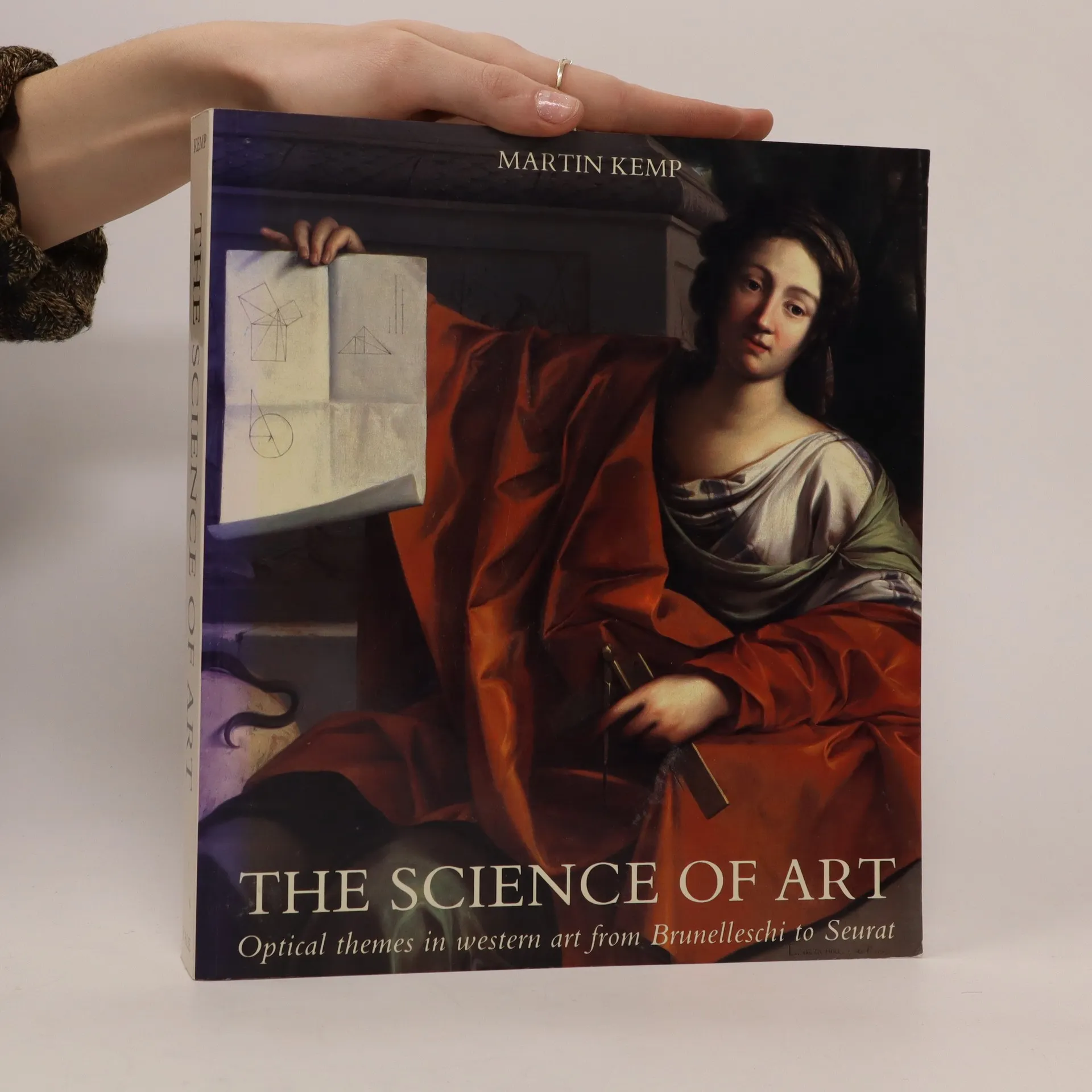
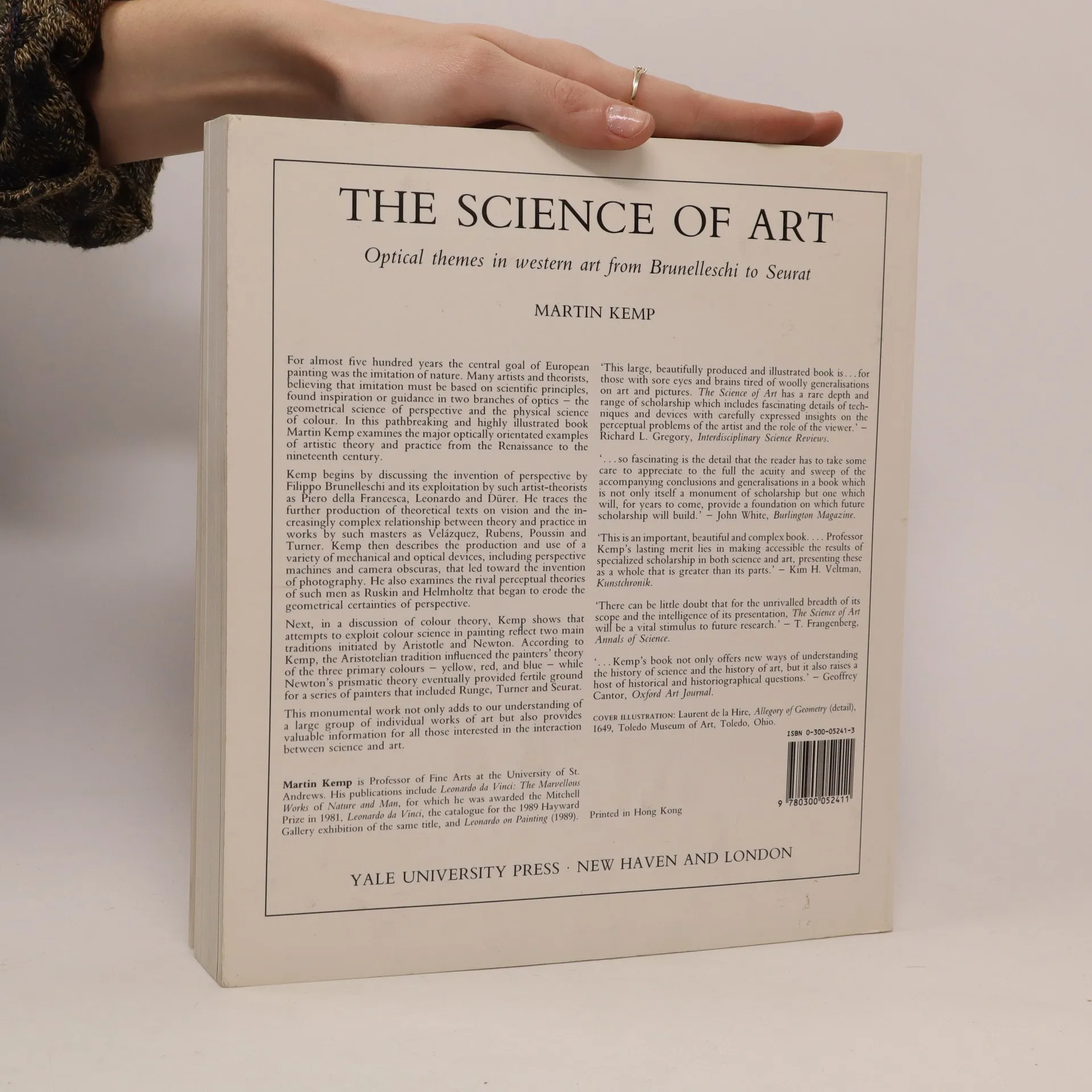
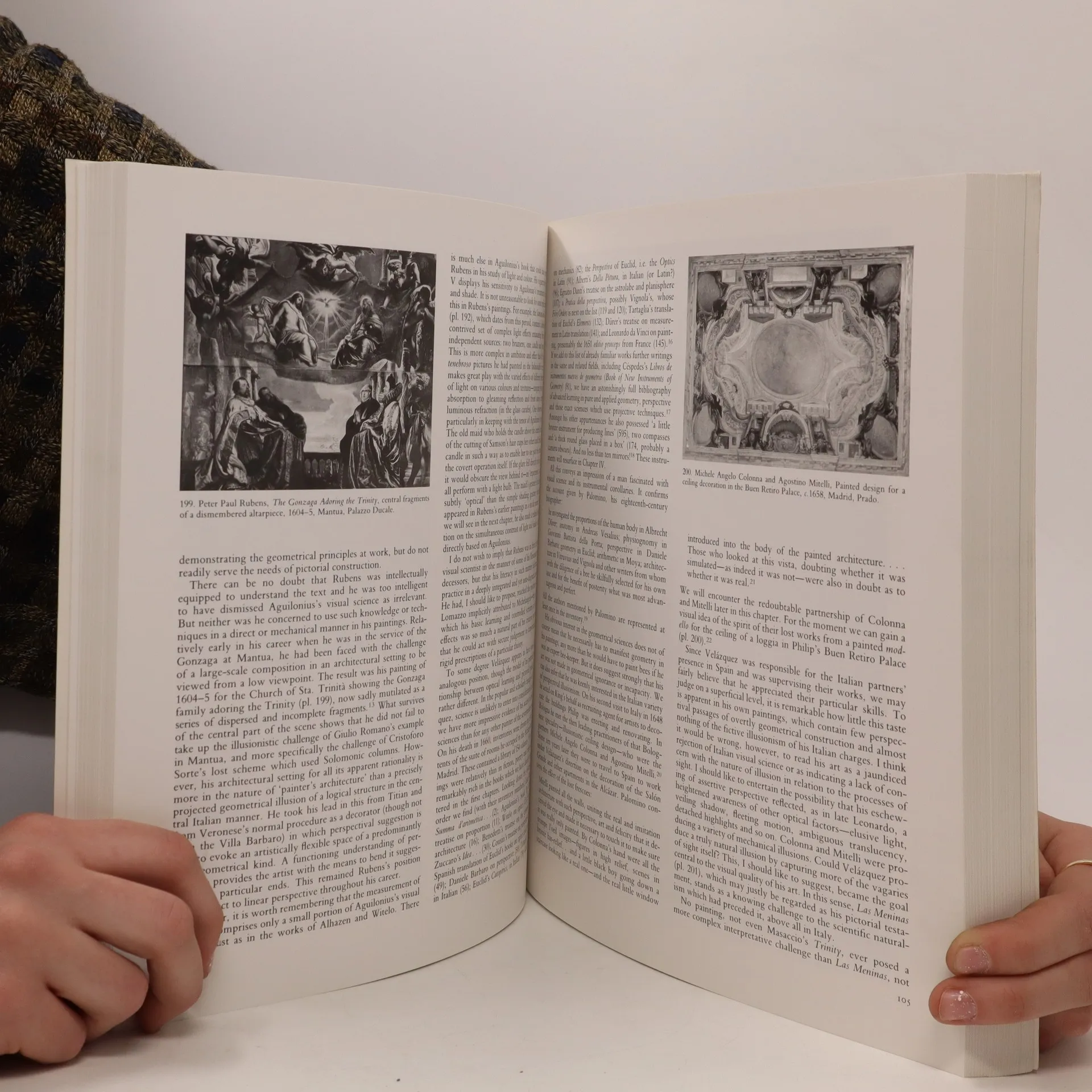
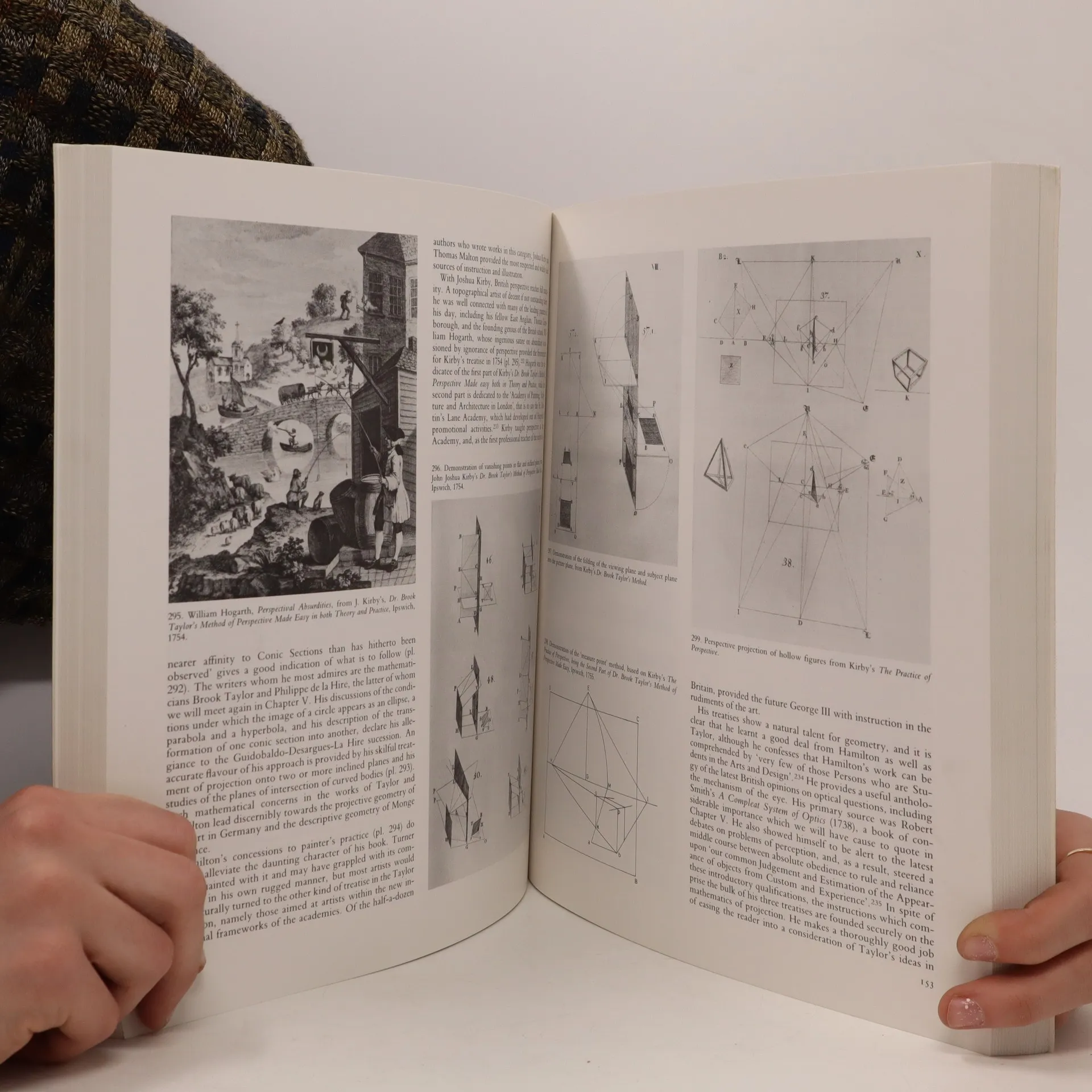
This work, one of the most lucidly written art history books in recent memory, addresses a topic of inherent complexity and great recent interest. Kemp (Univ. of St. Andrews), who has written on Leonardo, discusses perspective and optic theories as they related to the central problem of European painting for half a millennium, the verisimilar depiction of nature. The first part of the book discusses perspective theory and practice and the use of devices that led toward photography. In the second part, Kemp explores optic theories derived from Aristotle and from Newton and their theoretical and practical impacts on painting. The only minor cavil is the unclear order of the select bibliography; otherwise, this is a superb and thoughtful book, with a level of writing to which few can aspire. Highly recommended for general as well as special collections.-- Jack Perry Brown, Ryerson & Burnham Libs . , Art Inst. of Chicago.
Buchkauf
Science of art : optical themes in western art from Brunelleschi to Seurat, Martin Kemp
- Sprache

- Erscheinungsdatum
- 1989
- Einband
- (Paperback)
Hier könnte deine Bewertung stehen.
- Titel
- Science of art : optical themes in western art from Brunelleschi to Seurat
- Sprache
- Englisch
- Autor*innen
- Martin Kemp
- Verlag
- Yale University Press
- Erscheinungsdatum
- 1989
- Einband
- Paperback
- ISBN10
- 0300052413
- ISBN13
- 9780300052411
- Reihe
- Kategorien
- Schlagwörter
- Historisches Thema, Kunst, Wissenschaft, Kunstgeschichte, Zeichnen, Geschichte der Wissenschaft
- Bewertung
- 3,9 von 5 Sternen
- Beschreibung
- This work, one of the most lucidly written art history books in recent memory, addresses a topic of inherent complexity and great recent interest. Kemp (Univ. of St. Andrews), who has written on Leonardo, discusses perspective and optic theories as they related to the central problem of European painting for half a millennium, the verisimilar depiction of nature. The first part of the book discusses perspective theory and practice and the use of devices that led toward photography. In the second part, Kemp explores optic theories derived from Aristotle and from Newton and their theoretical and practical impacts on painting. The only minor cavil is the unclear order of the select bibliography; otherwise, this is a superb and thoughtful book, with a level of writing to which few can aspire. Highly recommended for general as well as special collections.-- Jack Perry Brown, Ryerson & Burnham Libs . , Art Inst. of Chicago.