

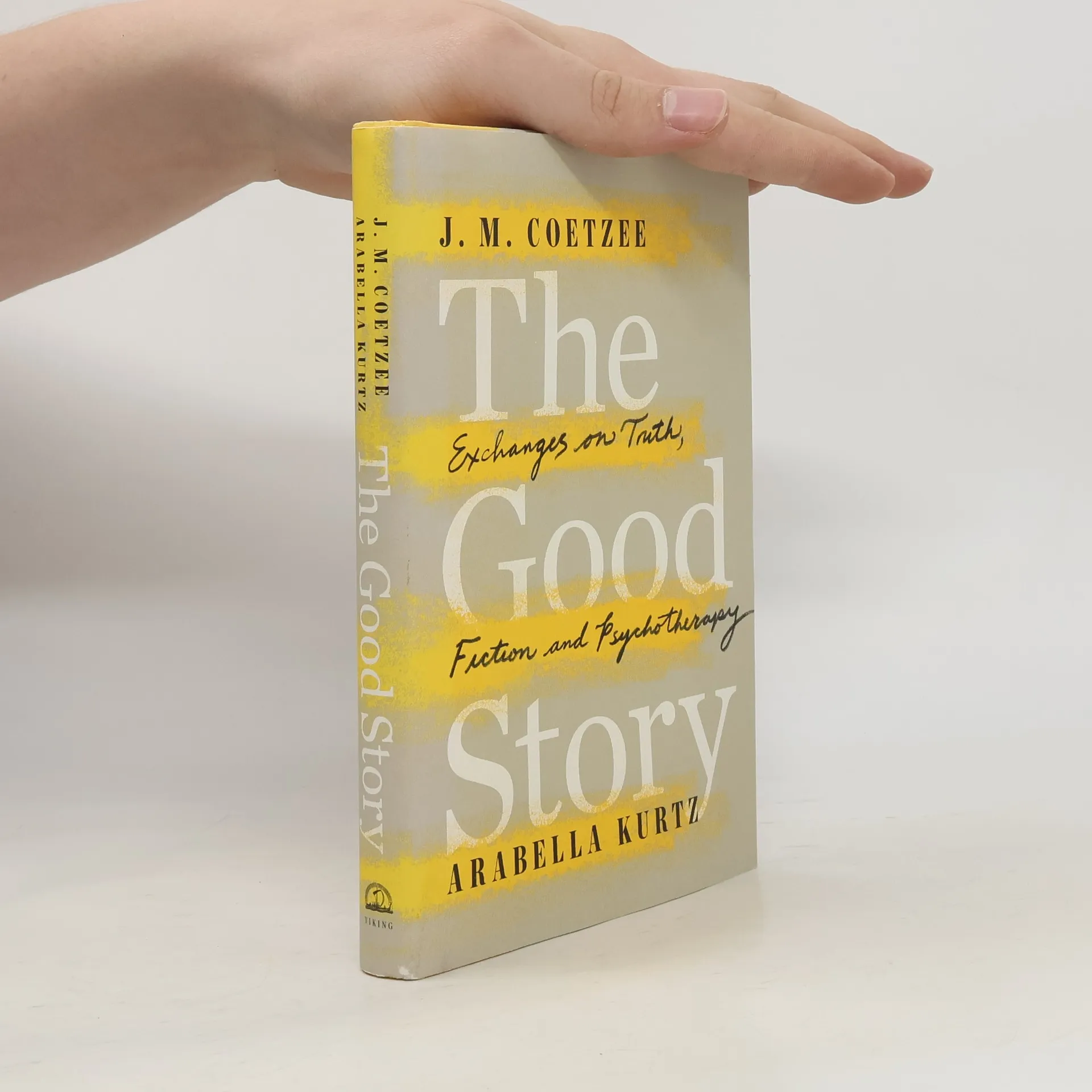

The Good Story
Exchanges on Truth, Fiction and Psychotherapy
Autor*innen
Buchbewertung
Mehr zum Buch
J.M. Coetzee and Arabella Kurtz engage in a compelling dialogue about psychotherapy and storytelling, exploring the relationship between personal narrative and identity. Coetzee questions whether he is the conscious author of his life story or merely a voice expressing inner thoughts. Kurtz suggests that psychoanalysis aims to liberate the autobiographical imagination. Their discussion reveals how narrative shapes both individual psychology and broader social contexts, including classrooms, gangs, and national identities that incorporate the legacies of ancestors. While the writer controls their narrative, the therapist collaborates with the patient to create a meaningful account of their life. The authors draw on literary figures like Cervantes and Dostoevsky, alongside psychoanalysts such as Freud and Melanie Klein, to examine the human desire for self-examination and the challenges faced in articulating personal stories. This meeting of minds is both illuminating and thought-provoking, highlighting the complexities of narrative in understanding ourselves and our place in the world.


Buchkauf
The Good Story, J. M. Coetzee, Arabella Kurtz
- Sprache

- Erscheinungsdatum
- 2015
- Einband
- (Hardcover)
Hier könnte deine Bewertung stehen.
- Titel
- The Good Story
- Untertitel
- Exchanges on Truth, Fiction and Psychotherapy
- Sprache
- Englisch
- Autor*innen
- J. M. Coetzee, Arabella Kurtz
- Verlag
- Viking
- Erscheinungsdatum
- 2015
- Einband
- Hardcover
- Seitenzahl
- 198
- ISBN10
- 0525429514
- ISBN13
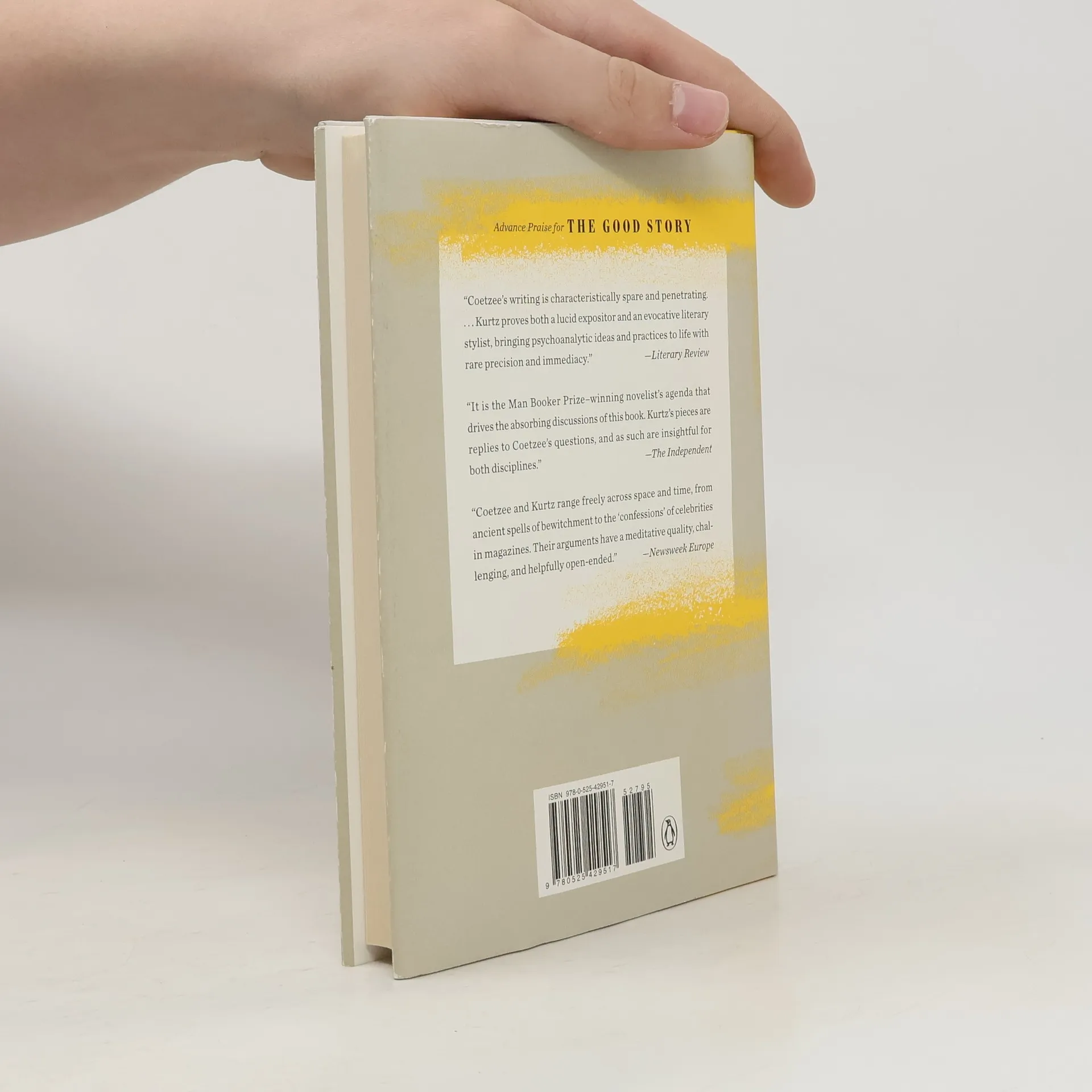
- 9780525429517
- Reihe
- Kategorien
- Schlagwörter
- Psychologische Thematik, Philosophisches Thema, Schreiben, Südafrika
- Bewertung
- 3,55 von 5 Sternen
- Beschreibung
- J.M. Coetzee and Arabella Kurtz engage in a compelling dialogue about psychotherapy and storytelling, exploring the relationship between personal narrative and identity. Coetzee questions whether he is the conscious author of his life story or merely a voice expressing inner thoughts. Kurtz suggests that psychoanalysis aims to liberate the autobiographical imagination. Their discussion reveals how narrative shapes both individual psychology and broader social contexts, including classrooms, gangs, and national identities that incorporate the legacies of ancestors. While the writer controls their narrative, the therapist collaborates with the patient to create a meaningful account of their life. The authors draw on literary figures like Cervantes and Dostoevsky, alongside psychoanalysts such as Freud and Melanie Klein, to examine the human desire for self-examination and the challenges faced in articulating personal stories. This meeting of minds is both illuminating and thought-provoking, highlighting the complexities of narrative in understanding ourselves and our place in the world.