

Ausverkauft, aber heiß begehrt!
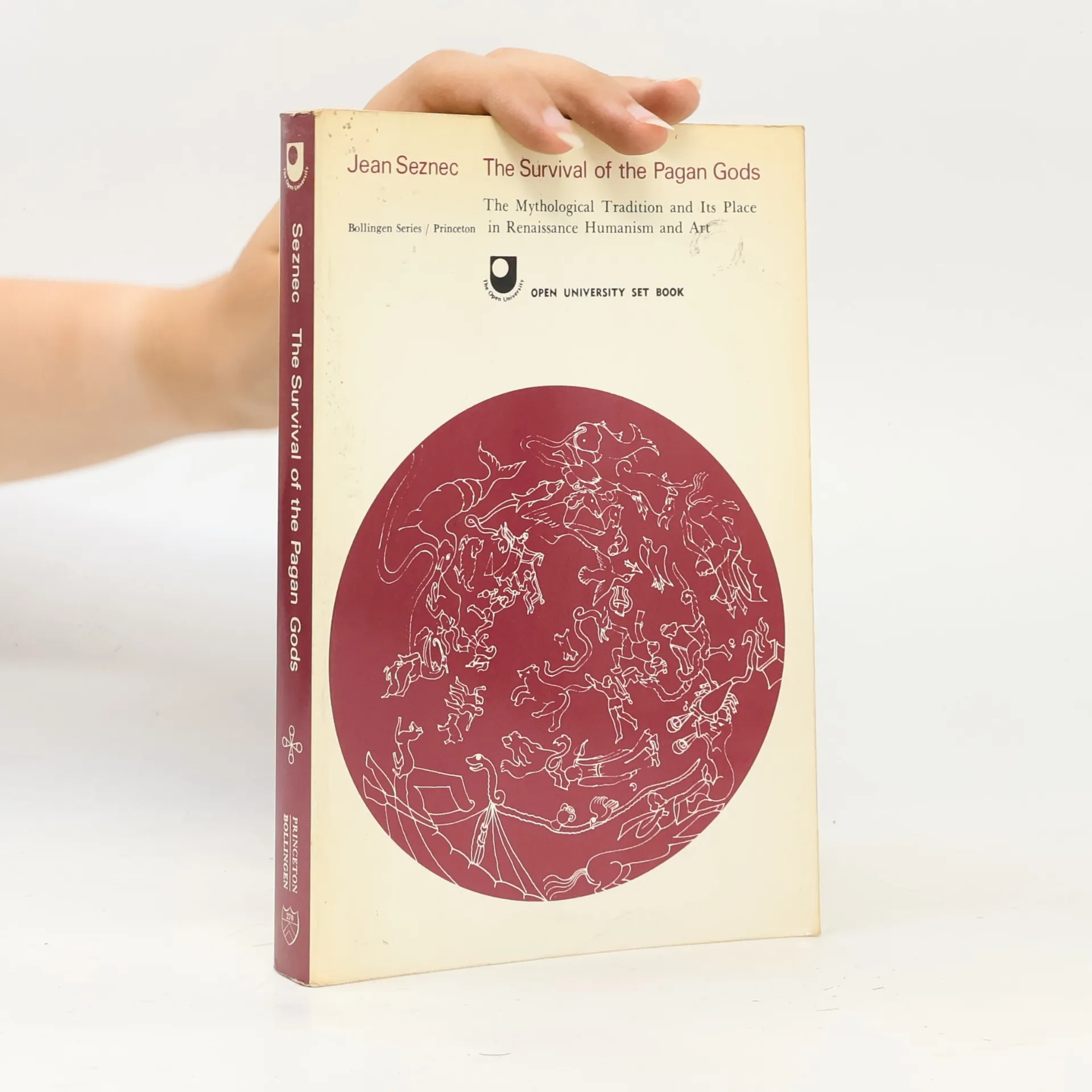
Bollingen Series: The Survival of the Pagan Gods
The Mythological Tradition and Its Place in Renaissance Humanism and Art (2. Print.)
Autor*innen
Buchbewertung
Mehr zum Buch
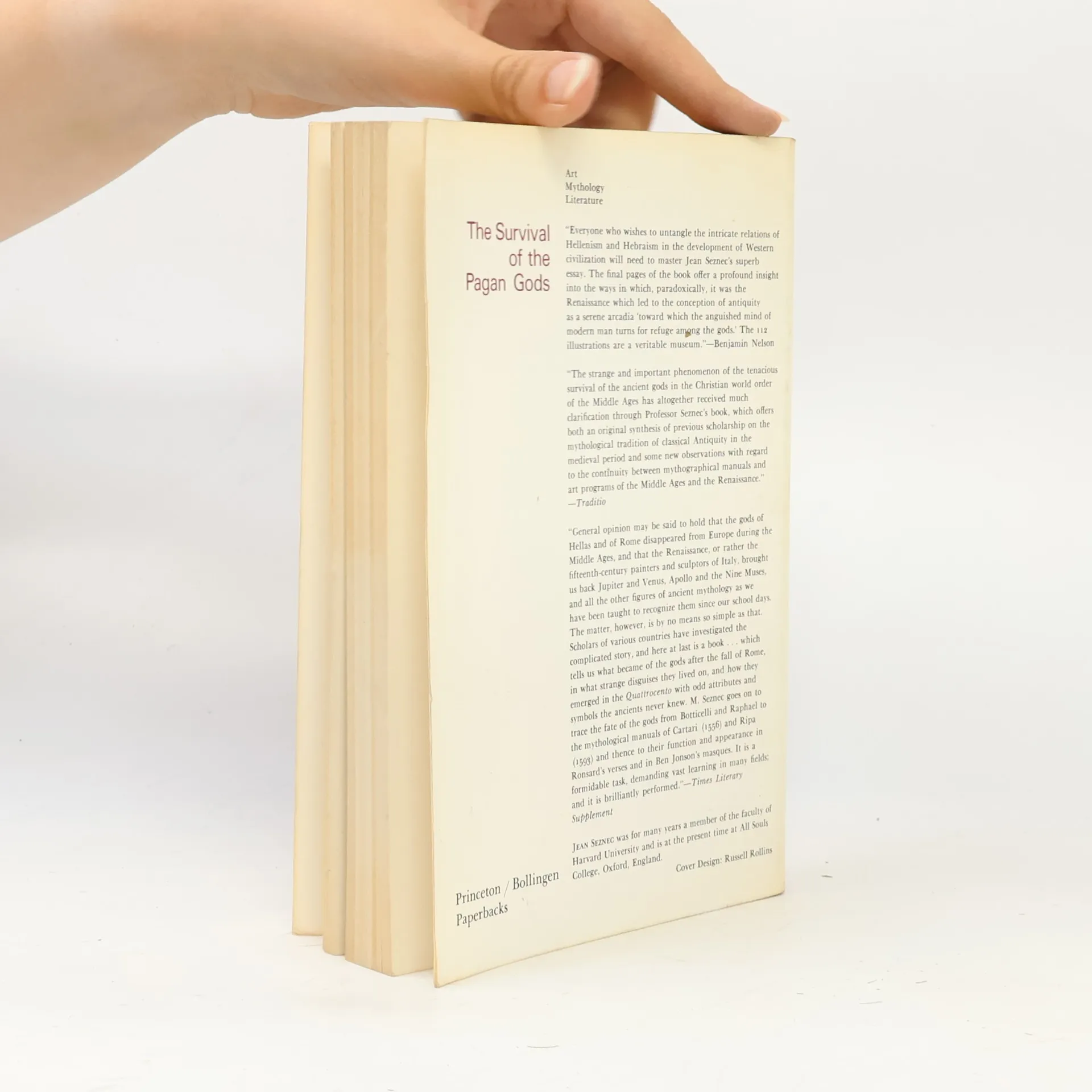
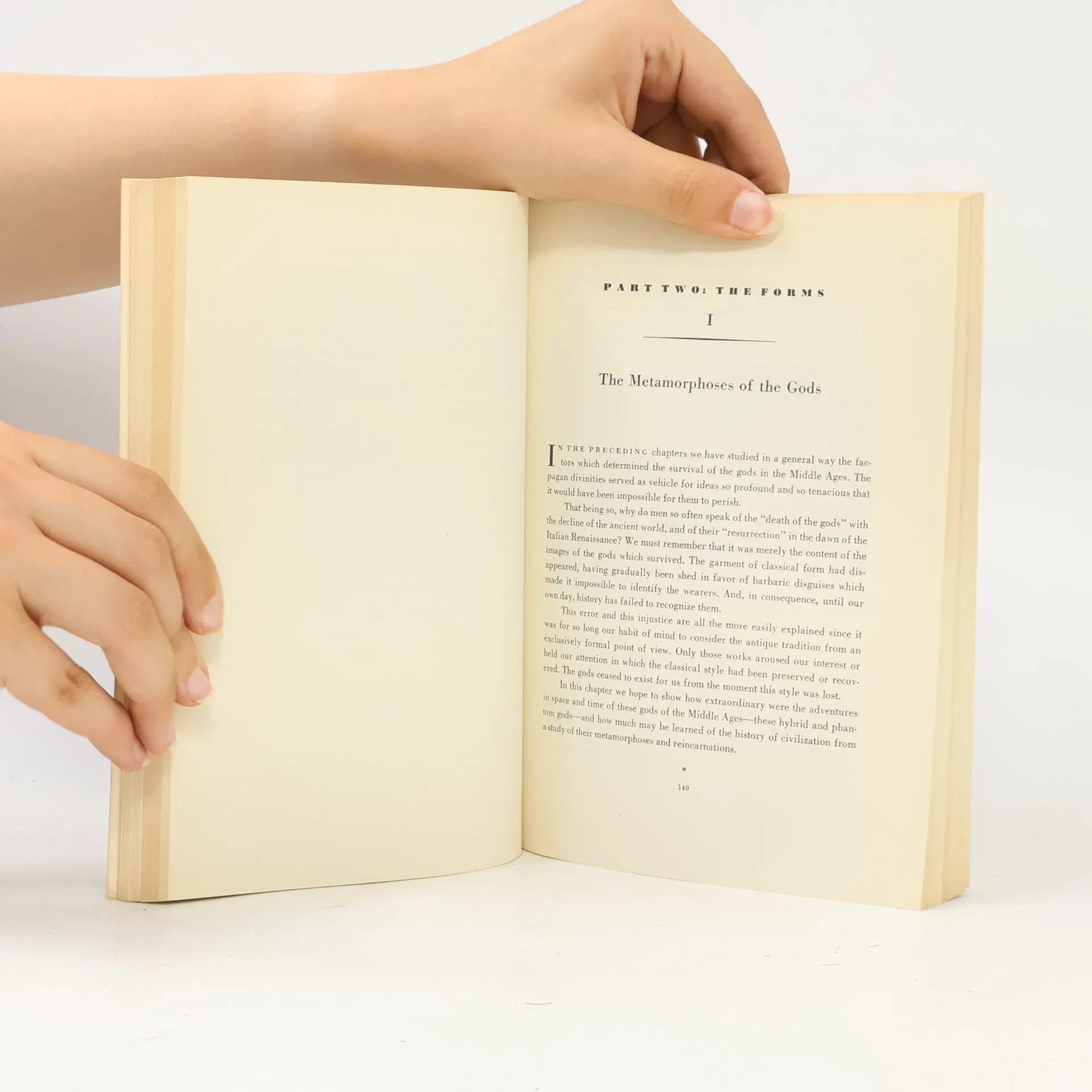
The gods of Olympus died with the advent of Christianity--or so we have been taught to believe. But how are we to account for their tremendous popularity during the Renaissance? This illustrated book, now reprinted in a new, larger paperback format, offers the general reader first a discussion of mythology in late antiquity and the Middle Ages, and then a multifaceted look at the far-reaching role played by mythology in Renaissance intellectual and emotional life. -- "The Times Literary Supplement"




Buchkauf
Bollingen Series: The Survival of the Pagan Gods, Jean Seznec, Barbara F. Sessions
- Sprache

- Erscheinungsdatum
- 1972
- Einband
- (Paperback)
Wir benachrichtigen dich per E-Mail.
Hier könnte deine Bewertung stehen.
- Titel
- Bollingen Series: The Survival of the Pagan Gods
- Untertitel
- The Mythological Tradition and Its Place in Renaissance Humanism and Art (2. Print.)
- Sprache
- Englisch
- Autor*innen
- Jean Seznec, Barbara F. Sessions
- Erscheinungsdatum
- 1972
- Einband
- Paperback
- Seitenzahl
- 376
- ISBN10
- 0691017832
- ISBN13
- 9780691017839
- Reihe
- Kategorien
- Schlagwörter
- Mythologie
- Bewertung
- 4,1 von 5 Sternen
- Beschreibung
- The gods of Olympus died with the advent of Christianity--or so we have been taught to believe. But how are we to account for their tremendous popularity during the Renaissance? This illustrated book, now reprinted in a new, larger paperback format, offers the general reader first a discussion of mythology in late antiquity and the Middle Ages, and then a multifaceted look at the far-reaching role played by mythology in Renaissance intellectual and emotional life. -- "The Times Literary Supplement"