



Mehr zum Buch
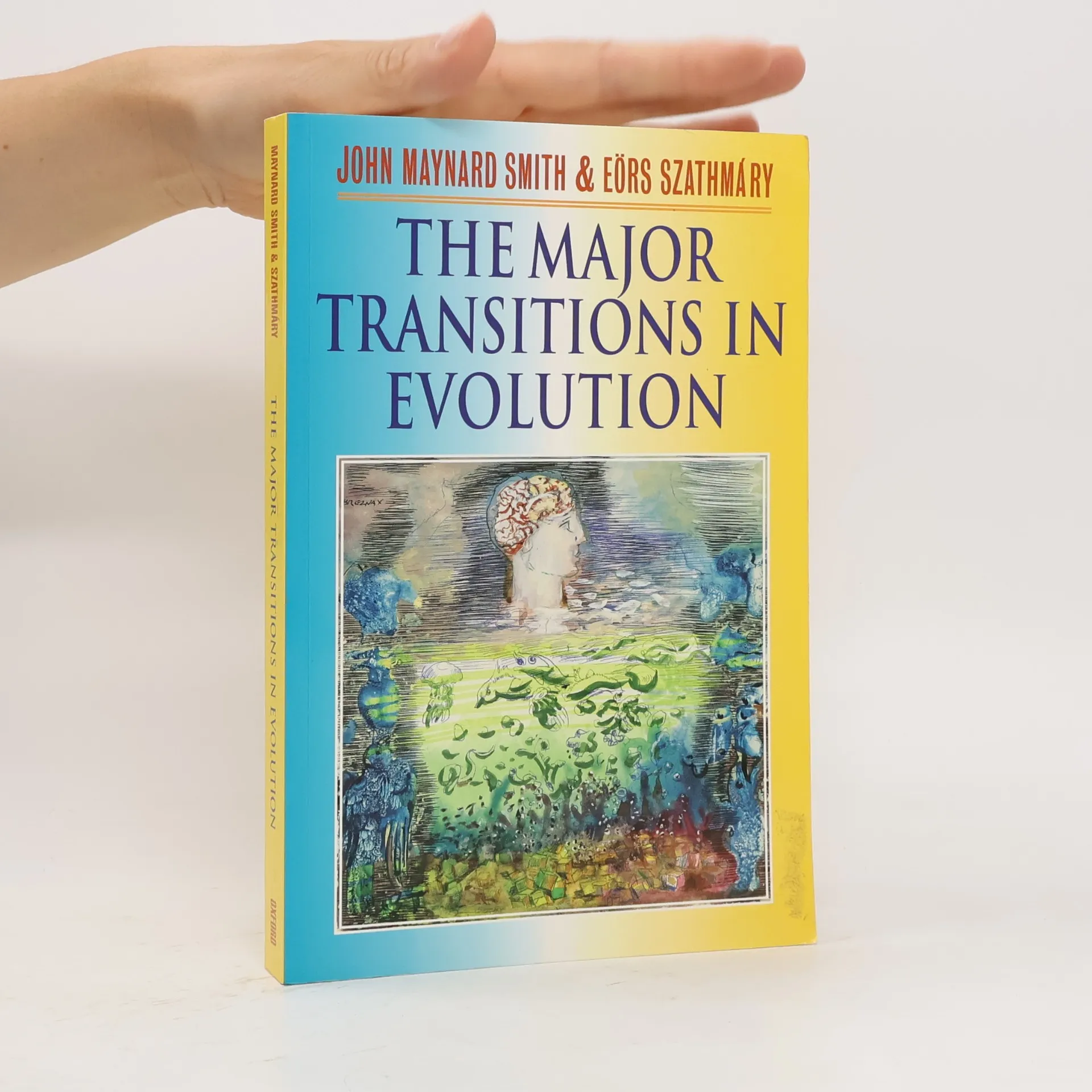
Throughout the history of life, significant changes have occurred in how genetic information is organized and passed down. These transitions encompass the origin of life, the emergence of eukaryotic cells, sexual reproduction, the development of multicellular organisms, the rise of cooperation, and the unique language capabilities of humans. This ambitious work offers a unified exploration of these transitions, highlighting the similarities among them—such as the formation of chromosomes from replicating molecules and the assembly of cells into multicellular entities. The authors illustrate how understanding one transition can illuminate others, revealing a common theme: after a major transition, some entities lose their ability to replicate independently, relying on a larger whole for reproduction. They delve into this pattern and explore why selection at lower levels does not disrupt higher-level selection, proposing a compelling theory of cooperation's evolution across varying complexities. Engagingly written and richly illustrated, this book is accessible to anyone with an undergraduate background in biology and serves as an excellent resource for advanced discussions on evolution, covering diverse topics from molecular biology to insect societies.
Sprache

Buchkauf
The Major Transitions in Evolution, John Maynard Smith, Eörs Szathmáry
- Sprache

- Erscheinungsdatum
- 1997
- Einband
- (Paperback)
Hier könnte deine Bewertung stehen.
- Titel
- The Major Transitions in Evolution
- Sprache
- Englisch
- Autor*innen
- John Maynard Smith, Eörs Szathmáry
- Verlag
- Oxford University Press
- Erscheinungsdatum
- 1997
- Einband
- Paperback
- Seitenzahl
- 360
- ISBN10
- 019850294X
- ISBN13
- 9780198502944
- Reihe
- Kategorien
- Schlagwörter
- Historisches Thema, Naturwissenschaften, Philosophisches Thema, Wissenschaft, Bildung, Evolution
- Originaltitel
- The major transitions in evolution
- Bewertung
- 4,25 von 5 Sternen
- Beschreibung
- Throughout the history of life, significant changes have occurred in how genetic information is organized and passed down. These transitions encompass the origin of life, the emergence of eukaryotic cells, sexual reproduction, the development of multicellular organisms, the rise of cooperation, and the unique language capabilities of humans. This ambitious work offers a unified exploration of these transitions, highlighting the similarities among them—such as the formation of chromosomes from replicating molecules and the assembly of cells into multicellular entities. The authors illustrate how understanding one transition can illuminate others, revealing a common theme: after a major transition, some entities lose their ability to replicate independently, relying on a larger whole for reproduction. They delve into this pattern and explore why selection at lower levels does not disrupt higher-level selection, proposing a compelling theory of cooperation's evolution across varying complexities. Engagingly written and richly illustrated, this book is accessible to anyone with an undergraduate background in biology and serves as an excellent resource for advanced discussions on evolution, covering diverse topics from molecular biology to insect societies.