

Mehr zum Buch
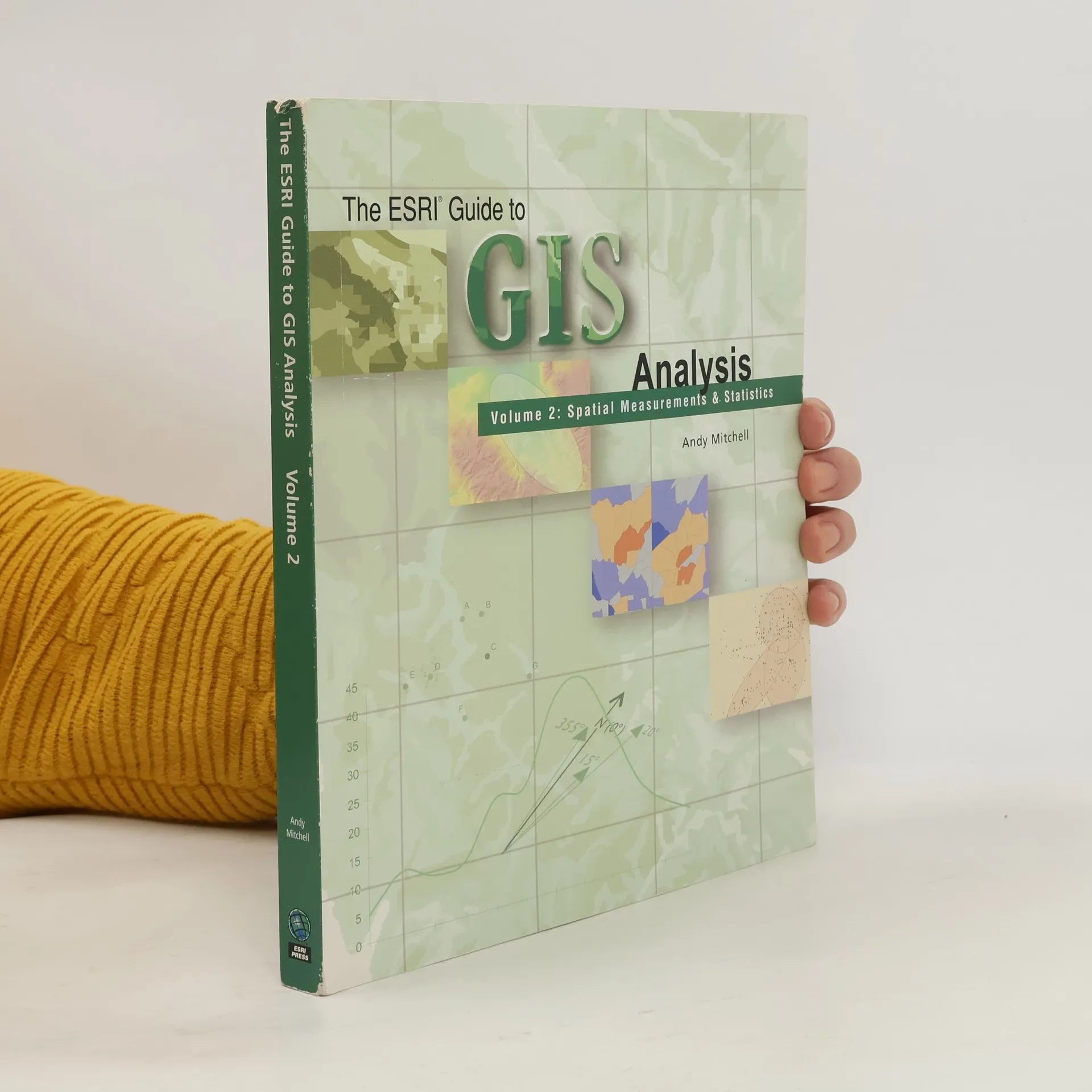
As the tools available through commercial GIS software have grown in sophistication, a need has emerged to instruct users on the best practices of true GIS analysis. In this sequel to the bestselling The ESRI Guide to GIS Analysis , author Andy Mitchell delves into the more advanced realm of spatial measurements and statistics. The premise of The ESRI Guide to GIS Analysis, Volume 2 , targets GIS technology as having been well used as a display and visualization medium but not so widely used as an implement for real analysis. Covering topics that range from identifying patterns and clusters, to analyzing geographic relationships, this book is a valuable resource for GIS users performing complex analysis.
Buchkauf
The ESRI Guide to GIS Analysis Volume 2, Andy Mitchell
- Sprache

- Erscheinungsdatum
- 2005
- Einband
- (Paperback)
Hier könnte deine Bewertung stehen.
- Titel
- The ESRI Guide to GIS Analysis Volume 2
- Sprache
- Englisch
- Autor*innen
- Andy Mitchell
- Verlag
- ESRI Press
- Erscheinungsdatum
- 2005
- Einband
- Paperback
- Seitenzahl
- 238
- ISBN10
- 158948116X
- ISBN13
- 9781589481169
- Reihe
- Schlagwörter
- Geografische Informationssysteme
- Bewertung
- 4,1 von 5 Sternen
- Beschreibung
- As the tools available through commercial GIS software have grown in sophistication, a need has emerged to instruct users on the best practices of true GIS analysis. In this sequel to the bestselling The ESRI Guide to GIS Analysis , author Andy Mitchell delves into the more advanced realm of spatial measurements and statistics. The premise of The ESRI Guide to GIS Analysis, Volume 2 , targets GIS technology as having been well used as a display and visualization medium but not so widely used as an implement for real analysis. Covering topics that range from identifying patterns and clusters, to analyzing geographic relationships, this book is a valuable resource for GIS users performing complex analysis.