
This book focuses on enhancing map analysis through the application of spatial measurements and statistics. It provides insights and techniques for obtaining more accurate and informative answers in geographic data interpretation, making it a valuable resource for those looking to improve their analytical skills in spatial contexts.
Andy Mitchell Bücher


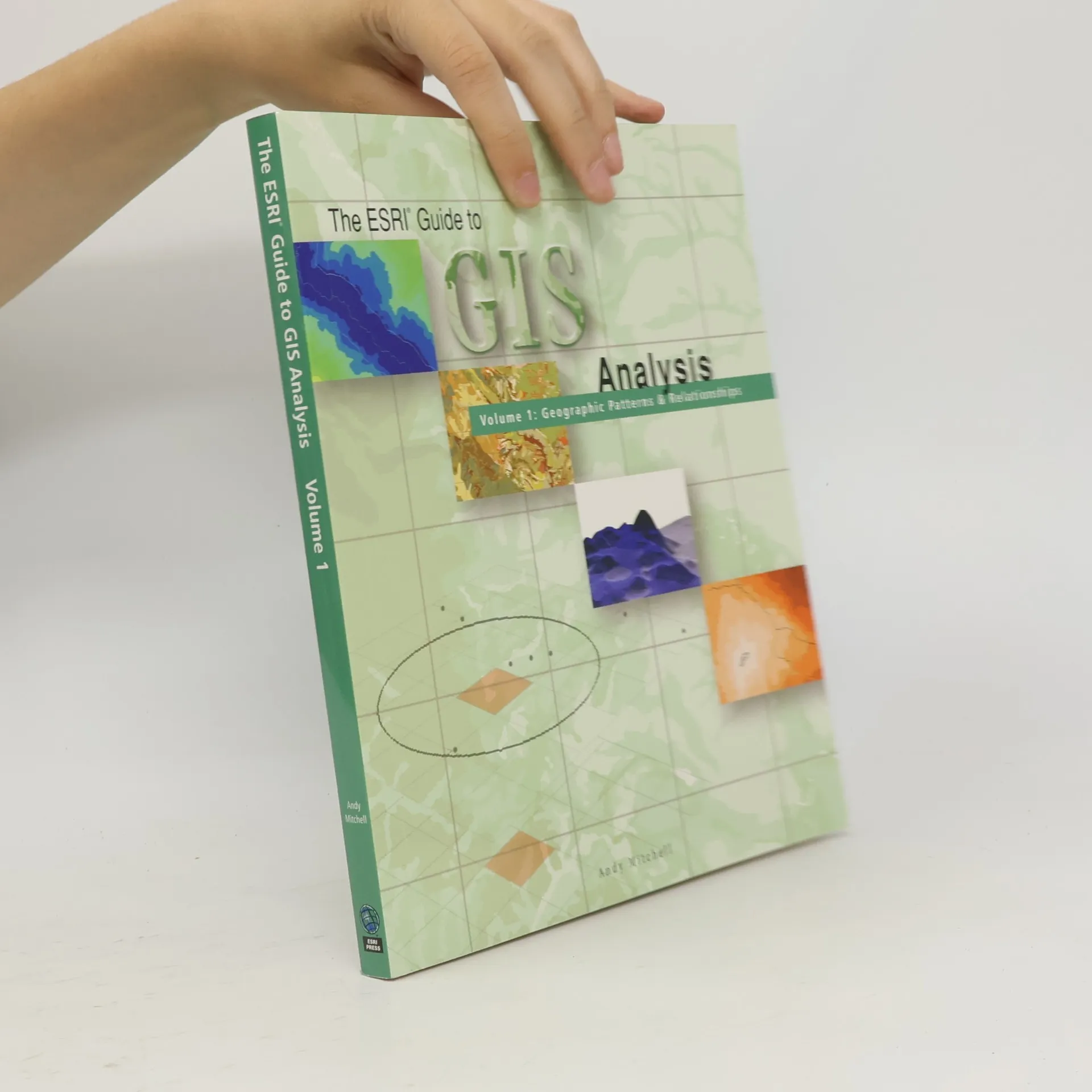
The ESRI Guide to GIS Analysis, Volume 1
Geographic Patterns and Relationships
- 312 Seiten
- 11 Lesestunden
Focusing on enhancing GIS capabilities, this book delves into the principles of spatial analysis, emphasizing geographic patterns and relationships. It offers insights into effectively utilizing GIS tools to uncover and interpret spatial data, enabling readers to make informed decisions based on geographic information. Through practical examples and theoretical foundations, it aims to deepen understanding and application of spatial analysis in various contexts.
Backed by the collective knowledge and expertise of the worlds leading Geographic Information Systems company, this volume presents the concepts and methods unleashing the full analytic power of GIS.
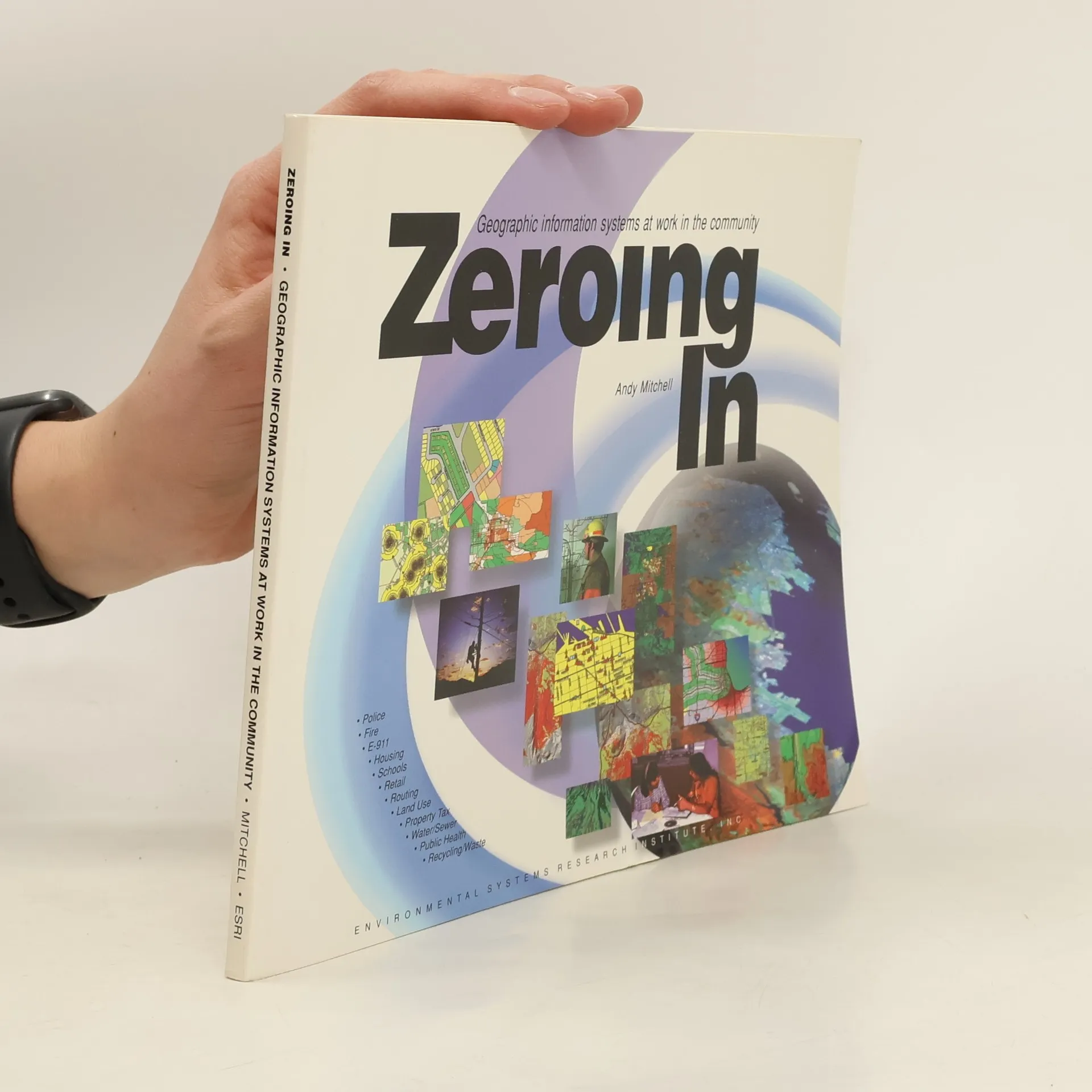
Zeroing in : geographic information systems at work in the community
- 114 Seiten
- 4 Lesestunden
Real-life stories of GIS at work in every corner of the tracking crime, drawing school boundaries, managing growth, and more.
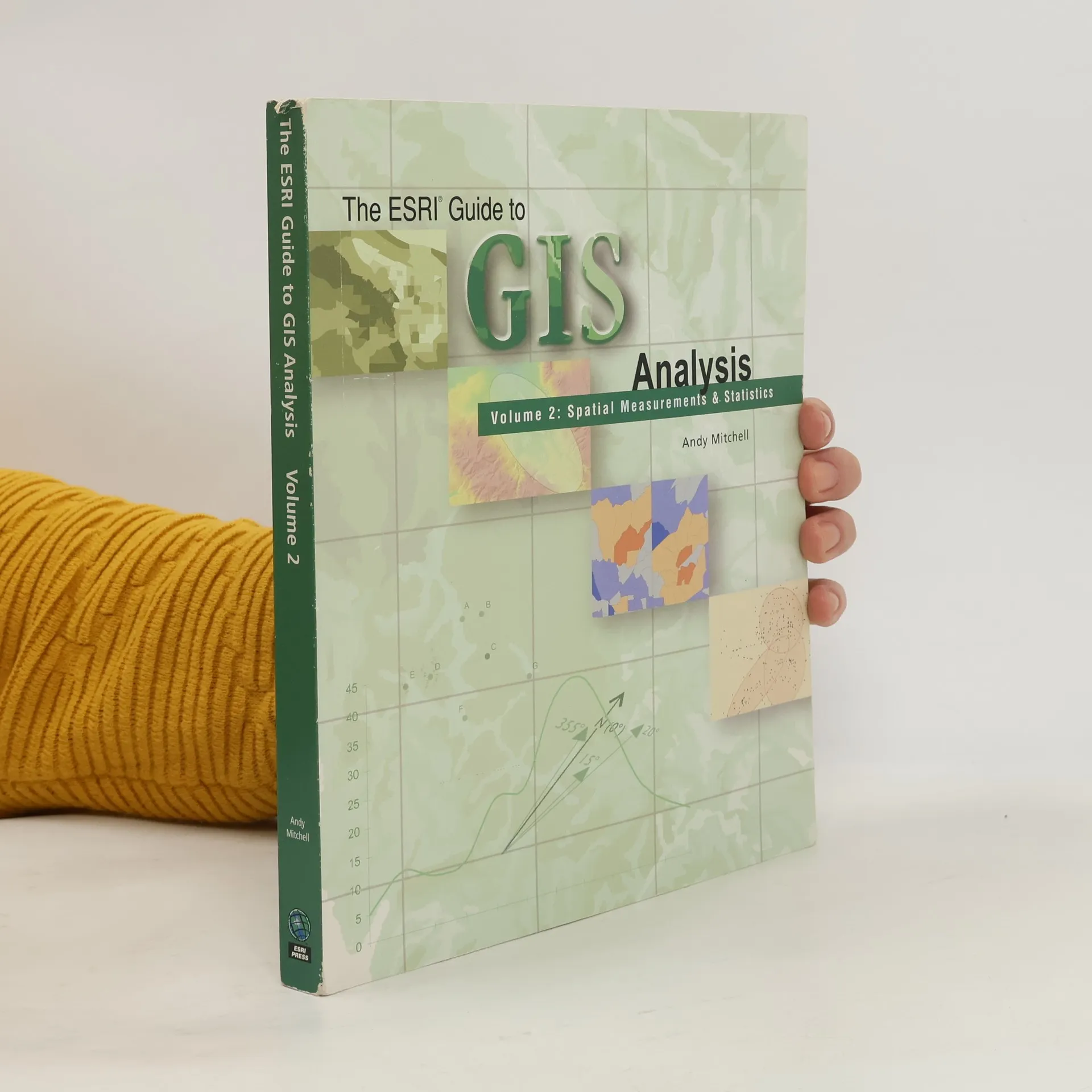
The ESRI Guide to GIS Analysis Volume 2
- 238 Seiten
- 9 Lesestunden
As the tools available through commercial GIS software have grown in sophistication, a need has emerged to instruct users on the best practices of true GIS analysis. In this sequel to the bestselling The ESRI Guide to GIS Analysis , author Andy Mitchell delves into the more advanced realm of spatial measurements and statistics. The premise of The ESRI Guide to GIS Analysis, Volume 2 , targets GIS technology as having been well used as a display and visualization medium but not so widely used as an implement for real analysis. Covering topics that range from identifying patterns and clusters, to analyzing geographic relationships, this book is a valuable resource for GIS users performing complex analysis.