

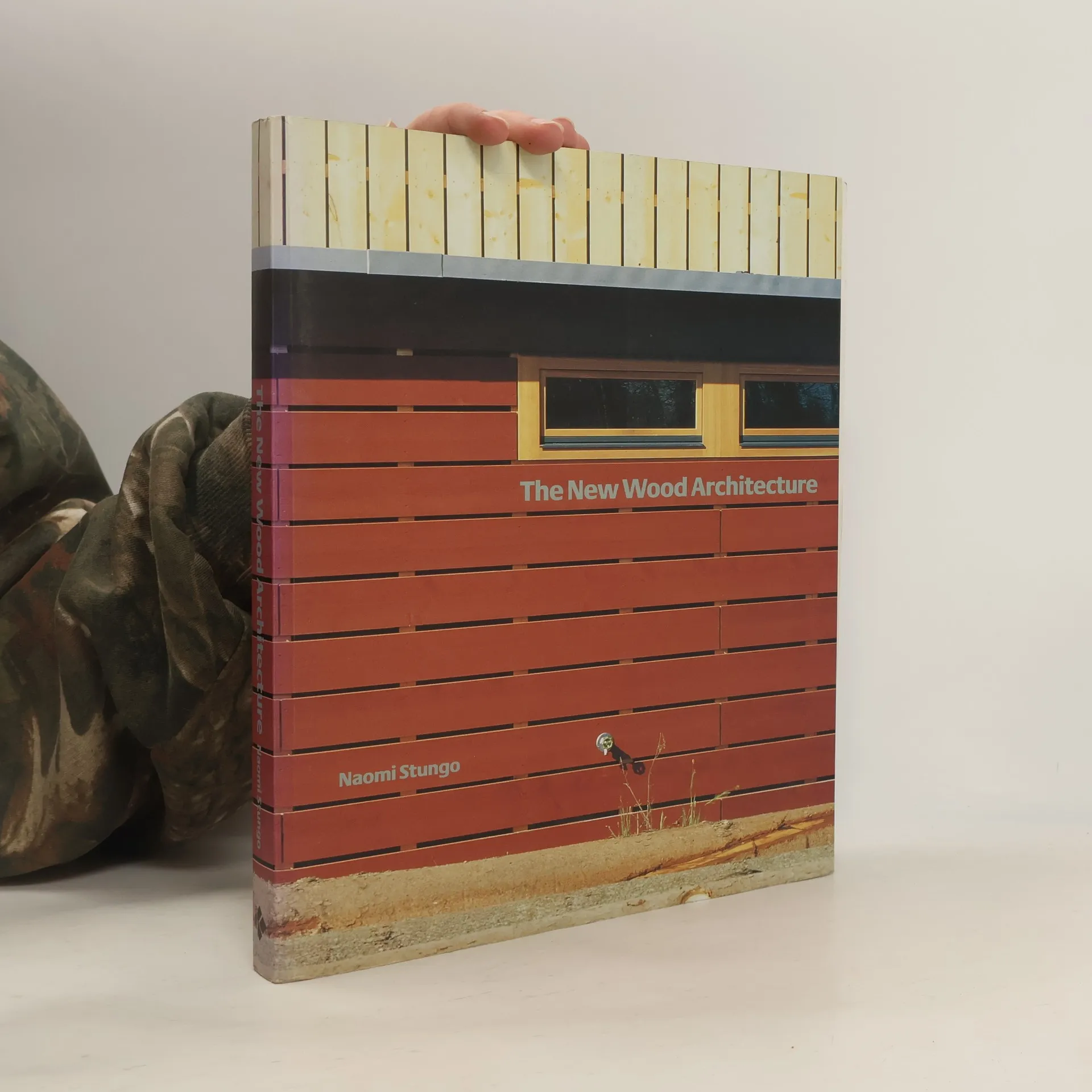
Mehr zum Buch
Following on the success of the hardback, this new paperback considers thirty recently completed timber-built schemes by progressive architectural practices. It looks at how the selected buildings have derived their special character from wood, in response to an assortment of intriguing briefs - including an Olympic hall, a textile museum, a painter's studio and a theatre. The author's argument - that wood is the building material of the future - is explored through five chapters, each defining a different aspect of the debate. 'A new style' brings together the work of a generation of forward-looking architects who have rejected the high-tech and deconstructivist aesthetics of their predecessors and are instead using wood to design to the paired down legacy of such mentors as Herzog & de Meuron. 'New technology' looks at how advances in technology have enhanced the ease with which timber can be used as a building material - and shows how architects have employed this to their advantage. 'Green thinking' recounts the ingenious ways in which well thought-out wooden buildings have used wood to blur the boundaries between inside and out - with some startlingly beautiful results. And fi
Buchkauf
The New Wood Architecture, Naomi Stungo, Christoph Affentranger
- Sprache

- Erscheinungsdatum
- 2001
- Einband
- (Paperback)
Keiner hat bisher bewertet.
- Titel
- The New Wood Architecture
- Sprache
- Englisch
- Autor*innen
- Naomi Stungo, Christoph Affentranger
- Verlag
- Laurence King Publishing
- Erscheinungsdatum
- 2001
- Einband
- Paperback
- Seitenzahl
- 240
- ISBN10
- 1856692590
- ISBN13
- 9781856692595
- Reihe
- Schlagwörter
- Architektur
- Beschreibung
- Following on the success of the hardback, this new paperback considers thirty recently completed timber-built schemes by progressive architectural practices. It looks at how the selected buildings have derived their special character from wood, in response to an assortment of intriguing briefs - including an Olympic hall, a textile museum, a painter's studio and a theatre. The author's argument - that wood is the building material of the future - is explored through five chapters, each defining a different aspect of the debate. 'A new style' brings together the work of a generation of forward-looking architects who have rejected the high-tech and deconstructivist aesthetics of their predecessors and are instead using wood to design to the paired down legacy of such mentors as Herzog & de Meuron. 'New technology' looks at how advances in technology have enhanced the ease with which timber can be used as a building material - and shows how architects have employed this to their advantage. 'Green thinking' recounts the ingenious ways in which well thought-out wooden buildings have used wood to blur the boundaries between inside and out - with some startlingly beautiful results. And fi