Neue Holzarchitektur
- 240 Seiten
- 9 Lesestunden
Betr. u. a. den Kindergarten in Lustenau (Österreich) (S. 24-31) und die Forstreviere Turbenthal und Rheinau (S. 56-65) von Marianne Burkhalter und Christian Sumi.


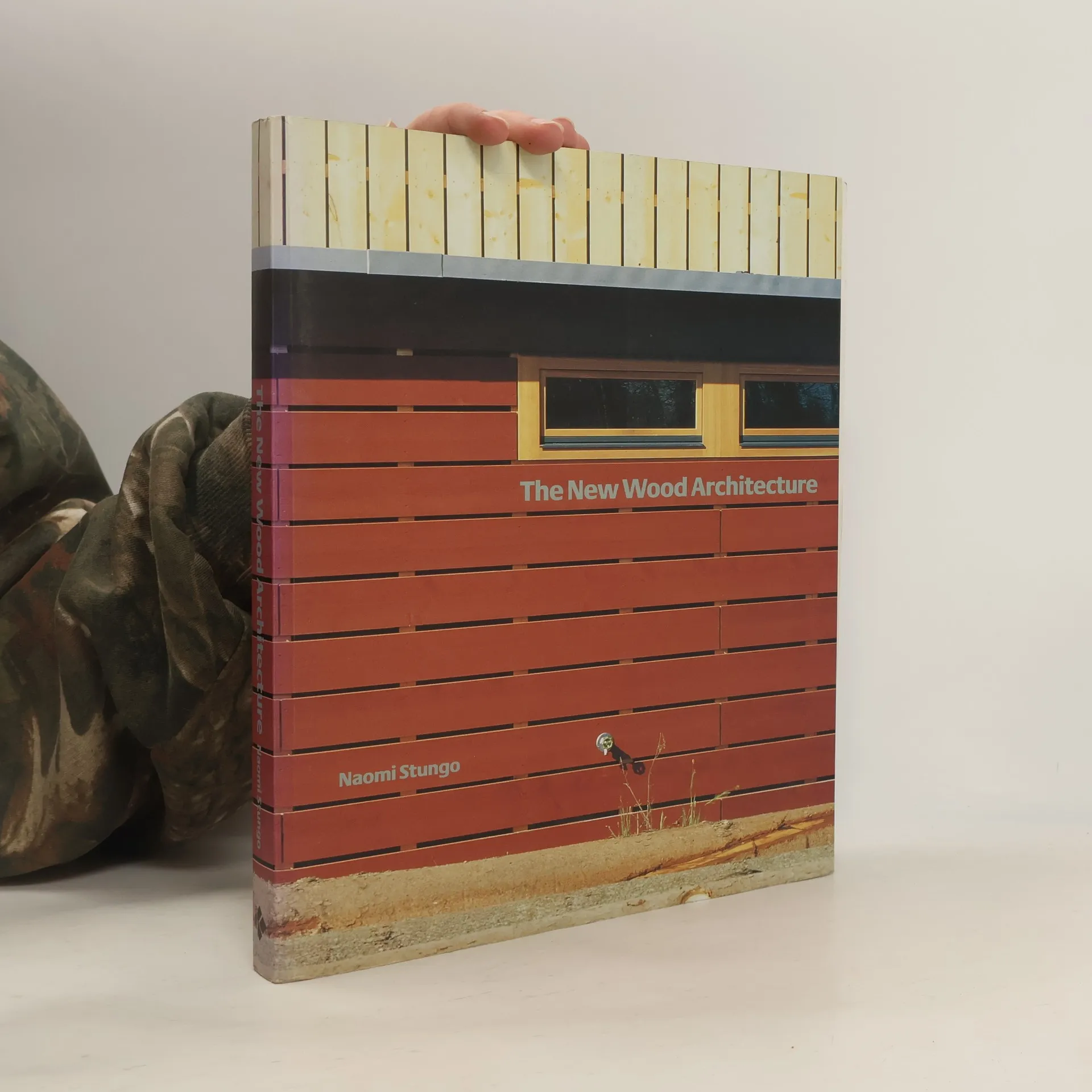

Betr. u. a. den Kindergarten in Lustenau (Österreich) (S. 24-31) und die Forstreviere Turbenthal und Rheinau (S. 56-65) von Marianne Burkhalter und Christian Sumi.
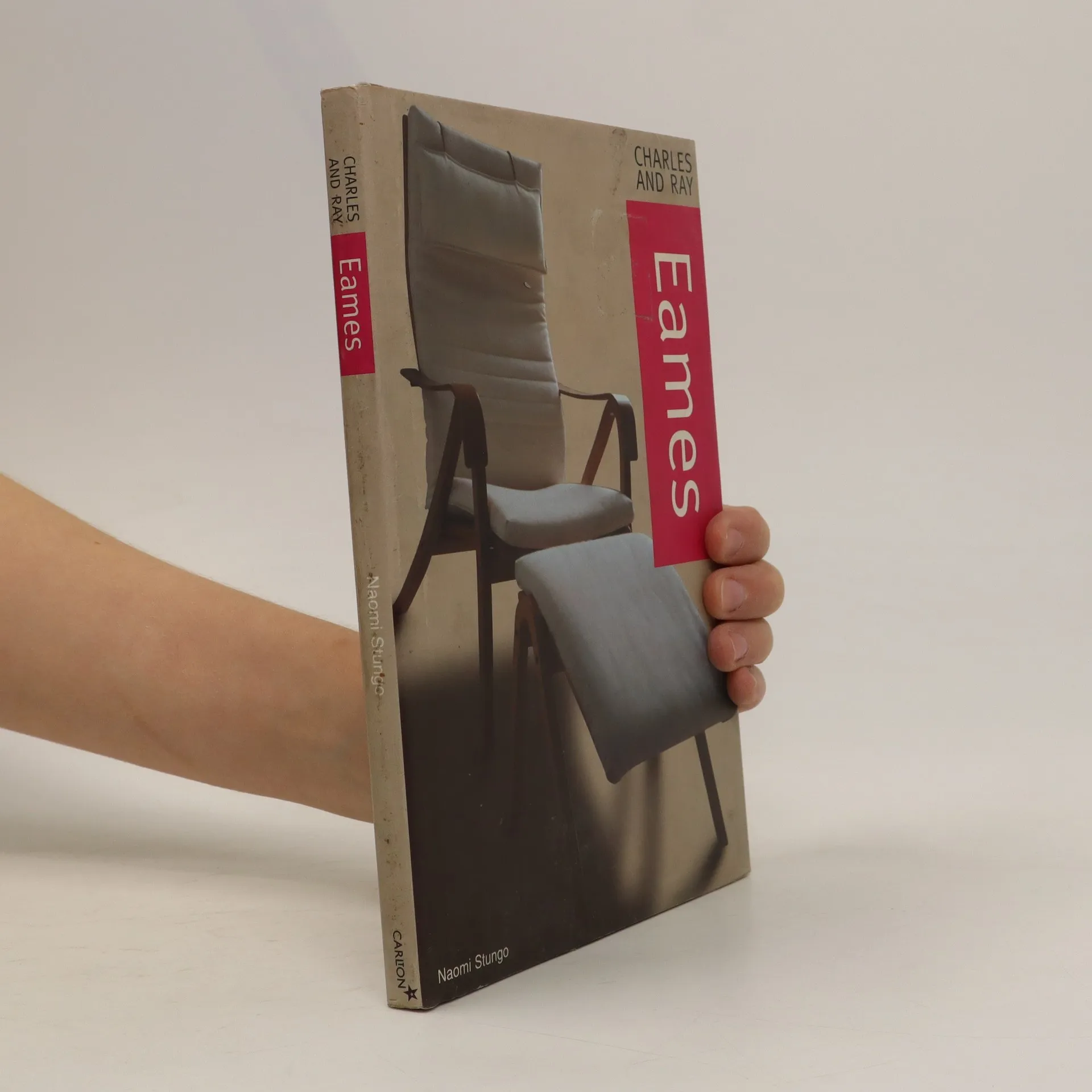
The American designers Charles and Ray Eames changed the face of modern furniture design.
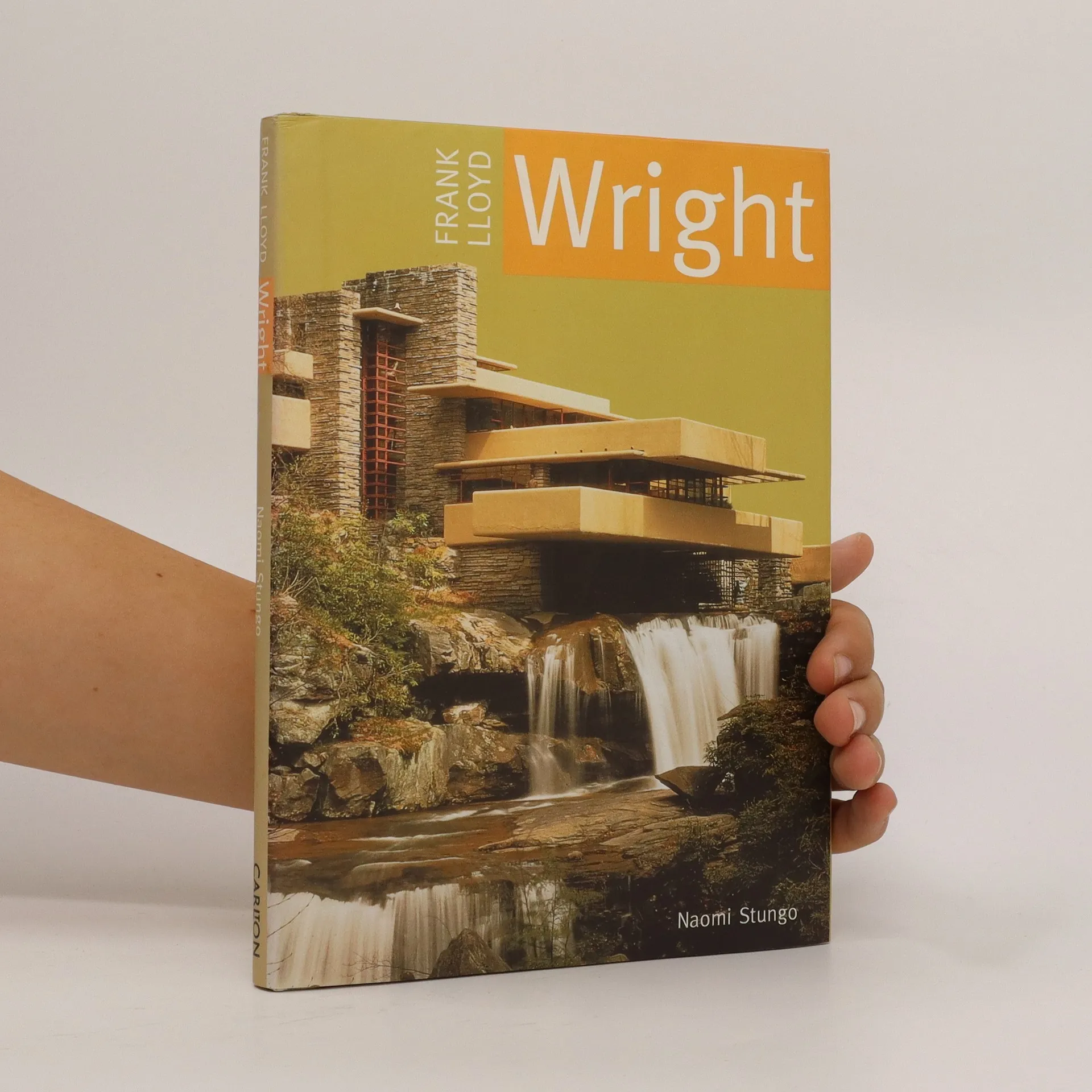
Frank Lloyd Wright was the first truly organic architect. His use of recurring elemental themes and materials - open-plan layouts, clean geometric lines, water, stone, wood, prairie and sky - resulted in buildings that perfectly reflected, enhanced and assimilated their environments.Comprising more than 50 images, this book is an essential companion to a man whose influence on modern architecture has been immeasurable.
Following on the success of the hardback, this new paperback considers thirty recently completed timber-built schemes by progressive architectural practices. It looks at how the selected buildings have derived their special character from wood, in response to an assortment of intriguing briefs - including an Olympic hall, a textile museum, a painter's studio and a theatre. The author's argument - that wood is the building material of the future - is explored through five chapters, each defining a different aspect of the debate. 'A new style' brings together the work of a generation of forward-looking architects who have rejected the high-tech and deconstructivist aesthetics of their predecessors and are instead using wood to design to the paired down legacy of such mentors as Herzog & de Meuron. 'New technology' looks at how advances in technology have enhanced the ease with which timber can be used as a building material - and shows how architects have employed this to their advantage. 'Green thinking' recounts the ingenious ways in which well thought-out wooden buildings have used wood to blur the boundaries between inside and out - with some startlingly beautiful results. And fi