

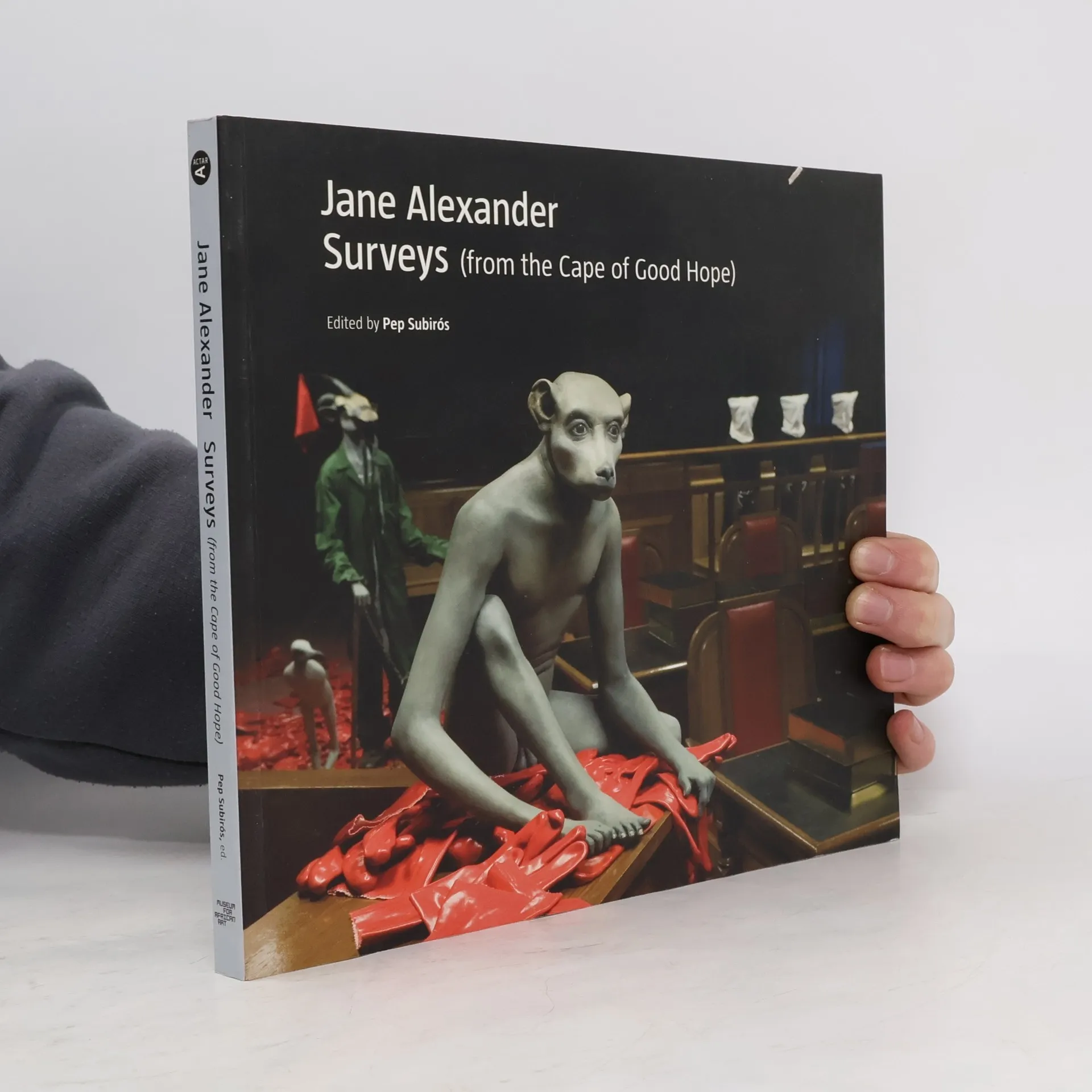
Jane Alexander Surveys from the Cape of Good Hope
Buchbewertung
Mehr zum Buch
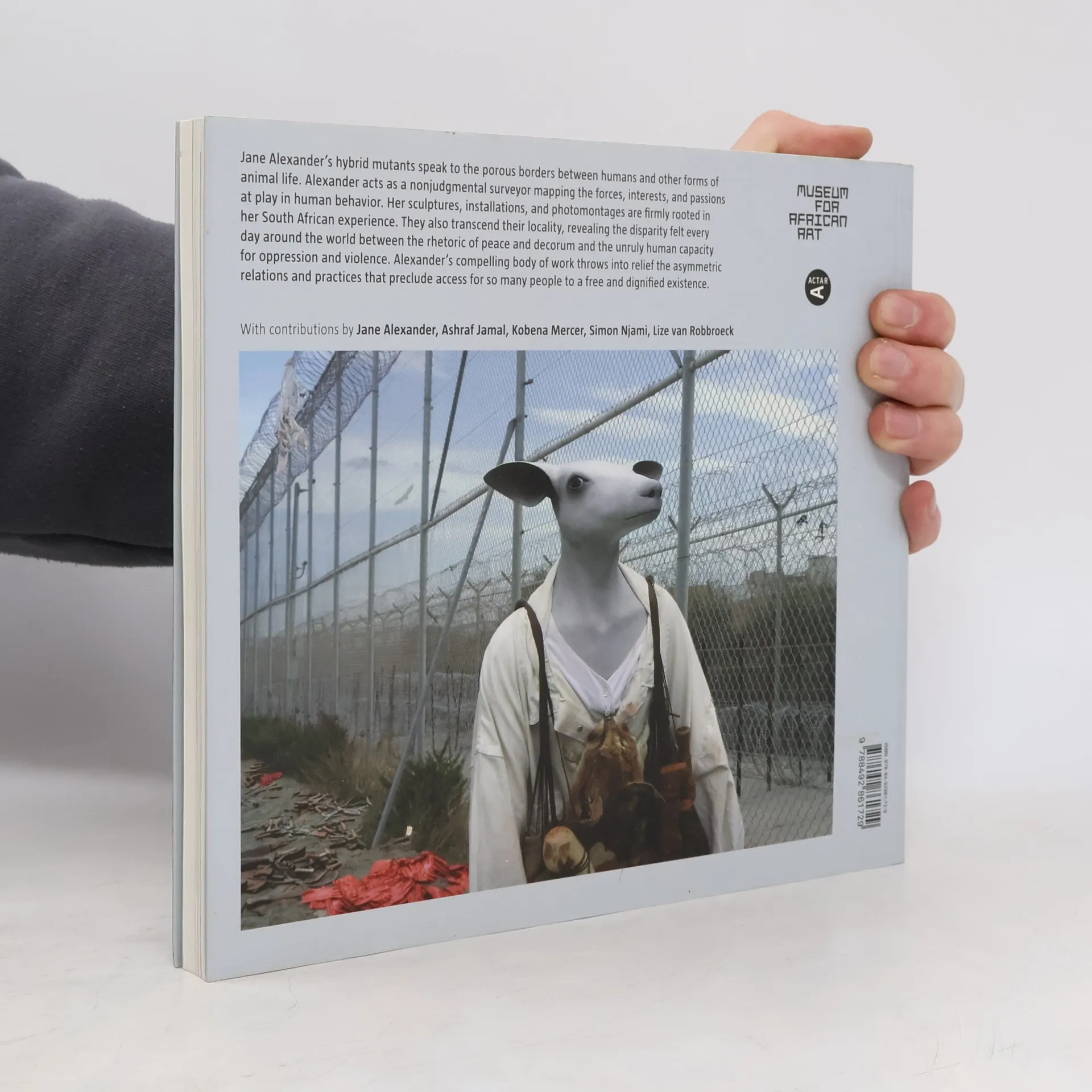
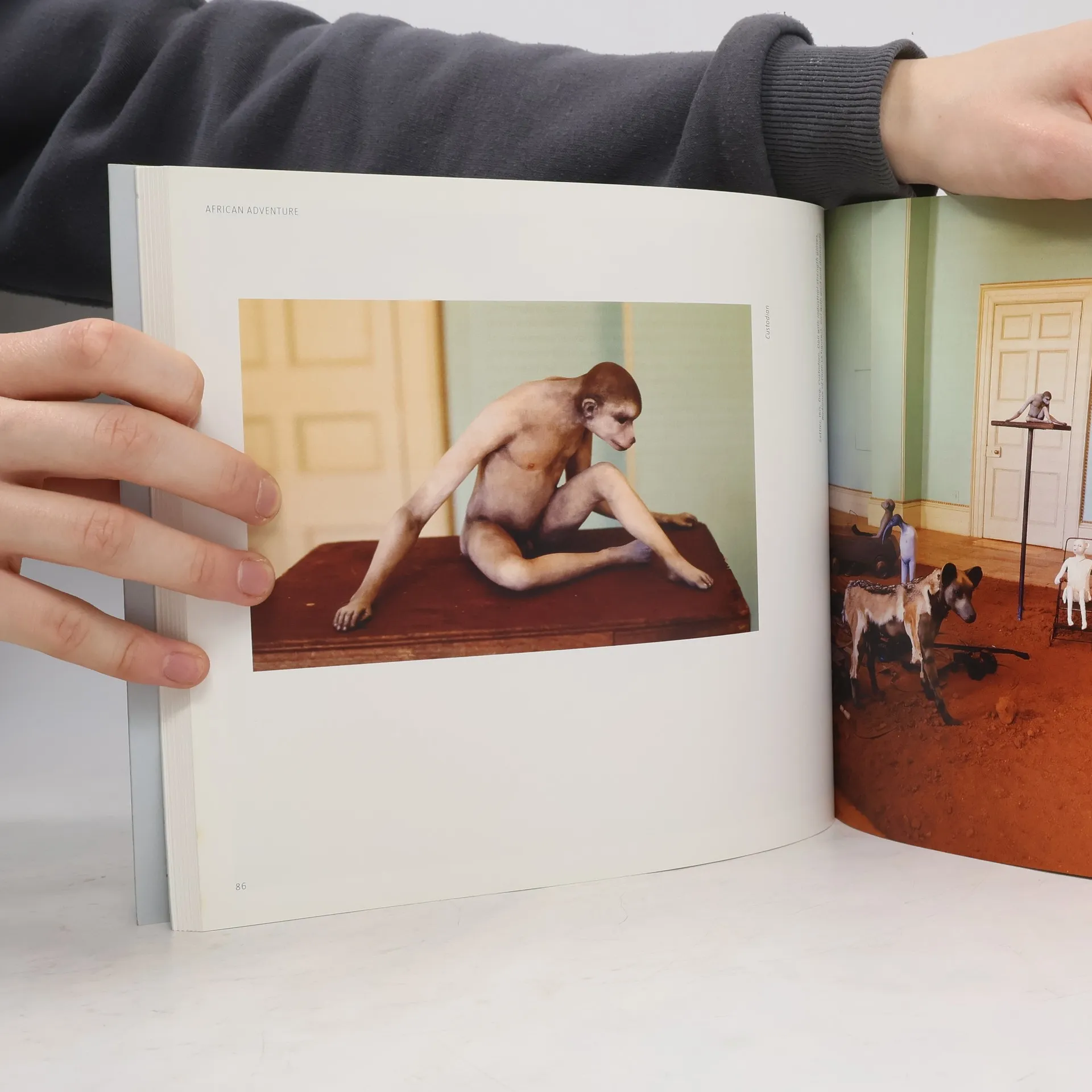
Jane Alexander is one of the most significant African contemporary artists working today. Her animal-human sculptures, photographs, and dramatic installations speak of lasting disfigurations in her native South Africa, yet raise issues about human nature that resonate with viewers internationally. Alexander's hybrid mutants inhabit a universe where boundaries between self and other, human and animal, are unstable, where shared foundations and clashing differences are disclosed, and where the grotesque and the familiar entwine. While the figures are, in many ways, emblems of monstrosity, they are oddly beautiful. Her creatures expose the human animal for all it is and all it could become. Not only are Alexander's artworks formally and technically accomplished, but they also deliver a potent emotional impact, sending warnings about historical consequences and hinting at things to come.
Buchkauf
Jane Alexander Surveys from the Cape of Good Hope, Jane Alexander, Simon Njami, Pep Subirós, Kobena Mercer, Lize van Robbroeack
- Sprache

- Erscheinungsdatum
- 2011
- Einband
- (Paperback)
Hier könnte deine Bewertung stehen.
- Titel
- Jane Alexander Surveys from the Cape of Good Hope
- Sprache
- Englisch
- Autor*innen
- Jane Alexander, Simon Njami, Pep Subirós, Kobena Mercer, Lize van Robbroeack
- Verlag
- Actar
- Erscheinungsdatum
- 2011
- Einband
- Paperback
- Seitenzahl
- 192
- ISBN10
- 849286172X
- ISBN13
- 9788492861729
- Reihe
- Schlagwörter
- Architektur
- Bewertung
- 4 von 5 Sternen
- Beschreibung
- Jane Alexander is one of the most significant African contemporary artists working today. Her animal-human sculptures, photographs, and dramatic installations speak of lasting disfigurations in her native South Africa, yet raise issues about human nature that resonate with viewers internationally. Alexander's hybrid mutants inhabit a universe where boundaries between self and other, human and animal, are unstable, where shared foundations and clashing differences are disclosed, and where the grotesque and the familiar entwine. While the figures are, in many ways, emblems of monstrosity, they are oddly beautiful. Her creatures expose the human animal for all it is and all it could become. Not only are Alexander's artworks formally and technically accomplished, but they also deliver a potent emotional impact, sending warnings about historical consequences and hinting at things to come.