

Mehr zum Buch
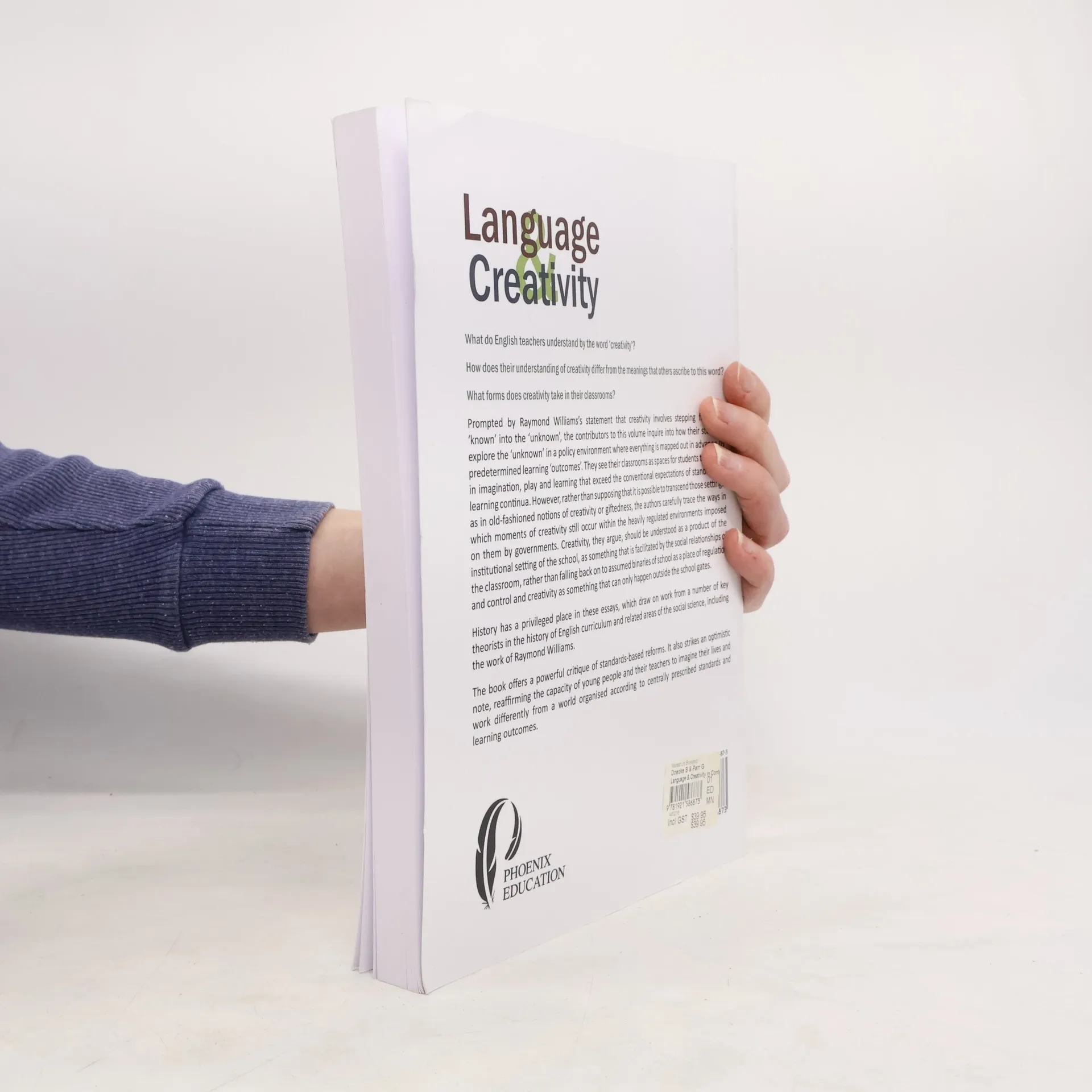
What do English teachers mean by 'creativity,' and how does it differ from broader interpretations? This volume explores the forms creativity takes in classrooms, inspired by Raymond Williams's idea of moving from the 'known' to the 'unknown.' Contributors examine how students navigate the 'unknown' within a policy framework that emphasizes predetermined learning outcomes. They envision classrooms as environments for imagination, play, and learning that challenge conventional standardized expectations. Instead of assuming creativity can exist only outside regulated settings, the authors analyze how moments of creativity arise even within strict educational structures. They argue that creativity should be viewed as a product of the school's institutional context, shaped by the social dynamics of the classroom. This perspective moves away from traditional binaries of regulation versus creativity. The essays also incorporate historical insights, referencing key theorists in the history of English curriculum and related social sciences, including Williams's influential work. Through this lens, the contributors highlight the complex interplay between creativity and the institutional constraints of education.
Buchkauf
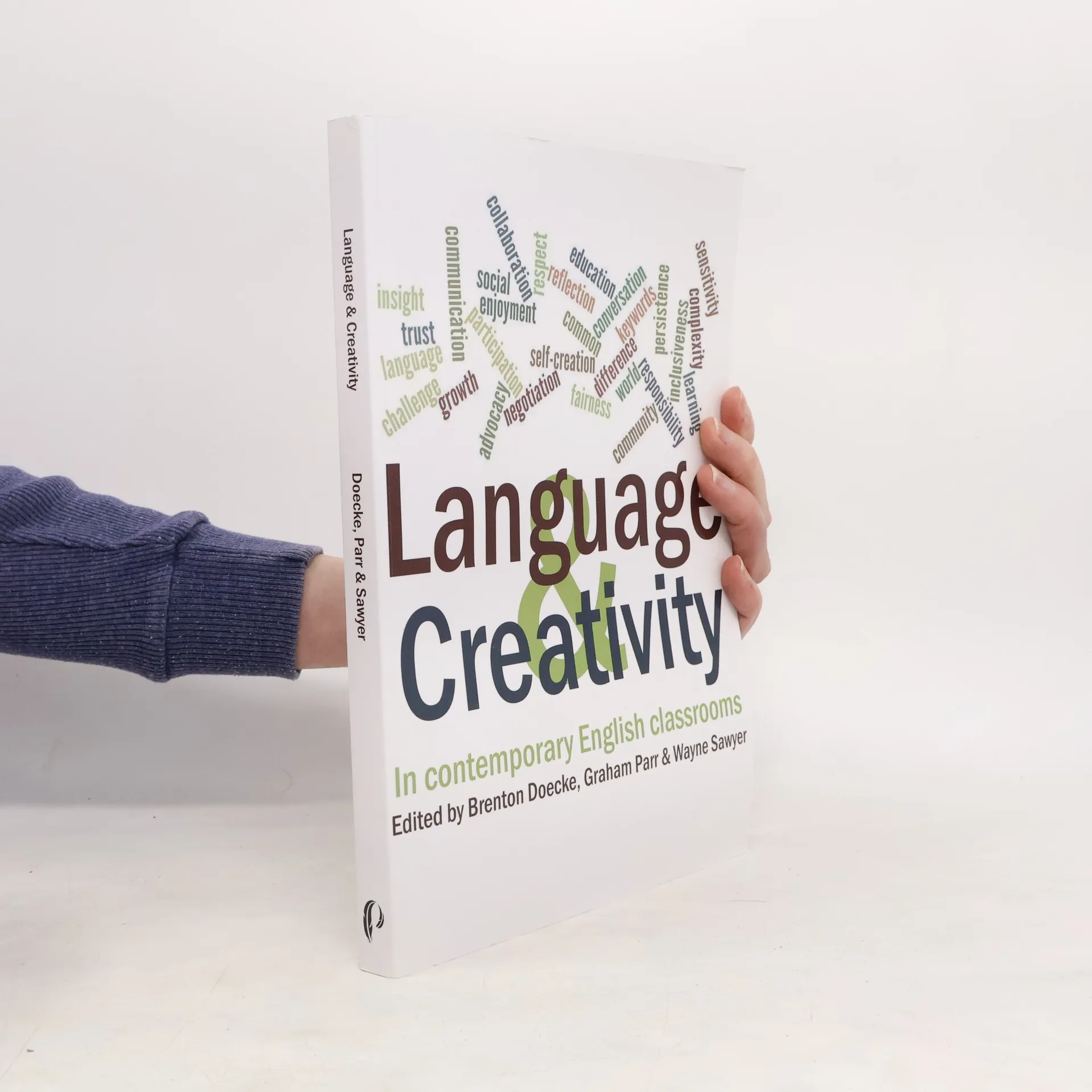
Language and Creativity, Brenton Doecke, Graham Parr, Wayne Sawyer
- Sprache

- Erscheinungsdatum
- 2014
- Einband
- (Paperback),
- Buchzustand
- Gebraucht - Gut
- Preis
- 8,59 €inkl. MwSt.
Keiner hat bisher bewertet.
- Titel
- Language and Creativity
- Untertitel
- In Contemporary English Classrooms
- Sprache
- Englisch
- Autor*innen
- Brenton Doecke, Graham Parr, Wayne Sawyer
- Erscheinungsdatum
- 2014
- Einband
- Paperback
- Seitenzahl
- 257
- ISBN10
- 1921586877
- ISBN13
- 9781921586873
- Reihe
- Kategorien
- Schlagwörter
- Bildung, Kreativität, Lehrmethoden
- Beschreibung
- What do English teachers mean by 'creativity,' and how does it differ from broader interpretations? This volume explores the forms creativity takes in classrooms, inspired by Raymond Williams's idea of moving from the 'known' to the 'unknown.' Contributors examine how students navigate the 'unknown' within a policy framework that emphasizes predetermined learning outcomes. They envision classrooms as environments for imagination, play, and learning that challenge conventional standardized expectations. Instead of assuming creativity can exist only outside regulated settings, the authors analyze how moments of creativity arise even within strict educational structures. They argue that creativity should be viewed as a product of the school's institutional context, shaped by the social dynamics of the classroom. This perspective moves away from traditional binaries of regulation versus creativity. The essays also incorporate historical insights, referencing key theorists in the history of English curriculum and related social sciences, including Williams's influential work. Through this lens, the contributors highlight the complex interplay between creativity and the institutional constraints of education.