

Mehr zum Buch
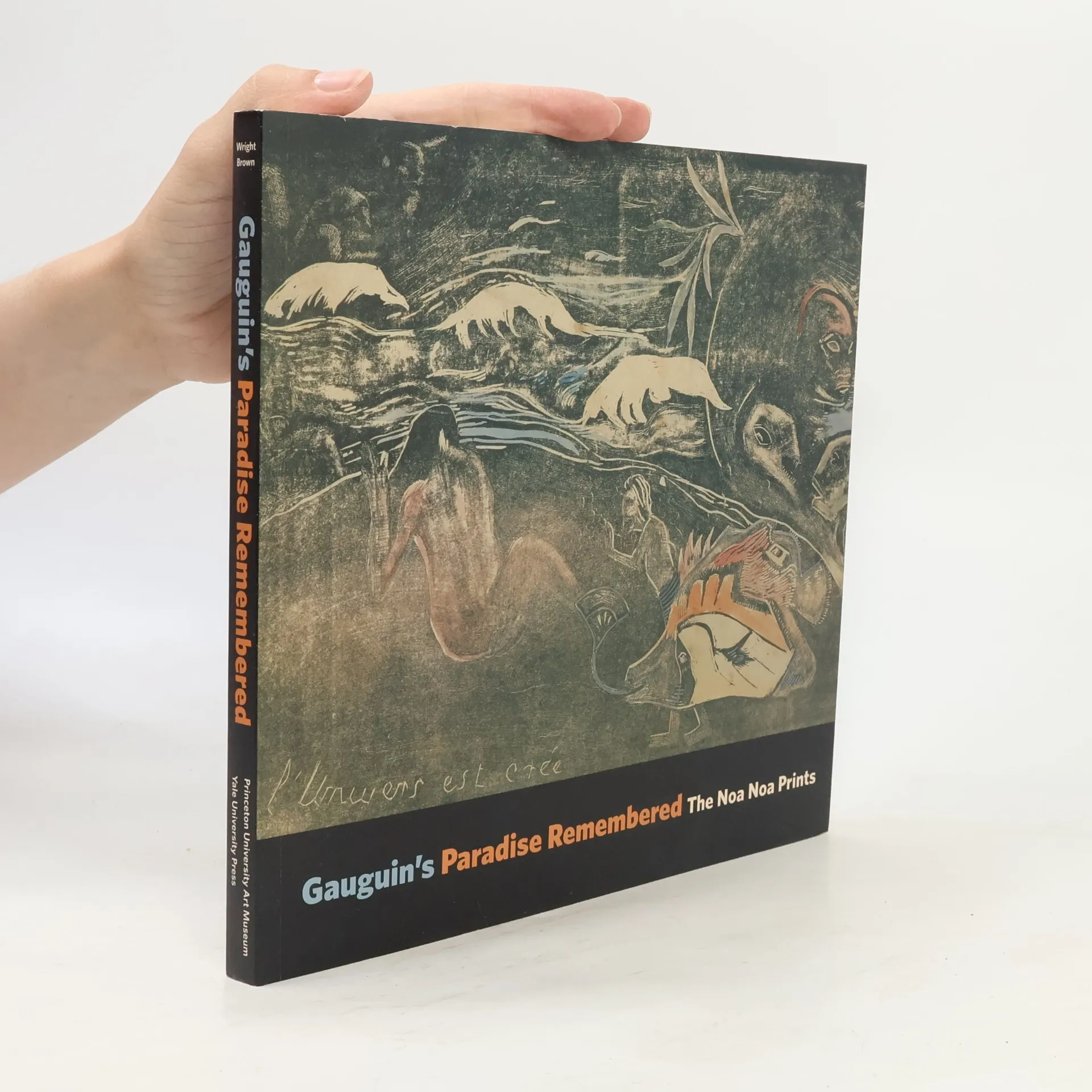
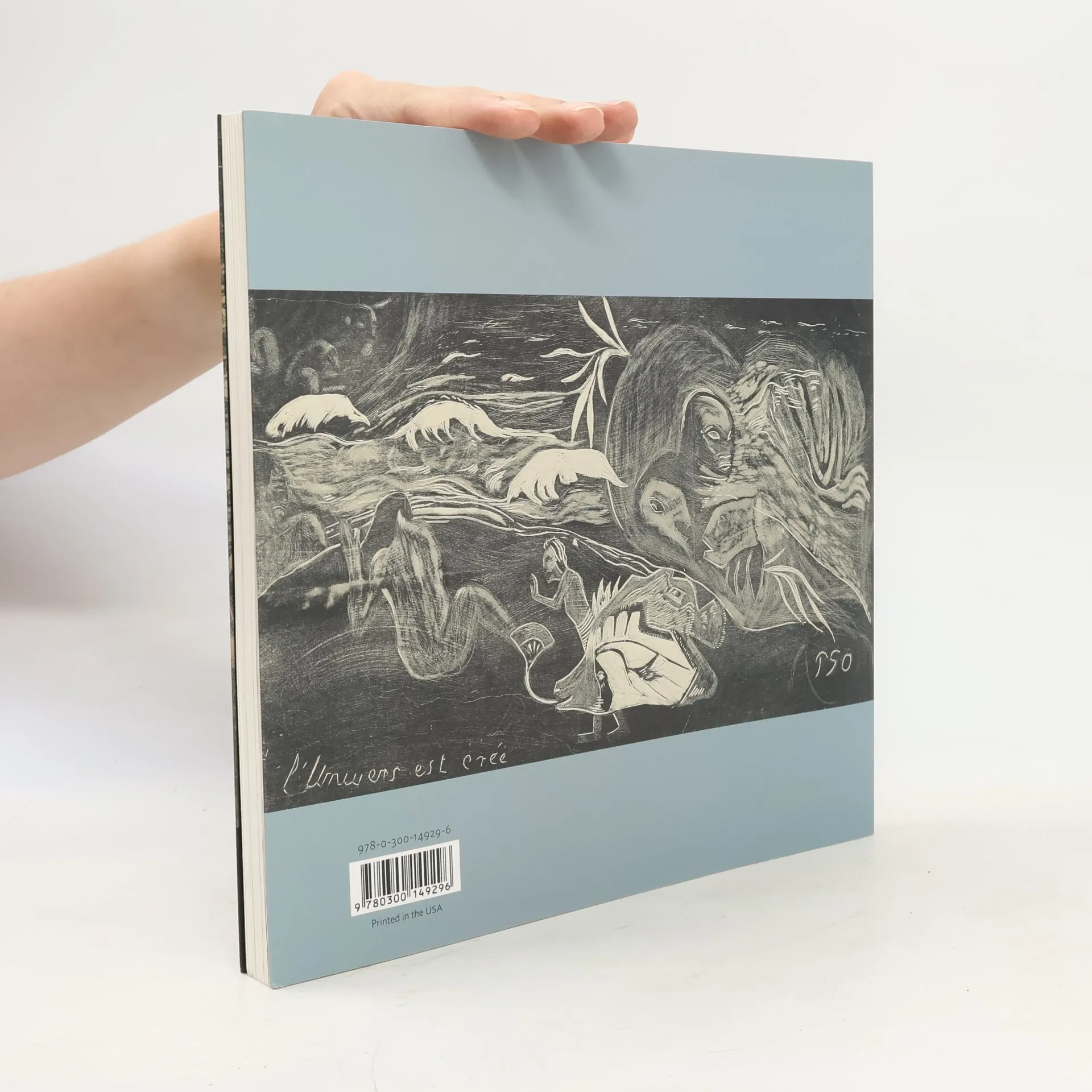
In 1891, Paul Gauguin traveled to Tahiti seeking a simpler life and inspiration from the island's native culture. Despite his disappointment with the westernizing community, his works from this period celebrate the myth of an untouched Tahitian paradise, a narrative he continued to promote upon returning to Paris. He created a travel journal, Noa Noa, a largely fictionalized account of his spiritual immersion in the South Seas. For the first time, Gauguin used the woodcut medium to illustrate his text, producing a series of ten dark prints intended for a publication that never materialized. These woodcuts crystallized significant themes in his work and are central to this study. It explores Gauguin’s representation of Tahiti through woodcuts and their influence on his artistic practice. The woodcut medium, with its immediacy and mechanical repetition, allowed Gauguin to depict a paradise that remained perpetually unattainable. Through two insightful essays, the book argues that Gauguin’s Noa Noa prints enabled him to express his Symbolist vision of his Tahitian experience while exploring reproductive processes and technical innovations that fascinated him during this period.
Buchkauf
Gauguin's Paradise Remembered, Alastair Wright, Calvin Brown, Paul Gauguin
- Sprache

- Erscheinungsdatum
- 2010
- Einband
- (Paperback)
Keiner hat bisher bewertet.
- Titel
- Gauguin's Paradise Remembered
- Untertitel
- The Noa Noa Prints
- Sprache
- Englisch
- Autor*innen
- Alastair Wright, Calvin Brown, Paul Gauguin
- Erscheinungsdatum
- 2010
- Einband
- Paperback
- Seitenzahl
- 134
- ISBN10
- 0300149298
- ISBN13
- 9780300149296
- Reihe
- Schlagwörter
- Historisches Thema, Kunst, Kunstgeschichte, Modernismus, Symbolik, Druck, Impressionismus, Ozeanien, Tahiti
- Beschreibung
- In 1891, Paul Gauguin traveled to Tahiti seeking a simpler life and inspiration from the island's native culture. Despite his disappointment with the westernizing community, his works from this period celebrate the myth of an untouched Tahitian paradise, a narrative he continued to promote upon returning to Paris. He created a travel journal, Noa Noa, a largely fictionalized account of his spiritual immersion in the South Seas. For the first time, Gauguin used the woodcut medium to illustrate his text, producing a series of ten dark prints intended for a publication that never materialized. These woodcuts crystallized significant themes in his work and are central to this study. It explores Gauguin’s representation of Tahiti through woodcuts and their influence on his artistic practice. The woodcut medium, with its immediacy and mechanical repetition, allowed Gauguin to depict a paradise that remained perpetually unattainable. Through two insightful essays, the book argues that Gauguin’s Noa Noa prints enabled him to express his Symbolist vision of his Tahitian experience while exploring reproductive processes and technical innovations that fascinated him during this period.