



Mehr zum Buch
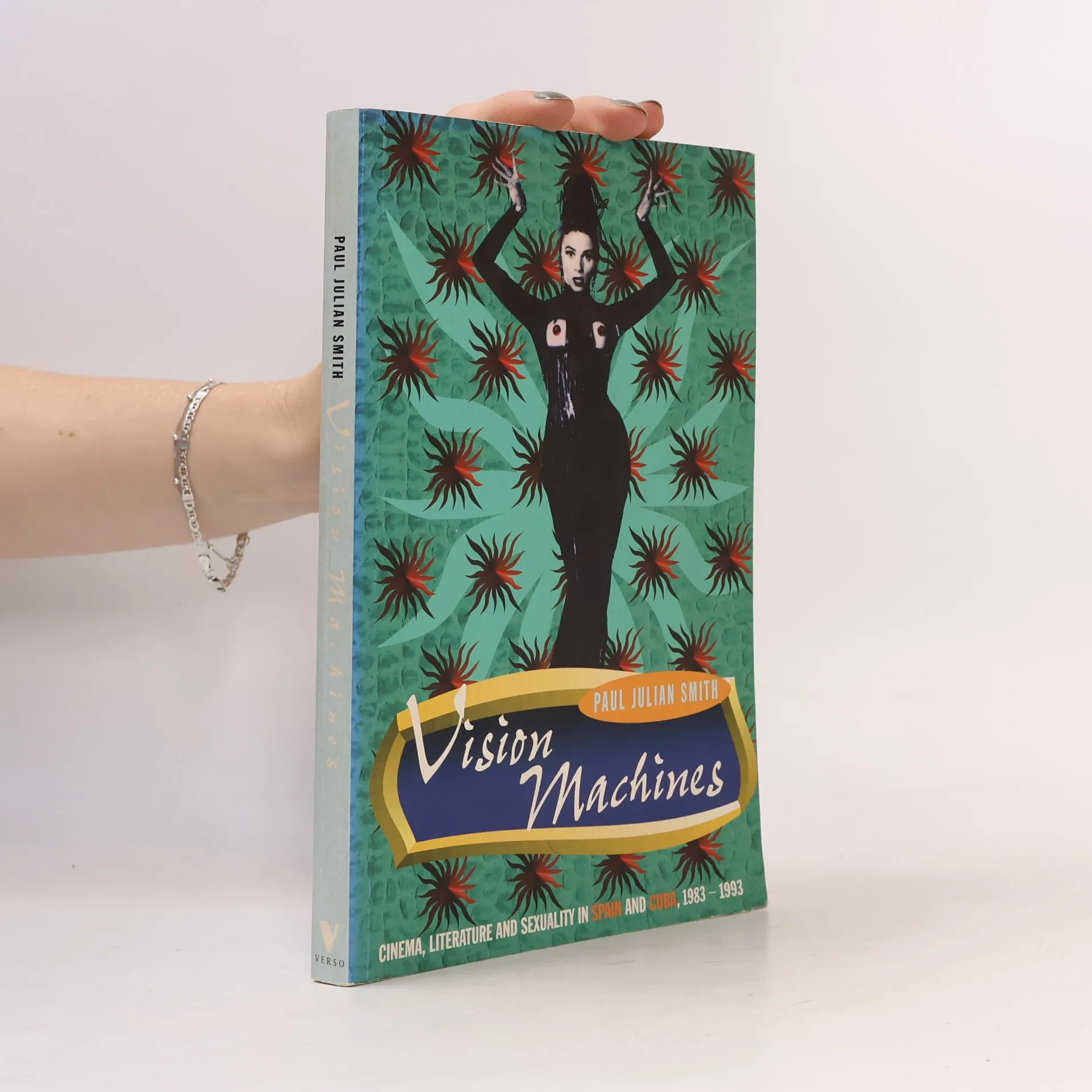
Over the last decade, visibility and sexuality have emerged as significant themes in Spanish and Cuban cinema, literature, and art. This exploration examines these developments through contemporary history and theoretical perspectives on sight by thinkers like Paul Virilio, Gianni Vattimo, and Teresa de Lauretis. The analysis begins with the prominent women in Almodóvar’s cinema, highlighting how his early film, Dark Habits, centers women's pleasure by lesbianizing the gaze. It then shifts to Kika, where the tension between cinema and video manifests in the portrayal of various female archetypes. In the context of Cuba, the reception of Nestor Almendro’s documentary Improper Conduct is discussed, focusing on the visibility trials faced by effeminate men. Comparisons are drawn with Reinaldo Arenas’ autobiographical works, which celebrate graphic sexuality, and Gutierrez Alea’s Strawberry and Chocolate, the first Cuban film addressing gay themes. Returning to Spain, the text considers the response to AIDS's public invisibility, particularly through the project Love and Rage and the work of conceptual artist Pepe Espaliu. It concludes with an analysis of Julio Medem’s 1993 film, The Red Squirrel, which challenges taboos surrounding Basque nationalism and female sexuality.
Buchkauf
Vision Machines, Paul Julian Smith
- Sprache

- Erscheinungsdatum
- 1996
- Einband
- (Paperback),
- Buchzustand
- Gebraucht - Gut
- Preis
- 6,09 €inkl. MwSt.
Keiner hat bisher bewertet.
- Titel
- Vision Machines
- Untertitel
- Cinema, Literature and Sexuality in Spain and Cuba, 1983-1993
- Sprache
- Englisch
- Autor*innen
- Paul Julian Smith
- Verlag
- Verso
- Erscheinungsdatum
- 1996
- Einband
- Paperback
- Seitenzahl
- 180
- ISBN10
- 1859840795
- ISBN13
- 9781859840795
- Reihe
- Kategorien
- Schlagwörter
- Historisches Thema, Psychologische Thematik, Krimi, Philosophisches Thema, Kunst, Musikalische Thematik, Kurzgeschichten, USA, 20. Jahrhundert, Kriege, Schule, Tod, Filmthema, Gesellschaft, Kultur und Gesellschaft, Feminismus, Linguistik, Journalismus, Literarische Kritik, Politische Theorien, Schreiben, Kultur, Geschichte der USA, Spanien, 21. Jahrhundert, Rassismus, Drogen, Medien und Medienkommunikation, Westeuropa, Noir, Gender, Darstellende Kunst, Gefängnis, Widerstand, Revolution, Sozialismus, Kapitalismus, Kunsttheorie, Kuba, Soziale Aspekte, Americana
- Beschreibung
- Over the last decade, visibility and sexuality have emerged as significant themes in Spanish and Cuban cinema, literature, and art. This exploration examines these developments through contemporary history and theoretical perspectives on sight by thinkers like Paul Virilio, Gianni Vattimo, and Teresa de Lauretis. The analysis begins with the prominent women in Almodóvar’s cinema, highlighting how his early film, Dark Habits, centers women's pleasure by lesbianizing the gaze. It then shifts to Kika, where the tension between cinema and video manifests in the portrayal of various female archetypes. In the context of Cuba, the reception of Nestor Almendro’s documentary Improper Conduct is discussed, focusing on the visibility trials faced by effeminate men. Comparisons are drawn with Reinaldo Arenas’ autobiographical works, which celebrate graphic sexuality, and Gutierrez Alea’s Strawberry and Chocolate, the first Cuban film addressing gay themes. Returning to Spain, the text considers the response to AIDS's public invisibility, particularly through the project Love and Rage and the work of conceptual artist Pepe Espaliu. It concludes with an analysis of Julio Medem’s 1993 film, The Red Squirrel, which challenges taboos surrounding Basque nationalism and female sexuality.