


Mehr zum Buch
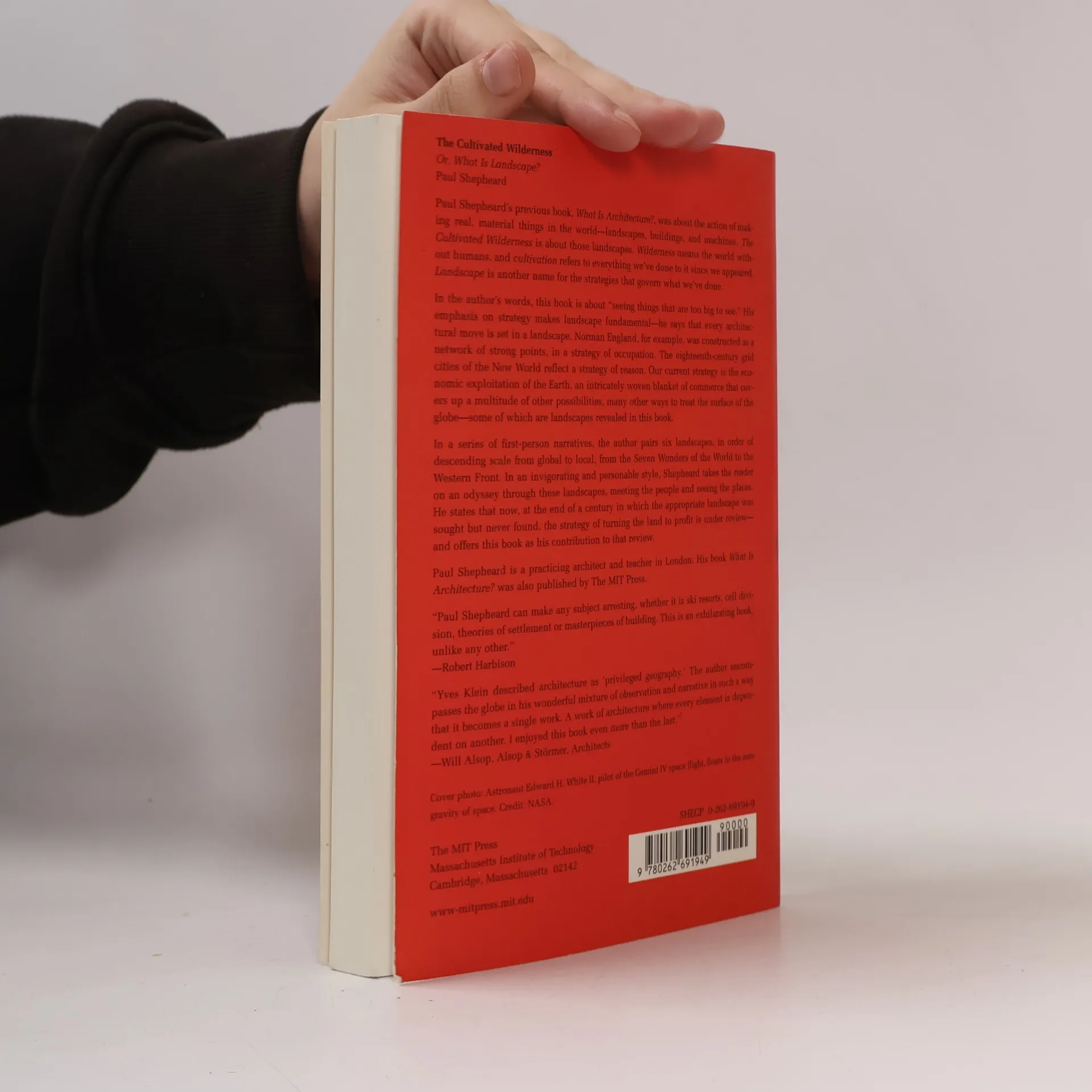
Paul Shepheard's previous book, What is Architecture?, was about making real, material things in the world--landscapes, buildings, and machines. The Cultivated Wilderness is about those landscapes, and about the strategies that govern what we've done in shaping them. In the author's words, this book is about seeing things that are too big to see. His emphasis on strategy makes landscape fundamental--he says that every architectural move is set in a landscape. Norman England, for example, was constructed as a network of strong points, in a strategy of occupation. The eighteenth-century grid cities of the New World reflect a strategy of reason. Our current strategy is the economic exploitation of the Earth, an intricately woven blanket of commerce that covers up a multitude of other possibilities, many other ways to treat the surface of the globe--some of which are the landscapes revealed in this book. In a series of first-person narratives, reminiscent of his last book, the author pairs six landscapes, in order of descending scale from global to local, from the seven wonders of the ancient world to the condensed destruction of World War I's Western Front. In an engaging style, Shepheard takes the reader on an odyssey through these landscapes, meeting people and seeing places. He states that now, at the end of a century in which the appropriate landscape was sought but never found, the strategy of turning the land to profit is under review--and offers this book as his contribution to that review.Important Notice: The digital edition of this book is missing some of the images found in the physical edition.
Buchkauf
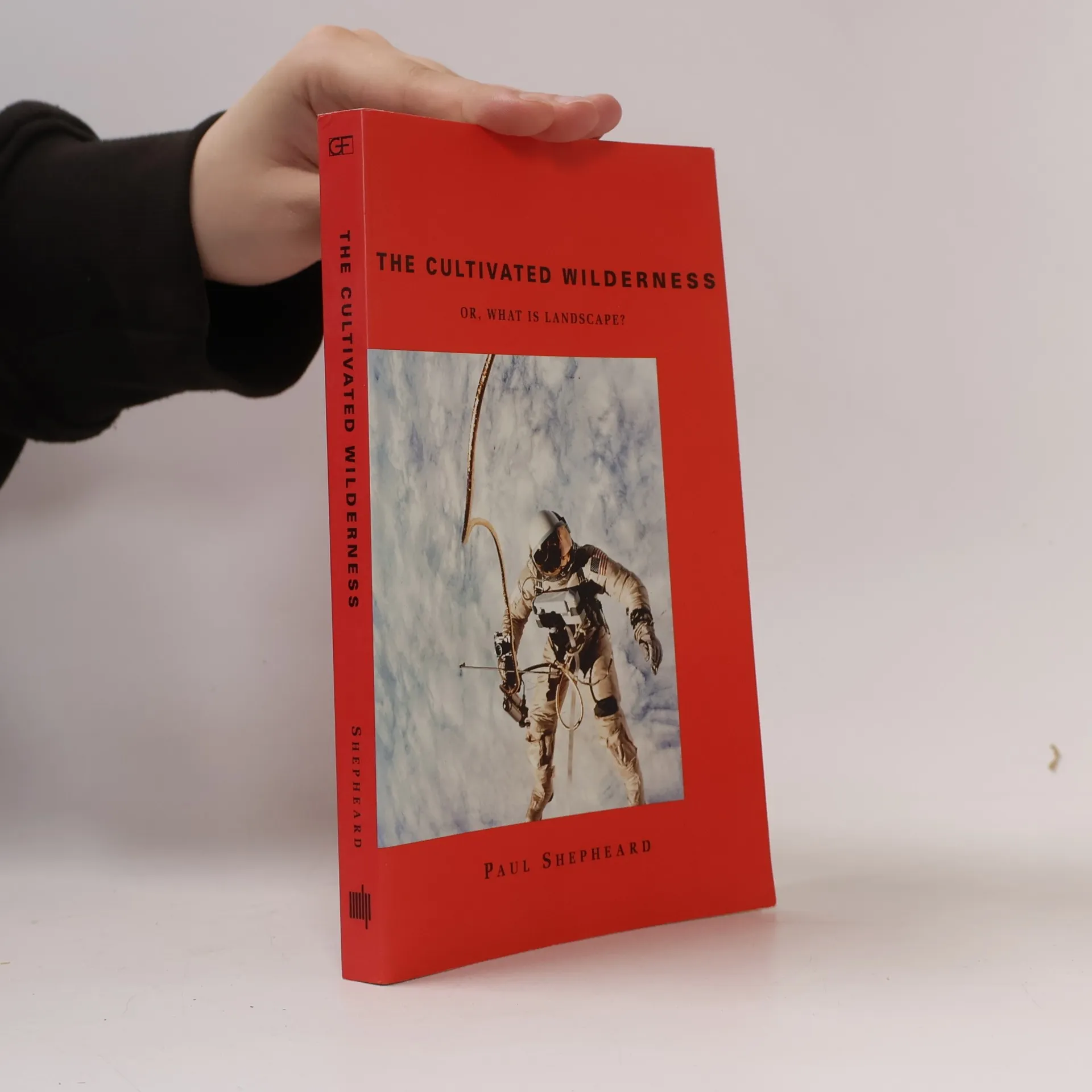
Graham Foundation / MIT Press Series in Contemporary Architectural Discourse: The Cultivated Wilderness, Paul Shepheard
- Sprache

- Erscheinungsdatum
- 1997
- Einband
- (Paperback),
- Buchzustand
- Gebraucht - Gut
- Preis
- 5,69 €inkl. MwSt.
Keiner hat bisher bewertet.
- Titel
- Graham Foundation / MIT Press Series in Contemporary Architectural Discourse: The Cultivated Wilderness
- Untertitel
- Or, What Is Landscape?
- Sprache
- Englisch
- Autor*innen
- Paul Shepheard
- Verlag
- MIT Press
- Erscheinungsdatum
- 1997
- Einband
- Paperback
- Seitenzahl
- 249
- ISBN10
- 0262691949
- ISBN13
- 9780262691949
- Reihe
- Kategorien
- Schlagwörter
- Architektur, USA, Landschaft, Landschaftsarchitektur
- Beschreibung
- Paul Shepheard's previous book, What is Architecture?, was about making real, material things in the world--landscapes, buildings, and machines. The Cultivated Wilderness is about those landscapes, and about the strategies that govern what we've done in shaping them. In the author's words, this book is about seeing things that are too big to see. His emphasis on strategy makes landscape fundamental--he says that every architectural move is set in a landscape. Norman England, for example, was constructed as a network of strong points, in a strategy of occupation. The eighteenth-century grid cities of the New World reflect a strategy of reason. Our current strategy is the economic exploitation of the Earth, an intricately woven blanket of commerce that covers up a multitude of other possibilities, many other ways to treat the surface of the globe--some of which are the landscapes revealed in this book. In a series of first-person narratives, reminiscent of his last book, the author pairs six landscapes, in order of descending scale from global to local, from the seven wonders of the ancient world to the condensed destruction of World War I's Western Front. In an engaging style, Shepheard takes the reader on an odyssey through these landscapes, meeting people and seeing places. He states that now, at the end of a century in which the appropriate landscape was sought but never found, the strategy of turning the land to profit is under review--and offers this book as his contribution to that review.Important Notice: The digital edition of this book is missing some of the images found in the physical edition.