

Mehr zum Buch
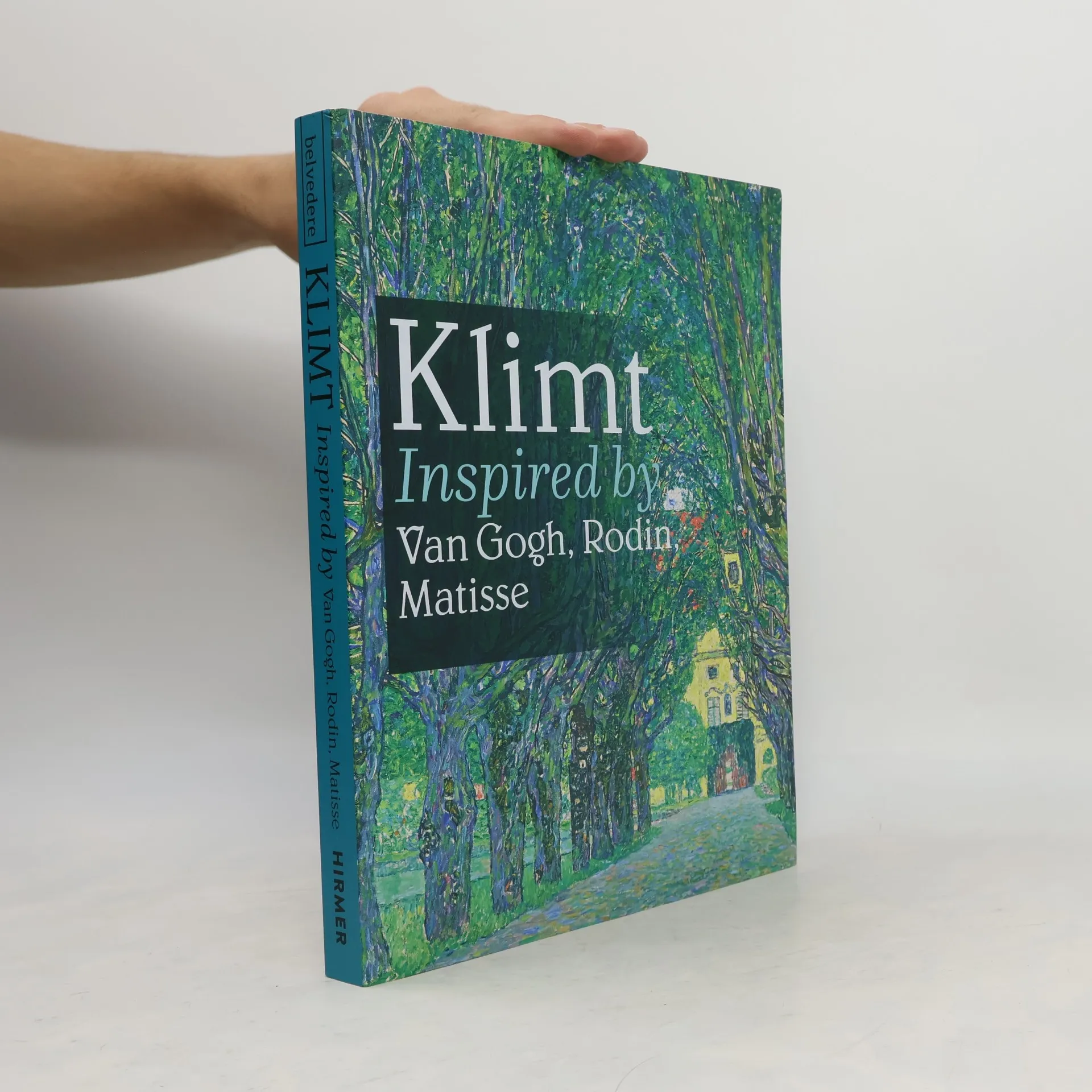
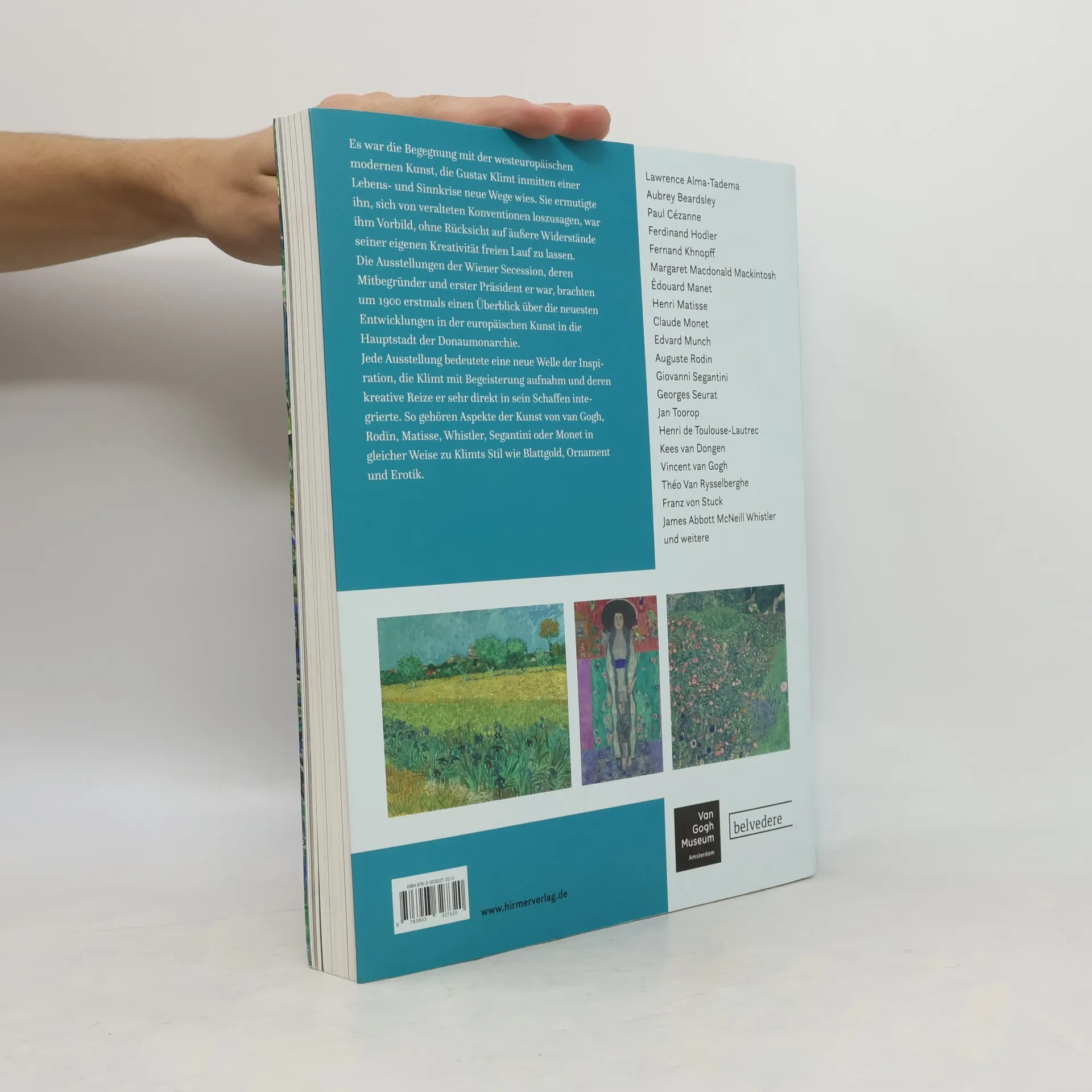
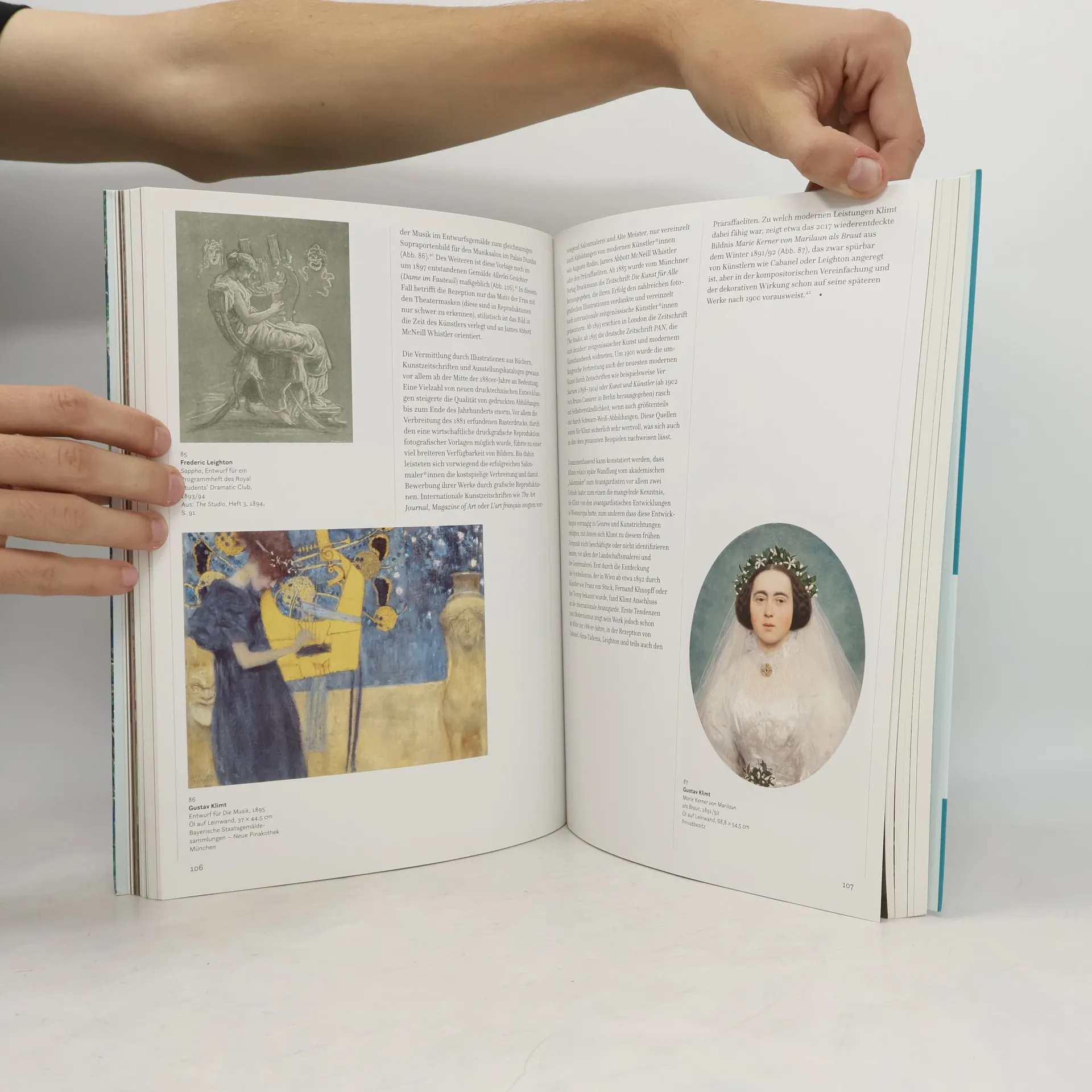
Gustav Klimt (1862-1918) is world famous for his golden, ornamental works, his flowing colours and his sensuous portrayal of women. But where did he find the inspiration for his multi-faceted oeuvre? How well did he know Vincent van Gogh? Did he ever see a picture by Henri Matisse? Large-format comparisons reveal Klimt's artistic sources. Modern European art was omnipresent in Vienna in around 1900 - in the Vienna Secession, in galleries, art magazines and private collections. The Viennese artist Gustav Klimt was receptive for the pictorial language of his contemporaries like Alma-Tadema, Minne, Rodin, Toorop, Hodler, Van Gogh, Monet, Khnopff, Toulouse-Lautrec, Whistler and Matisse, and adapted elements from a variety of artistic styles. The encounter between his works and those of the artists with whom he was associated reveals significant and often surprising parallels.
Buchkauf
Klimt, Stella Rollig, Markus Fellinger, Emilie E.S. Gordenker, Edwin Becker, Stephanie Auer, Marian Bisanz-Prakken, Lisa Smit, Renske Suijver
- Sprache

- Erscheinungsdatum
- 2022
- Einband
- (Paperback),
- Buchzustand
- Gebraucht - Gut
- Preis
- 44,99 €inkl. MwSt.
Keiner hat bisher bewertet.
- Titel
- Klimt
- Untertitel
- Inspired By Van Gogh, Rodin, Matisse: [Ausstellungen: Golden Boy Gustav Klimt, Van Gogh Museum, Amsterdam, 7. Oktober 2022 bis 8. Jänner 2023; Klimt, Belvedere, Wien, 3. Februar bis 29. Mai 2023]
- Sprache
- Deutsch
- Autor*innen
- Stella Rollig, Markus Fellinger, Emilie E.S. Gordenker, Edwin Becker, Stephanie Auer, Marian Bisanz-Prakken, Lisa Smit, Renske Suijver
- Verlag
- Hirmer
- Erscheinungsdatum
- 2022
- Einband
- Paperback
- ISBN10
- 3903327328
- ISBN13
- 9783903327320
- Reihe
- Schlagwörter
- Beschreibung
- Gustav Klimt (1862-1918) is world famous for his golden, ornamental works, his flowing colours and his sensuous portrayal of women. But where did he find the inspiration for his multi-faceted oeuvre? How well did he know Vincent van Gogh? Did he ever see a picture by Henri Matisse? Large-format comparisons reveal Klimt's artistic sources. Modern European art was omnipresent in Vienna in around 1900 - in the Vienna Secession, in galleries, art magazines and private collections. The Viennese artist Gustav Klimt was receptive for the pictorial language of his contemporaries like Alma-Tadema, Minne, Rodin, Toorop, Hodler, Van Gogh, Monet, Khnopff, Toulouse-Lautrec, Whistler and Matisse, and adapted elements from a variety of artistic styles. The encounter between his works and those of the artists with whom he was associated reveals significant and often surprising parallels.