
Diese Serie bietet eine kuratierte Reise in die Reiche des Unheimlichen und Unbekannten. Jeder Band wählt sorgfältig ikonische Erzählungen aus, die sich mit den Tiefen der menschlichen Vorstellungskraft und Furcht beschäftigen. Sie ist Pflichtlektüre für Sammler und Liebhaber von Horror- und Übernatürlichen Genres, die zeitlose Klassiker in wunderschön präsentierten Ausgaben suchen.
Originally published in 1882, this early work by politician Ignatius Donnelly is both expensive and hard to find in its first edition. Inspired by the writings of Plato, it details the history and technology of this lost land and is a fascinating read for anyone interested in the theory that ancient civilisations are descended from the peoples of Atlantis. Many of the earliest books, particularly those dating back to the 1900s and before, are now extremely scarce. We are republishing these classic works in affordable, high quality, modern editions, using the original text and artwork.
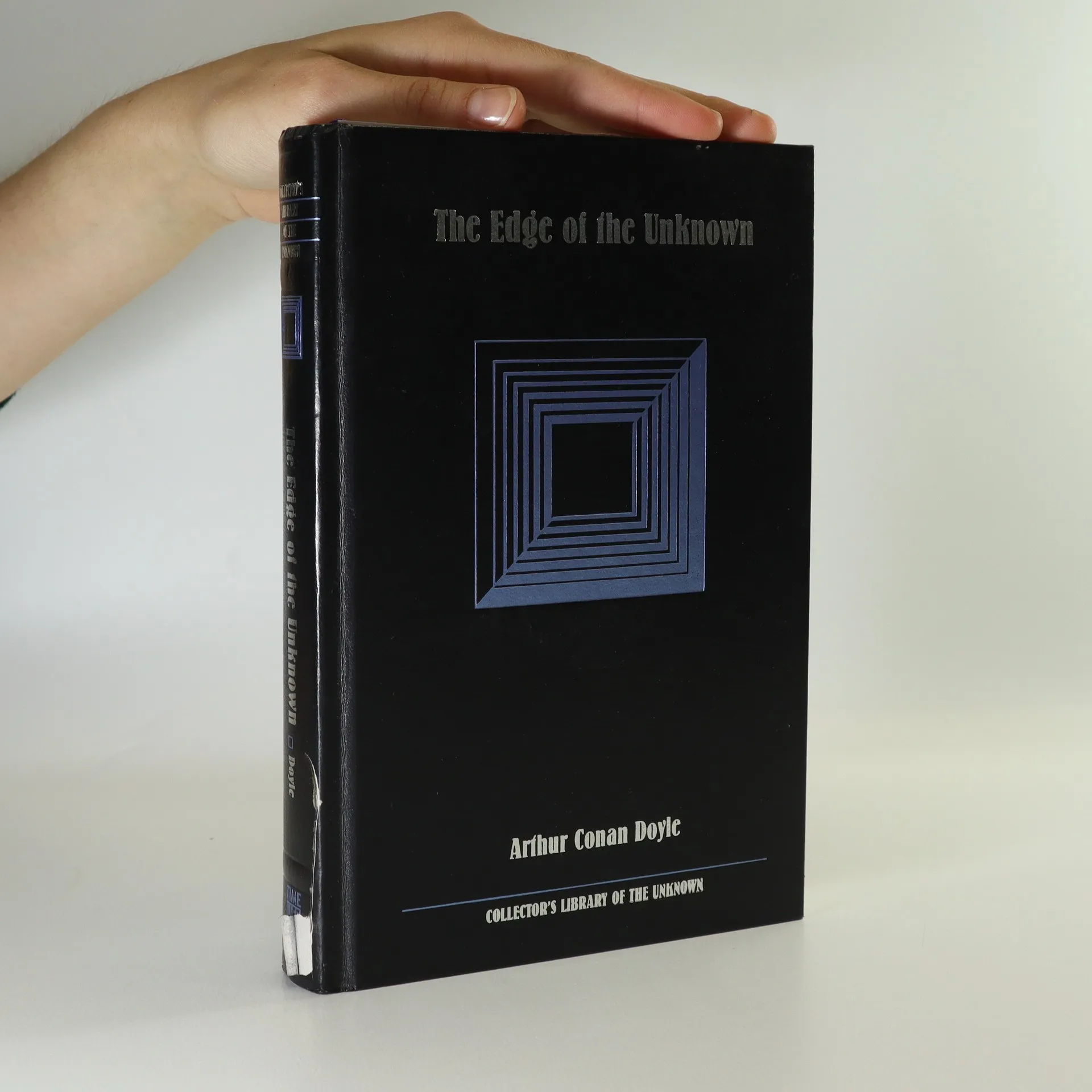
A small, solid iron tank was filled with water. A man was placed inside, water completely covering him. Over this an iron lid with three hasps & staples was securely locked. The body was submerged & a clock began ticking off the seconds. In less than a minute & a half, the entombed man was standing calmly outside the tank, still dripping the locks had not been touched, the lid was still secure. Once again, the great Harry Houdini had confounded scientists & his audience by escaping sure death! How was it possible to survive this? His friend, Arthur Conan Doyle, thought the answer might lie in spiritualism. The Edge of the Unknown presents the evidence. Houdini's powers comprised only one area on which Doyle focused attention. Here he details all he uncovered in decades of psychic investigation. Because he was convinced for that psychic occurrences could be explained by natural laws, he began a skeptic. Readers will find, then, his testimony especially persuasive encompassing mediumistic ectoplasm; prophetic dreams; seances with ghosts of Lenin, Oscar Wilde, Dickens etc. But the most conclusive evidence is his personal experience with psychic phenomena he'd challenged. The fact he saw & heard ghostly manifestations is the best recommendation for all who've remaining doubts to read this book.
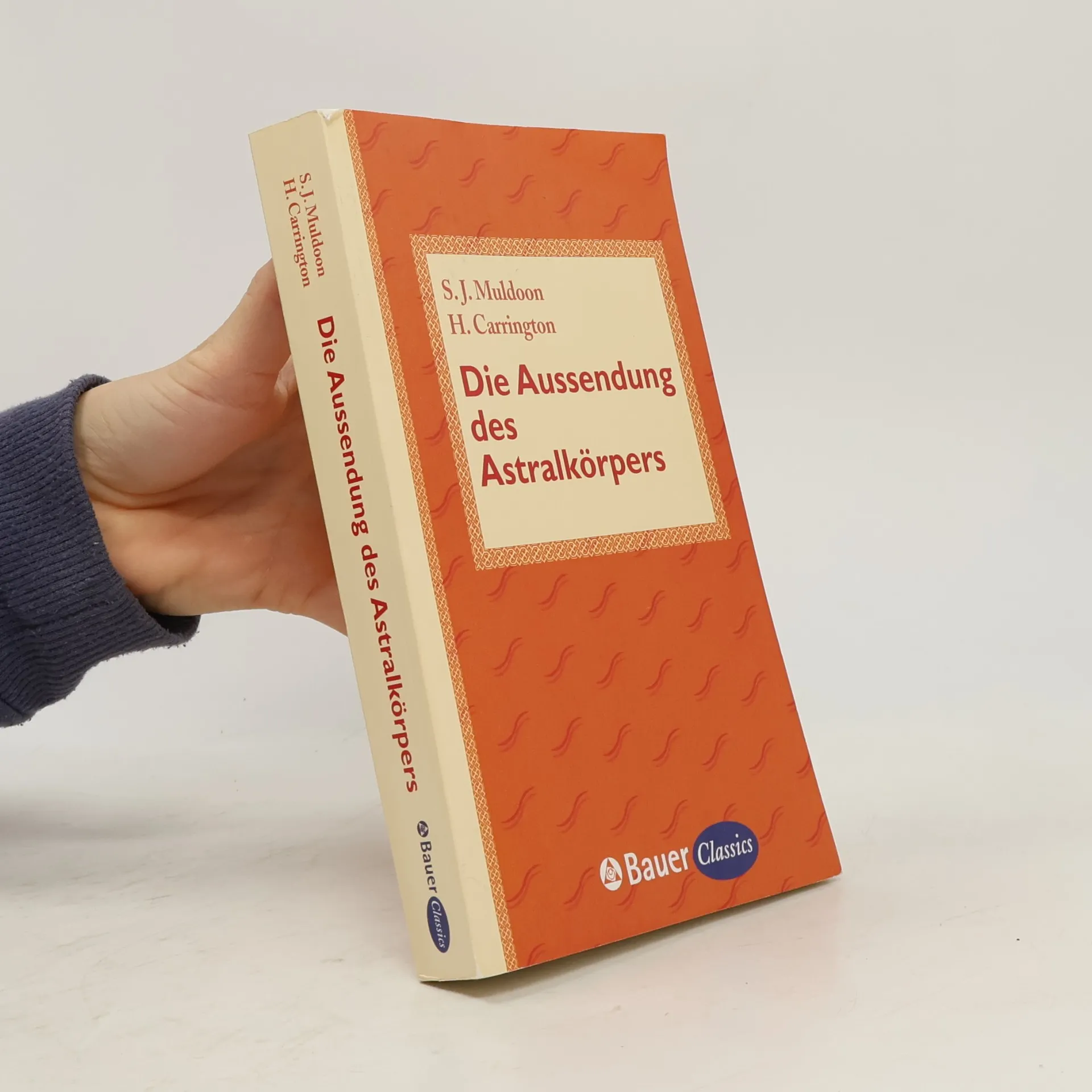
Das Buch präsentiert Sylvan Muldoons außergewöhnliche außerkörperliche Erfahrung, sorgfältig bearbeitet von dem renommierten psychischen Forscher Dr. Carrington. Es erzählt nicht nur von Muldoons lebhaften Erlebnissen, sondern bietet auch praktische Anleitungen, wie man Astralprojektion erreichen kann. Diese fesselnde Kombination aus persönlicher Erzählung und instruktivem Inhalt macht es zu einer wertvollen Ressource für alle, die an den Phänomenen des astralen Reisens interessiert sind.
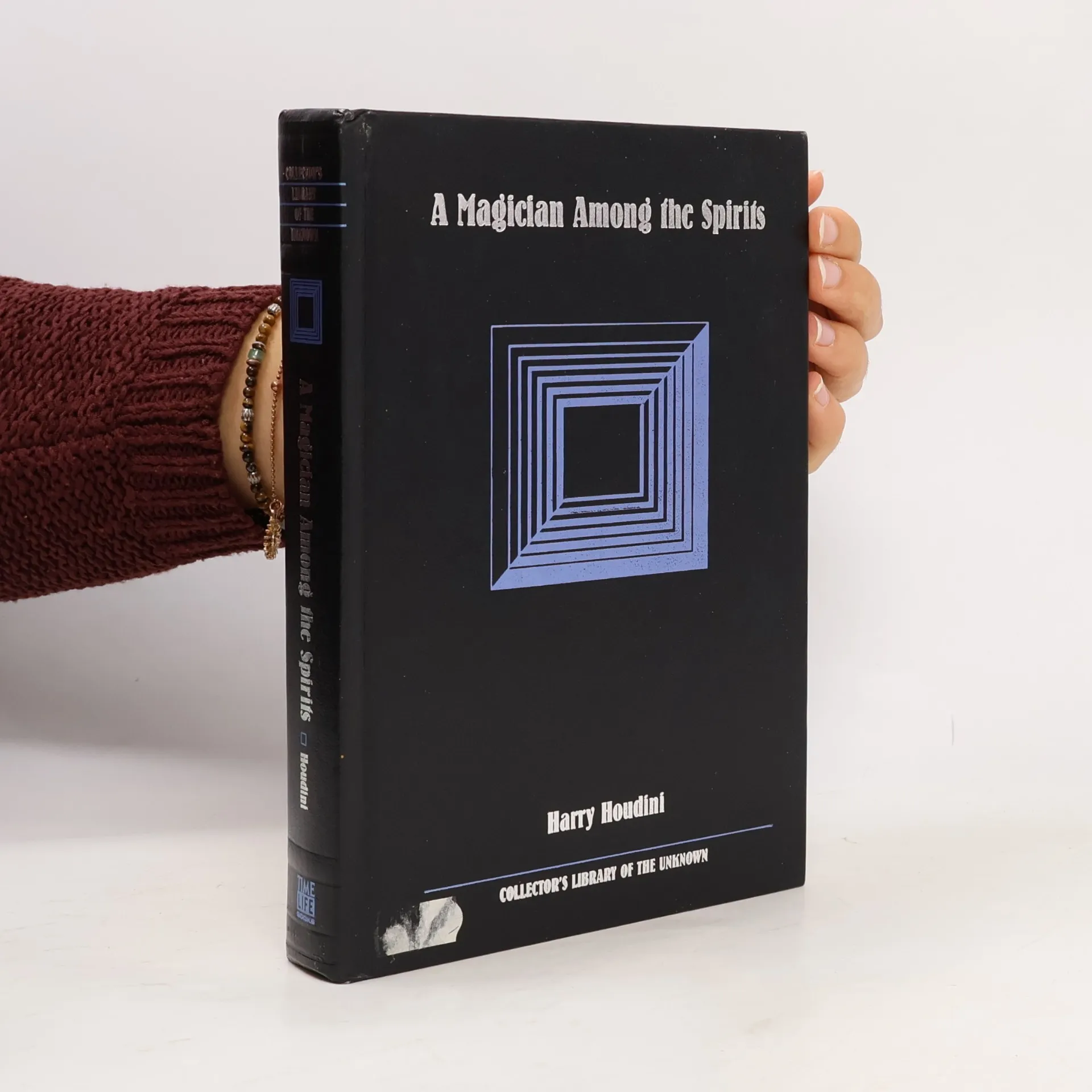
Harry Houdini and his exposure of the fraud spiritualist, spirit photography, spirit slate writing, ectoplasm, clairvoyance, and other quakery and cons perpetrated on the gullible, by the likes of the Boston Medium Margery, the Davenport Brothers, Annie Eva Fay, the Fox Sisters, Daniel Dunglas Home, Eusapia Pallandino, and other con artists of their ilk. The whole country got excited by Houdini's campaign against faking spiritualists. He careened through the country, offering money for spirit contacts he couldn't duplicate by admitted magical chicanery. It was a heyday not only for Houdini but for the spirit-callers and there was an equally famous protagonist who thought the spirits could indeed be contacted, Sir Arthur Conan Doyle. A photo at the front records a meeting between Houdini and Doyle and Houdini gives Doyle his own chapter. There's an earlier chapter on Daniel Dunglas Home, the English engineer of spectacular paranormal effects. Houdini raises hell with spiritualists who were giving their (usually paying) clients a vision of heavens to come, and shares the methods used to practice "fake" and sensational spiritualism. Houdini was nothing if not unrelenting. As a taste of things to come, he ends his introduction with the "Up to the present time everything that I have investigated has been the result of deluded brains."
As a young women in London in the early 20th century, Eileen J. Garrett was acquainted with people like Arthur Conan Doyle, W.B. Yeats, H.G. Wells and James Joyce. She was trained at the British College of Psychic Science by Hewat McKenzie and took part in psychic research. After the beginning of World WarII, she came to America and founded her own publishing house and eventually co-founded the Parapsychology Foundation in New York City
This collection focuses on republishing classic works from the early 1900s and earlier, highlighting their rarity and rising costs. The aim is to make these scarce books more accessible by offering them in affordable, high-quality modern editions that preserve the original text and artwork.
Eine wissenschaftliche Untersuchung, die von der "New York Review" als "das beste Plädoyer für Besuche" bezeichnet wird. Diese klassische Studie präsentiert eine Analyse von UFO-Berichten und kommt zu dem Schluss, dass viele Sichtungen nicht leicht abgetan werden können.
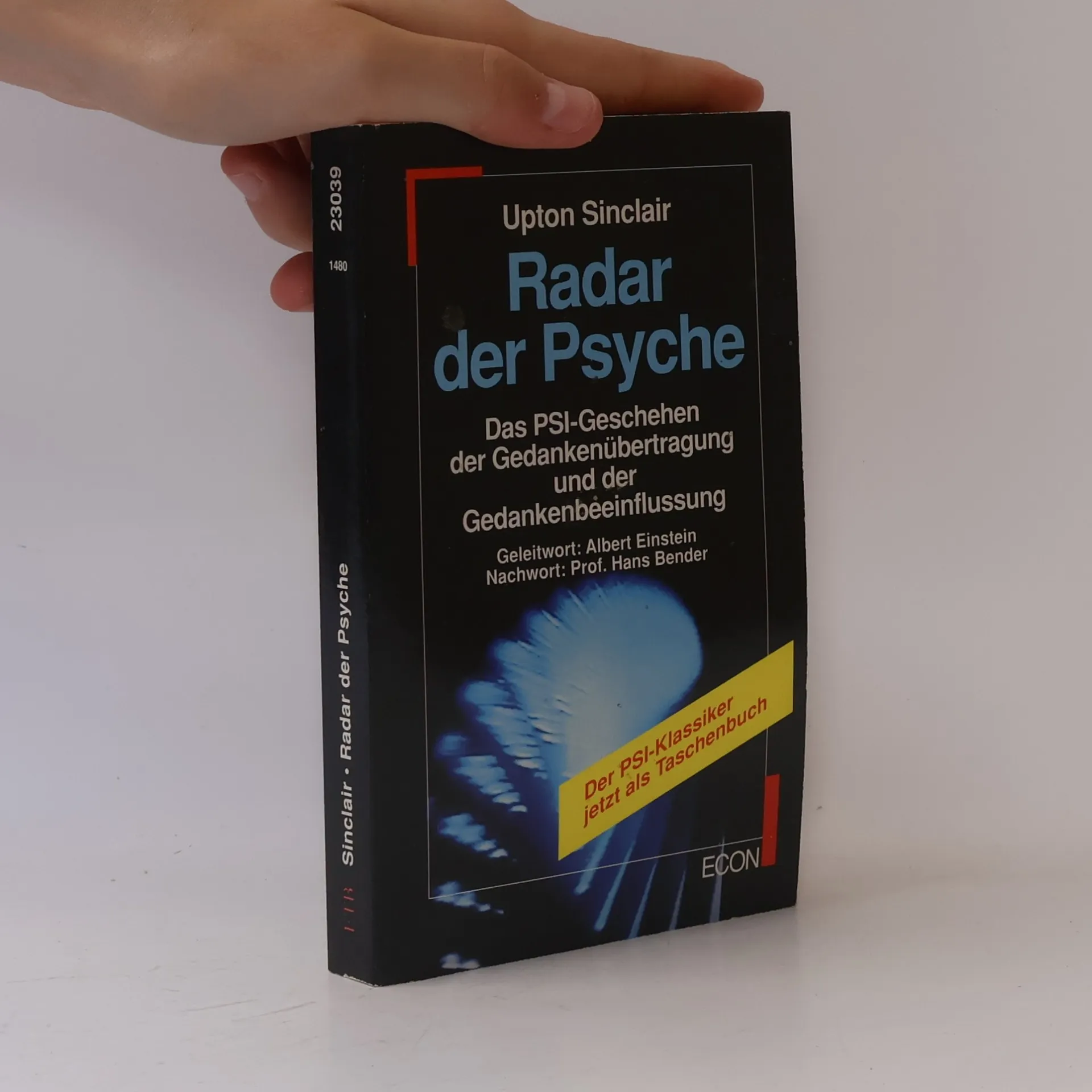
Das Buch beschreibt Upton Sinclairs faszinierendes Experiment, um die angeblichen psychischen Fähigkeiten seiner zweiten Frau während ihres Kampfes mit Depressionen und ihrem Interesse am Okkulten zu überprüfen. Es dokumentiert ihre Versuche, 290 Zeichnungen zu reproduzieren, die ihr Bruder angefertigt hat, wobei Sinclair 65 genaue Duplikate, 155 teilweise Erfolge und 70 Misserfolge festhält. Begleitet von originalen Illustrationen und umfangreichen Kommentaren, bietet das Werk einen tiefen Einblick in die Themen Psychologie, Spiritualität und die Grenzen menschlichen Wissens.
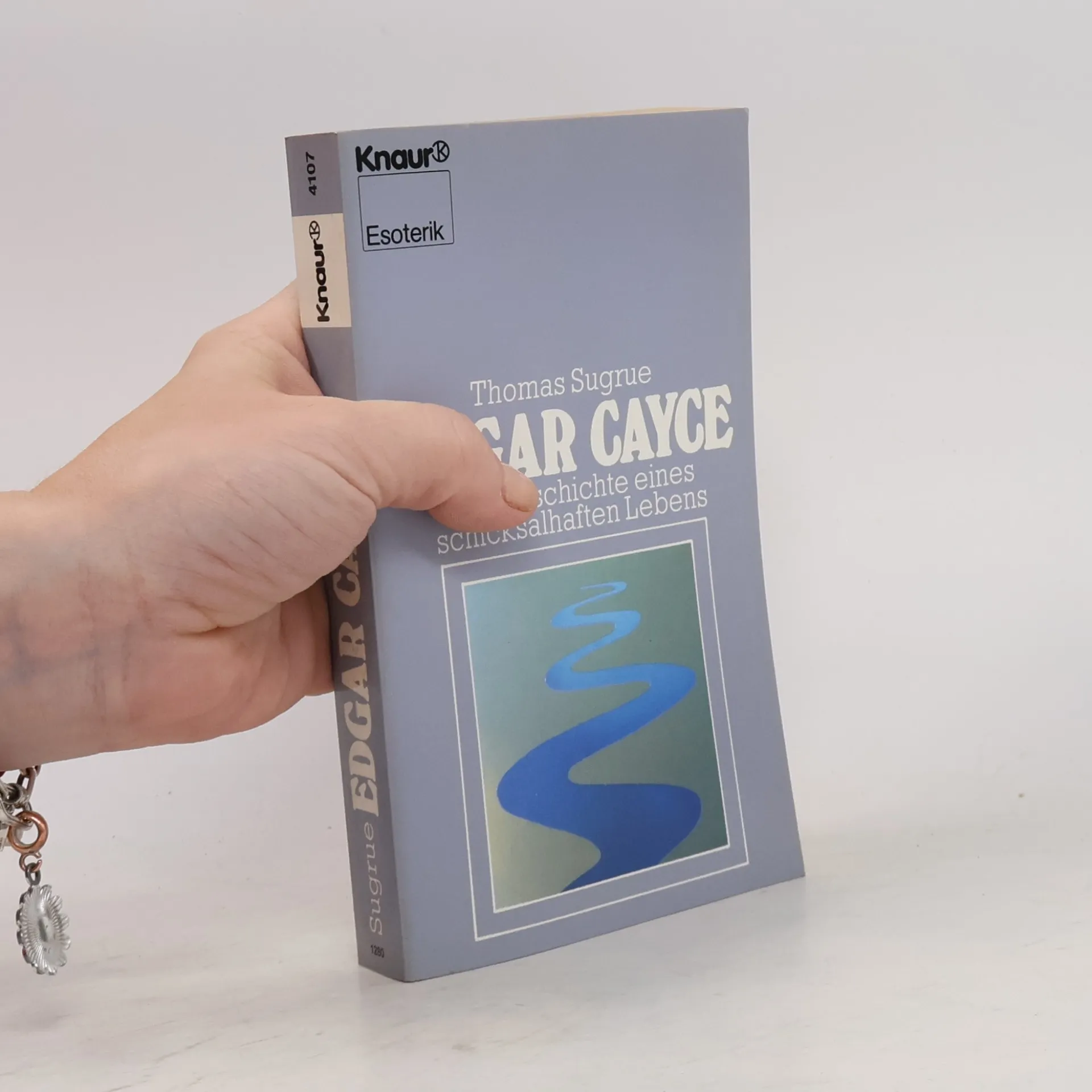
Eine neue Ausgabe des wegweisenden Bestsellers über das Leben des berühmten medizinischen Hellsehers und Vaters der Neuen Ära: Edgar Cayce. Edgar Cayce (1877-1945) ist heute vielen als der Großvater der Neuen Ära bekannt. Als medizinischer Hellseher, Psychiker und christlicher Mystiker gab Cayce Tausenden von Menschen medizinische, psychologische und spirituelle Ratschläge, die von der Wirksamkeit seiner trancebasierten Lesungen überzeugt waren. Doch Cayce war nicht immer ein bekannter Name. Als der junge, skeptische Journalist Thomas Sugrue 1927 zum ersten Mal auf Cayce traf, hatte die Welt noch nicht von dem „schlafenden Propheten“ gehört. Während seiner einzigartigen Zugangszeit vollendete Sugrue seine wegweisende Biografie, die bei ihrer Veröffentlichung 1942 nationale Aufmerksamkeit auf Cayce lenkte und als das einzige Dokument gilt, das zu Lebzeiten des Sehers verfasst wurde.