In Search of Respect
- 432 Seiten
- 16 Lesestunden
This new edition brings this study of inner-city life up to date.


Diese Reihe befasst sich mit verschiedenen Bereichen der Sozialwissenschaften durch die aufschlussreiche Perspektive der Strukturanalyse. Jeder Band präsentiert einzigartige Anwendungen dieses Ansatzes innerhalb einer bestimmten Disziplin und beleuchtet dessen Stärke bei der Aufdeckung tieferer Muster. Die Sammlung zielt darauf ab, die Arbeit strukturalistisch orientierter Gelehrter einem breiteren Publikum zugänglich zu machen. Letztendlich soll sie neue Generationen von Forschern dazu inspirieren, diese fruchtbare Art der Untersuchung und des Denkens zu übernehmen.

This new edition brings this study of inner-city life up to date.
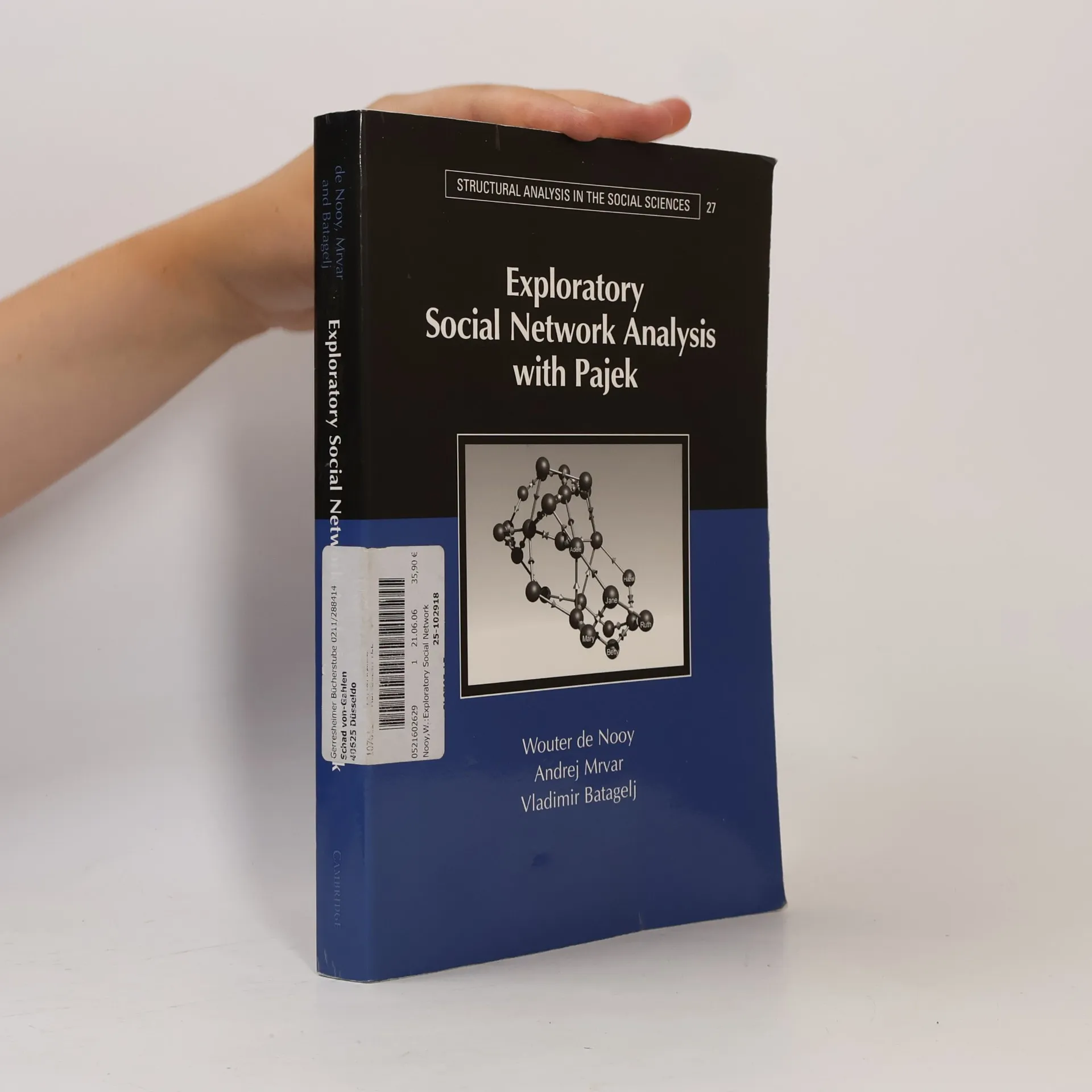
This is the first textbook on social network analysis integrating theory, applications, and professional software for performing network analysis (Pajek). Pajek software and datasets for all examples are freely available, so the reader can learn network analysis by doing it. In addition, each chapter offers case studies for practicing network analysis. The book will enable the reader to gain the knowledge, skills, and tools to apply social network analysis in all social sciences, ranging from anthropology and sociology to business administration and history.
Social Sequence Analysis is a comprehensive guide to analytic methods that brings together foundational, theoretical and methodological work on social sequences.
Focusing on social network analysis, this book explores innovative strategies for identifying and undermining covert illegal networks. It delves into the methodologies that can effectively track these networks, providing insights into destabilization and disruption tactics. The content is aimed at professionals seeking to enhance their understanding of network dynamics in the context of law enforcement and security operations.
The Politics of Labor in the French Third Republic
The evolution of the French labour movement during the Third Republic is explored through its oscillation between schism and solidarity over approximately 50 years. Ansell delves into the factors influencing this dynamic, including political mobilization and ideological shifts, while also drawing parallels to sociological and anthropological insights. The work aims to not only illuminate the specific history of the French labour movement but also to contribute to a broader understanding of organizational dynamics in social movements.
Focusing on the structural or network approach to political behavior, this book delves into nearly two decades of research that highlights the significance of relationships among social actors in shaping political power. It explores the dynamics of influence and domination, revealing how these networks interact to form a comprehensive view of the political landscape. Key topics include voting behavior, social movements, and the power dynamics within organizations and nation-states, alongside theoretical insights and future research directions.
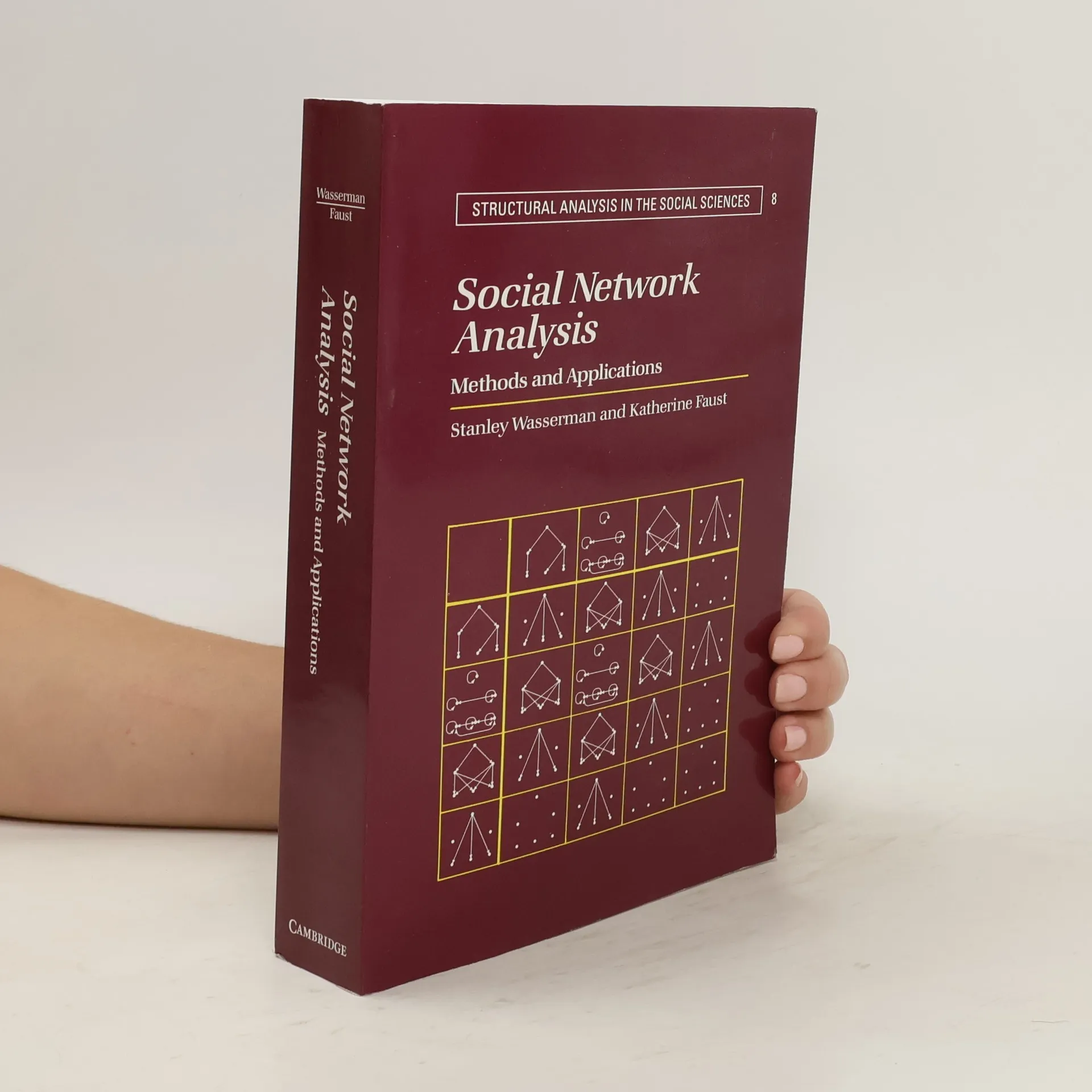
Social network analysis is used widely in the social and behavioral sciences, as well as in economics, marketing, and industrial engineering. The social network perspective focuses on relationships among social entities and is an important addition to standard social and behavioral research, which is primarily concerned with attributes of the social units. Social Network Analysis: Methods and Applications reviews and discusses methods for the analysis of social networks with a focus on applications of these methods to many substantive examples. It is a reference book that can be used by those who want a comprehensive review of network methods, or by researchers who have gathered network data and want to find the most appropriate method by which to analyze it. It is also intended for use as a textbook as it is the first book to provide comprehensive coverage of the methodology and applications of the field.
"This is the first textbook on social network analysis integrating theory, applications, and professional software for performing network analysis (Pajek). Step by step, the book introduces the main structural concepts and their applications in social research with exercises to test the understanding. In each chapter, each theoretical section is followed by an application section explaining how to perform the network analyses with Pajek software. Pajek software and data sets for all examples are freely available, so the reader can learn network analysis by doing it. In addition, each chapter offers case studies for practicing network analysis. In the end, the reader has the knowledge, skills, and tools to apply social network analysis in all social sciences, ranging from anthropology and sociology to business administration and history"--