From leading scientists, lawyers, and educators-a decisive rebuttal to those who undermine science in the name of religion.
Stephen Jay Gould Reihenfolge der Bücher (Chronologisch)
10. September 1941 – 20. Mai 2002
Stephen Jay Gould war ein herausragender amerikanischer Paläontologe und Evolutionsbiologe, der für seine fesselnden populärwissenschaftlichen Schriften bekannt wurde. Seine empirische Forschung konzentrierte sich hauptsächlich auf Landschnecken, und er entwickelte die Theorie des "punctuated equilibrium", die evolutionäre Stabilität durch schnelle Veränderungen kennzeichnet. Gould lehnte strikten Selektionismus und Soziobiologie ab und setzte sich für die Vereinbarkeit von Wissenschaft und Religion als sich nicht überschneidende "Magisterien" ein. Seine Essays und Bücher machten komplexe wissenschaftliche Konzepte einem breiten Publikum zugänglich.



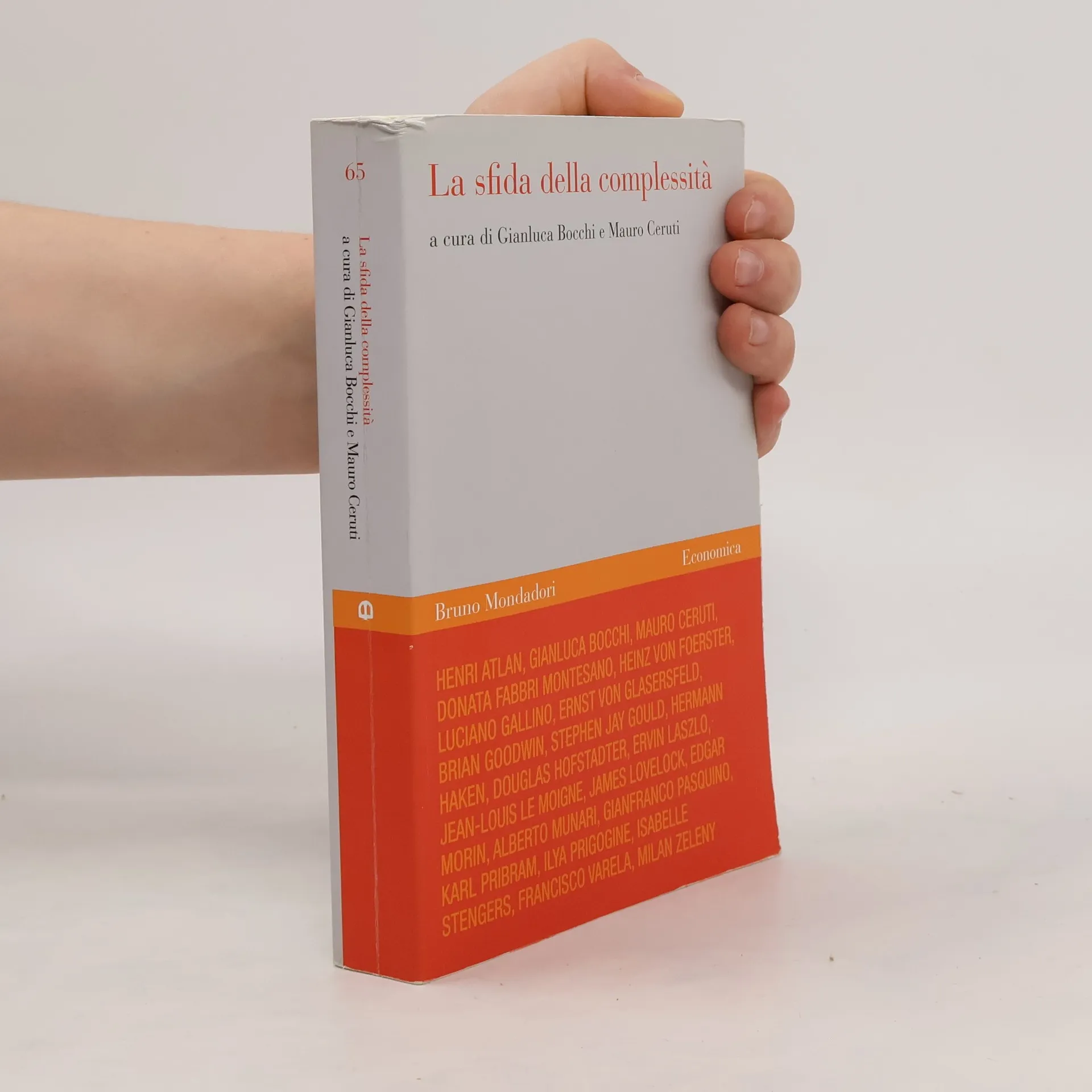
La sfida della complessità
- 448 Seiten
- 16 Lesestunden
La sfida della complessità nasce dall'irruzione dell'incertezza nelle nostre conoscenze, dallo sgretolarsi dei miti che per secoli hanno regolato il cammino della scienza moderna. Ma d'altra parte la fine della certezza, della completezza, dell'esaustività e dell'onniscienza non segnala soltanto la fine di un ordine, ma rende ineludibile una trasformazione delle domande e delle risposte su cui è basato il nostro sapere. Chiamati a raccolta da Gianluca Bocchi e Mauro Ceruti a metà degli anni ottanta, scienziati e pensatori come Ilya Prigogine e Francisco Varela, Stephen Jay Gould e Heinz von Foerster presentano e confrontano i loro itinerari nella “nuova scienza”, in un'opera che ha mantenuto intatta la sua freschezza ed esemplarità.
Eight Little Piggies
- 480 Seiten
- 17 Lesestunden
The title is a pun, and as always with Gould the joke has a point that illustrates the largest pattern of life's history. For millennia the animals that populated the earth had four toes on each foot, or six. If evolution had taken a tiny shift - if our a
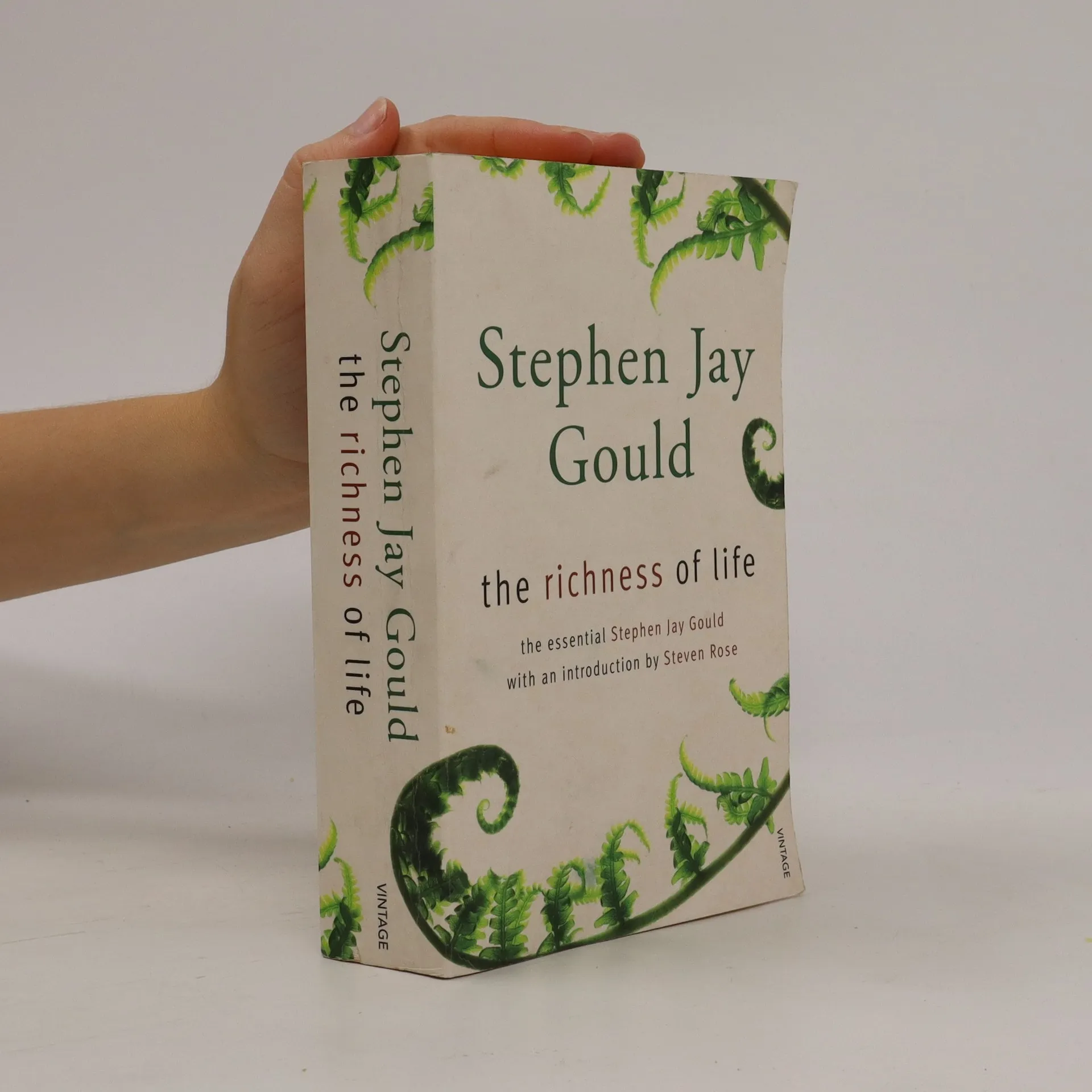
The richness of life
- 656 Seiten
- 23 Lesestunden
There aren't many scientists famous enough in their lifetime to be canonized by the US Congress as one of America's 'living legends'. It is still more unlikely that the title should have been conferred on a man regarded by many in the US as a notorious ra
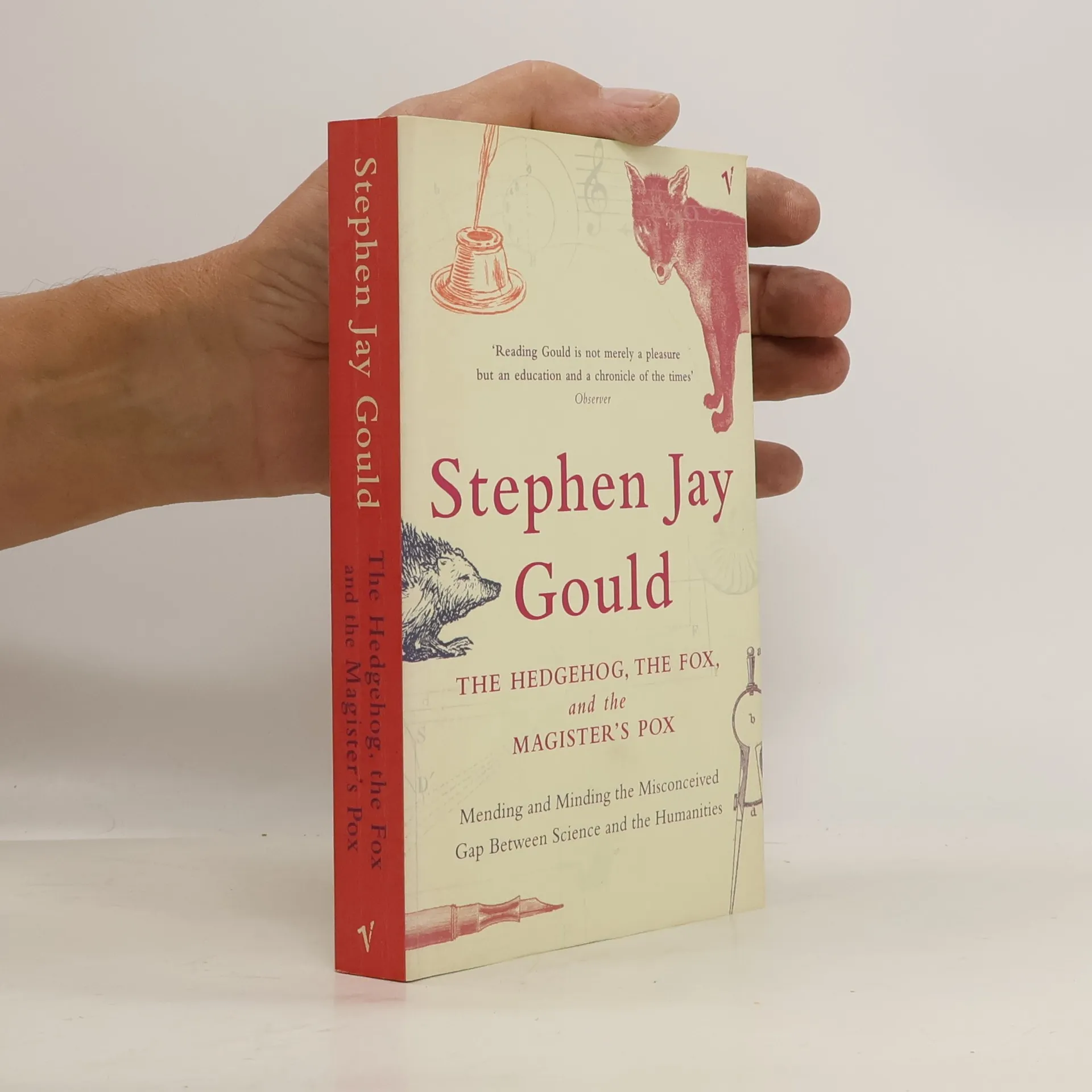
The Hedgehog, the Fox, and the Magister's Pox
- 288 Seiten
- 11 Lesestunden
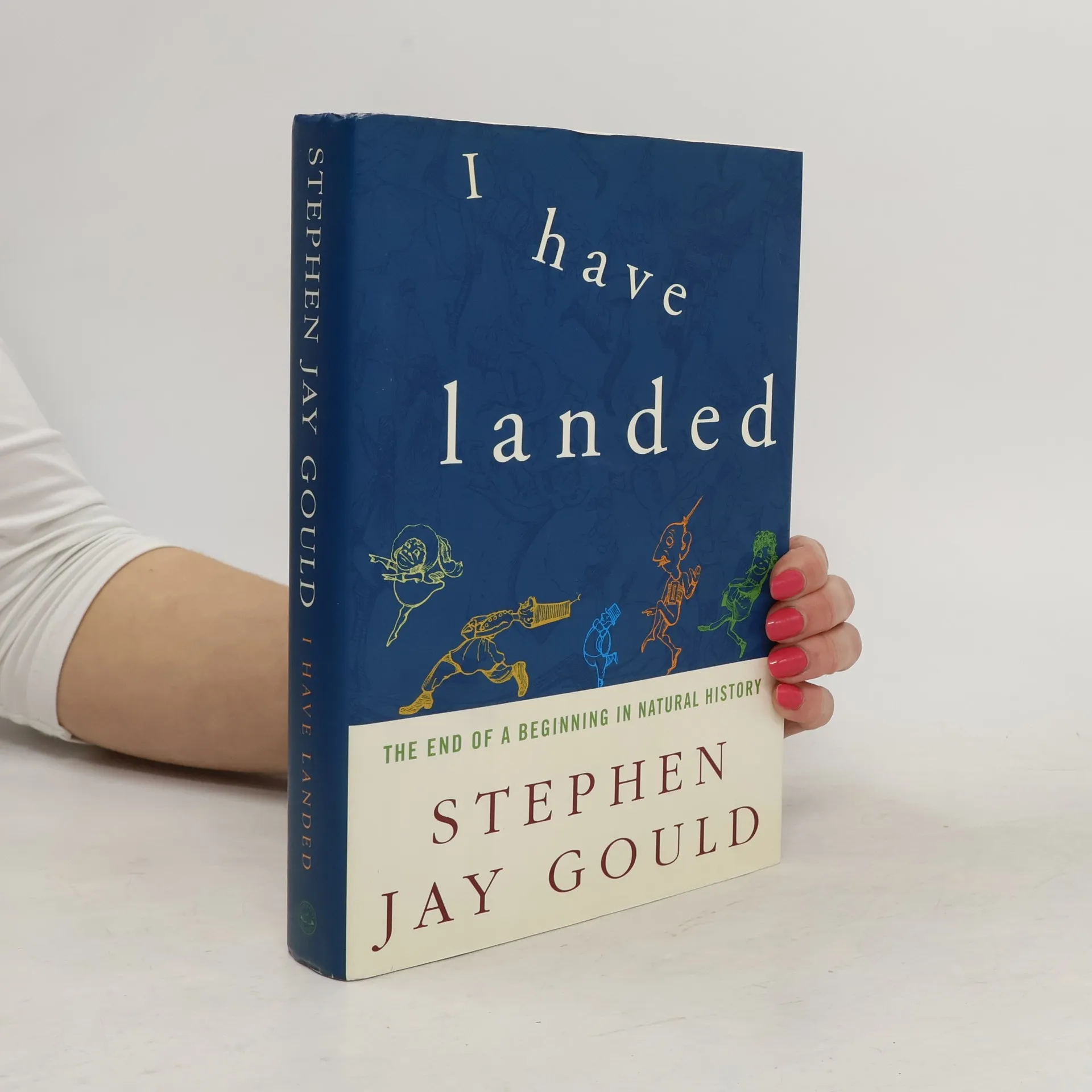
Completed shortly before his death, this is the last work of science from the most celebrated popular science writer in the world. In characteristic form, Gould weaves the ideas of some of Western society's greatest thinkers, from Bacon to Galileo to E. O. Wilson, with the uncelebrated ideas of lesser-known yet pivotal intellectuals. He uses their ides to undo an assumption born in the seventeenth century and continuing to this day, that science and the humanities stand in opposition. Gould uses the metaphor of the hedgehog - who goes after one thing at a measured pace, systematically investigating all; the fox - skilled at many things, intuitive and fast; and the magister's pox - a censure from the Catholic Church involved in Galileo's downfall: to illustrate the different ways of responding to knowledge - in a scientific, humanistic or fearful way. He argues that in fact each would benefit by borrowing from the other.
The Structure of Evolutionary Theory
- 1464 Seiten
- 52 Lesestunden
The book critiques classical Darwinism by examining its fundamental components, historical development, and origins. It challenges established beliefs and proposes a new framework for understanding evolutionary theory, encouraging readers to rethink traditional concepts in light of contemporary insights.
Dieses Buch versammelt die letzten naturwissenschaftlichen Essays des großen Evolutionsbiologen. Die Antworten sind erheiternd, verwirrend, erhellend und immer auch unterhaltsam. In diesen Texten zeigt sich erneut, mit welcher Virtuosität und Klarheit der 2002 verstorbene Naturwissenschaftler uns an der gesamten Breite und Komplexität seines Wissens teilhaben lässt und welch ein Optimismus aus den Texten spricht. Eine intelligente und spannende Reise quer durch die Evolutionsgeschichte und zugleich das persönlichstes Buch von Gould.
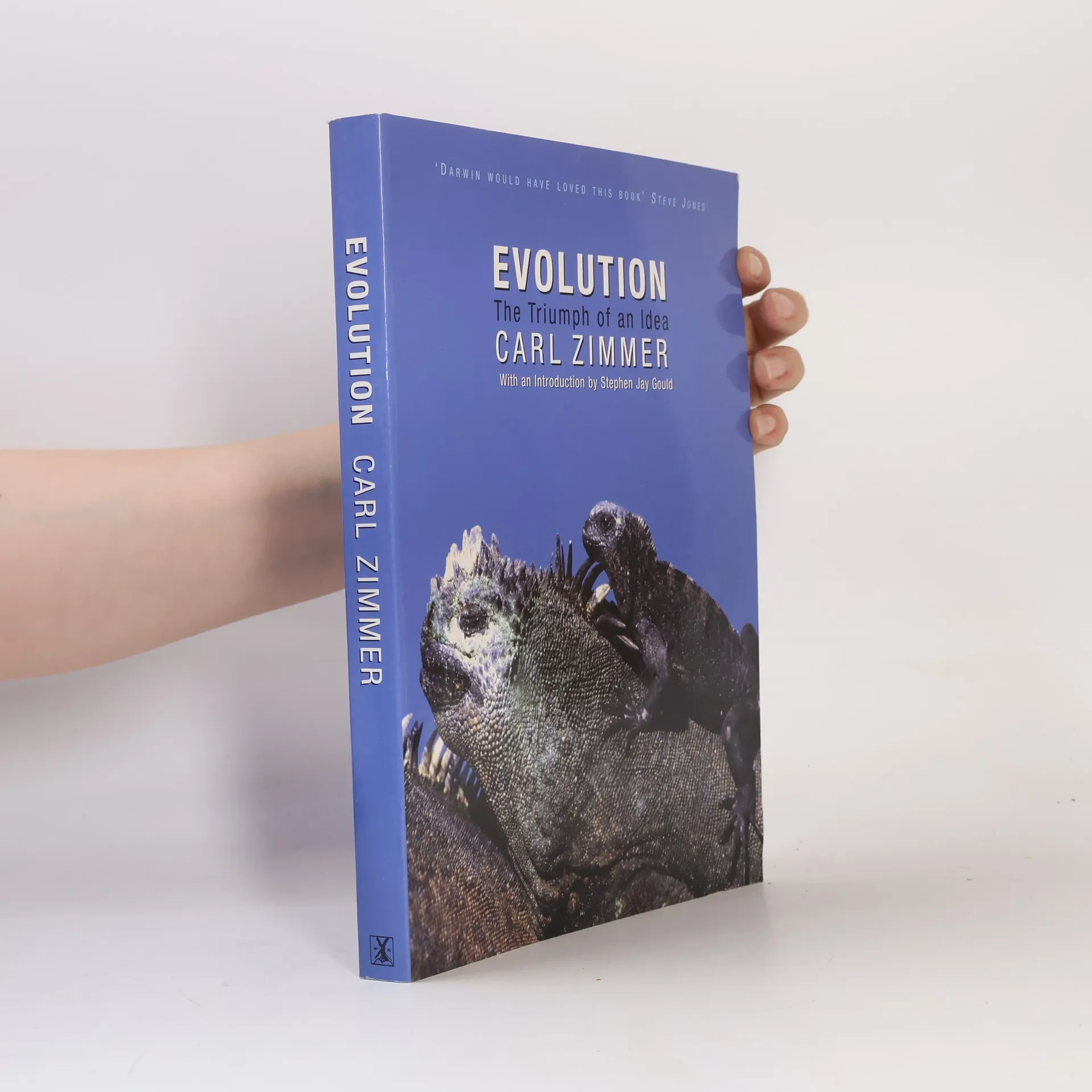
The theory of evolution stands over modern biology as quantum mechanics and relativity do over modern physics. And few modern scientists are as widely familiar and celebrated as Darwin. Yet most of us remain less than entirely clear as to how evolution by natural selection works and a series of celebrated titles by such writers as Steven Jay Gould and Richard Dawkins do little to help, being each so partisan of a particular, contentious, view of the subject. Carl Zimmer draws together the entire history of the subject, from Darwin's original insights on the voyage of the Beagle, through the 'modern synthesis', which combined genetics with natural selection, to the Darwinian medicine and the 'selfish gene' debates of today. There is no comparably balanced and wide-ranging book available at present, let alone one that is as well and accessibly written. For all of us who lack a comfortable familiarity with this most influential of scientific ideas, an idea that has as many implications for our understanding of child-rearing, AIDS and the fate of the rain-forest as it does for the 'origin of species', this is an ideal introduction.
Die Lügensteine von Marrakesch
- 442 Seiten
- 16 Lesestunden
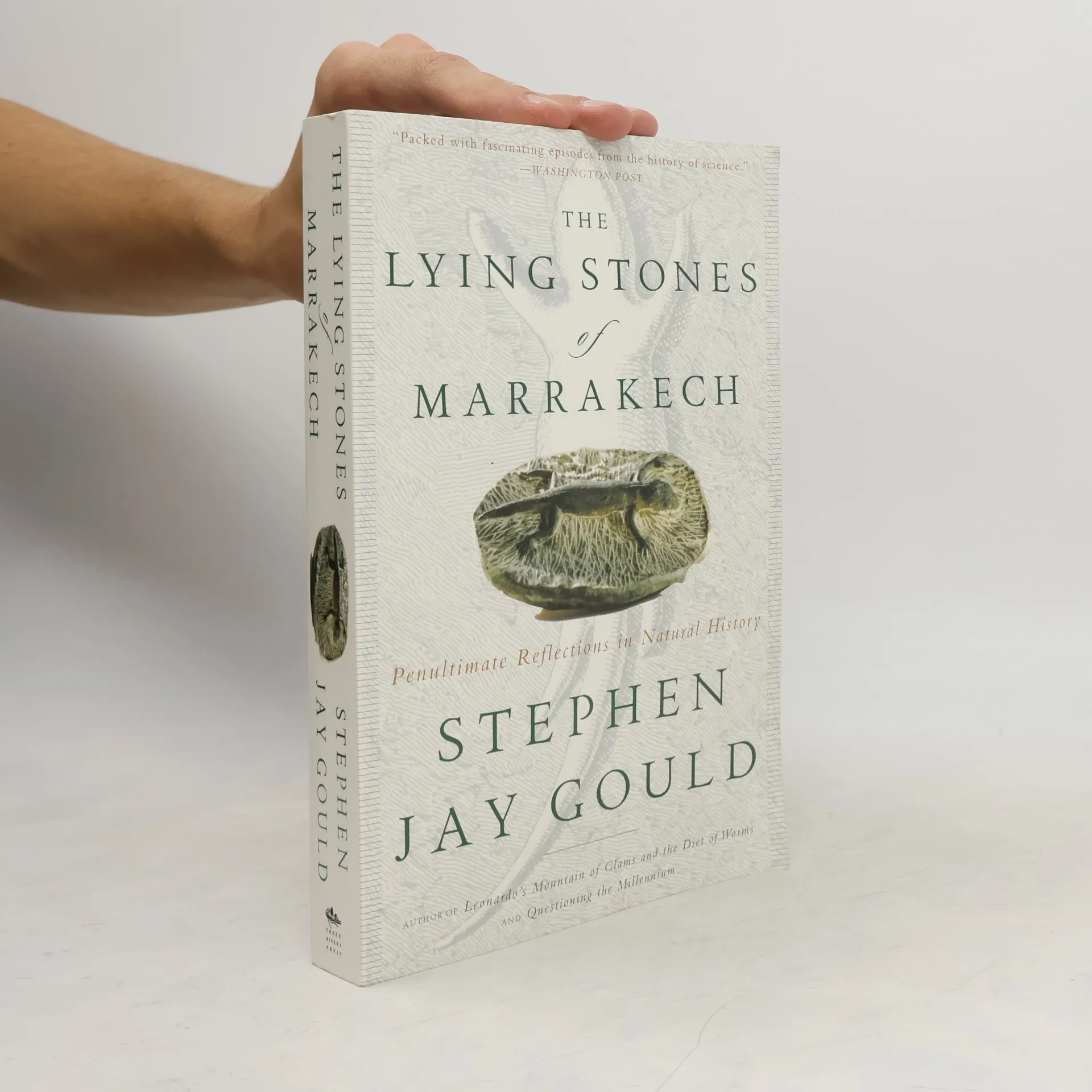
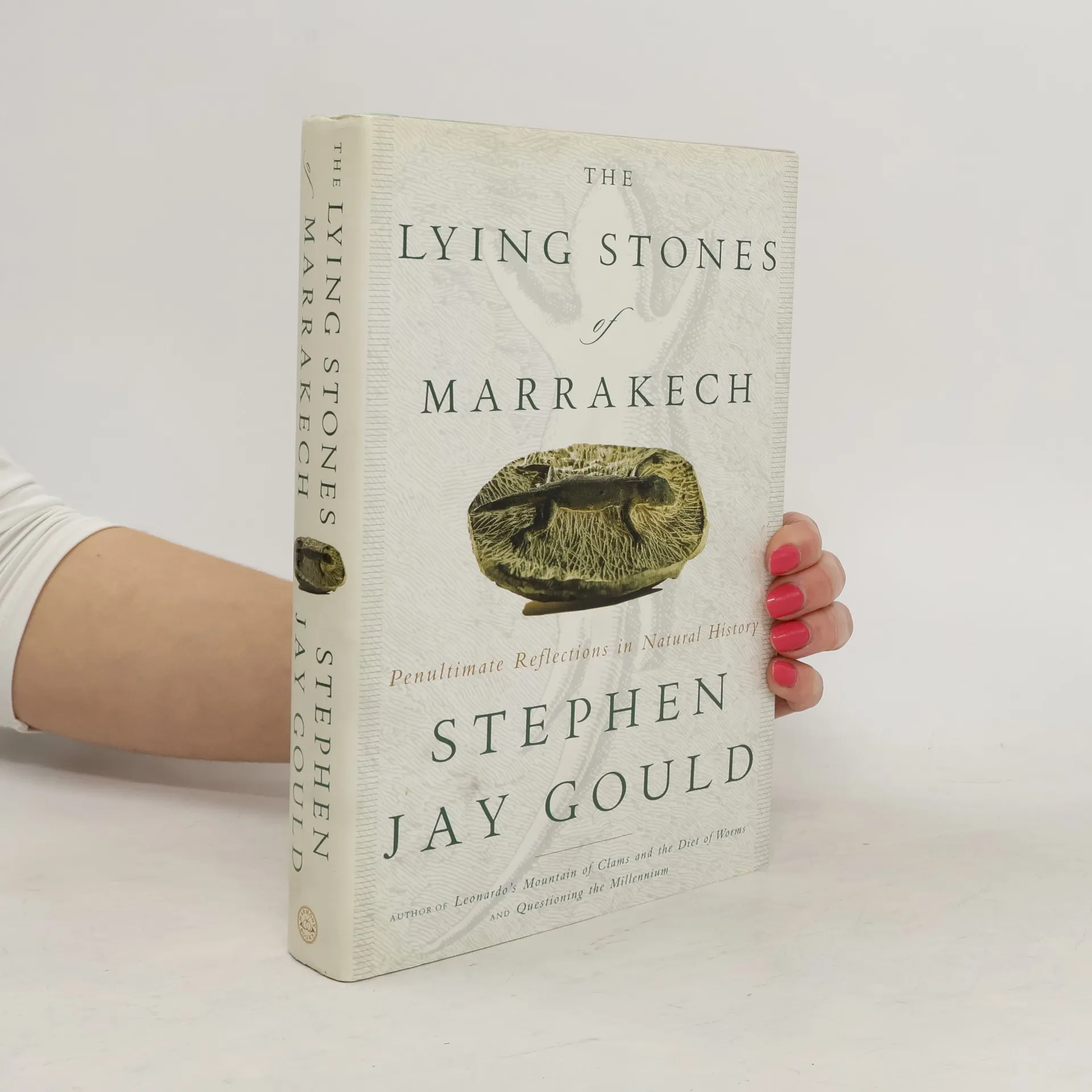
Eine neue Folge virtuoser Essays von Stephen Jay Gould, dem Meister der Naturgeschichtsschreibung. Die Themen erstrecken sich von der Fossilforschung des 18. Jahrhunderts (und vor allem deren aberwitzigen Fälschungen, u. a. „Beringers Lügensteine“) über die Erfindung der wissenschaftlichen Naturgeschichtsforschung durch Buffon, Lavoisier und Lamarck bis hin zu den kurioseren Erscheinungen in der Evolutionsgeschichte. Abermals erweist sich Gould als glänzender Wissenschaftshistoriker, der es wie kein zweiter versteht, die Wunder der Natur einem breiten Publikum nahe zu bringen, indem er hervorragend unterhält.
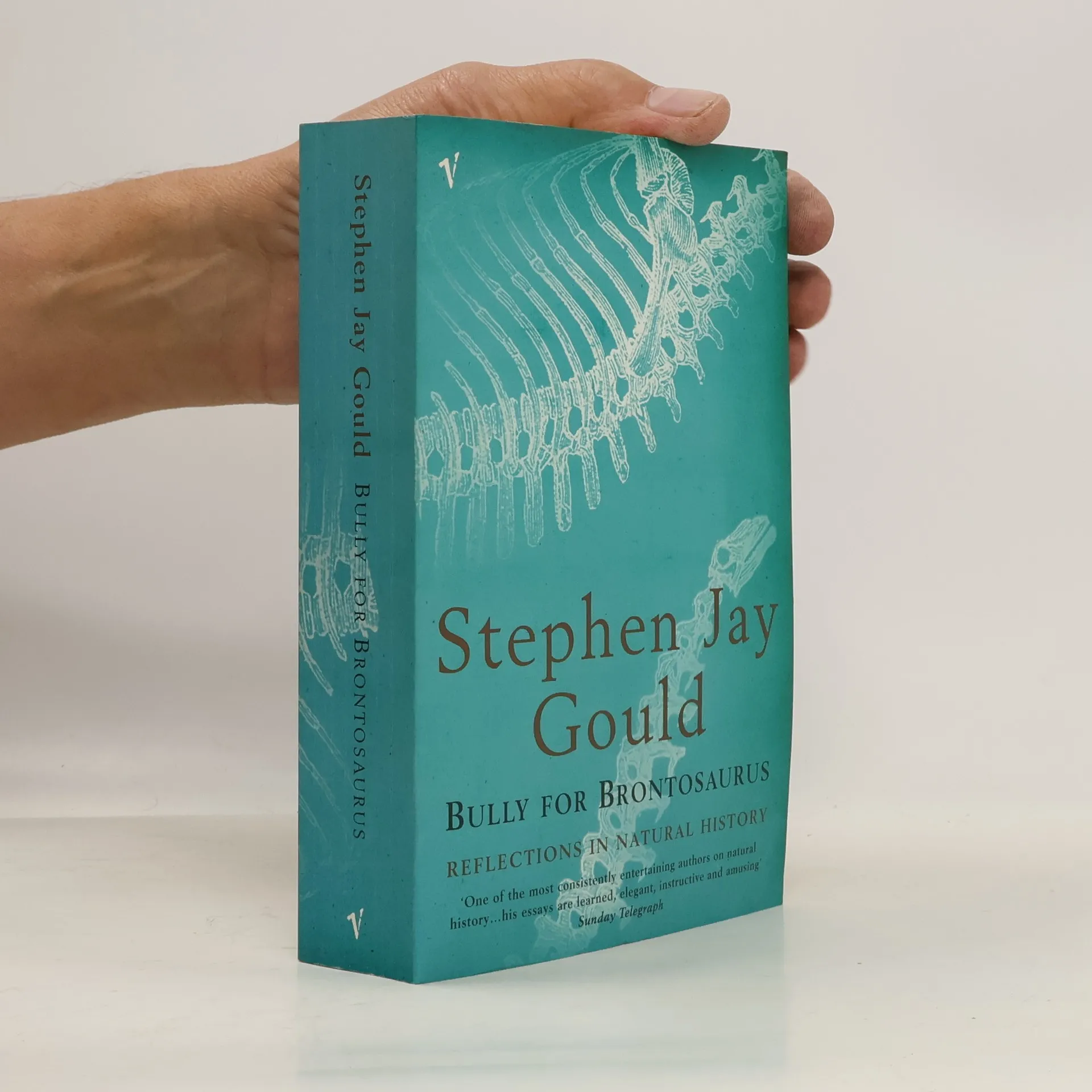
In his latest collection of essays, bestselling scientist Stephen Jay Gould once again offers his unmistakable perspective on natural history and the people who have tried to make sense of it. Gould is planning to bring down the curtain on his nearly thirty-year stint as a monthly essayist for "Natural History" magazine, the longest-running series of scientific essays in history. This, then, is the next-to-last essay collection from one of the most acclaimed and widely read scientists of our time. In this work of twenty-three essays, selected by "Booklist" as one of the top ten science and technology books of 2000, Gould covers topics as diverse as episodes in the birth of paleontology to lessons from Britain's four greatest Victorian naturalists. The Lying Stones of Marrakech presents the richness and fascination of the various lives that have fueled the enterprise of science and opened our eyes to a world of unexpected wonders.
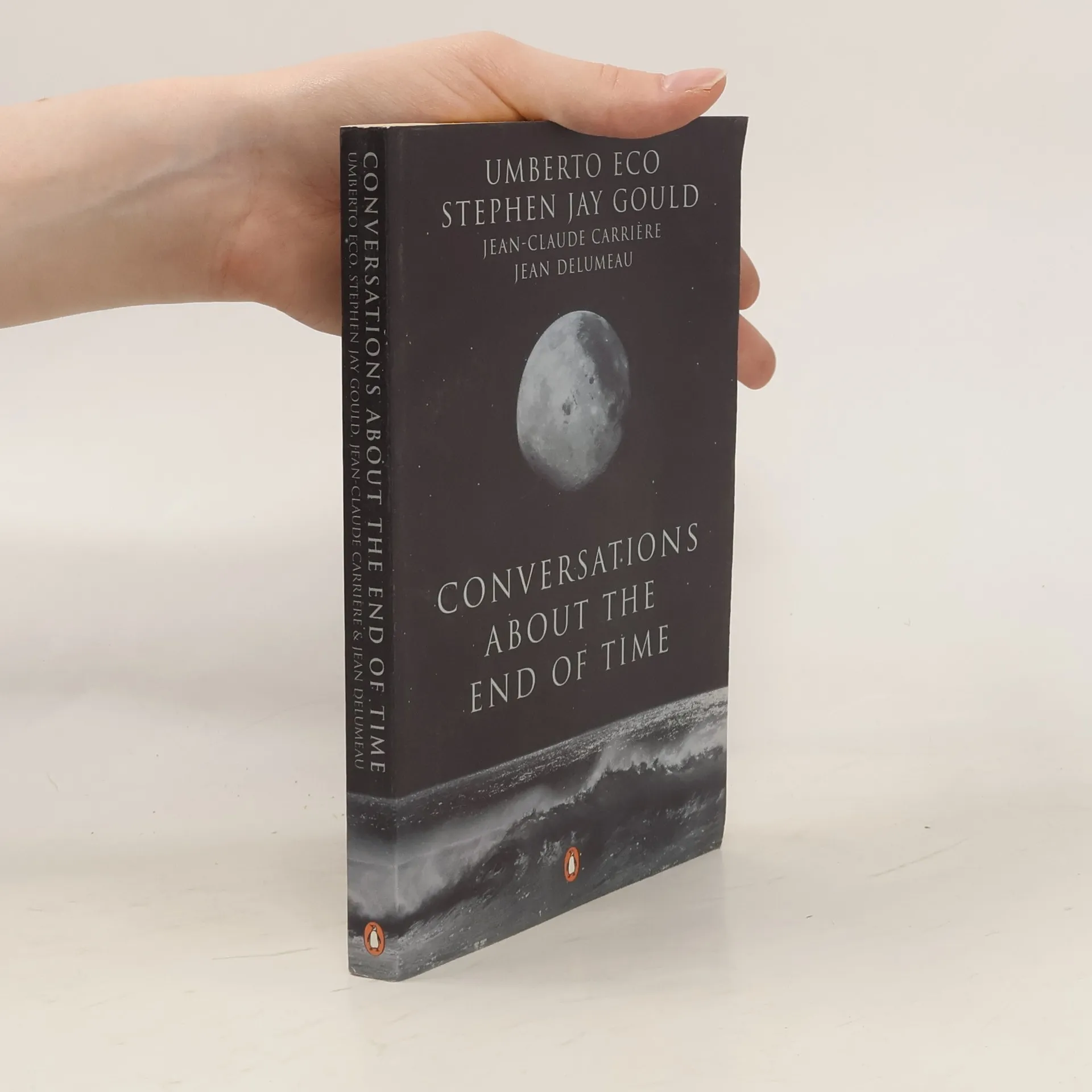
Conversations about the End of Time
- 228 Seiten
- 8 Lesestunden
Where does our fascination with the Apocalypse come from? Is time cyclical or linear? Can society survive without ideology? Can children be philosophers? The contributors examine these questions and other of our preoccupations, cast back to the fears and hopes of previous generations and examine the challenges to come.
Der Jahrtausend-Zahlenzauber
- 224 Seiten
- 8 Lesestunden
Was genau ist ein 'Millennium'? Und wie wurde aus diesem Begriff für die verheißene tausendjährige Regentschaft Christi auf Erden die säkulare, kalendarische Einheit des Jahrtausends? Wann beginnt das nächste Jahrtausend eigentlich? Am 1. Januar 2000 oder erst ein Jahr später? Warum überhaupt messen wir kalendarischen Fragen so große Bedeutung bei? Warum legen wir uns in der Silvesternacht 1999 nicht einfach schlafen, um am nächsten Morgen ausgeruht aufzuwachen? Von diesen Fragen ausgehend, widmet sich Stephen Jay Gould in seinem neuen Buch der menschlichen Obsession, alles in numerische Ordnungen zu bringen. Er erkundet, welchen Schemata solche Systeme folgen (vor allem Dichotomien, Dreier-, Fünfer- und Siebenerordnungen), welche Annahmen und/oder Irrtümer ihnen zugrunde liegen, und er zeigt, mit welchen Unregelmäßigkeiten wir trotz unseres Ordnungswahns leben, leben müssen: Monaten mit 28, 30 und 31 Tagen, Jahren mit mal 365, mal 366 Tagen, verschiedenen kalendarischen Reformen und dergleichen mehr. Stephen Jay Gould ist ein 'bezauberndes Buch' (so die New York Times) gelungen, in dem er auf sympathische, leichte und spielerische Weise mit vielen menschlichen Mythen und Illusionen aufräumt, die nur vermeintlich rational sind, weil sie auf angeblich unerschütterlichen numerischen Gesetzen beruhen.
Land and Environmental Art
- 304 Seiten
- 11 Lesestunden
The definitive survey of Land Art and contemporary environmental art, now available in paperback
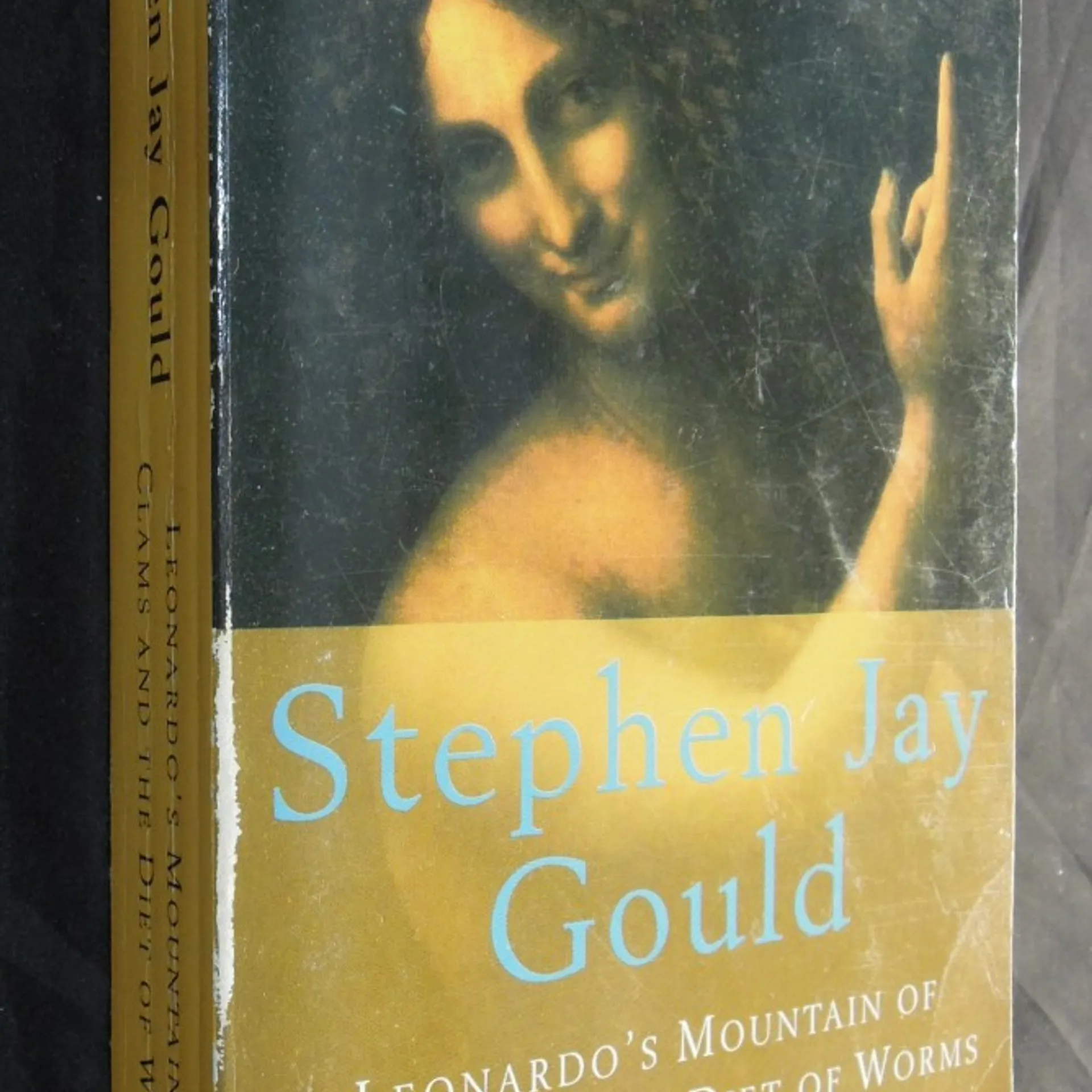
Leonardo's Mountain of Clams and the Diet of Worms
- 432 Seiten
- 16 Lesestunden
Stephen Jay Gould's writing remains the modern standard by which popular science writing is judged. Ever since the last 1970s, his monthly essay in Natural History and his full-length books have bridged the yawning gap between science and the wider culture. This fascinating new collection of essays contains some of Gould's bestw riting on a variety of subjects ranging from Leonardo da Vinci and Martin Luther to fossils and the history of science. As always, these essays brillantly display his gift for colloquial and vivid explanation, and include fascinating oddities from the natural world and the printed word.
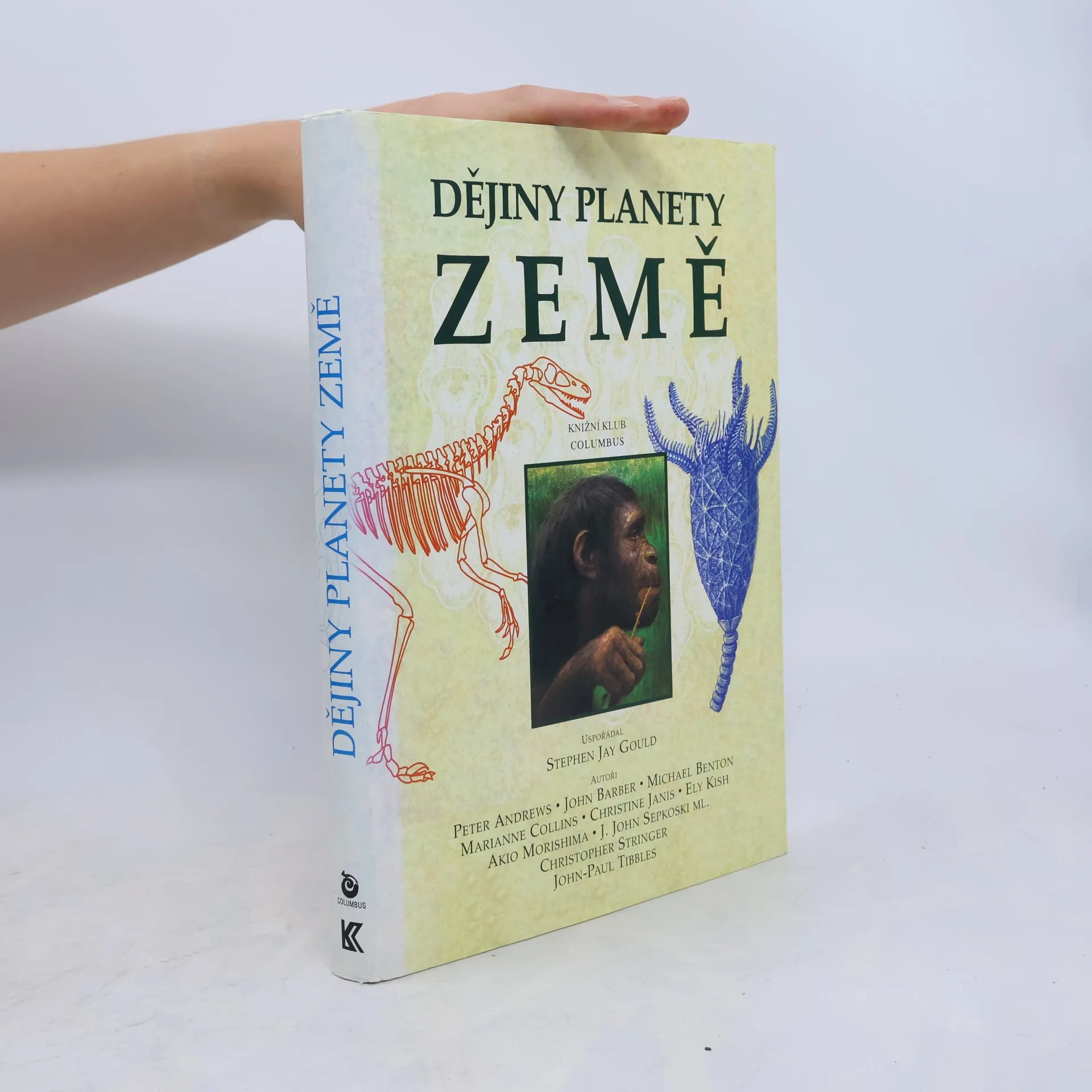
Dějiny planety Země
- 256 Seiten
- 9 Lesestunden
Bohatě ilustrovaná publikace o vývoji života na naší planetě od jednobuněčných organismů po primáty. Dozvídáme se o změnách na povrchu naší planety, v její atmosféře, o podnebí, o pohybu pevninských ker a změnách flory i fauny. Autoři předkládají čtenáři nejen poslední výzkumy, ale také různé názory a rozepře vědců. Text je doplněn ilustracemi, tabulkami a grafy. V předmluvě se sestavovatel knihy zamýšlí nad způsobem znázorňování pravěké přírody....
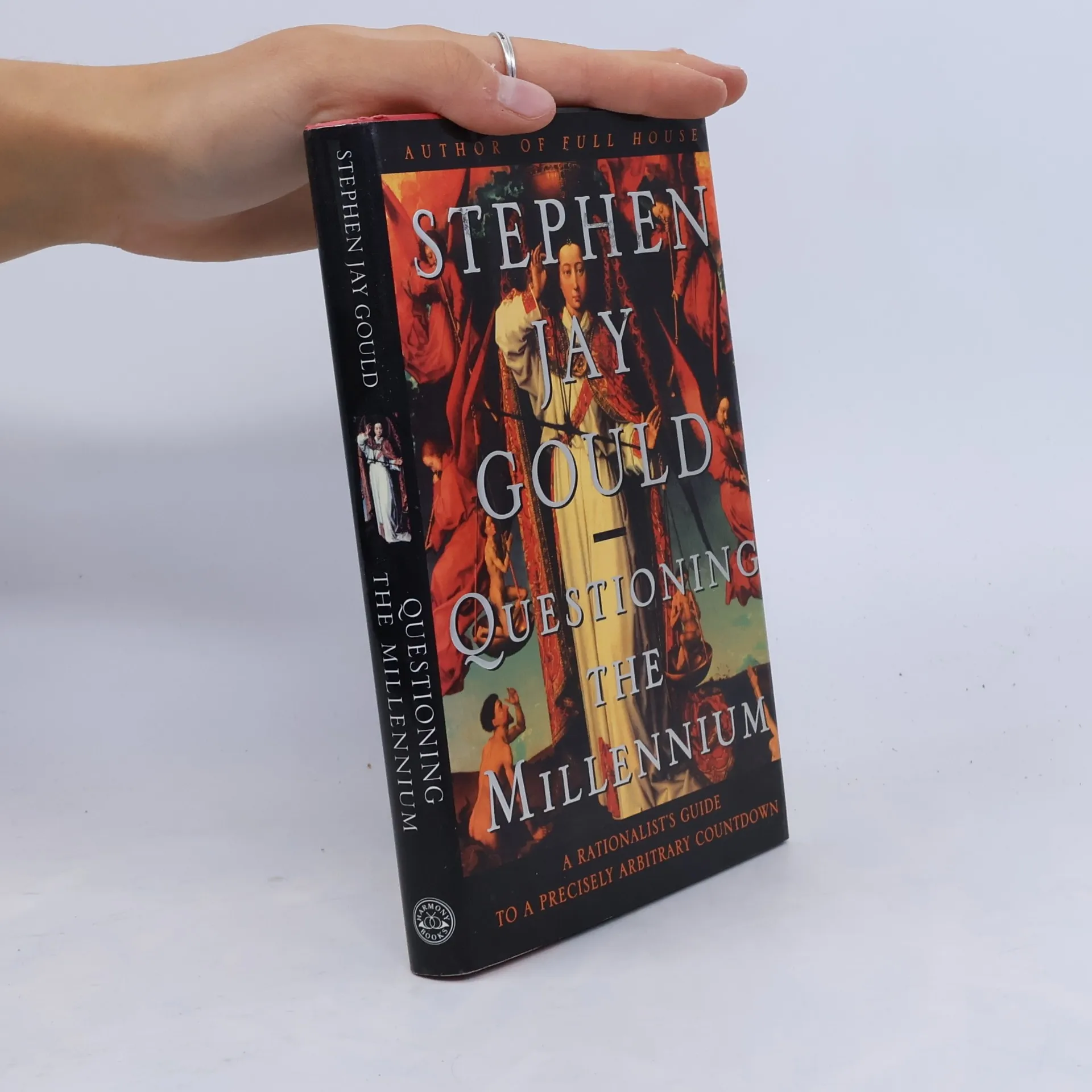
Questioning the Millennium
A Rationalist's Guide to a Precisely Arbitrary Countdown
- 190 Seiten
- 7 Lesestunden
In this engaging exploration, Stephen Jay Gould delves into the significance of the millennium, a topic he began contemplating at age eight after reading a Life magazine issue. He presents a thoughtful inquiry into the concept of a millennium, examining how its meaning has evolved over time. Gould poses three central questions: What is a millennium, and how did its association with a future reign of Jesus Christ transition to a secular interpretation of a thousand years? When does the new millennium truly begin—January 1, 2000, or January 1, 2001? This debate, while seemingly minor, reveals much about twentieth-century cultural history. Lastly, he investigates why our calendars are so intricate, leading to our fascination with millennia. Gould enriches his narrative with a wealth of historical and scientific insights, including a brief history of millennial movements, diverse calendrical traditions, and the legacy of a sixth-century monk whose chronological miscalculations still affect us. He also highlights the remarkable story of a young autistic man with an extraordinary talent for date calculation. By traversing various phenomena—from the complexities of human calendars to the unpredictability of nature—Gould reflects on our millennial obsessions, exposing our quirks and humanity.
Die dritte Auflage dieses Werkes behandelt alle Gruppen lebender Organismen und enthält neue prägnante Einführungsabschnitte zu den allgemeinen Merkmalen jeder der fünf Gruppen: Bakterien; Protoctista; Tiere; Pilze; und Pflanzen - einschließlich Hintergrundinformationen und Definitionen. Fotografien, einige von Karlene Schwartz, Zeichnungen und kurze Essays beschreiben repräsentative Mitglieder jedes Stammes. Es sollte für Studierende der Biologie, Botanik, Zoologie und anderer Lebenswissenschaften sowie für Fachleute von Interesse sein.
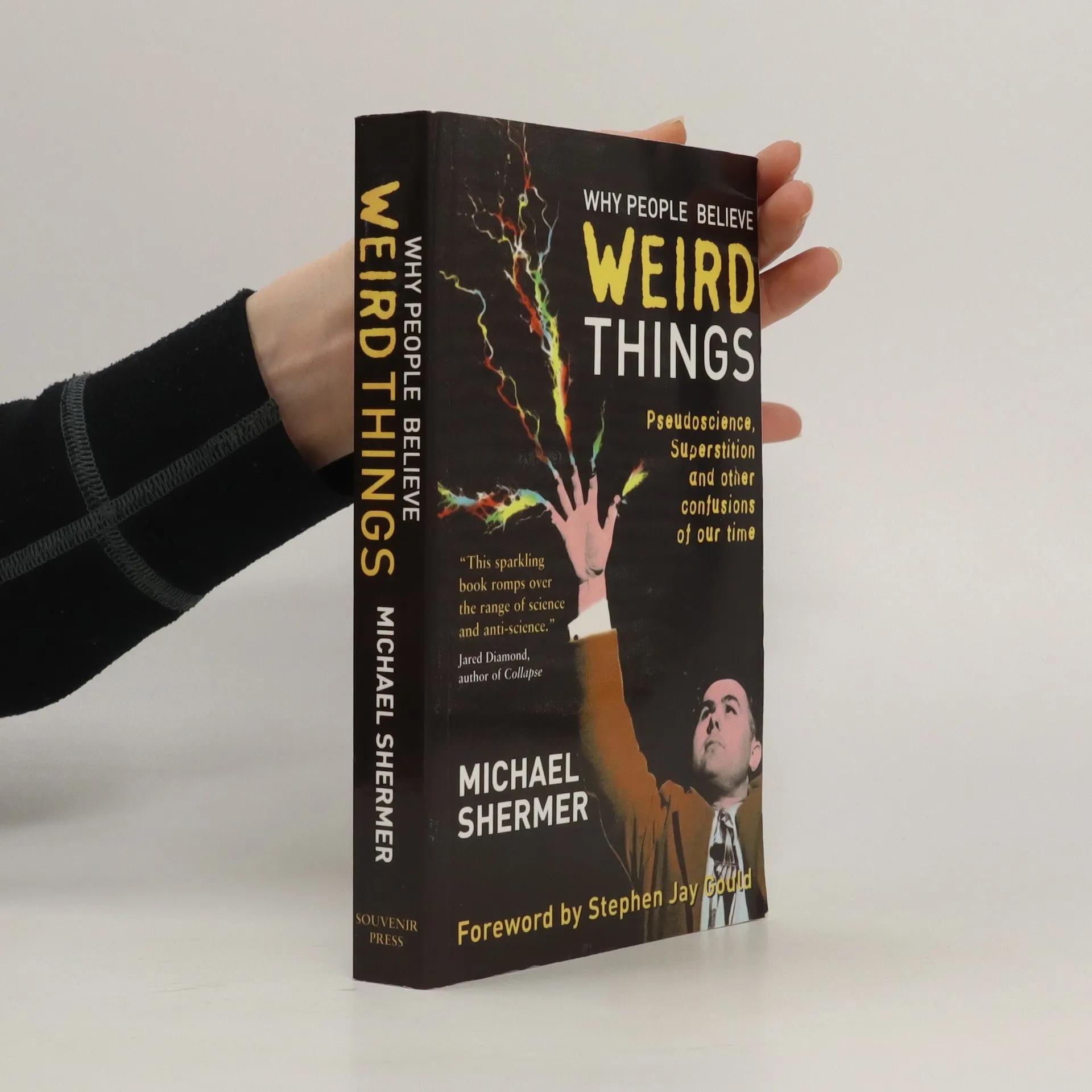
UFO abductions...television sychics...creationism...Holocaust denial. Faced with the rapid changes and anxiety of modern life, many people are turning to the alluring comforts of pseudoscience and the occult. In Why People Believe Weird Things, science historian Michael Shermer, the publisher of Skeptic magazine and director of the Skeptics Society, explores the very human reasons we find supernatural phenomena, conspiracy theories, and cults so appealing. Shermer also reveals the darker and more fearful side of wishful thinking, including Holocaust denial, creationism, the recovered memory movement, alien abduction experiences, the satanic ritual abuse scare and other modern witch crazes, extreme Afrocentrism, and ideologies of racial superiority. A compelling and often disturbing portrait of our immense capacity for self-delusion, Why People Believe Weird Things celebrates the scientific spirit and the joy to be found in rationally exploring the world's greatest mysteries even if many of the questions remain unanswered. Foreword by Stephen Jay Gould. 20 illustrations. --This text refers to an out of print or unavailable edition of this title.
Wilde Schimpansen
- 253 Seiten
- 9 Lesestunden
Jane Goodall hat unsere Vorstellungen von der Verbindung zwischen Mensch und Schimpansen revolutioniert. Ohne jede akademische Ausbildung reiste die heute weltberühmte Verhaltensforscherin in den 1960er Jahren nach Tansania, um dort aus nächster Nähe Schimpansen zu beobachten. Erst seit Goodall wissen wir, dass Schimpansen Werkzeuge benutzen und herstellen, gemeinsam auf Jagd gehen und komplexe soziale Beziehungen eingehen - genau wie wir Menschen.
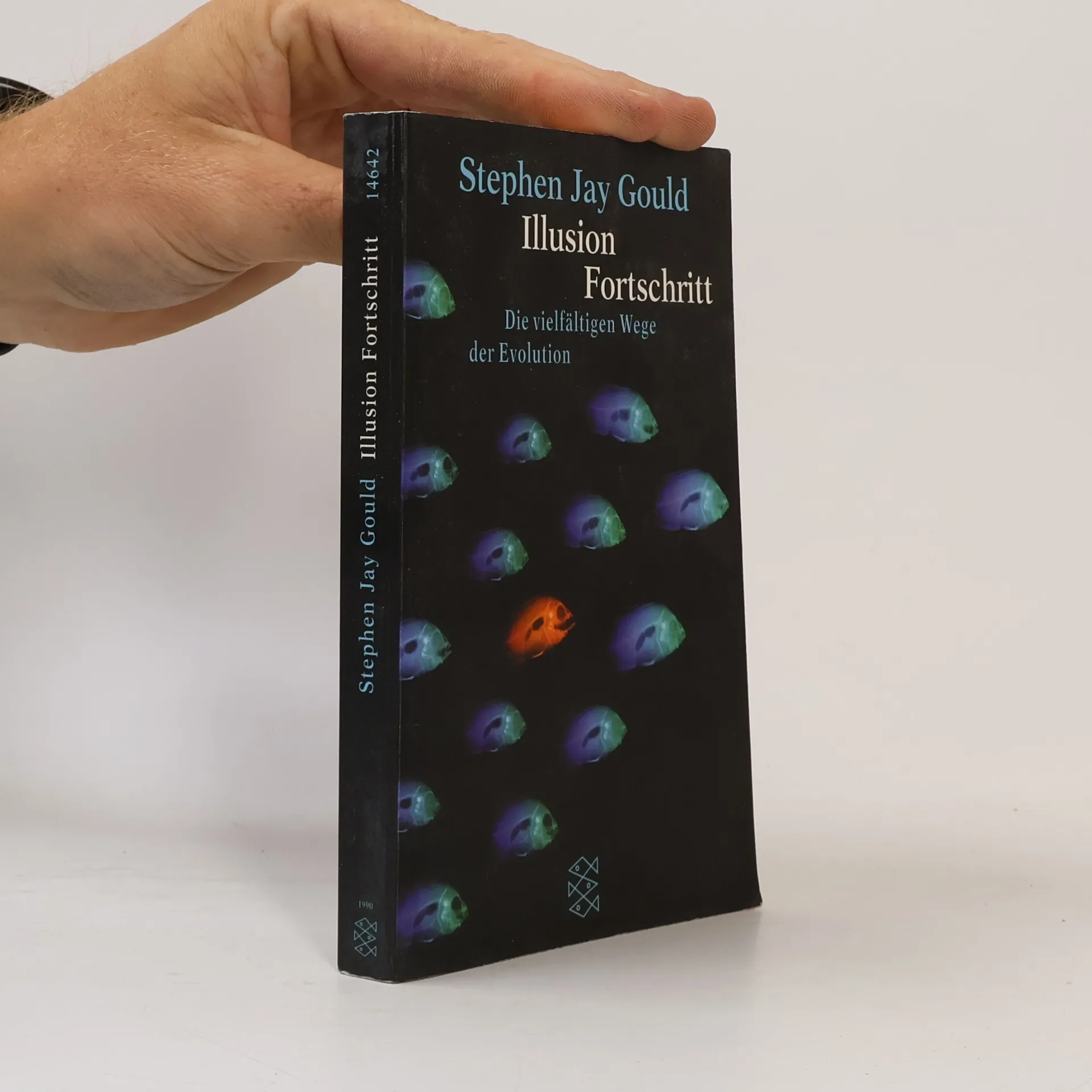
Was wäre, wenn Evolution nicht dasselbe wie Fortschritt bedeutete? In 'Illusion Fortschritt', seinem persönlichen Lieblingsbuch, geht Stephen Jay Gould dieser Frage nach und gelangt zu bahnbrechenden Einsichten. Aus Sicht des Menschen war Evolution lange Zeit gleichzusetzen mit der Zunahme von Komplexität. Der Mensch als das komplexeste aller Lebewesen galt folglich als ihre Vollendung. Doch hier, so Gould, täuschen wir uns. Zwar haben sich einige wenige Lebewesen, insbesondere die Säugetiere, zu größerer Komplexität hin entwickelt, aber die große Mehrheit der Organismen, z. B. die Bakterien, zeigen keine solche kontinuierliche Tendenz, obwohl sie von ihrer Anzahl, Vielfalt und Entwicklungsgeschichte her die erfolgreichsten Organismen der Erde sind. Gould zufolge gilt demnach ein Prinzip der Variation, das außer der Entwicklung zu immer komplexeren auch die zu einfacheren Strukturen vorsieht. Anhand zahlreicher Beispiele aus dem Alltagsleben, aus dem Sport und auch aus seiner eigenen Lebensgeschichte entwickelt Gould in ebenso überzeugender wie unterhaltsamer Weise seine Argumentation. 'Illusion Fortschritt' ist eines der wichtigsten Bücher zum Thema Evolution von einem der bedeutendsten Forscher auf diesem Gebiet.
Ein Dinosaurier im Heuhaufen
- 604 Seiten
- 22 Lesestunden
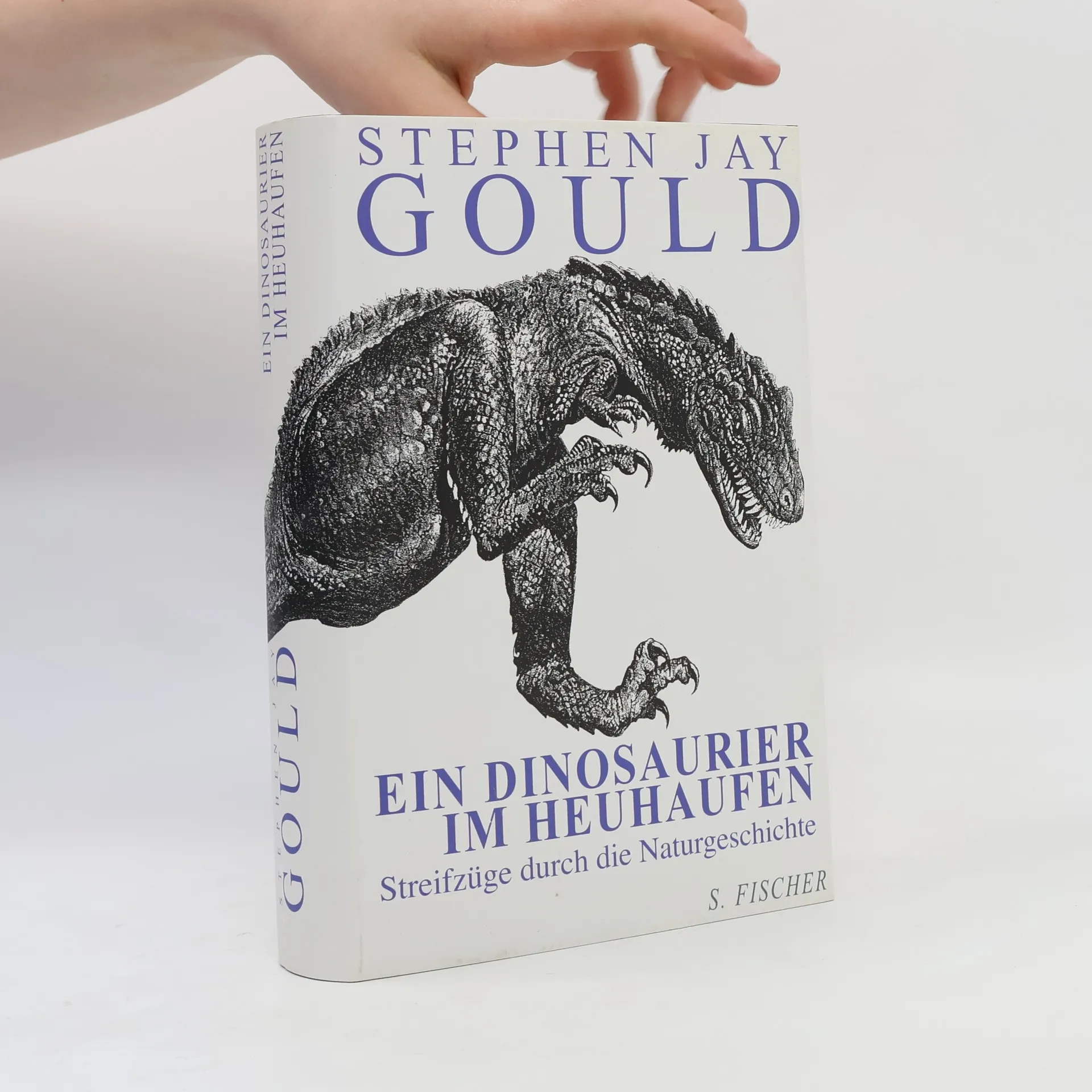
Wie kann eine 1842 ausgestellte Quittung über den Kauf von Bier und Wurst die Herkunft einer ausgestorbenen Antilopenart belegen? Anhand solcher überraschender Fragen, deren Antworten sich spannend wie Detektivgeschichten lesen, erläutert Gould, der große naturwissenschaftliche Essayist, seine Theorien, ohne seine großen Themen - Zeit, Geschichte, Evolution - aus den Augen zu verlieren. „einfallsreich, witzig und wortgewaltig“ Michael Hampe, Neue Zürcher Zeitung
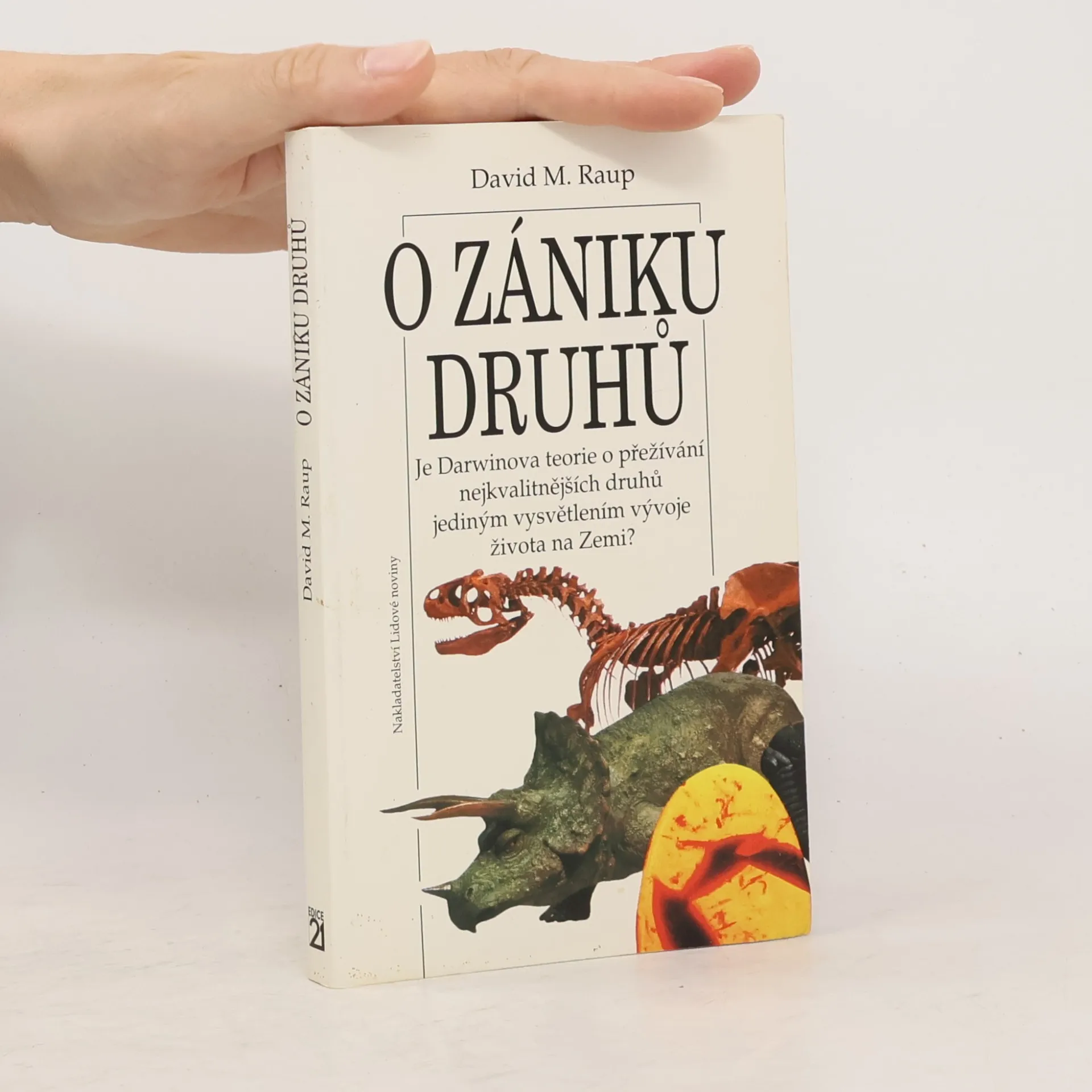
Je Darwinova teorie o přežívání nejkvalitnějších druhů jediným vysvětlením vývoje života na Zemi?
Penguin 60s: Adam's Navel and Other Essays
- 58 Seiten
- 3 Lesestunden
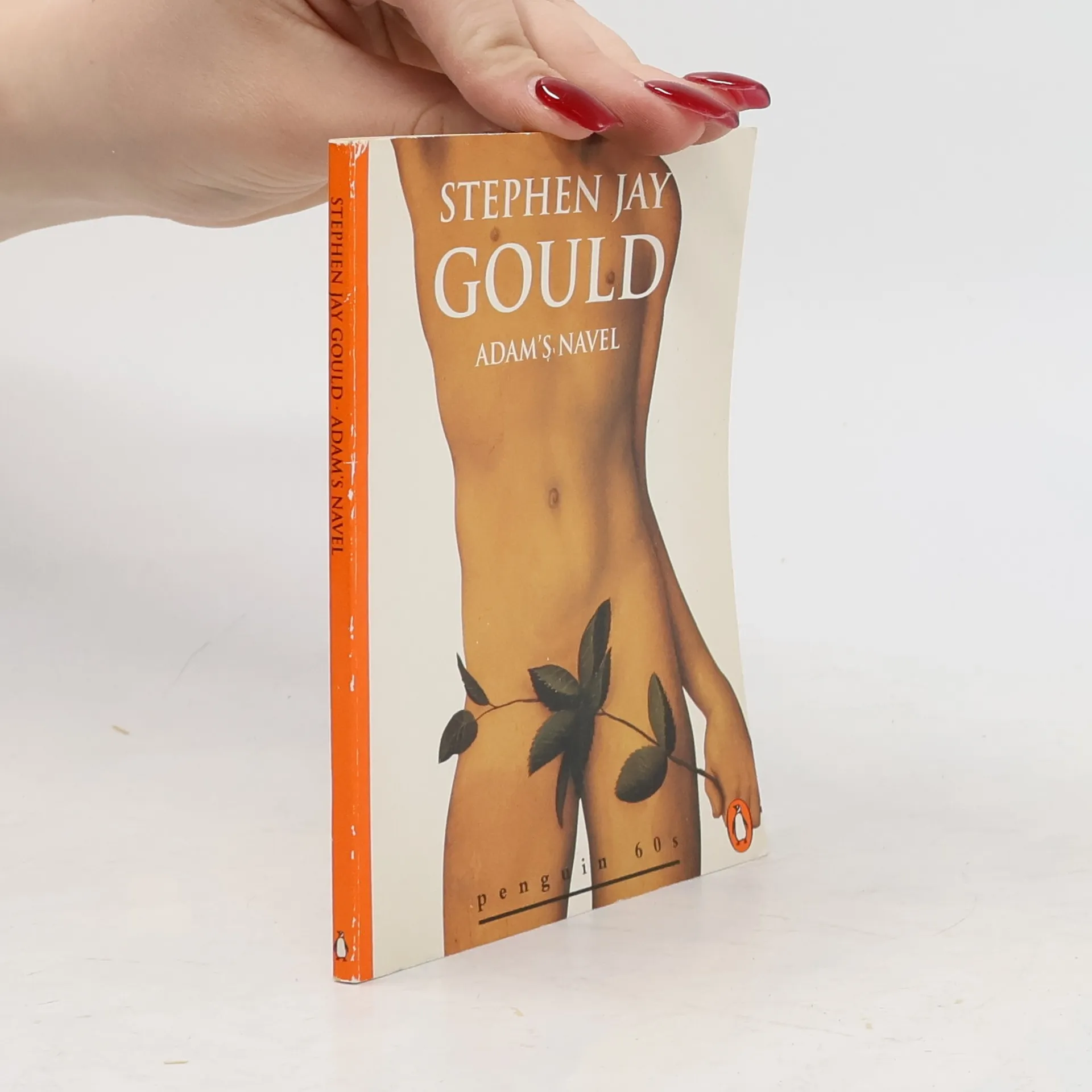
Four eloquent and thought-provoking essays on natural history. Stephen Jay Gould is one of the foremost science writers of today. A professor at Harvard, he is also a frequent and popular speaker on the sciences and has received worldwide acclaim for his work on biology, evolution and man's place in nature.Essays:- Adam's Navel- The Median Isn't the Message- Unenchanted Evening- Male Nipples and Clitoral Ripples
Een schitterend ongeluk
Wim Kayzer ontmoet Oliver Sacks, Stephan Jay Gould, Stephen Toulmin, Daniel C. Dennett, Rupert Sheldrake en Freeman Dyson / druk 13
- 471 Seiten
- 17 Lesestunden
Wim Kayzer ontmoet Oliver Sacks, Stephen Jay Gould, Stephen Toulmin, Daniel C. Dennet, Rupert Sheldrake en Freeman Dyson.
Verslag van het leven
De evolutie als aangrijpend drama van selectie, overleven en uitsterven
- 256 Seiten
- 9 Lesestunden
Informatie in woord en beeld.
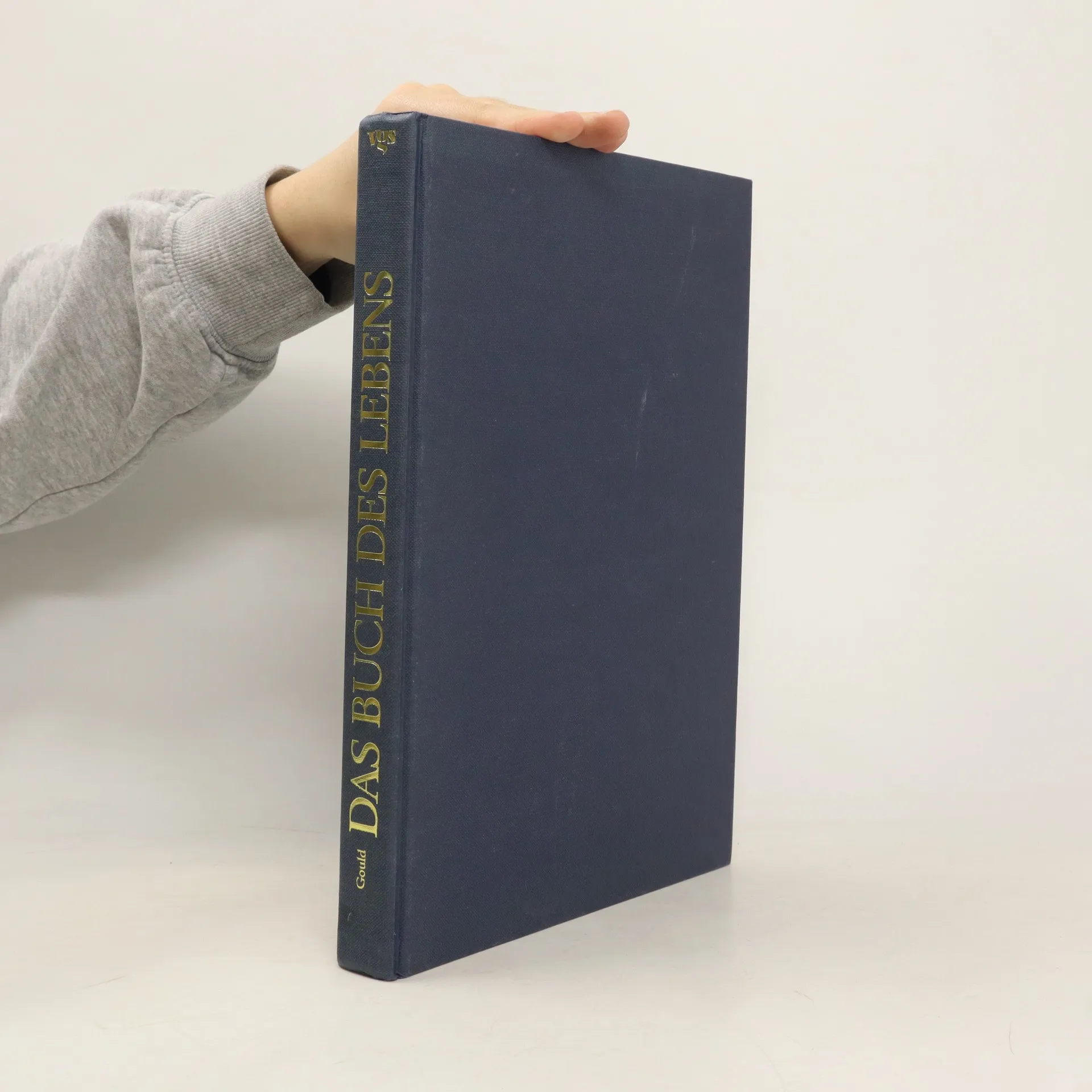
Das Buch des Lebens
- 256 Seiten
- 9 Lesestunden
Reich illustrierte Geschichte des Lebens - von seiner Entstehung vor rund 4 Milliarden Jahren bis zur Entwicklung des Menschen vor 100000 Jahren.
This is a combination of art, science and history. The European natural history collections of the 18th and 19th centuries contain bizarre objects, assembled by even stranger people.
This text is a metaphor for the way individuals and unpredictable events influence history. In response history, suggests the author, is the best model for evolution. The author explores the science of improbable outcomes in this wide ranging book written on the evolutionary theme.
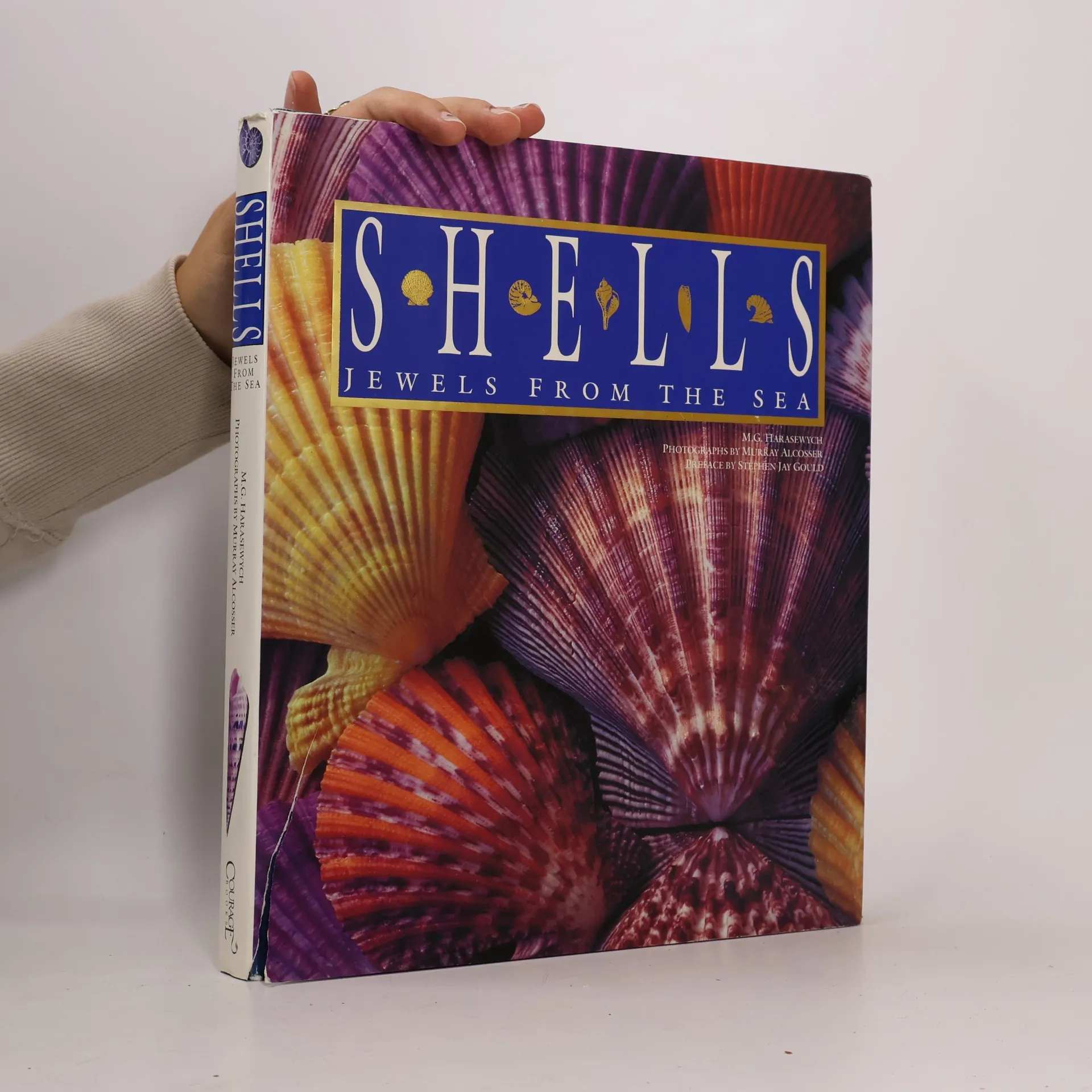
Chosen from the world's finest collection fo seashells and magnificently photographed in full color, here are nerely 600 examples representing a boundless diversity and a fantastic array of forms.Seashells represent a precise union of visual beauty and functional anatomical design. Renowned still-life photographer Murrey Alcosser lovingly captures the diverse shapes, colos, and textures of these evolutionary landmarks, providing a rare vision of perfection and order—"a windown enhancing our knowledge of the natural world."
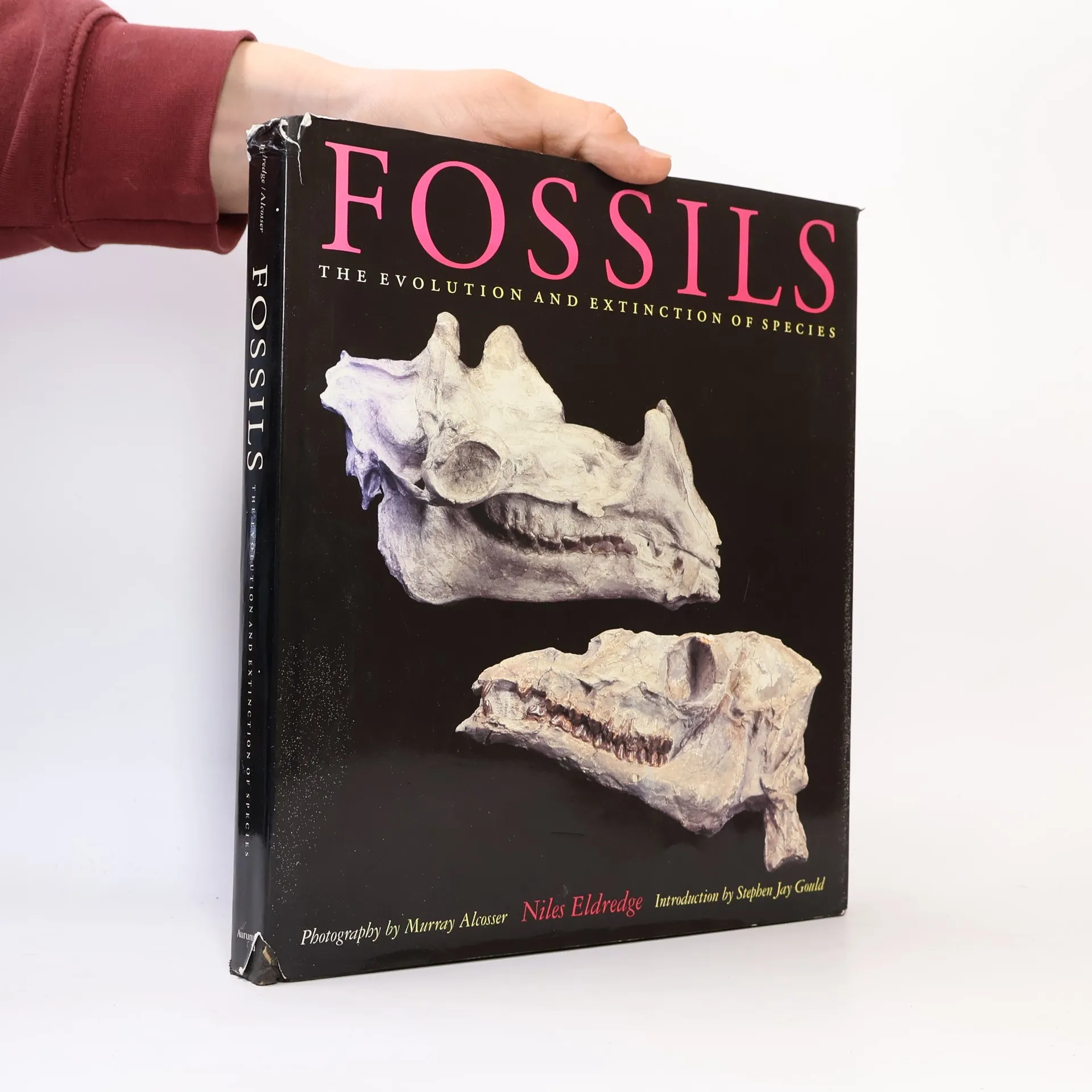
In this captivating exploration of the fossil record, Niles Eldredge challenges the conventional view of evolution as a slow, inevitable process, demonstrating that lifeforms typically do not undergo significant evolution until after major extinction events. This concept, known as punctuated equilibria, is illustrated through fossilized remains of ancient flora and fauna. Accompanying Eldredge's text are 160 stunning color plates by distinguished photographer Murray Alcosser, showcasing over 250 different fossil specimens. The new paperback edition makes this work accessible to a wide audience, including natural history enthusiasts and students. Critics praise the book for its engaging text and exceptional photographs. Ernest Mayr, author of "The Growth of Biological Thought," calls it splendid, while Donald C. Johanson, author of "Lucy: The Beginning of Humankind," commends Eldredge for effectively linking our understanding of living organisms with insights from the fossil record, reinforcing evolution as the unifying concept in biology. New Scientist highlights the book's ability to bridge the gap between informative content and aesthetic pleasure, noting that it serves as more than just a picture book; it is a readable, informative text covering the history of life, geology, biology, and anthropology, including topics like living fossils, stratigraphy, extinction, and evolution.
The 31 essays in this collection share the theme of "quirkiness and meaning" and explore the idea that natural oddities - the snail that changes sex, the jellyfish that feeds upside down - are extraordinary for a vital reason: they have found their evolutionary niche.
Die Entdeckung der Tiefenzeit
- 303 Seiten
- 11 Lesestunden
Der berühmte amerikanische Paläontologe und Biologe Stephen J. Gould beschreibt hier eine der dramatischsten Episoden in der Geschichte der neuzeitlichen Naturforschung: die Entdeckung der schier unbegreiflichen Unermeßlichkeit der Vorgeschichte unserer Erde, der Tiefenzeit. Den großen Revolutionen durch Kopernikus und Darwin vergleichbar, hatte diese geologische Entdeckung im 18. und 19. Jahrhundert das alte Weltbild erschüttert.
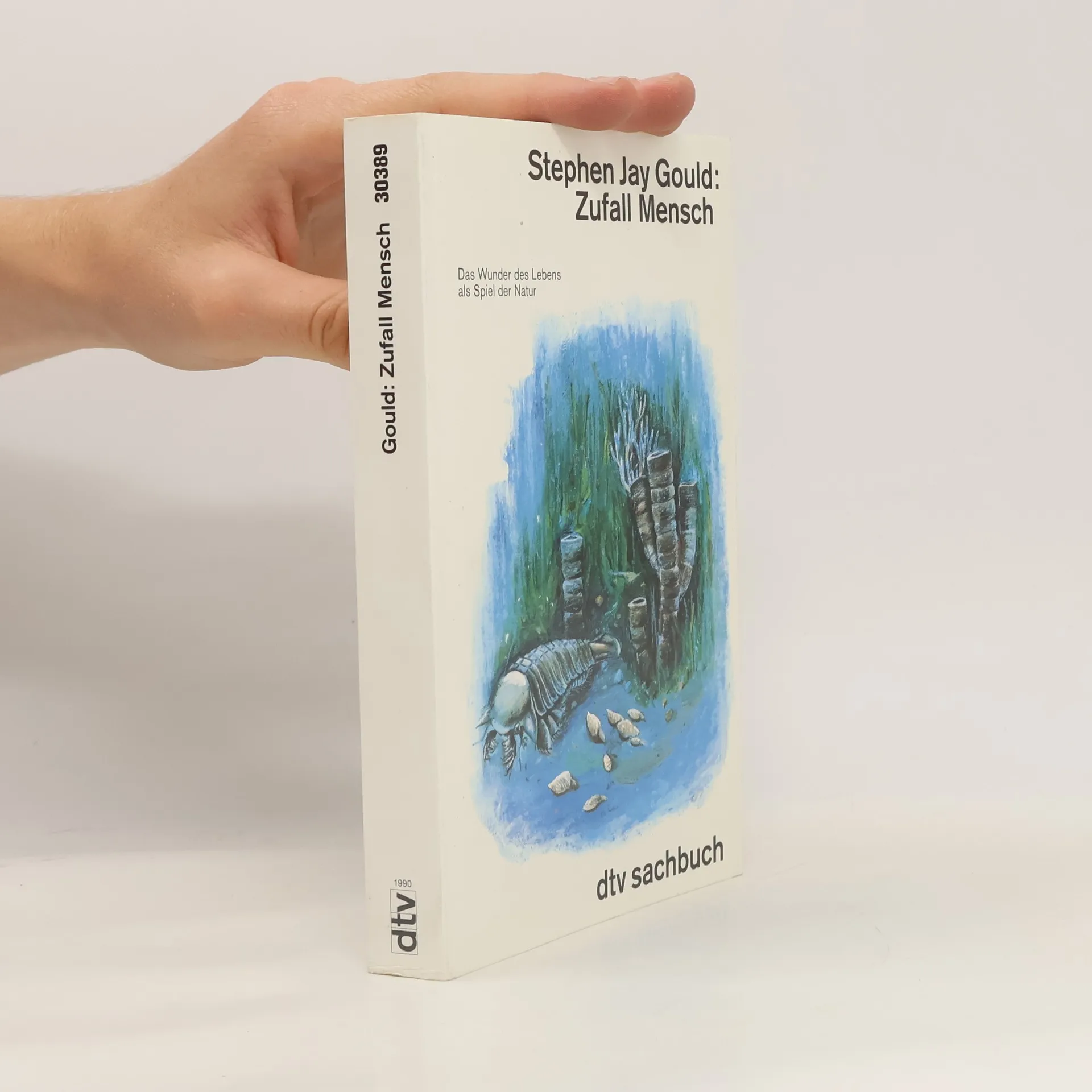
Zufall Mensch
- 390 Seiten
- 14 Lesestunden
Hoch in den kanadischen Rocky Mountains liegt ein kleiner Kalksteinbruch, der vor 530 Millionen Jahren entstand und als Burgess Shale bekannt ist. Er enthält die Überreste eines uralten Meeres, in dem Dutzende seltsamer Kreaturen lebten – eine vergessene Ecke der Evolution, die in beeindruckenden Details erhalten geblieben ist. In diesem Buch untersucht Stephen Jay Gould, was der Burgess Shale uns über die Evolution und die Natur der Geschichte erzählt.
First published in 1988, a collection of review articles on modern science, in which the author provides fresh insight into geology and evolution, criticises the misuse of genetics for political purposes, and explores the uses and abuses of scientific methods.
Kniha esejů světově uznávaného amerického přírodovědce se zabývá dokonalostí a nedokonalostí, Darwinovou teorií, evolucí člověka, rozdíly mezi lidmi očima vědy a politiky, tempem změn, počátky života, velikostí a časem aj.
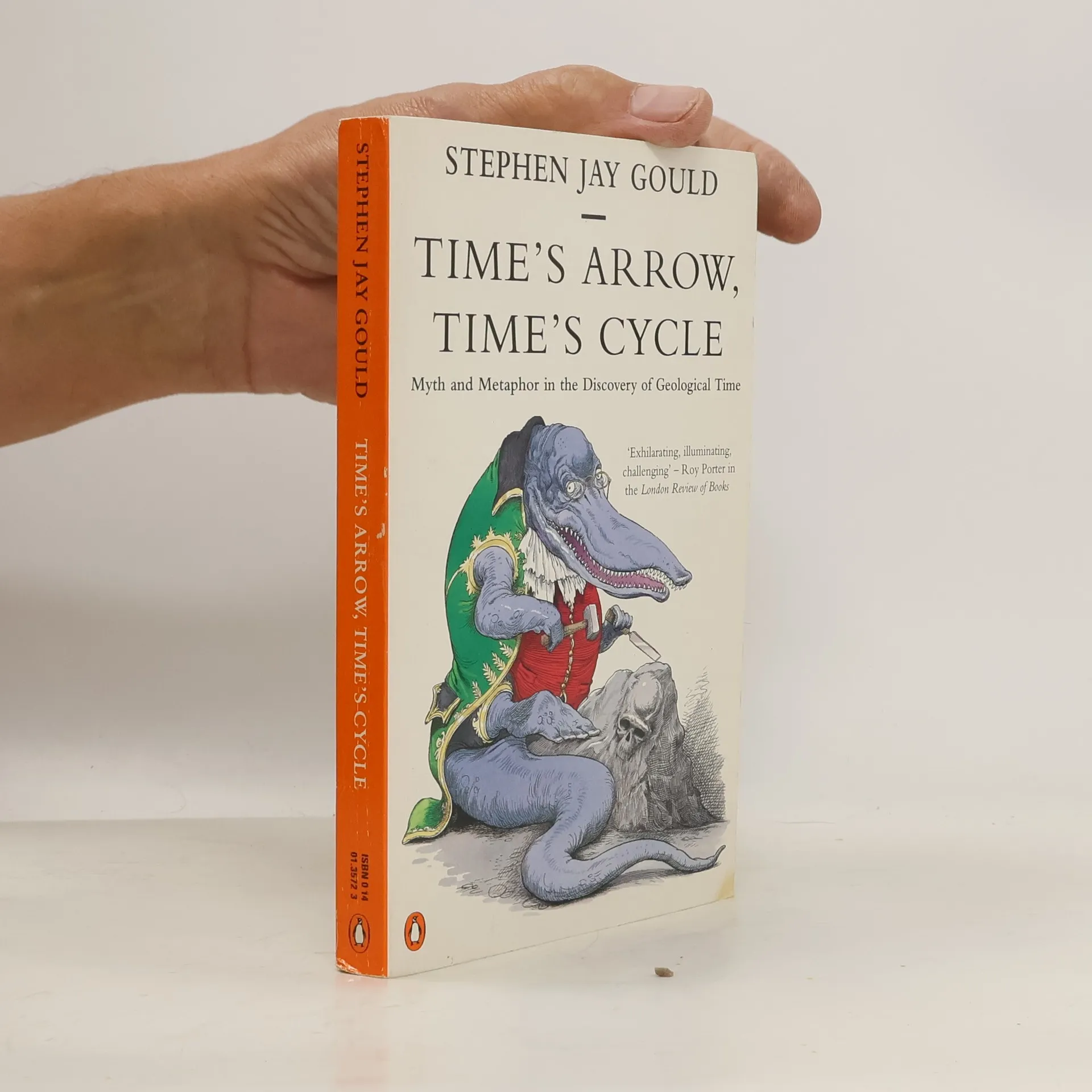
This excursion into the ways we conceptualize the past explores a central dichotomy between time's arrow (an unilinear Newtonian succession of unique events) and time's cycle (the recursive patterns that re-appear in a world that remains fundamentally unchanged).
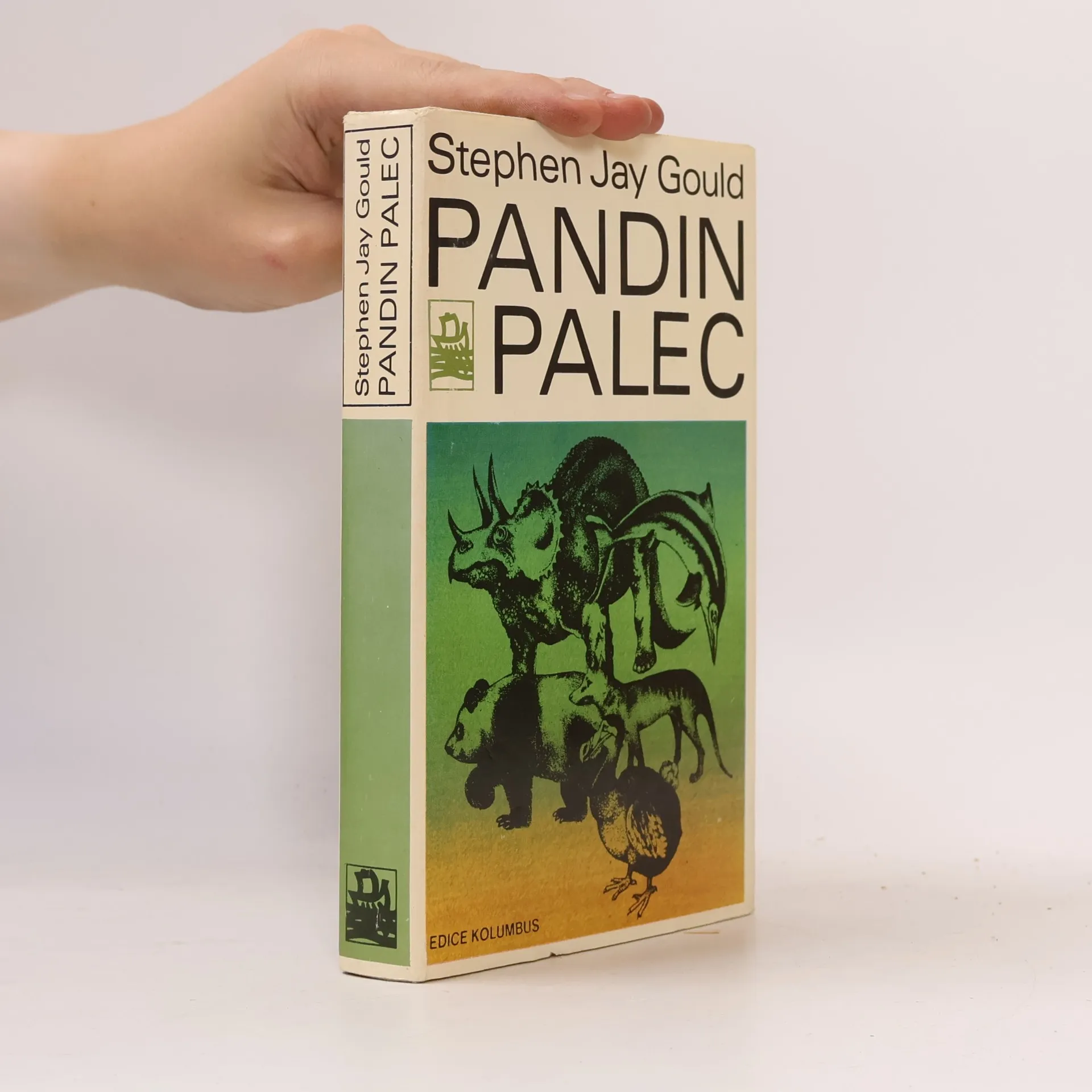
Der Daumen des Panda
- 352 Seiten
- 13 Lesestunden
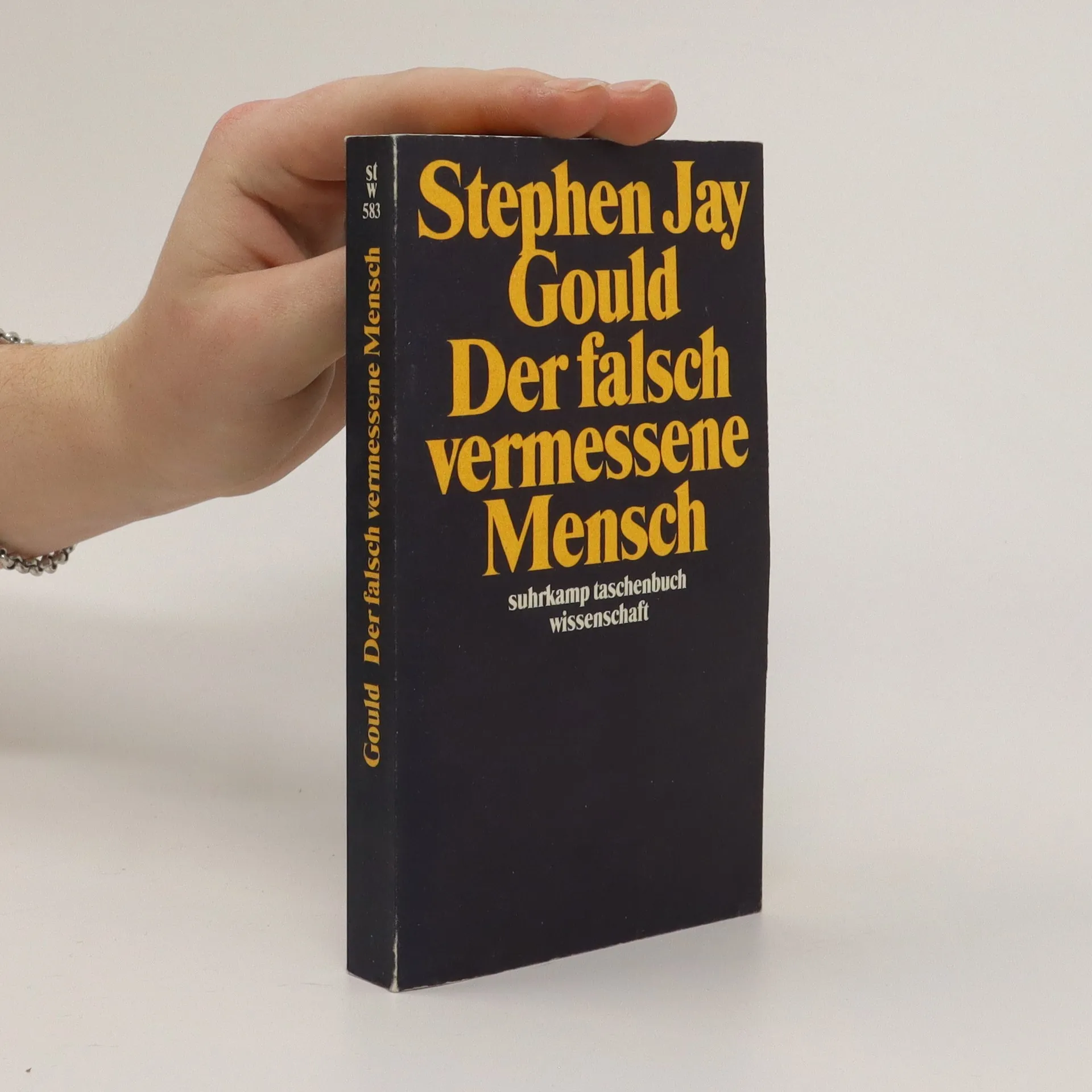
Waren die Dinosaurier wirklich dümmer als Eidechsen? Warum werden eigentlich immer ungefähr gleich viele Männer wie Frauen geboren? Wie kam der berühmte Dr. Down zu seiner »Mongolismus«-Theorie und ihren rassistischen Implikationen? Inwiefern spiegelt die Entwicklung der Mickey Mouse unsere eigene Entwicklung wider? Was erzählen uns der magische »Daumen« des Pandas und die endlose Wanderung der Seeschildkröte über die Unvollkommenheiten, die die Evolution beweisen? Bei aller Vielfalt ihrer Themen stehen die brillanten Essays Stephen Jay Goulds doch in einem präzisen Zusammenhang: in ihrem Bezug zur Evolutionstheorie, die Gould in ihrer avanciertesten Version vertritt.
Stephen Jay Goulds Essays zur Evolution thematisieren den politischen Streit, den die Kreationslehre entfacht hat, sowie die aktuelle Debatte innerhalb der Evolutionstheorie. Er zeigt, wie evolutionäre Fragen in scheinbar unverbundene politische Diskussionen einfließen, was das weitreichende Ausmaß dieser Lebenseinstellung und den untrennbaren Zusammenhang zwischen wissenschaftlichen und sozialen Fragen verdeutlicht. Die Evolutionstheorie bietet eine tiefere Perspektive auf Wissenschaft und Erklärungsprozesse, indem sie die Zufälligkeit der Geschichte und plötzliche Veränderungen betont, im Gegensatz zur Vorstellung einer vorhersehbaren, regelmäßigen Welt, die oft mit „harten“ Wissenschaften assoziiert wird. Goulds Sammlung behandelt dieses Thema umfassend. Seine Fähigkeit, wissenschaftliche Inhalte klar und prägnant zu präsentieren, ist bemerkenswert. Viele Essays beginnen mit einer persönlichen Anekdote und führen den Leser dann mühelos in komplexe biologische Analysen ein. Stephen Jay Gould, geboren 1941 in New York, ist Professor an der Harvard Universität und unterrichtet Geologie, Biologie und Wissenschaftsgeschichte. In der Reihe suhrkamp taschenbuch wissenschaft sind bereits weitere Werke von ihm erschienen.
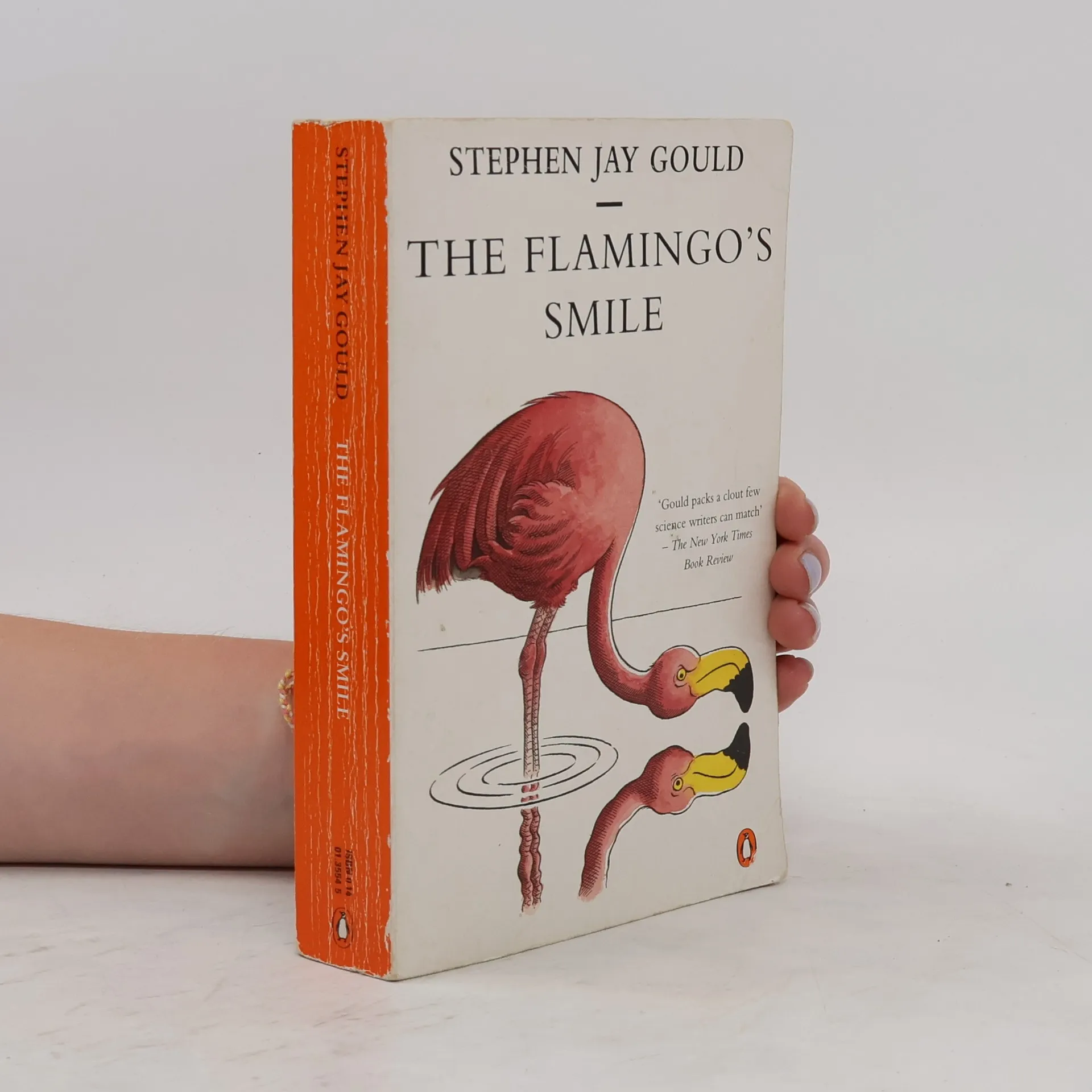
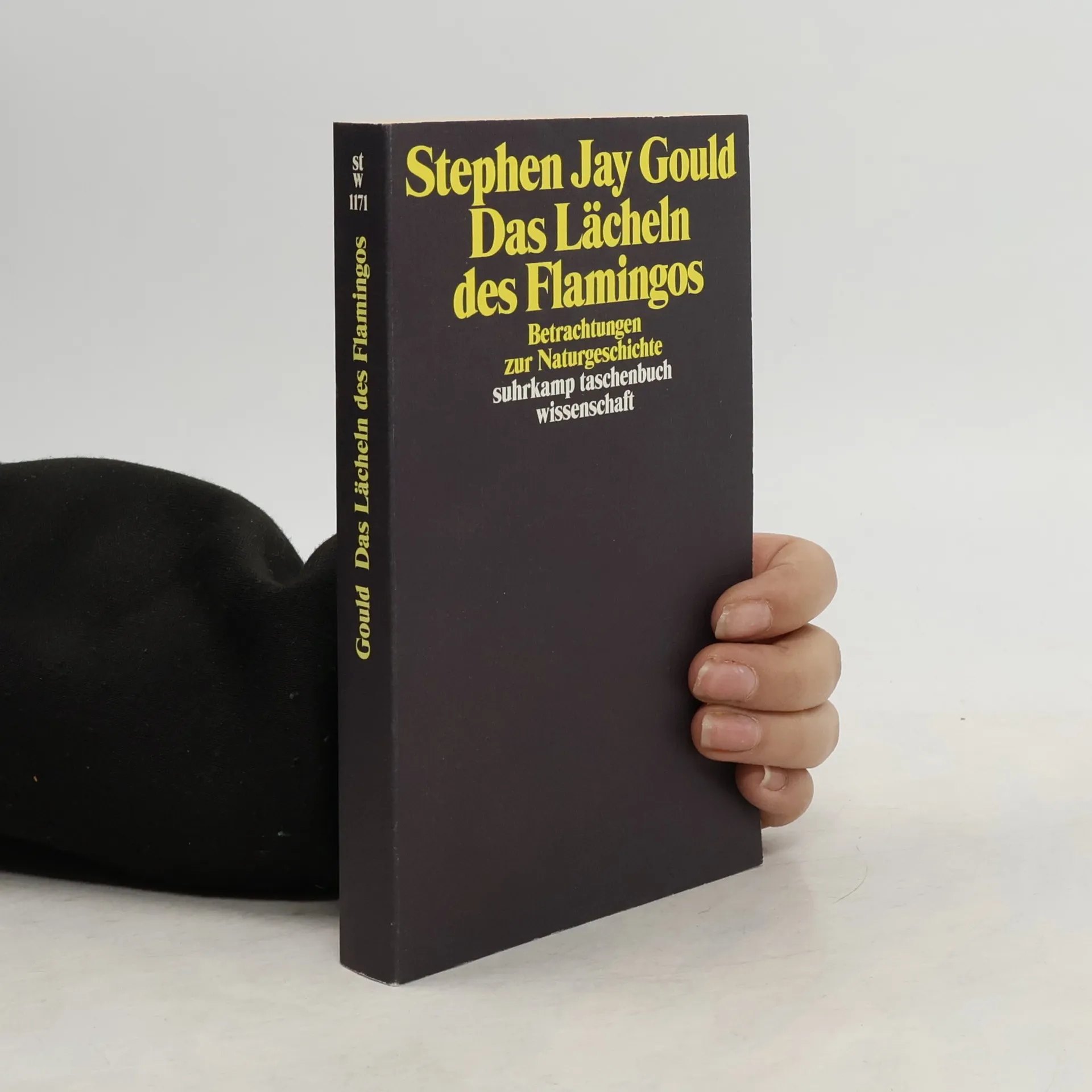
Das Lächeln des Flamingos
- 374 Seiten
- 14 Lesestunden
»Wenn meine Bücher etwas taugen, dann verdanken sie ihre Reputation allein dem ihnen gemeinsamen Thema, nämlich der Evolutionstheorie. Anderen Essayisten gegenüber habe ich einen unschätzbaren Vorteil, denn kein anderes Thema verbindet faszinierende Details und lehrreiche allgemeine Prinzipien so organisch miteinander. Die Evolutionstheorie ist eine der wenigen revolutionären und einleuchtenden Theorien, die die Wissenschaft hervorgebracht hat, um alte Hoffnungen und Vorstellungen über den Haufen zu werfen. Diese Theorie steht uns näher als die Quantentheorie oder Himmelsmechanik. Sie gibt uns eine Antwort auf die faszinierenden Fragen nach unserer Herkunft.«
Messen und Klassifizieren sind konstruktive Elemente von Wissenschaft. Sie gehören zu den Garanten von Objektivität. Doch Wissenschaft ist, wie jede andere menschliche Tätigkeit, Handeln in der Gesellschaft. Die Zahlen und Ergebnisse, die die Wissenschaft hervorbringen, sind auch Ausdruck der zeitgenössischen Kultur. Außerdem spiegeln sie die Vorurteile der Wissenschaftler wider. Die Messung der menschlichen Intelligenz fing mit buchstäblichen Schädelmessungen im 19. Jahrhundert an und ist zur Messung des Intelligenzquotienten »fortgeschritten«. Diese moderne Verdinglichung von Intelligenz führt zu einer subtilen, allumfassenden und falschen Beurteilung nach Rasse, Schicht und Gesellschaft: die Unterschiede zwischen den Menschen seien hauptsächlich auf ihr Erbgut zurückzuführen die biologische Ausstattung sei schicksalsbestimmend. Gould deckt den Kardinalfehler dieser Theorie auf, indem er schildert wie sie entstanden ist, und die Daten, auf denen sie beruht, einer erneuten Analyse unterzieht.
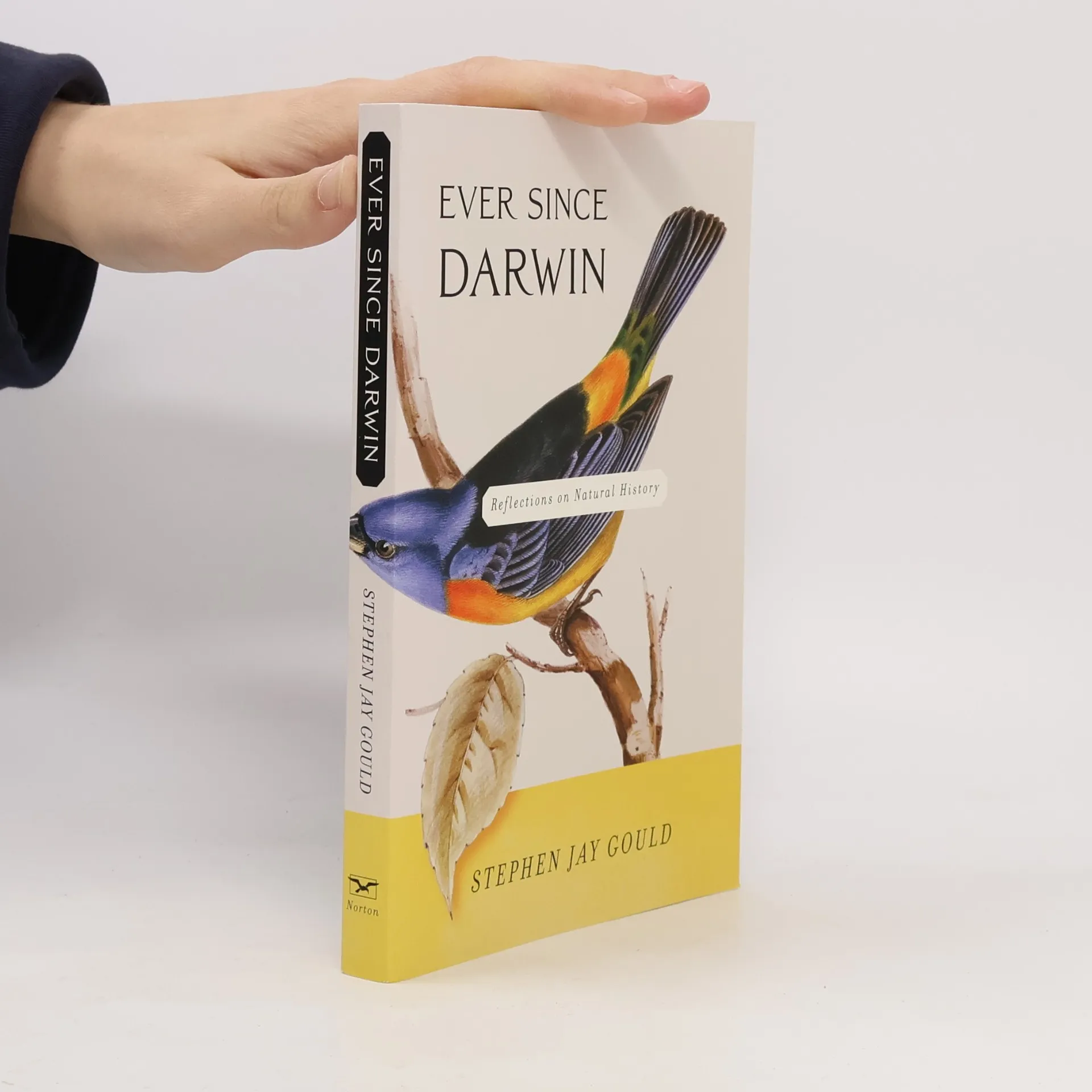
More than any other modern scientists, Stephen Jay Gould has opened up to millions the wonders of evolutionary biology. His genius as an essayist lies in his unmatched ability to use his knowledge of the world, including popular culture, to illuminate the realm of science.Ever Since Darwin, Stephen Jay Gould's first book, has sold more than a quarter of a million copies. Like all succeeding collections by this unique writer, it brings the art of the scientific essay to unparalleled heights.
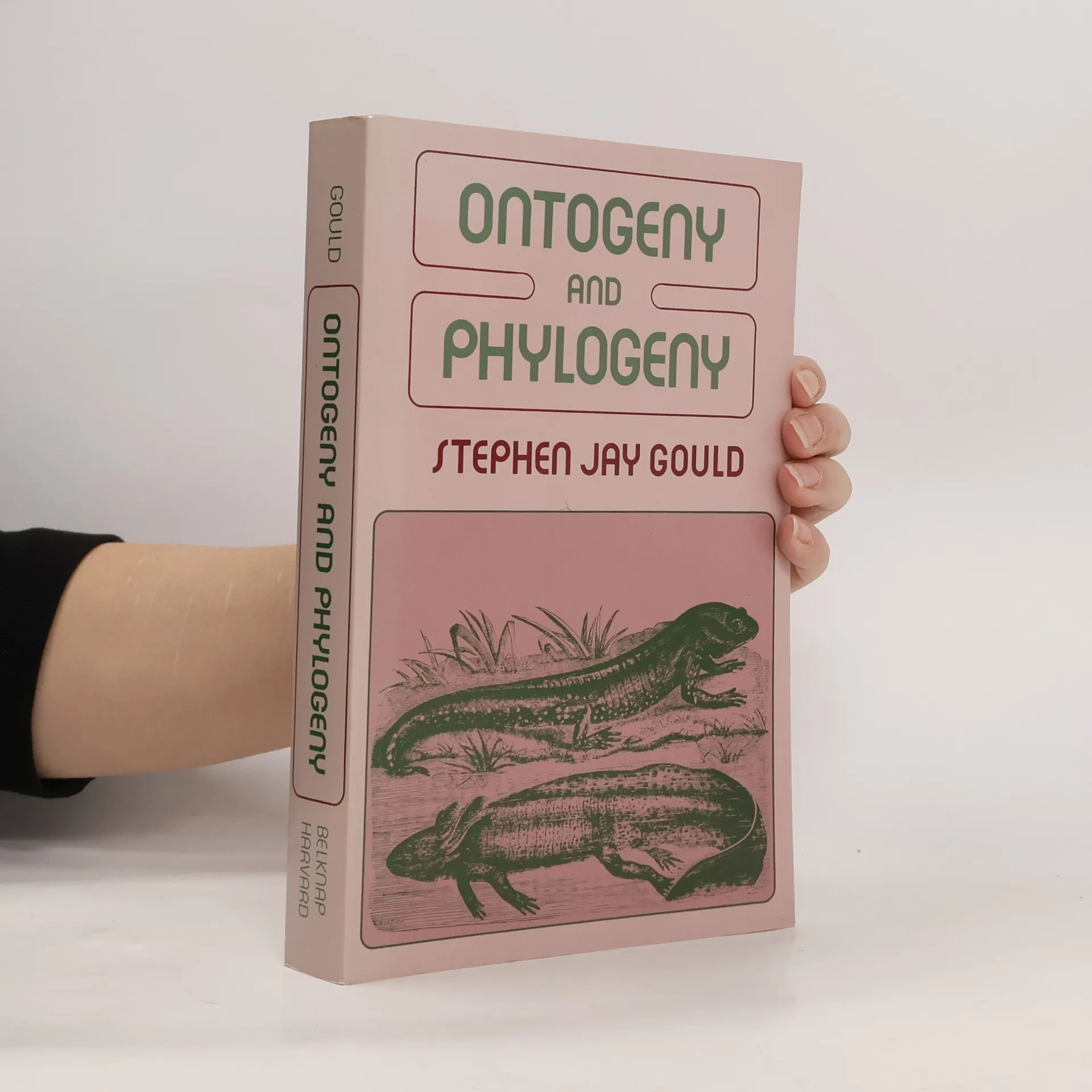
“Ontogeny recapitulates phylogeny” was Haeckel’s answer to 19th-century biology’s most vexing question: what is the relationship between individual development and the evolution of species and lineages? Gould documents the history of the idea of recapitulation from its first appearance among the pre-Socratics to its fall in the early 20th century.