Carl Jung Reihenfolge der Bücher (Chronologisch)
Carl Gustav Jung war ein Schweizer Psychologe und Begründer der analytischen Psychologie. Er prägte Begriffe wie Archetyp, kollektives Unbewusstes und Individuation. Seine Schriften verbinden wissenschaftliche Analyse mit Mythologie und Spiritualität. Jung schreibt tiefgründig und symbolisch und lädt zur Selbstreflexion ein.

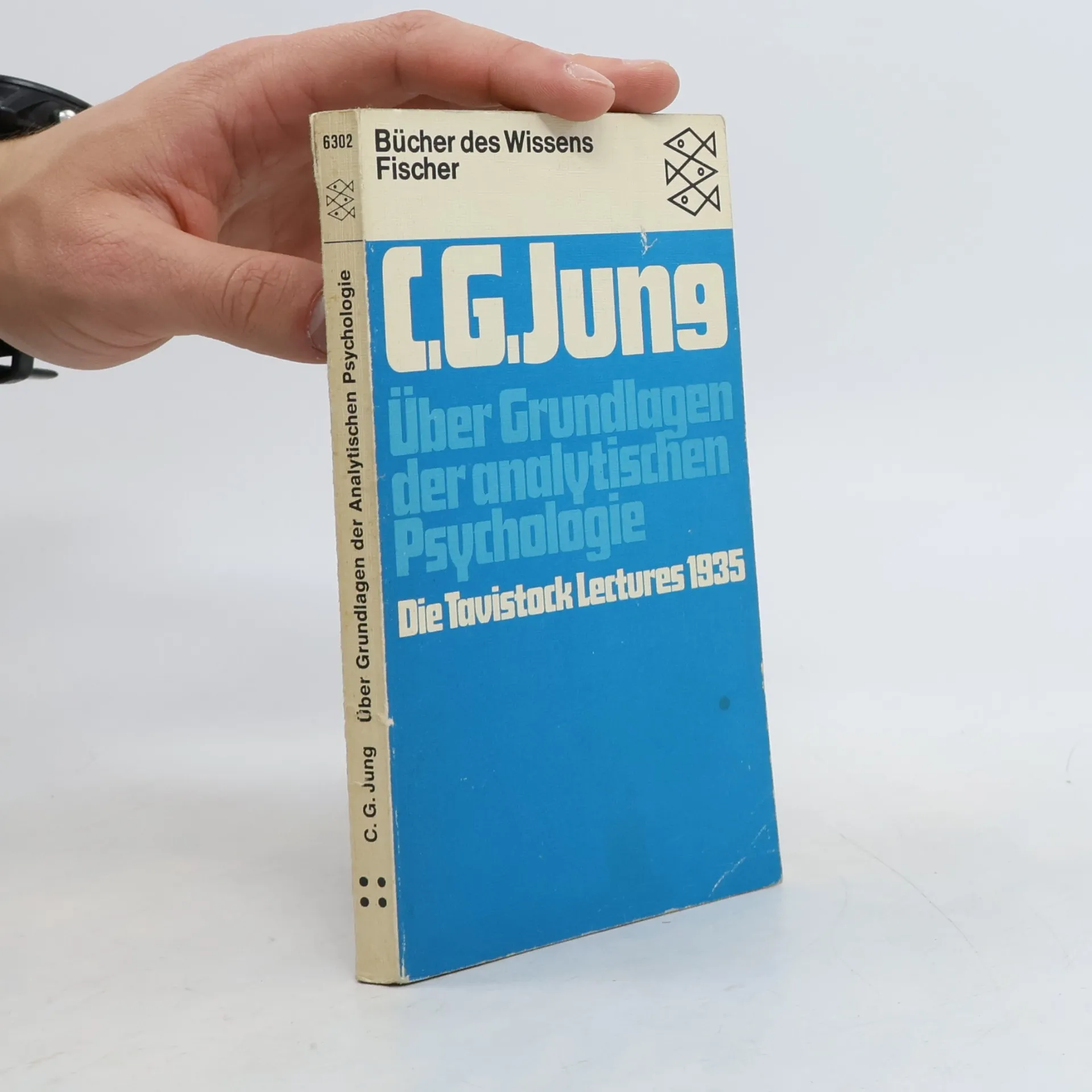
The book presents C. G. Jung's 1933 seminar on yoga's symbolism and its relevance to dream analysis, held during a politically charged time in Germany. It features insights from Indologist Heinrich Zimmer and explores Jung's engagement with Hindu traditions, particularly Tantric yoga. Jung examines a patient's dreams, emphasizing mandalas and their connection to various symbolic motifs, including alchemy and labyrinths. With an introduction by Giovanni Sorge, it highlights Jung's evolving understanding of Eastern thought and the individuation process during a pivotal period in his career.
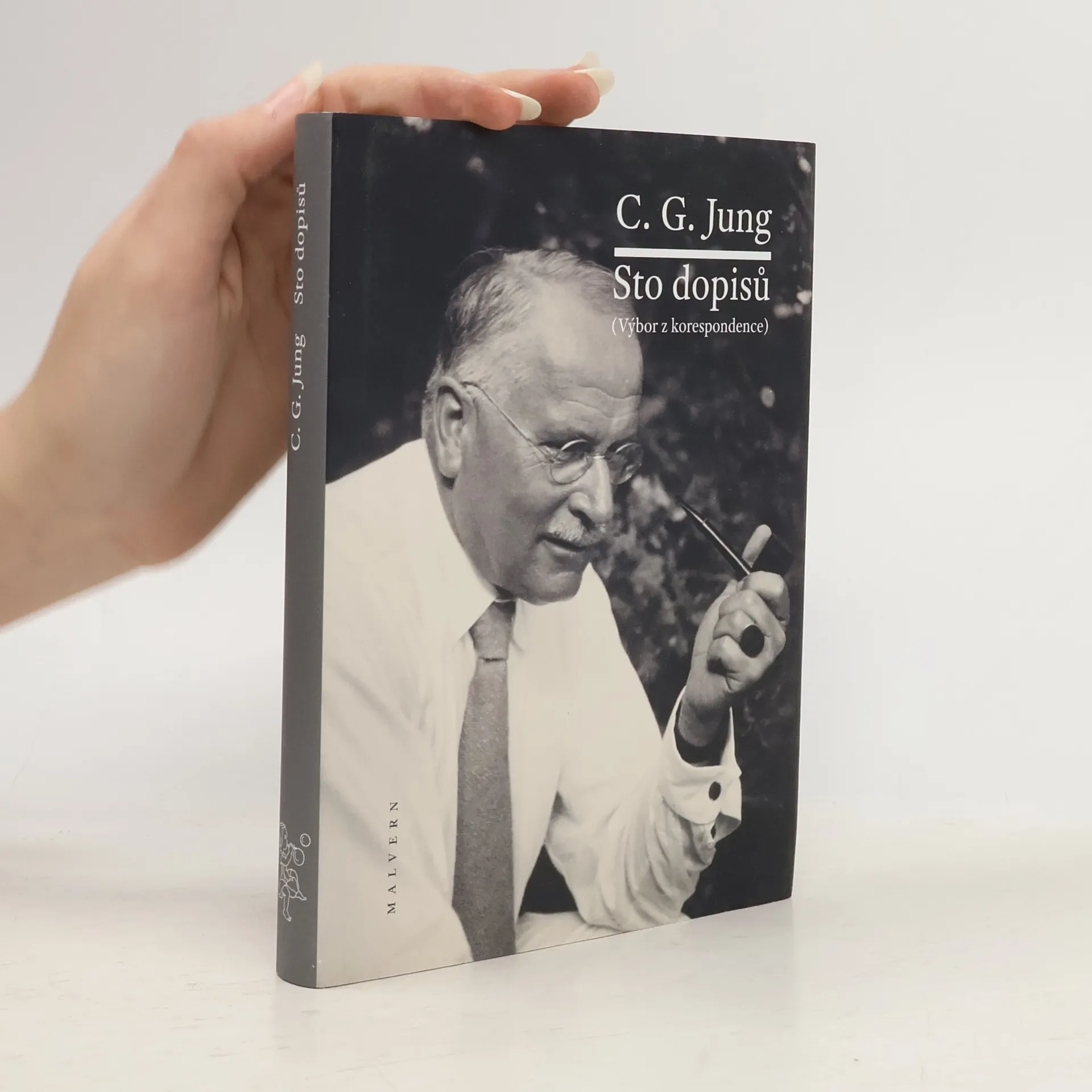
Švýcarský psycholog C.G. Jung (1875 - 1961), jeden z nejvýznamnějších myslitelů 20. století, je autorem rozsáhlého díla, jehož neoddělitelnou součástí je i jeho korespondence. Sto dopisů je prvním českým výborem z třísvazkových Dopisů (Briefe I - III) vydaných na počátku 70. let Anielou Jafféovou ve spolupráci s Gerhardem Adlerem. Mezi adresáty Jungových dopisů najdeme jména jako Sigmund Freud, Herman Hesse, James Joyce, Hermann Keyserling, Aniela Jaffé a mnoho dalších...
C. G. Jung thematisiert in diesem Band die wesentlichen Fragen des menschlichen Lebens, angefangen beim Geheimnis der Geburt bis hin zu Grenzerfahrungen und der Auseinandersetzung mit dem Tod. Seine Überlegungen bieten tiefgehende Einblicke in die Herausforderungen und Aufgaben der zweiten Lebenshälfte, wobei er den Lebensverlauf als einen "langen Fluss" betrachtet. Jung lädt den Leser ein, sich mit den fundamentalen Aspekten des Daseins auseinanderzusetzen und die Suche nach Sinn und Versöhnung zu reflektieren.
Traum und Traumanalyse
- 141 Seiten
- 5 Lesestunden
Träume werden als bedeutende Botschaften aus dem Unbewussten betrachtet, die tiefes Wissen über die Seele offenbaren. C. G. Jung beschreibt sie als symbolische Ausdrucksformen, die zur Selbsterkenntnis und Orientierung in schwierigen Zeiten beitragen können. Sie reflektieren nicht nur den aktuellen Zustand des Selbst, sondern stehen auch in Verbindung mit der Lebensgeschichte und können zukünftige Entwicklungen antizipieren. Dieser Auswahlband bietet zentrale Beiträge von Jung zur Psychologie des Traumes, dessen Wesen und zur praktischen Anwendung der Traumanalyse.
Psychoterapeutická praxe 2. díl
- 494 Seiten
- 18 Lesestunden
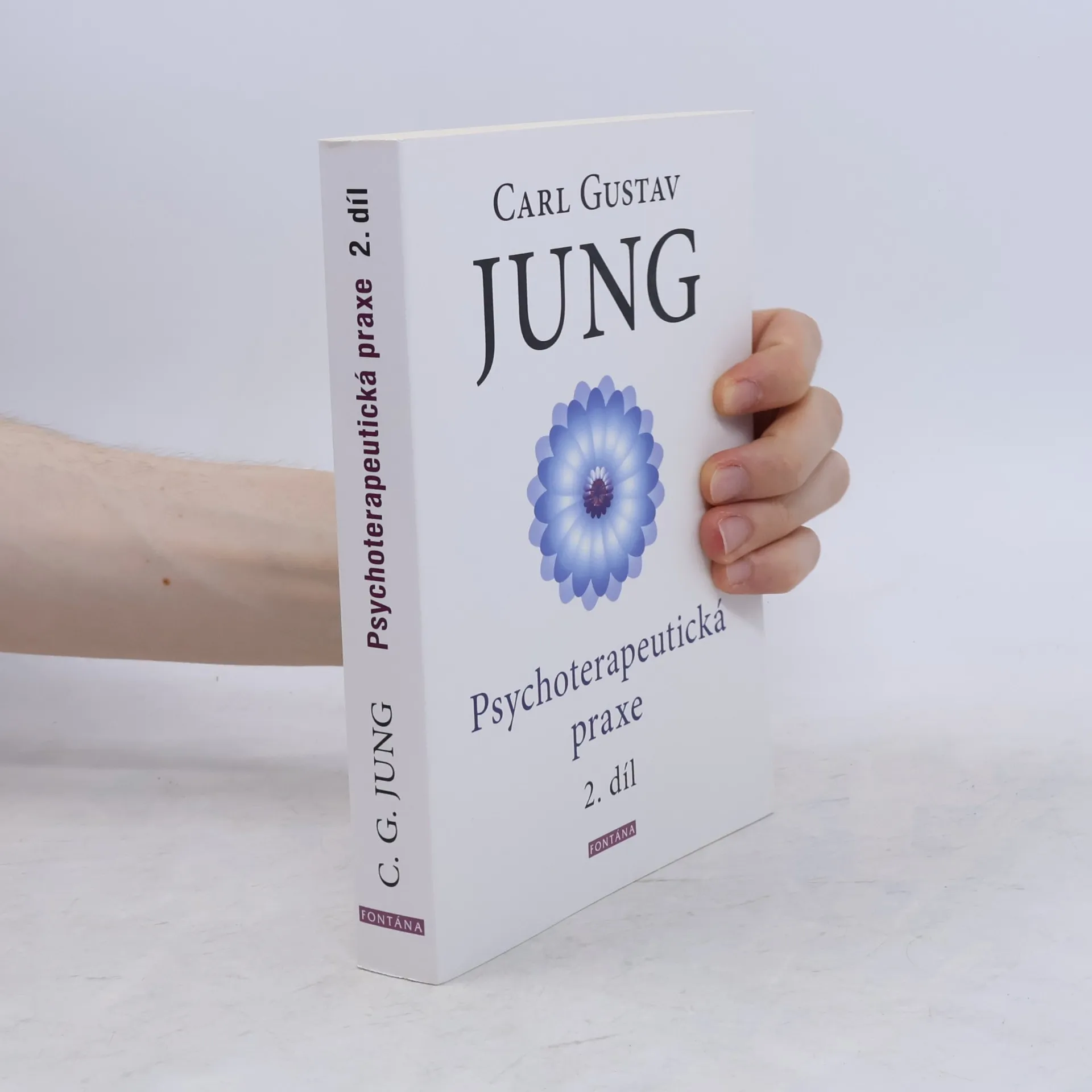
Příspěvky k problému psychoterapie a psychologie přenosu. • Terapeutická hodnota odreagování • Praktická použitelnost analýzy snů • Psychologie přenosu • Růžová zahrada filosofů aneb série obrazů Rosarium philosophorum jako základ představy fenoménu přenosu 1. Merkurova studna 2. Král a královna 3. Nahá pravda 4. Ponoření v lázni 5. Coniunctio 6. Smrt 7. Vzestup duše 8. Očista 9. Návrat duše 10. Nové zrození
Die Briefe von C.G. Jung an die Künstlerin und Analysandin Hedy Wyss sind ein einzigartiges Zeugnis von Jungs lebendigem und sprühendem Geist. Hier begegnen wir der lebhaften, mitfühlenden und zutiefst menschlichen Seite von Jungs Wesen. Er schreibt nicht wissenschaftlich oder vorsichtig, sondern ganz spontan aus seinem jeweiligen Gemütszustand. Er erwähnt seine körperlichen Beschwerden wie Herzprobleme und Rheuma. Gleichzeitig kämpft er um die Integrität der analytischen Beziehung und die Wahrhaftigkeit der Liebe. Jung verfasste seine wichtigsten Werke während der zwanzig Jahre ihrer Korrespondenz, die mit Mysterium Coniunctionis endet. In vielen seiner Briefe an Hedy Wyss finden sich versteckte Hinweise auf die Probleme, mit denen er zu jener Zeit rang. Daher erforderte der Inhalt von Jungs Briefen einen umfassenden Kommentar. Neben Jungs Werken trägt ein privates Manuskript von Hedy Wyss, in dem sie Jahre nach seinem Tod auf ihre Begegnungen mit "C.G." oder dem "alten Weisen", wie sie ihn nannte, zurückblickt, zum Verständnis vieler Details in den Briefen bei. Diese Quellen gewähren einen einzigartigen Einblick in C.G. Jungs besondere Herangehensweise als Forscher und Analytiker.
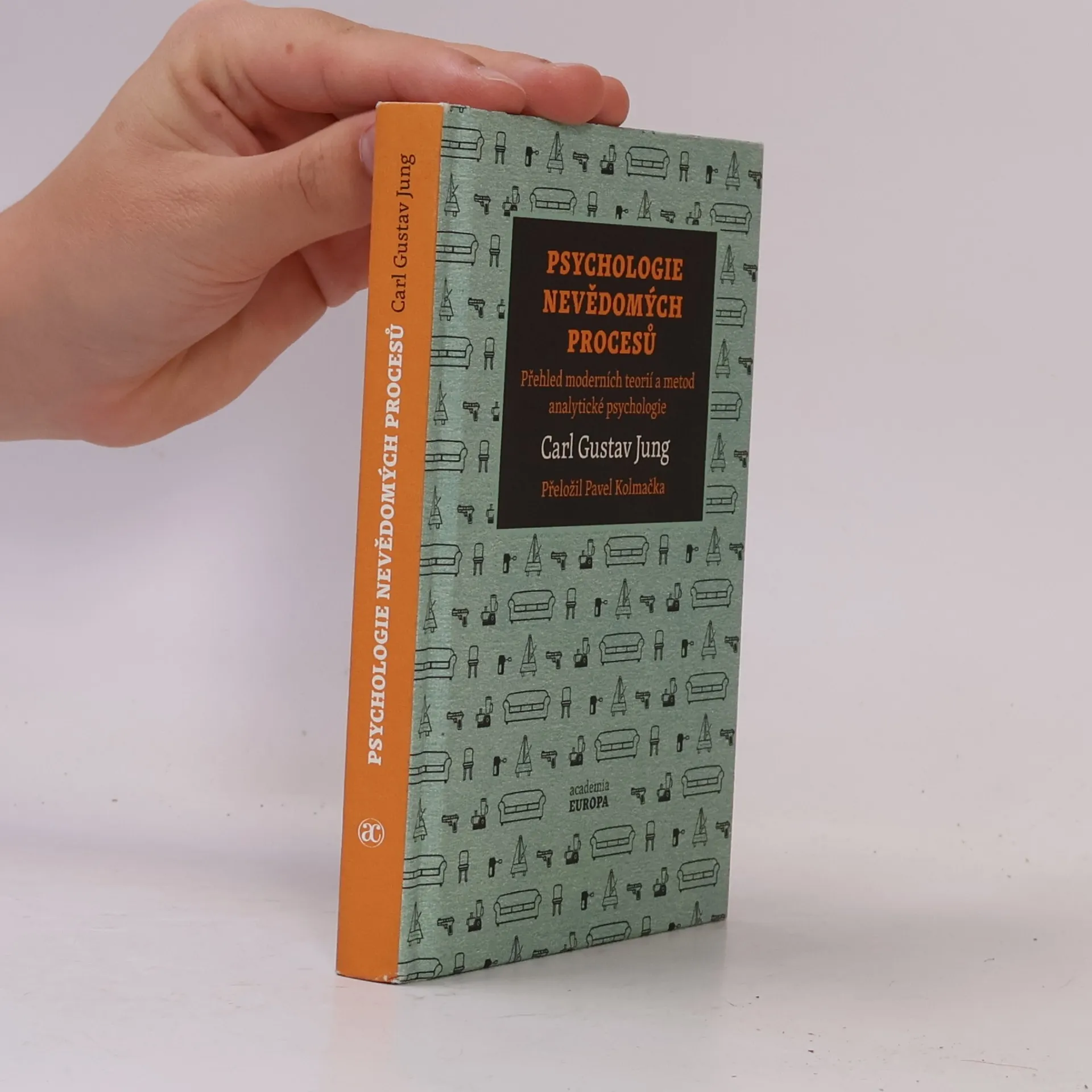
„Považuji problém nevědomí za natolik významný a tak aktuální, že by podle mne byla velká škoda, kdyby tato otázka, tak úzce se dotýkající nás všech, měla zmizet ze zorného pole vzdělaných laiků tím, že by byla vykázána do nějakého nedostupného odborného časopisu, aby pak vedla svůj stínově papírový život v policích knihoven,“ napsal v předmluvě k prvnímu vydání Psychologie nevědomých procesů její autor a jeden ze zakladatelů moderní psychologie Carl Gustav Jung. V rozsahu nevelkém a čtenářsky přístupném raném díle Jung na konkrétních případech pacientů a s využitím snů, fantazií, krásné literatury a mytologie podává výklad konceptů individuálního a kolektivního nevědomí a kolektivních archetypů, na nichž staví jungovská terapie. Kniha je dobrým úvodem do Jungova rozsáhlého a vrstevnatého díla.
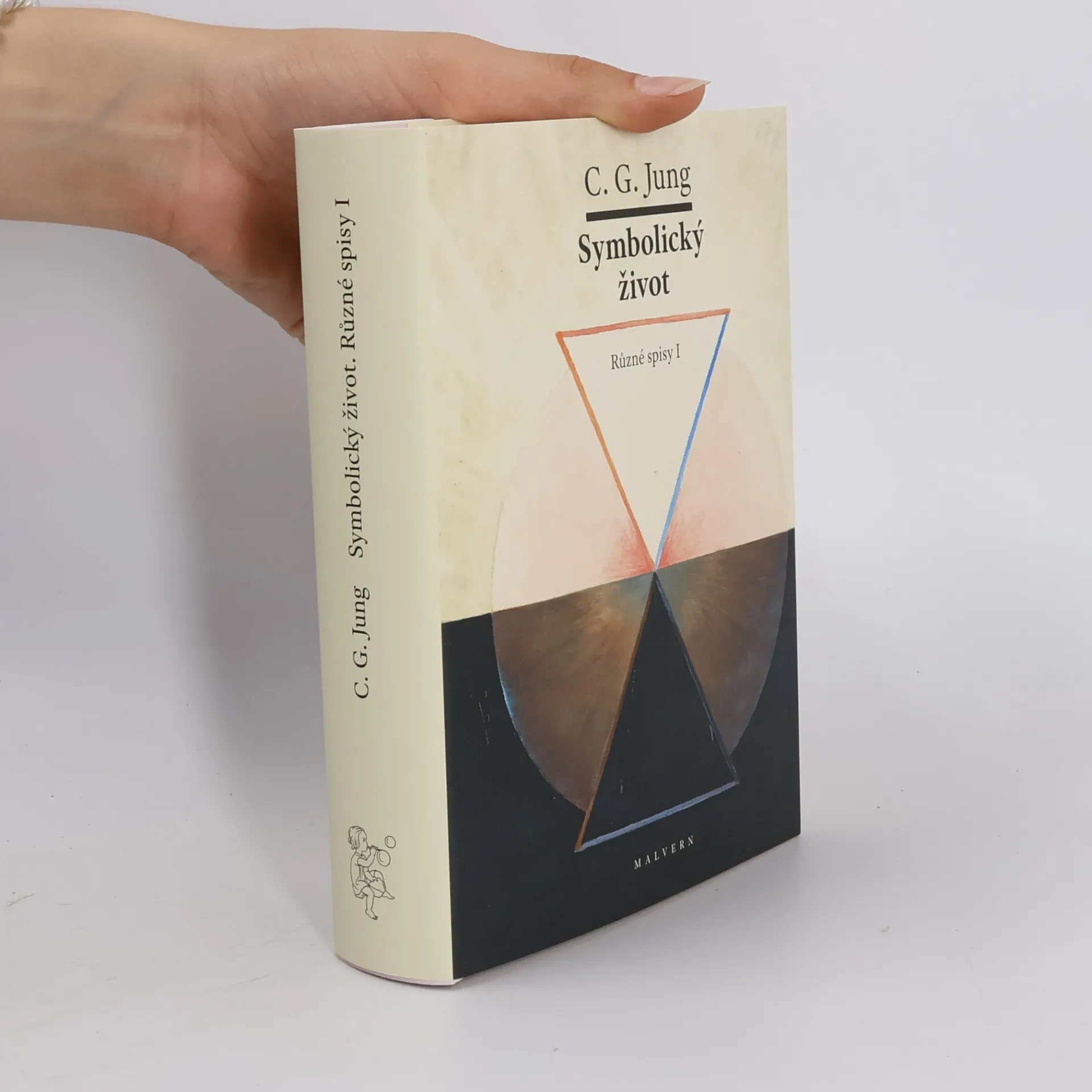
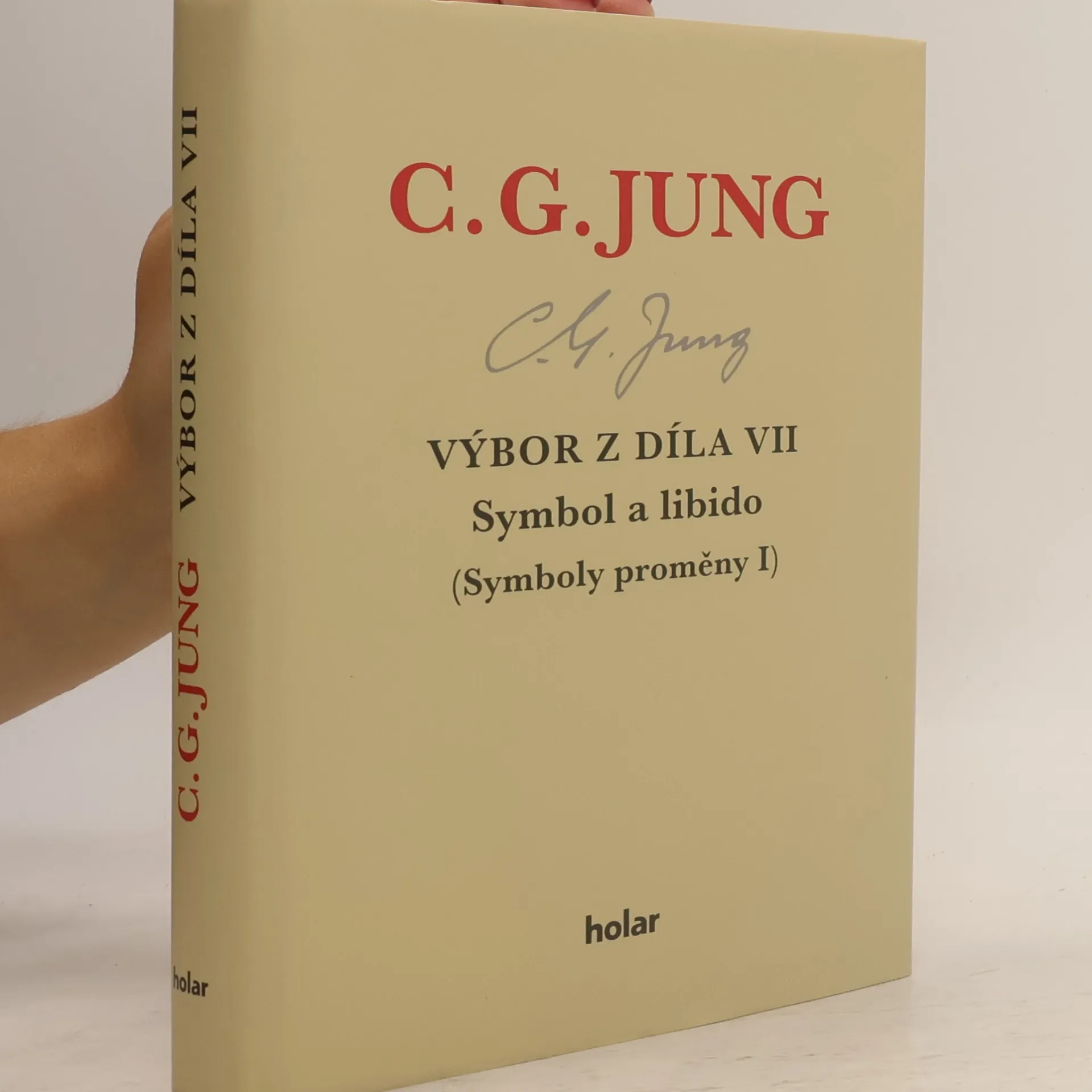
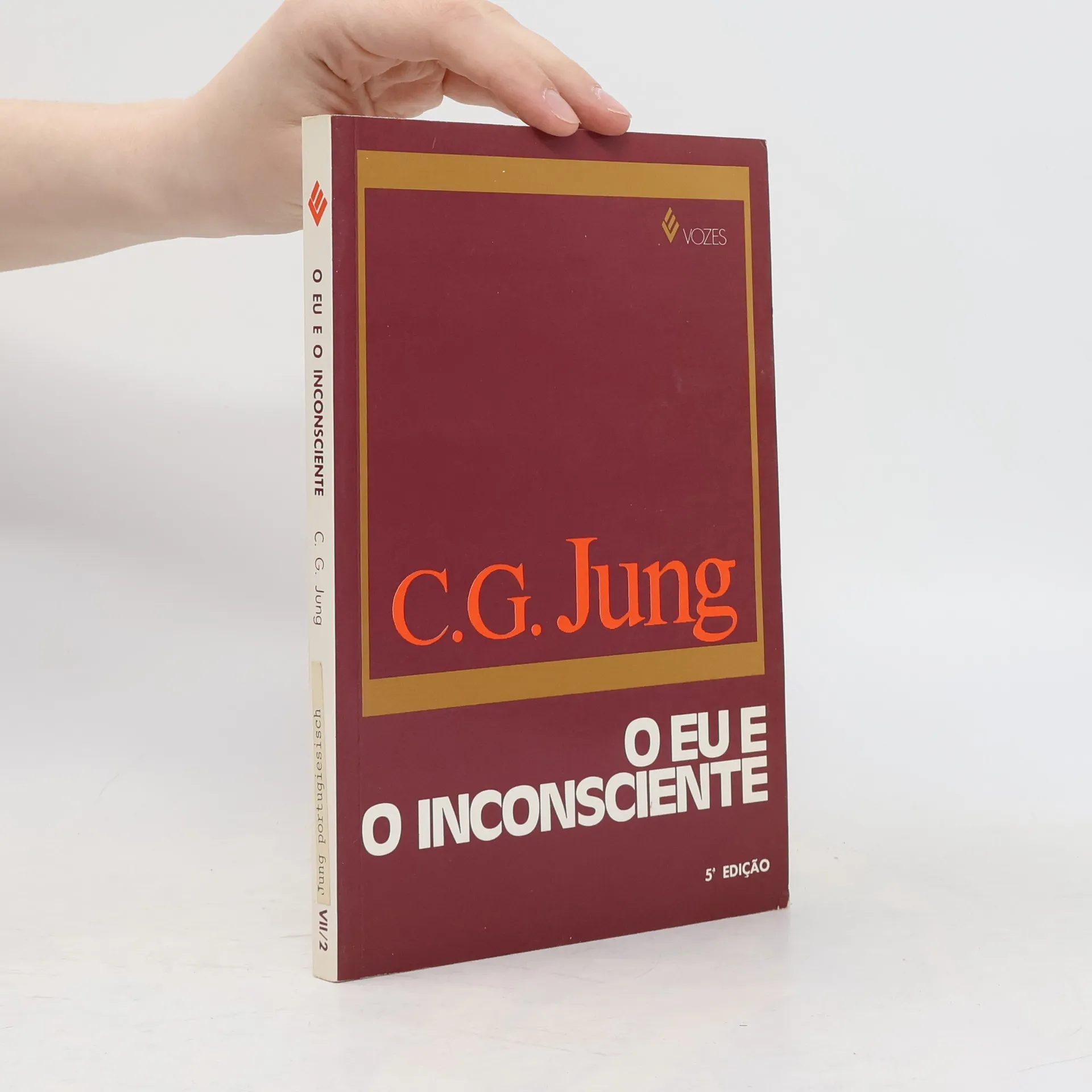
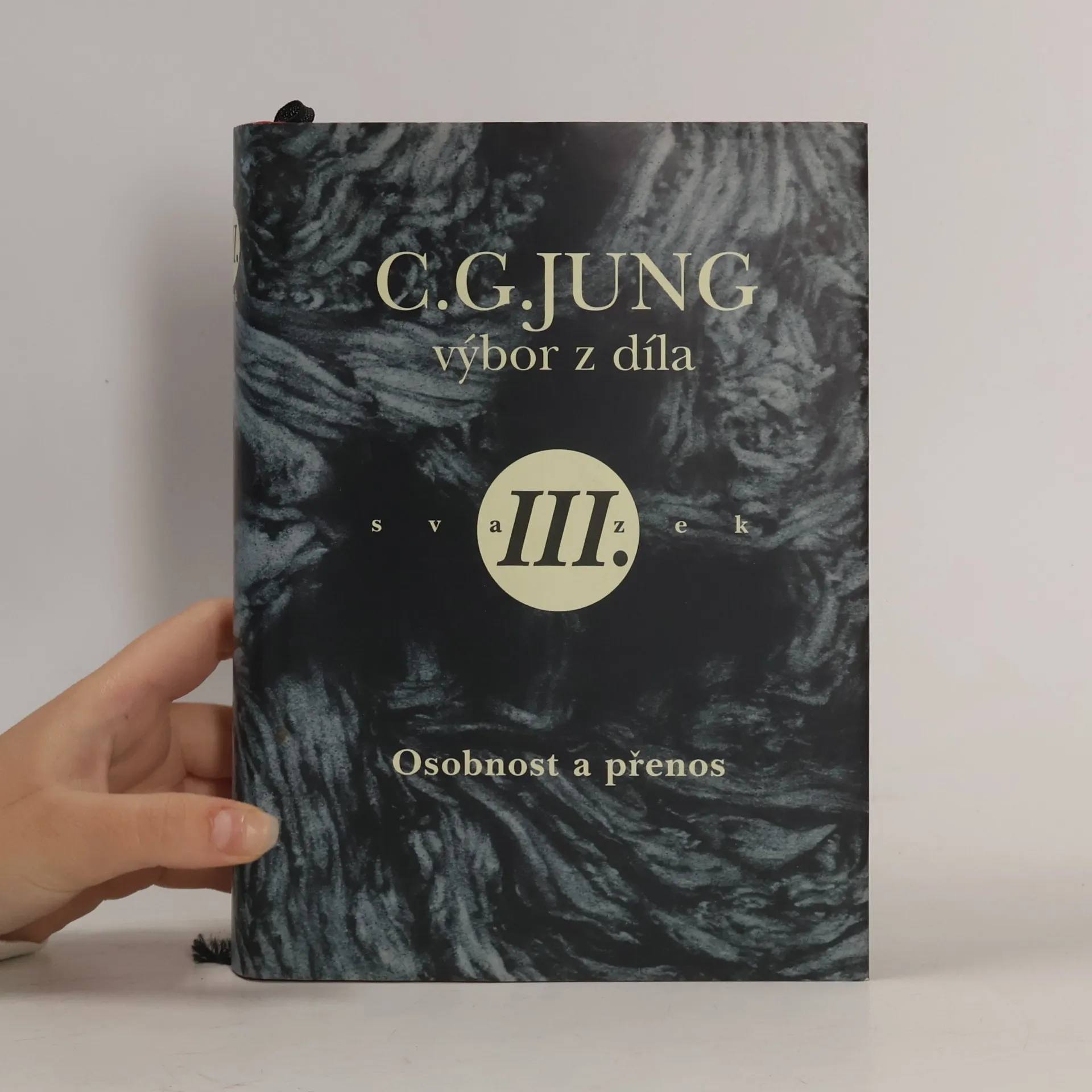
Revidované vydání sedmého svazku "Výboru z díla C. G. Junga". Kniha obsahuje první část Jungovy významné práce "Symboly proměny". Kniha o proměnách psychické energie předznamenala vznik analytické psychologie.
Gesammelte Werke 1-20
22 Einzelbände
C.G. Jungs Psychologie legt den Fokus auf die ganzheitliche Betrachtung des Menschen und beleuchtet die unbewussten sowie transpersonalen Aspekte der Psyche. Besonders hervorzuheben ist seine Erforschung der Archetypen, die die Tiefendimensionen der Seele über das persönliche Unbewusste hinaus erfassen. Diese Sammlung seiner Vorträge und Schriften richtet sich an alle, die sich für Psychologie und Psychotherapie interessieren, und bietet einen umfassenden Einblick in das Werk des bedeutenden Tiefenpsychologen. Die Bände sind einzeln erhältlich.
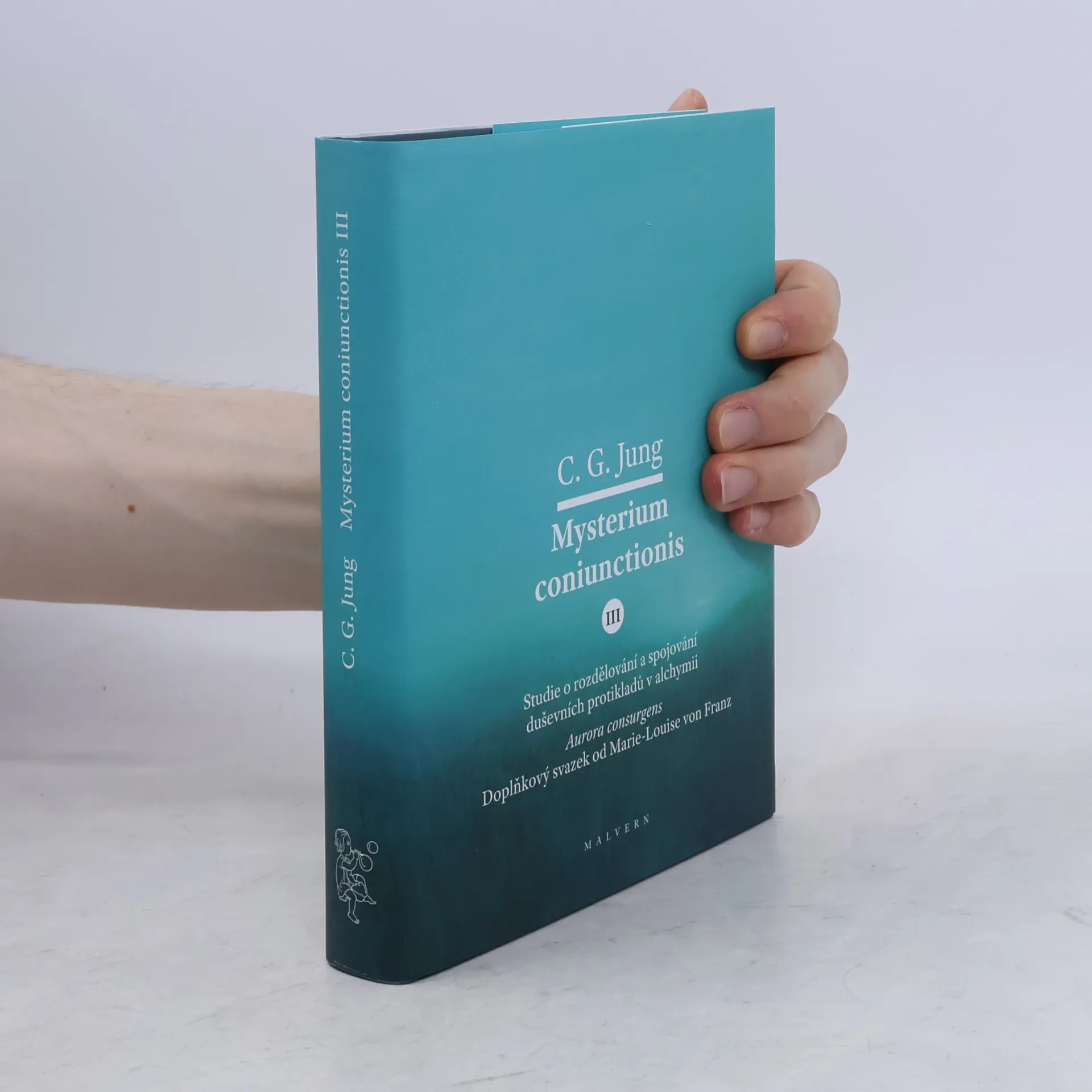
Mysterium coniunctionis 3
- 476 Seiten
- 17 Lesestunden
Marie-Louise von Franz (1915–1998), odbornice nejen v oblasti psychologie, ale i klasické filologie, se společně s Jungem od 30. let minulého století zabývala hlubinně psychologickým výkladem pohádek a alchymických spisů, pracovala jako psychoterapeutka a v r. 1956 se stala pedagožkou Institutu C. G. Junga v Küsnachtu u Curychu. Poté, co ji Jung seznámil s dílem Aurora consurgens (řazeného do křesťanské alchymie a její tradicí připisovaného Tomáši Akvinskému), připravila jej k novému vydání, přeložila a okomentovala, přičemž si po podrobné psychologické analýze textu v závěrečné studii položila také v badatelských kruzích hodně diskutovanou otázku ohledně jeho autorství. Třetí díl studie rozdělování a spojování duševních protikladů v alchymii tak charakterizuje hermeneutická práce přibližující současnému člověku symboliku, jejíž pomocí chtěl autor „popsat či zformulovat religiózní prožitek – nebo, psychologicky řečeno – bezprostřední zkušenost nevědomí“.
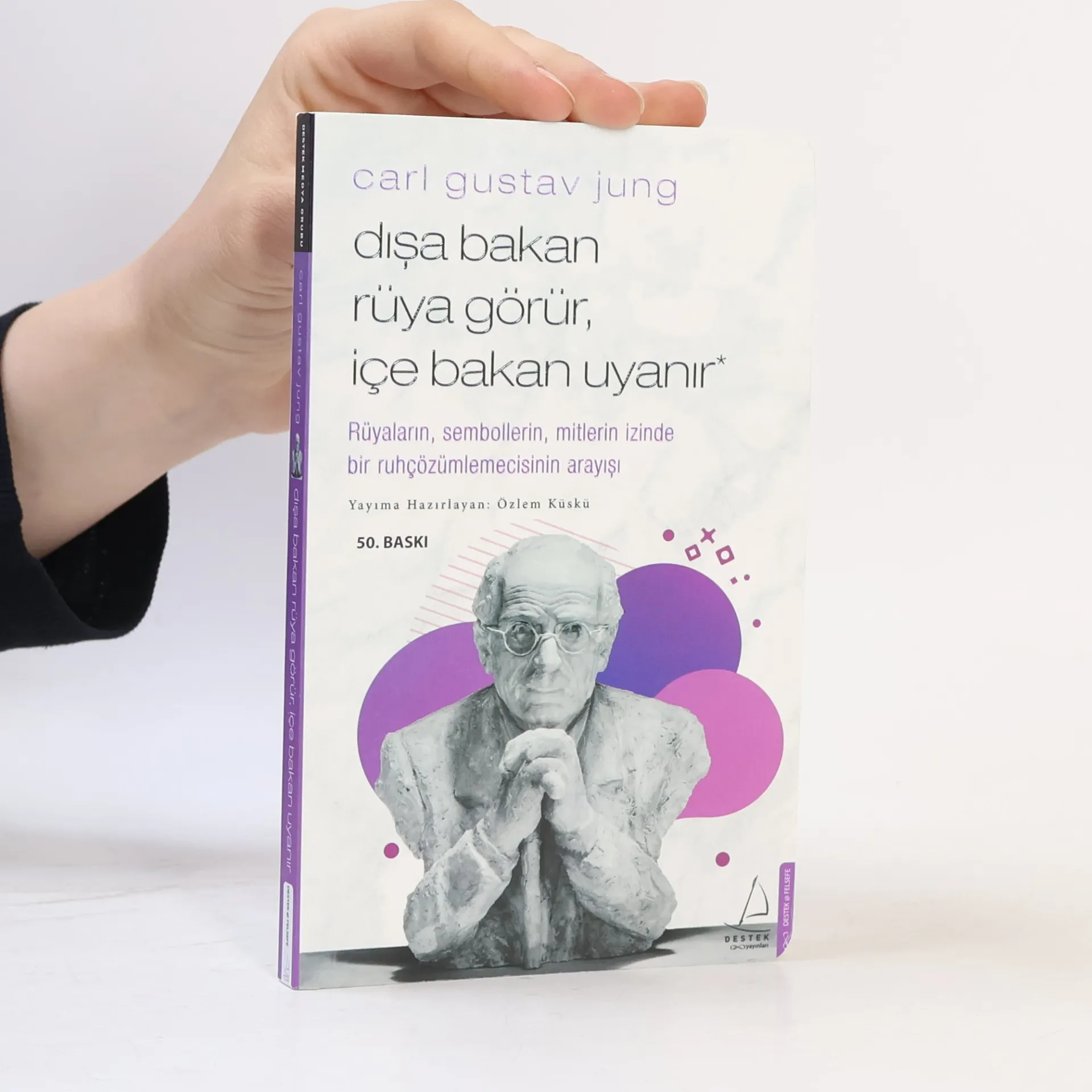
Destek & Felsefe: Dışa bakan rüya görür, içe bakan uyanır
Rüyaların, sembollerin, mitlerin izinde bir ruhçözümlemecisinin arayışı - 50. Baskı
- 128 Seiten
- 5 Lesestunden
“Siz bilinçdışınızdakileri bilince dönüştürene kadar, onlar sizin hayatınızı yönlendirecek ve siz ona kader diyeceksiniz.”Psikanalizin en tartışmalı ve belki de ilerleyen dönemlerde daha fazla anılacak isimlerinden Carl Gustav Jung, 20. yüzyılın en önemli filozof-psikiyatrlarındandır. O bir ruhçözümlemecisidir. Freud’dan ayrıldıktan sonra kurduğu analitik psikoloji ekolüyle bir devrim yaratan Jung, günümüz psikolojisinde de halen kullanılan psikolojik tipler, kolektif bilinçdışı, kompleksler ve çağrışım testi gibi kavramların sahibidir.Jung hepimize bir bireyleşme süreci vaat eder, bunun rotasını da insanın içine baktığı bir deneyim yolu olarak çizer. Deneyim yolu gereklidir çünkü “kendi içine bakmaya cesareti olmayan herkesin yaşamı bulanıktır”, dahası bu bulanıklık dünyayı da bulandırır.Önyargı ve kabullerinizden sıyrılma vakti...Jung bizleri kendi mitimizle tanışacağımız bir yolculuğa davet ediyor. Sembollerin, rüyaların, arketiplerin ve mitlerin âlemine hoş geldiniz...
The Black Books
- 1648 Seiten
- 58 Lesestunden
C.G. Jung's self-experimentation in 1913 led to his "confrontation with the unconscious," documented in his notebooks known as The Black Books. These writings illuminate his personal cosmology and insights into his life and relationships, forming the foundation of analytical psychology. This edition features a profound essay by Sonu Shamdasani, along with translated and facsimile versions of the notebooks, providing an extraordinary glimpse into Jung's psyche and the development of his theories.
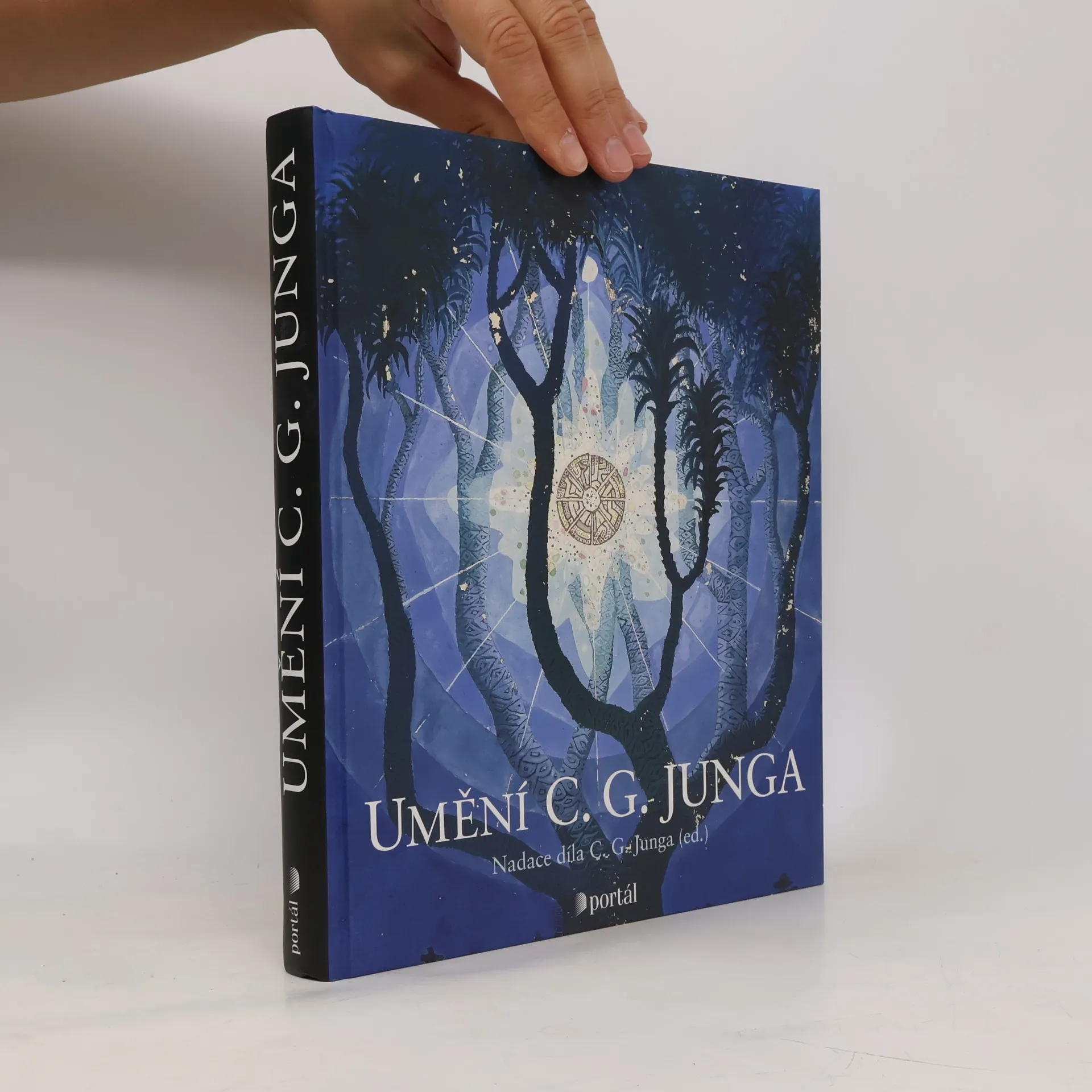
Die beeindruckenden Bilder und Kalligraphien von C. G. Jung stehen im Mittelpunkt dieses aufwändig gestalteten Bildbands, der seine kreative Seite beleuchtet. Jung selbst wies die Einordnung seiner Werke als "Kunst" zurück, doch die versammelten Zeichnungen, Skulpturen und Mandalas zeugen von seinem künstlerischen Talent und seinem Gespür für Form und Farbe. Fünf informative Texte ergänzen die visuellen Eindrücke und erläutern Aspekte wie seine Arbeitsweise, Farbkonzepte und die Bedeutung seiner Sammlungen. Ein Buch, das die Welt des Unbewussten eindrucksvoll vermittelt.
Bohatě ilustrovaný svazek shrnuje veškeré známé výtvarné dílo C. G. Junga – od kreseb přes knižní malby, obrazy až po dřevěné a kamenné sochy. Vydání Červené knihy vyvolalo extrémní zájem o Junga nikoli jen jako zakládající osobnost psychologie a spisovatele, ale též jako o výtvarného tvůrce s neobyčejnou imaginací, smyslem pro kompozici, figuru a barvy. Tento dosud málo známý, přesto ale podstatný rozměr Jungovy osobnosti je poprvé kompletně představen v tomto unikátním díle, které obsahuje přes 250 barevných reprodukcí. Obrazy jsou doplněny úvodními studiemi, které se zaměřují na kořeny Jungova výtvarného projevu, na souvislosti s jeho teorií mandal, na Jungův profil jako umělce, sběratele i diváka. Carl Gustav Jung je jedna ze zakládajících a klíčových osobností psychologie. Portál postupně vydává všechna jeho zásadní díla.
Mysterium coniunctionis II.
- 486 Seiten
- 18 Lesestunden
Ve druhé části svého velkolepého díla C. G. Jung pokračuje v líčení stěžejních alchymických symbolů (král a královna, Adam a Eva...) a odpovídajících stavů v duševní realitě člověka. Setkáváme se zde s konečnými procesy proměny a jednotlivými stupni konjunkce, které jdou ruku v ruce se sebepoznáváním, odhalováním projekcí a morální reintegrací. „Alchymie nám hojností svých symbolů umožňuje nahlédnout do úsilí lidského ducha, v němž můžeme vidět obdobu religiózního ritu, potažmo obdobu opus divinum. S tím rozdílem ovšem, že alchymickou „prací“ není činnost kolektivní, formální a přísně obsahově definovaná. Při veškeré podobnosti fundamentálních principů je to naopak individuální akce, v níž člověk, jedinec vkládá sebe celého na misku vah, aby dosáhl transcendentálního účelu: ustaveni jednoty. Je to dílo smíření zdánlivě neslučitelných protikladů. Charakteristické je, že protiklady se nechápou jen jako fyzické elementy v přirozeném nepřátelství, ale zároveň jako morální konflikt. Předmět snažení je pro alchymistu vně i v nitru, fyzicky i psychicky, takže se dílo prostírá prakticky na celou přírodu. Jeho cíl tkví v symbolu, který má empirický a zároveň transcendentální aspekt.“
Handbuch der Menschenkenntnis
Mutmaßungen aus 2500 Jahren
Příroda a duše
- 200 Seiten
- 7 Lesestunden
Carl Gustav Jung (1875–1961) a Wolfgang Ernst Pauli (1900–1958) jsou dvě významné postavy dvacátého století, jejichž spolupráce inspirovala řadu knih a studií. Výsledkem jejich paralelního a společného bádání je tato kniha z roku 1952, která se zaměřuje na propojení přírody a duše. Jungův příspěvek se věnuje konceptu synchronicity, kterou definuje jako časovou koincidenci dvou nebo více příčinně nespojených událostí s obdobným významem. Tímto tématem se zabýval od 30. let, přičemž jeho výzkum byl ovlivněn diskuzemi a korespondencí s Pauliem. Pauliho studie se zaměřuje na vliv archetypických představ na tvorbu přírodovědeckých teorií u Keplera, a zkoumá komplementaritu duše a přírody v jeho a Fluddově díle. V širším kontextu se zabývá spojením poznání s náboženským prožitkem prostřednictvím symbolů, které vyjadřují emoční stránku prožitku a jsou v živém vztahu s tehdejším souhrnem vědění. Pauli zdůrazňuje, že návrat k historickým obdobím, kdy byly vědecké pojmy cizí, může přinést důkaz o existenci symbolů, které mají jak náboženskou, tak přírodovědeckou funkci. Kniha je doplněna Pauliho esejí o vědě a myšlení západu.
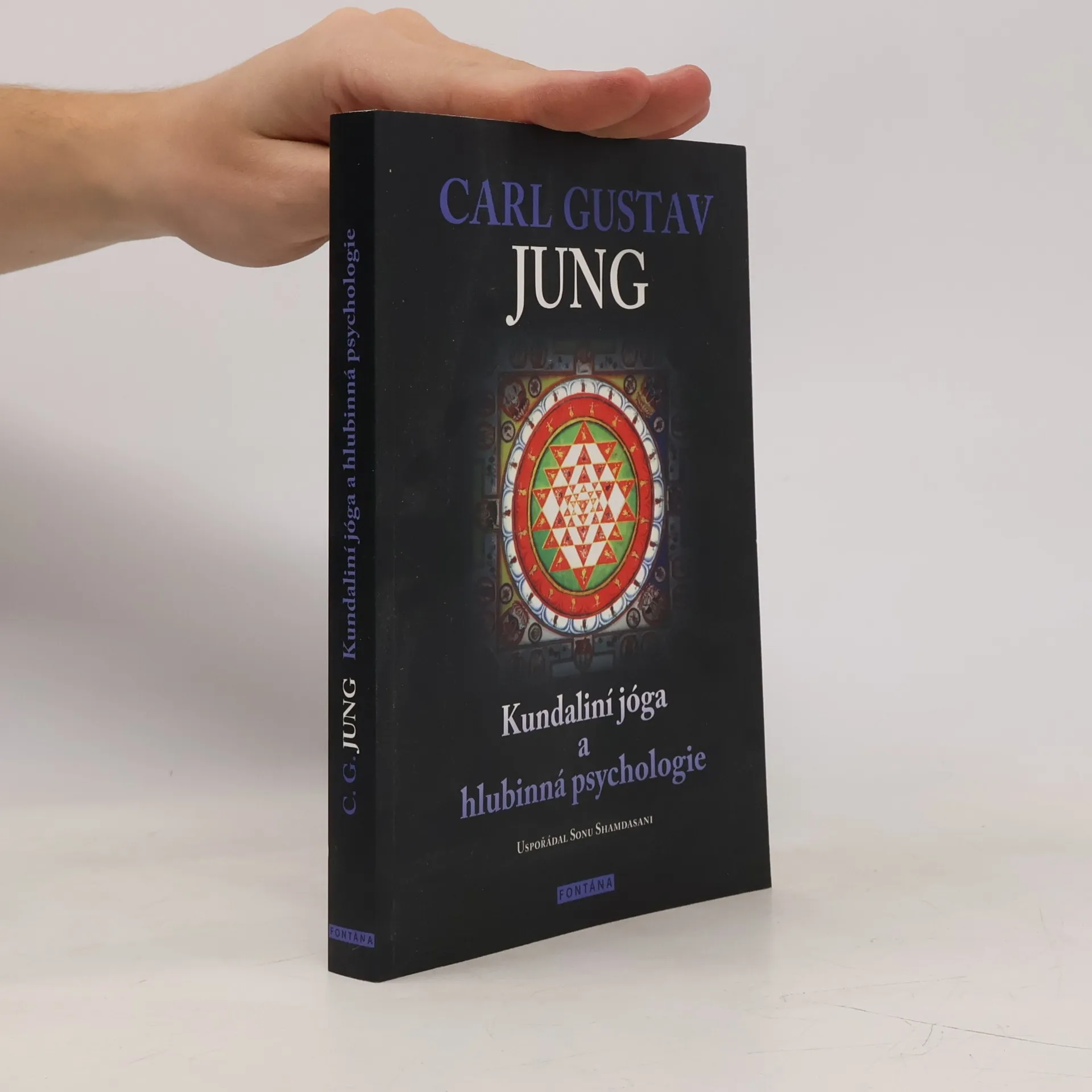
Kundaliní jóga a hlubinná psychologie : curyšské semináře z roku 1932
- 160 Seiten
- 6 Lesestunden
Semináře o kundaliní józe, které Carl Gustav Jung přednesl v roce 1932 v Curychu, jsou považovány za klíčové pro psychologické chápání východního myšlení a transformace vnitřní zkušenosti. Jung v nich našel model pro vývoj vyššího vědomí a interpretoval jeho symboliku v kontextu individuačního procesu. Redaktor Sonu Shamdasani spojil Jungovy přednášky s diskusemi účastníků, čímž přiblížil fascinaci intelektuálů předválečné Evropy východní spiritualitou, která se odhalovala s každým novým překladem jógických a tantrických textů. Shamdasani zrekonstruoval semináře na základě nových dokumentů a vysvětluje, proč Jung považoval porozumění východnímu myšlení za klíčové pro rozvoj západní psychologie. Zároveň se zaměřuje na otázky, které trápily nejen Junga, ale i účastníky: Jaký je vztah mezi východními náboženskými školami a západní psychoterapií? Existuje spojitost mezi esoterickými tradicemi a osobními prožitky? Jak mohou symboly kundaliní jógy osvětlit psychózy? Tyto otázky jsou relevantní i pro současné čtenáře. Kniha rovněž obsahuje nový materiál z Jungových seminářů, přednášky indologa Wilhelma Hauera, ilustrace čaker a klasický překlad tantrického díla Šatčakranirúpana od Johna Woodroffa.
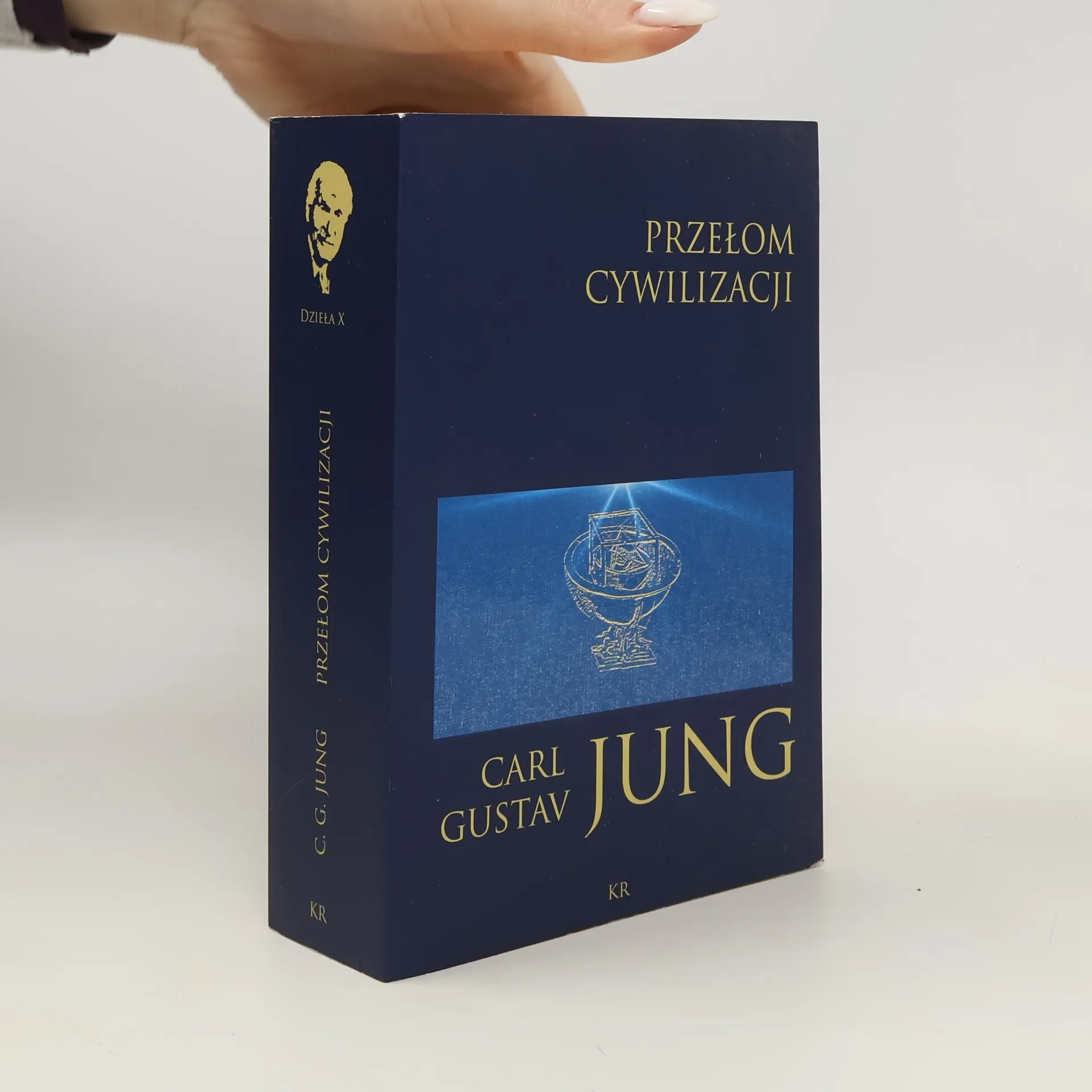
Dzieła - 10: Przełom cywilizacyjny
- 632 Seiten
- 23 Lesestunden
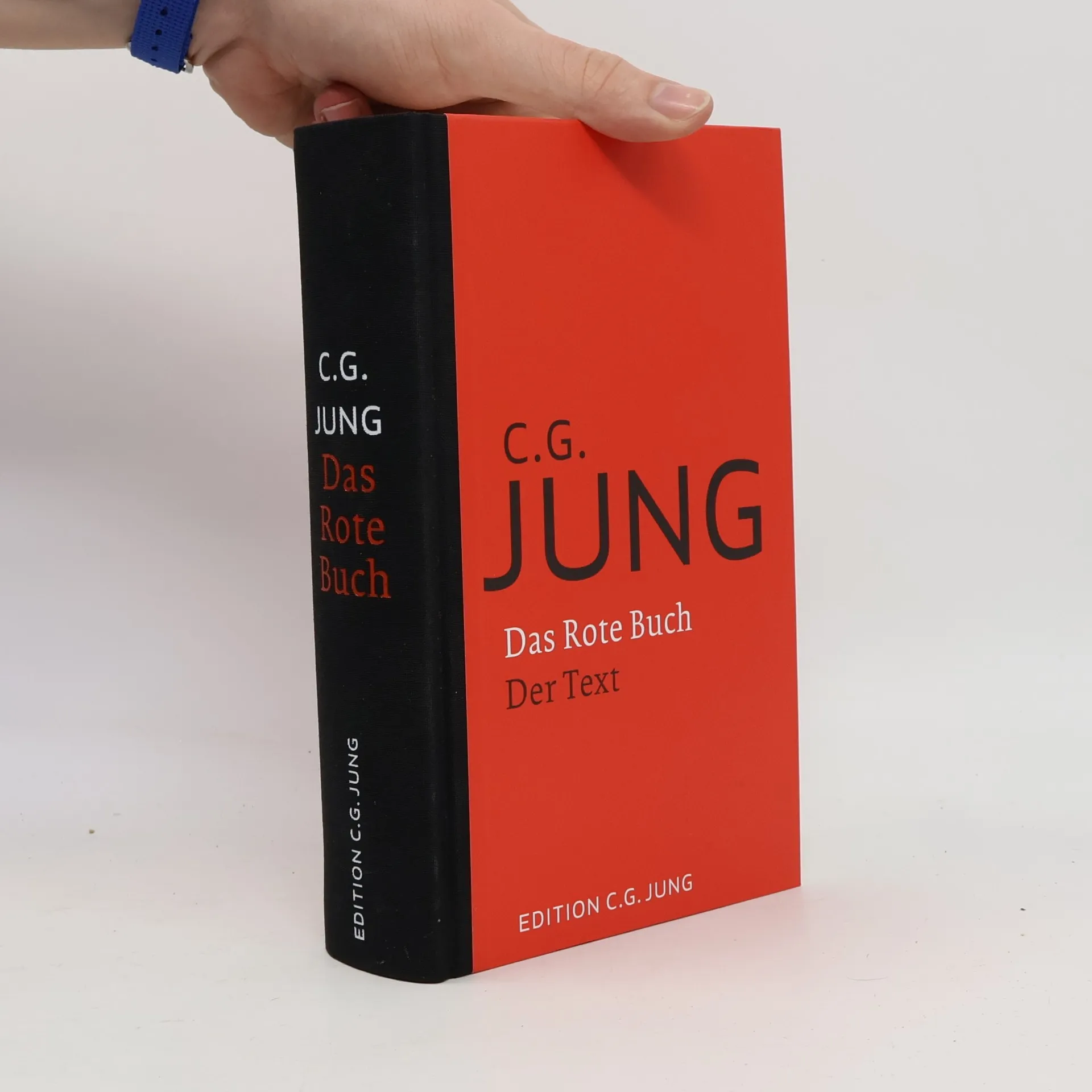
Das rote Buch - der Text
- 560 Seiten
- 20 Lesestunden
C.G. Jungs geheimnisvolles "Rotes Buch" wurde erstmals im Oktober 2009, fünfzig Jahre nach dem Tod Jungs, veröffentlicht. Bis dahin war es in einem Schweizer Banksafe unter Verschluss gehalten worden. Das Rote Buch dokumentiert Jungs Auseinandersetzung mit dem Unbewussten und enthält als eine Art Tagebuch seine Träume, Visionen und Fantasien - Material, das Jung später als "Urstoff für ein Lebenswerk" bezeichnet hat. Dieser Band bietet erstmals nur den Text, ohne die Bilder - für alle, die sich mit Jungs Erkundungen des Unbewussten intensiv beschäftigen wollen
Duch Merkurius
- 106 Seiten
- 4 Lesestunden
Carl Gustav Jung v této knize přechází od výkladu grimmovské pohádky o duchu v lahvi, k analýze podob a funkcí Merkuria v alchymických textech, a nakonec k postavě Herma v gnostických traktátech. V shodě se svým psychologickým pojetím, jež spatřuje v alchymii nikoli zkoumání, nýbrž výsostný způsob prožívání nevědomí, shledává v Merkuriovi složeném ze všech myslitelných protikladů na jednu stranu bytostné Já, na druhou stranu proces individualizace, a díky bezmeznosti svých definicí také kolektivní nevědomí.
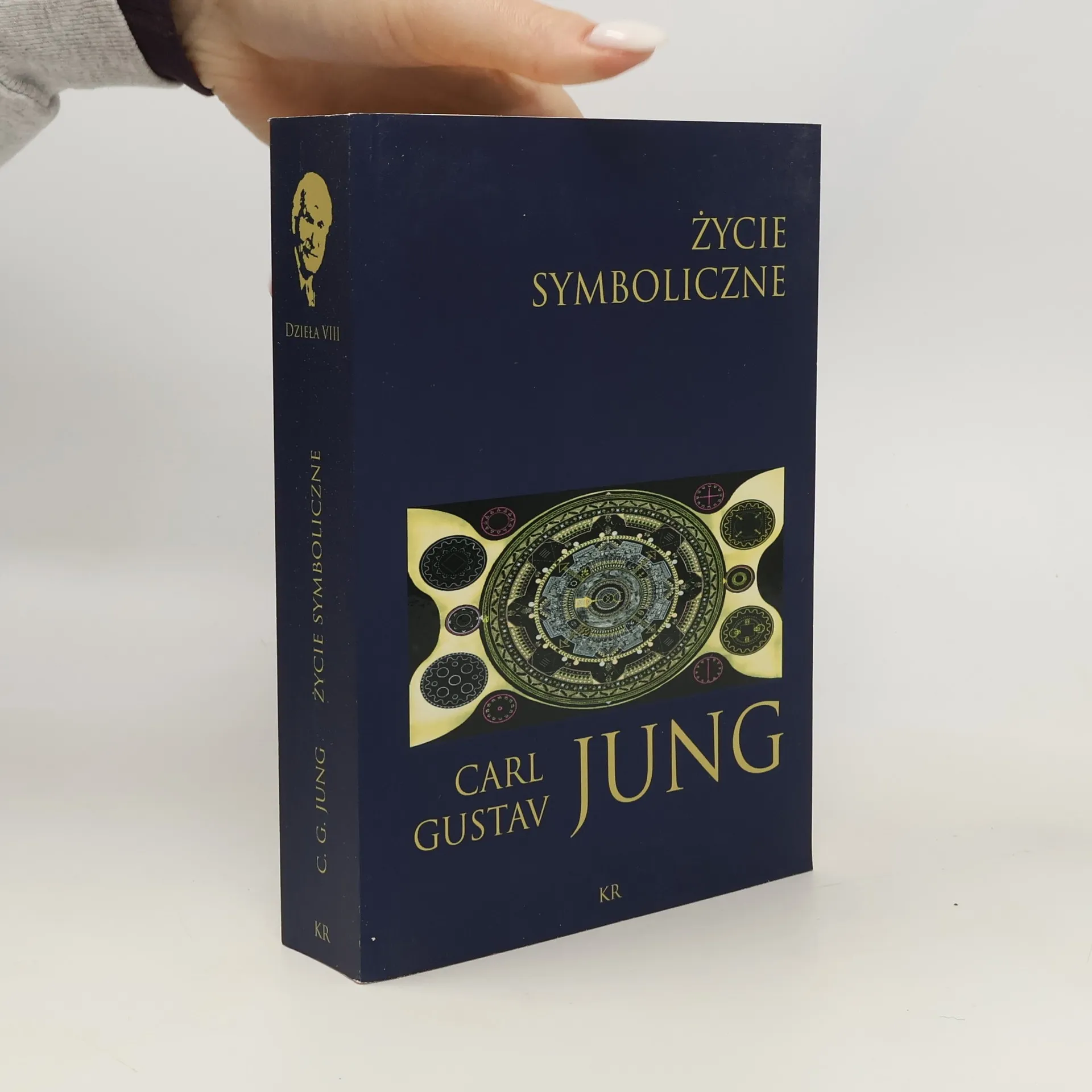
Życie symboliczne
- 534 Seiten
- 19 Lesestunden
Dla człowieka decydujące jest pytanie: czy odnosisz się do tego, co nieskończone, czy nie? To jest kryterium ludzkiego życia. Jedynie wtedy, gdy wiem, że to, co bezgraniczne, stanowi o istocie, nie przywiązuje wagi do błahostek, rzeczy nieważnych.
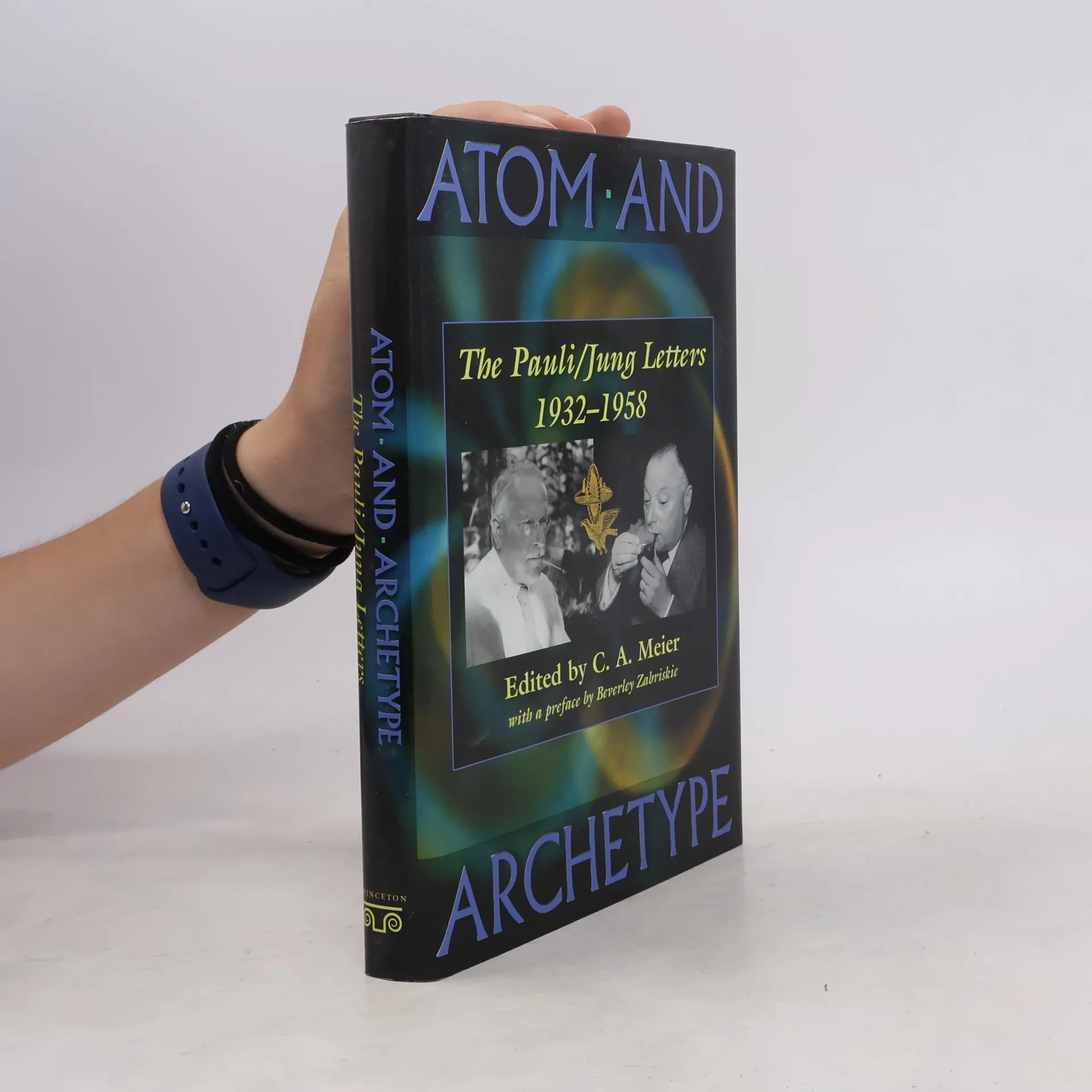
Wolfgang Pauli und C. G. Jung. Ein Briefwechsel 1932 1958
- 283 Seiten
- 10 Lesestunden
In 1932, Wolfgang Pauli, a renowned physicist on the brink of winning the Nobel Prize, faced personal turmoil following his mother's suicide and a troubled marriage. His heavy drinking and public quarrels were compounded by unsettling dreams, prompting him to seek help from C. G. Jung, with whom he established a regular meeting. This led to a remarkable intellectual partnership that bridged physics and psychology, documented in eighty letters exchanged over twenty-six years. Although Jung never formally analyzed Pauli, he interpreted over 400 of his dreams, contributing to his later works, including "Psychology and Alchemy" and "The Analysis of Dreams." Their discussions explored the connections between dreams and reality, revealing unexpected parallels between depth psychology and quantum physics. Their collaboration culminated in the joint publication of Jung's treatise on synchronicity and Pauli's essay on archetypal ideas in Kepler's writings. This correspondence not only refined their understanding of synchronicity—a term Jung had proposed—but also influenced the development of Jungian psychology through insights from physics. This portrait of their extraordinary friendship appeals to historians of science and those interested in human creativity, showcasing the profound impact of their meeting of great minds.
C. G. Jung ve svých spisech předložil svůj komplexní obraz člověka a rozvinul celistvou koncepci procesu uzdravení. Podle renomovaných jungovských analytiček Vereny Kastové a Ingrid Riedelové je v Jungově díle centrální pojetí tvořivé dimenze, stávání se a rozvoje, jež je vlastní každé existenci. Má-li člověk, byť jen v nepatrné míře přístup k této tvořivé dimenzi, může docházet k jeho růstu. Proto se Jung vztahuje tak často k sebeúzdravným silám v člověku a k jeho zdrojům. S tímto ohledem editorky vybraly zásadní a dobře srozumitelné Jungovy texty (např. Analytická psychologie, O vztahu psychoterapie k duchovní péči, Cíle psychoterapie atd.), které již generacím psychoterapeutů poskytují praktická vodítka pro jejich terapeutickou práci.
Was ich Picasso schon immer sagen wollte
Mit Zitaten, Gedichten und Aussprüchen von C.G. Jung, Henri Matisse, Hans Magnus Enzensberger, Markus Lüpertz u.a. Eine Publikation in Zusammenarbeit mit dem Kunstmuseum Pablo Picasso Münster.
Wer seinem Chef einen „Machtkomplex“ attestiert, weiß in der Regel nicht, dass die Idee der Komplexe von C. G. Jung stammt. Und auch wenn dessen Begriff „Archetyp“ längst allgemein - gebräuchlich geworden ist, haben die wenigsten eine klare Vorstellung davon, was eigentlich genau gemeint ist. Gerade in der Psychologie geben die Variationen der Begriffe, so Jung, „häufig zu den hartnäckigsten Missverständnissen Anlass“. Wohl deshalb hatte er sich entschlossen, die zentralen Grundkonzepte seiner Psychologie selbst zu definieren. Dieses „Kleine Lexikon der Analytischen Psychologie“ erklärt zentrale Begriffe wie Anima, Archetyp, Bewusstsein, Ich, Individuation, Selbst, Unbewusstes. Für alle, die einen kurzen und dabei höchst kompetenten Überblick über die wichtigsten Begriffe der Jung’schen Psychologie bekommen wollen.
Die Religionen, mit allem, was sie sind und behaupten, stehen so nahe der menschlichen Seele, dass es für den Menschen kaum erlaubt ist, sie zu ignorieren. Jung untersucht die Beziehung zwischen Spiritualität und Transzendenz und beleuchtet die tiefen psychologischen Aspekte, die den religiösen Erfahrungen zugrunde liegen.
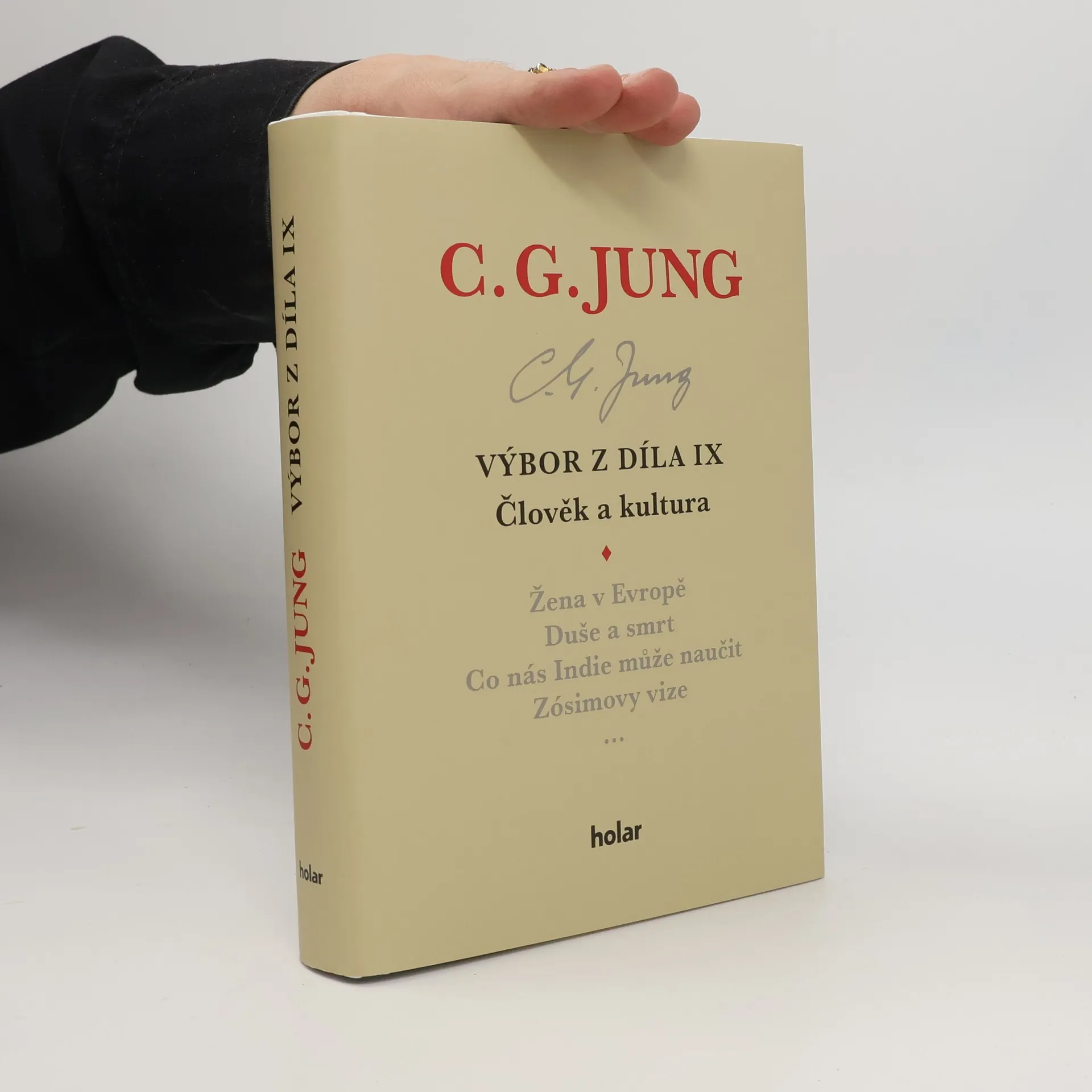
Výbor z díla IX: Člověk a kultura Devátý svazek „Výboru z díla C. G. Junga“, který vychází pod názvem Člověk a kultura, je současně svazkem závěrečným. Obsahuje následující texty C. G. Junga: O vzniku osobnosti, Žena v Evropě, Manželství jako psychologický vztah, Životní obrat, Duše a smrt, Svědomí z psychologického hlediska, Dobro a zlo v analytické psychologii, Psychologie a básnictví, Snící svět Indie, Co nás Indie může naučit, K psychologii východní meditace, Předmluva k I-ťingu, Zósimovy vize, Paracelsus jako lékař, Sigmund Freud.
L'analisi dei sogni-Gli archetipi dell'inconscio-La sincronicità
- 290 Seiten
- 11 Lesestunden
Die Tiefenschichten der Psyche bestimmten unser Denken, Fühlen und Handeln - gerade in unserer technisierten Welt wird ein ganzheitliches Menschenbild immer wichtiger. "Verena Kast und Ingrid Riedel haben es deshalb unternommen, das Wichtigste von Jung in einem Buch von dreihundert Seiten herauszugeben. Ein Wagnis, bei dem die Ergebnisse einer Umfrage unter Kollegen des C. G. Jung-Instituts Zürich berücksichtigt wurden, die herausfinden sollte, 'welche Texte Jungs, die gleichzeitig gut erschließbar sind, sie für unabdingbar für das Verständnis der Jung'schen Psychologie erachteten'“ (FAZ)
Gesammelte Werke, 20 Bde. in 24 Tl.-Bdn.
- 286 Seiten
- 11 Lesestunden
"C.G. Jung's Psychologie ist heute von grosser Aktualität : Sein Ziel war es, eine Psychologie und Psychotherapie zu entwickeln, die den ganzen Menschen in den Blick nimmt, und so beschäftigte er sich vor allem mit den unbewussten, nicht-rationalen und transpersonalen Aspekten der Psyche. Sein besonderes Verdienst ist die Erforschung der Tiefendimensionen der Seele, die über das persönliche Unbewusste hinausreichen : die sogenannten Archetypen."--Publisher's website
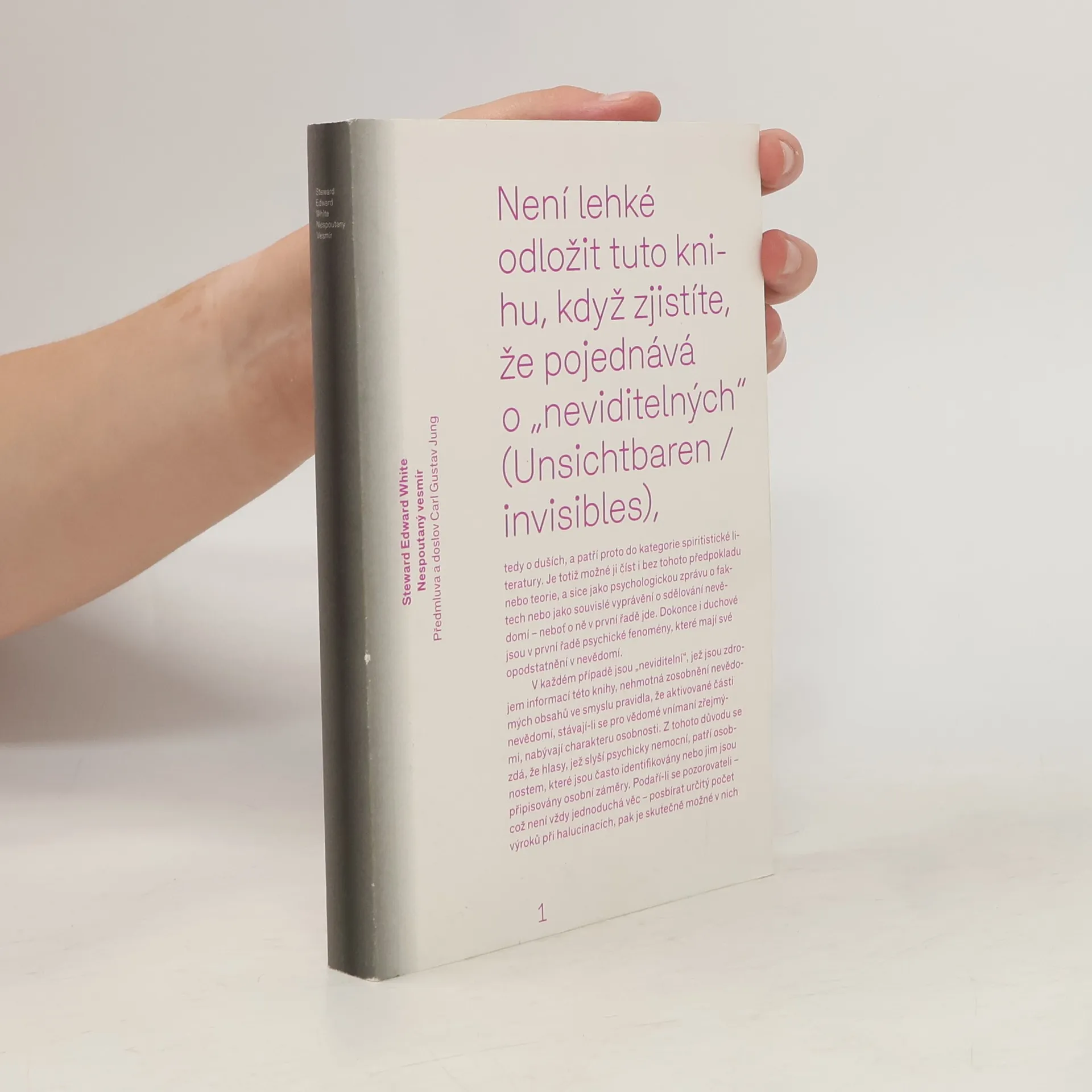
Nespoutaný vesmír
- 320 Seiten
- 12 Lesestunden
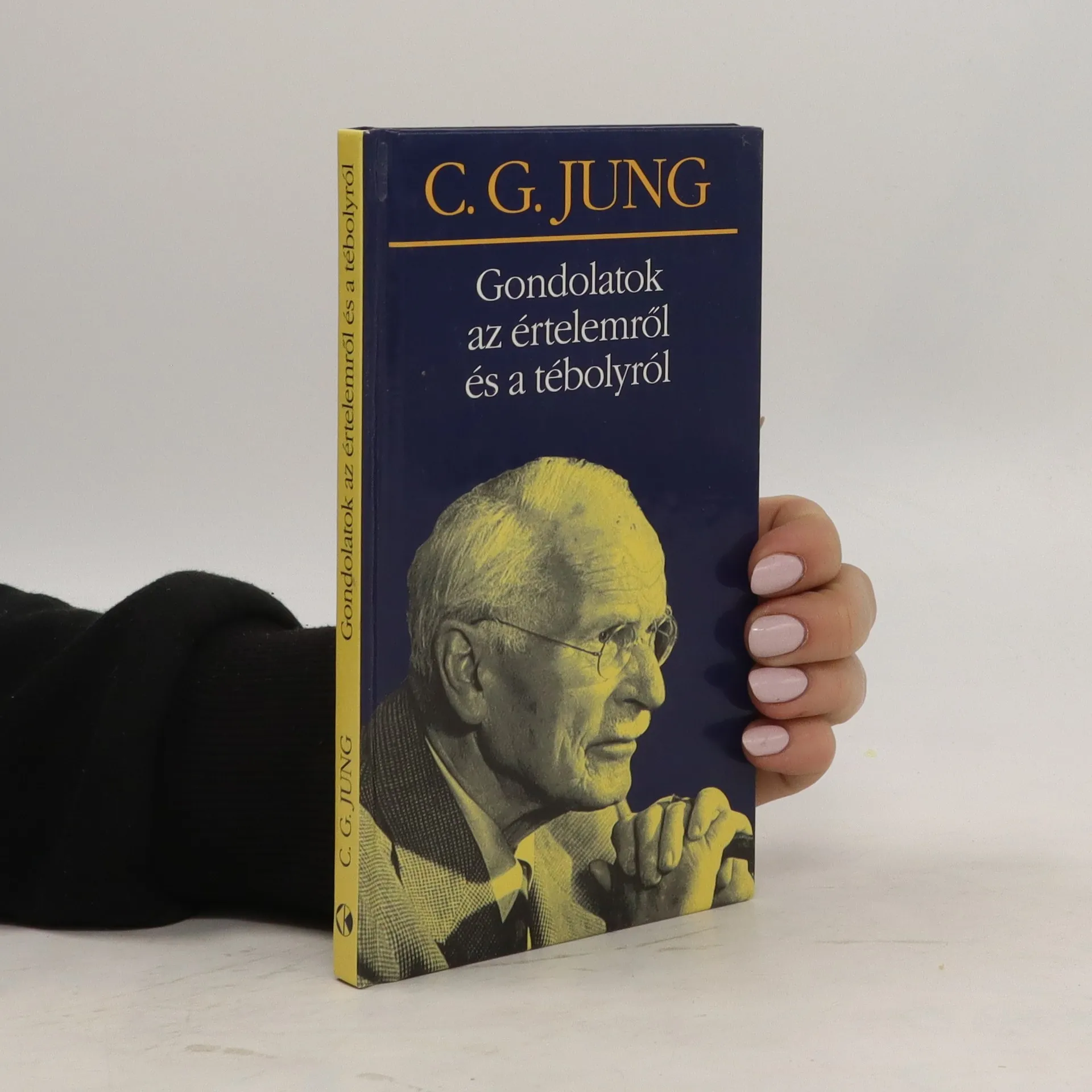
Gondolatok az értelemről és a tébolyról
- 69 Seiten
- 3 Lesestunden
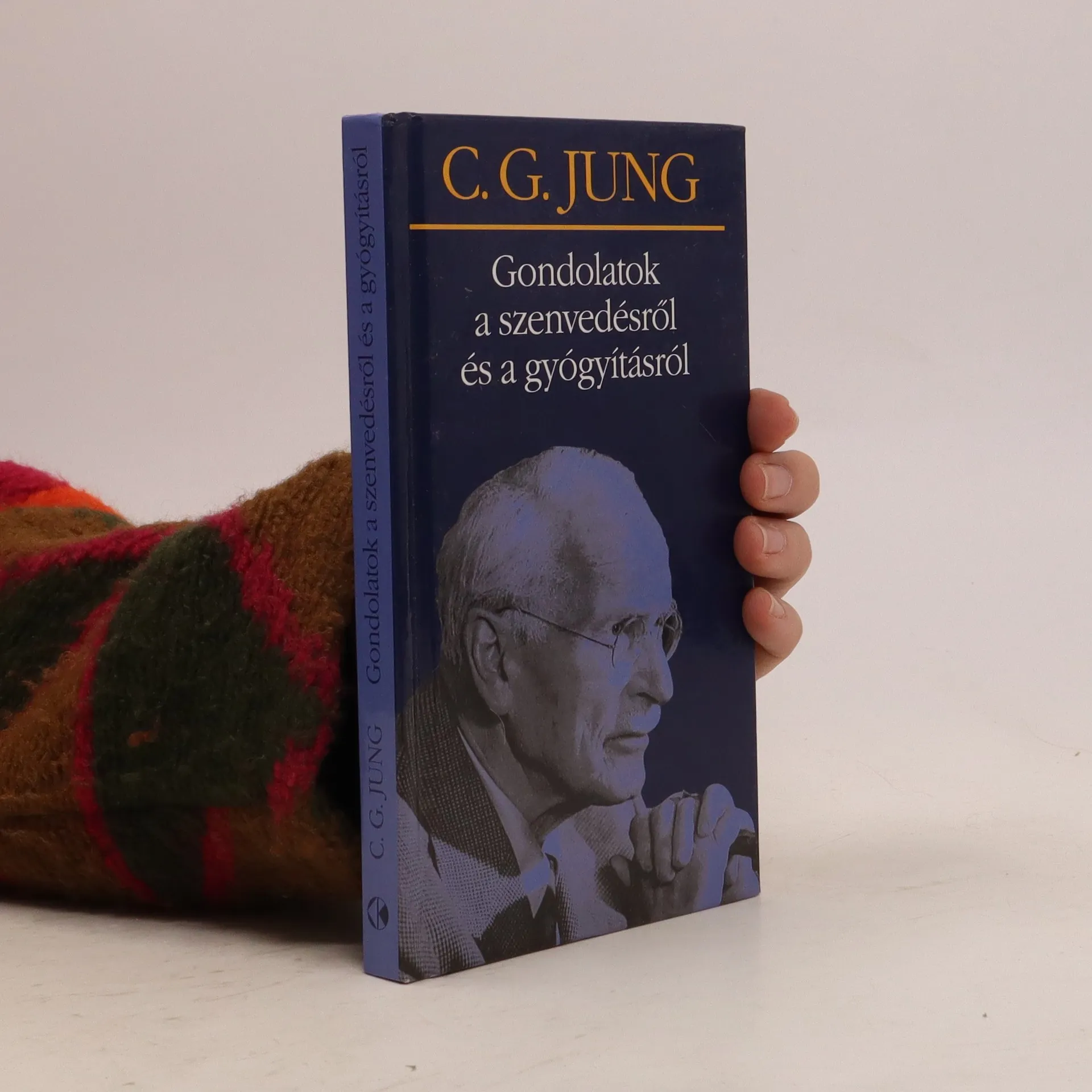
Gondolatok a szenvedésről és a gyógyításról
- 117 Seiten
- 5 Lesestunden
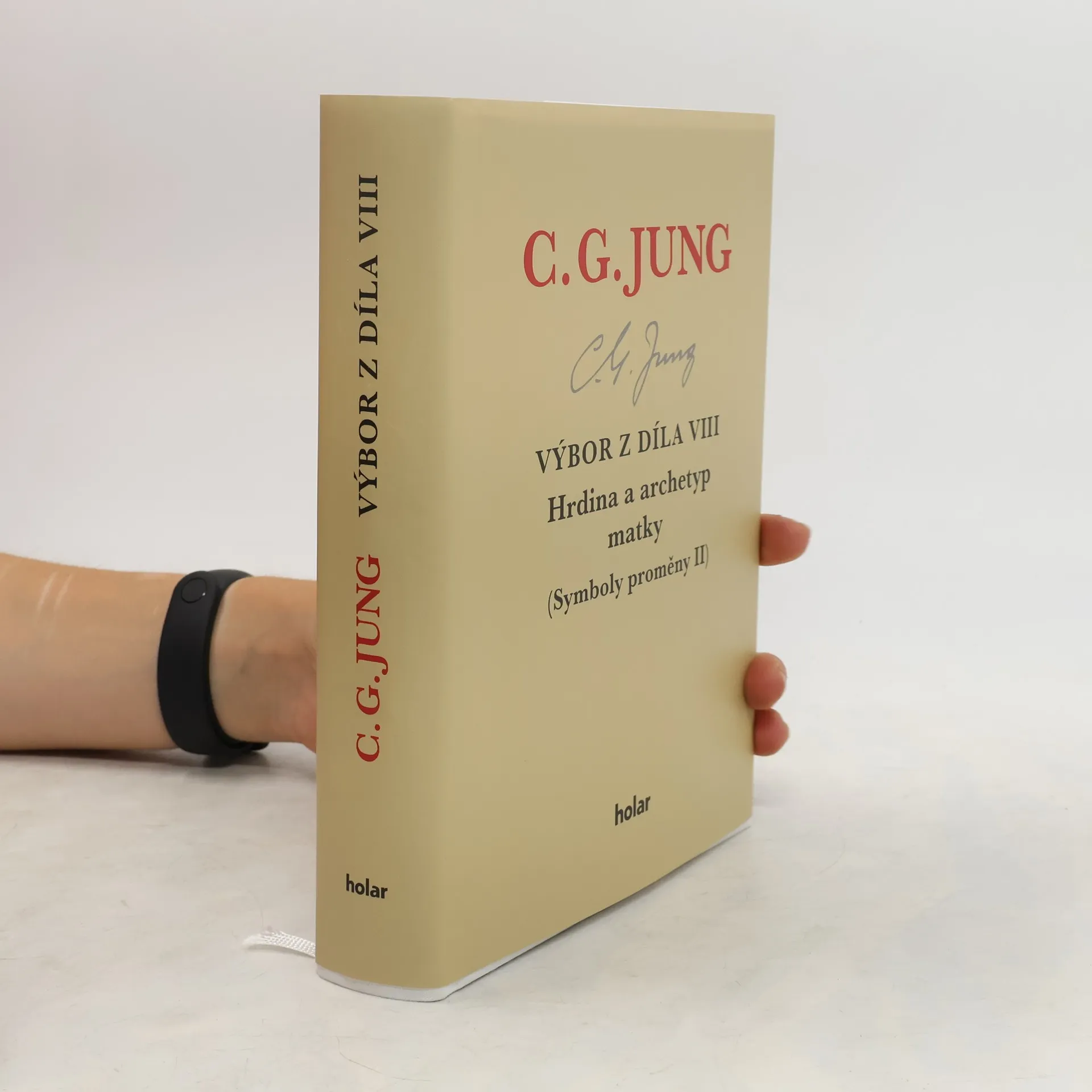
Výbor z díla VIII.
Hrdina a archetyp matky
Jako v pořadí osmý svazek „Výboru z díla C. G. Junga“ vychází pod názvem Hrdina a archetyp matky druhá část Jungovy přelomové práce Symboly proměny. Osmý svazek „Výboru“ tedy tvoří s dříve vydaným sedmým svazkem jeden celek. Osmý svazek obsahuje následující kapitoly: Vznik hrdiny, Symboly matky a znovuzrození, Boj o osvobození od matky, Dvojaká matka, Oběť. Součástí knihy je obsáhlý poznámkový aparát a rejstřík.
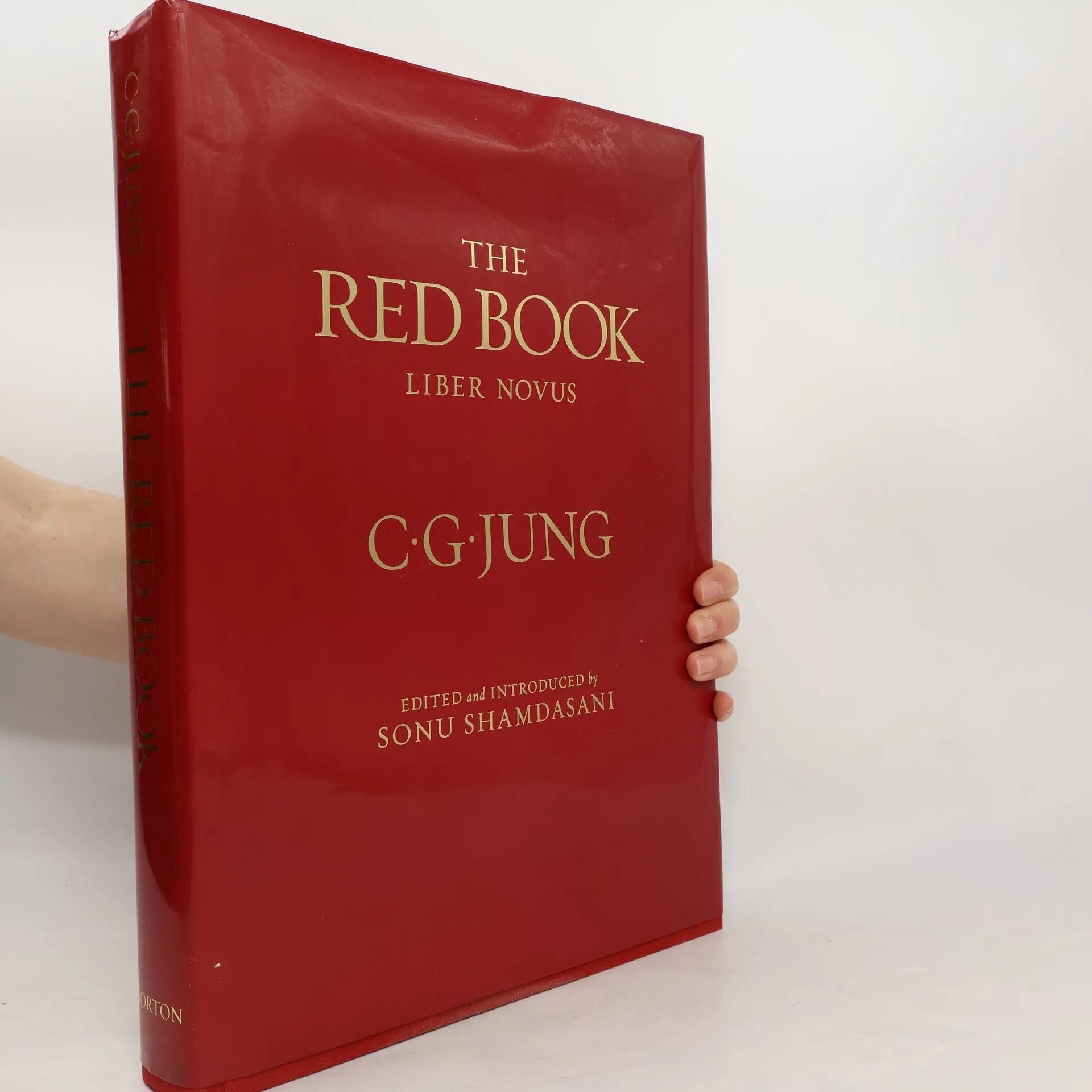
The Red Book. Liber novus
- 371 Seiten
- 13 Lesestunden
When Carl Jung embarked on an extended self-exploration he called it his “confrontation with the unconscious,” the heart of it was The Red Book, a large, illuminated volume he created between 1914 and 1930. Here he developed his principle theories—of the archetypes, the collective unconscious, and the process of individuation—that transformed psychotherapy from a practice concerned with treatment of the sick into a means for higher development of the personality. While Jung considered The Red Book to be his most important work, only a handful of people have ever seen it. Now, in a complete facsimile and translation, it is available to scholars and the general public. It is an astonishing example of calligraphy and art on a par with The Book of Kells and the illuminated manuscripts of William Blake. This publication of The Red Book is a watershed that will cast new light on the making of modern psychology. 212 color illustrations.
10 ans, ça se fête !
- 210 Seiten
- 8 Lesestunden
Ce soir, c'est la fête. Tout le monde à bord de La Toupie pour une croisière à l'occasion du dixième anniversaire de KTM éditions. Entre fiction et réalité, parmi les photographes et les journalistes, les auteures et l'éditrice, il y a celles que l'on avait perdues de vue : Jeanne et Zoé qui risquent fort d'arriver en retard, Nadia, dont les anciens émois semblent toujours vivants, Anita à la recherche de celle qui lui fera oublier Michèle, Tina et Alex qui sont prêtes à passer une soirée inoubliable, Pauline, en quête d'une femme providentielle, Fanny, très professionnelles, Amanda, venue changer d'air... Cette réception mondaine sera-t-elle assez chaude pour Alex? Sans trop de retrouvailles inattendues pour Emmanuelle ? Et si Carole surmontait son mal de mer et se lâchait... Quoi qu'il en soit, cette soirée au fil de l'eau s'annonce tout sauf monotone !
Проблемы души нашего времени (Problemy dushi nashego vremeni)
- 286 Seiten
- 11 Lesestunden
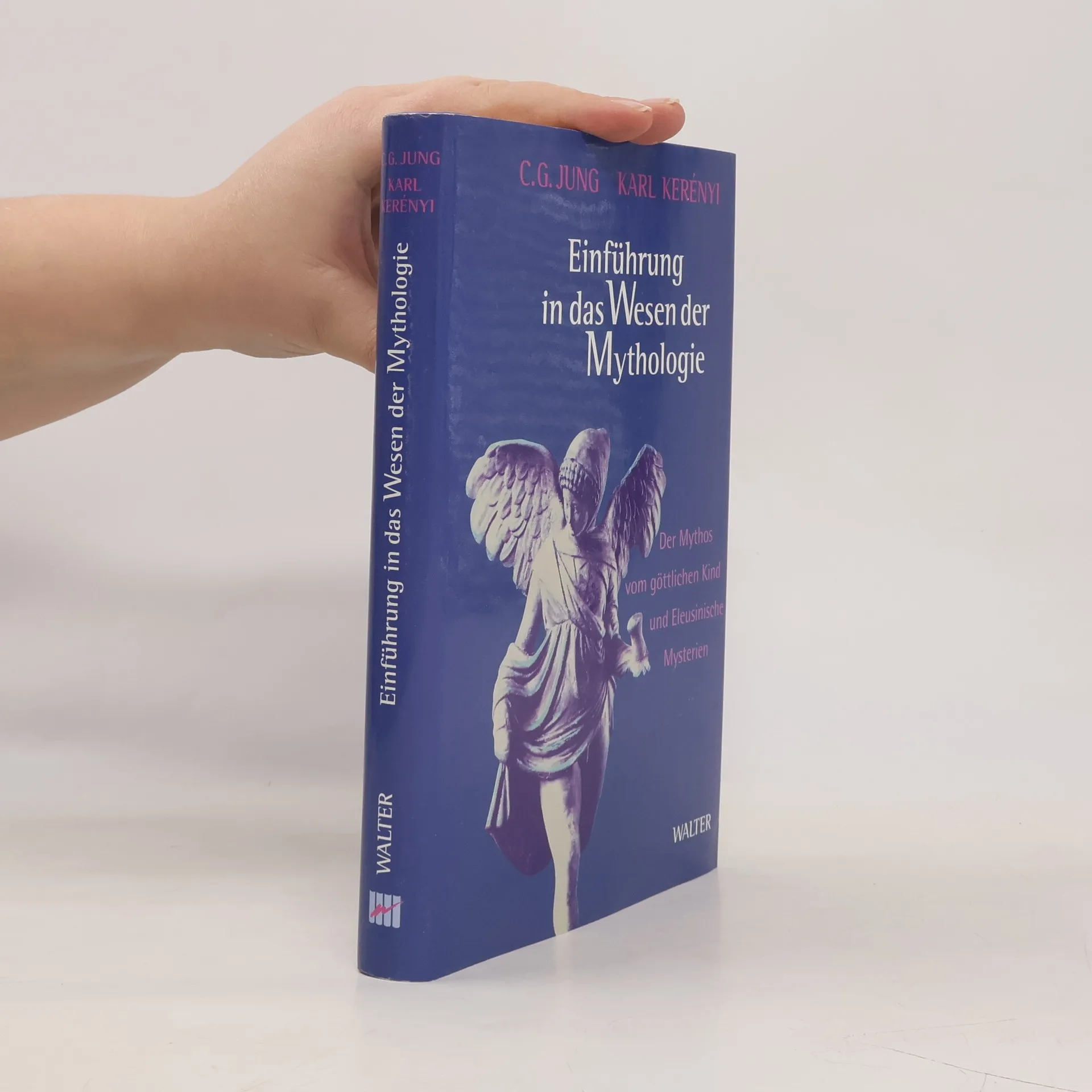
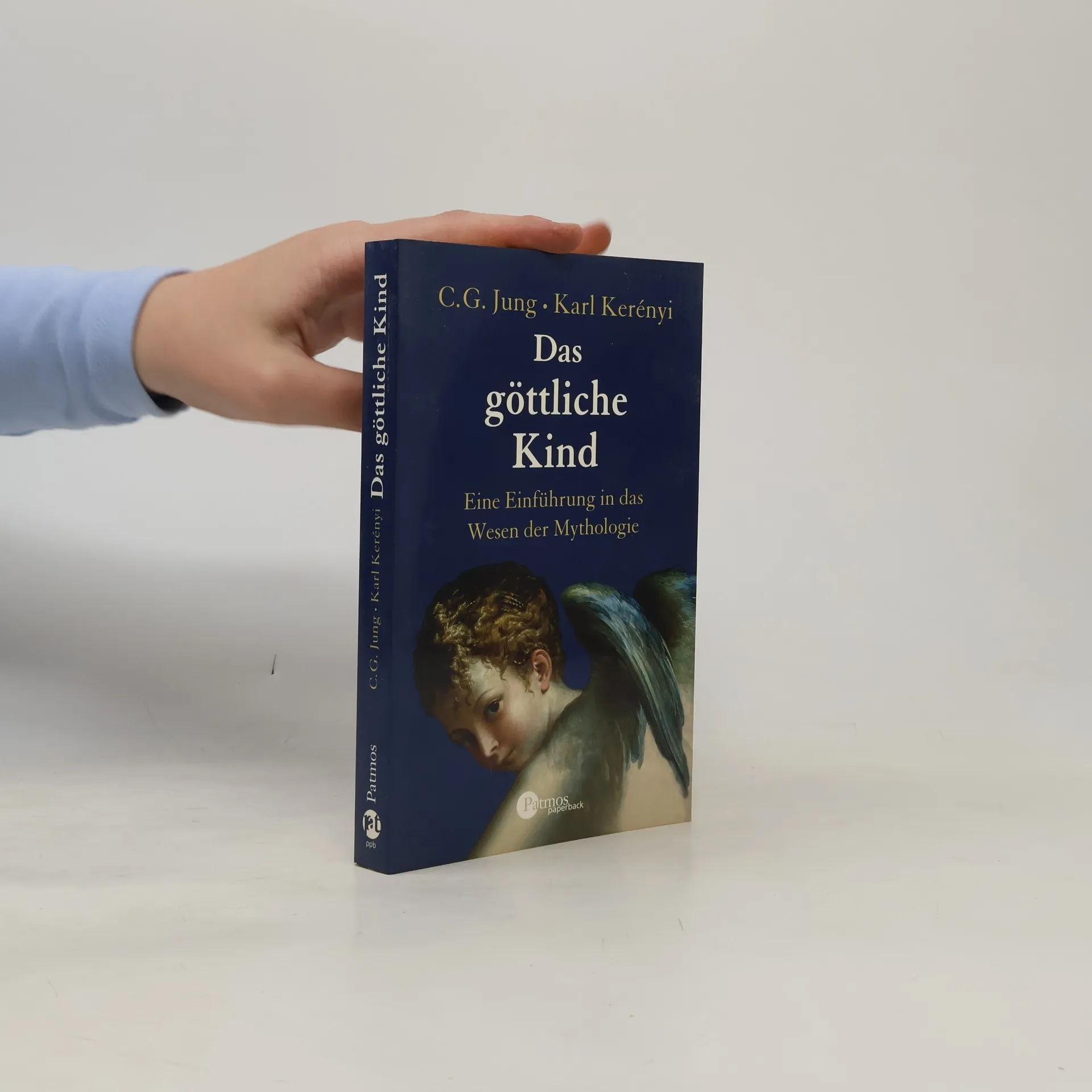
Vom Zauber des göttlichen Kindes Eine Einführung in die Mythologie von C. G. Jung und Karl Kerényi Auch der moderne Mensch kann gewinnbringend in den Wassern der Mythen schürfen. Karl Kerényi, einer der bekanntesten Mythenforscher des 20. Jahrhunderts, und C. G. Jung, der Entdecker des kollektiven Unbewussten, betrachten in diesem Buch zwei zentrale mythologische Motive: das 'göttliche Kind' und das 'göttliche Mädchen'. Die Autoren zeigen jeder auf seine Weise die Bedeutung des mythischen Denkens für die Seele des heutigen Menschen.
Contribution to Analytical Psychology
- 436 Seiten
- 16 Lesestunden
Exploring the energic viewpoint in psychology, this work delves into the measurement of psychic energy and its implications for understanding human behavior. It examines key concepts like libido theory, extraversion, and introversion, while also addressing the relationship between analytical psychology and various aspects of life, including marriage, education, and the unconscious. Jung's insights into the psychological foundations of belief and the therapeutic value of emotional expression further enrich the discussion, making it a comprehensive study of psychological dynamics.
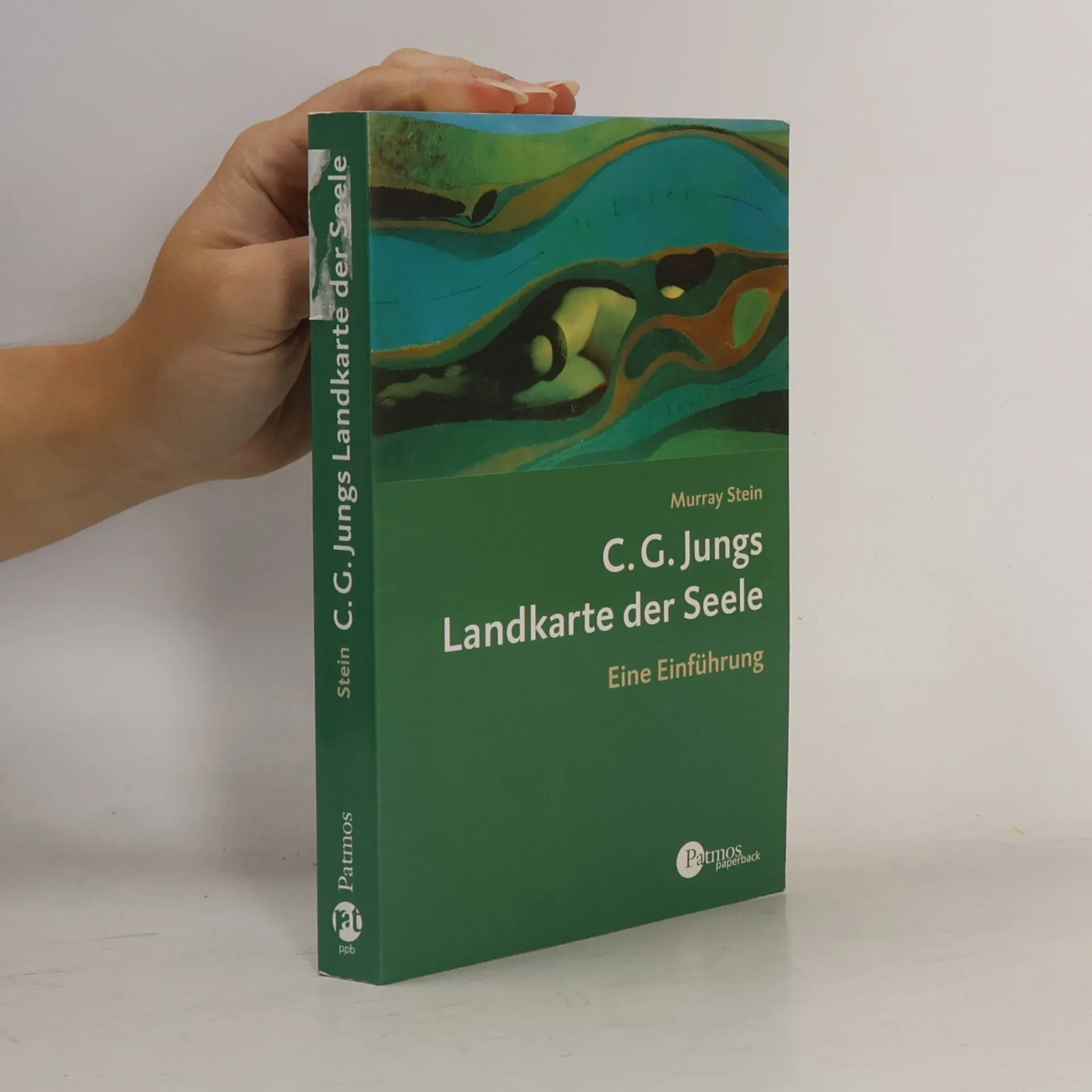
More than a mere overview, this work provides a strong grounding in the principles of Jung's analytical psychology, offering illuminating insights. It is likely the best one-volume English summary of Jung's thought. Stein uses a cartographical metaphor, beginning with the "surface" (ego) of the psyche and exploring increasingly complex areas, including complexes, libido theory, shadow, "anima/us," the self, individuation, and synchronicity. The map evolves into a multidisciplinary chart resembling a solar system rather than a flat map. Drawing heavily on Jung's later papers, Stein places them within the context of Jung's earlier thoughts, demonstrating the interconnectedness and coherence of his mature work. Stein could have aptly named this guide "Jung's Art of the Soul," as it reflects the intuitive journey of the founder of analytical psychology, framed within systematic techniques. Acknowledging Jung's creative approach, the author argues for the empirical foundations of his theories, countering views that categorize him solely as a mystic or philosopher. Organized like a graduate thesis, the major concepts from Jung's career—ego-consciousness, complexes, libido theory, archetypes, persona/shadow, anima/animus, the self, individuation, and synchronicity—are lucidly summarized. This accessible presentation whets the appetite for those interested in exploring Jung's voice and personal development further.
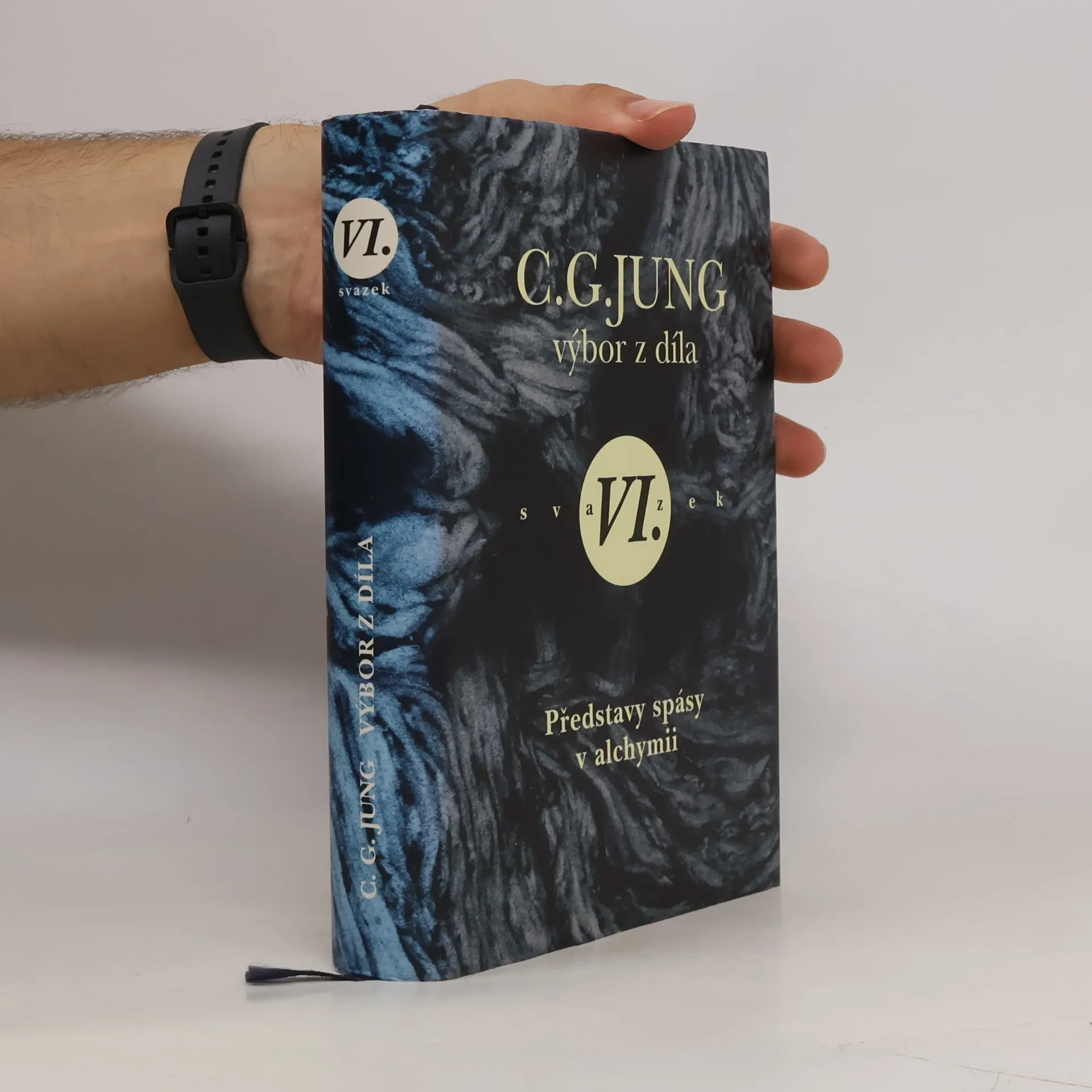
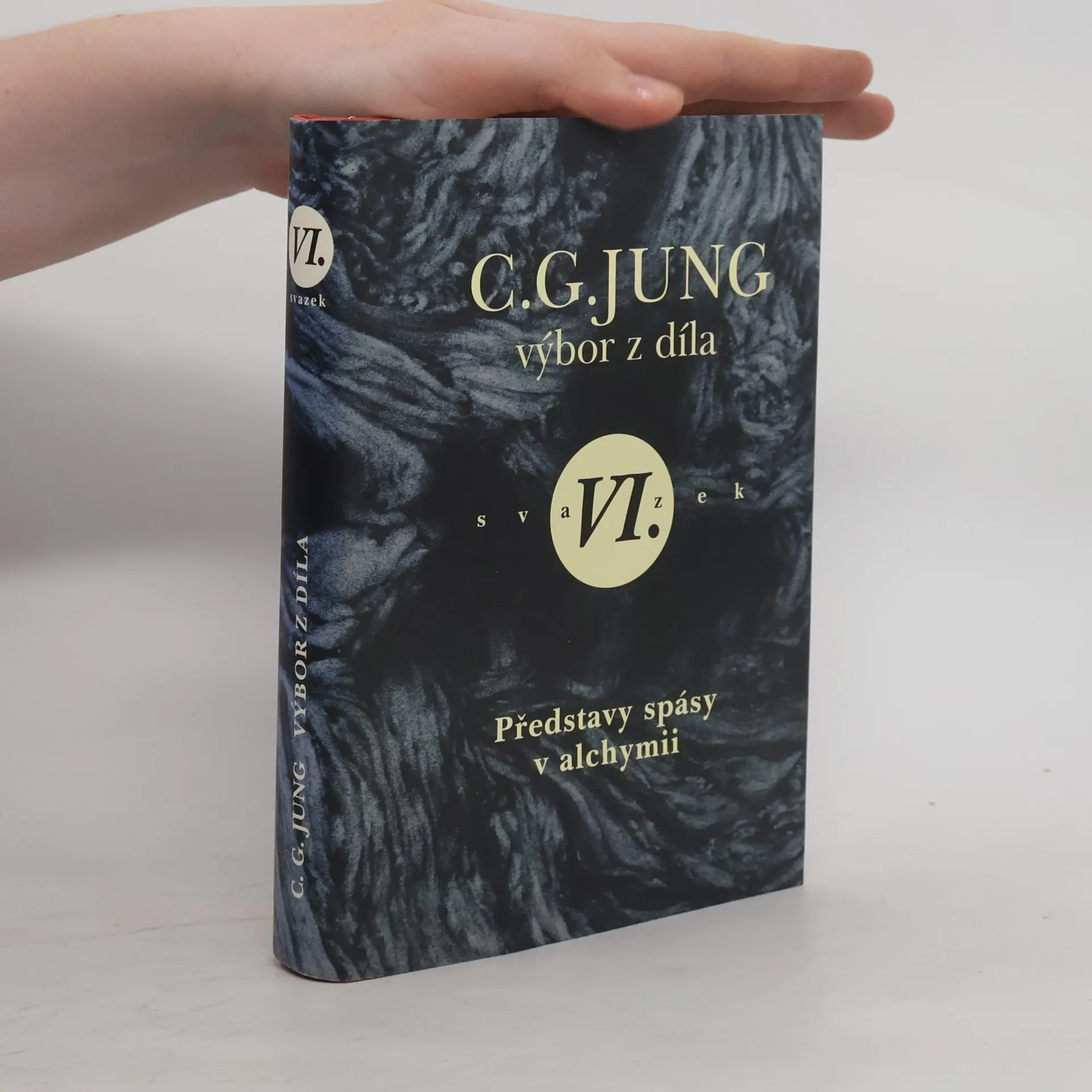
Představy spásy v alchymii : (psychologie a alchymie II)
- 371 Seiten
- 13 Lesestunden
Příspěvek myšlenkovým dějinám alchymie. Šestý svazek výboru z díla.
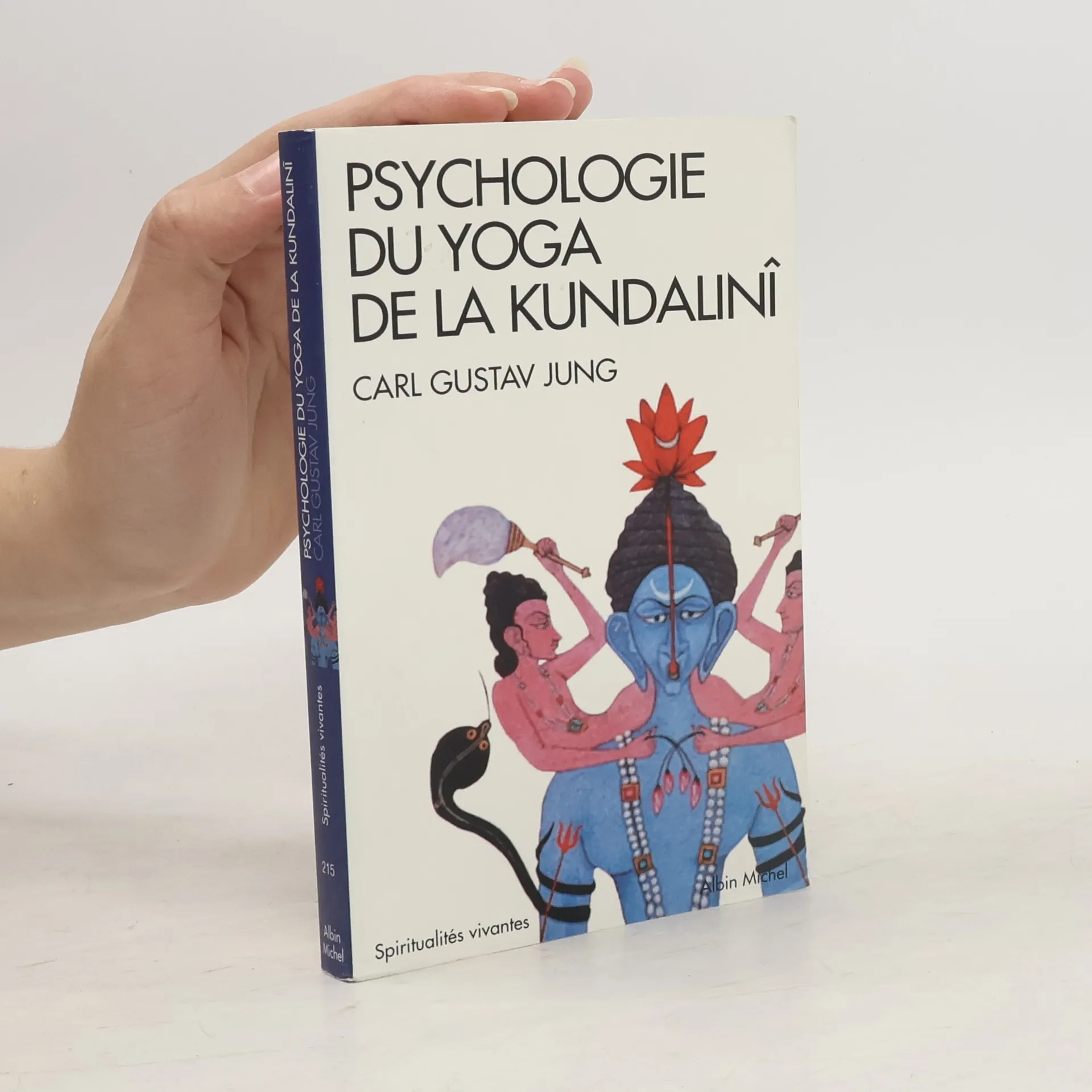
Spiritualités vivantes - 215: Psychologie du yoga de la Kundalinî
- 288 Seiten
- 11 Lesestunden
Ce livre est le résultat de quatre entretiens de Carl G. Jung avec Wilhelm Hauer, professeur d'études indiennes, à Zurich. Grâce à cette réflexion, le psychanalyste va trouver un modèle qui manquait à la psychologie occidentale : la description, à partir de l'étude des chakras, des phases de développement de la conscience supérieure.
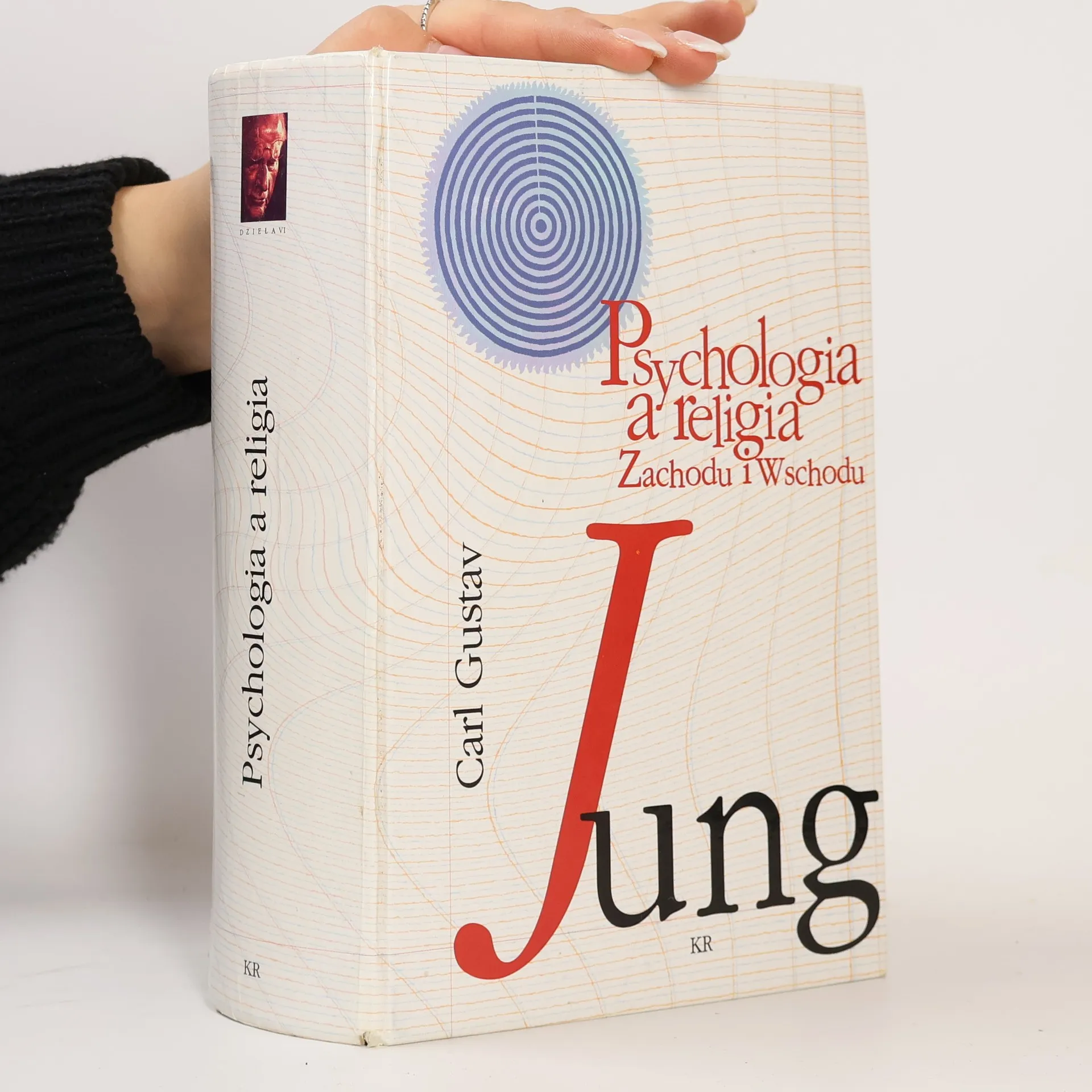
Psychologia a religia Zachodu i Wschodu
- 679 Seiten
- 24 Lesestunden
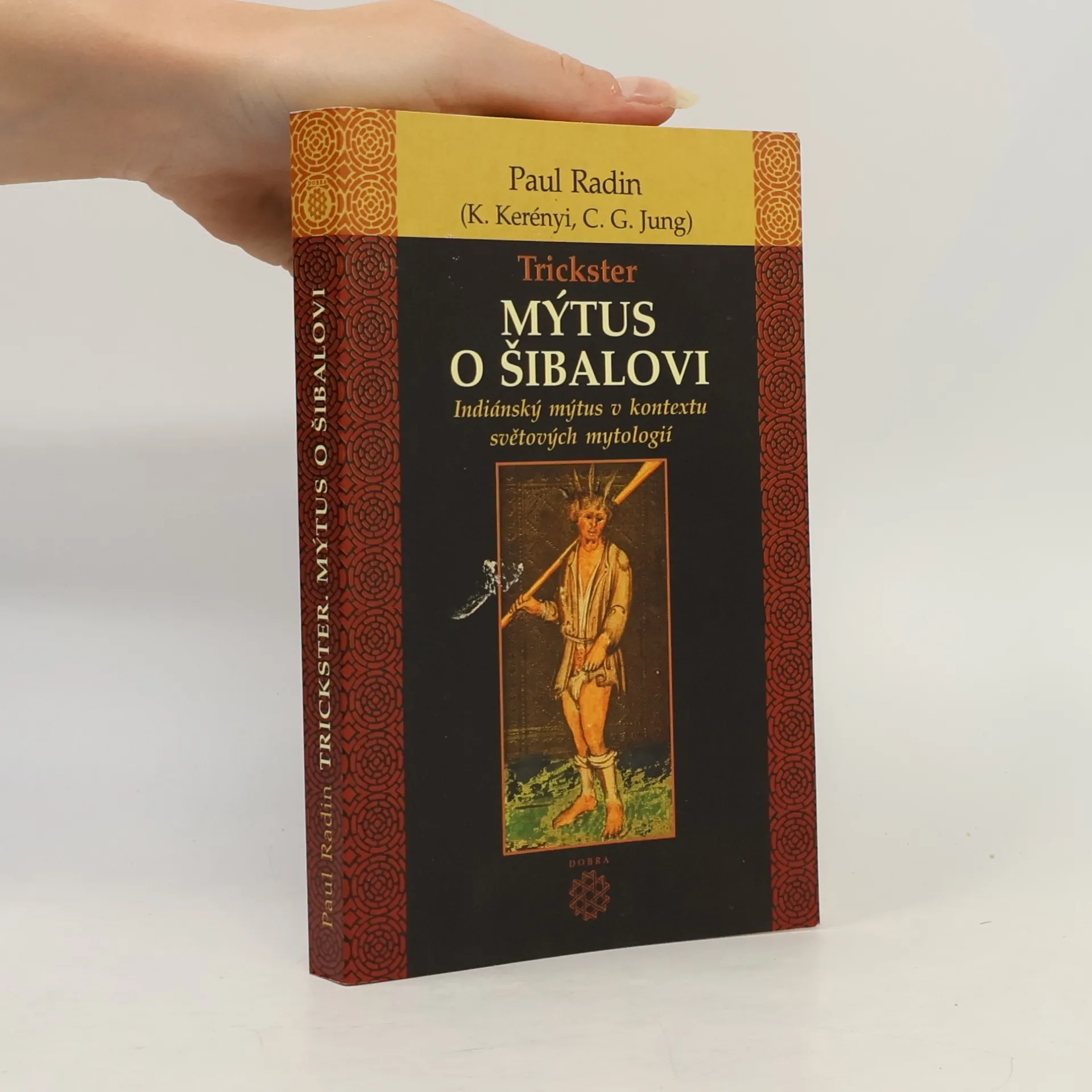
Trickster: Mýtus o Šibalovi
- 217 Seiten
- 8 Lesestunden
Mýtus o Šibalovi, který je jak tvořitelem, tak ničitetelem, jak podvodníkem, tak podváděným, jak podčlověkem, tak nadčlověkem - je jedním z nejstarších a nejuniverzálnějších vyjádření člověka. Původní indiánské mýty týkající se archetypické postavy Šibala či Blázna, jsou obsahem jedinečné studie indiánské mytologie se zaměřením na tuto postavu, její srovnání s postavami antické mytologie a její psychologický rozbor. Autor je jedním z vůdčích antropologů zabývajících se indiány. Je pravděpodobně nejlepším znalcem indiánských mýtů.
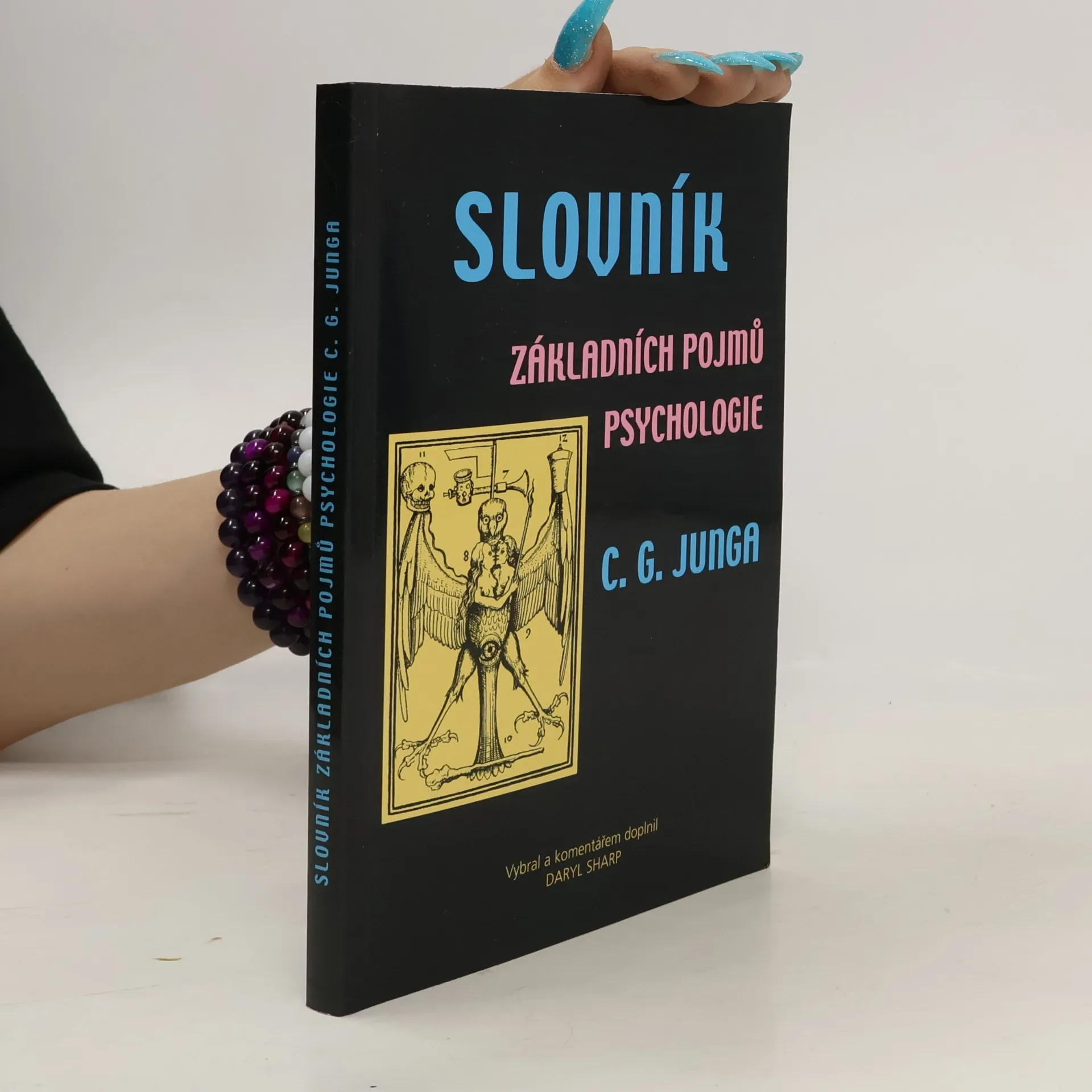
Slovník základních pojmů psychologie C.G. Junga
- 173 Seiten
- 7 Lesestunden
C. G. Jung zemřel v roce 1961, aniž svou psychologii stačil systematicky uspořádat. Snad i proto se jeho myšlenky v posledních čtyřiceti letech staly předmětem zájmu mnoha dalších badatelů, kteří je zkoumali, vysvětlovali a amplifikovali, a to s nejrůznějšími výsledky. Cílem knihy je seznámit čtenáře s bohatstvím Jungových originálních myšlenek, které nechce kritizovat ani obhajovat. Základ knihy tvoří citáty z Jungova díla, které jsou doplněny stručnými komentáři Daryla Sharpa. Kniha je koncipována tak, aby poskytla přehled Jungovy analytické psychologie a vysvětlila její základní pojmy a principy.
Sedmý svazek výboru z díla psychologa Carla Gustava Junga.
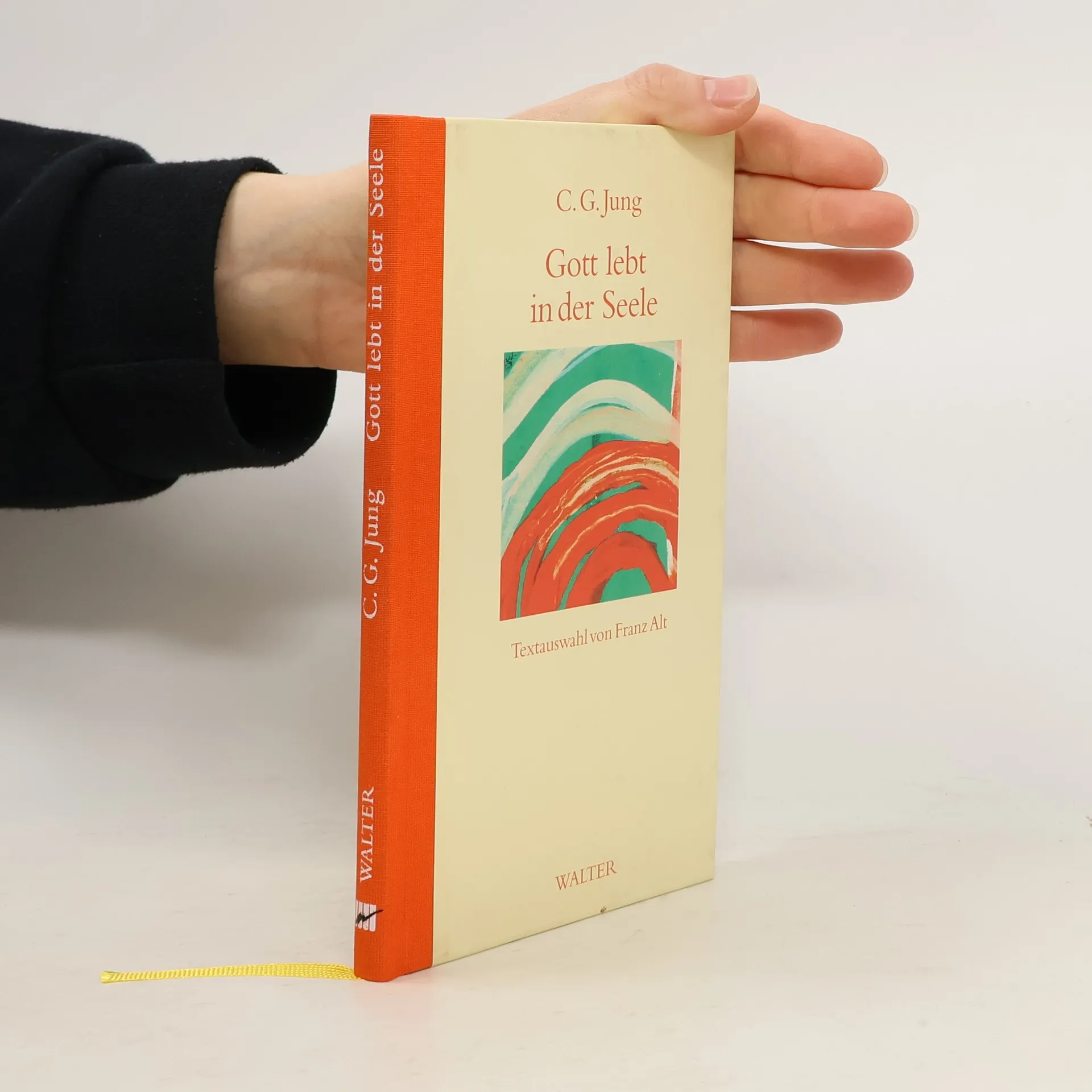
Gott lebt in der Seele
- 79 Seiten
- 3 Lesestunden
Verbinden Sie berufliche Vorteile mit dem Vergnügen eines angenehmen Gesprächs - beim Small Talk! Lernen Sie hier, Kontakte zu pflegen, Informationen auszutauschen oder die Basis für eine gute Zusammenarbeit zu legen. Inhalte: Wie Small Talk Sie beruflich weiterbringt Wie Sie Hemmungen überwinden und den passenden Gesprächseinstieg finden Welche Themen und Techniken Sie nutzen können Wie Sie heikle Situationen souverän meistern
Viele Menschen sehnen sich nach Heilung. Sie leiden an körperlichen und seelischen Erkrankungen, aber auch an Konflikten und Spannungen bei der Bewältigung des Alltags. »Niemand ist ohne Leiden, solange er im chaotischen Strom des Lebens schwimmt«, betont C. G. Jung. Seelisches Leiden ist für ihn vor allem mit einem Mangel an Sinn im Leben verbunden. Wer Heilung sucht, muss daher bereit sein, sich auf Sinnfragen einzulassen. Auf dem Weg der Heilung zu sein, bedeutet für Jung Bewusstwerdung und eine lebenslange Entwicklung zur Ganzheit. Und für Therapeut: innen, die heilend wirken wollen, gilt: »Nur das, was einer wirklich ist, hat heilende Kraft.« In diesem Klassiker – nach Jahrzehnten endlich wieder lieferbar – hat Franz Alt die wichtigsten Zitate C. G. Jungs zu Krankheit, Leiden und Heilung versammelt. Eine Schatzkiste voller Einsichten und Weisheiten, die Mut machen, sich auf die heilenden Kräfte, die im Menschen selbst zu finden sind, einzulassen.
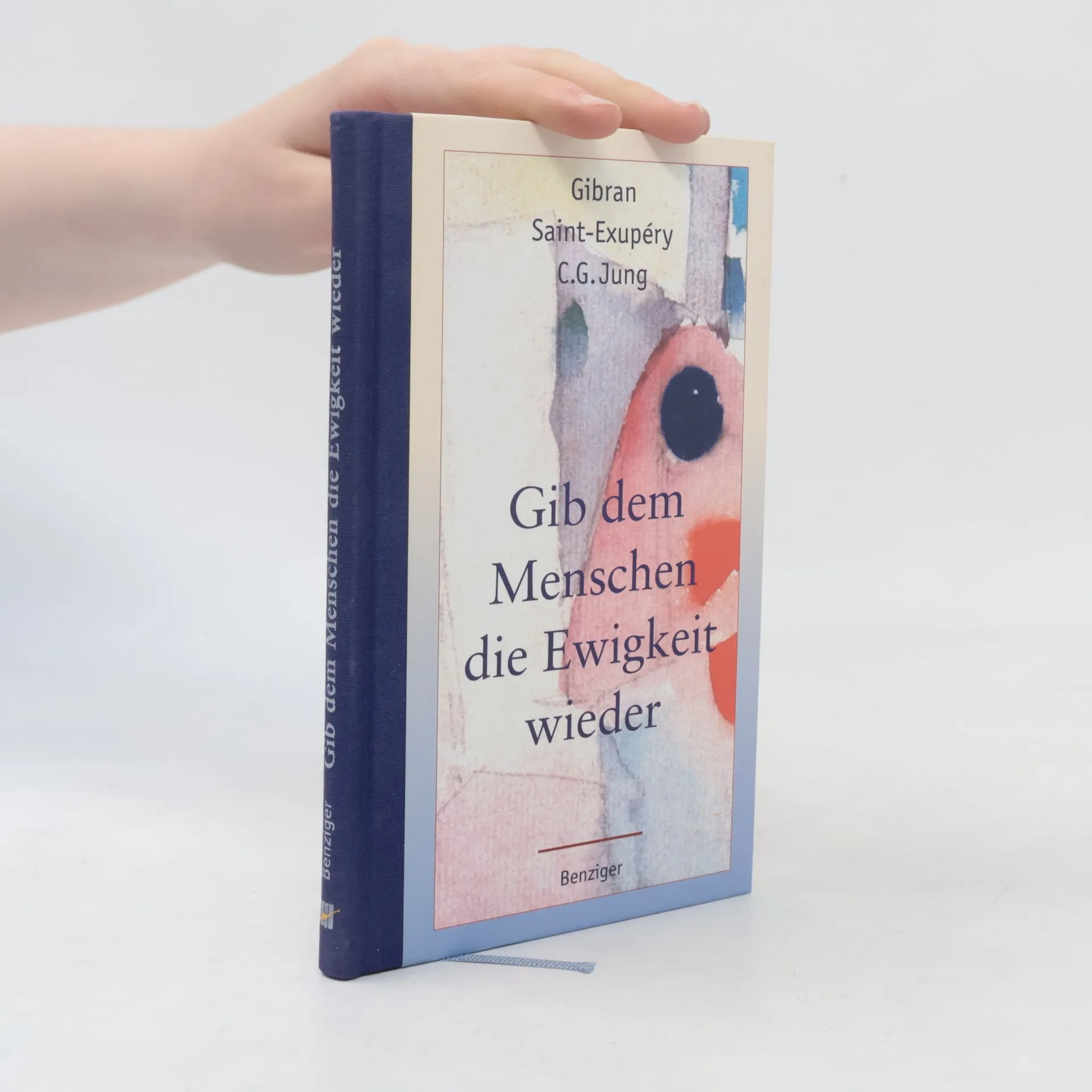
Gib dem Menschen die Ewigkeit wieder
- 99 Seiten
- 4 Lesestunden
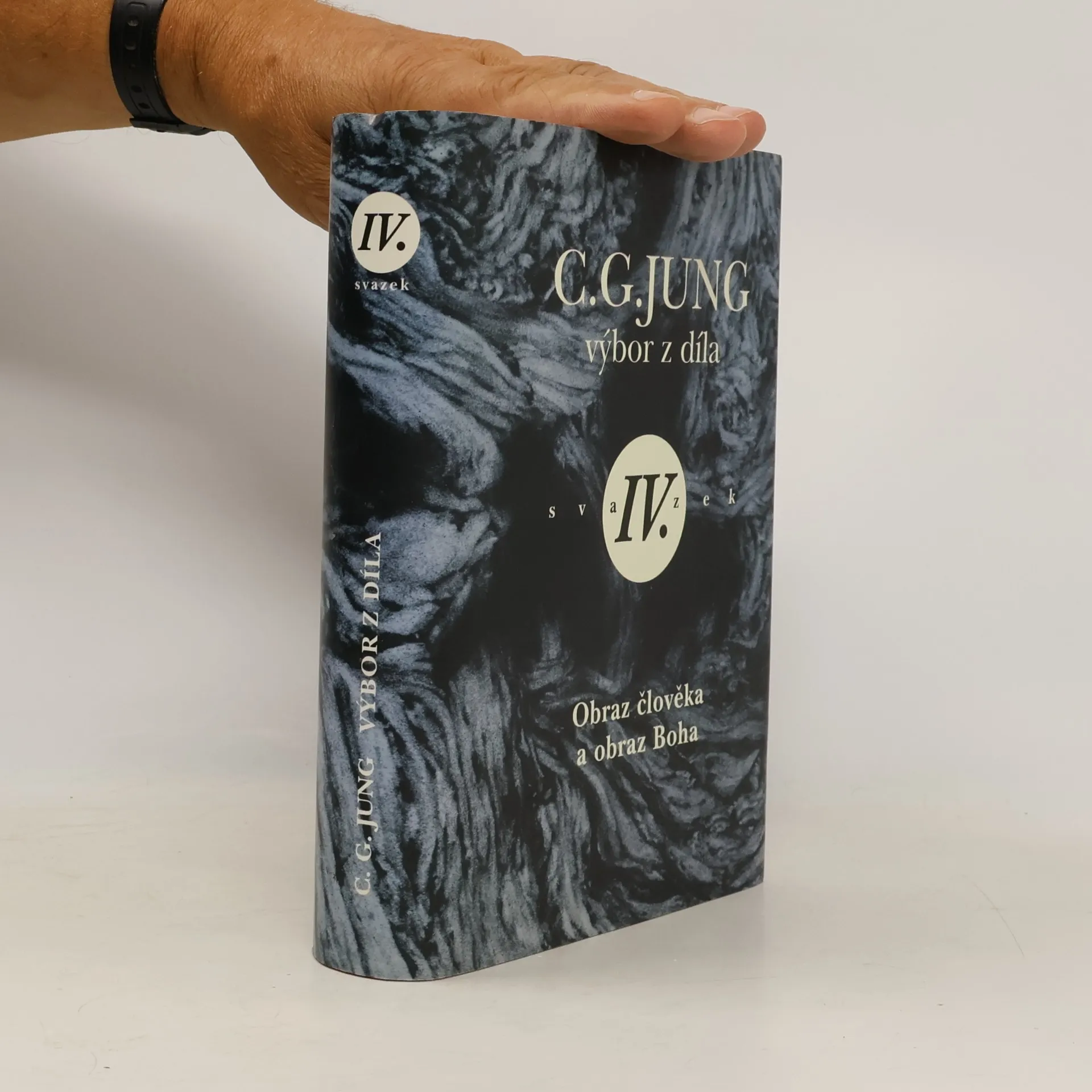
Obraz člověka a obraz Boha Průkopník psychoanalýzy zkoumá podstatu a symboliku mše, obraz Boha a propojení náboženství s psychologií. Přednášky "Psychologie a náboženství" odhalují společné rysy lékařské psychologie a náboženství. Náboženství zosobňuje jeden z nejranějších projevů lidské duše! Proto každá psychologická koncepce, jež se zabývá duševní strukturou lidské osobnosti, musí zohlednit, že náboženství pro řadu lidí personifikuje hluboce niternou záležitost. Následující text vysvětluje náboženskou mši ve smyslu antropomorfního symbolu pro to, co přesahuje svět a rámec lidského chápání. Její symbolika se tudíž stává legitimním předmětem psychologického a analytického zkoumání... "Odpověď na Jóba" přibližuje reakci vzdělaného člověka současnosti na temné stránky Boha, které se objevují v Knize Jóbově. Jedná se o rozbor podstaty afektu coby zdroje násilí! Společným rysem těchto textů je pohled analytického psychologa na různé aspekty náboženského prožitku jedince.
Paracelsus
- 223 Seiten
- 8 Lesestunden
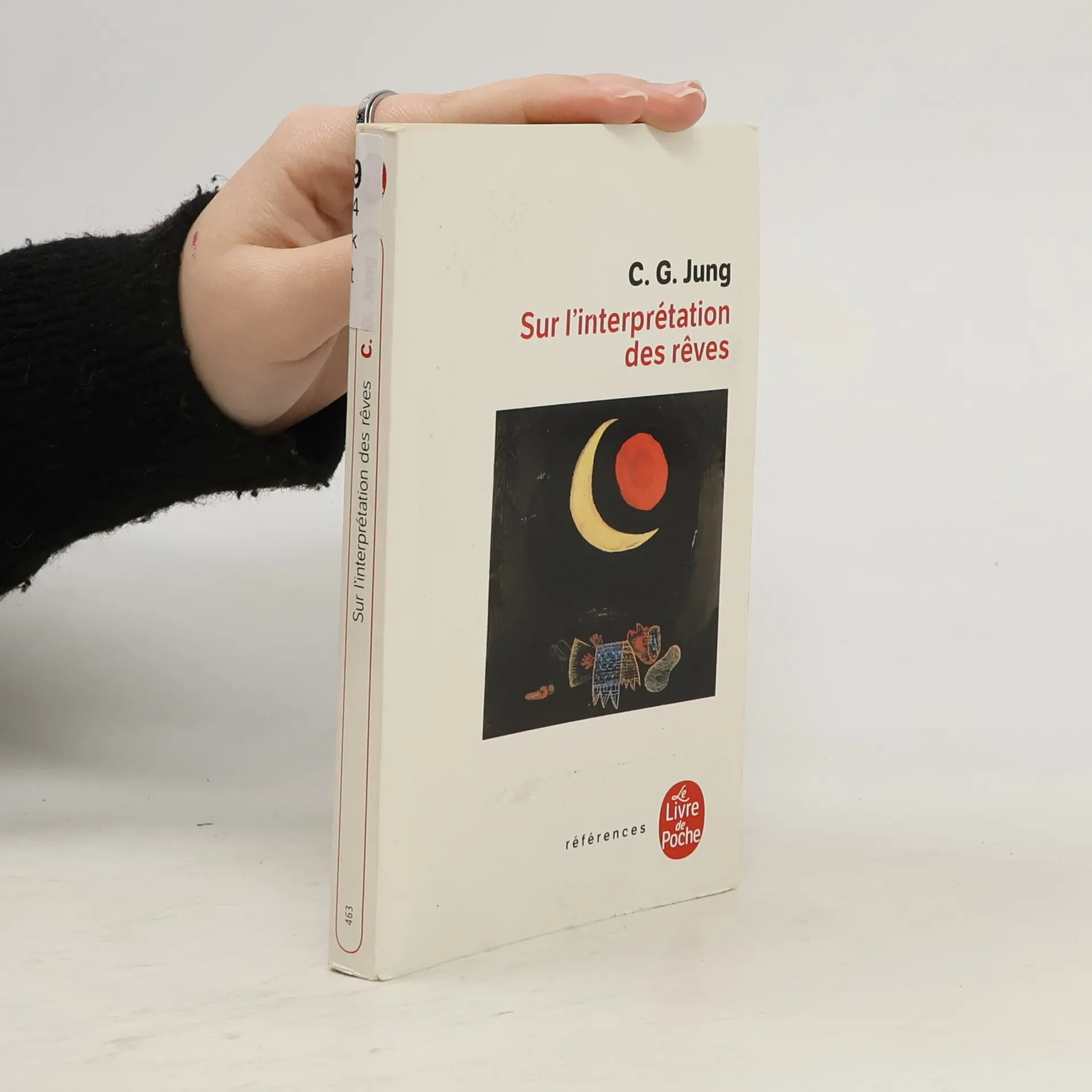
Sur l'interprétation des rêves
- 320 Seiten
- 12 Lesestunden
Pour Jung, le rêve ne peut s'expliquer, dans la plupart des cas, qu'à partir de lui-même, sans être réduit à des présupposés théoriques qui lui feraient dire autre chose que ce qu'il dit réellement. Dans cette optique, le rêve, produit de l'inconscient le plus profond qui cherche à se dévoiler, ne se comprend qu'à travers l'effort de l'âme à être reconnue.Ce livre, issu d'un séminaire d'études tenu par Jung avec certains de ses élèves les plus importants, passe aussi en revue les grands systèmes d'interprétation des rêves depuis l'Antiquité, tente d'en expliquer les ressorts et, à travers un foisonnement d'exemples commentés, montre de manière vivante comment écouter et comprendre les images oniriques qui sont le pendant de notre aventure intérieure.
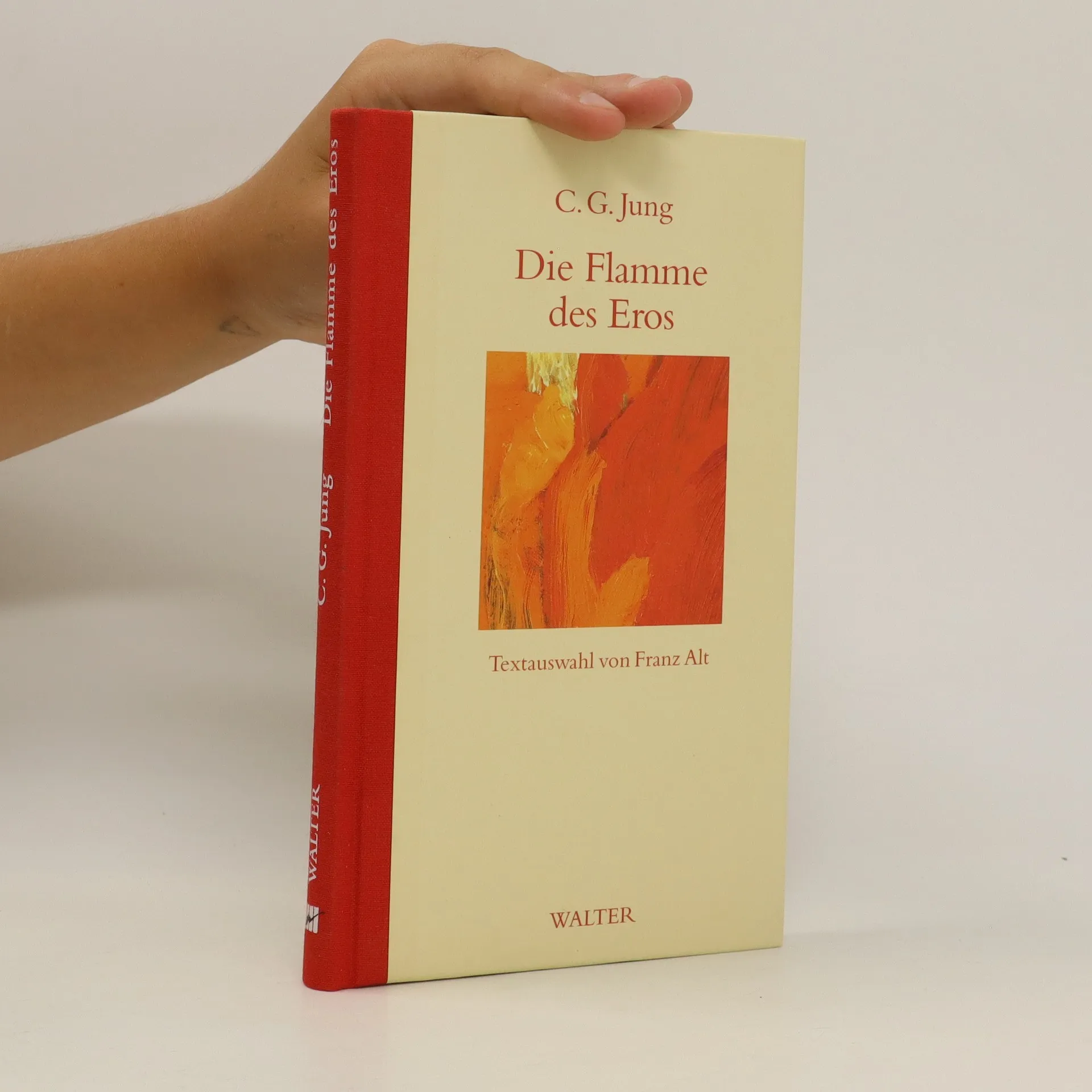
Die Flamme des Eros
- 117 Seiten
- 5 Lesestunden
Über die Liebe
- 104 Seiten
- 4 Lesestunden
„Das Problem der Liebe erscheint mir als ungeheuer großer Berg, der mit all meiner Erfahrung sich nur immer zu noch größerer Höhe aufgetürmt hat“, schreibt C. G. Jung 1922, und vier Jahrzehnte später muss er sich eingestehen, dass er auf die Frage der Liebe nie eine gültige Antwort geben konnte. Als Seelenarzt begegnete ihm die Liebe in unterschiedlichsten Formen: der allerersten, prägenden Liebe zwischen Mutter und Kind; der unwiderstehlichen Wirkung von Eros und Anima, die glückliche wie auch fatale Beziehungen ermöglichen; der Selbstliebe, die als gesunde narzisstische Liebe Voraussetzung ist für echte Liebesbeziehungen, und schließlich der über alles hinausgehenden göttlichen Liebe. In dieser sorgfältigen vorliegenden Auswahl von Kurztexten und Zitaten aus C. G. Jungs Werk finden sich seine wesentlichen Gedanken zum Thema Liebe.
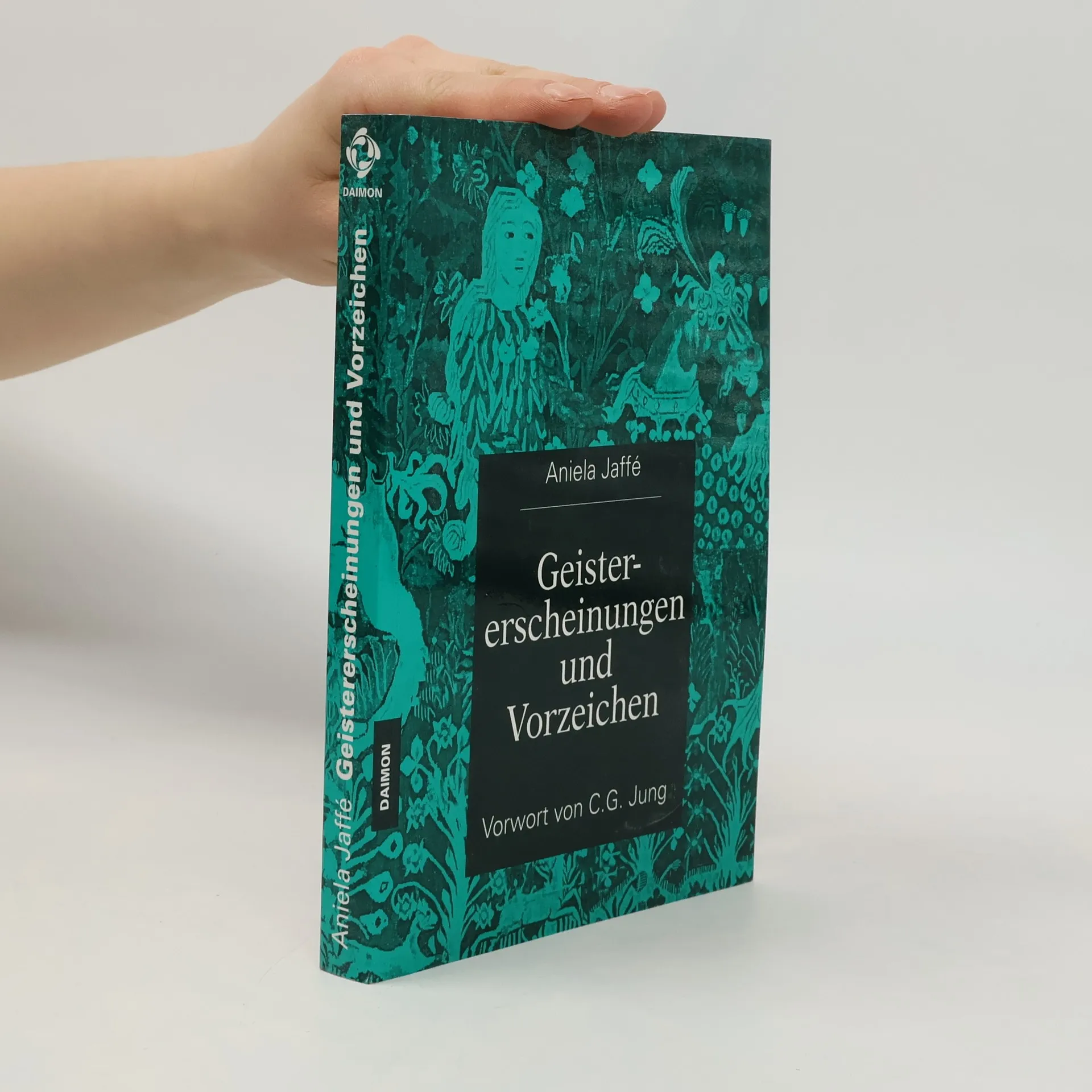
Geistererscheinungen und Vorzeichen
- 300 Seiten
- 11 Lesestunden
Das Buch greift ein Thema auf, das seit jeher die Menschen beschäftigt und in Atem gehalten hat. Die immer wiederholte, jedoch nie mit Eindeutigkeit beantwortete Frage, ob es sich bei Geistererscheinungen um Täuschungen oder um unabhängig vom Menschen existierende Realitäten handle, steht hier allerdings nicht im Zentrum der Untersuchung. Diese gilt vielmehr der Bearbeitung eines Problems, das bisher noch nicht gesehen oder behandelt worden ist: erstmals wird die Frage nach dem archetypischen Charakter der Phänomene gestellt, und auf Grund der Psychologie C. G. Jungs werden bedeutsame Zusammenhänge zwischen Geistererscheinungen und den urtümlichen Bildern des sogenannten „kollektiven Unbewußten“ aufgezeigt. Zum Vergleich der Erlebnisse moderner Menschen werden alte Sagen, die Erfahrungen der Mystiker sowie die Phantasien der Alchemisten beigezogen. Aniela Jaffé war Analytikerin in Zürich und langjährige Mitarbeiterin C. G. Jungs. Als Herausgeberin von „Erinnerungen, Träume, Gedanken von C. G. Jung“ ist sie einem großen Leserpublikum bekannt geworden. Sie hat mit ihren zahlreichen Publikationen maßgeblich dazu beigetragen, daß seine Psychologie einem breiteren Kreis näher gebracht wurde.
Představy spásy v alchymii Příspěvek myšlenkovým dějinám alchymie. Šestý svazek výboru z díla.
Geheimnis der Goldenen Blüte. Das Buch von Bewußtsein und Leben.
- 191 Seiten
- 7 Lesestunden
Kommentar von Carl Gustav Jung, übersetzt aus dem Chinesischen von Richard Wilhelm. Sonderausgabe mit Abbildungen, 191 Seiten.
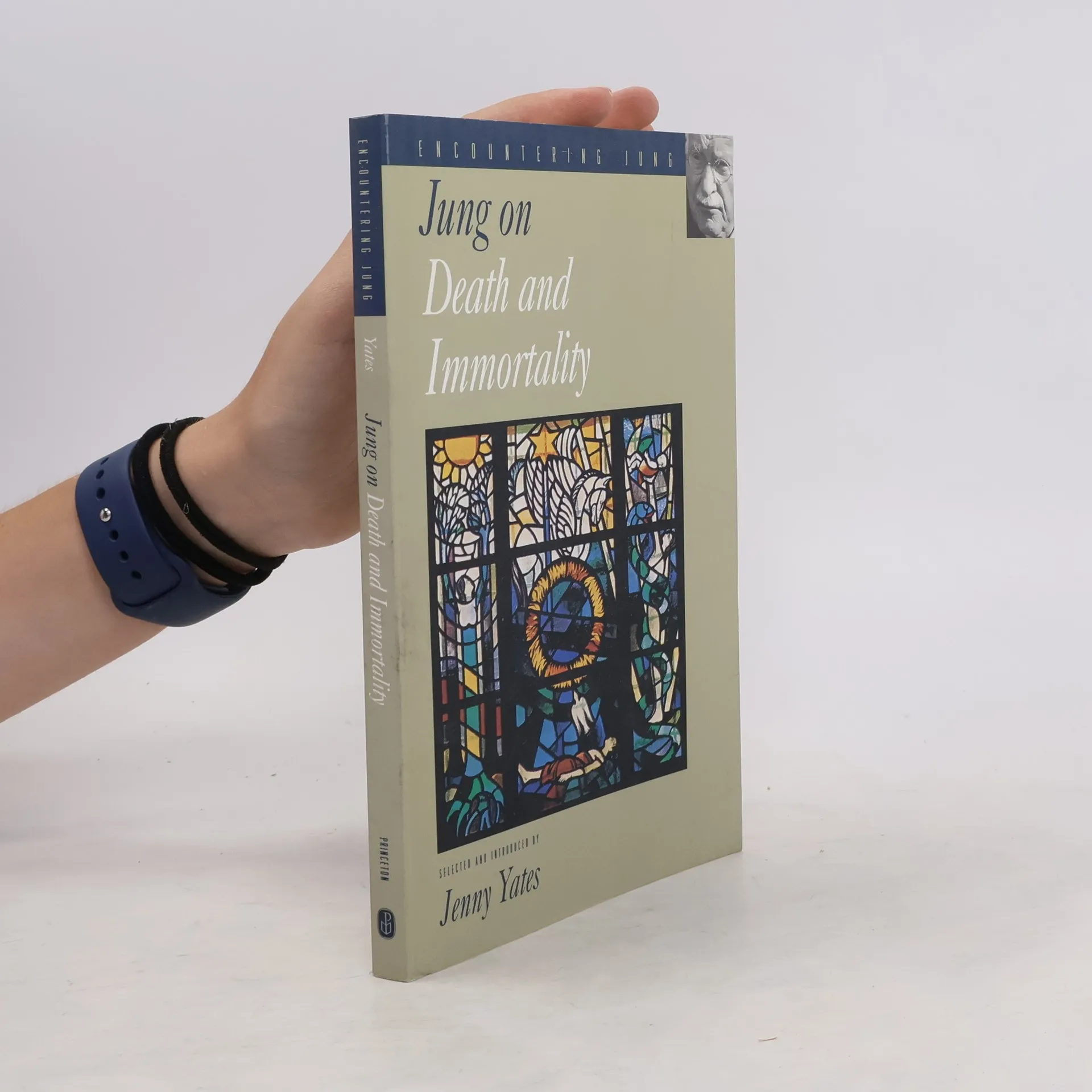
Jung on death and immortality
- 168 Seiten
- 6 Lesestunden
"As a doctor, I make every effort to strengthen the belief in immortality, especially with older patients when such questions come threateningly close. For, seen in correct psychological perspective, death is not an end but a goal, and life's inclination towards death begins as soon as the meridian is past."--C.G. Jung, commentary on "The Secret of the Golden Flower"Here collected for the first time are Jung's views on death and immortality, his writings often coinciding with the death of the most significant people in his life. The book shows many of the major themes running throughout the writings, including the relativity of space and time surrounding death, the link between transference and death, and the archetypes shared among the world's religions at the depths of the Self. The book includes selections from "On Resurrection," "The Soul and Death," "Concerning Rebirth," "Psychological Commentary on The Tibetan Book of the Dead" from the "Collected Works, " "Letter to Pastor Pfafflin" from "Letters, " and "On Life after Death."
C. G. Jung, son of a Swiss Reformed pastor, used his Christian background throughout his career to illuminate the psychological roots of all religions. Jung believed religion was a profound, psychological response to the unknown--both the inner self and the outer worlds--and he understood Christianity to be a profound meditation on the meaning of the life of Jesus of Nazareth within the context of Hebrew spirituality and the Biblical worldview.Murray Stein's introduction relates Jung's personal relationship with Christianity to his psychological views on religion in general, his hermeneutic of religious thought, and his therapeutic attitude toward Christianity. This volume includes extensive selections from "Psychological Approach to the Dogma of the Trinity," "Christ as a Symbol of the Self," from Aion, "Answer to Job," letters to Father Vincent White from Letters, and many more.First published in 1999.Murray Stein, Ph.D., is the author of Jung's Treatment of Christianity, Practicing Wholeness, Transformation--Emergence of the Self, and Jung's Map of the Soul. He is an international lecturer and teacher, and currently vice president of the International Association for Analytical Psychology. He is also a training analyst at the C.G. Jung Institute of Chicago.
Einführung in das Wesen der Mythologie
- 248 Seiten
- 9 Lesestunden
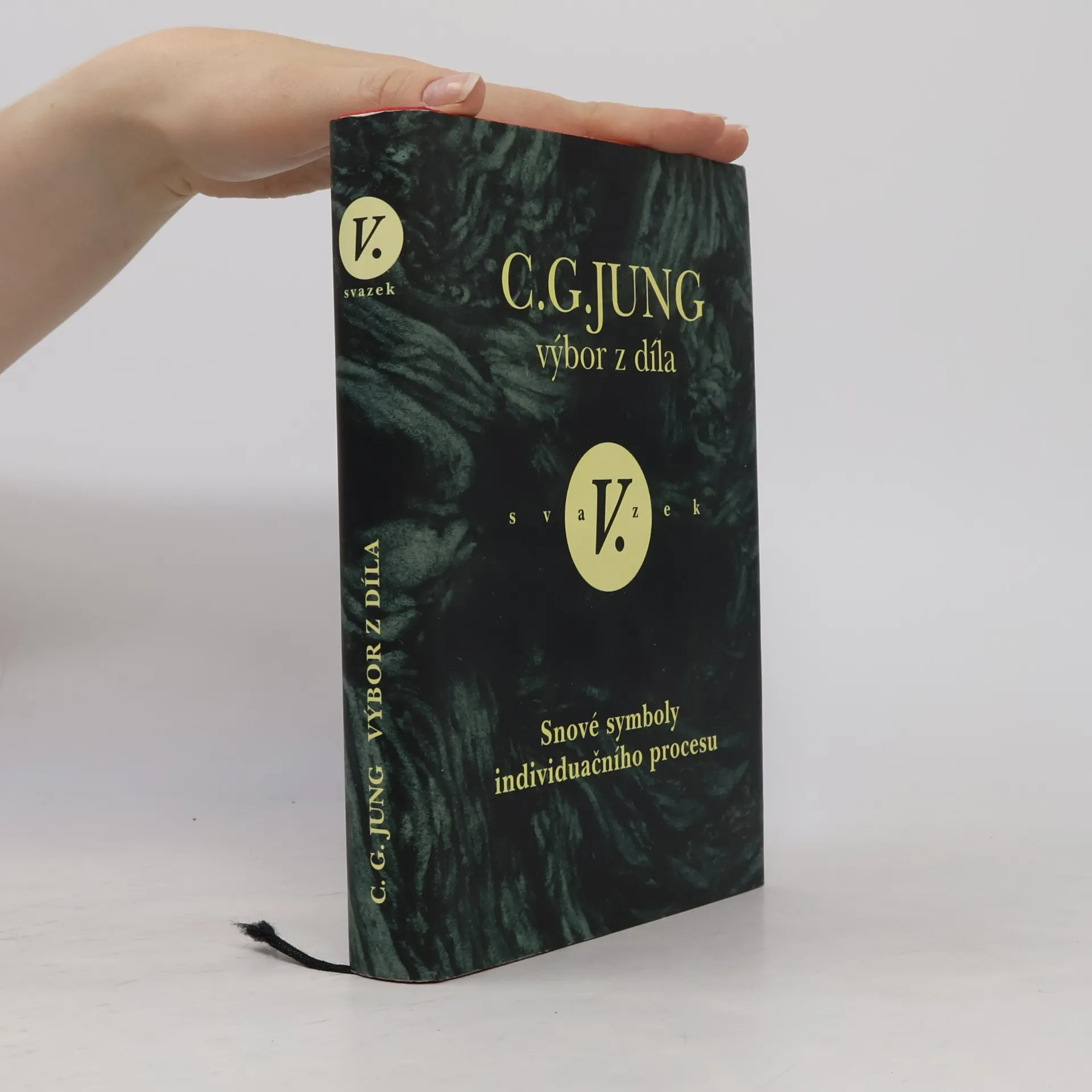
Snové symboly individuačního procesu Úvod do nábožensko-psychologické problematiky alchymie. Pátý svazek výboru z díla.
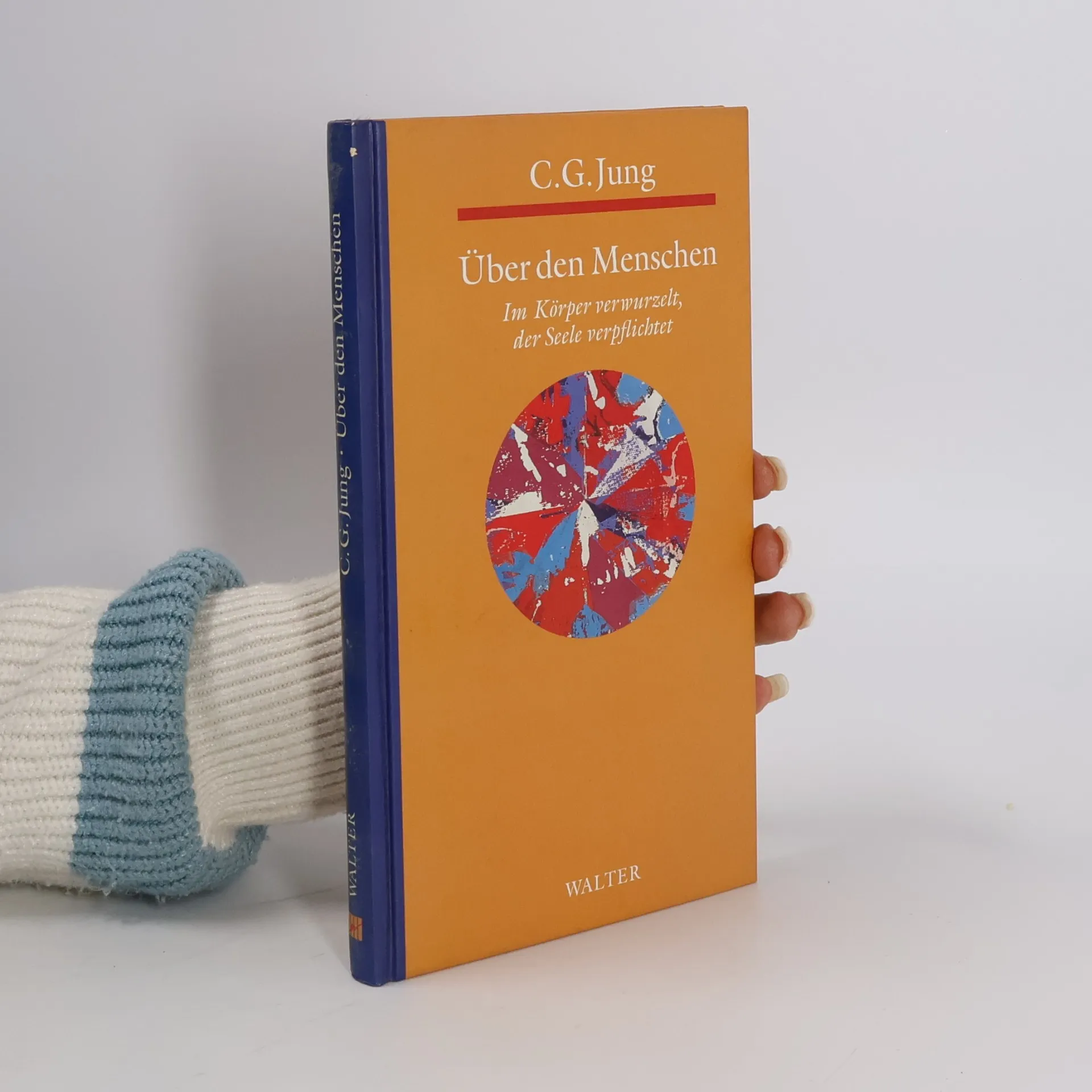
Über den Menschen
- 111 Seiten
- 4 Lesestunden
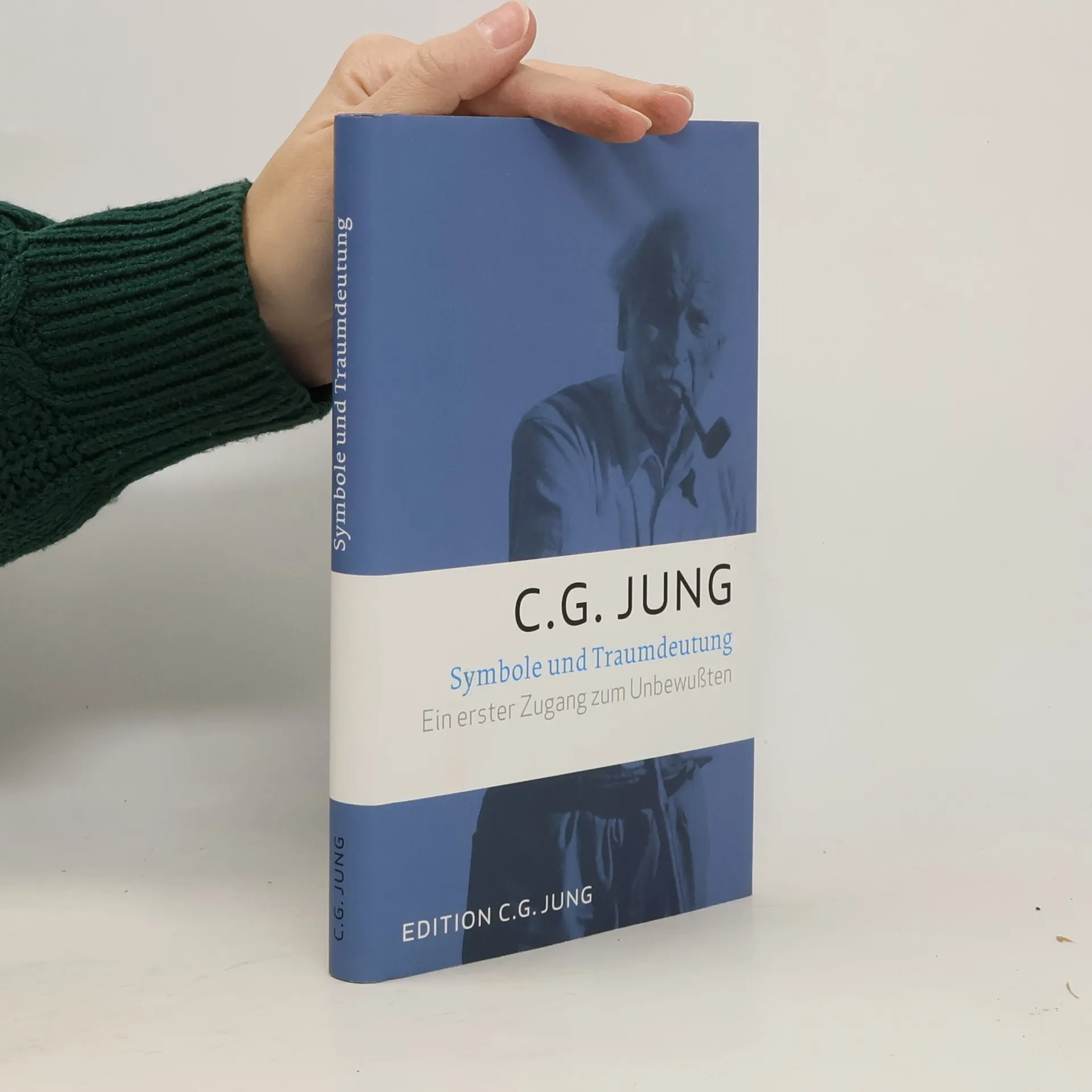
Symbole und Traumdeutung
Ein erster Zugang zum Unbewußten
Träume sind Botschaften der Seele. Sie vermitteln einen Zugang zum Unbewussten und bringen mit archetypischen Kräften in Kontakt. Doch die Traumsprache ist meist nicht auf Anhieb verständlich; ihre Bilder und Symbole müssen "übersetzt" werden. Gelingt es uns, die symbolische Sprache der Träume zu verstehen, bekommen wir wichtige Hinweise für unser Leben. Diese von C. G. Jung für Laien verfasste Darstellung seines Traumverständnisses ist gleichzeitig eine anschauliche und komprimierte Einführung in die Jung'sche Psychologie. - Eine anschauliche Einführung ins Traumverständnis - Von C. G. Jung für psychologische Laien
At least three major questions can be asked of myth: what is its subject matter? what is its origin? and what is its function? Theories of myth may differ on the answers they give to any of these questions, but more basically they may also differ on which of the questions they ask. C. G. Jung's theory is one of the few that purports to answer fully all three questions. This volume collects and organizes the key passages on myth by Jung himself and by some of the most prominent Jungian writers after him: Erich Neumann, Marie-Louise von Franz, and James Hillman. The book synthesizes the discovery of myth as a way of thinking, where it becomes a therapeutic tool providing an entrance to the unconscious.In the first selections, Jung begins to differentiate his theory from Freud's by asserting that there are fantasies and dreams of an "impersonal" nature that cannot be reduced to experiences in a person's past. Jung then asserts that the similarities among myths are the result of the projection of the collective rather than the personal unconscious onto the external world. Finally, he comes to the conclusion that myth originates and functions to satisfy the psychological need for contact with the unconscious--not merely to announce the existence of the unconscious, but to let us experience it.
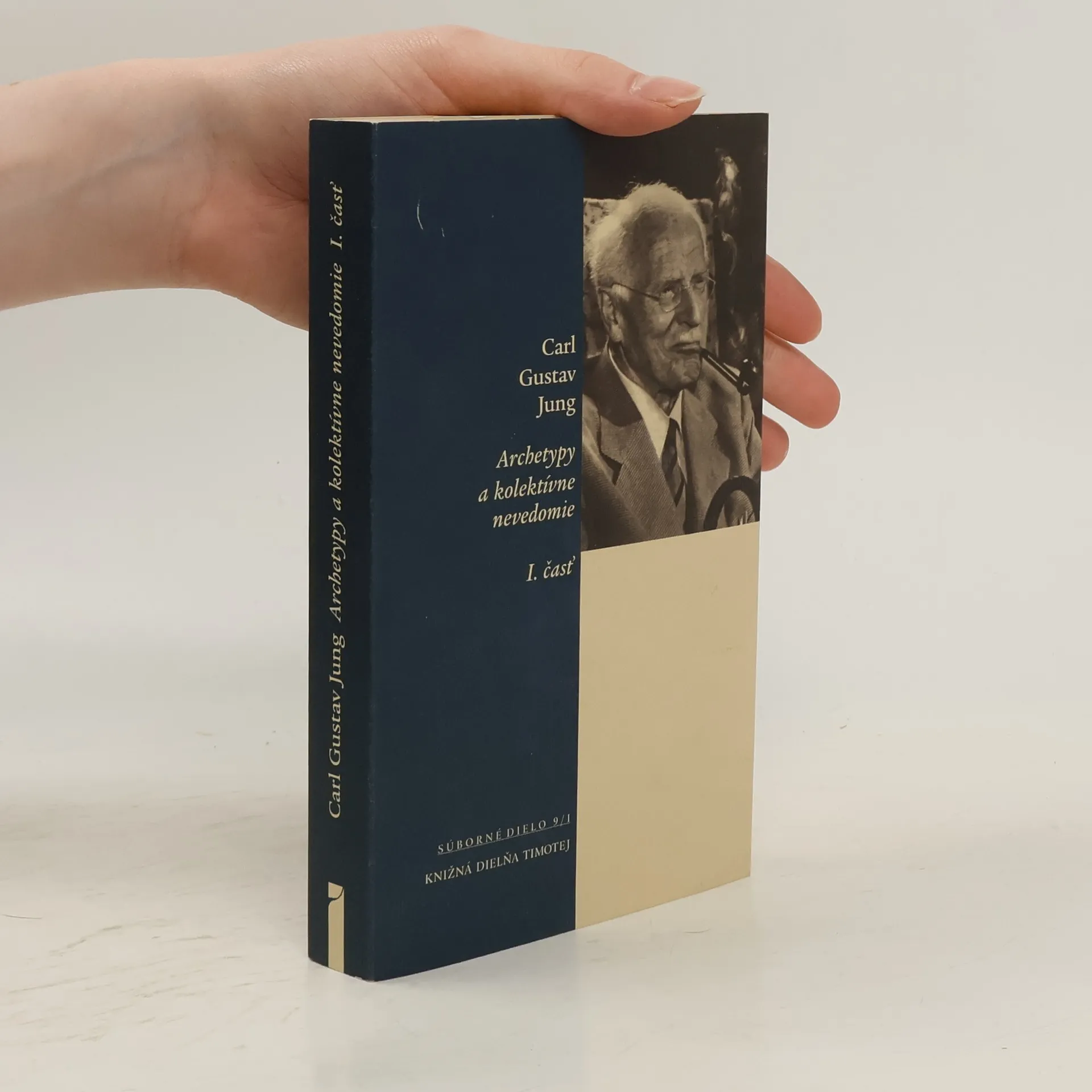
Archetypy a kolektívne nevedomie I. II.
- 261 Seiten
- 10 Lesestunden






![Symbol a libido : (Symboly proměny I). [Svazek VII.]](https://rezised-images.knhbt.cz/1920x1920/85929590.webp)