

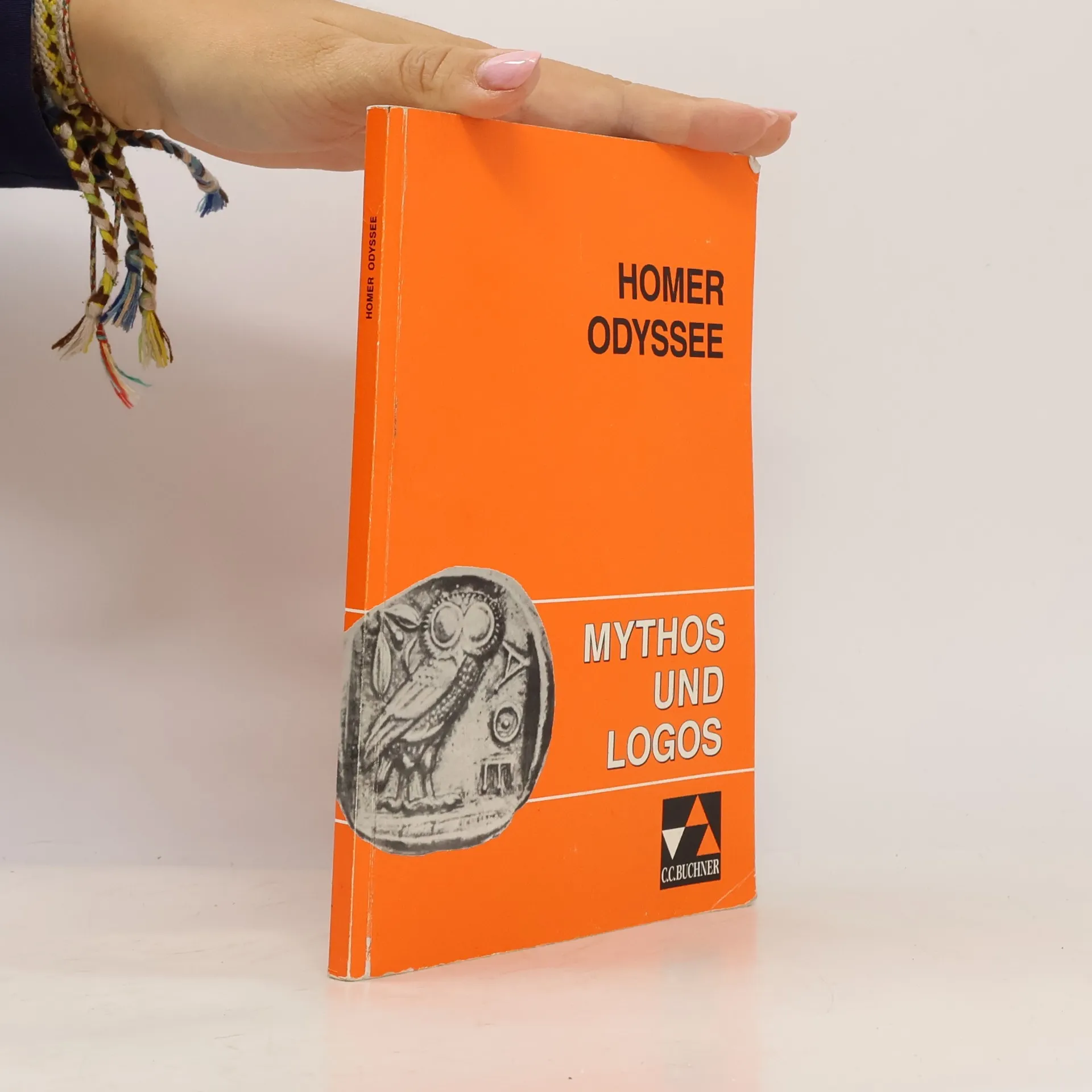

Odyssee
- 136 Seiten
- 5 Lesestunden
Die erste große Abenteuergeschichte des westlichen Kanons, dieses Gedicht erforscht Themen wie Gewalt, die Folgen des Krieges, Reichtum, Macht, Ehe, Familie und die Sehnsucht nach Heimat. Es erzählt von Schiffbruch, Monstern und Magie. In jambischem Pentameter und einer zeitgenössischen Sprache verleiht es dem lebendigen Rhythmus und der Musikalität des Originals Ausdruck. Die Übersetzung hebt die Schönheit und den Zauber des antiken Gedichts hervor und bewahrt gleichzeitig seine Spannung und Dramatik. Unvergessliche Charaktere sind die listige Göttin Athena, die den Helden leitet; Telemachos, der unbeholfene Teenagersohn, der nach Erwachsensein und der Rückkehr seines Vaters strebt; und Penelope, die kluge Frau, die während der Abwesenheit ihres Mannes die Freier abwehrt. Der Held selbst tritt als komplexere Figur auf, mit vielen Verkleidungen und Stimmungen. Eine faszinierende Einführung bietet Einblicke in den Kontext der Bronzezeit, die zentralen Themen des Gedichts, Kontroversen über seine Ursprünge und seinen tiefgreifenden Einfluss. Angereichert mit speziell gezeichneten Karten, einem Ausspracheglossar sowie umfangreichen Anmerkungen und Zusammenfassungen, wird diese Übersetzung von einer neuen Generation von Wissenschaftlern, Studierenden und allgemeinen Lesern geschätzt werden.