

Peter Stark ist Abenteurer, Outdoor-Sportler, Journalist und Buchautor. Er schreibt seit vielen Jahren Beiträge für das Magazin „Outside“, veröffentlicht aber auch in anderen Publikationen, zum Beispiel „The New Yorker“ und „The Smithsonian“. Ausgedehnte Reisen führten ihn unter anderem nach Tibet, Afrika, Indonesien, in die Arktis und in die Mandschurei. Er lebt in Missoula, Montana, ist verheiratet und hat zwei Kinder. Cornelia Holfelder-von der Tann, geboren 1950, beschloss nach dem Studium (Anglistik, Germanistik, Romanistik) und einem Lehramtsreferendariat, es mit dem literarischen Übersetzen zu probieren und ist seither hauptberuflich dabeigeblieben. 2021 wurde sie mit dem Übersetzerpreis für langjähriges Übersetzen, «Rebekka», ausgezeichnet.
Hans-Peter Stark Bücher

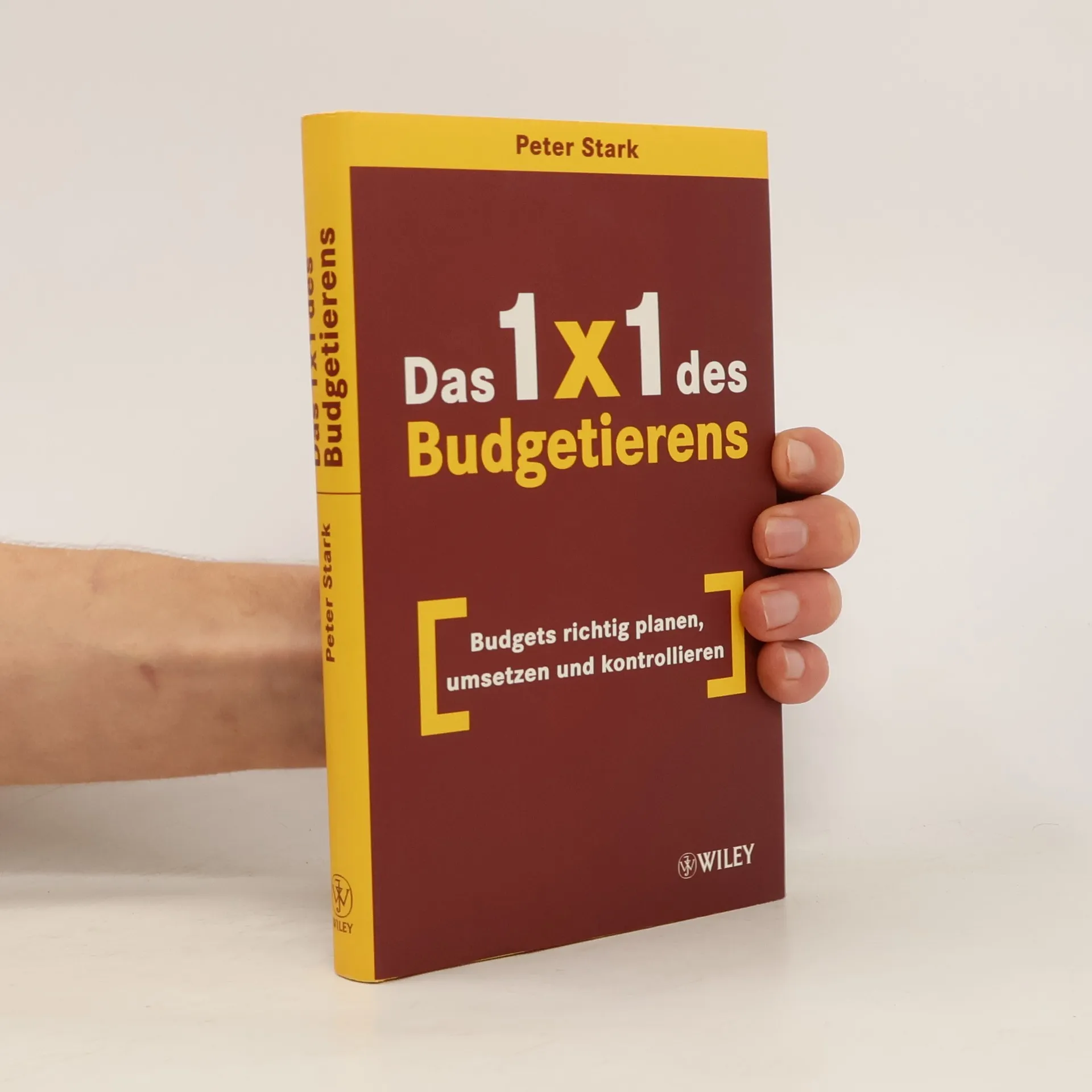
Das 1x1 des Budgetierens
- 198 Seiten
- 7 Lesestunden
Kaum ein Unternehmer oder Manager kommt heute noch an der Tatsache vorbei, dass Planung und Budgetierung zum unverzichtbaren Handwerk gehören. Peter Stark trifft mit seinem Werk daher allerdings nicht nur den Nerv der Zeit. Der Controllingexperte bietet noch viel mehr. Was die Controlling-Literatur anbetrifft, setzt er einen wahren Lichtblick. Das 1 x 1 des Budgetierens ist ein echtes Buch für Praktiker. Ohne große theoretische Ausschweifungen bringt Stark ein sonst nicht immer leicht zu konsumierendes Thema auf den Punkt. In klarer Sprache erläutert der Autor kurz und bündig alle wesentlichen Aspekte rund um die Planung. Nicht zuletzt anhand der ausführlichen Praxisbeispiele kann der Leser die Anforderungen an den Budgetierungsprozess leicht nachvollziehen und auch in der eigenen Firma umsetzen. Dabei helfen vor allem die zahlreichen eingeschobenen Tipps und Checklisten. Der Blick für die konkreten Herausforderungen des Unternehmensalltags und seine Kompaktheit machen das Buch zu einem idealen Begleiter auf Geschäftsreisen. getAbstract ist der Meinung: Für alle Manager und Unternehmer, die einen schnellen und umfassenden Einblick in den Budgetierungsprozess suchen, ist das Buch sehr zu empfehlen.
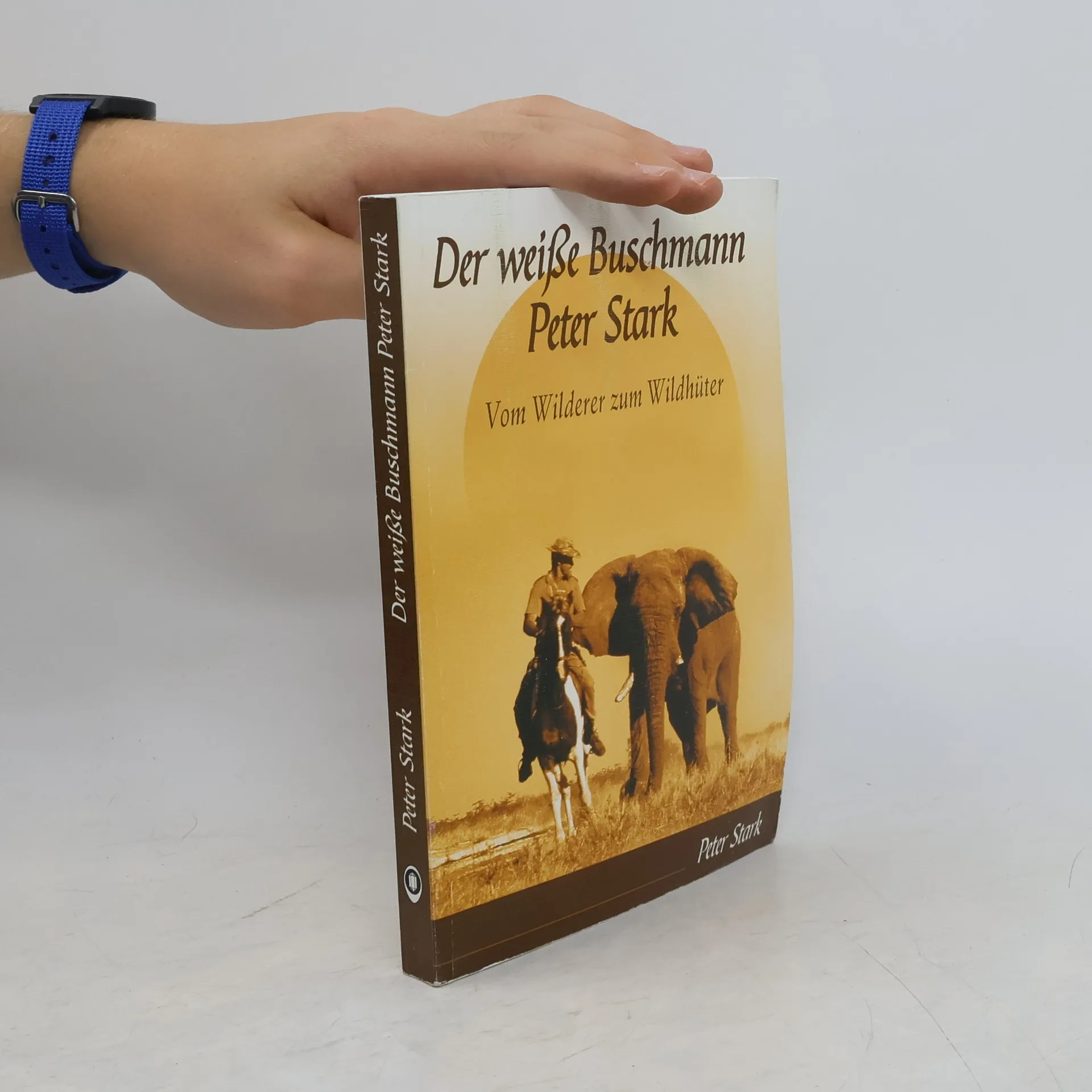
Der weiße Buschmann Peter Stark
- 224 Seiten
- 8 Lesestunden
SAP PRESS: SAP auf Linux
- 406 Seiten
- 15 Lesestunden
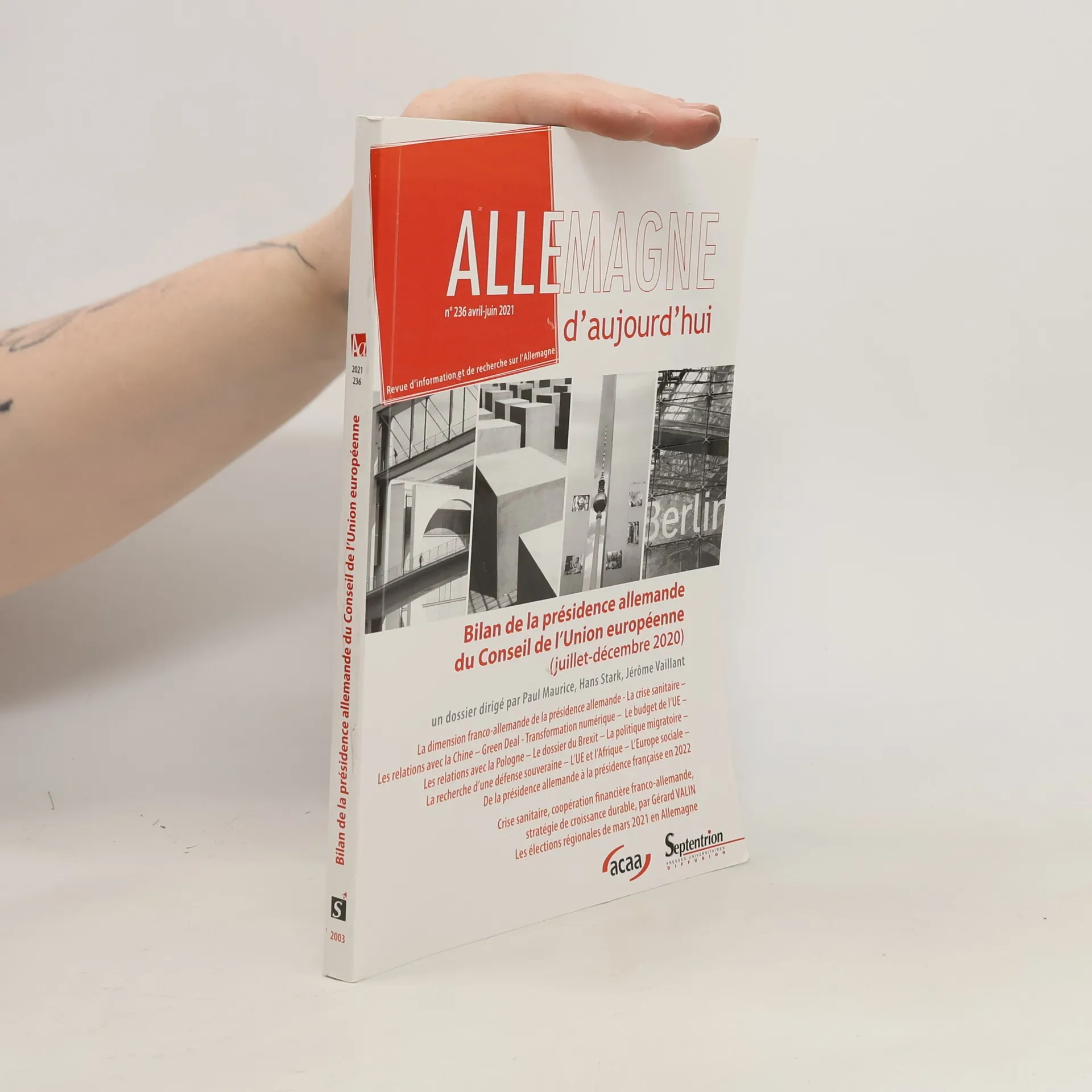
Bilan de la présidence allemande du Conseil de l'Union européenne (juillet-décembre 2020)
- 238 Seiten
- 9 Lesestunden
Le sommaire suit les points qu’à la veille de sa présidence l’Allemagne a mis en exergue : la maîtrise de la crise sanitaire ; le budget de l’Union européenne ; le changement climatique ; la transformation numérique ; la politique migratoire ; le Brexit ; la politique de sécurité commune. Au-delà de ces points que la chancelière allemande, Angela Merkel, a place au centre la présidence allemande, le dossier s’interroge également sur la question du respect de l’Etat de droit au sein de l’UE, les relations avec la Chine et avec l’Afrique et il ouvre une perspective vers la présidence française qui interviendra en 2022.