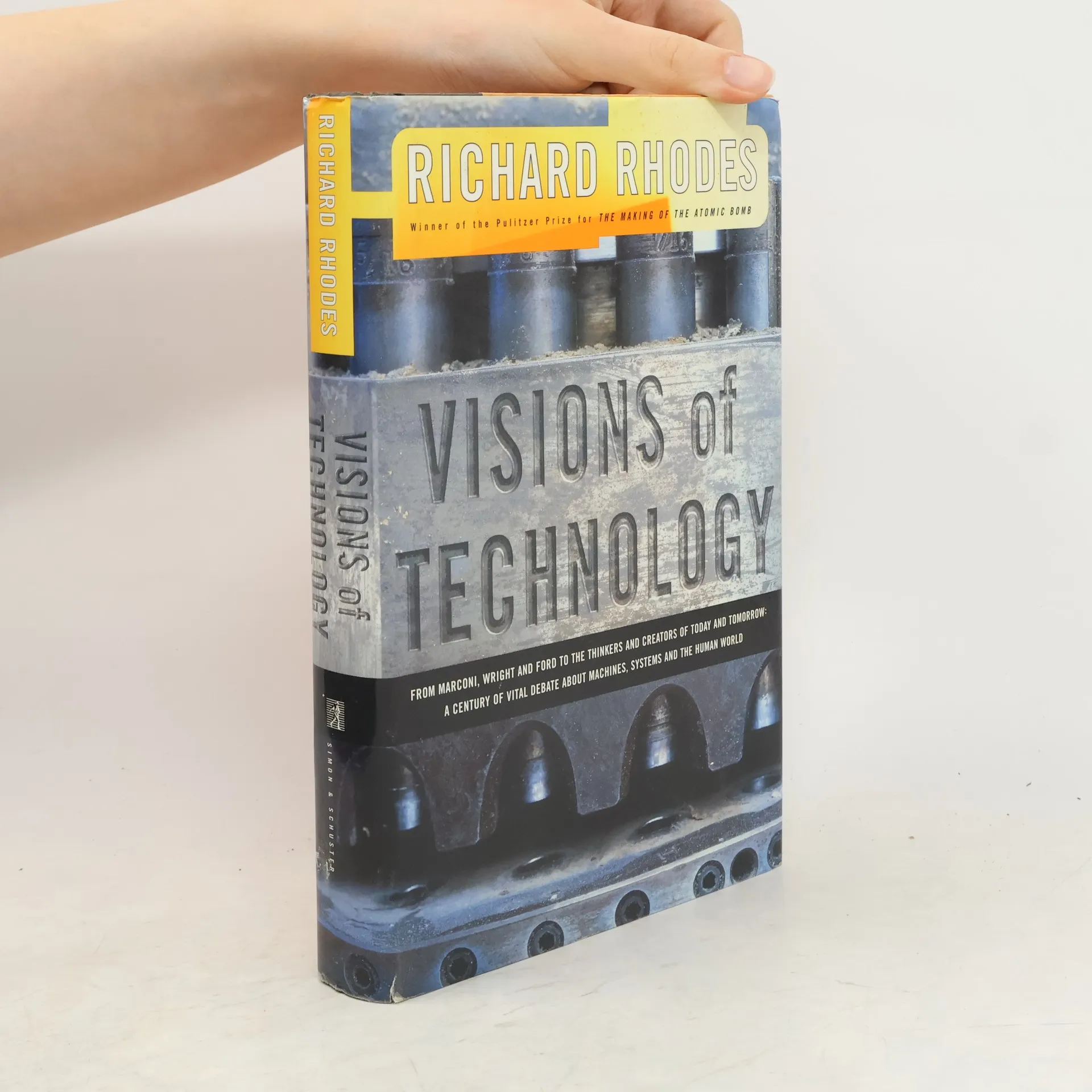
Richard Rhodes ist ein amerikanischer Journalist und Historiker, dessen Werk sich mit den tiefgreifenden Schnittstellen von Wissenschaft, Krieg und menschlicher Geschichte befasst. Er bezeichnet seine Sachbücher als „Verity“ und zeichnet sich durch akribische Recherche und den Wunsch aus, die komplexen Dynamiken des technologischen Fortschritts und seiner Folgen zu verstehen. Sein Ansatz ist geprägt von einem tiefen Engagement für historische Genauigkeit und einem fesselnden Erzählstil, der entscheidende Momente beleuchtet. Durch sein Schreiben versucht Rhodes, die komplexen Geschichten hinter den bedeutendsten wissenschaftlichen und militärischen Unternehmungen der Menschheit aufzudecken.
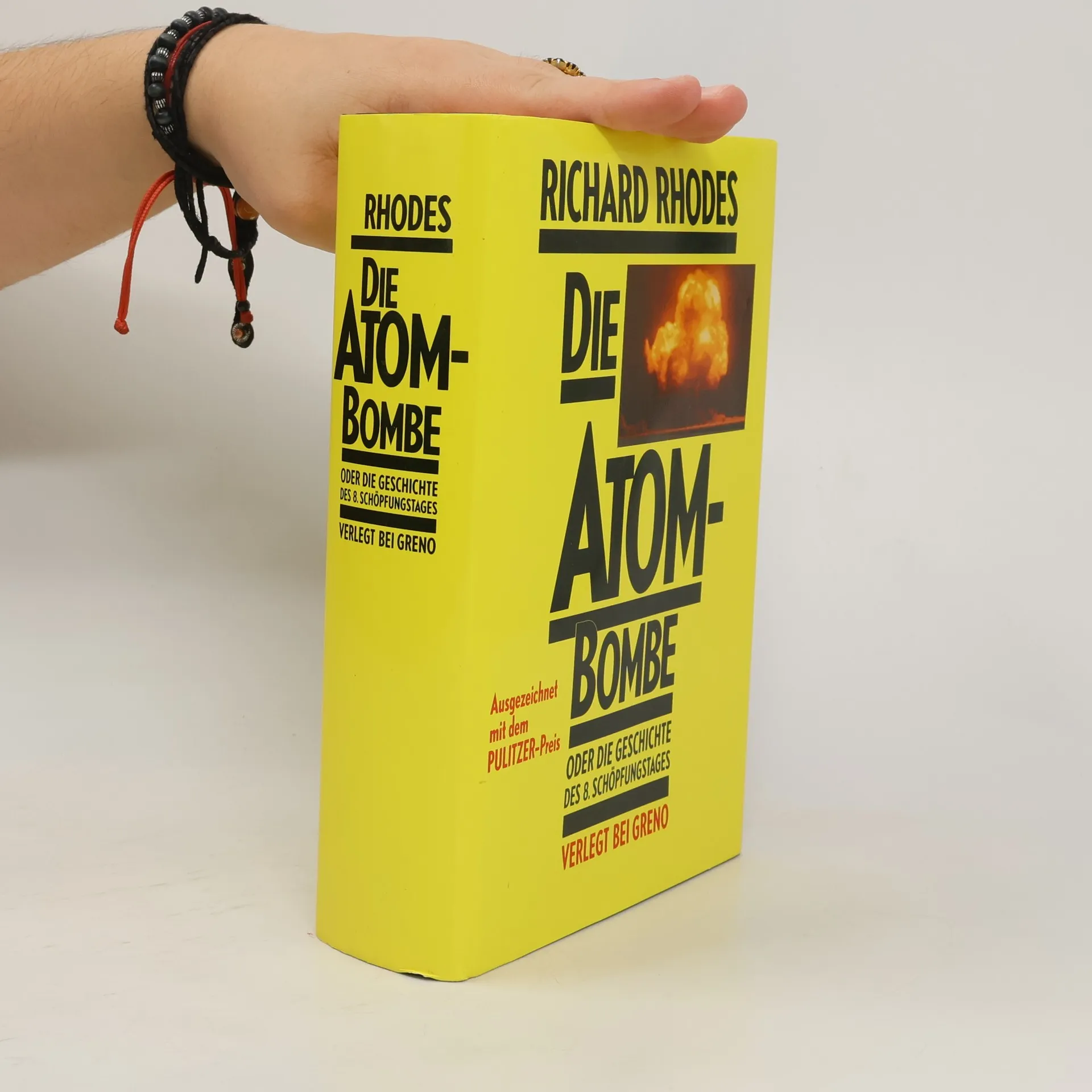
Detailreiche Wissenschaftsreportage, die neben der Forschungsgeschichte seit 1900 und dem Bau der ersten Atombomben während des 2. Weltkriegs, auch zugehörige politische, militärische und moralische Fragen behandelt
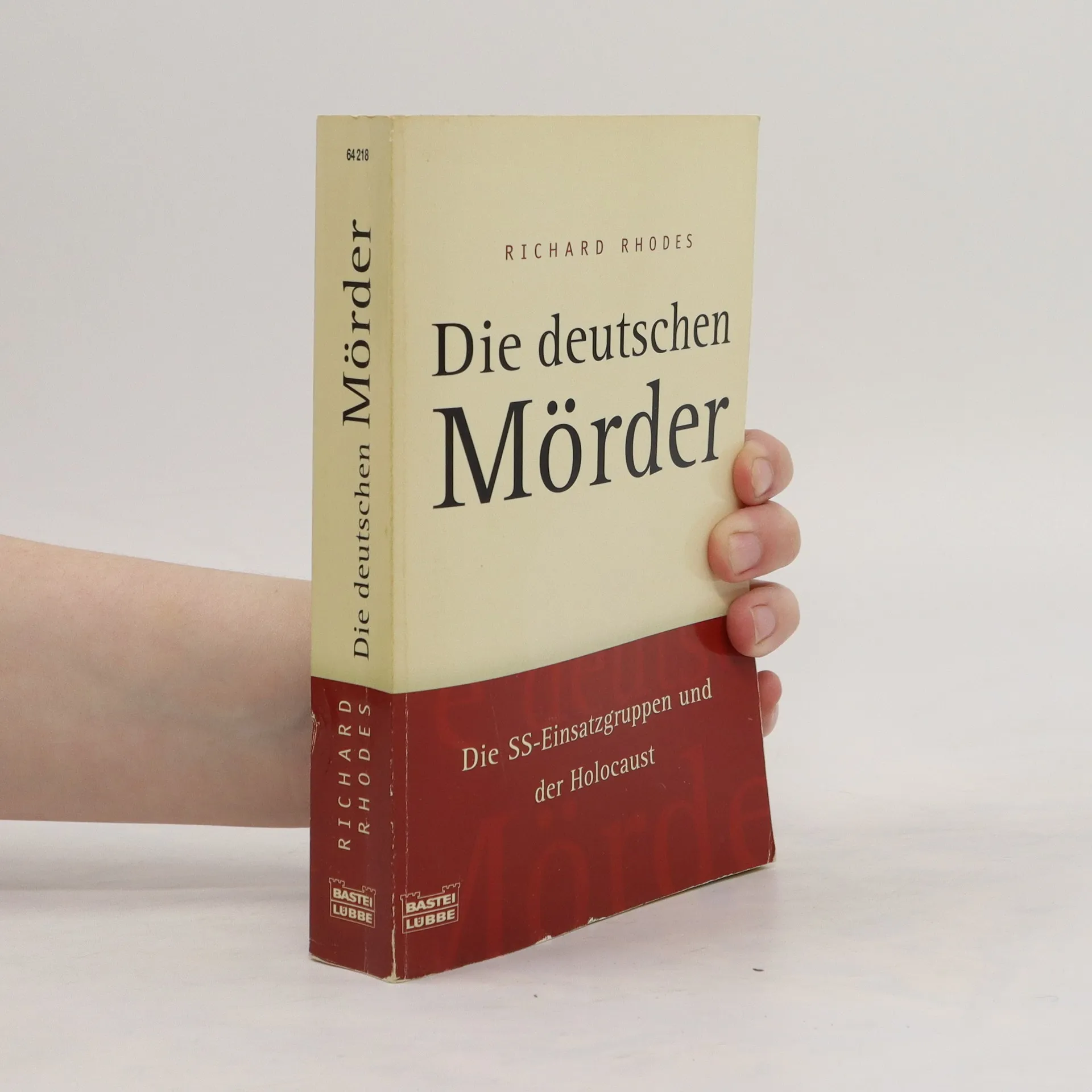
Rund 1,5 Millionen jüdische Kinder, Frauen und Männer wurden in Osteuropa in nur zwei Jahren von deutschen SS-Einsatzgruppen und ihren Helfern ermordet. Dies ist die ergreifende Dokumentation, wie der Massenmord organisiert und durchgeführt wurde. Zahlreiche Briefe und andere persönliche Dokumente der Zeit geben Einblick in das Innenleben der Täter.
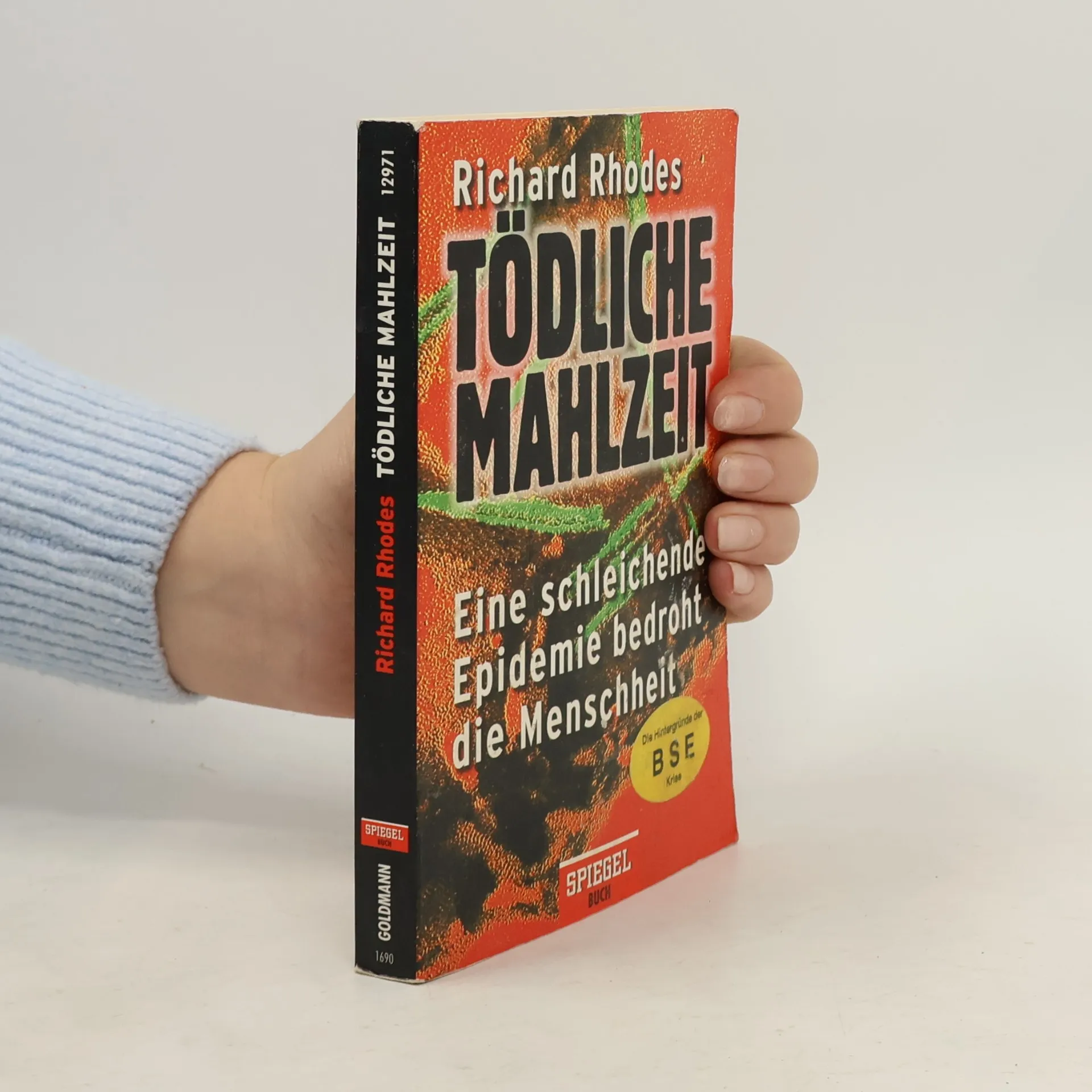
In seinem spannend geschriebenen Wissenschaftsreport berichtet Pulitzer-Preisträger Richard Rhodes über die Entdeckung und Erforschung der unheimlichen, das Gehirn zerstörenden Nervenkrankheiten Kuru, Creutzfeldt-Jakob, Scrapie und BSE. Er macht die Bedrohung für den Menschen deutlich, demonstriert aber zugleich, was wissenschaftlicher Forscherdrang an Erkenntnissen zu gewinnen vermag.
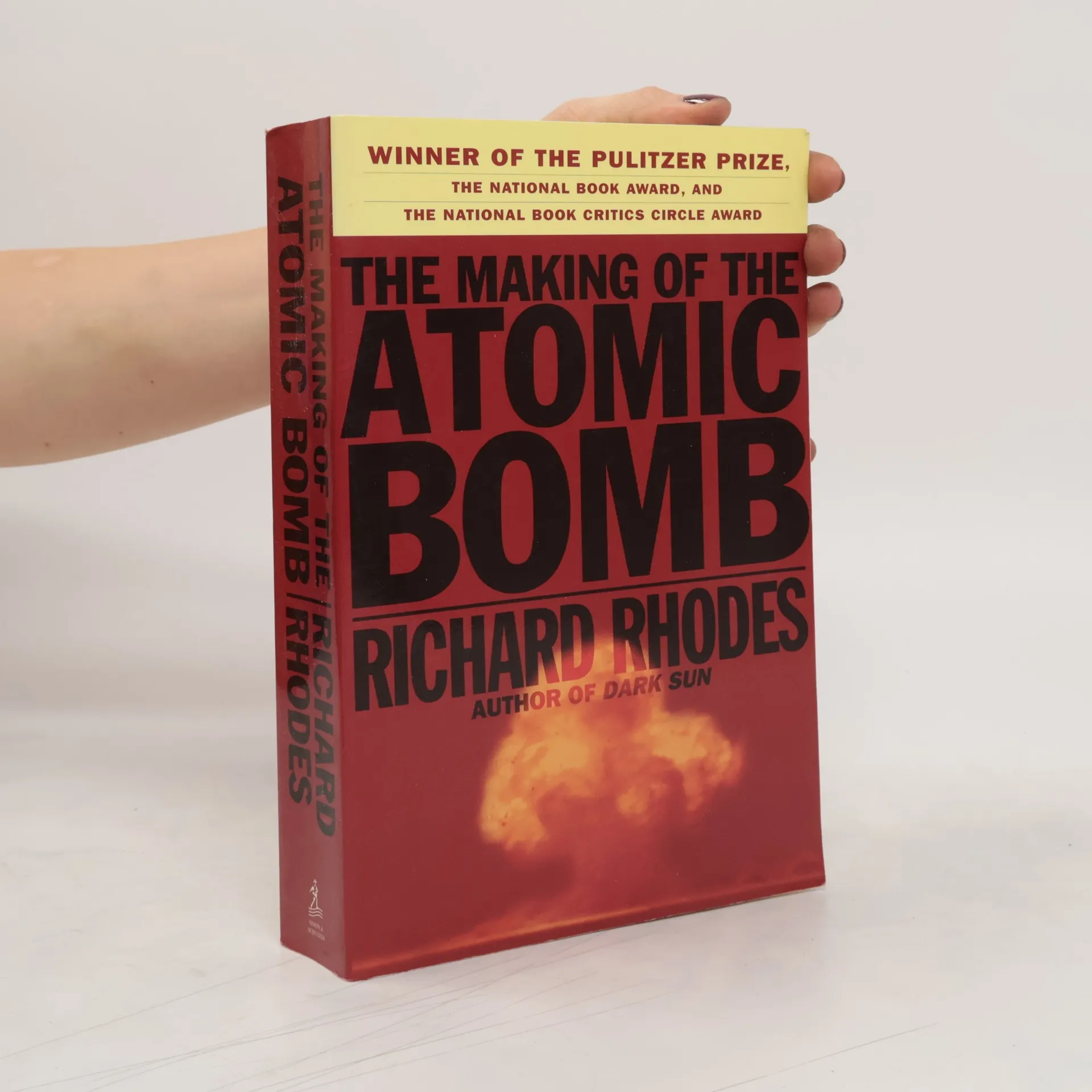
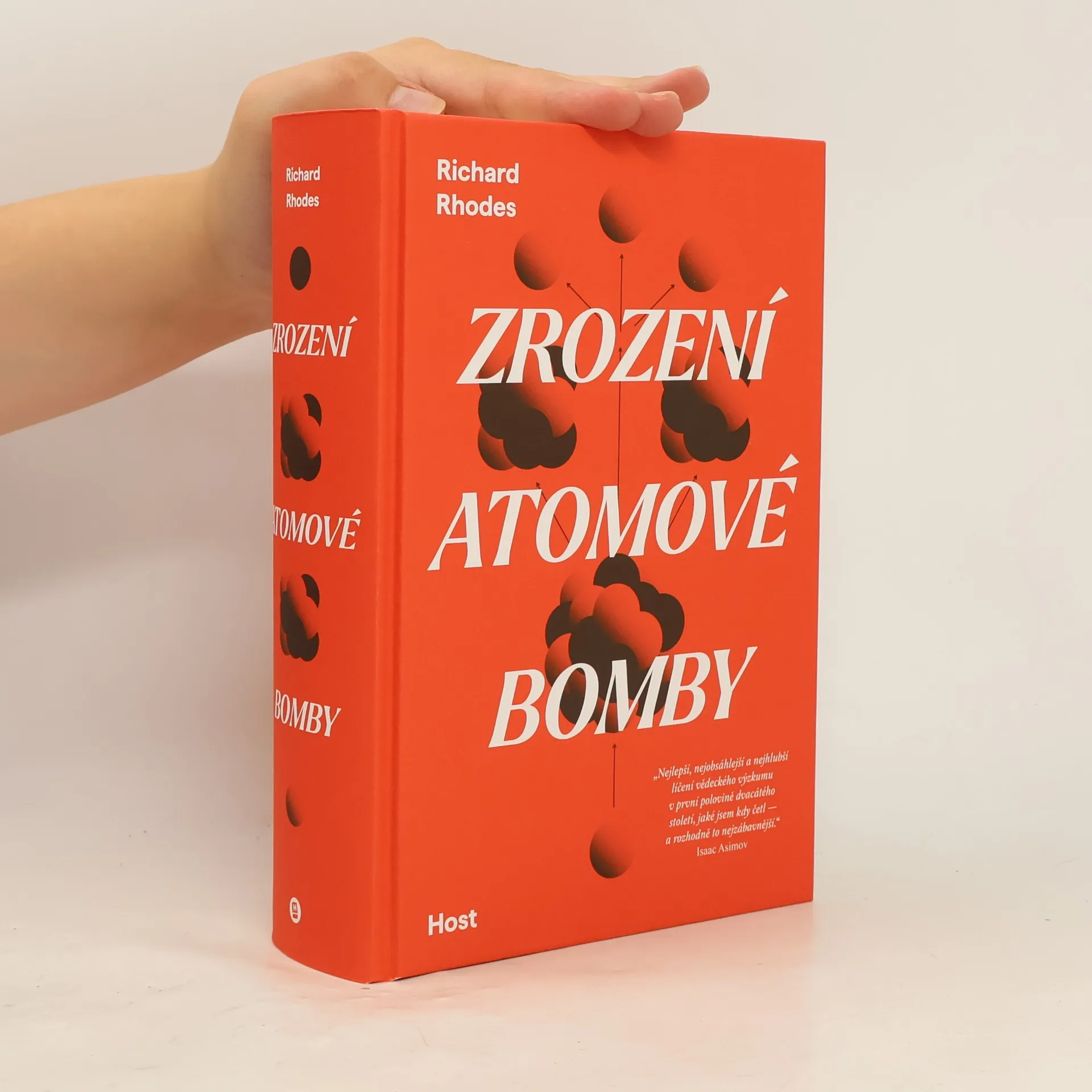
Here for the first time, in rich, human, political, and scientific detail, is the complete story of how the bomb was developed, from the turn-of-the-century discovery of the vast energy locked inside the atom to the dropping of the first bombs on Japan. Few great discoveries have evolved so swiftly -- or have been so misunderstood. From the theoretical discussions of nuclear energy to the bright glare of Trinity there was a span of hardly more than twenty-five years. What began as merely an interesting speculative problem in physics grew into the Manhattan Project, and then into the Bomb with frightening rapidity, while scientists known only to their peers -- Szilard, Teller, Oppenheimer, Bohr, Meitner, Fermi, Lawrence, and yon Neumann -- stepped from their ivory towers into the limelight. Richard Rhodes takes us on that journey step by step, minute by minute, and gives us the definitive story of man's most awesome discovery and invention.
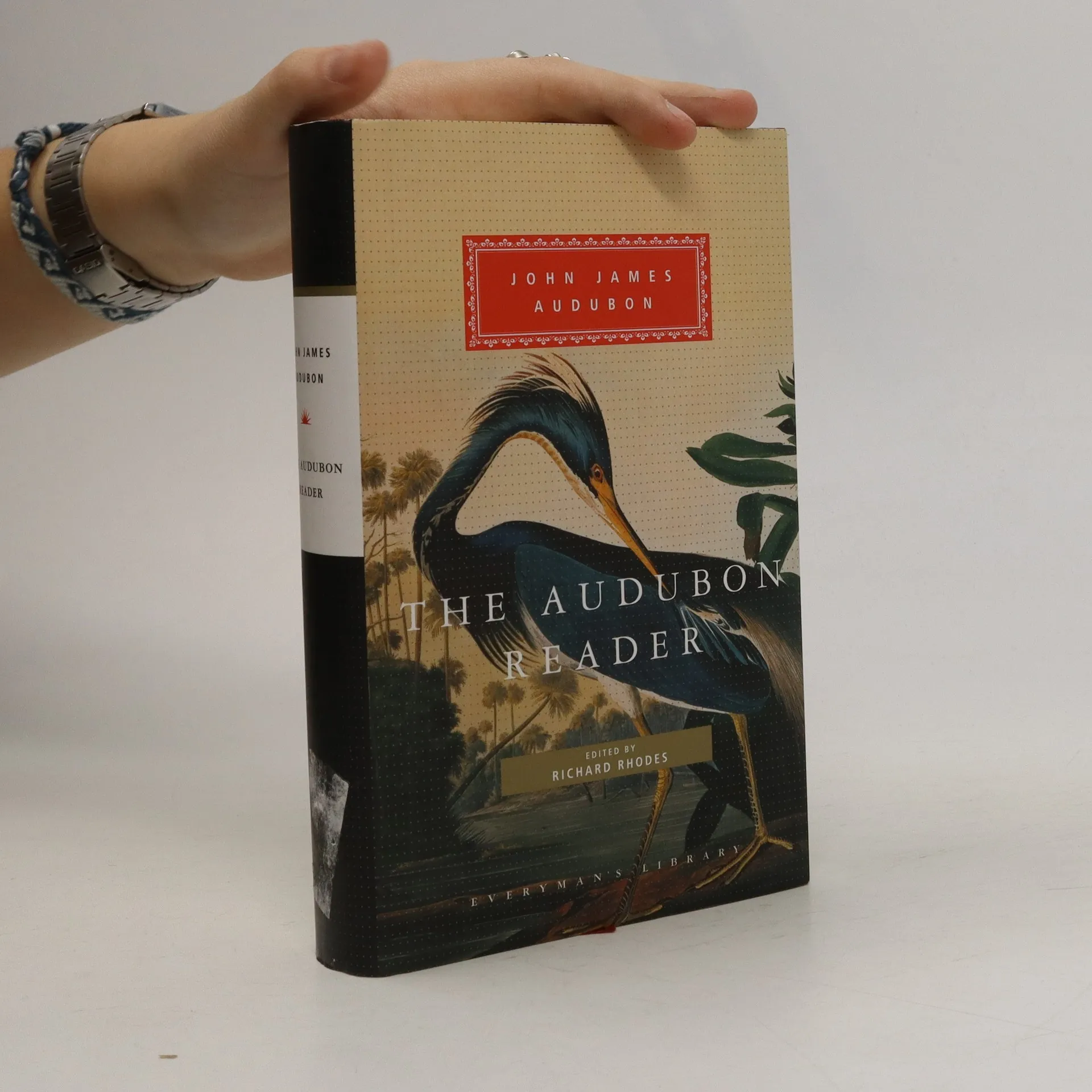
John James Audubon was America's dominant wildlife artist. His name remains synonymous with birds and bird conservation the world over. This book presents 'bird biographies', journal accounts of his river journeys and hunting trips with the Osage Indians, and a sampling of brief stories that have long been out of print.
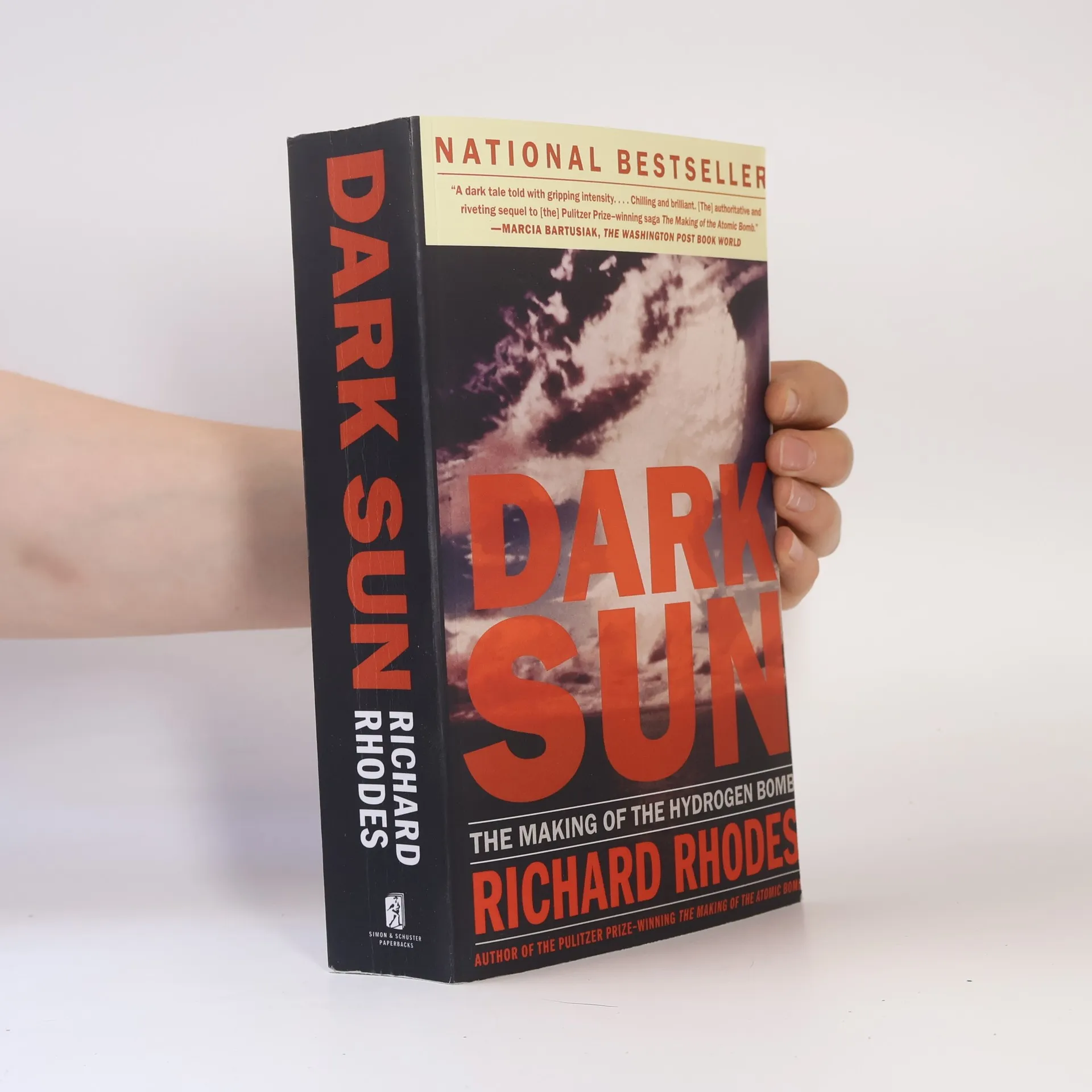
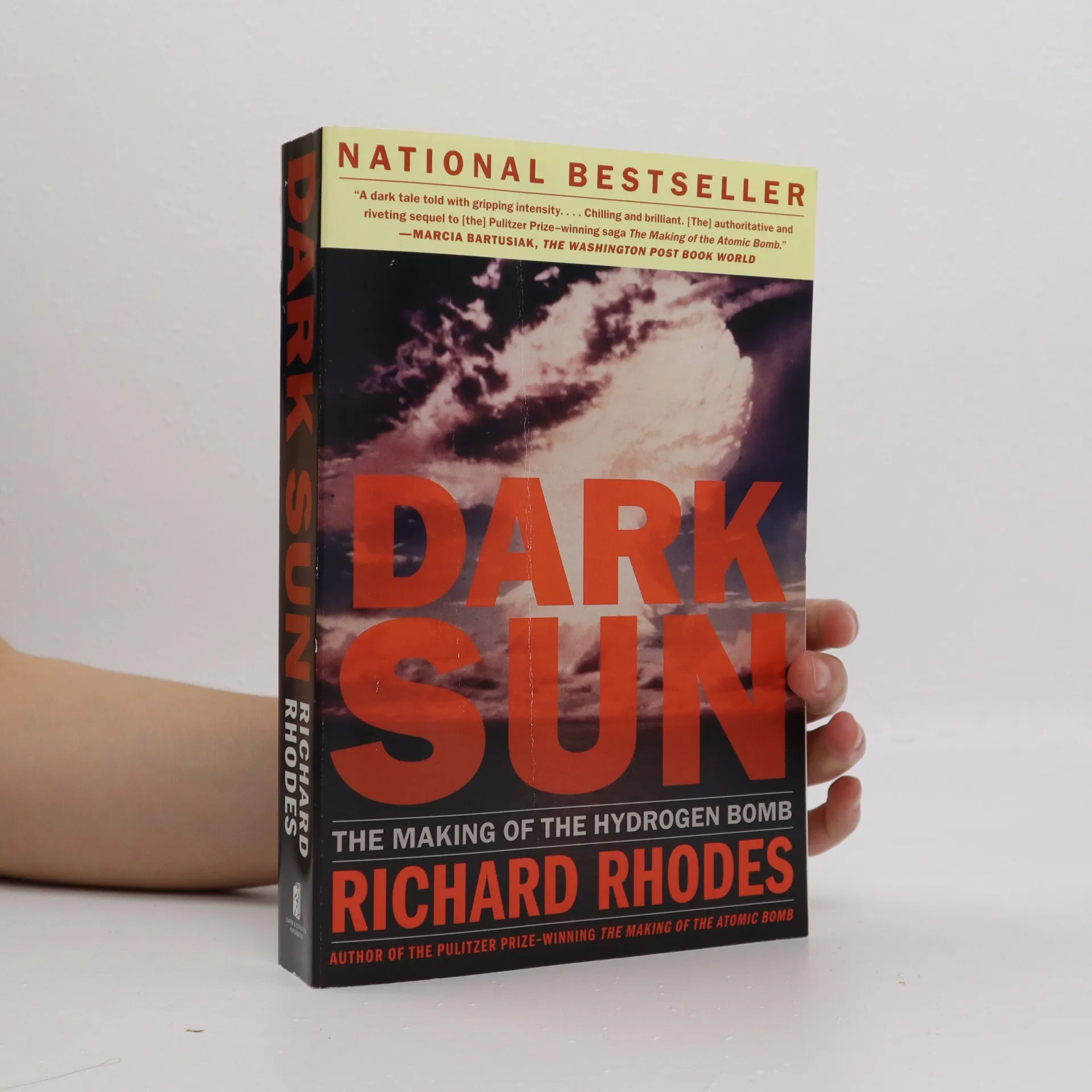
Here, for the first time, in a brilliant, panoramic portrait by the Pulitzer Prize-winning author of The Making of the Atomic Bomb, is the definitive, often shocking story of the politics and the science behind the development of the hydrogen bomb and the birth of the Cold War.Based on secret files in the United States and the former Soviet Union, this monumental work of history discloses how and why the United States decided to create the bomb that would dominate world politics for more than forty years.
The final volume in Richard Rhodes's prizewinning history of nuclear weapons offers the first comprehensive narrative of the challenges faced in the post-Cold War age. The past twenty years have transformed our relationship with nuclear weapons drastically. With extraordinary depth of knowledge and understanding, Richard Rhodes makes clear how the five original nuclear powers--Russia, Great Britain, France, China, and especially the United States--have struggled with new realities. He reveals the real reasons George W. Bush chose to fight a second war in Iraq, assesses the emerging threat of nuclear terrorism, and offers advice on how our complicated relationships with North Korea and South Asia should evolve. Finally, he imagines what a post-nuclear world might look like, as only he can.
A Pulitzer Prize-winning author presents this fully authorized--and timely-biography of the Harvard biologist and naturalist who has become a leading voice on the crucial importance to all life of biodiversity and has worked tirelessly to synthesize the fields of science and the humanities in a fruitful way
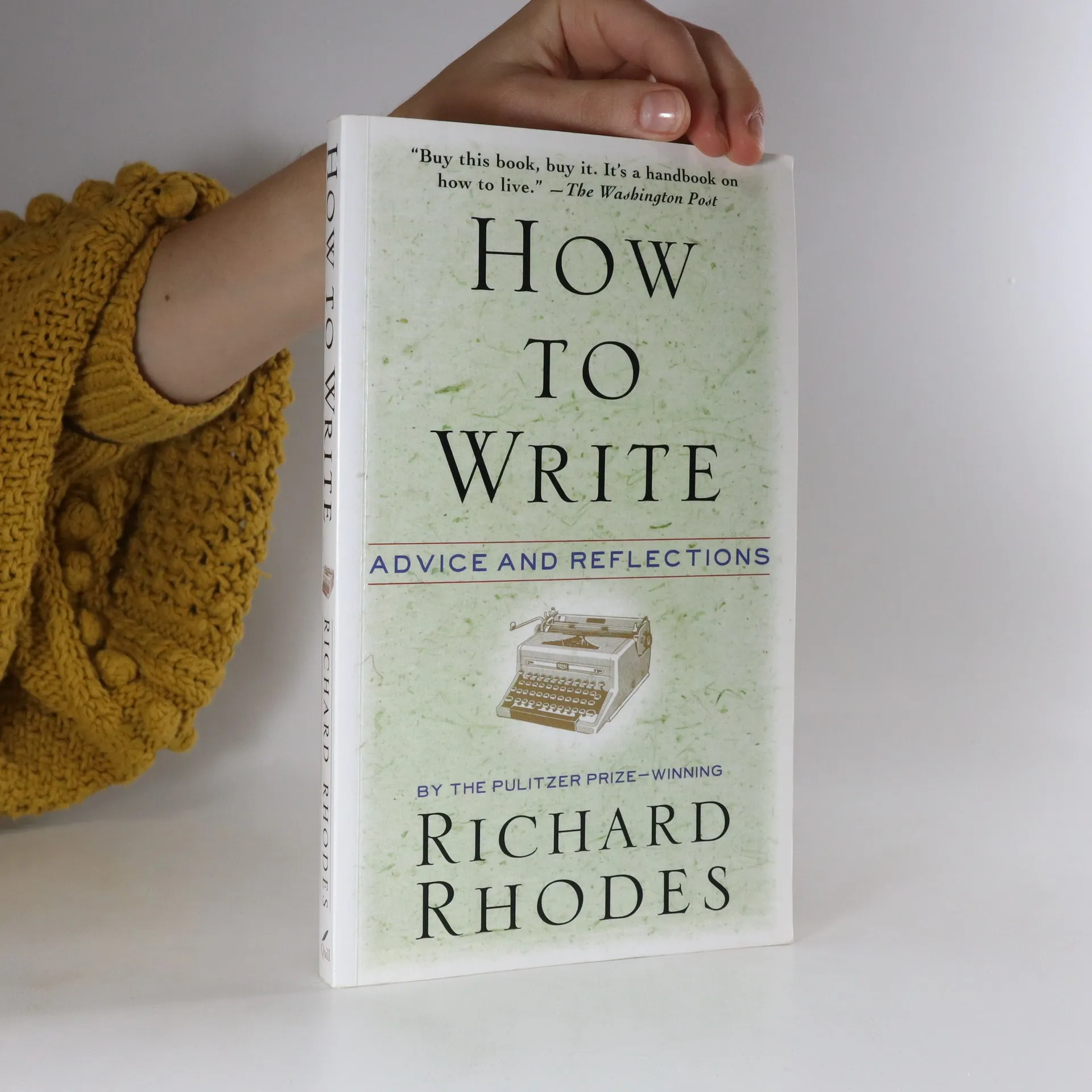
Uniquely fusing practical advice on writing with his own insights into the craft, Pulitzer Prize-winning author Richard Rhodes constructs beautiful prose about the issues would-be writers are most afraid to articulate: How do I dare write? Where do I begin? What do I do with this story I have to tell that fills and breaks my heart? Rich with personal vignettes about Rhode's sources of inspiration, How to Write is also a memoir of one of the most original and celebrated writers of our day.
"Pulitzer Prize- and National Book Award-winning author Richard Rhodes reveals the fascinating history behind energy transitions over time--wood to coal to oil to electricity and beyond. People have lived and died, businesses have prospered and failed, and nations have risen to world power and declined, all over energy challenges. Ultimately, the history of these challenges tells the story of humanity itself. ... Human beings have confronted the problem of how to draw life from raw material since the beginning of time. Each invention, each discovery, each adaptation brought further challenges, and through such transformations, we arrived at where we are today. In Rhodes's singular style, Energy details how this knowledge of our history can inform our way tomorrow."--Amazon
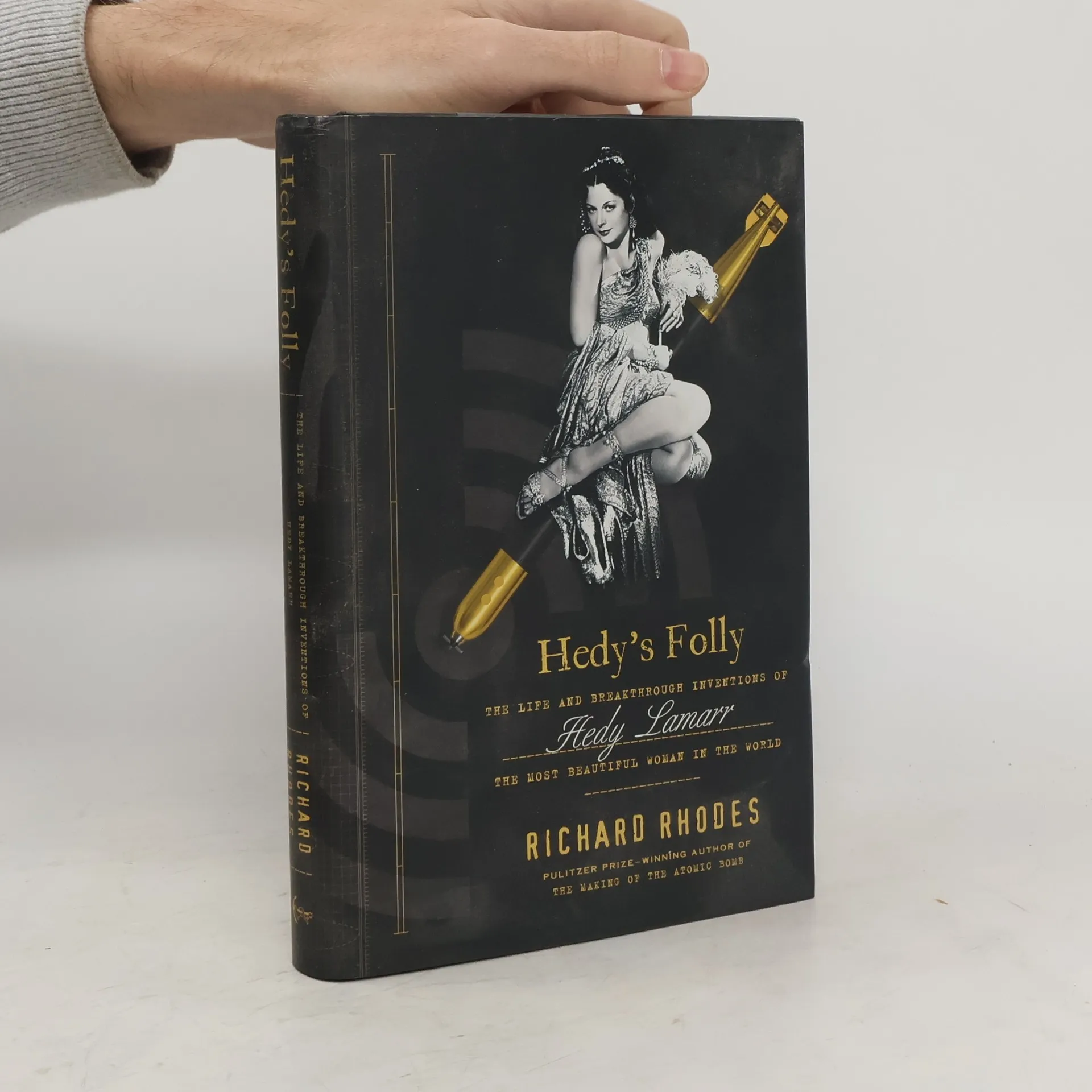
Describes the lesser-known technological talents of actress Hedy Lamarr and the collaborative work with avant-garde composer George Antheil that eventually led to the development of spread-spectrum radio, cell phones, and GPS systems.
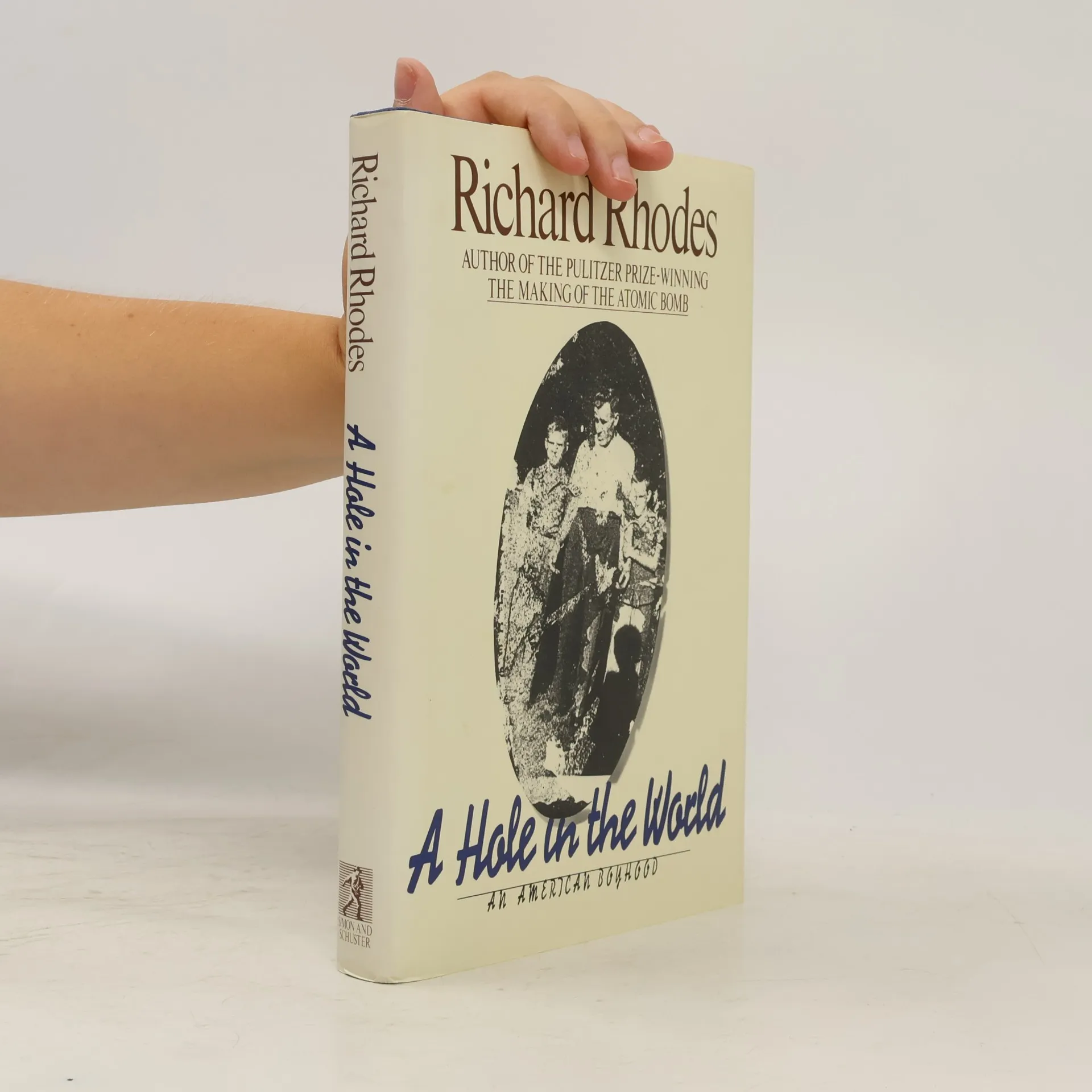
In a moving and terrifying memoir of loss and eventual triumph, the winner of the Pulitzer Prize and National Book Award for his bestselling The Making of the Atomic Bomb has written an extraordinary portrait of his "American boyhood" and the cruelty and violence he suffered growing up. Photographs.
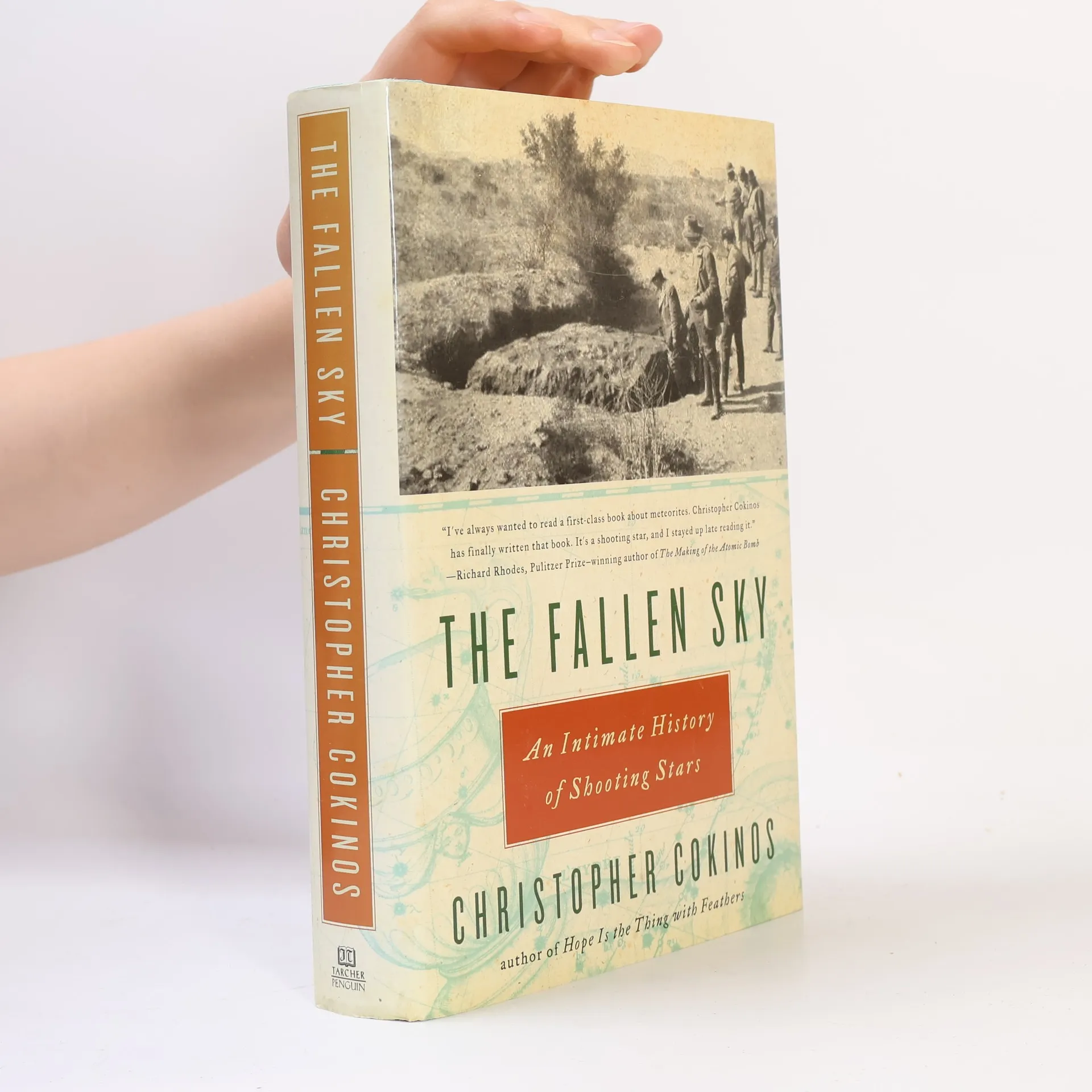
An award-winning founder of Isotope magazine chronicles how the study of meteorites became a modern science, in a natural history that documents the contributions of key individuals and traces landmark discoveries in Antarctica, Greenland, and other world regions.
Stworzenie bomby atomowej na zawsze zmieniło bieg historii, przechodząc od teoretycznego problemu w fizyce do broni masowej zagłady. Ta saga o fizyce, polityce i psychologii człowieka jest pełna suspensu. Autor, Rhodes, wprowadza wielkich graczy, takich jak Roosevelt, Einstein oraz pionierzy teorii kwantowej i rozszczepienia termojądrowego, w tym Planck, Szilard, Bohr, Oppenheimer, Fermi, Teller, Meitner, von Neumann i Lawrence. Naukowcy, dotąd znani w wąskich kręgach, stają się centralnymi postaciami w mediach. Książka obejmuje wczesne zapowiedzi energii jądrowej w powieściach H.G. Wellsa, próbę jądrową Trinity, program Manhattan, który doprowadził do zrzucenia bomb na Hiroszimę i Nagasaki, oraz wyścig zbrojeń podczas zimnej wojny. Przełomowa praca szczegółowo opisuje naukę, ludzi i realia społeczno-polityczne, łącząc fascynujące portrety biograficzne z rygorystyczną wiedzą. Książka zdobyła prestiżowe nagrody, w tym Pulitzera i National Book Award. Richard Lee Rhodes, amerykański dziennikarz i historyk, jest dwukrotnym laureatem Nagrody Pulitzera oraz stypendystą wielu fundacji, a także członkiem Centrum na Rzecz Międzynarodowego Bezpieczeństwa i Współpracy przy Uniwersytecie Stanfordzkim.
Příběh atomové bomby je příběhem lidské civilizace. Vědecké objevy z konce devatenáctého století dávaly tušit příslib nekonečné energie. Ve dvacátém století se však střetly s politikou a válečnou realitou a přivedly svět na pokraj katastrofy a k možnosti naprostého sebezničení, která už nikdy nezmizela. Kniha Zrození atomové bomby vypráví tento příběh v jeho úplnosti: od objevu atomu až po rozpoutané peklo v Hirošimě a Nagasaki, od evropských i japonských laboratoří po americké válečné úřady, od největších vědců dvacátého století — Alberta Einsteina, Nielse Bohra, Alberta Fermiho, Maxe Plancka, Johna von Neumanna, Roberta Oppenheimera a mnoha dalších — přes špiony a vrcholné politiky až po obyčejné vojáky a dělníky, od akademických diskusí a sci-fi románů až po největší bitvy druhé světové války. Je to zároveň příběh, který ovlivnil celý zbytek dvacátého století. A svůj stín vrhá i na současnost.