
Bookbot

Michael S. Gazzaniga

    12. Dezember 1939

    Michael S. Gazzaniga taucht in die komplexen Funktionsweisen des menschlichen Gehirns ein und erforscht die komplizierten Mechanismen, die unsere Gedanken, Emotionen und Verhaltensweisen steuern. Als führender Neurowissenschaftler schlägt seine Arbeit eine Brücke zwischen technischer Forschung und zugänglichen Einblicken und beleuchtet die Geheimnisse der Kognition. Er bietet den Lesern eine faszinierende Reise in den Geist und untersucht, wie er funktioniert, mit dem Körper interagiert und auf die Umwelt reagiert. Seine Schriften wecken die Neugier auf das Bewusstsein und die tiefgreifende Beziehung zwischen unserer inneren Welt und äußeren Erfahrungen.

    Michael S. Gazzaniga
    Cognitive Neuroscience
    International Student Edition - 4: Cognitive Neuroscience
    Human
    The Cognitive Neurosciences
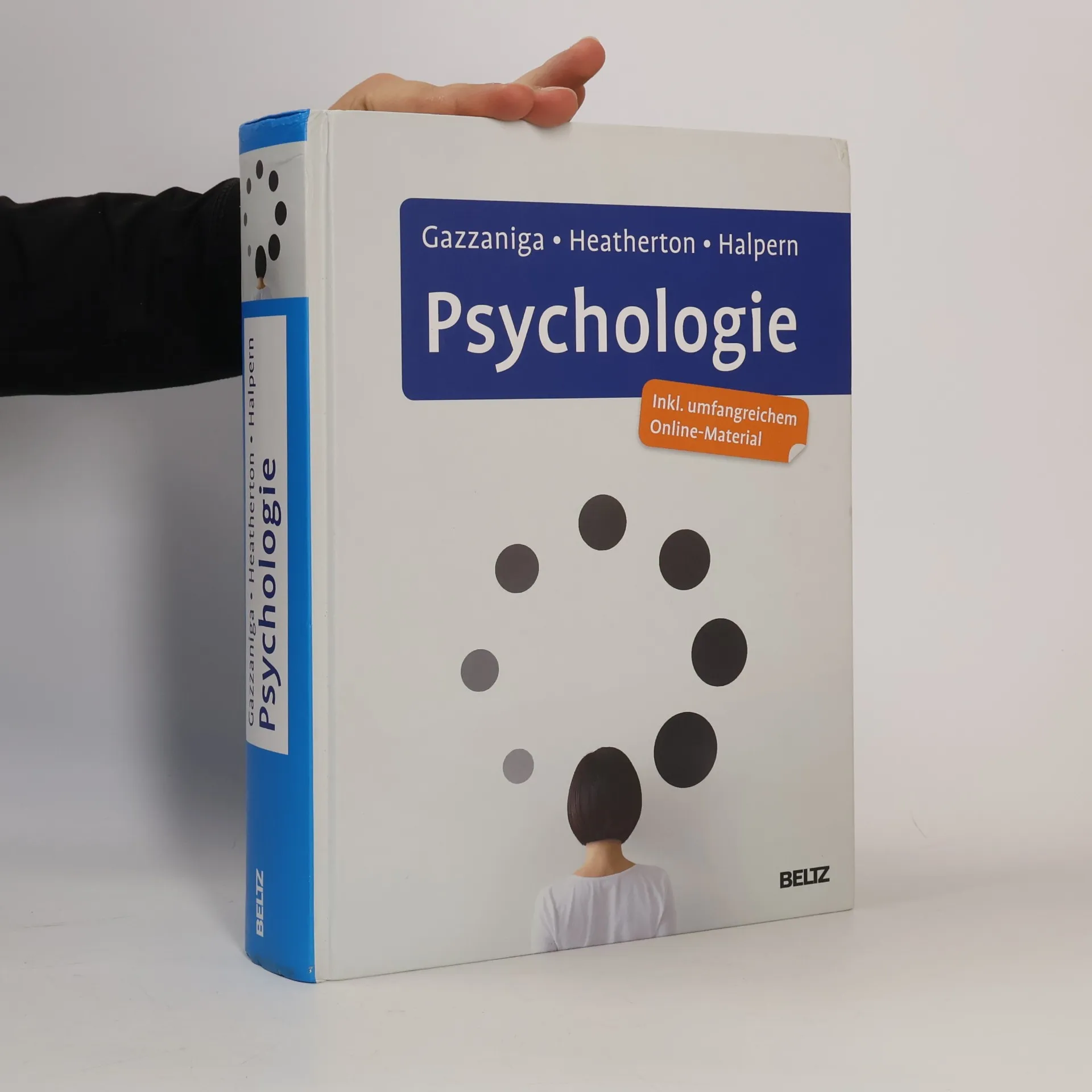
    Psychologie
    Die Ich-Illusion
    • Die Ich-Illusion

      • 277 Seiten
      • 10 Lesestunden

      Die Hirnforschung hat den freien Willen des Menschen zur Illusion erklärt. Der renommierte Neurowissenschaftler Michael Gazzaniga legt dar, warum das „Ich“ ein Märchen ist, das das Gehirn sich selbst erzählt. Und er beschreibt, wie dennoch Freiheit und Bewusstsein entstehen: nicht im einzelnen Gehirn, sondern im Miteinander von Gehirnen. Es sind Sprache, Kultur und Moral, die uns zu Bewusstsein und unserem „Selbst“ gelangen lassen. Mit der „Ich-Illusion“ schafft Gazzaniga ein tiefes Verständnis davon, wie wir funktionieren. Ein leidenschaftliches Plädoyer, keine vorschnellen Schlüsse aus den Erkenntnissen der Hirnforschung zu ziehen - und ein wichtiger Beitrag zur Debatte um Schuld und Verantwortung im Licht der Neurowissenschaft.
      Die Ich-Illusion
      4,0
    • Psychologie

      • 1054 Seiten
      • 37 Lesestunden

      Lachen, lieben, wahrnehmen, streiten, verstehen, bewegen, hinterfragen - das und vieles mehr macht uns Menschen aus. So bunt und vielfältig der Mensch ist, so farbenfroh und lebendig ist auch dieses Lehrbuch. Es bietet so einen idealen Einstieg in die Psychologie, die Lehre vom Verhalten und Erleben des Menschen. Grundlagen und Anwendungen werden mit vielen Beispielen erklärt. Ziel ist das Kennenlernen des Faches, der versierte Umgang mit psychologischen Erkenntnissen sowie die selbstständige Anwendung des erworbenen Wissens.

      Psychologie
      3,4
    • The Cognitive Neurosciences

      • 1128 Seiten
      • 40 Lesestunden

      This fifth edition serves as a comprehensive reference in cognitive neuroscience, incorporating the latest advancements in the field. It explores the intricate connections between the nervous system's structural and physiological mechanisms and the complexities of the mind. With entirely new content, it continues to set benchmarks for understanding the biological foundations of cognitive processes, making it an essential resource for researchers and students alike.

      The Cognitive Neurosciences
      4,6
    • Human

      • 464 Seiten
      • 17 Lesestunden

      What happened along the evolutionary trail that made humans so unique? In his accessible style, Michael Gazzaniga pinpoints the change that made us thinking, sentient humans different from our predecessors. He explores what makes human brains special, the importance of language and art in defining the human condition, the nature of human consciousness, and even artificial intelligence.

      Human
      4,2
    • International Student Edition - 4: Cognitive Neuroscience

      The Biology of the Mind

      • 752 Seiten
      • 27 Lesestunden

      Modeled on classic volumes that shaped an evolving field, this major reference documents and defines cognitive neuroscience. With ninety-two original contributions, it offers comprehensive coverage from the molecular level to human conscious experience, exploring the relationship between the brain's structural and physiological mechanisms and the psychological reality of the mind. Key sections include Molecular and Cellular Plasticity, Neural and Psychological Development, Sensory Systems, Motor Systems, Attention, Memory, Language, Thought and Imagery, Emotion, Evolutionary Perspectives, and Consciousness, each led by distinguished editors. This handbook is an invaluable resource, addressing the challenges of a rapidly growing discipline with a clear focus: intelligible, up-to-date theories of mental processes grounded in the latest brain science findings. The integration within this volume lays a foundation for future cognitive neuroscientists. Esteemed figures like George A. Miller and Sir Roger Penrose commend its comprehensive and authoritative articles, emphasizing its importance for anyone wishing to stay informed in this dynamic field. Eric R. Kandel highlights its thoughtful selection of reviews relevant to current research, making it a much-needed resource for students and professionals alike.

      International Student Edition - 4: Cognitive Neuroscience
      4,0
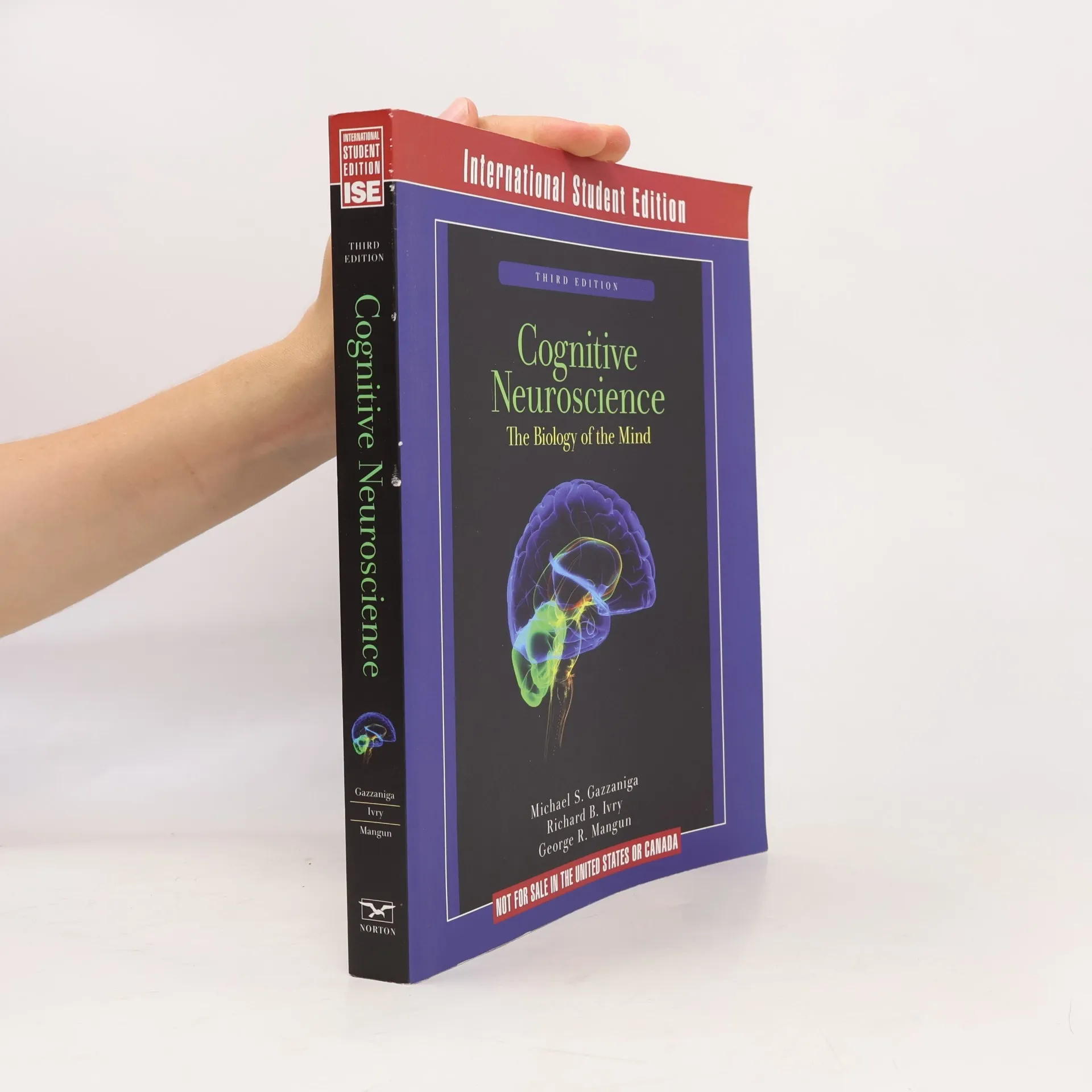
    • Cognitive Neuroscience

      The Biology of the Mind - Third Edition - International Student Edition

      • 689 Seiten
      • 25 Lesestunden

      This third edition uses an interdisciplinary approach to understanding how the human mind works. Throughout the text, clinical case studies are presented to humanise the scientific content.

      Cognitive Neuroscience
      4,1
    • This third edition uses an interdisciplinary approach to understanding how the human mind works. Throughout the text, clinical case studies are presented to humanise the scientific content.

      Cognitive Neuroscience. The Biology of the Mind
      4,1
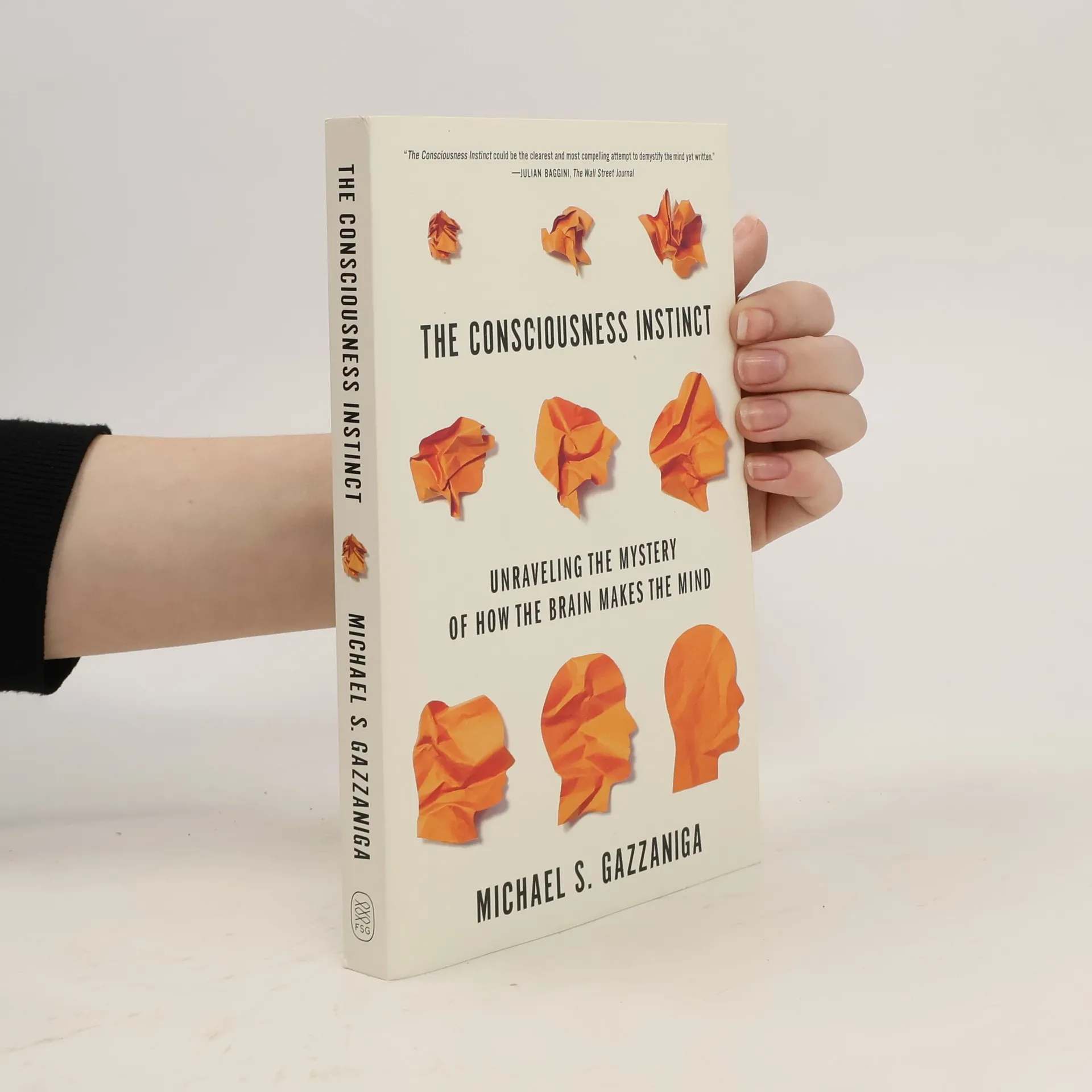
    • The Consciousness Instinct

      Unraveling the Mystery of How the Brain Makes the Mind

      • 288 Seiten
      • 11 Lesestunden

      How do neurons turn into minds? How does physical "stuff". Atoms, molecules, chemicals, and cells- create the vivid and various worlds inside our heads? The problem of consciousness has gnawed at us for millennia. In the last century there have been massive breakthroughs that have rewritten the science of the brain, and yet the puzzles faced by the ancient Greeks are still present. In The Consciousness Instinct, the neuroscience pioneer Michael S. Gazzaniga puts the latest research in conversation with the history of human thinking about the mind, giving a big-picture view of what science has revealed about consciousness

      The Consciousness Instinct
      3,9
    • Human

      The Science Behind What Makes Us Unique

      • 464 Seiten
      • 17 Lesestunden

      Exploring the intricate interplay between biology, psychology, and social dynamics, a leading neuroscientist delves into the fundamentally social nature of humanity. The author presents insights into how these interconnected aspects shape our understanding of the human condition, offering a comprehensive perspective on what it means to be human.

      Human
      4,1
    • Who's in Charge?

      • 272 Seiten
      • 10 Lesestunden

      The prevailing orthodoxy in brain science is that since physical laws govern our physical brains, physical laws therefore govern our behaviour and even our conscious selves. Free will is meaningless, goes the mantra; we live in a 'determined' world. Not so, argues the renowned neuroscientist Michael S. Gazzaniga as he explains how the mind, 'constrains' the brain just as cars are constrained by the traffic they create. Writing with what Steven Pinker has called 'his trademark wit and lack of pretension,' Gazzaniga ranges across neuroscience, psychology and ethics to show how incorrect it is to blame our brains for our behaviour. Even given the latest insights into the physical mechanisms of the mind, he explains, we are responsible agents who should be held accountable for our actions, because responsibility is found in how people interact, not in brains. An extraordinary book, combining a light touch with profound implications, Who's in Charge? is a lasting contribution from one of the leading thinkers of our time.

      Who's in Charge?
      3,8