Gratis Versand ab 14,99 €. Mehr Infos.
Bookbot

Lynn Margulis

    5. März 1938 – 22. November 2011

    Lynn Margulis war eine herausragende Wissenschaftlerin, deren Arbeit unser Verständnis des Lebens auf der Erde maßgeblich prägte. Sie beschäftigte sich mit Evolutionsbiologie und stellte bahnbrechende Ideen über die Entstehung und Entwicklung von Organismen vor. Ihre Forschung betonte symbiotische Beziehungen als entscheidenden Motor der Evolution. Margulis' Vermächtnis liegt in ihren mutigen Infragestellungen etablierter Theorien und der Förderung einer ganzheitlichen Betrachtung der Natur.

    Lynn Margulis
    Symbiosis as a Source of Evolutionary Innovation
    Five Kingdoms
    Die fünf Reiche der Organismen
    Der symbiotische Planet oder wie die Evolution wirklich verlief
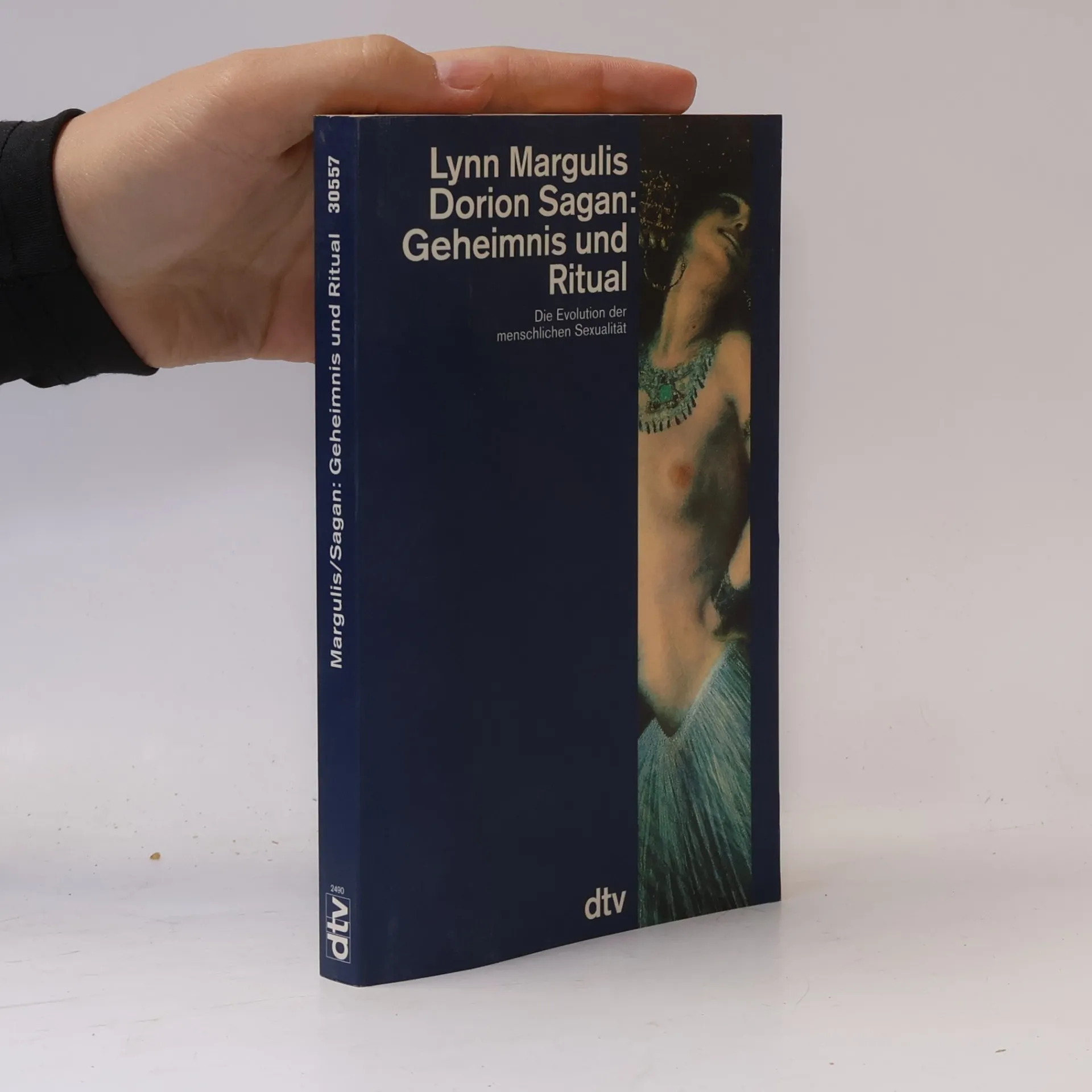
    Geheimnis und Ritual
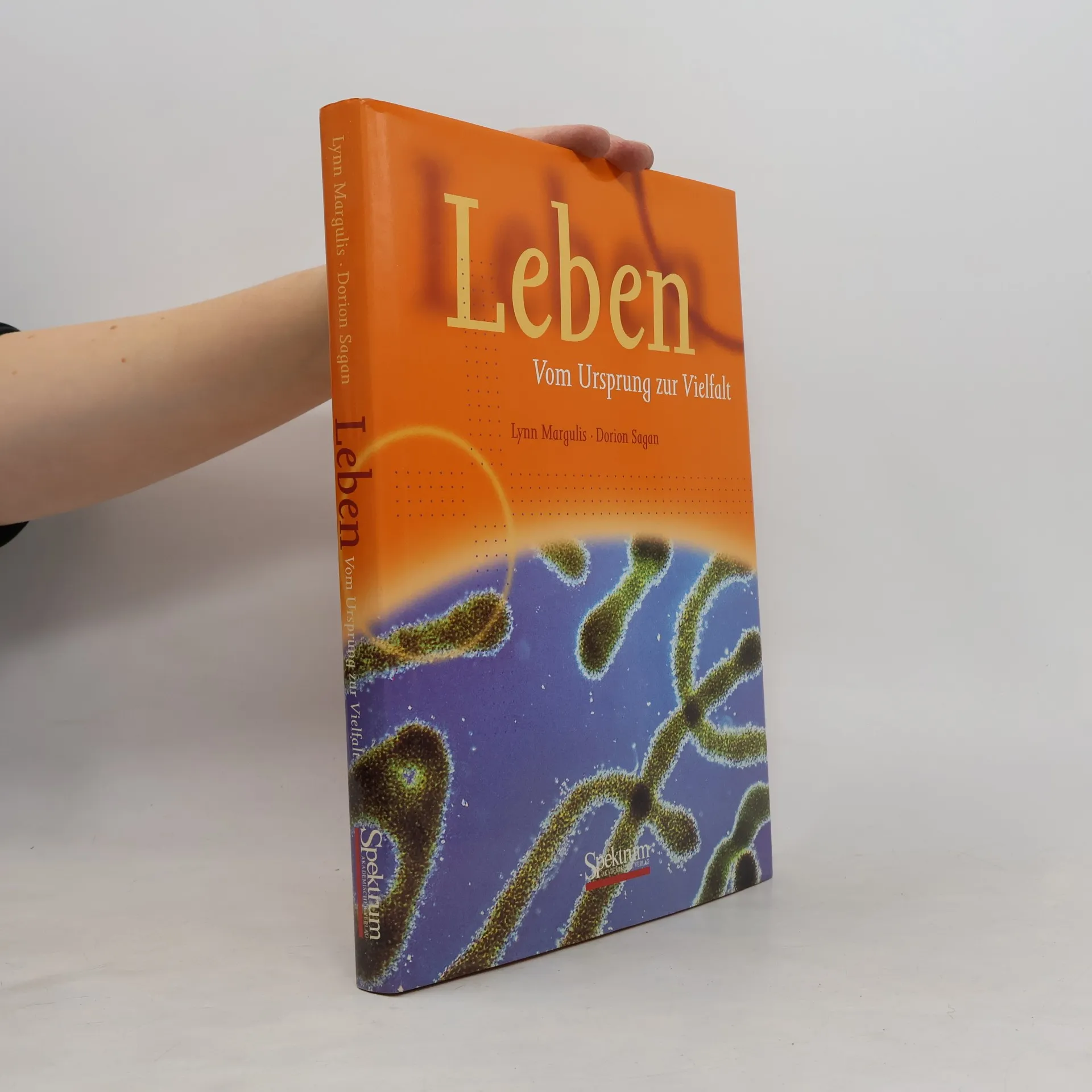
    Leben
    • Gaia and Philosophy

      • 88 Seiten
      • 4 Lesestunden

      The Gaia theory states that on Earth, life interacts with and eventually becomes its own environment. Gaia is a holistic perspective asserting that the Earth is a self-regulating complex system, resonant with the ancient magico-religious understanding that all is one. Innovated by the atmospheric chemist James Lovelock, supported by microbiologist Lynn Margulis and named by novelist William Golding, Gaia states that the temperature and composition of the Earth's atmosphere are actively regulated by the sum of life on the planet, which, seeking a physical and chemical environment optimal for contemporary life, influences the physical attributes of Earth on a planetary scale. In the way that the human mind extends DNA, the atmosphere is an extension of the biosphere: as above, so below. Fusing science, mathematics, philosophy, ecology and mythology, Gaia and Philosophy challenges the anthropocentrism of Western rationalist thought to propose a symbiotic planet. In its striking philosophical conclusion - that the cybernetic control of the Earth's surface by its organisms calls into question the alleged uniqueness of human intelligent consciousness - the revolutionary Gaia paradigm holds important implications not only for understanding life's past but for shaping its future.

      Gaia and Philosophy2023
      3,9
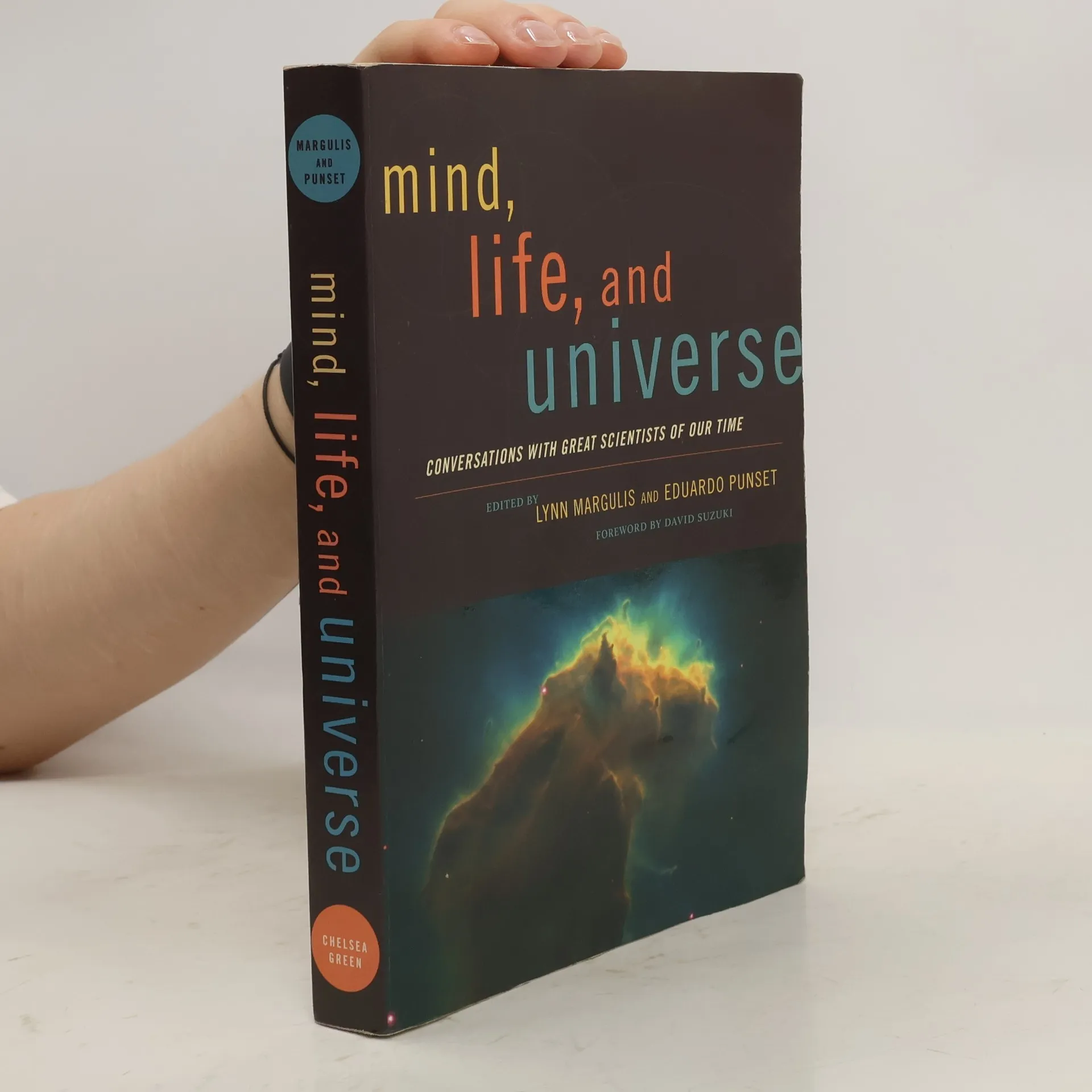
    • Mind, Life, and Universe

      Conversations with Great Scientists of Our Time

      Through Punset’s skillful questions, readers meet one scientist who spends her waking hours to assure the freedom of African primates, another passionate about his idea that his wife’s choice of husband was determined when she was a fetus, and another who explains the evidence for more than the standard four dimensions of length, width, height, and time. In captivating conversations with such science luminaries as Richard Dawkins, Sheldon Glashow, Jane Goodall, James E. Lovelock, Lisa Randall, Robert Sapolski, Oliver Sacks, and E.O. Wilson, the editors reveal a unique, hidden world of intellectual interest, verve, and humor.

      Mind, Life, and Universe2007
      4,0
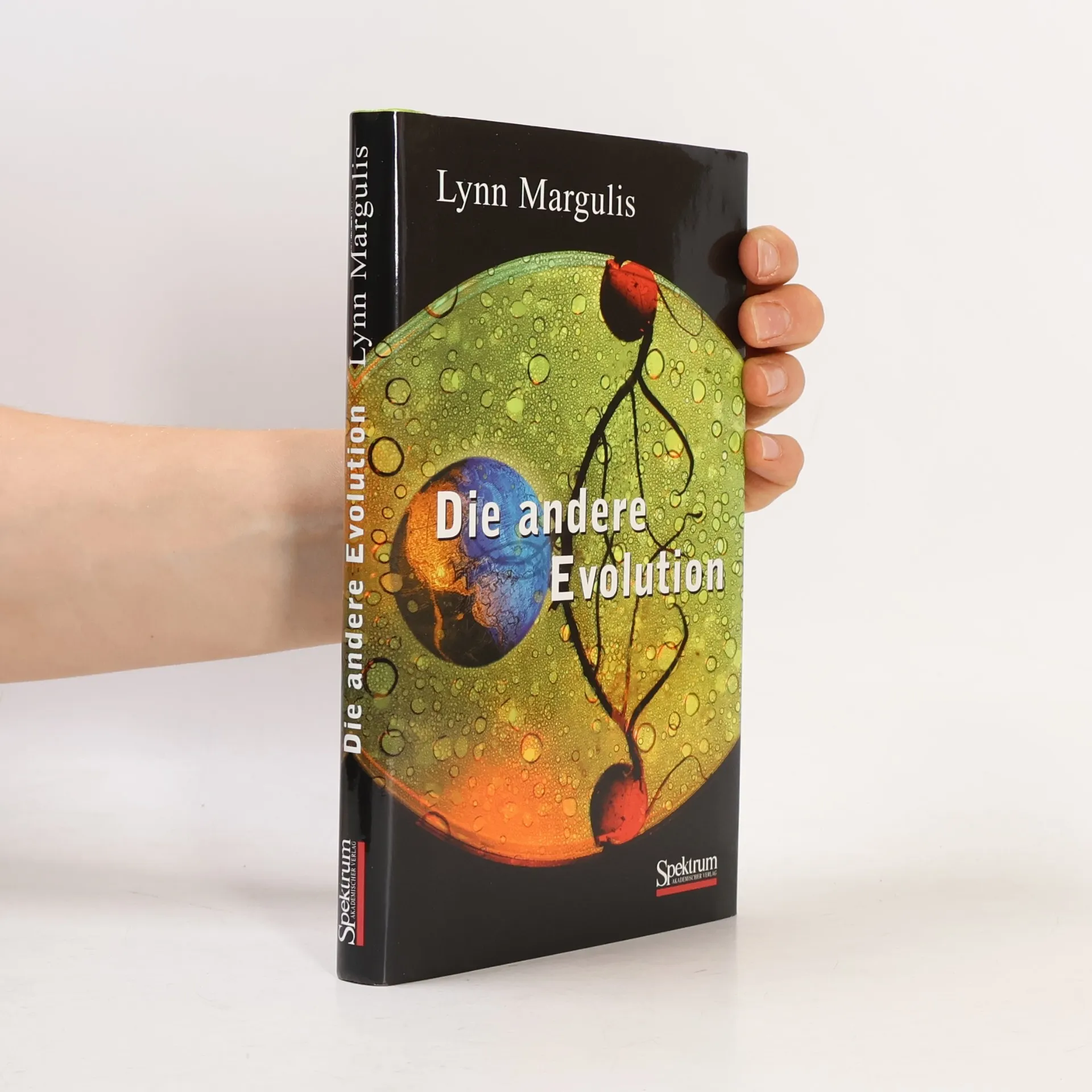
    • Die andere Seite der Evolution - Neue Fakten zur Evolution des Lebens. Noch immer wird die Evolution des Lebens auf unserem Planeten sehr einseitig auf die von Darwin beschriebenen Mechanismen von Mutation und Selektion im "Kampf ums Dasein" reduziert. In "Der symbiotische Planet" zeigt Lynn Margulis die andere Seite der Evolution auf und belegt, dass mehrzelliges, "höheres" Leben einst vor Milliarden Jahren nicht im Krieg aller gegen aller, sondern nur durch Kooperation und Symbiose der frühen Organismen entstand. Weil dies zwar nicht Charles Darwins Theorie, aber den neo-darwinistischen Vorstellungen von "egoistischen Genen" zuwiderlief, dauerte es Jahrzehnte, bis Lynn Margulis' Entdeckungen als Fakten anerkannt wurden. Ihr mit großem Enthusiasmus geschriebenes Buch ist auch der persönlich autobiographische Bericht einer außergewöhnlichen Forscherin, die lange um ihre akademische Anerkennung kämpfen musste

      Der symbiotische Planet oder wie die Evolution wirklich verlief1999
      4,0
    • Leben

      Vom Ursprung zur Vielfalt

      • 208 Seiten
      • 8 Lesestunden

      Was ist Leben? Diese ebenso alte wie faszinierende Frage wird sich wohl nie abschlieAend beantworten lassen, doch hat die Naturwissenschaft Wesen, Ursprung und Entwicklung des Lebens inzwischen in beeindruckender Breite und Tiefe ergrA1/4ndet. Lynn Margulis und Dorion Sagan nehmen uns in ihrem ungewAhnlichen Buch auf eine spannende, im wahrsten Sinne denkwA1/4rdige Reise durch die Evolution mit. Der Bogen spannt sich dabei von der Entstehung des Lebens vor dreieinhalb Milliarden Jahren bis zur heutigen Vielfalt der Lebensformen auf unserem Planeten. Als ein Leitmotiv in dieser langen Geschichte, die auch unsere eigene ist, erweist sich die allmAhliche Zunahme der KomplexitAt. Die groAen Etappen der biologischen Evolution sind in den einzelnen Kapiteln des Buches dokumentiert, an deren Ende sich die Autoren der Frage "Was ist Leben?" immer wieder neu stellen. Im klugen Aufbau des Textes, in der kraftvollen, bildreichen Sprache und im Asthethischen Zusammenspiel von Text und Illustration entsteht so ein weitgefaAtes Panorama der Geschichte, Eigenheiten und Formenvielfalt des Lebens auf der Erde.

      Leben1999
      4,4
    • Die Autoren verfolgen die Entwicklung des menschlichen Sexualverhaltens und unsere komplexen Gefühle über Sex, gestützt auf Psychoanalyse, Philosophie, Religion, Linguistik und Politik. Lynn Margulis ist eine führende Evolutionsbiologin.

      Geheimnis und Ritual1993
      4,5
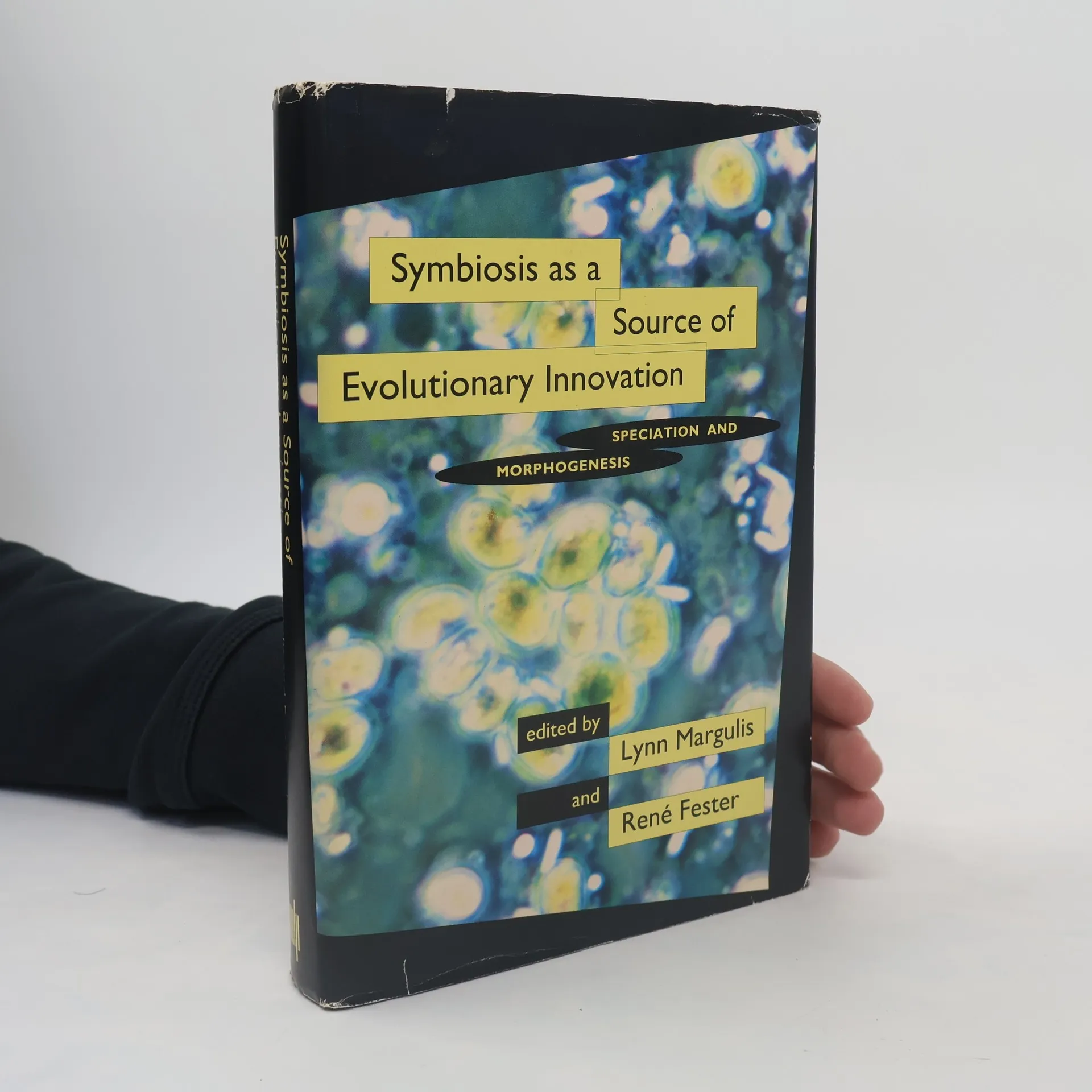
    • Symbiosis as a Source of Evolutionary Innovation

      Speciation and Morphogenesis

      • 470 Seiten
      • 17 Lesestunden

      This collection features original contributions from symbiosis biologists and evolutionary theorists who challenge the adequacy of the neo-Darwinian concept of evolution. They present growing evidence that hereditary symbiosis, alongside gradual heritable mutations, plays a crucial role in the emergence of new species and morphological innovations. The concept of symbiosis, particularly the genetic and metabolic interactions of bacterial communities that evolved into the earliest eukaryotes, has garnered increasing interest among scientists. The contributions explore various topics, including the evolutionary implications of symbiosis, the prolonged physical associations between different species, and the significance of symbiosis in cell evolution, ecology, and morphogenesis. Key issues discussed include individuality, microbial symbioses, and animal-bacterial interactions. Lynn Margulis, a distinguished professor at the University of Massachusetts at Amherst, is recognized as the modern originator of the symbiotic theory of cell evolution, which has transitioned from being viewed as heretical to becoming integral to the microbiological revolution. The volume includes insights from notable contributors in the field, reflecting a shift in understanding evolution through the lens of symbiotic relationships.

      Symbiosis as a Source of Evolutionary Innovation1991
      4,5
    • Die dritte Auflage dieses Werkes behandelt alle Gruppen lebender Organismen und enthält neue prägnante Einführungsabschnitte zu den allgemeinen Merkmalen jeder der fünf Gruppen: Bakterien; Protoctista; Tiere; Pilze; und Pflanzen - einschließlich Hintergrundinformationen und Definitionen. Fotografien, einige von Karlene Schwartz, Zeichnungen und kurze Essays beschreiben repräsentative Mitglieder jedes Stammes. Es sollte für Studierende der Biologie, Botanik, Zoologie und anderer Lebenswissenschaften sowie für Fachleute von Interesse sein.

      Die fünf Reiche der Organismen1989
    • Five Kingdoms

      An Illustrated Guide to the Phyla of Life on Earth - Third Edition

      • 448 Seiten
      • 16 Lesestunden

      The third edition of this work covers all the groups of living organisms, and has new concise introductory sections on the general features of each of the five kingdoms: bacteria; protoctista; animals; fungi; and plants - including background information and definitions. Photographs, some by Karlene Schwartz, drawings and brief essays describe representative members of each phylum. It should be of interest to students of biology, botany, zoology and other life sciences as well as professionals.

      Five Kingdoms1988
      4,4
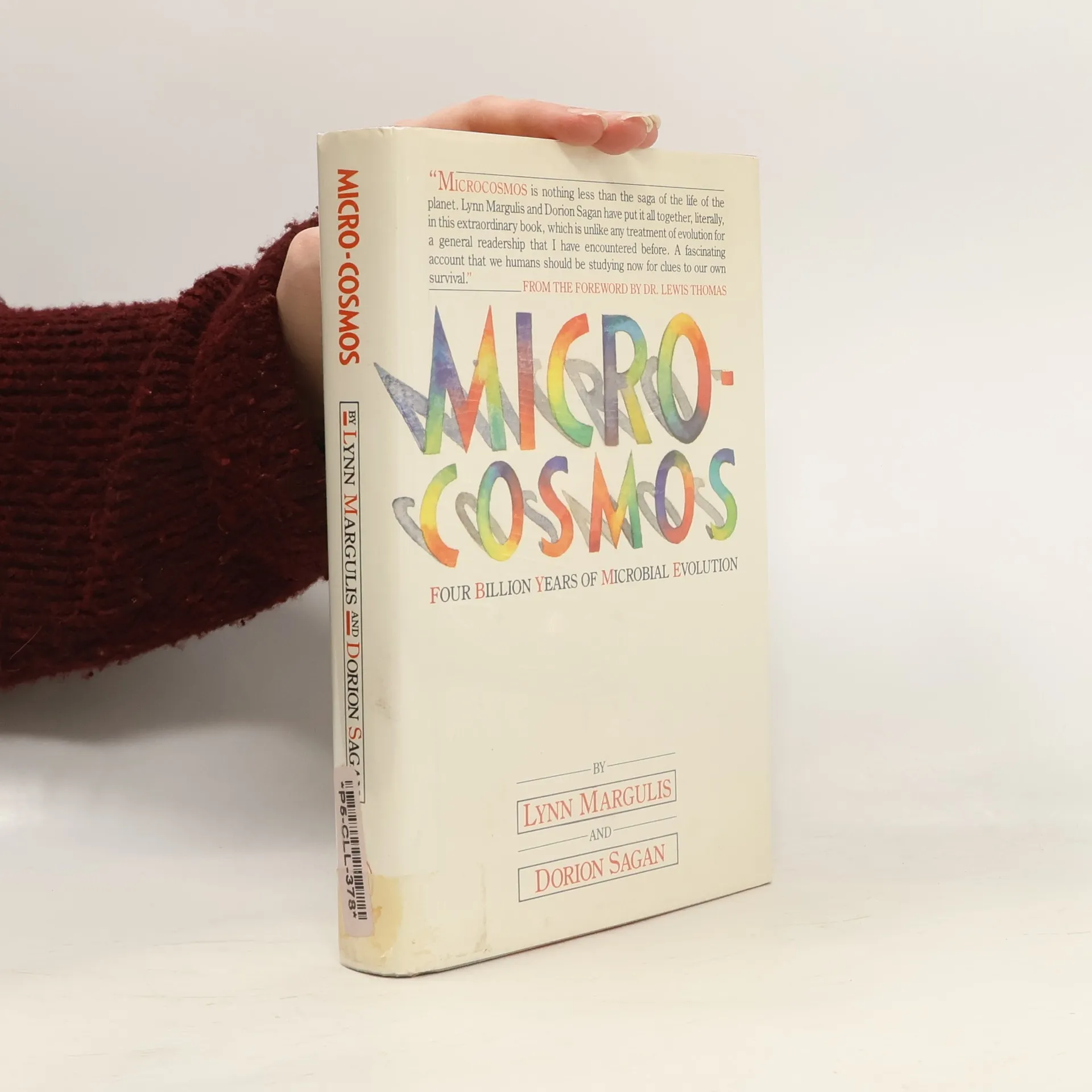
    • Microcosmos

      Four Billion Years of Evolution from Our Microbial Ancestors

      • 301 Seiten
      • 11 Lesestunden

      Margulis, Lynn, Investigator, Non-NASA Center: U MA, Amherst.

      Microcosmos1986
      4,1