


Gratisversand in ganz Deutschland!
Bookbot

Hubert Dreyfus

    15. Oktober 1929 – 22. April 2017

    Hubert Lederer Dreyfus war Professor für Philosophie an der University of California, Berkeley. Seine Arbeit befasste sich mit Phänomenologie, Existentialismus und den philosophischen Implikationen künstlicher Intelligenz. Ein zentraler Schwerpunkt seiner Forschung war die Kritik am Kognitivismus, wobei er die Bedeutung menschlicher Erfahrung und Verkörperung hervorhob. Er untersuchte die Möglichkeiten und Grenzen von maschineller Kognition und KI im Kontext menschlichen Verstehens.

    Hubert Dreyfus
    What Computers Still Can't Do
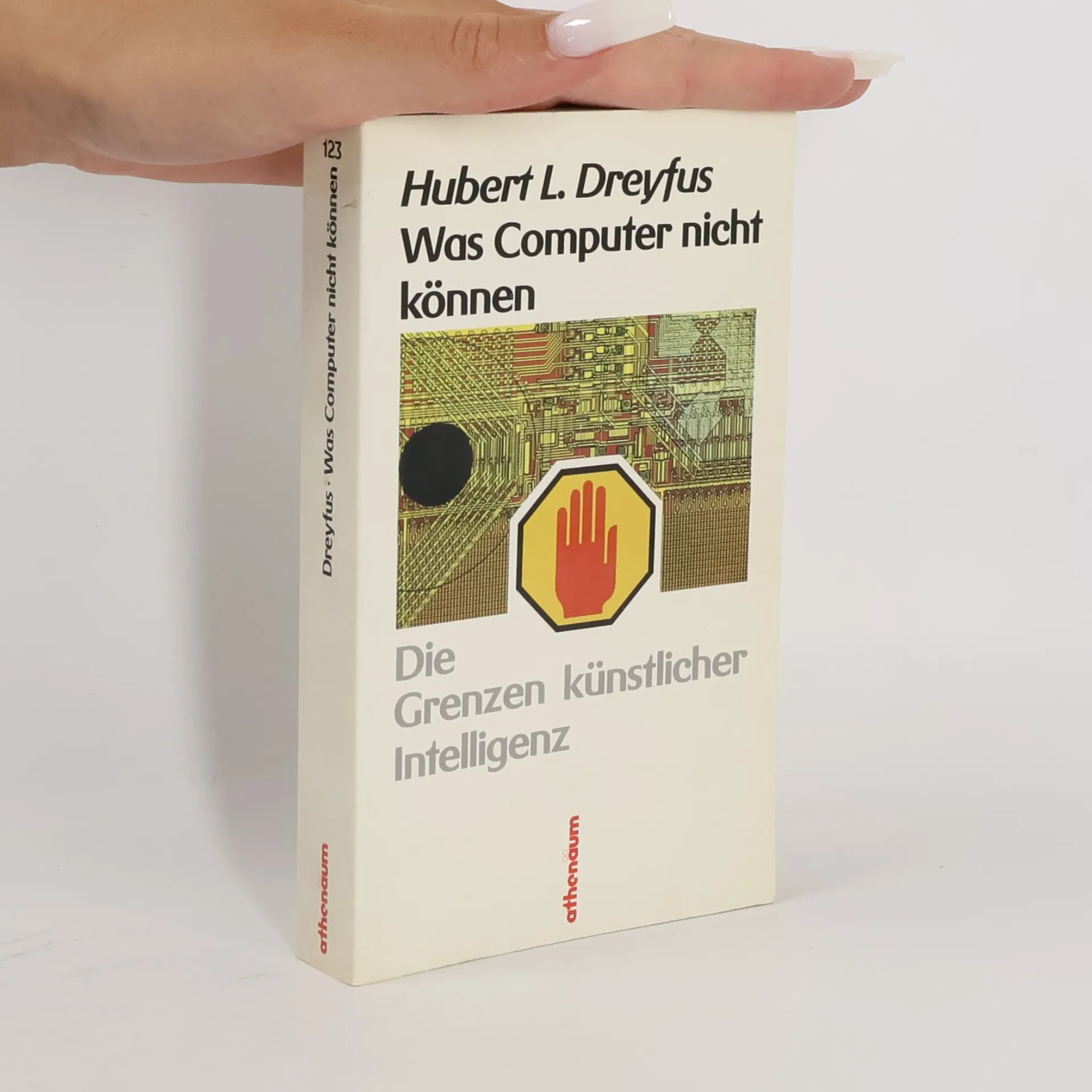
    Was Computer nicht können
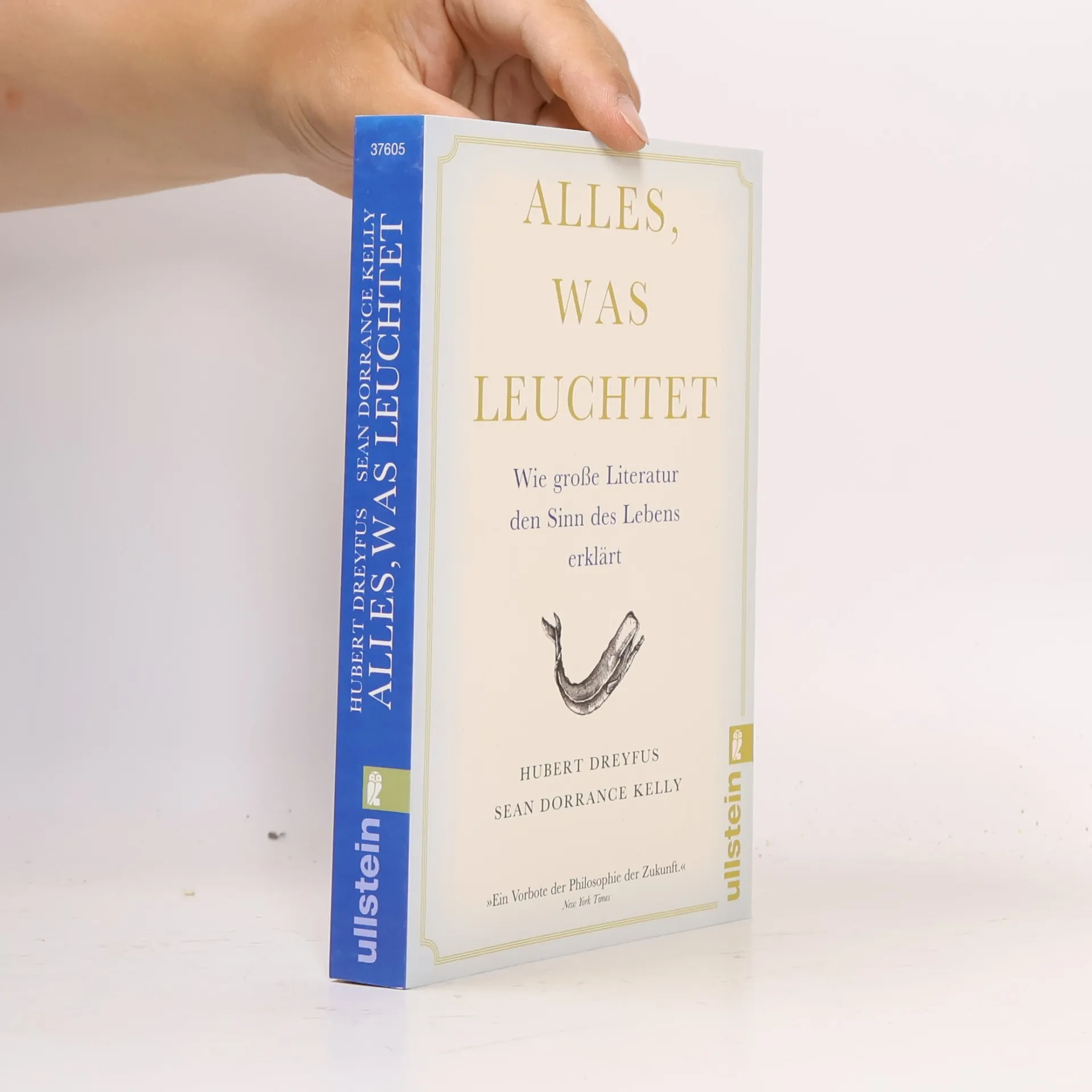
    Alles, was leuchtet
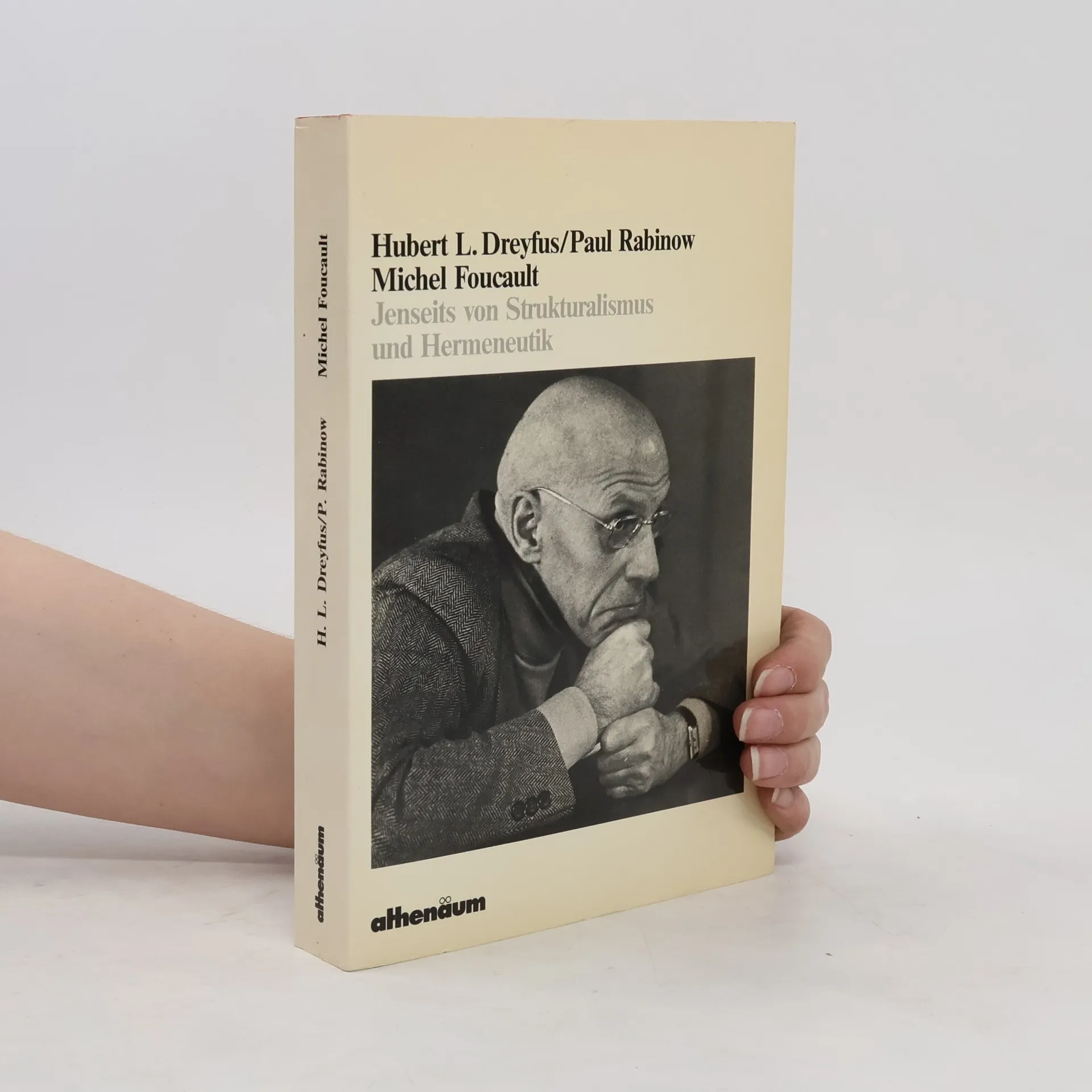
    Michel Foucault
    Die Grenzen künstlicher Intelligenz
    Die Wiedergewinnung des Realismus
    • Uns ist der Sinn abhandengekommen. Was tun? Wo suchen? In unserer Kultur haben die traditionellen Wertesysteme ihre Orientierungskraft eingebüßt. Wir fühlen uns von der Vielfalt der Möglichkeiten überfordert. Im Mittelalter war Gott der Sinnstifter. In der Antike leiteten die Götter ihre Lieblinge. Die so Geführten empfanden Dankbarkeit – die Welt leuchtete für sie. Können wir dieses homerische Staunen wiederfi nden? Ja, meinen die Philosophen Hubert Dreyfus und Sean Dorrance Kelly. Sie betrachten die Geschichte der westlichen Literatur – darunter Homer, Dante, Melville und David Foster Wallace –, und plädieren für einen säkularen Polytheismus, in dem sich der Mensch nicht als bedingungslose Urheber seiner Handlungen versteht, sondern sich der Welt öffnet.

      Alles, was leuchtet
    • When it was first published in 1972, Hubert Dreyfus's manifesto on the inherent inability of disembodied machines to mimic higher mental functions caused an uproar in the artificial intelligence community. The world has changed since then. Today it is clear that "good old-fashioned AI," based on the idea of using symbolic representations to produce general intelligence, is in decline (although several believers still pursue its pot of gold), and the focus of the AI community has shifted to more complex models of the mind. It has also become more common for AI researchers to seek out and study philosophy. For this edition of his now classic book, Dreyfus has added a lengthy new introduction outlining these changes and assessing the paradigms of connectionism and neural networks that have transformed the field. At a time when researchers were proposing grand plans for general problem solvers and automatic translation machines, Dreyfus predicted that they would fail because their conception of mental functioning was naive, and he suggested that they would do well to acquaint themselves with modern philosophical approaches to human being. "What Computers Still Can't Do" was widely attacked but quietly studied. Dreyfus's arguments are still provocative and focus our attention once again on what it is that makes human beings unique.

      What Computers Still Can't Do
    • Mind Over Machine

      • 231 Seiten
      • 9 Lesestunden
      4,0(18)Abgeben

      Defining the limits of computer technology, the authors make a compelling case that binary logic will always be inferior to human intuitive ability. A stunning reaffirmation of human intelligence.

      Mind Over Machine
    • Přestože studie H.L. Dreyfuse a P. Rabinowa je jednou z vůbec prvních knižních publikací věnovaných Michelu Foucaultovi, stále patří k těm nejdůkladnějším a nejoriginálějším knihám, které byly tomuto filosofovi kdy věnovány. Autoři systematicky zkoumají Foucaultovo – v době vydání jejich textu dosud neuzavřené – dílo, přičemž základním výchozím bodem se pro ně stává Foucaultův „metodologický“ spis Archeologie vědění. Na tomto základě potom vymezují Foucaultovo myšlení jak vůči strukturalismu, tak vůči hermeneutice, a interpretují všechny klíčové motivy Foucaultova teoretického projektu: teorii diskursu, subjektu, moci, rozdíl mezi archeologií a genealogií atd. Kniha je doplněna rozhovorem se samotným Foucaultem, a také jeho textem týkajícím se otázky moci.

      Michel Foucault: Za hranicemi strukturalismu a hermeneutiky