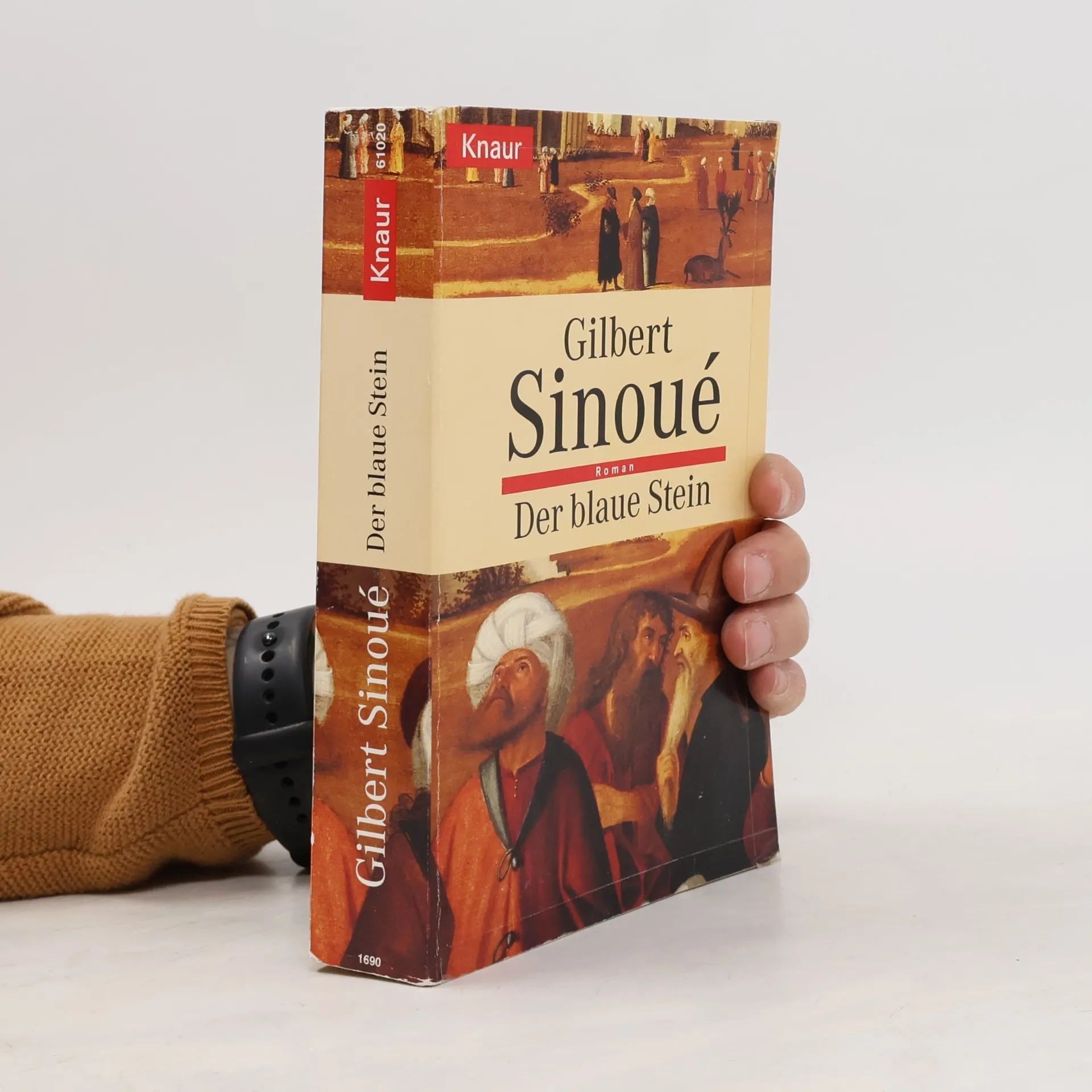
Wenige Jahre vor Kolumbus' Aufbruch nach Amerika reiten ein Rabbi, ein Scheich und ein Franziskanermönch quer durch Spanien, wo die grausame und strenge Inquisition herrscht. Sie suchen nach dem blauen Stein, einer Tafel aus Saphir, in welche die Antworten auf die großen Fragen der Menschheit gemeißelt sind und die einem auserwählten Geschlecht in dunklen Stunden Rettung verheißt. Wer wird sie zuerst finden: die drei Gelehrten oder der spanische Großinquisitor, dem sie längst ein Dorn im Auge sind ... »Virtuos geschrieben« Freundin
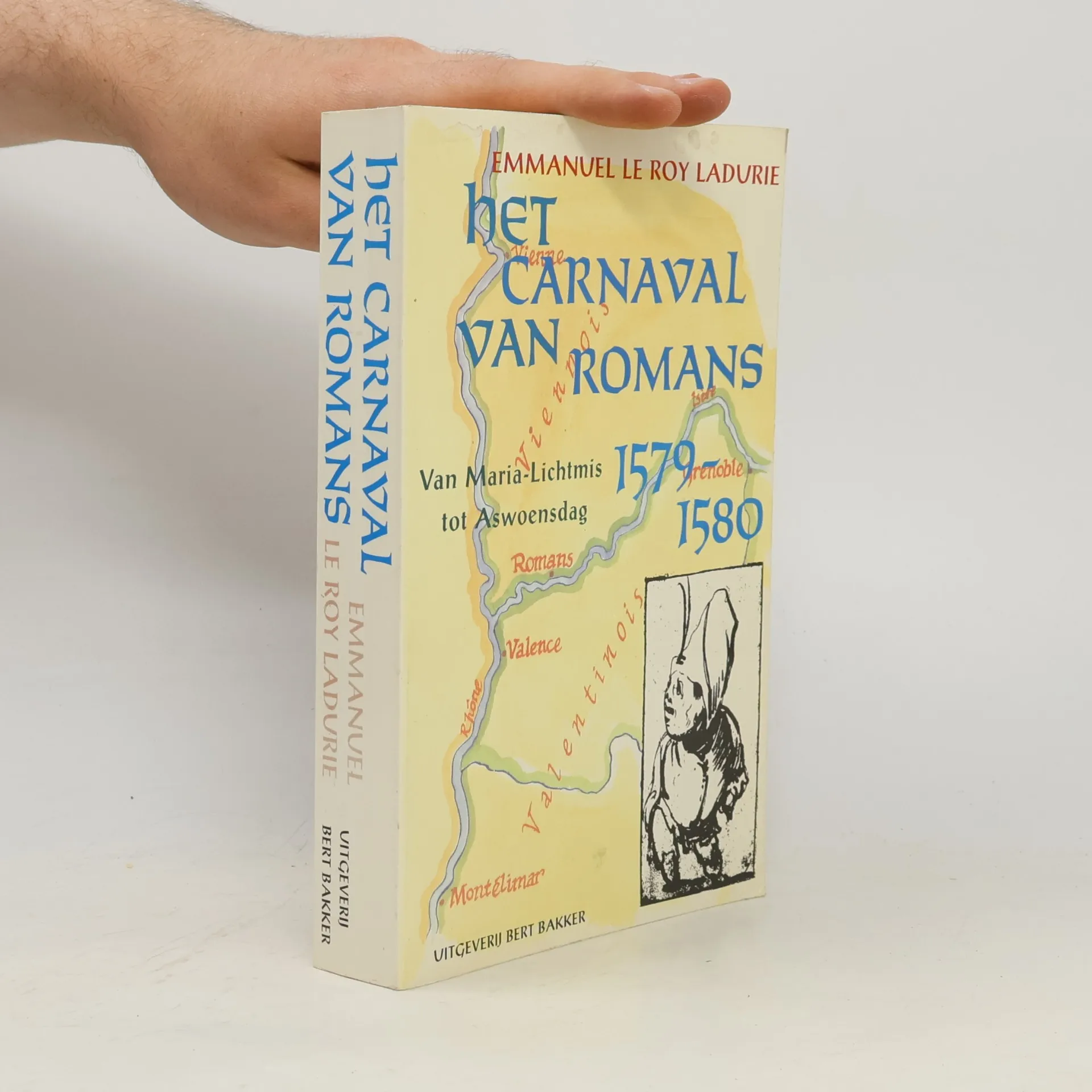
The city of Romans, in Dauphine province in S. France, was the annual scene of a colorfully animated Mardi gras carnival. In 1580, however, winter festivities degenerated into bloody ambush. While costumed craftsmen & peasants mimed & danced their uprising in the streets, & notables & bourgeoisie hurried from banquets to balls in ostentatious finery, Jean Serve-Paumier, master craftsman, draper & popular party leader was assassinated, his supporters beaten & pursued by a mob hired by Judge Antoine Guerin, leader of the inflexibly reactionary part of the ruling party. More than a cruel incident, this night marked the intersection of an urban movement & even larger rural stirrings. Ladurie marshals a wealth of evidence & reveals the town of Romans as a microcosm of the political & religious antagonisms tearing 16th-century France. Le Carnival de Romans: de la chandeleur au mercredi des cenders describes the massacre of about 20 artisans at an annual carnival. Ladurie uses the two surviving eyewitness accounts--one hostile towards the victims by Guérin, the other sympathetic yet often inaccurate by Piémond--along with such information as plague & tax lists, to treat the massacre as a microcosm of rural political, social & religious conflicts, thereby providing a good example of microhistory.