Focusing on Marcel Proust's work, Julia Kristeva's exploration delves into the intricate relationship between literature, time, and sensory experience. This reassessment not only offers insights into Proust's narrative but also reflects on the broader implications of how literature engages with our perception of time and sensory awareness. Through this lens, Kristeva invites readers to reconsider the profound impact of literary experiences on our understanding of existence.
Julia Kristeva Reihenfolge der Bücher (Chronologisch)
24. Juni 1941
Julia Kristeva, geboren in Bulgarien, ist eine einflussreiche französische Psychoanalytikerin, Soziologin, Kritikerin, Feministin und Philosophin. Ihre Arbeit wurzelt in der psychoanalytischen Tradition nach Lacan und beschäftigt sich intensiv mit Semiotik und Sprachphilosophie. Kristeva erforscht die komplexen Zusammenhänge von Sprache, Identität und dem menschlichen Unbewussten. Ihre Schriften, die akademische Tiefe mit literarischer Sensibilität verbinden, bieten tiefgehende Einblicke in die menschliche Psyche und die moderne Gesellschaft.


Exploring the theme of severed heads in art, this book delves into their representations from the Paleolithic era to modern times. Drawing insights from a thought-provoking exhibition at the Louvre, the author examines the cultural and historical significance of these depictions, offering a unique perspective on how they reflect societal values and artistic expression throughout history.
The book delves into the personal rebellions of three influential modern writers: Aragon, Sartre, and Barthes, exploring how each articulates their dissent against societal norms. It also presents Julia Kristeva's insights on the evolution of rebellion, offering a forward-looking perspective on the concept. Through this examination, the text provides a critical analysis of literary rebellion and its implications for contemporary thought.
Hatred and Forgiveness
- 336 Seiten
- 12 Lesestunden
Exploring complex themes such as language, abjection, and female sexuality, the author delves into the intricacies of love and forgiveness. Through a nuanced analysis, the work redefines and expands upon these concepts, offering fresh insights into their interconnections and implications in human relationships.
Passions of Our Time
- 424 Seiten
- 15 Lesestunden
Recent essays by Julia Kristeva reveal her extensive intellect and stylistic prowess, addressing contemporary challenges with depth and insight. This collection illustrates her significant contributions to current discourse, showcasing her ability to engage with complex ideas and themes relevant to today's society.
Francuska literatura eksploruje szaloną miłość, filozofię, politykę i moralność, przekształcając się w różnorodne formy, od Bretona i Aragona po Sartre'a i Camusa. Blanchot, zwracając uwagę na Prousta, koncentruje się na implozji pustki, która poszerza sferę Czasu odnalezionego, jednak jego przenikliwość pomija brutalność zła, będącego samotnym rewersem niestałości Bytu. Dwa podziwiające Prousta postacie, Mauriac i Bataille, różnią się w swoich interpretacjach: jeden jest katolickim moralistą, drugi badaczem mistycyzmu. Walter Benjamin zastanawia się nad szczęściem tych odmiennych materii. Proustowskie doświadczenie zmysłowe, choć sztuczne i bluźniercze, wciąż umyka. Deleuze analizuje homoseksualizm w kontekście Freuda, odróżniając różne jego formy i wskazując na społeczne odrzucenie homoseksualistów, które kształtuje ich poczucie winy. Proust łączy homoseksualizm z Żydostwem jako ofiarami nietolerancji. Narrator dodaje do tego opis psychotycznej mocy transseksualizmu, sugerując, że wszyscy jesteśmy hermafrodytycznymi istotami. Postacie, takie jak baron Charlus, ukazują symptomy szaleństwa, a ich zachowania są pełne intensywnych emocji i wewnętrznej dynamiki, co prowadzi do odkrycia niebezpiecznej, rozregulowanej energii.
Julia Kristeva has been both attracted and repelled by Dostoyevsky since her youth. In this extraordinary book, by turns poetic and intensely personal, she brings her unique critical sensibility to bear on the tormented and visionary Russian author.
Dostoyevsky, or The Flood of Language
- 112 Seiten
- 4 Lesestunden
Julia Kristeva embarks on a wide-ranging and stimulating inquiry into Dostoyevsky's work and the profound ways it has influenced her own thinking. Reading across his major novels and shorter works, Kristeva offers incandescent insights into the potent themes that draw her back to the Russian master.
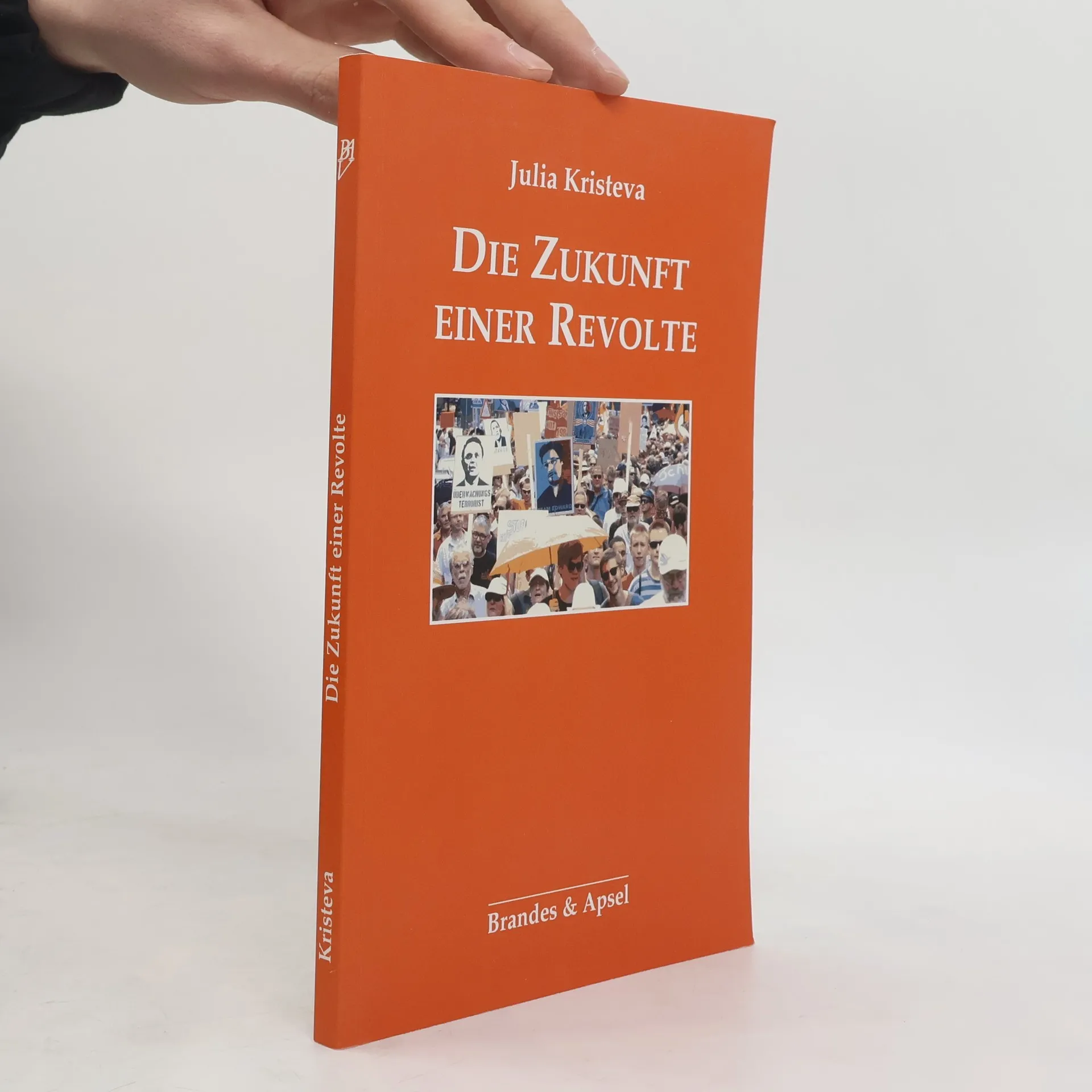
Die Zukunft einer Revolte
- 160 Seiten
- 6 Lesestunden
Volksaufstände, eine aufgebrachte Jugend, vom Sockel gestürzte Diktatoren, in Blutbädern unterdrückte Hoffnungen und Freiheitswünsche... Sollte die Revolte die digitale Menschheit aus ihrem Traum allseitiger Vernetzung reißen? Doch von welcher Revolte ist hier die Rede? Julia Kristeva geht der Frage nach, was eine Revolte ist - verstanden zugleich als politische Erneuerung, innere Wiedergeburt und ethisches Ideal. Sie gibt dem Denken in der Revolte einen neuen auch und vor allem, wenn diese sich fern vom Lärm der Straße und vom Spektakel vollzieht. Für Kristeva sind wir nur wirklich psychisch am Leben, wenn wir uns die Zeit und den Raum für Revolten einrä um abzubrechen, zu erinnern, neu zu beginnen. Unter anderem die psychoytische Erfahrung, aber auch literarisches Schreiben ermöglichen diese innere Revolution . Aus dem Französischen übersetzt von Bernd Schwibs.
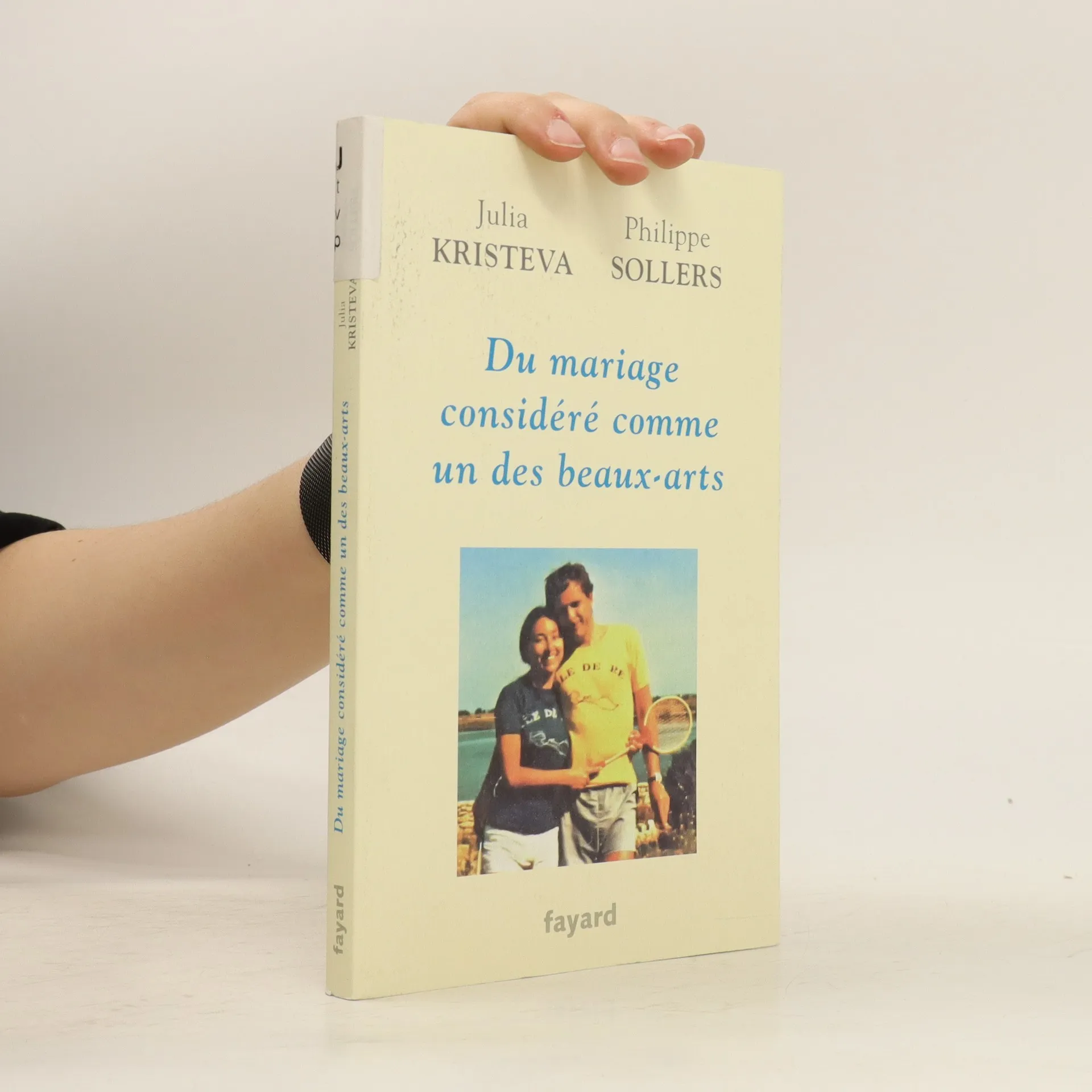
Philippe Sollers : «Je n'ai jamais songé à me marier. Sauf une fois. Et une fois pour toutes. Cette aventure singulière, et très passionnée, méritait, je crois, d'être racontée en détail.» Julia Kristeva : «Nous sommes un couple formé de deux étrangers. Notre différence nationale souligne encore mieux une évidence qu'on se dissimule souvent : l'homme et la femme sont des étrangers l'un à l'autre. Or le couple qui assume la liberté de ces deux étrangers peut devenir un véritable champ de bataille. D'où la nécessité d'harmoniser. La fidélité est une sorte d'harmonisation de l'étrangeté. Si vous permettez que l'autre soit aussi étranger que vous-même, l'harmonie revient. Les «couacs» se transforment alors en éléments de la symphonie.» Du mariage considéré comme un des beaux-arts rassemble quatre dialogues (échelonnés de 1990 à 2014) entre Julia Kristeva et Philippe Sollers, à travers lesquels ils nous transmettent leur expérience d'écrivains et d'intellectuels engagés au regard de la rencontre amoureuse et du couple.
Teresa, My Love
- 630 Seiten
- 23 Lesestunden
In the vein of A. S. Byatt's Possession, a scholar immerses herself in a quest to reconstruct the life of an ecstatic saint, turning a past world into a modern marvel.
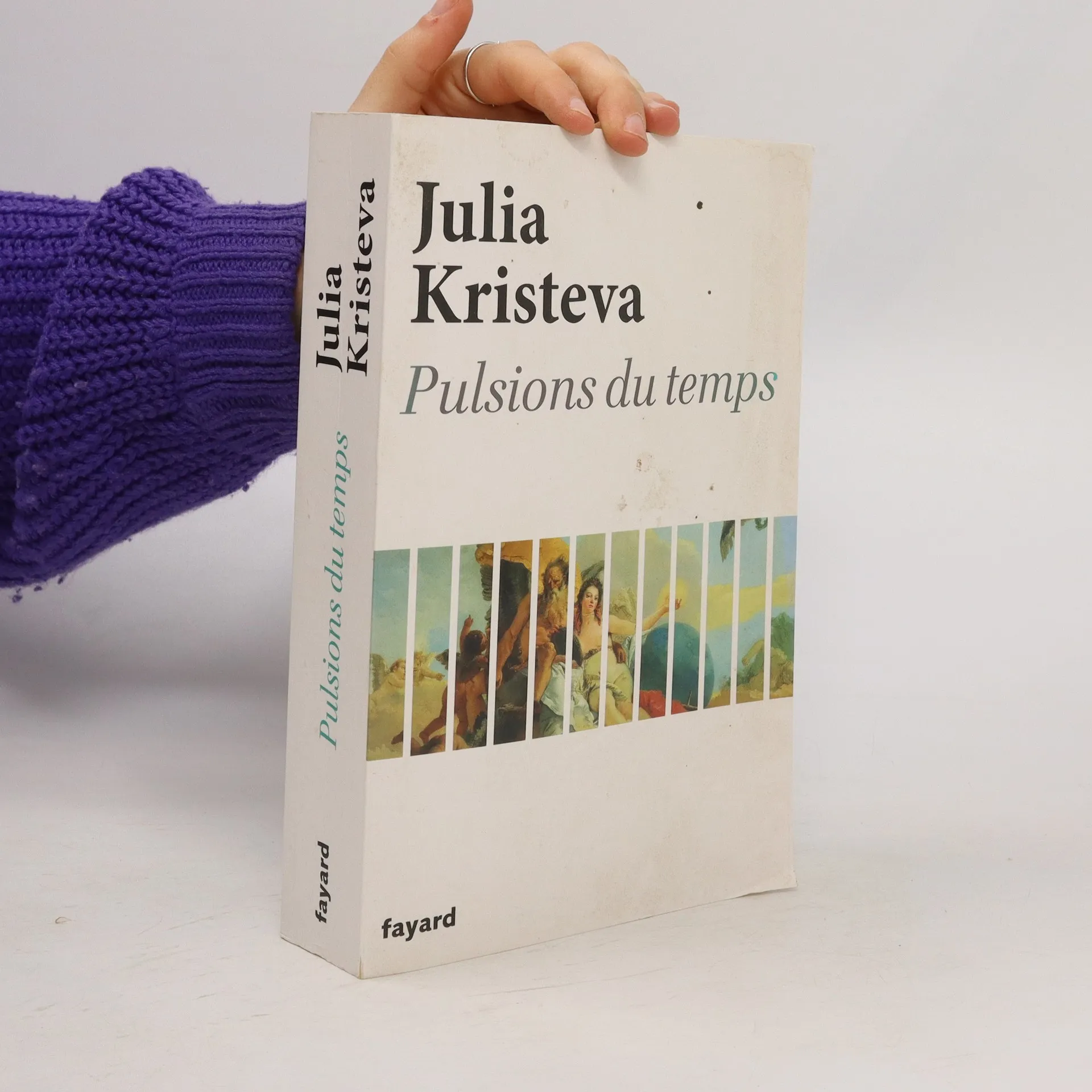
Pulsions du temps
- 797 Seiten
- 28 Lesestunden
Où est le temps, existe-t-il encore ? Je vous propose d'ouvrir la question du TEMPS. Jamais le temps n'a été aussi compact, uniformisé, fermé comme il l'est désormais à la surface globalisée de l'hyperconnexion. Mais jamais non plus il n'a été aussi ouvert et multiple : incessant battement d'avènements, amorces, émergences, éclosions perpétuelles. Je retrouve ici des expériences singulières : dans l'érotisme maternel et dans celui de la foi religieuse, j'ose parier sur la culture européenne et sur l'humanisme à refonder, je découvre un destin de la psychanalyse en terre d'Islam et en Chine. Je n'ai pas de réponses toutes faites et n'en donne pas une fois pour toutes. Je déplie des vérités hic et nunc telles que je les vis et les pense. Je vous présente mes compagnons de route : Antigone et Philippe Sollers, Jean-Jacques Rousseau et Jacques Lacan, Jackson Pollock et Emile Benveniste ; Simone de Beauvoir et Thérèse d'Avila. Un livre sur la Vérité découverte par le Temps ? Plutôt une expérience du temps scandée par des événements, des étonnements, rebonds de surprises et de renaissances.
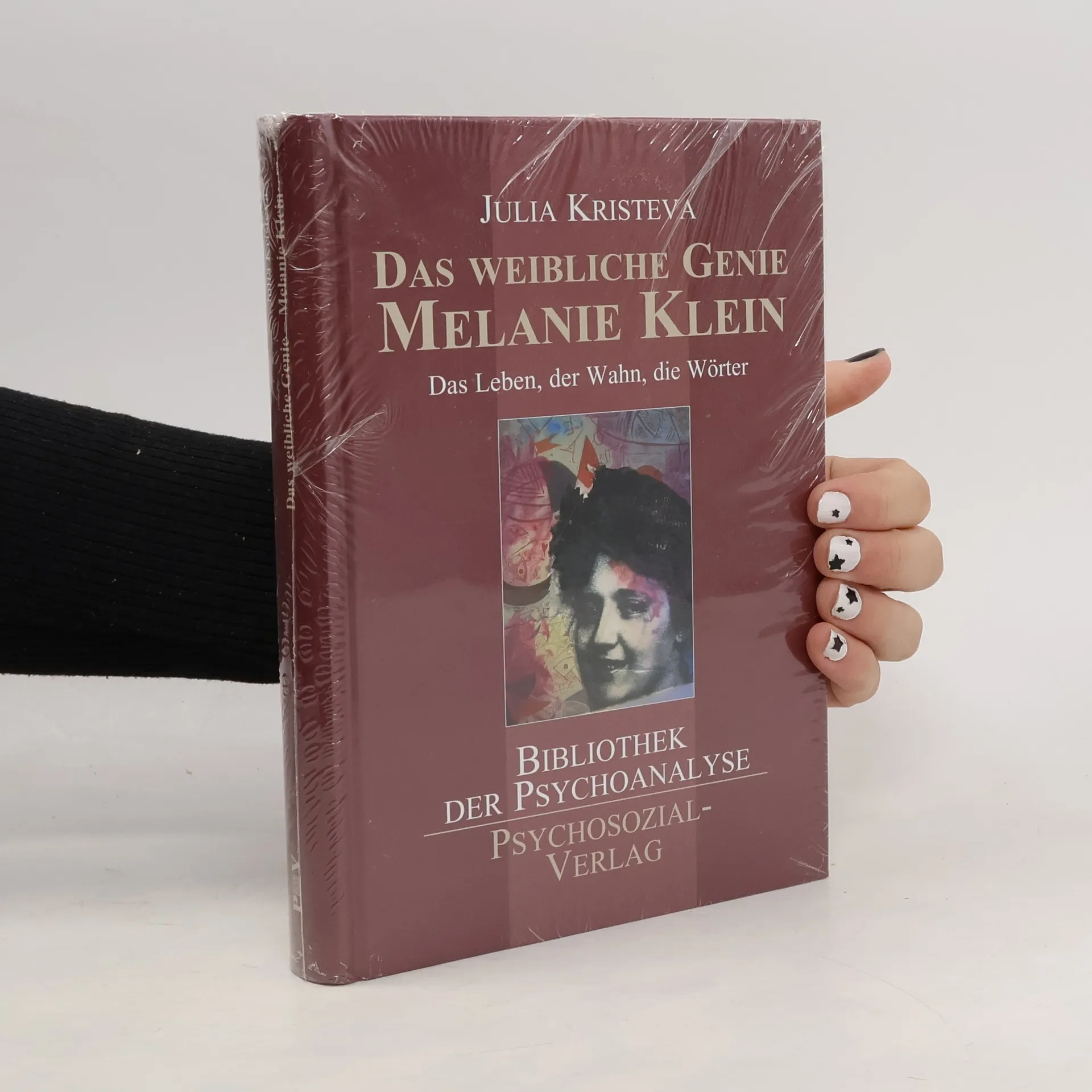
Das weibliche Genie - Melanie Klein
- 274 Seiten
- 10 Lesestunden
»Erschaffe dein Denken und erschaffe es stets aufs Neue, indem du mit dem Weiblichen in dir in Berührung bleibst!« Während Freud den Ödipuskomplex und die Rolle des Vaters ins Zentrum des psychischen Lebens rückte, entdeckte Melanie Klein als Mutter-Psychoanalytikerin die »Mutter« inmitten des seelischen Lebens des Subjekts. Damit gelang ihr die Vertiefung der Psychoanalyse, die die Psychose, die Objektbeziehungen und das Verstehen »vorsprachlicher« Mitteilungen nicht nur in der Kinderanalyse betraf. Kristeva erzählt anschaulich und ausführlich Melanie Kleins Fallgeschichten nach. Weiterhin stellt die Autorin die theoretischen Entwicklungen Melanie Kleins und deren Einfluss auf die Psychoanalyse dar. Bei dem vorliegenden Buch handelt es sich um die deutsche Erstausgabe der französischen Ausgabe von 2000. Es ist der zweite Band der Reihe »Das weibliche Genie«. Band 1 beschäftigt sich mit Hannah Arendt und Band 3 mit Colette (noch nicht auf Deutsch erschienen).
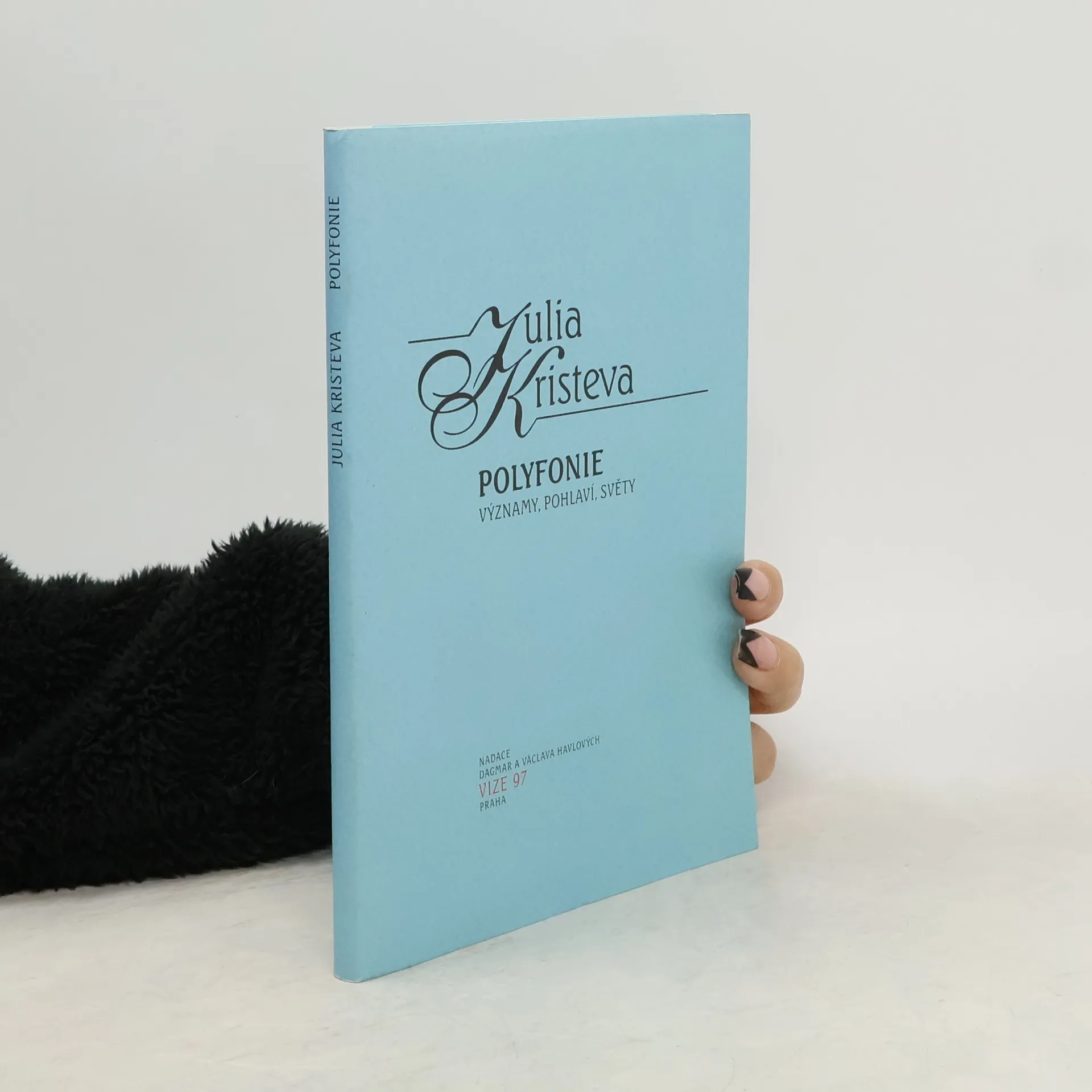
Polyfonie: významy, pohlaví, světy
- 138 Seiten
- 5 Lesestunden
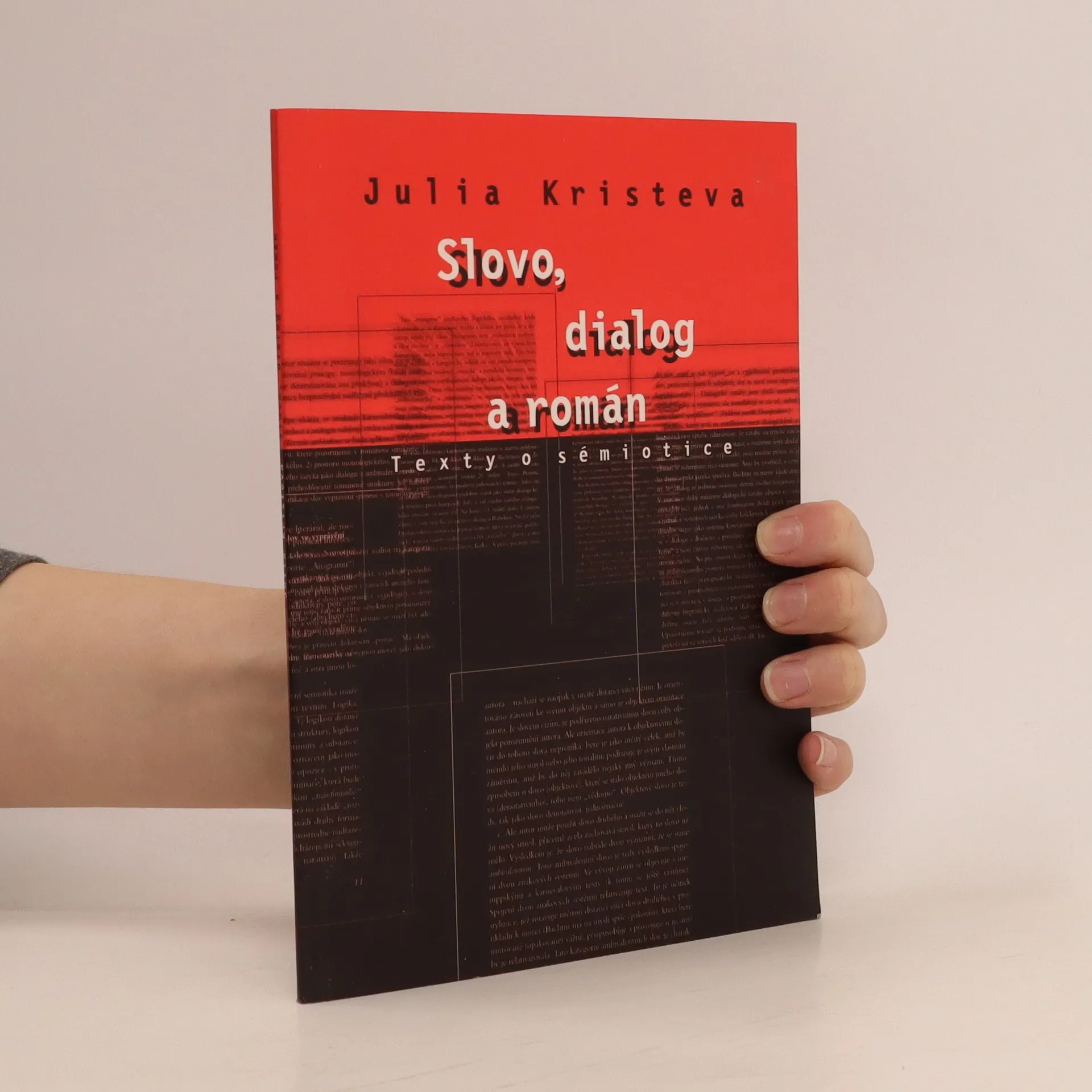
Uvedený soubor esejů představuje průřez literárním i vědeckým dílem Julie Kristevy, bulharské migrantky ve Francii, kde vyučuje na univerzitě Paris Diderot. Středobodem jejích vědeckých zájmů je literární věda, lingvistika a psychoanalýza. Do termínu intertextovost autorka přetlumočila bachtinovský dialogismus čili polyfonii – tam, kde sděluje nějaký smysl, je slovo prolínáním textů, na jejichž pozadí vystupuje. Slovo je z principu dialogické, protože je to svého druhu kulturní křižovatka (Slovo, dialog a román), opětovně zařazené do tohoto souboru. Další část esejů je věnována psychoanalýze v otázce biologie, řeči, pudu a imaginace, pojmu cizince a univerzality. Následující eseje nahlíží adolescenci jakožto idealitu, speciálně pojetí Romea a Julie. V závěrečných úvahách se Julia Kristeva zabývá otázkou chápání ženské sexuality v díle Hanah Arendtové, Melanie Kleinové a Colette, které pokládá za symptomatické jevy kultury 20. století – spojuje je mnohé, především snaha zachránit život myšlení, protože myšlení, to je život.
This Incredible Need to Believe
- 136 Seiten
- 5 Lesestunden
Exploring the deep connection between faith and the human psyche, Julia Kristeva delves into the historical and societal factors that drive this inner compulsion. Her analysis challenges readers to consider the fundamental role of belief in shaping individual identity and collective experience, offering a thought-provoking perspective on the interplay between psychology and culture.
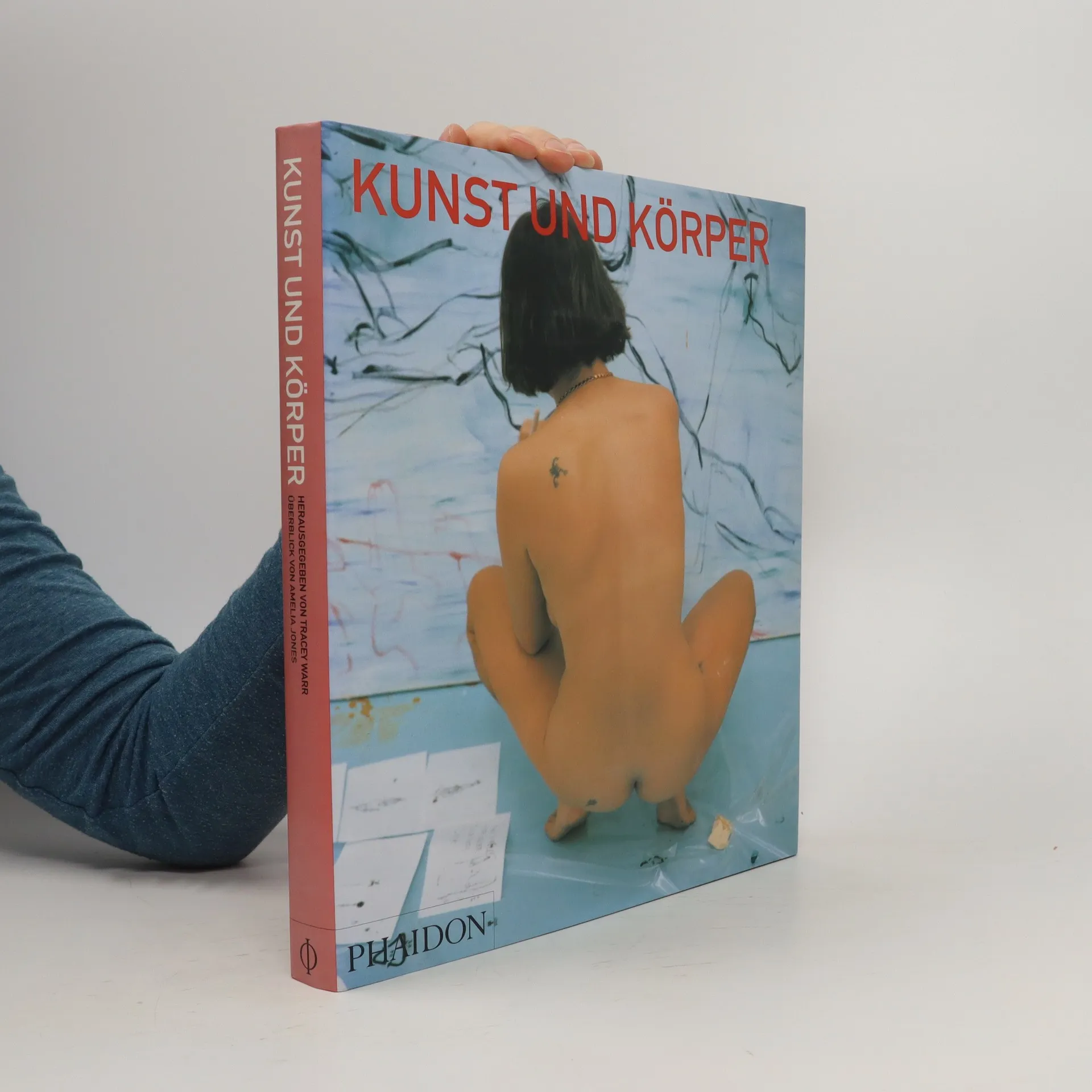
Seit den 1950er Jahren haben Künstler immer stärker ihren Körper als Gegenstand und Material für das schöpferische Schaffen eingesetzt; so entstanden neue Ausdrucksformen wie Body Art, Happenings, Performance und Life Art Auf über 250 Bildern vereint dieser Band erstmalig die weitgehend unerforschte Geschichte dieser oft extremen und kontroversen Kunstwerke
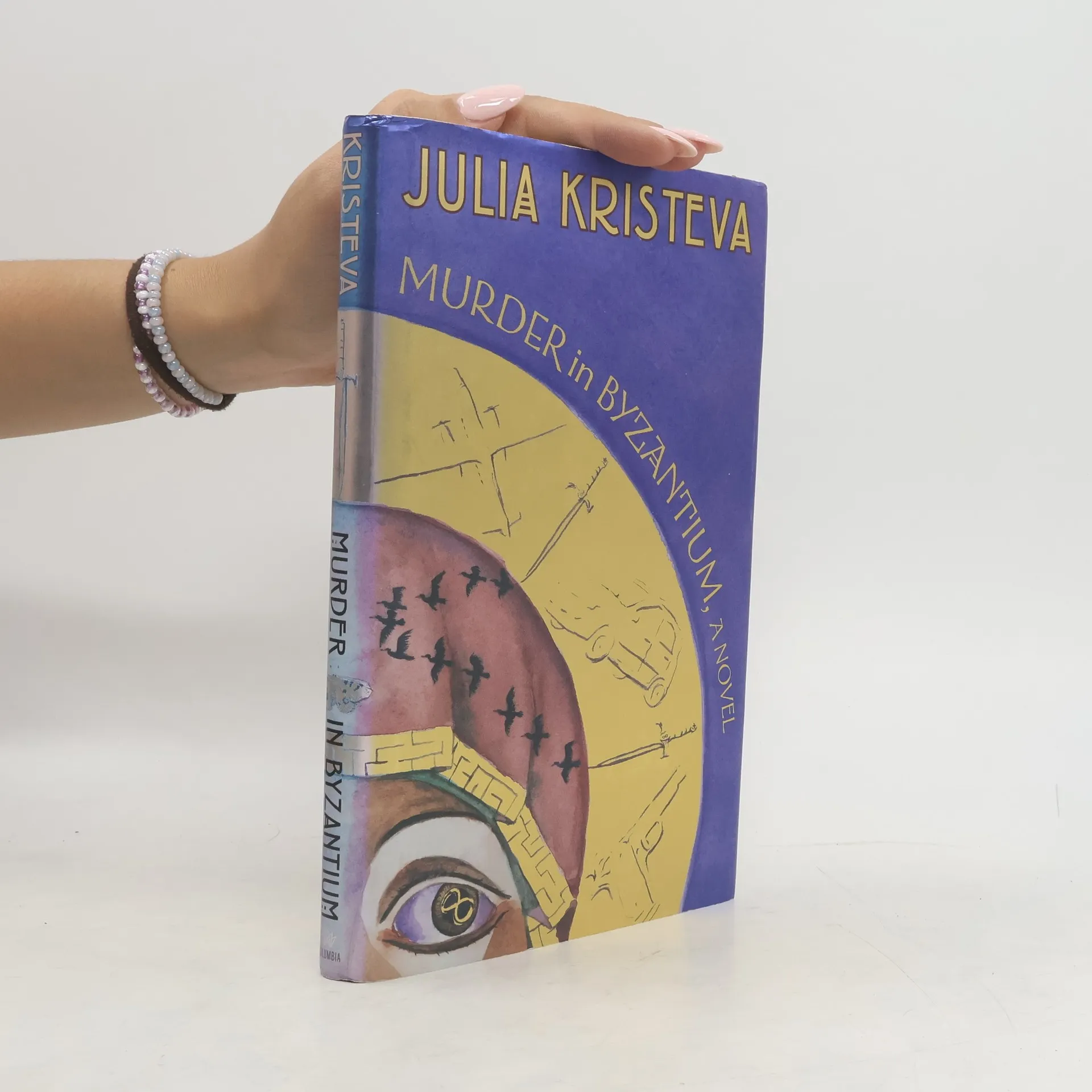
Murder in Byzantium
- 264 Seiten
- 10 Lesestunden
Tells a suspenseful tale of perversity and loss. This book features an engrossing and sophisticated thriller that closely observes the mores, obsessions, and excesses of two temporally distinct yet surprisingly intimate worlds.
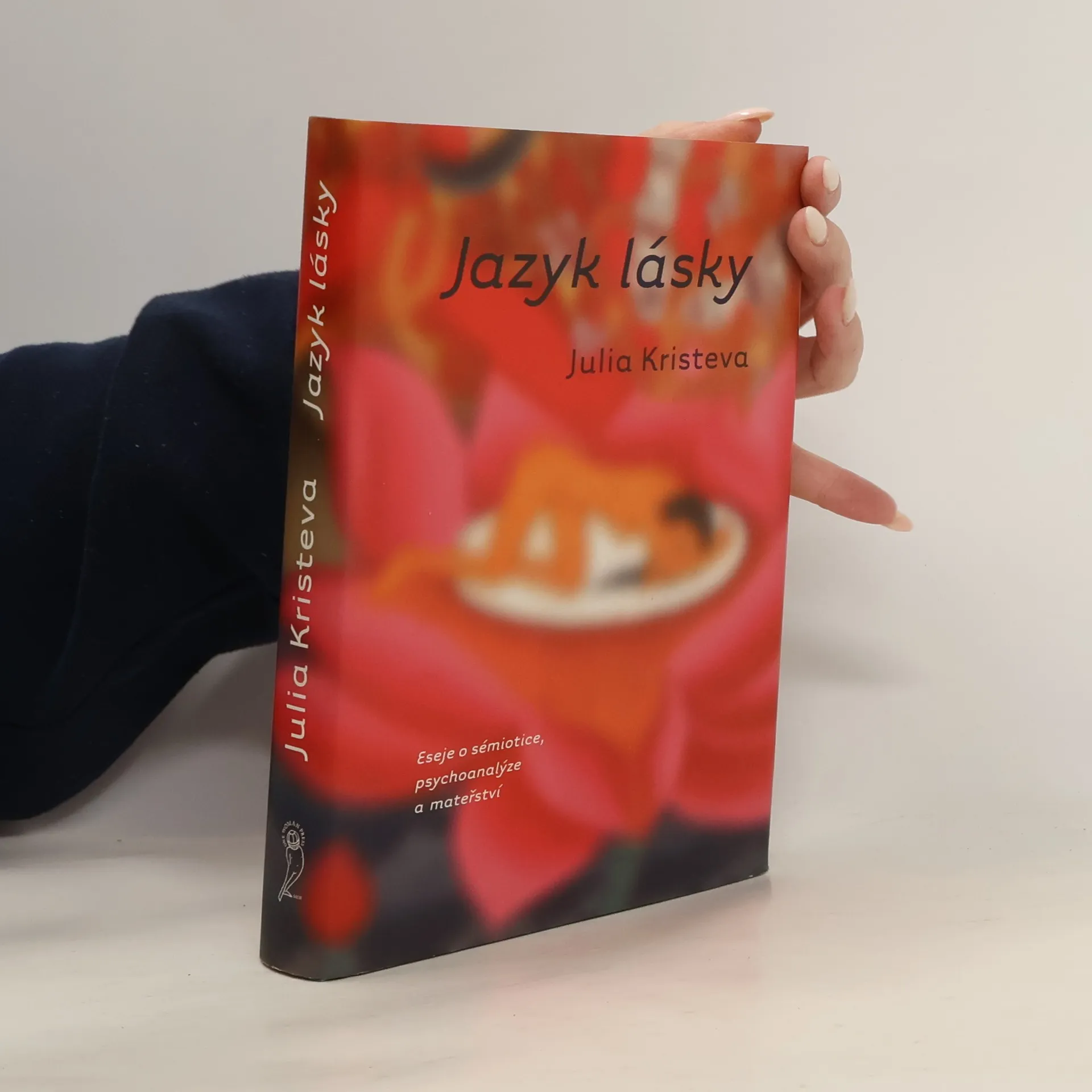
Výbor je sestaven z textů dvou knih. Úvodní kapitola, věnovaná vysvětlení pojmů z textů J. Kristevy, pochází z knihy Revoluce v básnické řeči (La révolution du langage poétique, 1985) a zaměřuje se především na sémiotiku. Následující tři eseje, opírající se o psychoanalýzu, jsou převzaté z knihy Příběhy lásky (Histoires d'amour, 1983). Reflektují problematiku pohlavní diference ve vztahu k primární identifikaci a narcismu, sexualitě a mateřství. Velmi náročný text vyžaduje přijetí specifického poststrukturálního jazyka, příznačného pro příslušníky skupiny teoretiků a spisovatelů shromážděných kolem francouzského časopisu Tel Quel, ke kterým Kristeva patří.
In dieser präzisen und einfühlsamen Annäherung an das Leben und Werk Hannah Arendts geht die Literaturtheoretikerin und Psychoanalytikerin Julia Kristeva in bewusst herausfordernder Geste der Idee des „weiblichen Genies“ nach. Ihr geht es darum, „den wesentlichen Beitrag einiger ungewöhnlicher Frauen anzuerkennen, die durch ihr Leben und ihr Werk die Geschichte dieses Jahrhunderts geprägt haben“ und begreift dies als „einen Appell an die Singularität einer jeden“. So stehe bei der jüdischen politischen Philosophin nicht die Reflexion über Macht und Gewalt im Zentrum des Denkens, sondern das Eingedenken der „Zerbrechlichkeit des menschlichen Lebens“.
Exploring the evolution of rebel culture, the book delves into the lives and works of three influential twentieth-century writers: existentialist Jean-Paul Sartre, surrealist Louis Aragon, and theorist Roland Barthes. Julia Kristeva examines their contributions, highlighting both the progress they made and the challenges they faced in shaping modern thought and culture. Through their experiences, the text provides insights into the complexities of artistic and intellectual rebellion.
A gem of a personal exploration by Julia Kristeva, examining contemporary issues such as European identity, the role of religion in political life, and the meaning of equality for women.
Julia Kristeva extends the definition of revolt beyond politics per se.
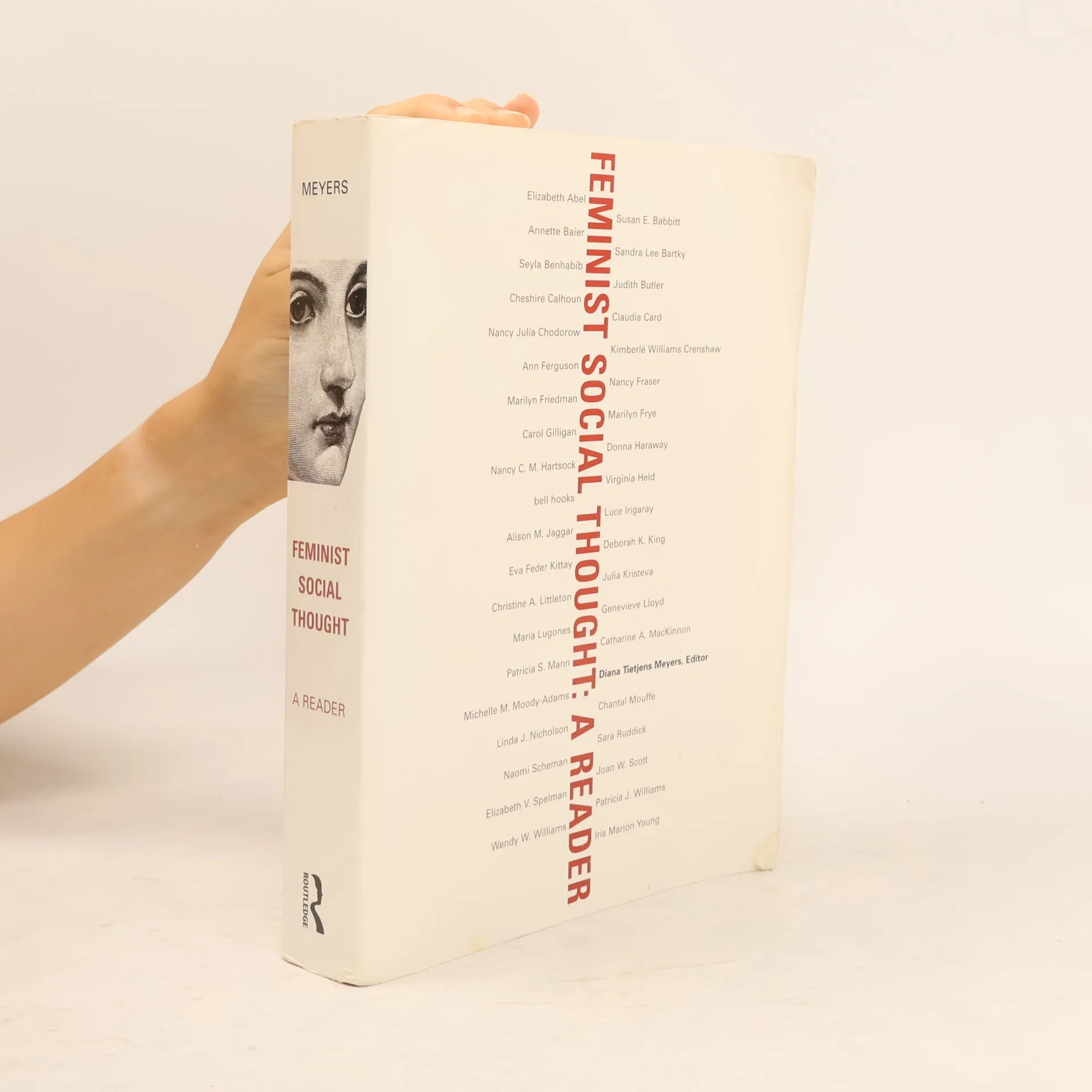
First published in 1998, this collection brings together key articles by prominent feminist thinkers, providing a sophisticated exploration of theoretical topics central to feminist social thought. It highlights significant concerns in contemporary feminist scholarship and the advancements made by feminist philosophers. The editor's introduction offers alternative pathways through the text, enabling instructors to tailor the reader to their specific courses and student interests. Each article includes a brief introduction that contextualizes it, emphasizing the main issues and conclusions, which aids students in navigating challenging theoretical concepts. Organized around seven topics—constructions of gender; theorizing diversity; figurations of women; subjectivity, agency, and feminist critique; social identity, solidarity, and political engagement; care and its critics; and women, equality, and justice—this collection represents a broad spectrum of feminist thinking. Students will engage with critical questions, including how gender norms are instilled and perpetuated, the relationships between gender and other social positions like race and class, the resources available for recognizing and resisting subordination, the goals of feminist politics, and the reconciliation of social and legal equality with difference.
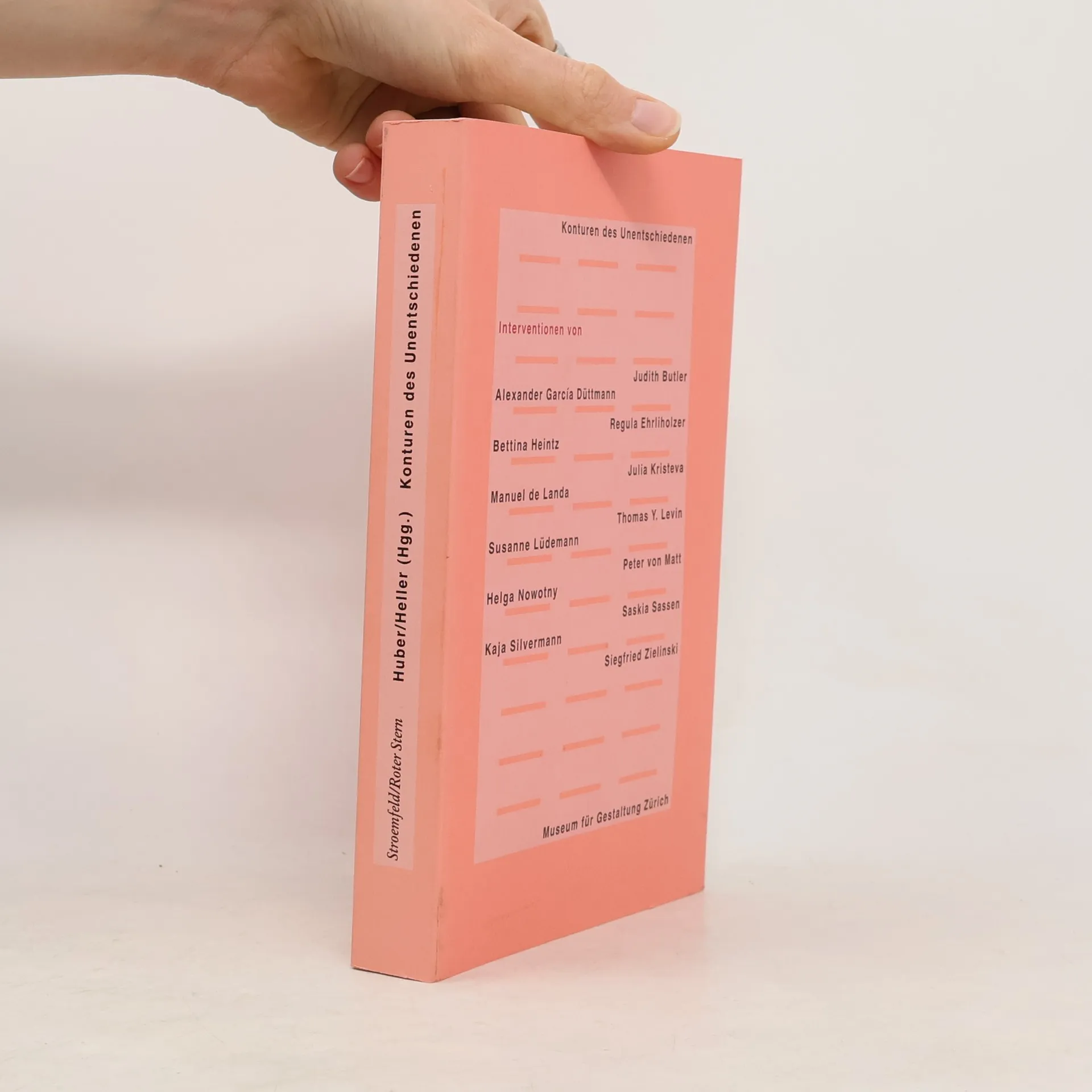
Konturen des Unentschiedenen (Interventionen Band 6) - Museum für Gestaltung Zürich
"Stéphanie Delacour, journaliste parisienne, et commissaire Northrop Rilsky s'affrontent au mystère" à Santa Barbara du corps d'une femme décapitée.--Cover.
Is Psychoanalysis Another Religion?
Contemporary Essays on Spirit, Faith and Morality in Psychoanalysis
- 96 Seiten
- 4 Lesestunden
Focusing on the evolution and emergence of linguistics, Julia Kristeva offers a comprehensive introduction that explores its development over time. The book delves into the key concepts and milestones in the field, providing readers with insights into the complexities of language and its significance in various contexts. Through her analysis, Kristeva highlights the interplay between language, culture, and thought, making it a valuable resource for those interested in understanding the foundations of linguistic theory.
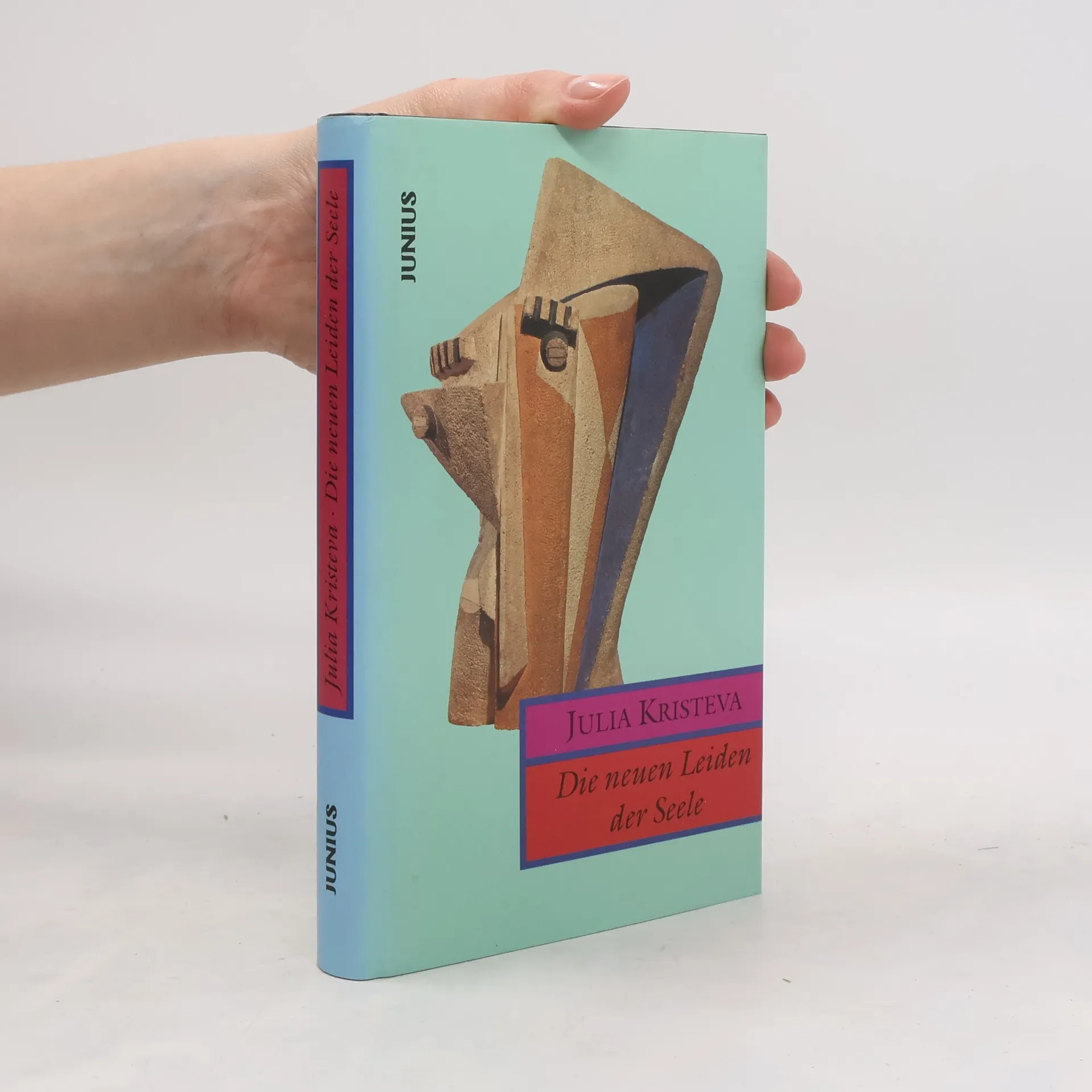
Die neuen Leiden der Seele
- 266 Seiten
- 10 Lesestunden
In ihrer Praxis als Analytikerin ist Julia Kristeva mehr und mehr auf Patienten gestoßen, die einen neuen Typ darstellen: Beschädigter Narzissmus, psychosomatische Beschwerden und wiederkehrende Depressionen sind heute die häufigsten Erscheinungsformen von Neurosen, Hysterien und Obsessionen. Politisch-gesellschaftliche Veränderungen, der Wandel von Familie und Sexualität und der Einfluss der Massenmedien haben maßgeblich zu diesen neuen Leiden der Seele beigetragen. In den 14 Beiträgen, die dieser Band versammelt, analysiert Julia Kristeva ein moralisches und kulturelles Grundsatzproblem: die Schwierigkeiten der Identitätsfindung in der Moderne. »Julia Kristeva ändert die Ordnung: Ständig zerstört sie die aktuelle vorgefasste Meinung – die, von der wir glaubten, sie könne uns trösten; die, auf die wir stolz sein konnten. Was sie verdrängt, ist das bereits Gesagte, das heißt, die Beharrlichkeit des Bezeichneten; was sie untergräbt, ist die Autorität der monologischenWissenschaft und der Filiation.« Roland Barthes
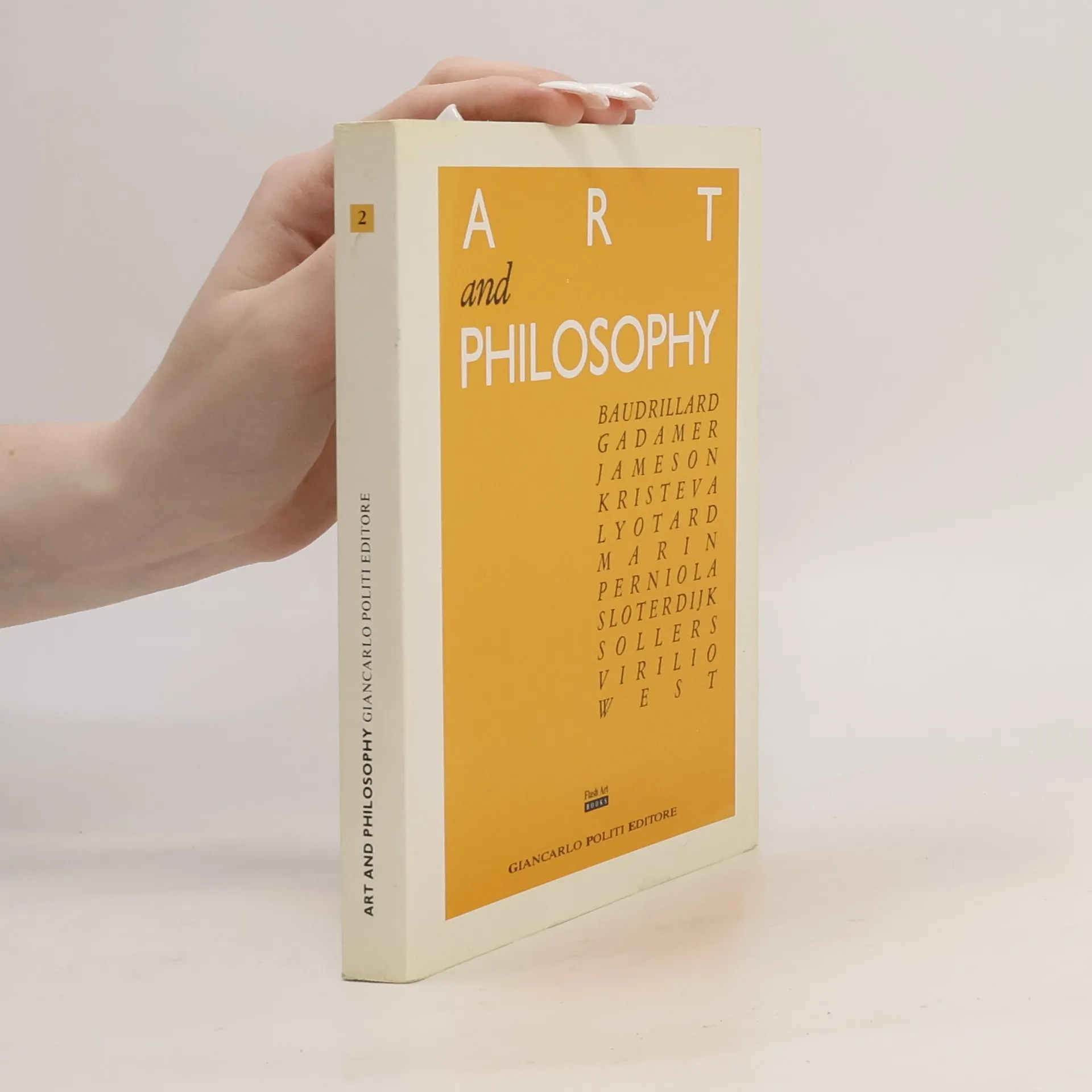
Art and Philosophy
- 173 Seiten
- 7 Lesestunden
Book by Jean Baudrillard, Hans-Goerg Gadamer, Fredric Jameson, Julia Kristeva, Jean-Francois Lyotard, Louis Marin, Mario Perniola, Cornel West, Philippe Sollers, Paul Virilio
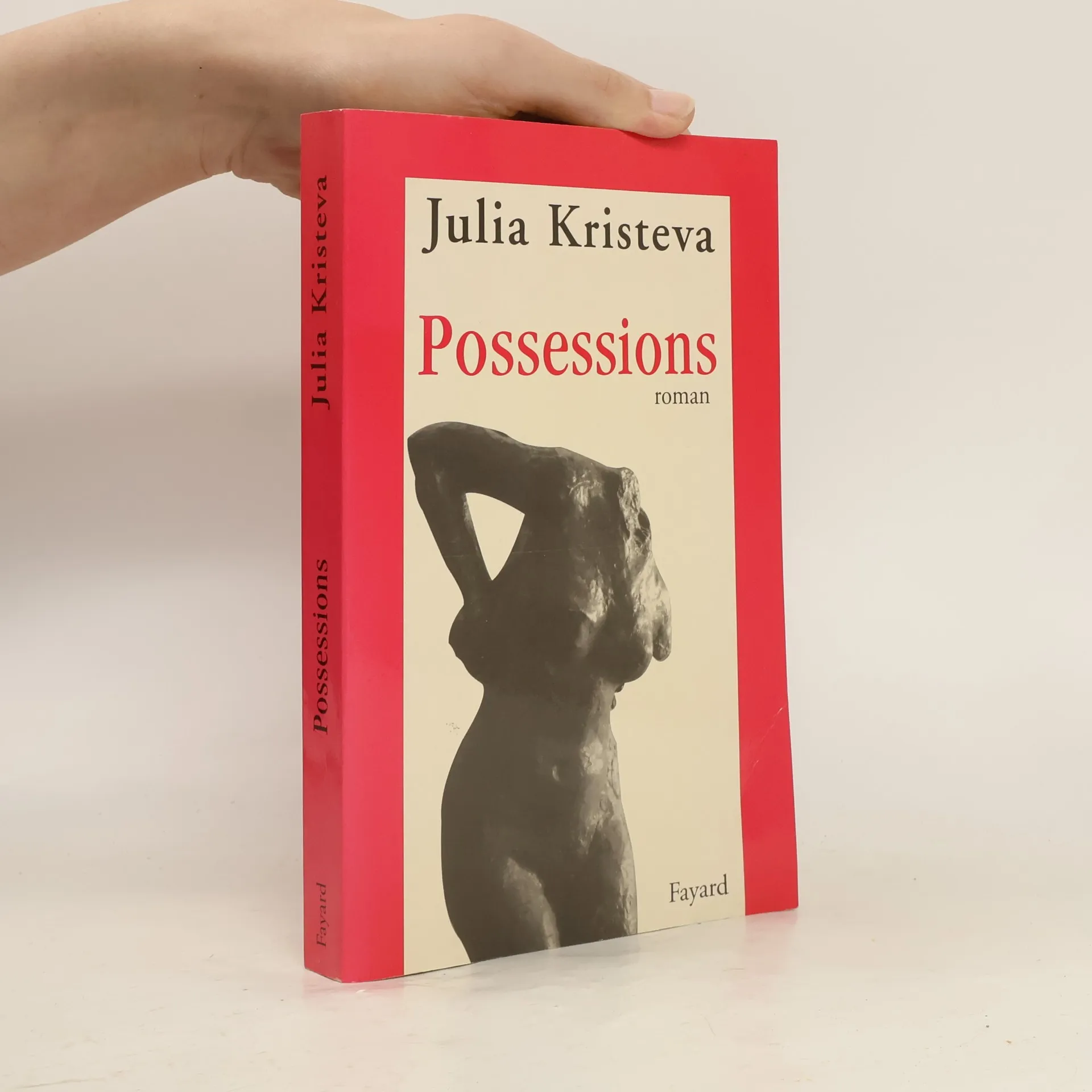
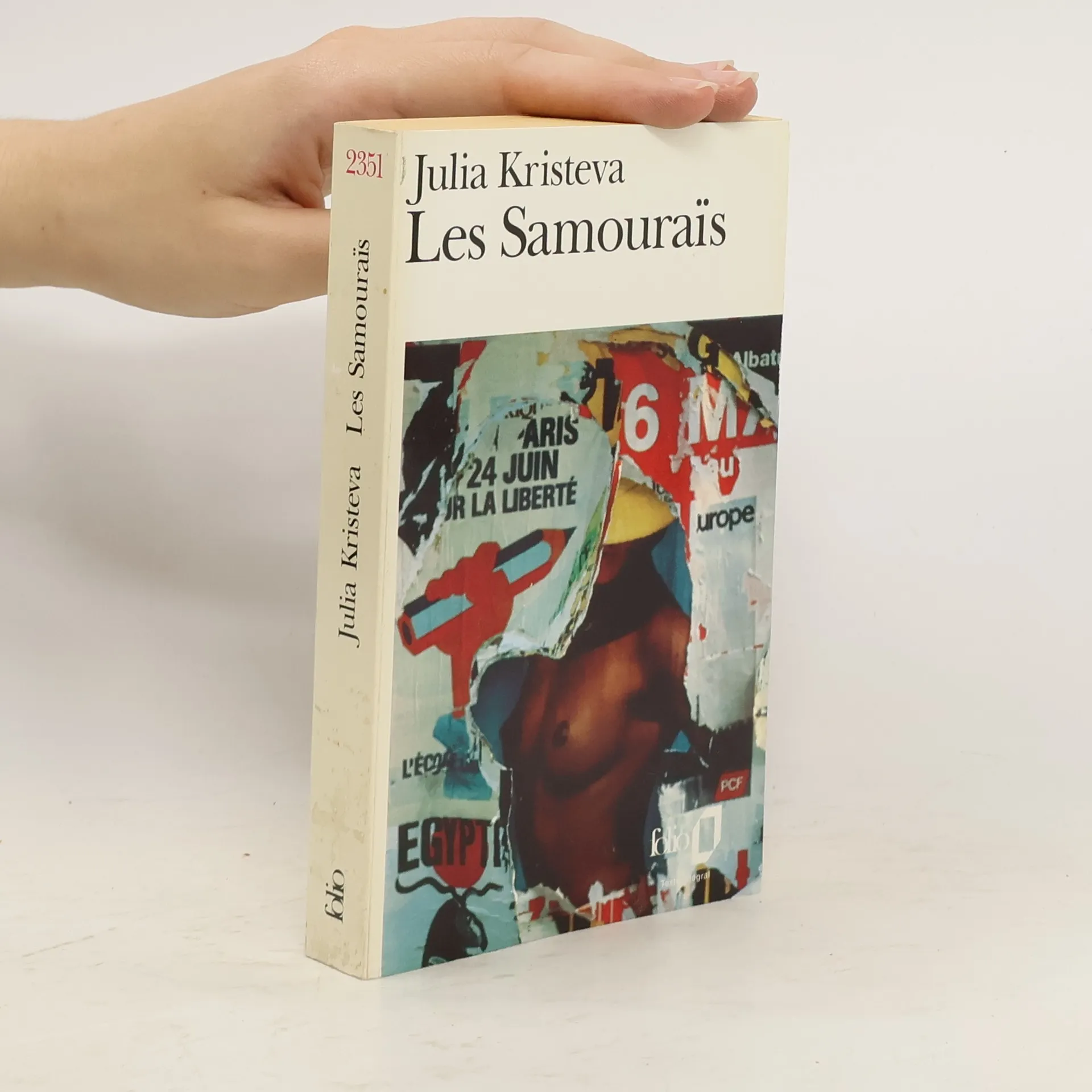
Entre 1968 et 1990, une aventure se déroule en France, marquée par une intense effervescence intellectuelle et corporelle. Les personnages principaux, issus de cette période, sont liés par des passions excessives et un goût du risque. Olga, originaire d'un pays de l'Est, fait la rencontre de l'écrivain Hervé Sinteuil à Paris, ainsi que de sa famille, Mathilde et Jean de Montlaur. Leur histoire d'amour, unique en son genre, est ponctuée de surprises, d'une île secrète et des joies d'une naissance. Martin, anthropologue et homme de plaisir, réalise que l'État est un mal et, après Mai 68, se révolte définitivement, accompagné de Carole, fidèle mais blessée par le reflux des idées et la dépression. Alors que ces hommes et femmes, représentant une génération, vivent des expériences variées à travers le monde, leur destin croise celui de penseurs et écrivains de l'époque. Les thèmes de l'érotisme, des femmes, du langage, des prisons et de la folie deviennent des personnages vivants. Joëlle Cabarus, psychanalyste détachée et ironique, tient un journal où elle observe ces vies avec une sympathie désabusée. Ces "Samouraïs" modernes, qu'ils soient comiques ou intenses, explorent le sens de la vie, poussés parfois à l'erreur, à la violence ou à la mort, dans une société dépourvue de sacré.
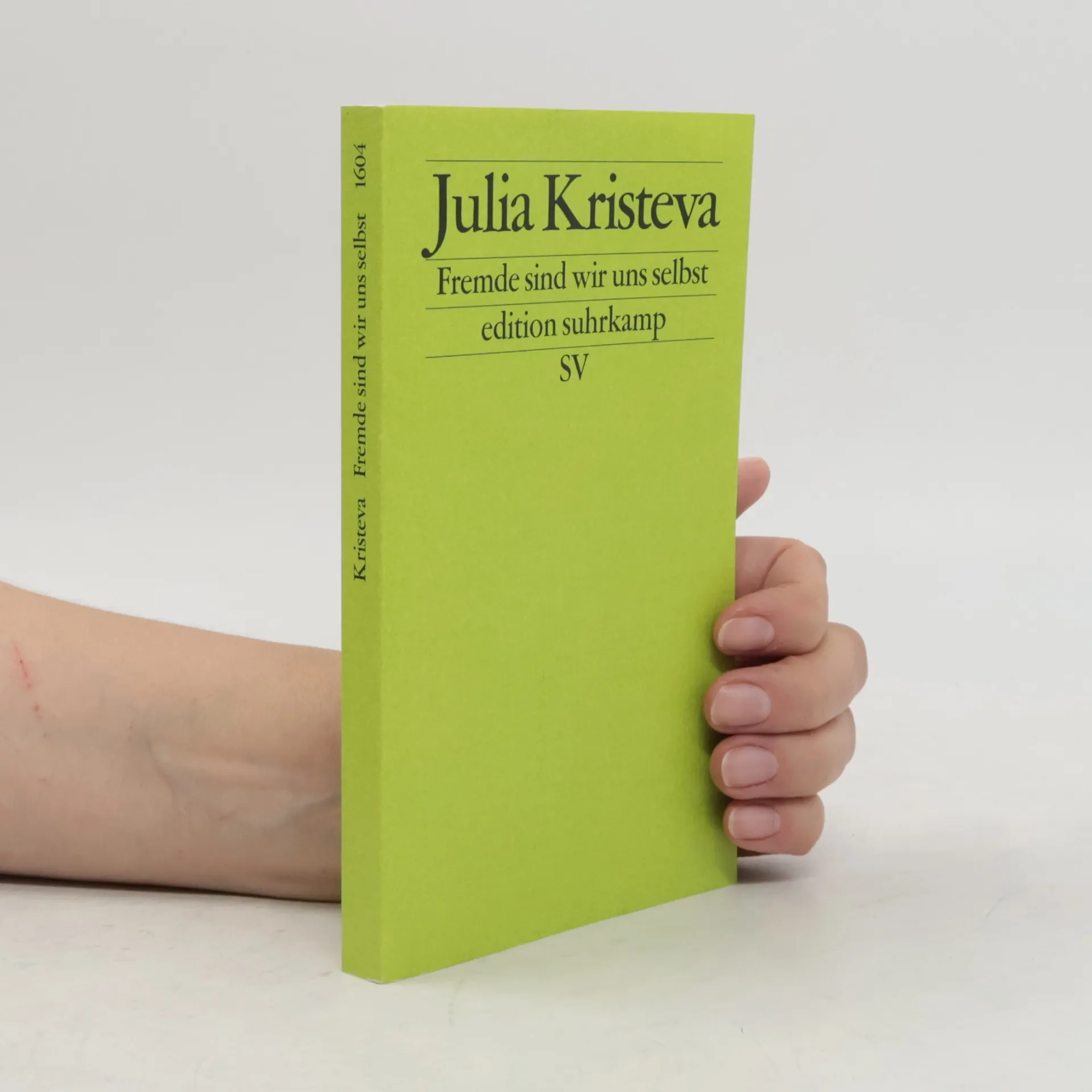
Fremde sind wir uns selbst
- 212 Seiten
- 8 Lesestunden
»Der Fremde entsteht, wenn in mir das Bewußtsein meiner Differenz auftaucht, und er hört auf zu bestehen, wenn wir uns alle als Fremde erkennen«. Die Autorin untersucht die Phänomenologie des Fremdseins und beleuchtet sowohl die Herausforderungen als auch die befreienden Aspekte dieser Erfahrung. Sie reflektiert über bedeutende Momente der abendländischen Geschichte, in denen der Fremde sowohl akzeptiert als auch abgelehnt wurde, und wo innerhalb religiöser und moralischer Horizonte die Vorstellung einer Gesellschaft ohne Fremde erträumt werden konnte. Die Analyse reicht von der griechischen und jüdischen Geschichte über das frühe Christentum mit Paulus und Augustinus bis zur Aufklärung und Romantik, einschließlich Denker wie Montesquieu, Voltaire und Kant. Kants Geschichtsphilosophie markiert den Höhepunkt eines aufklärerischen Kosmopolitismus. Julia Kristeva, die auch Psychoanalytikerin ist, geht über diese Analyse hinaus und verweist auf Freuds »kopernikanische Wende«, die besagt, dass das Andere Teil unseres eigenen Unbewussten ist. Sie plädiert für einen respektvollen Umgang mit dem Fremden, der auf der Anerkennung des Unversöhnbaren in uns selbst basiert.
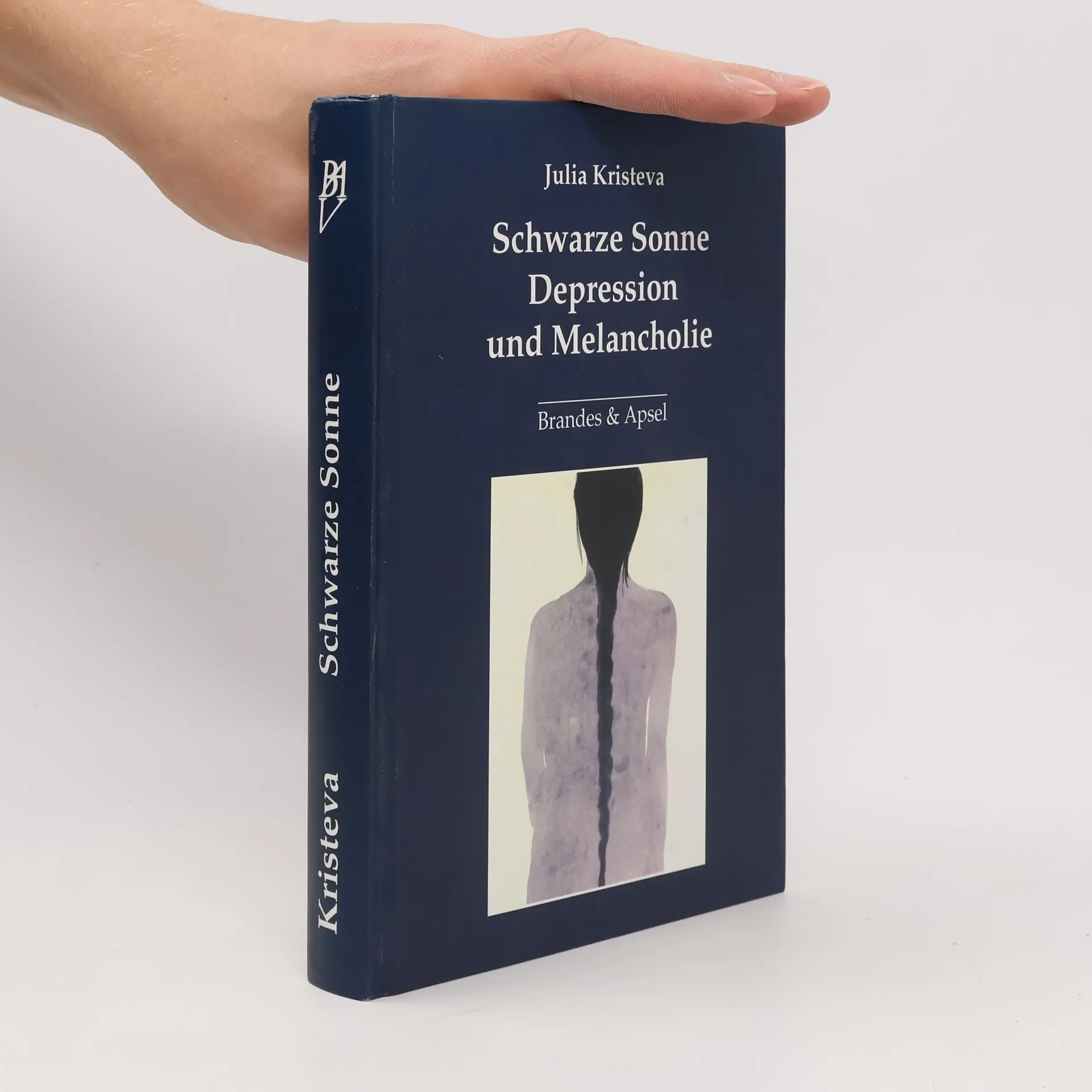
Schwarze Sonne
Depression und Melancholie
Julia Kristeva präsentiert eine bahnbrechende Studie zu Depression und Melancholie, die bereits durch die Nervalsche Metapher der "schwarzen Sonne" auf die düstere, aber auch strahlende Natur des Themas hinweist. Sie bricht mit dem gegenwärtigen, zunehmend pathologischen Diskurs und beleuchtet den "depressiv-melancholischen Komplex". Kristeva argumentiert, dass Depression und Melancholie nicht nur Leiden verursachen, sondern auch untrennbar mit Kreativität verbunden sind. In den frühen Theorien von Freud und Abraham wird Depression als Ausdruck einer Aggressivität gegen das verlorene Objekt gedeutet, was die Ambivalenz des Depressiven gegenüber dem Objekt seiner Trauer offenbart. Neuere Theorien, wie die von Edith Jacobson und Béla Grunberger, betrachten Depression als archaischen Ausdruck einer narzisstischen Wunde. Kristeva schließt an Melanie Klein und Jacques Lacan an und stellt fest, dass der Depressive nicht um ein Objekt, sondern um ein sich der Sinngebung entziehendes "Reales" trauert. Anhand eindringlicher klinischer Beispiele sowie vier kunst- und literaturtheoretischen Analysen zu Holbein, Nerval, Dostojewski und Marguerite Duras verdeutlicht sie, dass Depression nicht nur eine behandelbare Pathologie ist, sondern auch ein Diskurs in einer Sprache, die erlernt werden muss.
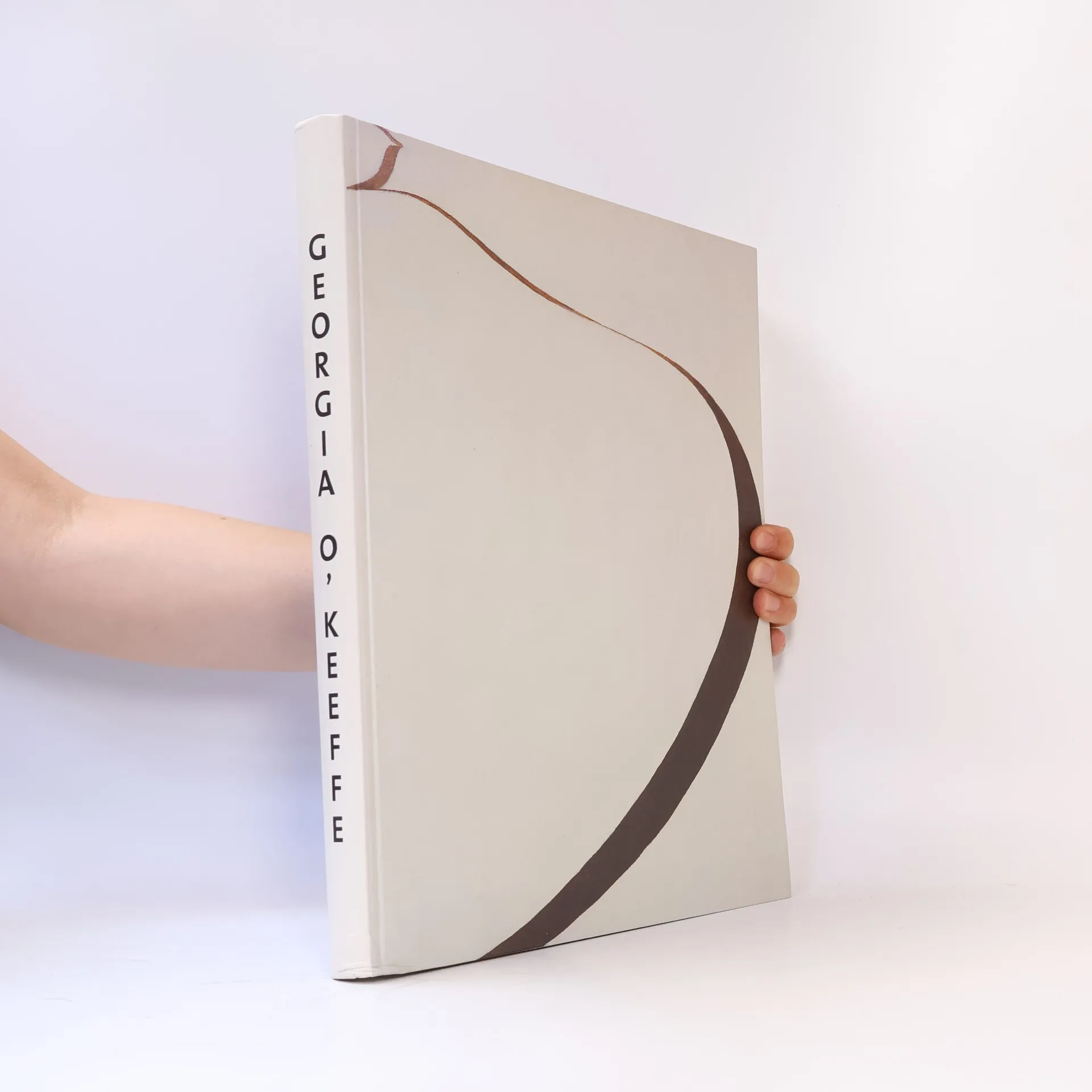
Georgia O'Keeffe
- 199 Seiten
- 7 Lesestunden
Die Malerin Georgia O'Keeffe (1887–1986) gilt als wegweisend für die amerikanische Kunst. Dieses Katalogbuch präsentiert die gesamte Bandbreite ihres Œuvres, von den ersten abstrakten Bildern der 1910er Jahre über großformatige Blumen- und Naturstücke der 1920er bis hin zu den berühmten Stadtansichten New Yorks und den weiten Landschaften New Mexicos. In ihrer langen Künstlerlaufbahn erprobte O’Keeffe in oft rätselhaften Bildern ein Spektrum künstlerischer Möglichkeiten und Motive. Ihre symphonischen Farbkompositionen sind Teil des klassischen Repertoires der Kunst des 20. Jahrhunderts und dokumentieren die Loslösung der amerikanischen Kunst von europäischen Traditionen sowie die radikale Emanzipation einer Künstlerin. Der Katalog enthält zudem Fotografien, Möbel, Kleidung und Arbeitsmaterial, die das Leben einer außergewöhnlichen Frau zeigen, deren Existenz eng mit der Einsamkeit der New-Mexico-Landschaften verbunden ist. In den Fotografien ihres Galeristen und späteren Ehemanns Alfred Stieglitz fand sie sich selbst als Kunstobjekt wieder, seine berühmten Fotos von ihr wurden damals als schockierend erotisch empfunden. Ergänzt wird die Darstellung durch Aufnahmen bekannter Fotografen wie Ansel Adams, Todd Webb und Arnold Newman, die einen Überblick über ihr gesamtes Schaffen bieten, einschließlich einer repräsentativen Auswahl ihrer Gemälde, Papierarbeiten und Skulpturen.
The Kristeva Reader
- 336 Seiten
- 12 Lesestunden
Julia Kristeva is a theorist and has been acclaimed for her work in linguistics, psychoanalysis, literary and political theory. This is an introduction to her work in English, containing a range of essays from all phases of her career.
Desire in Language
- 352 Seiten
- 13 Lesestunden
Desire in Language traces the path of an investigation into the semiotics of literature and the arts. Julia Kristeva proposes and tests theories centered on the nature and development of the novel.
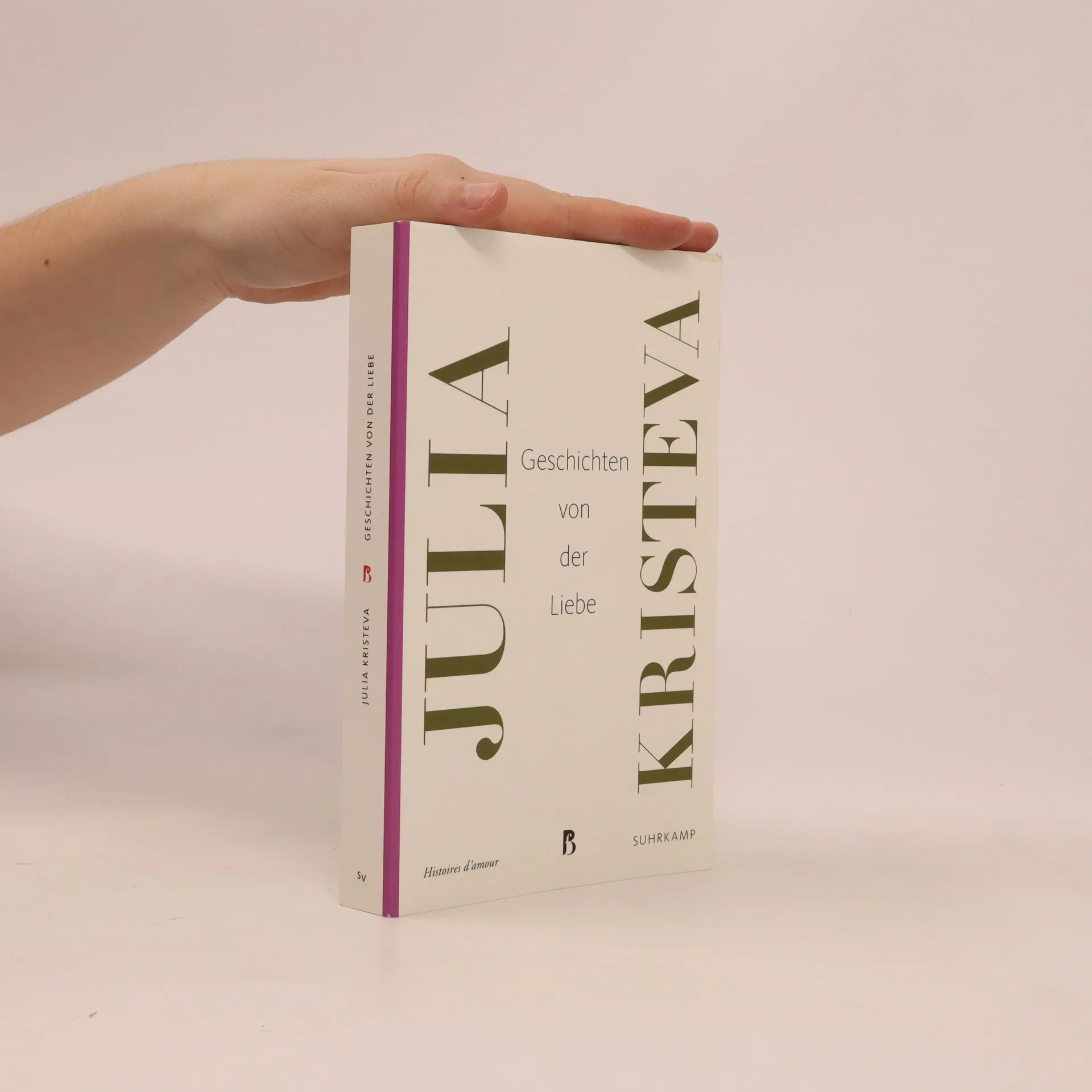
Geschichten von der Liebe
- 407 Seiten
- 15 Lesestunden
»Als Psychoanalytikerin«, schreibt Julia Kristeva in Geschichten von der Liebe, »weiß man, daß alle Geschichten letztlich von Liebe reden. Die Klage jener, die in meiner Gegenwart stammelnd erzählen, rührt stets von einem Mangel an Liebe – sei es in der Vergangenheit oder in der Gegenwart, sei es ein wirklicher oder ein imaginärer Mangel. Unsere Gesellschaft verfügt über keinen Liebeskode mehr. Wir sind gezwungen, in jeder privaten, intimen Erzählung die Spuren jenes Leidens zu entziffern. Als Idealisierung, als Erschütterung, als Übersteigerung, Leidenschaft, Bedürfnis nach Vereinigung und Unsterblichkeit bildet die Liebe die Figuration unlösbarer Widersprüche, ist sie das Laboratorium unseres Schicksals.« Indem sie in den Geschichten von der Liebe auf die großen künstlerischen Werke blickt, widmet sich Kristeva diesem zeitlosen Phänomen und lässt all seine Facetten schimmern. Denn sie alle verleihen dem einen, unsterblichen Gefühl Ausdruck, das den sozialen, gesellschaftlichen, kulturellen Kontext jeder Epoche überdauert. Kristevas analytisches Werk ist angereichert mit ihren persönlichen Erfahrungen. Gedanken und Ideen werden virtuos miteinander verwoben. Sie verdeutlicht, dass das Ziel einer Untersuchungnicht darin besteht, eine Wahrheit im betrachteten Gegenstand zu finden, sondern dessen dynamische Wiedergeburt durch die Sprache.
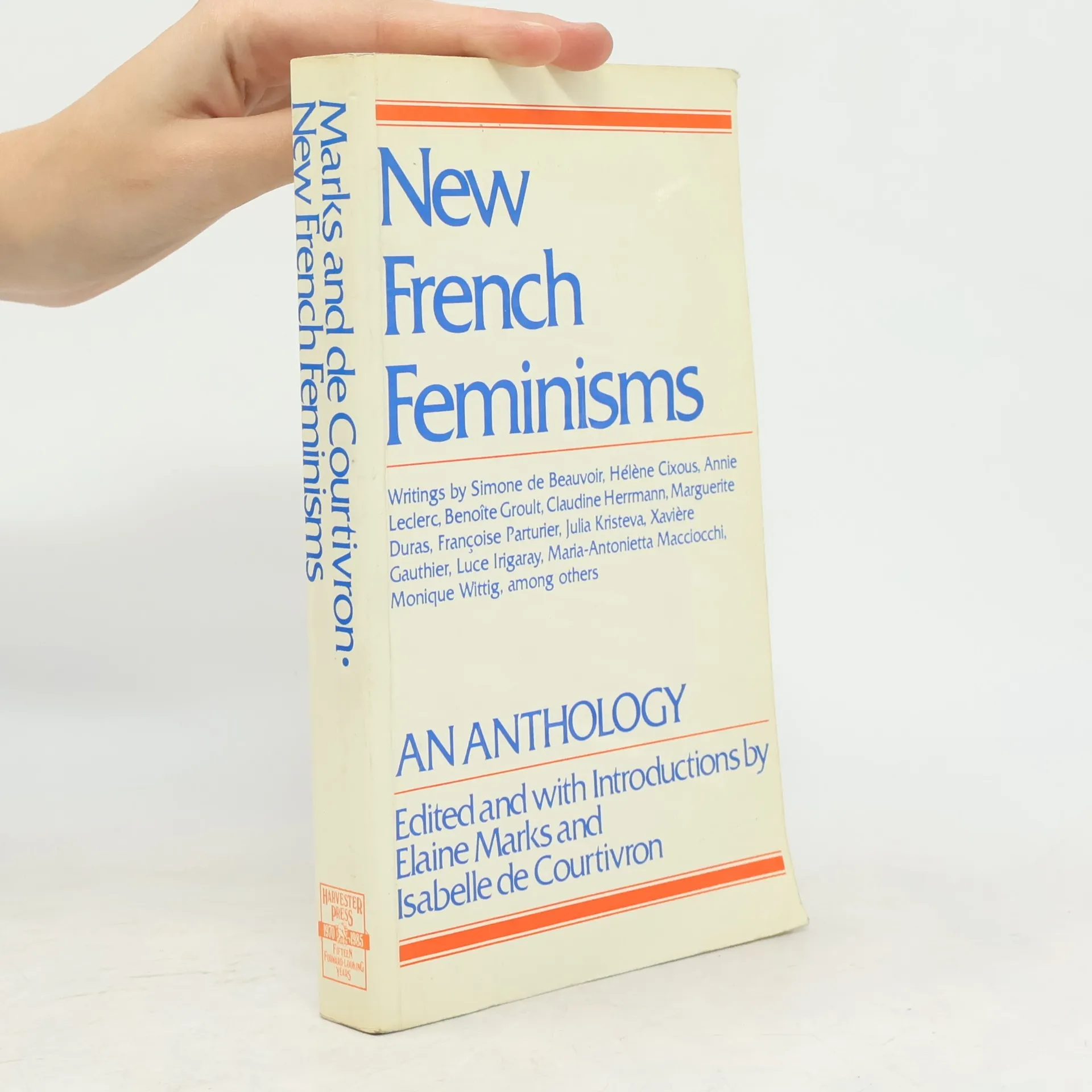
Since 1968, feminist theory has been the subject of much serious intellectual inquiry in France. While the French are familiar with American feminist texts, the opposite is not true - American knowledge of French feminist writing is often limited to Simone de Beauvoir's "The Second Sex," published in 1949. This anthology of NEW FRENCH FEMINISMS is an attempt to bridge that gap. The editors have included over fifty selections of recent French feminist writing, most of which have never before been translated into English, and some of which have never been published in either French or English. The selections reflect the wide spectrum of theories comprising the French feminist movement. These theories complement the more pragmatic and empirical approach of American feminists, for they emphasize dialectical thought, psychoanalytic and linguistic theory, and the politics of language and culture. The editors provide introductory essays that discuss the history of French discourses on feminism and analyze the post-1968 developments. They also supply a chronological table outlining both the major events of French history and those of the French feminist movement, as well as a bio/bibliography and a bibliography.
Julia Kristeva offers an extensive and profound consideration of the nature of abjection. Drawing on Freud and Lacan, she analyzes the nature of attitudes toward repulsive subjects and examines the function of these topics in the writings of Celine, Proust, Joyce, and other authors.
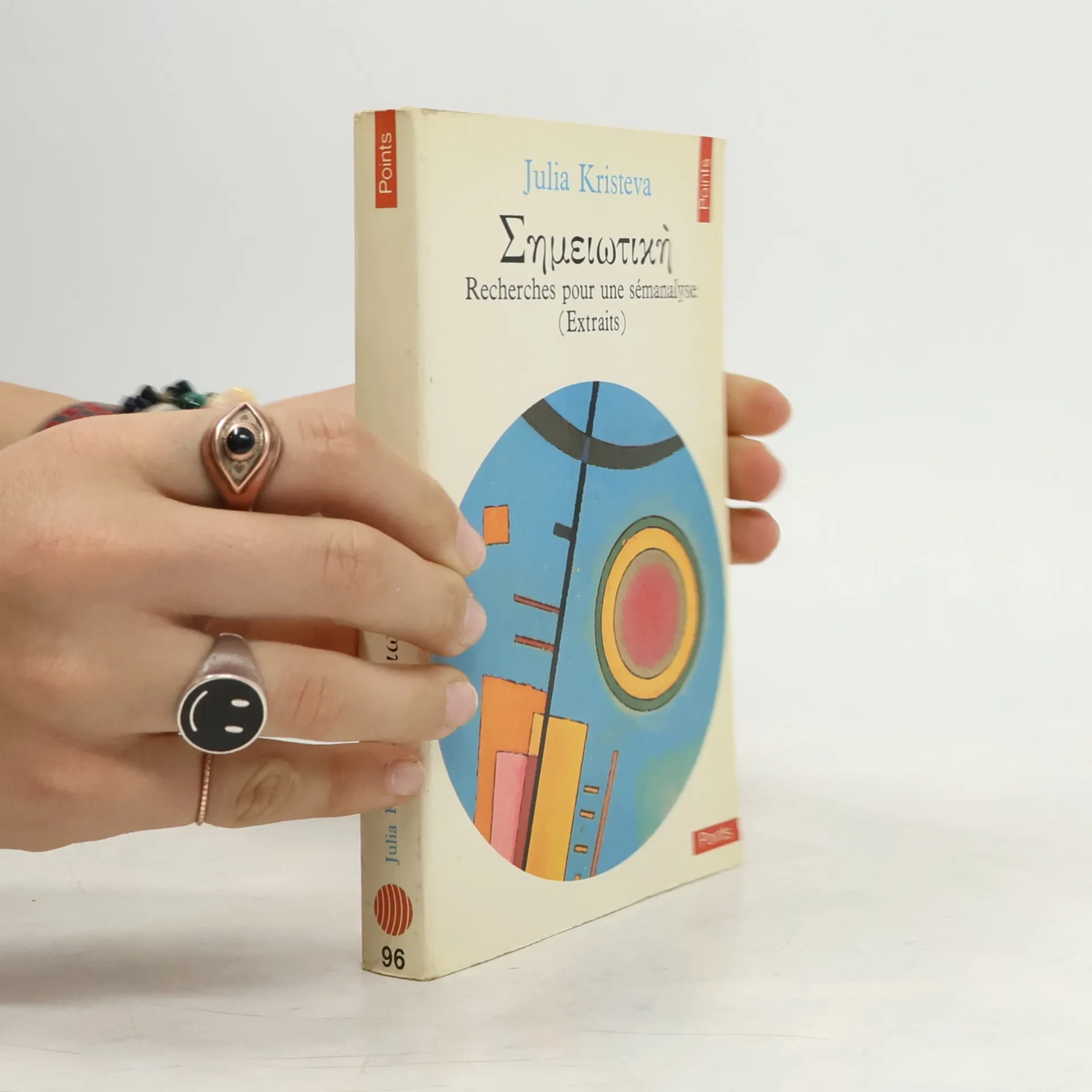
Julia Kristeva pertence ao grupo da mais nova e atuante crítica francesa. Com Introdução à Semanálise a autora reavalia os estudos contemporâneos enfeixados sob o rótulo de Semiótica, impondo-lhes nova direção. Seu pensamento acha-se marcado pela obra de L. Althusser, assim como indica leitura de Greimas, Lacan, Lévi-Strauss, entre outros. A autora busca na Semiótica as perguntas fundamentais ligadas ao texto: Quais são as leis de seu funcionamento? Qual é o ligar desse objeto específico dentre a multiplicidade das práticas significantes? Título de extrema importância não só porque resume as últimas conquistas na análise da significação como porque se constitui em uma bem sucedida tentativa teórica de ultrapassar o não-historicismo da pesquisa estrutural.
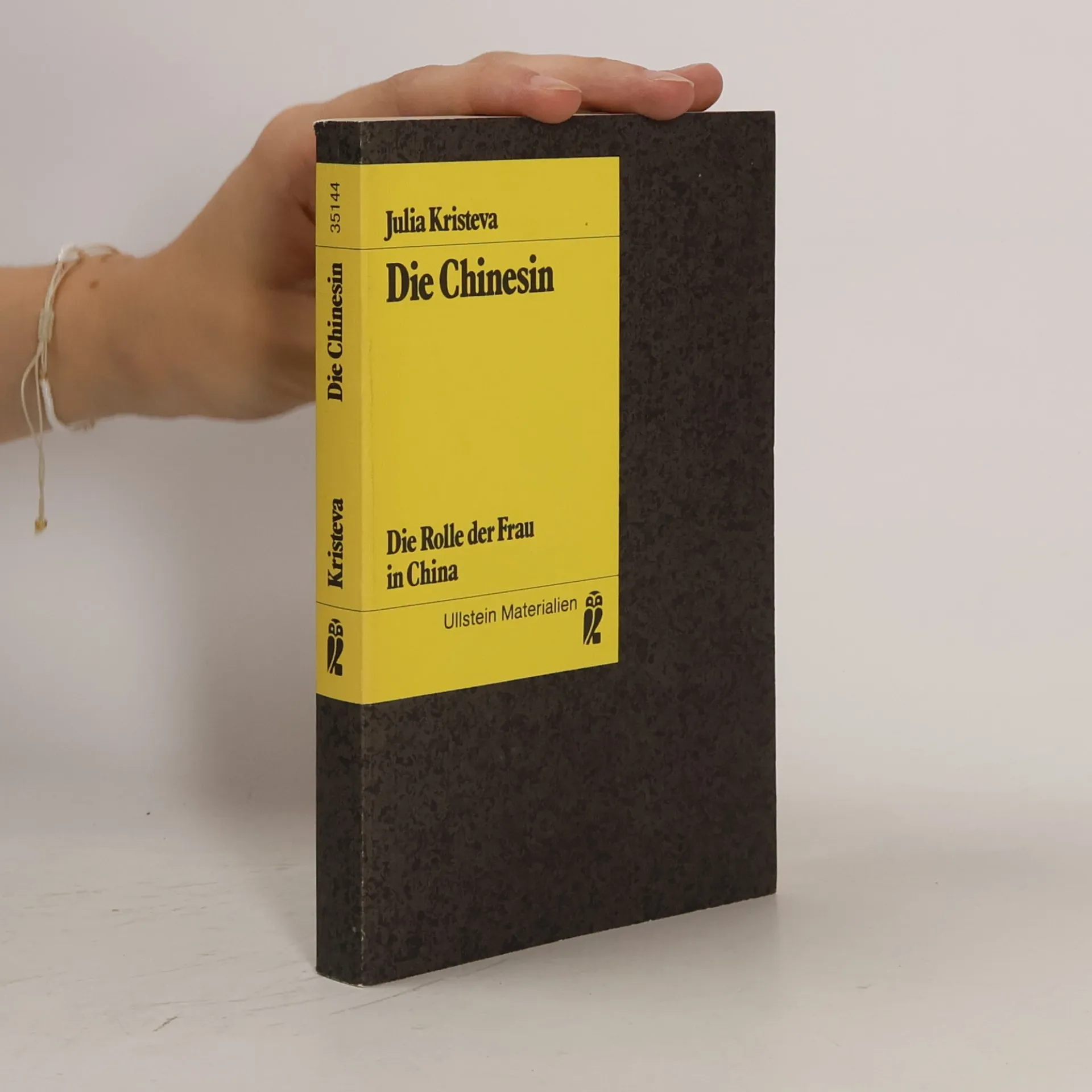
Die Chinesin
- 272 Seiten
- 10 Lesestunden
Eine der führenden Philosophinnen Frankreichs kombiniert eine Studie der chinesischen Geschichte, Literatur, Religion und Politik mit ihren eigenen tiefgründigen Einsichten, um die erstaunliche Entwicklung der Rolle der Frau in China zu analysieren.
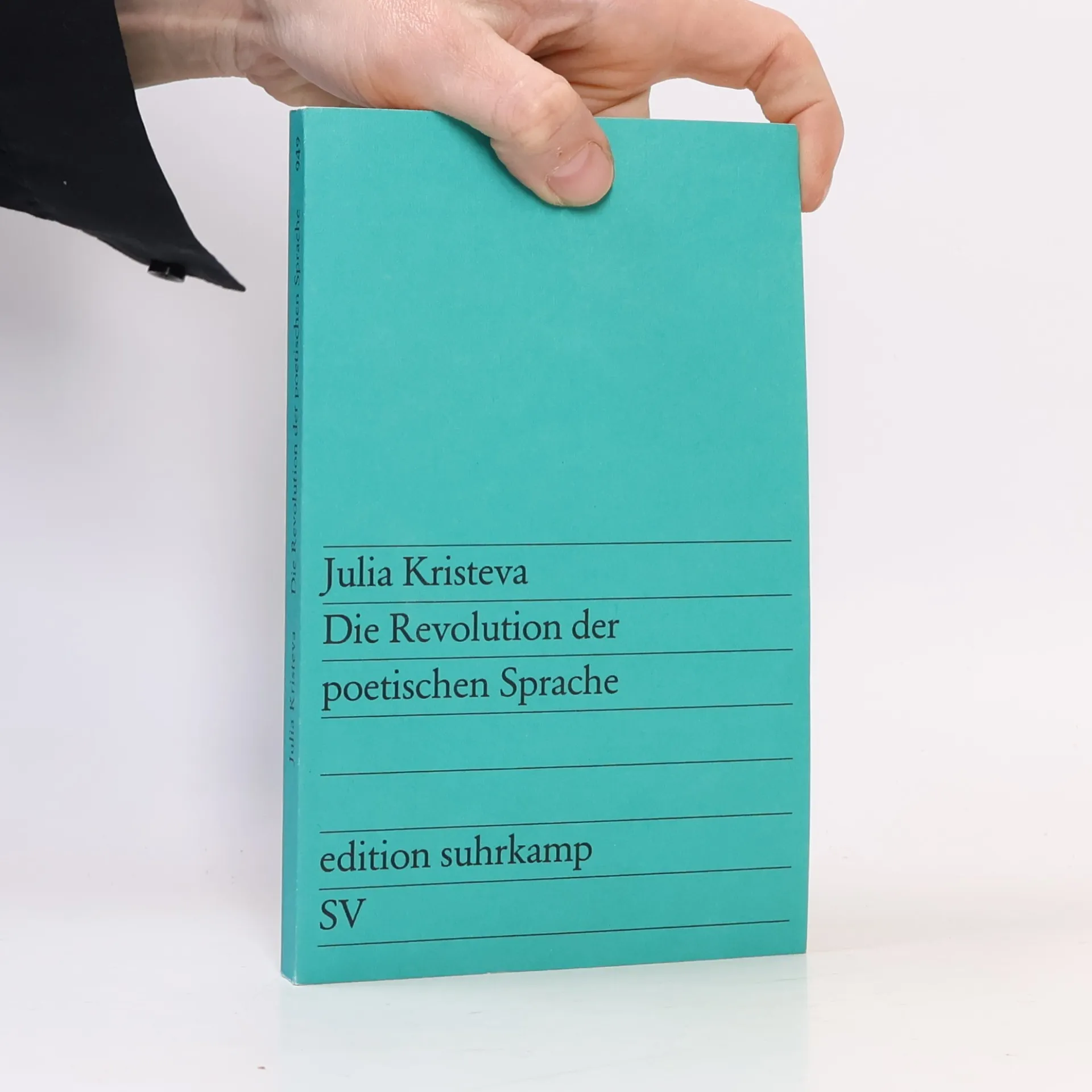
Unter den französischen Sprachwissenschaftlern und Semiologen ist Julia Kristeva wohl die unbequemste Denkerin: sie ist der theoretische Kopf der Tel Quel-Gruppe. Ihre Studien zur literarischen Textanalyse und zur Semiotik haben weit über Frankreich hinaus auf die Entwicklung neuer Methodologien und Vorstellungen in den Kultur- und Sozialwissenschaften Einfluß genommen. Mit dem vorliegenden Buch erscheint nun zum ersten Mal eine ihrer programmatischen Hauptarbeiten in deutscher Ubersetzung: eine Untersuchung der Symbolstrukturen. Ausgehend von der Poesie Lautréamonts und Mallarmés und von Erkenntnissen Freuds und Lacans versucht Julia Kristeva, die Logik subjektiver Rede neu zu formulieren, die Sprache als Praxis des Subjekts zu bestimmen. Die sprachlichen Neuerungen der literarischen Avantgarde am Ende des letzten Jahrhunderts gelten ihr als ein Indiz dafür, daß (und wie) sich zwei Träger signifikanter menschlicher Praxis«, Sprache und triebbewegter Körper, in ein widersprüchliches Verhältnis zueinander setzen, das seinen besonderen Ausdruck entweder in der Anlehnung an die geschichtlich vorgegebenen Symbolsysteme oder in der Auflehnung gegen sie findet. In dem Buch von Kristeva zeichnen sich die Umrisse einer Theorie der Kultur ab, die Sprachgeschichte und Erfahrungsgeschichte zusammenbindet.