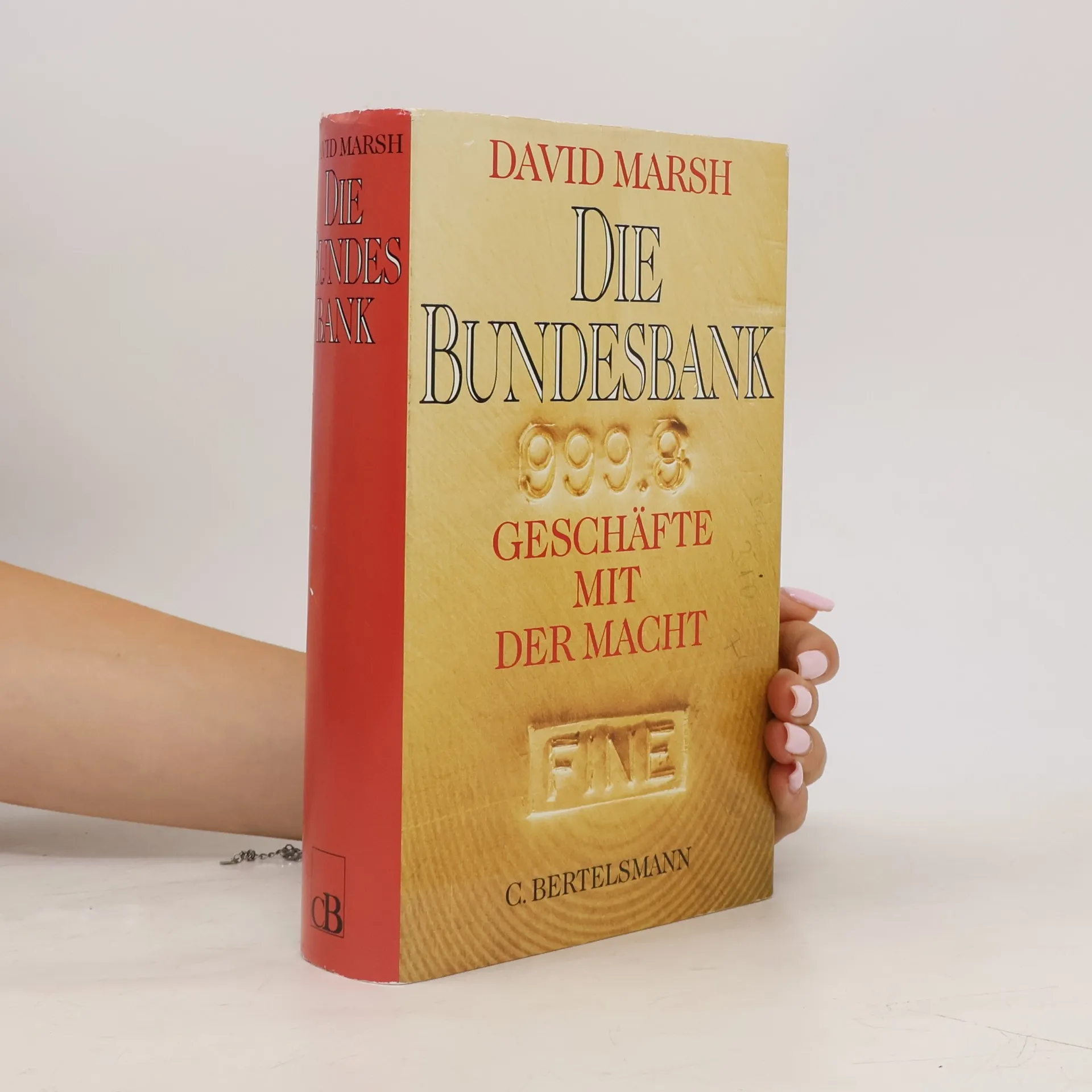
Die Bundesbank. Deutsche Bundesbank. Geschichte.
David Marsh Bücher
1. Januar 1952
David Marsh ist Professor für Italienisch an der Rutgers University und ein Experte für die italienische Renaissance. Seine Veröffentlichungen befassen sich eingehend mit dem Renaissance-Humanismus und der klassischen Tradition. Marshs Fachwissen zeigt sich in seinen Übersetzungen bedeutender Texte wichtiger frühneuzeitlicher Autoren.



Die Zahl und die Namen seiner Gesprächspartner für dieses Buch sind Legende: von Giuliano Amato über Helmut Kohl bis Jean-Claude Trichet. Der britische Finanzexperte und Banker David Marsh hat mit wirklich allen Machern des Euro Rückschau gehalten und Bilanz gezogen. Kenntnisreicher, aktueller und fundierter kann man nicht über die Geschichte und die Zukunft des Euro schreiben. Sein Buch wird selbst die Macher der Währung mit Details überraschen. Denn nicht alle wissen alles, aber David Marsh. Am 1. Januar 2009 ist der Euro zehn Jahre alt. Die neue europäische Gemeinschaftswährung hat sich gegenüber dem allmächtigen Dollar fest etabliert. Doch der Erfolg ist umstritten - nicht nur wegen der Finanzkrise. David Marsh sieht brisante Auseinandersetzungen um die Zukunft der europäischen Währung auf uns zukommen. Seine Warnung: Die grundlegenden Spannungen und unterschiedlichen Erwartungen an die Einheitswährung lassen Zweifel aufkommen am Fortbestehen des Euro - zumindest in seiner jetzigen Form.
Beim Geld hört der Spaß auf
Warum die Eurokrise nicht mehr lösbar ist Mit einem Vorwort von Karl Otto Pöhl
- 140 Seiten
- 5 Lesestunden
Was wir durch den Euro erleben, ist nicht der Aufstieg, sondern der Abstieg Europas. Ein absehbares Ende der Eurokrise ist eine Illusion, sagt David Marsh. Die Länder der Europäischen Währungsunion seien zu erbitterten Gegnern in einem Stellungskrieg geworden, in dem es keine Sieger geben kann. Marsh glaubt nicht mehr an die Vision eines wirtschaftlich starken, vereinten Europas. Stattdessen mssten wir uns auf eine lange Phase der Instabilität und der wirtschaftlichen Stagnation einstellen. David Marsh ist einer der besten Kenner der Geschichte der Europäischen Währungsunion und der Europäischen Notenbank, deren Anfang mit dem Ende des Bretton-Woods-System zusammenfällt. Karl Otto Pöhl, ehemaliger Präsident der Deutschen Bundesbank
Fantasielosigkeit, Fahrlässigkeit, Inkompetenz; mit diesen harten Begriffen charakterisiert David Marsh das Krisenmanagement der Europäischen Währungsunion. Auswege aus dem deflationistischen Teufelskreis gebe es nur, wenn man die Erpressungsmanöver leistungsschwacher Länder abwehre aber auch gleichzeitig zu einer europaweiten Wachstumspolitik zurückkehre. Vielmehr herrsche jedoch ideologische Desinformation, wie in Orwells negativem Zukunftsszenario 1984. Über das 'Schicksalsprojekt Währungsunion' resmiert Marsh: "Der Jahrhundertspruch von Michail Gorbatschow 'wer zu spät kommt, den bestraft das Leben' gilt nicht nur für Angela Merkel, er gilt für alle, die noch hinter dem Euro stehen. Im globalen Konzert der Weltnationen wird der Alte Kontinent deshalb künftig nur noch eine untergeordnete Rolle spielen."
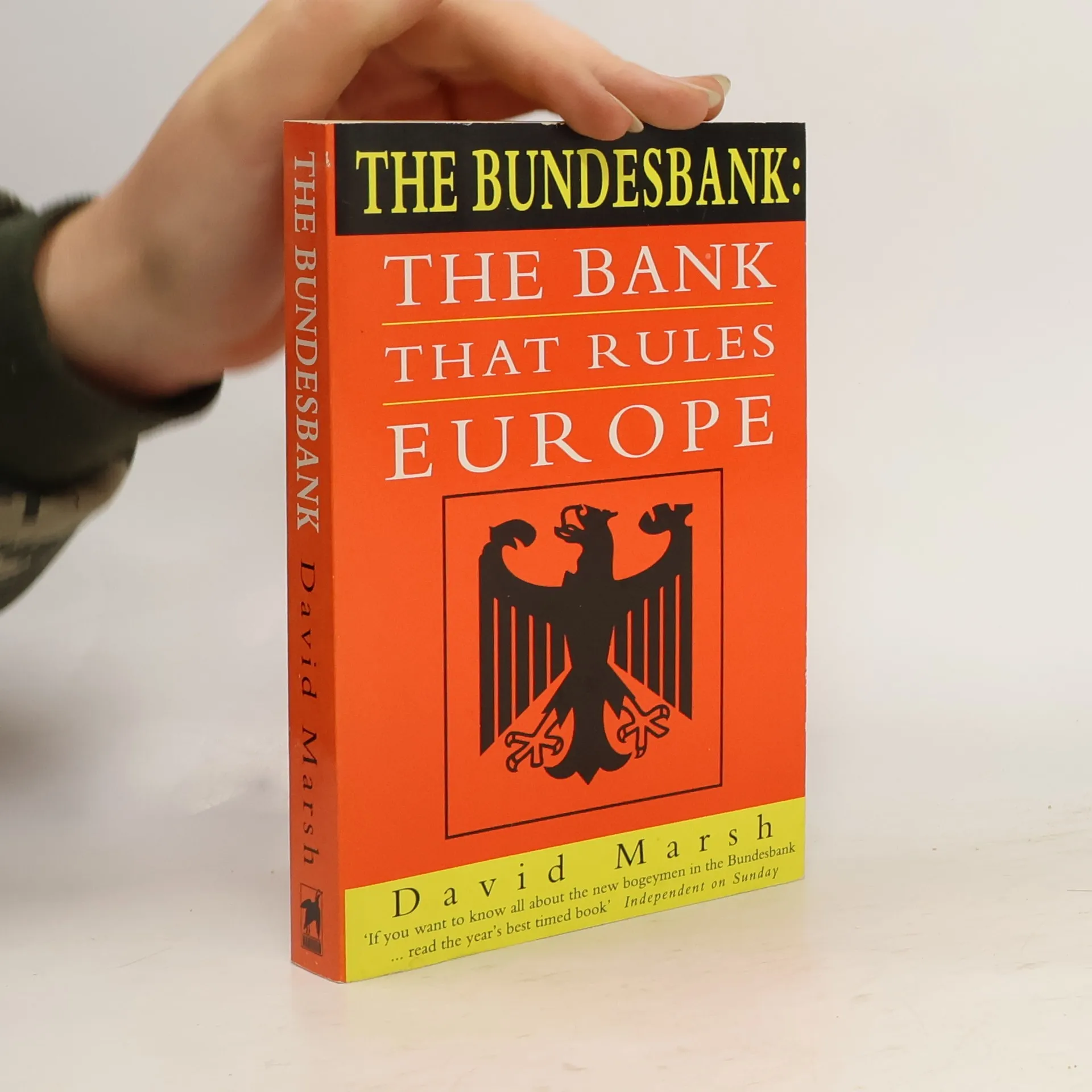
The might of the D-Mark gives the Bundesbank greater influence than most elected governments over monetary policies across Europe. In bringing to life the central bank and the people who run it, Marsh reveals its history, and present-day, behind-the-scenes arguments over European monetary union.
Diverse contexts - converging goals
- 362 Seiten
- 13 Lesestunden
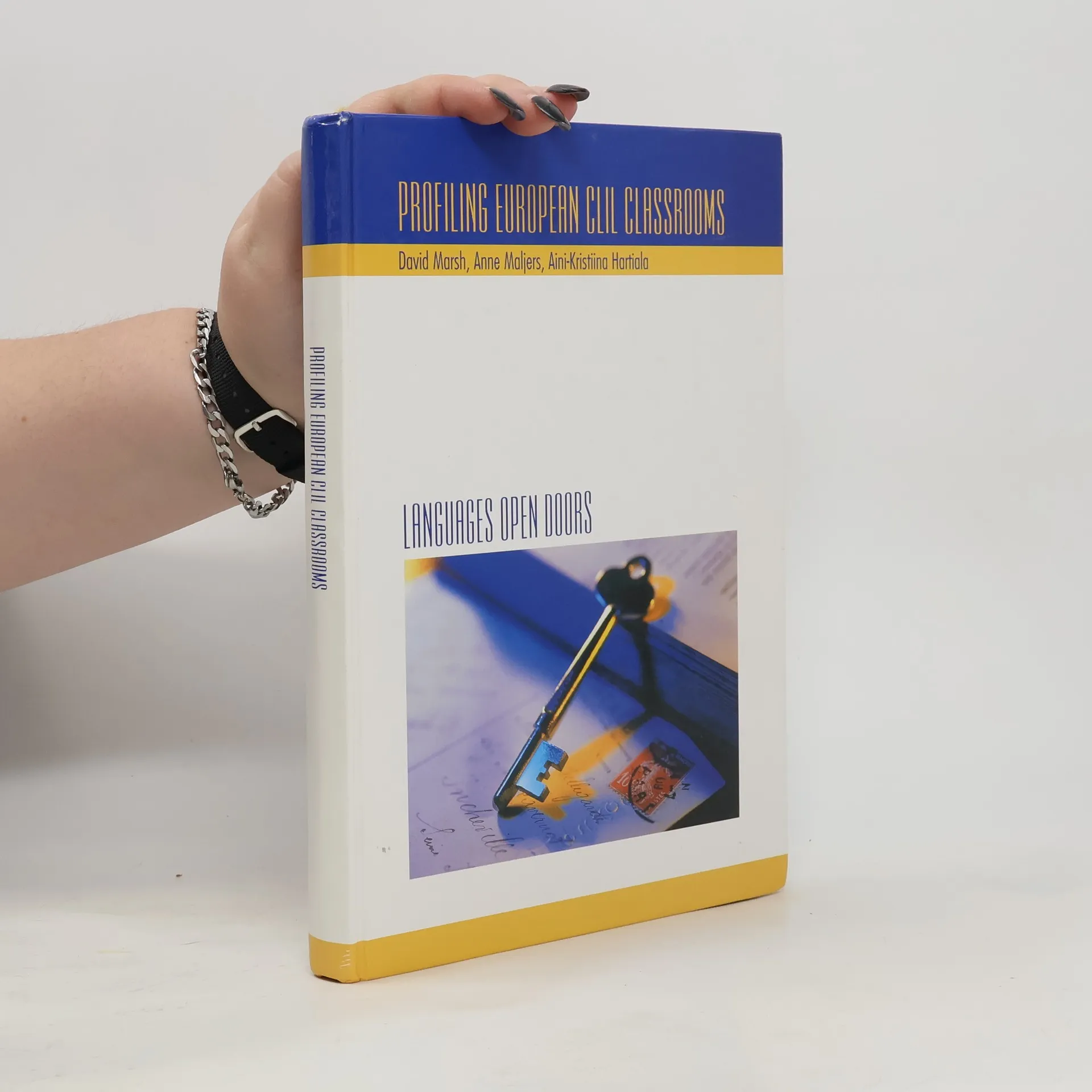
CLIL, ‘a dual-focussed educational approach in which an additional language is used for the learning and teaching of both content and language‘ can be viewed as an example of curricular integration. This publication is one example of how this is being achieved. It serves to articulate why, and how, good practice can lead to the positive outcomes increasingly reported across Europe. It results from selected presentations given at the Helsinki CLIL 2006 conference «CLIL Competence Building for Globalization: Quality in Teaching Through a Foreign Language». The 28 contributions to this book, which originate from countries across the European Union, are divided into six sections covering classroom practice, evaluation, research, and programme management.
Nutrition and Evolution
- 298 Seiten
- 11 Lesestunden
CLIL: content and language integrated learning
- 184 Seiten
- 7 Lesestunden
A comprehensive and up-to-date overview of the theory and practice of CLIL.
Theory and methods in political science
- 400 Seiten
- 14 Lesestunden
The systematically revised third edition of the leading text on approaches and methods in political science features a considerable internationalization in both the team of contributors and the range of coverage and examples. About half the chapters are entirely new and the rest are substantially revised and updated.
Uncovering CLIL
- 238 Seiten
- 9 Lesestunden
Content and Language Integrated Learning (CLIL) refers to methodologies used in teaching situations where a second language is used as a medium for teaching non-language content. Uncovering CLIL has been written to act as a guide for both language and subject teachers to the various methodologies and techniques involved in CLIL teaching.Packed with practical ideas and suggestions for CLIL teaching in a number of languages, Uncovering CLIL is the essential companion for CLIL teachers instructing students at all levels of education.KEY FEATURES• Ideal for teachers getting started in CLIL and exitsing CLIL practitioners in search of new ideas • Presents a broad overview of CLIL essentials for teachers at both primary and secondary level • Contains a wide range of practical ideas and activities that can be used in the CLIL classroom
For who the bell tolls: one man's quest for grammatical perfection
- 304 Seiten
- 11 Lesestunden
David Marsh explains the grammar that people really need to know, covering topics such as syntax, rules, apostrophes, spelling, jargon, the abuse of ironic and iconic, -isms, TXT SPK, and the joy of language.
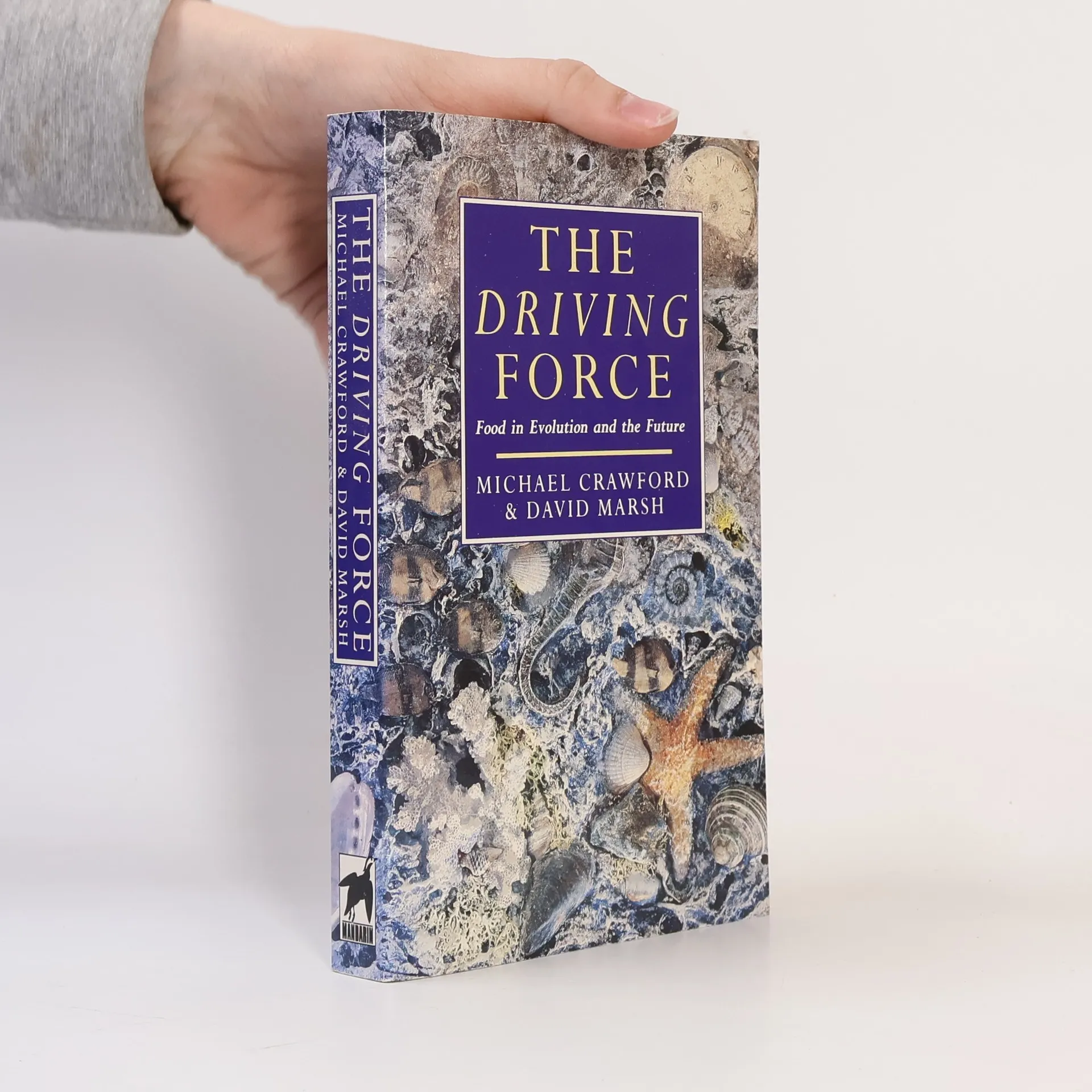
Setting out to examine how food played a determining role in the way in which creatures developed, this book goes on to explore how nutrition is now shaping the future of life on earth. It points to the links between poor nutrition and modern degenerative diseases and aims to show how European ignorance of African ecology led to the destruction of natural ecosystems and the introduction of inappropriate European farming methods to colonial Africa, and in turn to the famines of the 20th century. The book also deals with the effect of farming methods on the physiology of man's food animals.
The State : Theories and Issues
- 288 Seiten
- 11 Lesestunden
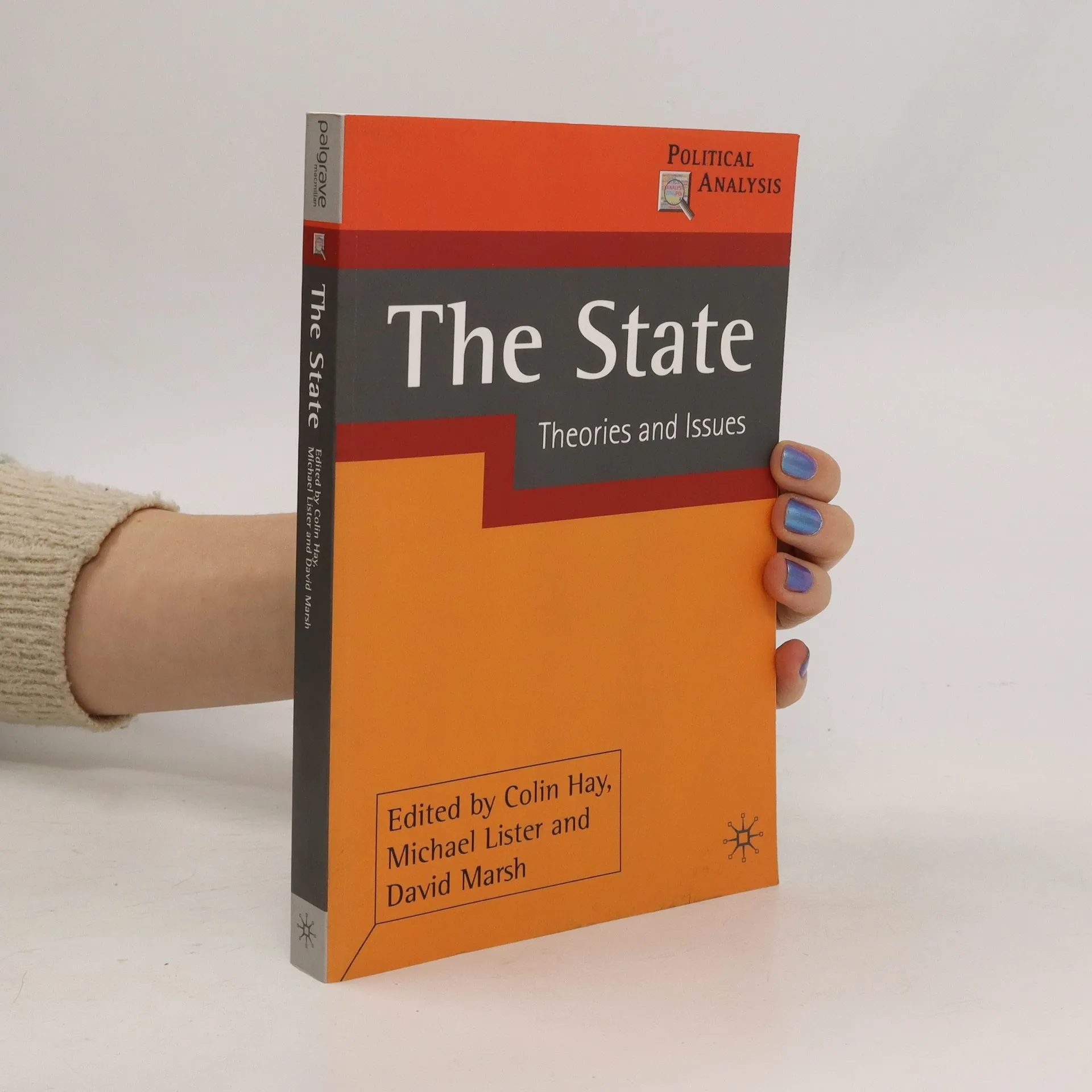
Broad-ranging in its coverage and truly international in scope, this major new text introduces all the main competing theoretical approaches to the study of the state as well as key contested issues in relation to globalization, new forms of governance, the changing public/private boundary, changes in the powers and capacities of states, and the differences between advanced liberal democratic and other states. Chapters have been specially commissioned to a common format and are written by an international cast of leading authorities.
Managing Personal Bankruptcy - Alternatives To Bankruptcy
- 160 Seiten
- 6 Lesestunden
This invaluable guide to managing the process of, and surviving, personal bankruptcy has been written against the backdrop of the pandemic and the subsequent record numbers of people currently declaring themselves bankrupt. The book is aimed solely at individuals, not at companies or other organisations. A detailed background to the insolvency service and the general law covering bankruptcy is given along with the alternatives to bankruptcy, including the new Debt Respite (Breathing Space) Regulations 2020. Overall, anyone reading this book will benefit from the detailed information.
Euro: boj o osud nové globální měny
- 479 Seiten
- 17 Lesestunden
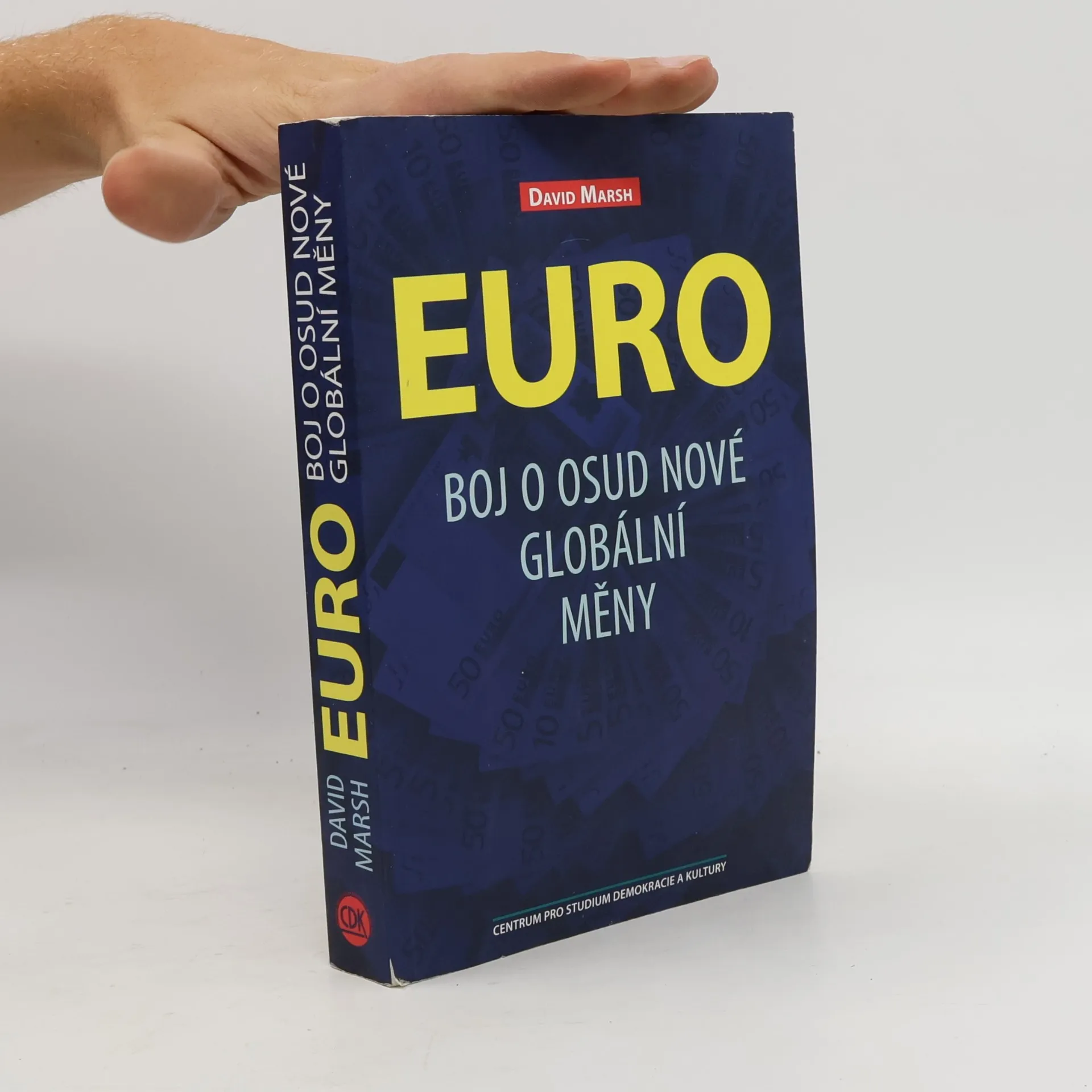
Kniha Euro je strhujícím příběhem projektu hospodářské a měnové unie. Autor bez příkras popisuje trnitou cestu společné evropské měny od vize k realitě a vysvětluje, proč se euro začalo záhy po svém zavedení hroutit, proč měnovou unii zachvátila dluhová krize a proč se začala utápět v hořkých vnitřních konfliktech. David Marsh tvrdí, že euro se ve stávající podobě udrží nad vodou jen za cenu sílících rozporů mezi politiky a voliči. Právě oni ponesou náklady všech špatných rozhodnutí, která dnes hospodářskou a měnovou unii táhnou ke dnu. George Soros o knize řekl: „Je to politický thriller: obchody a jednání, která stojí za měnou, jež byla vytvořena nejen jako finanční nástroj, ale i jako způsob překonání staletí sporů. Každý, kdo se zajímá o evropskou politiku, ekonomiku a o to, jakou roli má Evropa ve světě zaujímat, si knihu užije." Časopis The Economist knihu označil za „nepostradatelný průvodce monetární politikou".