

Gratisversand in ganz Deutschland!
Bookbot

Jan T. Gross

    1. August 1947
    Jan T. Gross
    Collected essays on war, Holocaust and the crisis of communism
    Golden Harvest
    Neighbors
    War Through Children's Eyes: The Soviet Occupation of Poland and the Deportations, 1939-1941
    Neighbours
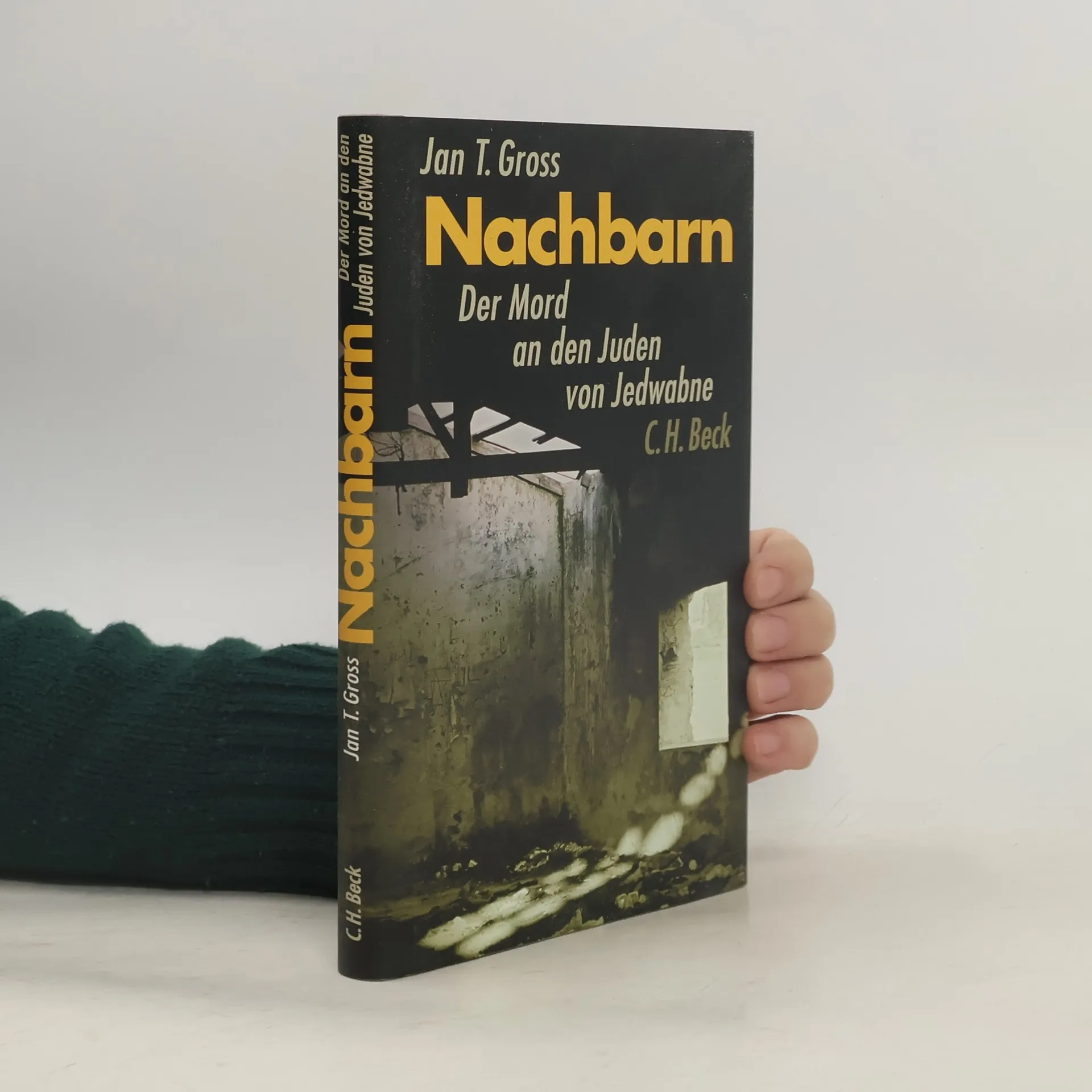
    Nachbarn
    • Denn die Täter waren keine gesichtslosen Nazis, sondern Nachbarn, die ihre Opfer gut kannten und oft sogar mit ihnen zur Schule gegangen waren. Die deutsche Besatzungsmacht, die erst seit kurzem in der Region die Befehlsgewalt innehatte, photographierte das Massaker zwar für Propagandazwecke, war an dem Geschehen selbst aber nicht aktiv beteiligt. Zwischen den Juden und Christen des Ortes hatte es bis dahin enge Beziehungen gegeben. Keines der Opfer hatte damit gerechnet, daß aus Nachbarn über Nacht Mörder werden würden. Die Geschichte von Jedwabne wirft Fragen auf, die an die Wurzeln der polnisch- jüdischen Beziehungen im 20. Jahrhundert rühren. Jan T. Gross will mit seinem Buch dazu beitragen, daß diese Fragen gestellt werden und nicht länger un-beantwortet bleiben. Doch sein Buch wirft auch beunruhigende Fragen über die Natur menschlicher Beziehungen überhaupt auf. „Nachbarn“ ist ein unbequemes Buch - und gerade deshalb ein wichtiger Beitrag zur Geschichte des Holocaust.
      Nachbarn
    • Neighbours

      • 272 Seiten
      • 10 Lesestunden
      4,2(36)Abgeben

      One summer day in 1941, half of the Polish town of Jedwabne murdered the other half - 1,600 men, women, and children - all but seven of the town's Jews. Neighbours tells their story. Jan Gross pieces together eyewitness accounts and other evidence into an engulfing reconstruction of the horrific July day remembered well by locals but forgotten by history. The unfolding of his investigation yields wider truths about the Holocaust, and human responses to occupation and totalitarianism. The newly occupying German army did not compel the massacre, and Jedwabne's Jews and Christians had previously enjoyed cordial relations. After the war, the nearby family who saved Jedwabne's surviving Jews was derided and driven from the area. The single Jew offered mercy by the town declined it. Most arresting is the sinking realization that Jedwabne's Jews were clubbed, drowned, gutted and burned not by faceless Nazis, but by people whose features and names they knew well: their former schoolmates and those who sold them food, bought their milk, and chatted with them in the street. As much as such a question can ever be answered, Neighbours tells us why.

      Neighbours
    • Set against the backdrop of WWII, the book presents a collection of 120 essays written by Polish children who experienced the Soviet occupation and subsequent deportations. These unique documents capture a child's perspective on significant historical events, revealing their innocent yet profound insights into the harsh realities of life in Soviet work camps and kolkhozes. Through simple language and unfiltered expression, the essays reflect the trauma of starvation, disease, and loss, while also highlighting a shared suffering among various nationalities under Soviet rule.

      War Through Children's Eyes: The Soviet Occupation of Poland and the Deportations, 1939-1941
    • Neighbors

      • 272 Seiten
      • 10 Lesestunden
      4,0(71)Abgeben

      One summer day in 1941, half of the Polish town of Jedwabne murdered the other half, 1,600 men, women, and children, all but seven of the town's Jews. "Neighbors" tells their story. This is a shocking, brutal story that has never been told and is an important study of Polish-Jewish relations during the Holocaust. 3 maps. 127 illustrations.

      Neighbors
    • Golden Harvest

      • 160 Seiten
      • 6 Lesestunden

      The starting point of Jan Gross's A Golden Harvest is a haunting photograph that depicts a group of "diggers" atop a mountain of ashes at Treblinka, where some 800,000 Jews were gassed and cremated. The diggers are hoping to find gold and precious stones that Nazi executioners may have overlooked. The story captured in this grainy black-and-white photograph symbolizes the vast, continent-wide plunder of Jewish wealth. Beginning with one photograph, this moving book evokes the depth and range, as well as the intimacy, of the final solution.

      Golden Harvest
    • The author undertakes an intellectual journey into the hidden past of the Polish history after 1939. He deals with Holocaust, collaboration, totalitarian rule, crisis of communism in Eastern Europe as well as Polish-Jewish relations during the war. The author is a founding father of a new approach in Holocaust research in Poland in which he has taken it from out of its intellectual ghetto as a strictly Jewish subject and repositioned it at the center of Poland’s wartime history. Among other topics, the collection of essays deals with Jewish community in the Soviet annexed territories on the eve of the Holocaust, opportunistic killings and plunder of Jews by their neighbors and Poland’s development from a civil society to a political nation.

      Collected essays on war, Holocaust and the crisis of communism
    • The Holocaust in occupied Poland

      • 237 Seiten
      • 9 Lesestunden

      New archival materials have provided the basis for rethinking the dynamic of the Holocaust in Poland. These historical sources consist primarily of court papers from postwar trials of Polish citizens. Using such files, historians are now better able to document and write the dramatic story of antagonism between Jews evading the Nazi dragnet, and a hostile rural populace which sometimes collaborated in persecution. Although important works on the Holocaust appeared earlier in Poland, only during the last several years has a scholarly milieu emerged in the country for taking the Holocaust out of its intellectual ghetto as a strictly «Jewish» subject, and repositioning it at the center of Poland’s wartime history.

      The Holocaust in occupied Poland
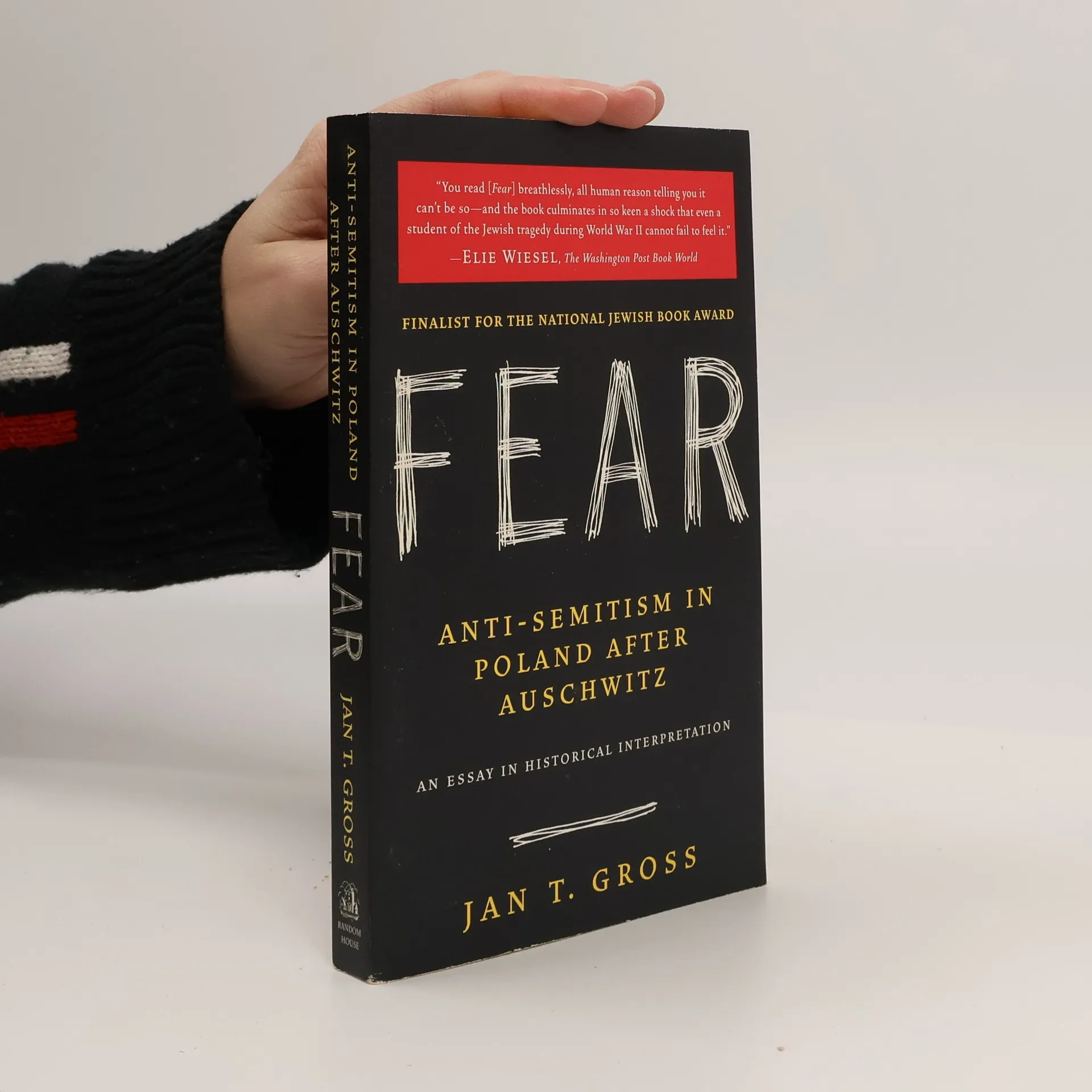
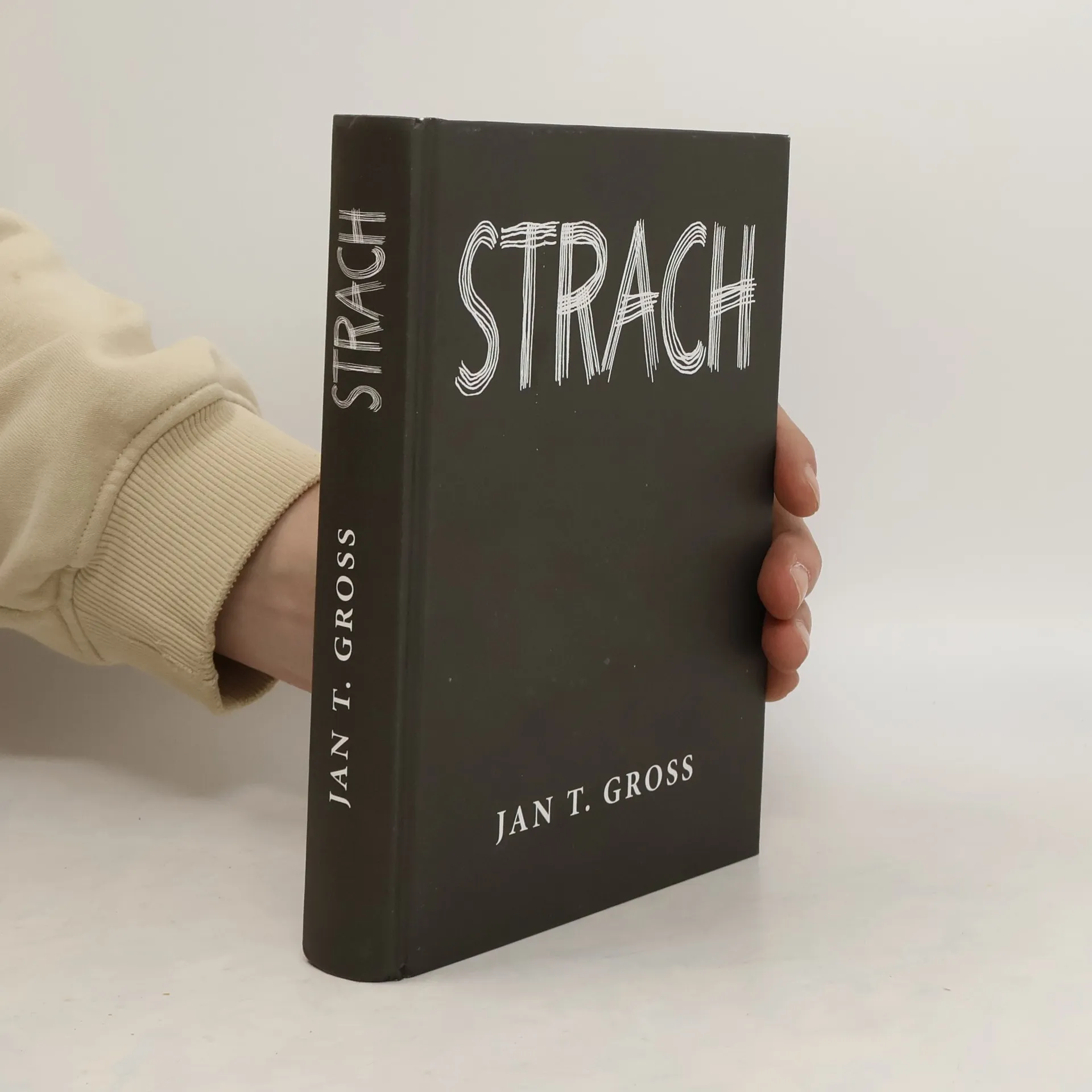
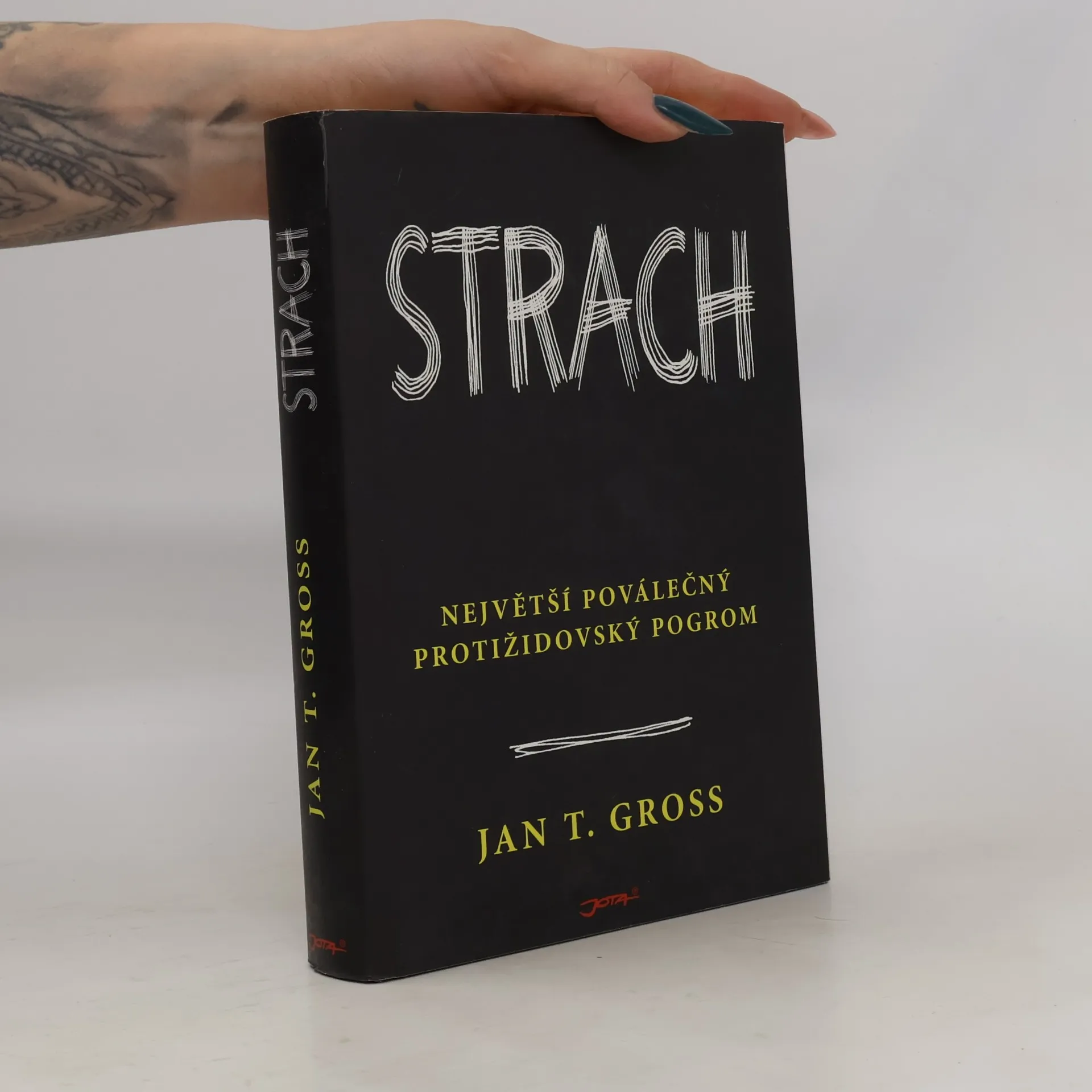
    • Strach

      • 356 Seiten
      • 13 Lesestunden
      4,2(5)Abgeben

      Největší poválečný protižidovský pogrom: esej v historickém výkladu Rekonstrukce největšího poválečného protižidovského pogromu v Evropě - pogromu v polském městě Kielce v létě 1946 jako základ obecnějších úvah o kořenech a příčinách antisemitismu v polské společnosti. Autor se vrací k osudům polských Židů za 2. světové války. Na řadě případů dokazuje spolupodíl polské společnosti na jejich postupné společenské izolaci i na konečné fyzické likvidaci. Tvrdí, že Poláci se v drtivé většině ztotožňovali s nacistickou vyhlazovací politikou. Poválečný antisemitismus byl výrazem strachu, snahou zbavit se obětí a svědků těchto zločinů.

      Strach
    • Strach

      Antysemityzm w Polsce tuż po wojnie: historia moralnej zapaści

      • 343 Seiten
      • 13 Lesestunden

      Jan Tomasz Gross znów dotyka bolesnej tematyki antysemityzmu. Odkrycia, których dokonał, pisząc o sprawie zamordowanych przez polskich sąsiadów Żydów z Jedwabnego, wstrząsnęły opinią publiczną i zmusiły nas do rewizji głęboko zakorzenionej wizji własnej historii. W Strachu... autor analizuje doświadczenia wracających do domów polskich Żydów i konfrontuje je z najnowszymi polskimi i światowymi badaniami naukowymi. Efektem jest socjologiczno-historyczny esej, który omawia kwestię antysemityzmu w Polsce tuż po zakończeniu wojny, i który swoją kulminację znajduje w reinterpretacji największego w powojennej Europie pogromu Żydów w Kielcach. To książka, która zmusza do myślenia i szczerej rozmowy.

      Strach