Stop the Cycle of Manipulation, Exploitation, and Abuse in Your Romantic Relationships
224 Seiten
8 Lesestunden
Break free from manipulation and gaslighting—once and for all. Are you thriving in your relationship, or merely surviving? If you find yourself constantly making excuses for your partner’s abusive behavior, you may be trapped in a relationship with someone displaying narcissistic or psychopathic traits, leading to a trauma bond—a powerful connection formed through danger, betrayal, or power imbalances. Remember, you’re not alone, and it’s not your fault.
Written by an expert in narcissism and toxic relationships, this guide provides essential tools to escape the destructive grip of abuse. Learn to identify manipulation tactics used by abusers to maintain unhealthy bonds, enabling you to recognize, understand, and set boundaries with your partner. You'll discover practical strategies to safely end your relationship and build healthier connections in the future.
Trauma bonding can have devastating effects, causing you to tolerate mistreatment and even defend your abuser out of survival instinct. This book helps you connect with and validate your feelings of outrage over your treatment, allowing you to process your pain and move toward freedom. Take the first step today.
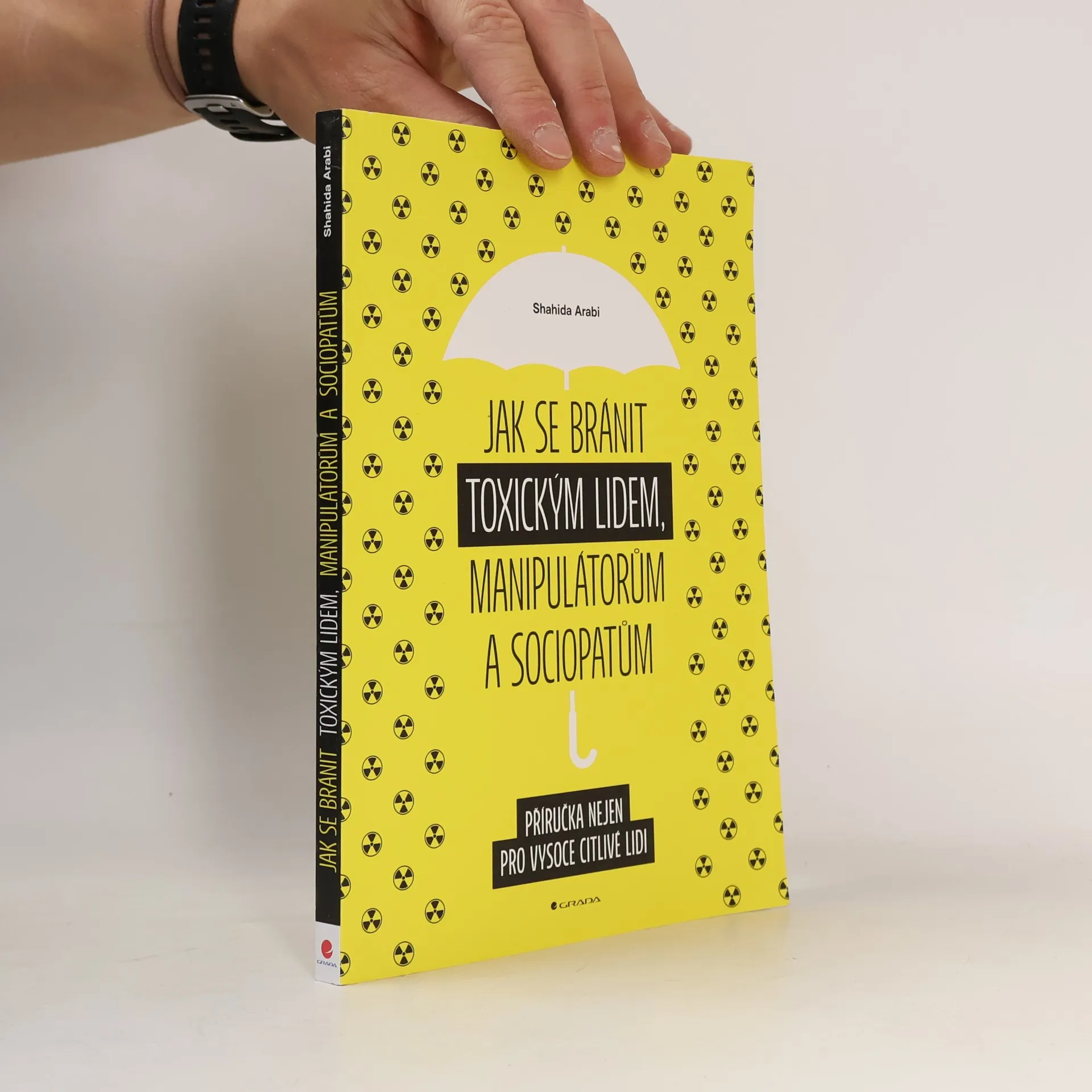
Ať už je to panovačný spolupracovník, který vás neustále kritizuje, nebo urážlivý partner, který vás každý den podceňuje, toxičtí lidé vážně poškozují a ohrožují vaše zdraví, pohodu, a dokonce i život. Zvláště ohrožení jste, pokud patříte mezi vysoce citlivé lidi – snadno se cítíte přetíženi okolním světem, přebíráte na sebe emoce ostatních nebo se v konfliktních situacích potýkáte s extrémní úzkostí a stresem. Lidé se zvýšenou citlivostí a vnímavostí se mnohdy stávají terčem narcistů a jedinců zaměřených na sebe, kteří se je snaží využívat k vlastnímu prospěchu. S pomocí této knihy se dokážete toxickým lidem účinně bránit: Seznámíte se s dovednostmi založenými na kognitivně-behaviorální terapii a dialektické behaviorální terapii, které vám pomohou rozpoznat a zastavit běžnou manipulační taktiku používanou toxickými lidmi. Objevíte praktické rady, jak se chránit před nejběžnějšími typy toxických lidí: emočními upíry, narcisty, sociopaty a psychopaty. Naučíte se, jak se vyléčit z toxického nebo narcistického zneužívání, a poznáte strategie pro stanovení zdravých hranic a silného pocitu sebe sama.
Highly sensitive people (HSPs) and those who identify as empaths are natural targets for narcissists, emotional vampires, and other controlling people due to their giving nature. The Highly Sensitive Person's Guide to Dealing with Toxic People is a practical road map to help HSPs identify and deal effectively with toxic people--at work, in the family, in friendships, or in romantic relationships.
Pathological mind games, covert and overt put-downs, triangulation, gaslighting, projection—these manipulative tactics are familiar to survivors of malignant narcissists. Victims endure silent crimes, living in a war zone marked by cycles of love-bombing and devaluation—an extreme form of psychological violence. Shahida Arabi's articles on narcissistic abuse have gained recognition for their accurate and in-depth depictions of this trauma, resonating with millions and endorsed by mental health professionals. This essay compilation features her most popular articles alongside new insights on narcissistic abuse, including perspectives from therapists and the impact on children of narcissistic parents. Readers are offered fresh understanding of what it means to be a survivor and a thriver amidst covert manipulation and trauma. The work emphasizes the importance of recognizing toxic personality tactics and combating the effects of narcissistic abuse. It guides survivors toward learning, healing, and reclaiming their agency to rebuild their lives, transforming feelings of powerlessness into empowerment and victory.
How to Devalue and Discard the Narcissist While Supplying Yourself
503 Seiten
18 Lesestunden
Although clinical research has been conducted on narcissism as a disorder, less is known about its effects on victims who are in toxic relationships with partners with Narcissistic Personality Disorder. Individuals with this disorder engage in chronic devaluation and manipulation of their partners, a psychological and emotional phenomenon known as "narcissistic abuse." Unfortunately, the full extent of what narcissistic abuse entails is not taught in any psychology class or diagnostic manual. Since pathological narcissists are unlikely to seek treatment for their disorder, it is difficult to pinpoint what exactly makes a narcissistic abuser tick and the manipulative tactics they use, which are likely to differ from those of other types of abusers as they are more covert and underhanded. What is even more baffling is the addiction we form with our narcissistic abusers, created by biochemical bonds and trauma bonds that are also unlike any other relationship we experience. In this book, survivors will learn: -The red flags of narcissistic behavior and covert manipulation tactics, including subtle signs many survivors don't catch in the early stages of dating a narcissist. -The motives behind narcissistic abuse and techniques to resist a narcissist's manipulation. -Why abuse survivors usually stay with a narcissist long after incidents of abuse occur. -How our own brain chemistry locks us into an addiction with a narcissistic or toxic partner, creating cravings for the constant chaos of the abuse cycle. -Traditional and alternative methods to begin to detach and heal from the addiction to the narcissist, including eleven important steps all survivors must take on the road to healing. -Methods to rewrite the narratives that abusers have written for us so we can begin to reconnect with our authentic selves and purpose. -How to rebuild an even more victorious and empowering life after abuse. Narcissistic partners employ numerous stealthy tactics to devalue and manipulate their victims behind closed doors. These partners lack empathy and demonstrate an incredible sense of entitlement and sense of superiority which drives their exploitative behavior in interpersonal relationships. Their tactics can include verbal abuse and emotional invalidation, stonewalling, projection, taking control of every aspect of the victim's life, gaslighting and triangulation. Due to the narcissistic partner's "false self," the charismatic mask he or she projects to society, the victim often feels isolated in this type of abuse and is unlikely to have his or her experiences validated by friends, family and society. Using the latest scientific research as well as thousands of survivor accounts, this book will explore how the emotional manipulation tactics of narcissistic and antisocial partners affect those around them, particularly with regards to its cumulative socioemotional and psychological effects on the victim. It will also address questions such as: What successful techniques, tools and healing modalities (both traditional and alternative) are available to survivors who have been ridiculed, manipulated, verbally abused and subject to psychological warfare? What can survivors do to better engage in self-love and self-care? How can they forge the path to healthier relationships, especially if they've been a victim of narcissistic abuse by multiple people or raised by a narcissist? Most importantly, how can they use their experiences of narcissistic abuse to empower themselves towards personal development? What can their interactions with a narcissistic abuser teach them about themselves, their relationship patterns and the wounds that still need to be healed in order to move forward into the happy relationships and victorious lives they do deserve?
This guide addresses the challenges of effective self-care, offering practical suggestions for establishing a sustainable routine. It serves as a comprehensive introduction for beginners to concepts like mindfulness, meditation, and positive affirmations. For those dealing with the trauma of emotionally abusive relationships, it helps identify signs of abuse, encourages a shift in perspective, and provides strategies for moving forward post-breakup through techniques like no contact and constructive coping methods. Each chapter includes supplemental resources and a recommended reading list to support your journey toward self-love and care. While aimed at everyone, it specifically targets young women who may feel their needs are secondary to others. To foster healthy relationships with others, one must first nurture a positive relationship with oneself, eliminating toxic habits that hinder self-love and acceptance. The book addresses how to silence the inner critic shaped by past experiences, remain present, and cultivate self-worth. By employing a variety of techniques, it offers a holistic approach to healing, empowering readers to take charge of their recovery and achieve personal victories they never thought possible.