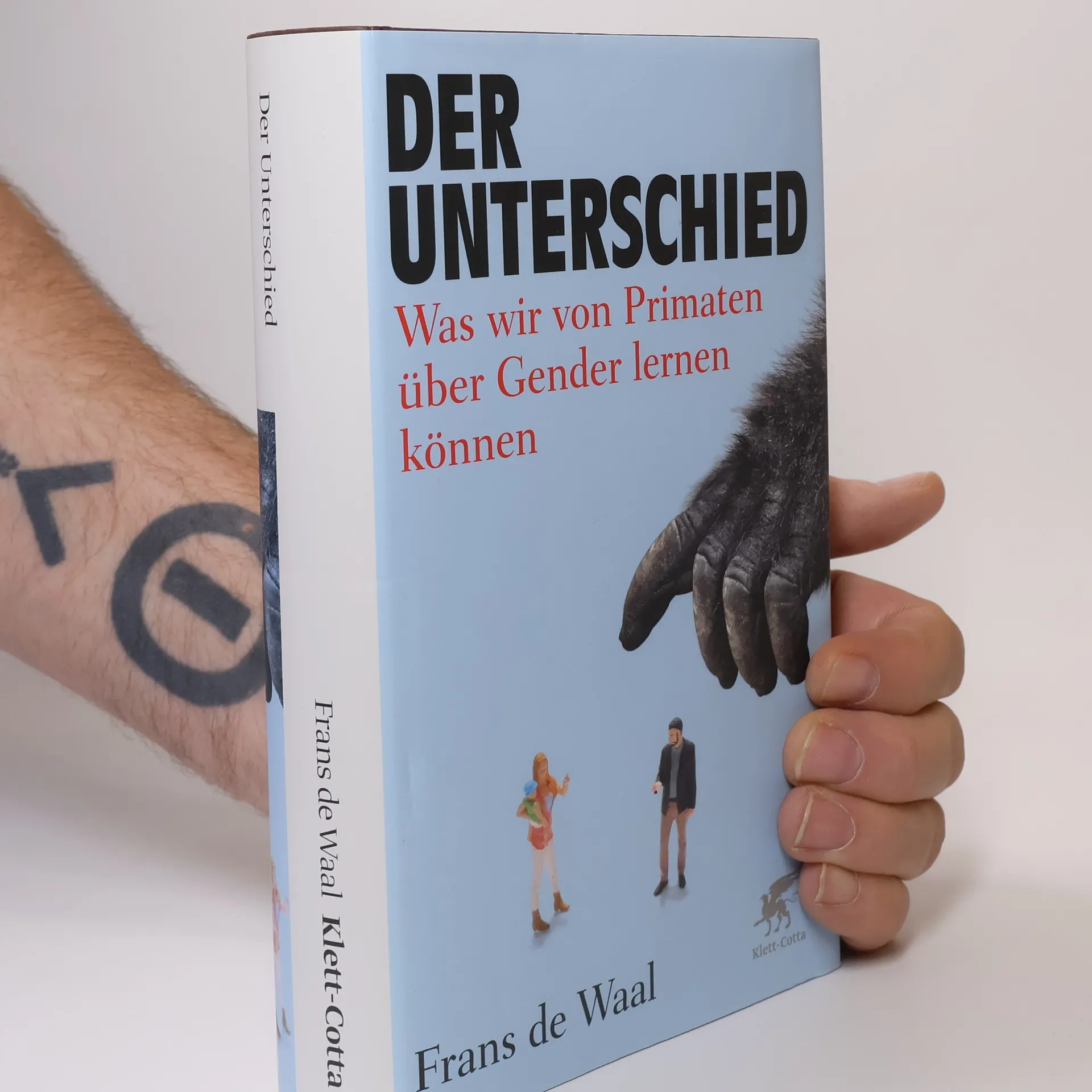
Der Bestsellerautor und renommierte Primatologe Frans de Waal untersucht Geschlecht und Gender sowohl bei Menschen als auch bei anderen Tieren. Während viele Wissenschaftler argumentieren, dass Geschlechterunterschiede rein sozialisiert sind, zeigt de Waal in "Der Unterschied" die wissenschaftlichen und evolutionären Grundlagen für Geschlechterunterschiede beim Menschen auf, basierend auf seinen jahrzehntelangen Erfahrungen mit unseren nächsten Verwandten, den Schimpansen und Bonobos. De Waal beleuchtet deren Verhaltens- und biologische Unterschiede und vergleicht sie mit menschlichem Verhalten: männliche Dominanz und Territorialität bei Schimpansen sowie die von Frauen geführte friedliche Gesellschaft der Bonobos. In seinem klassischen, erzählerischen Stil und mit zahlreichen Anekdoten und scharfsinnigen Beobachtungen behandelt de Waal Themen wie Geschlechtsidentität, Sexualität, geschlechtsbasierte Gewalt, Rivalität zwischen Gleichgeschlechtlichen, Homosexualität, Freundschaft und Fürsorge. Er zeigt, wie die Evolutionsbiologie zu einem differenzierteren und gerechteren kulturellen Verständnis von Geschlecht beitragen kann. Letztlich argumentiert er, dass unsere beiden nächsten Primatenverwandten uns ebenso nahe stehen und von gleicher Relevanz sind.
Frans B. M. Waal Reihenfolge der Bücher (Chronologisch)
Frans de Waal ist ein einflussreicher Autor und Primatologe, dessen Werk sich mit der komplexen Welt der tierischen Intelligenz und des Verhaltens befasst. Durch sorgfältige Forschung und zugängliches Schreiben enthüllt er die tiefgreifenden kognitiven Fähigkeiten und sozialen Strukturen unserer tierischen Verwandten. Seine Schriften stellen konventionelle Vorstellungen von der Einzigartigkeit des Menschen in Frage und fordern die Leser auf, ihre Beziehung zum Tierreich zu überdenken. De Waal bietet eine überzeugende Perspektive darauf, was es bedeutet, im weiteren Sinne intelligent und bewusst zu sein, und betont die Kontinuität zwischen den Arten.


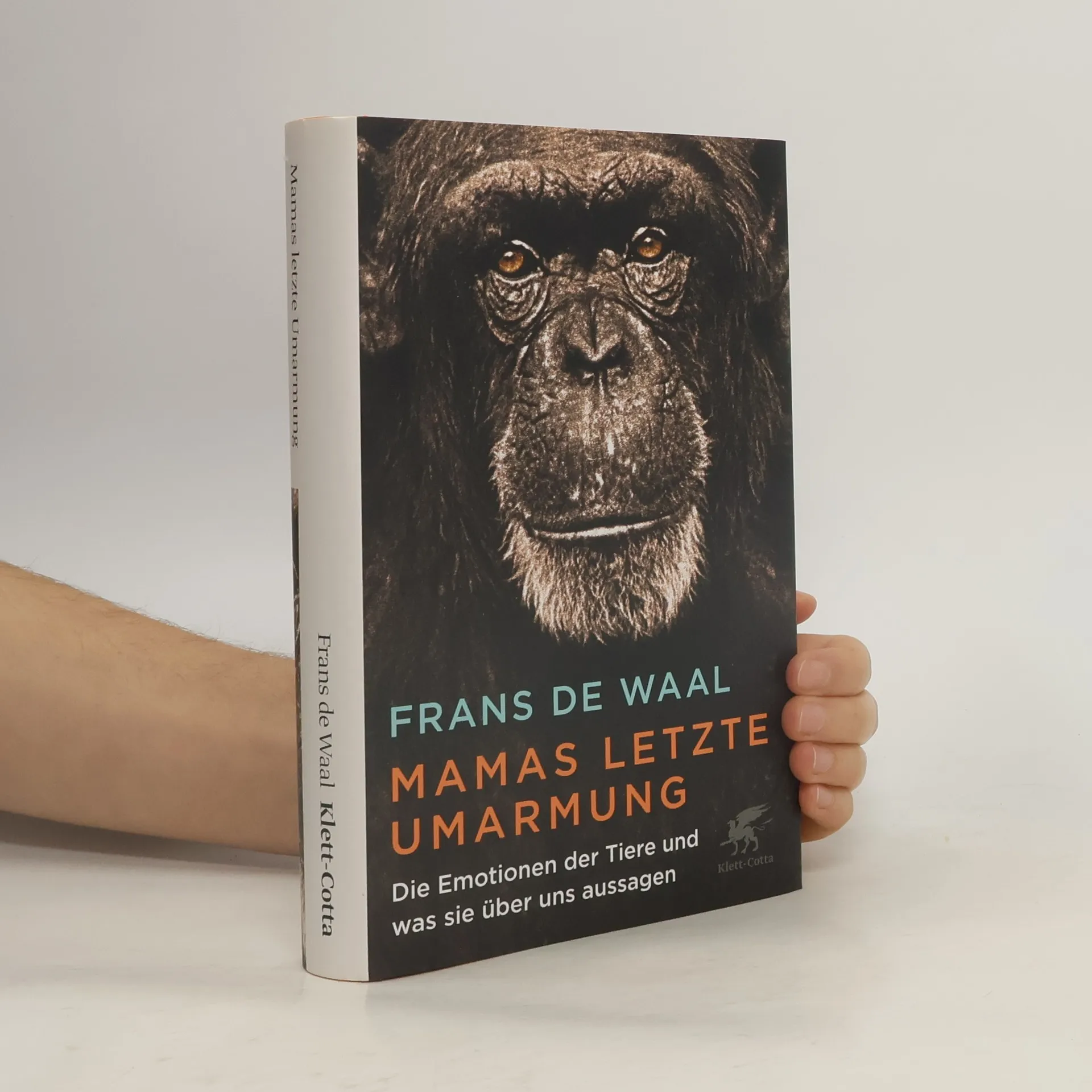

Mamas letzte Umarmung
Die Emotionen der Tiere und was sie über uns aussagen
Sind Affen die besseren Menschen? De Waal schildert in seinem Meisterwerk anschaulich, wie Tiere – insbesondere Menschenaffen – empfinden, mitempfinden, leiden, sich freuen, sozial sind, trauern, wütend, umgänglich sind. Affen haben ein tiefes Gefühlsleben, das sie aber nicht so artikulieren können wie wir Menschen. Gerade beim Abschied der alten Schimpansin »Mama«, die auf ihre Weise mitteilt, dass sie sterben wird, gehen Beobachtung und Schilderung in ein intensives Mitgefühl über. Im Reich der Tiere entdecken wir die elementaren Grundlagen unseres Körpers und unserer Emotionen. Hier zeigt sich, wie großartig und tiefgründig Tiere sind und was wir von ihnen lernen sollten. Das persönlichste und bewegendste Buch von Frans de Waal.
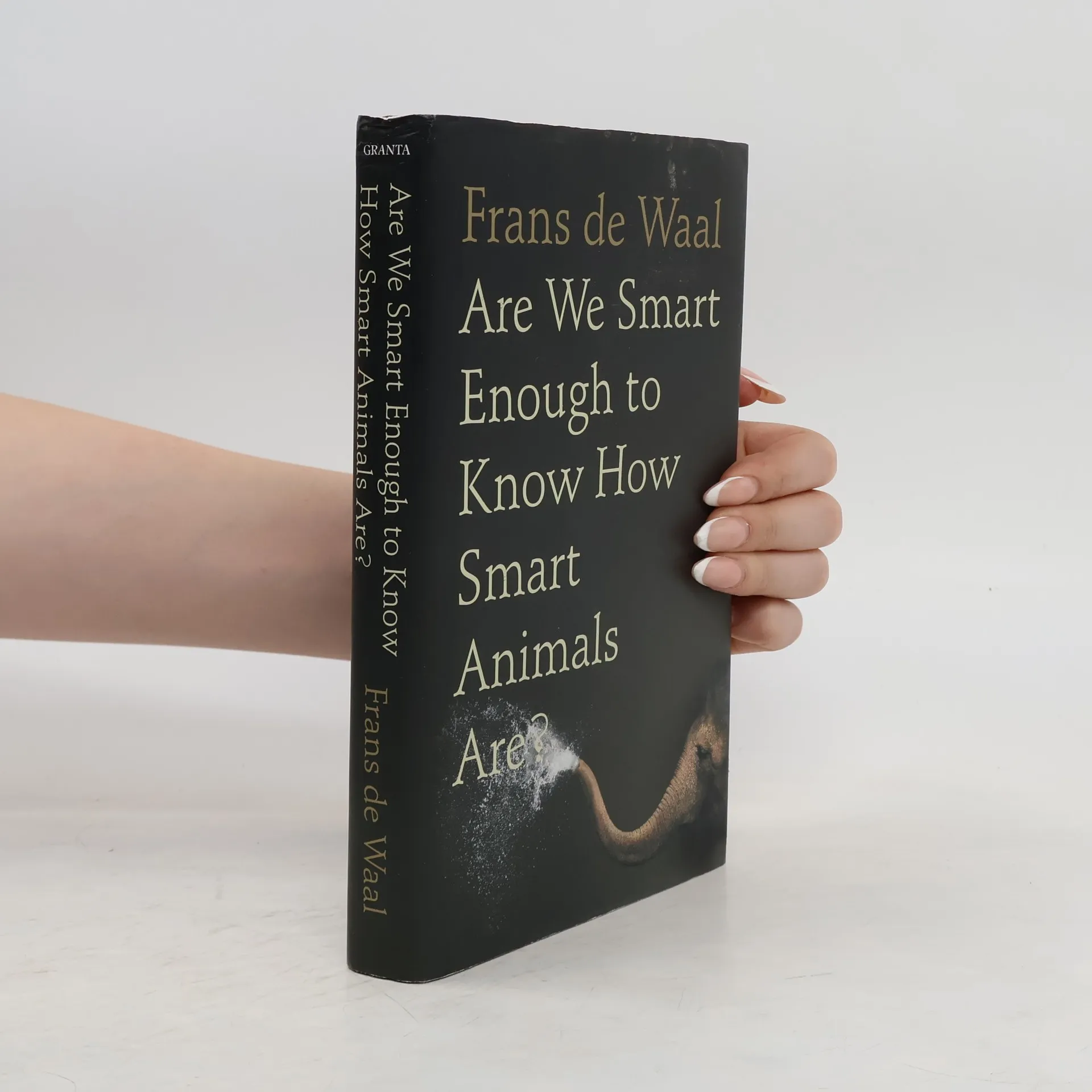
What separates your mind from that of an animal? Is it the ability to design tools; a sense of self; or the grasp of past and future? In recent decades these claims have eroded, or even been disproven outright, by a revolution in the study of animal cognition. Waal explores both the scope and the depth of animal intelligence, offering a firsthand account of how science has stood traditional behaviorism on its head by revealing how smart animals really are, and how we've underestimated their abilities for too long.
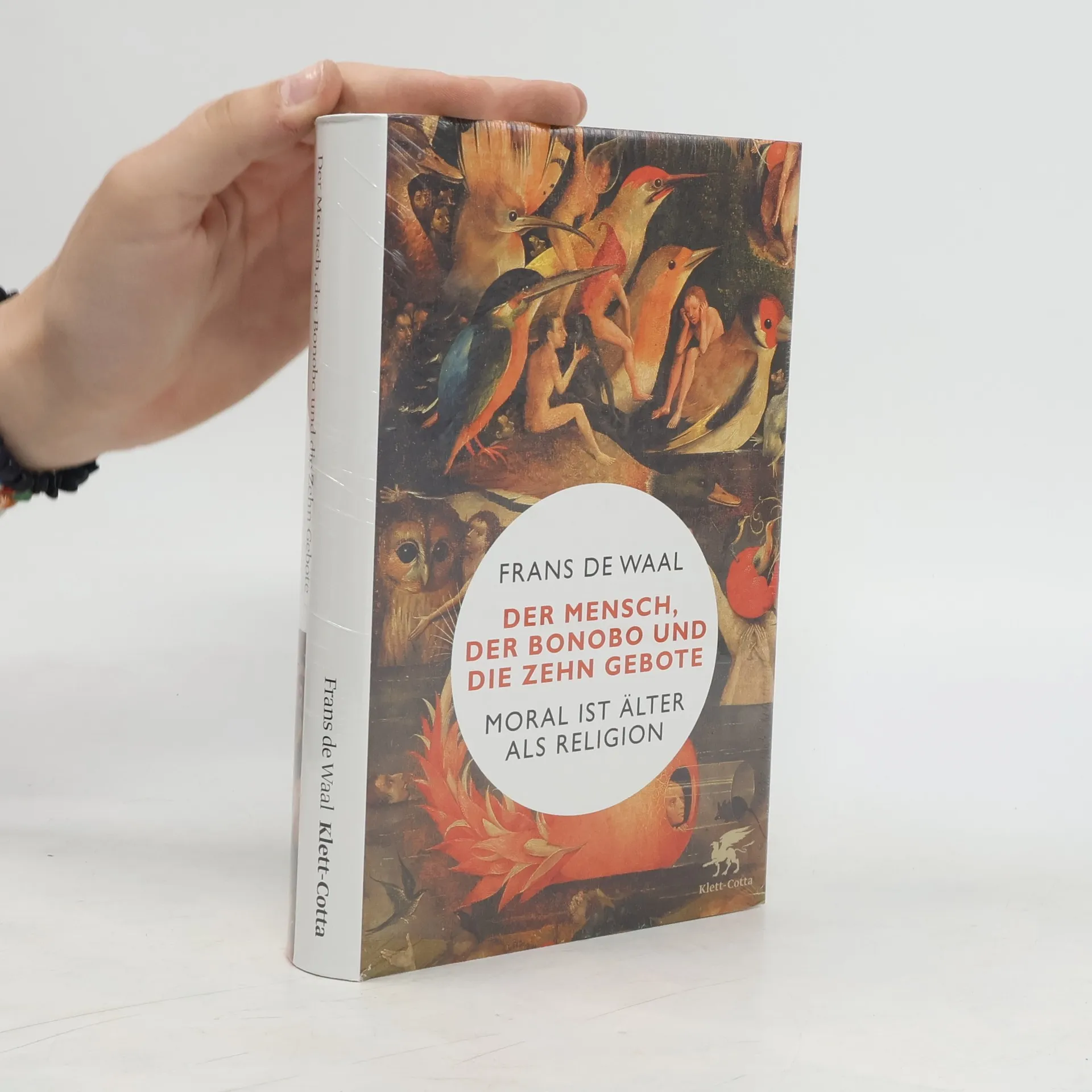
Woher kommt die Moral? Wie hilft sie uns dabei, richtig zu handeln? De Waal beantwortet Fragen rund um Moral und Humanismus mit Blick auf Primaten und andere Tiere, die uns erstaunlich nahestehen: Im gottlosen Universum beobachtet er, wie Menschenaffen gerecht, kooperativ und empathisch handeln. Der weltbekannte Primatenforscher Frans de Waal nimmt uns mit auf eine erfrischende, philosophische Reise, bei der die lange Tradition des Humanismus ebenso zu Wort kommt wie das Sozialverhalten im Tierreich. Er untersucht, welche Konsequenzen seine Forschungen für unser Verständnis von moderner Religion haben. Ganz gleich, welchen Einfluss die Religion auf den Moralkodex des Menschen genommen hat, sie ist nicht die Urheberin unserer Moralität. Der Autor fordert die Leser auf, sich konstruktiv mit Fragen wie diesen auseinanderzusetzen: Welche Rolle spielt die Religion heutzutage in einer gut funktionierenden Gesellschaft? Wo können Gläubige und Nichtgläubige Inspiration für eine gute Lebensführung finden?
The Primate Mind
Built to Connect with Other Minds
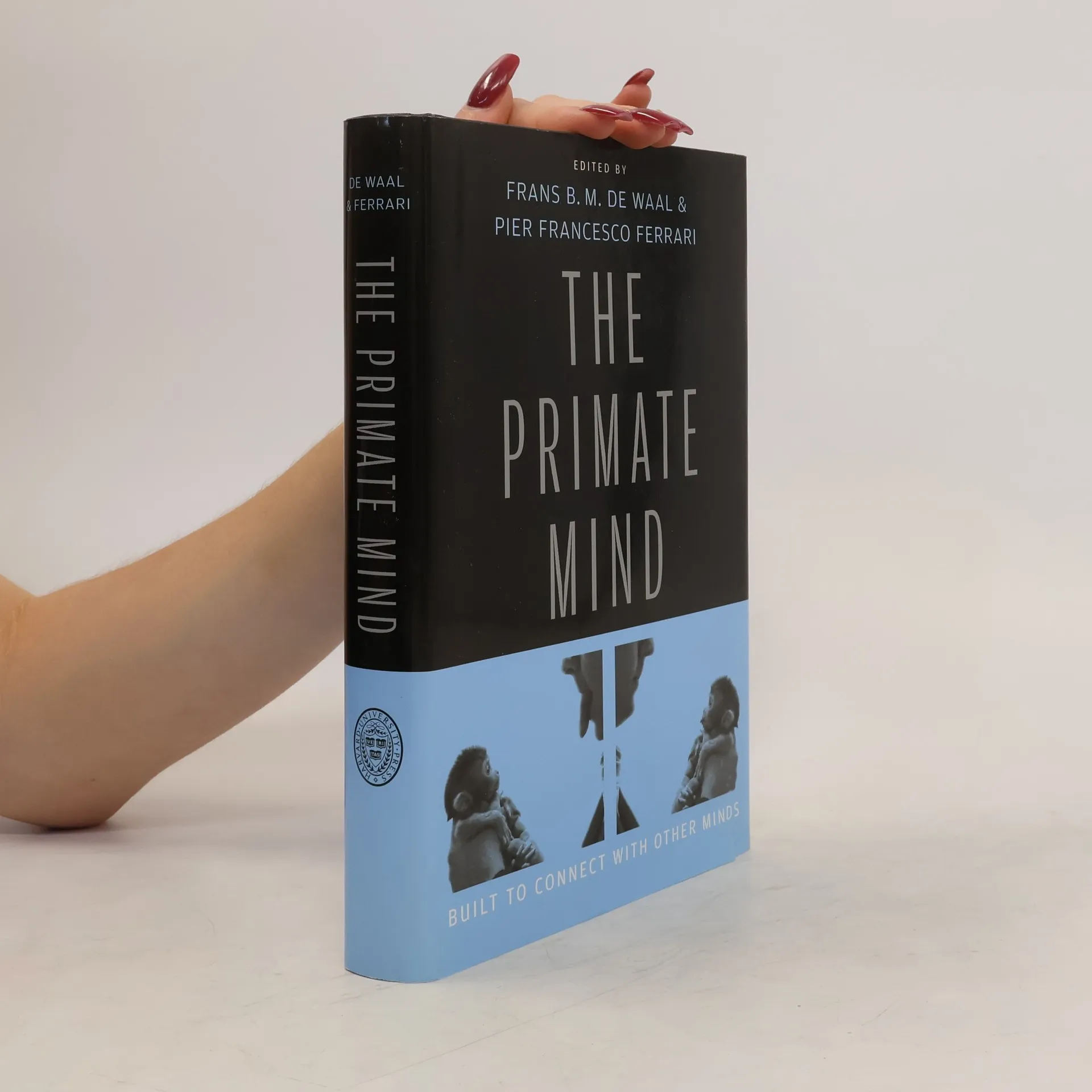
Prominent neuroscientists, psychologists, ethologists, and primatologists from around the world take a bottom-up approach to primate social behavior by investigating how the primate mind connects with other minds and exploring the shared neurological basis for imitation, joint action, and empathy as well as their evolutionary foundations.
Onderzoek naar overeenkomsten en verschillen in sociaal gedrag van chimpansees, bonobo's en mensen.
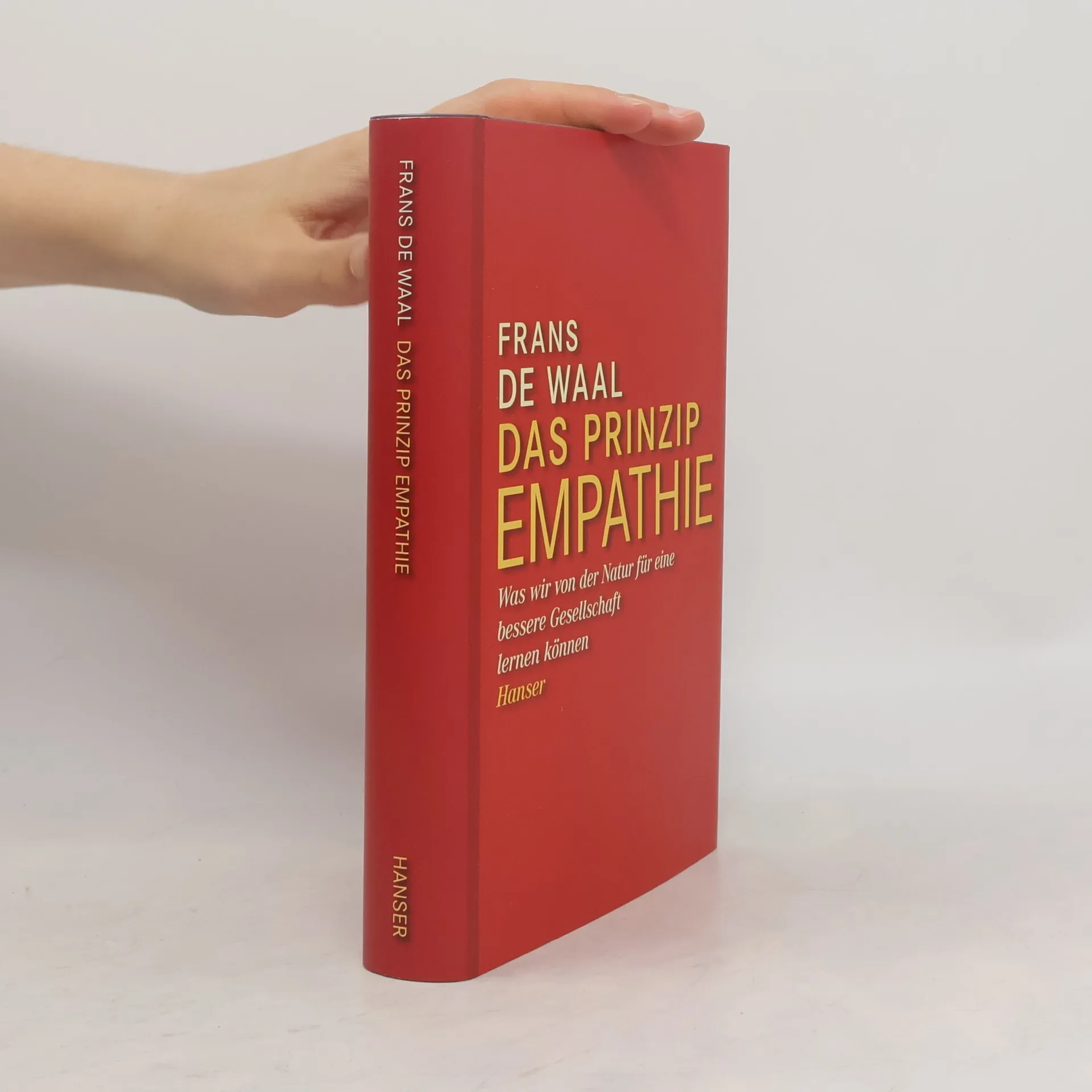
Das Prinzip Empathie
Was wir von der Natur für eine bessere Gesellschaft lernen können
- 351 Seiten
- 13 Lesestunden
Gier ist out, Empathie ist in. In der Natur tobt ein Kampf ums Überleben, in der Evolution herrscht das Recht des Stärkeren. Zumindest, wenn man Darwins Theorie verkürzt betrachtet. Frans de Waal, der große Humanist unter den Verhaltensforschern, widerlegt diese These. Seine Beobachtungen an Hunden, Katzen und Schimpansen zeigen: Offenbar erkennen auch Tiere in ihrem Gegenüber eine verwandte Kreatur und zeigen Empathie und Solidarität. Auf den Menschen übertragen, heißt das: Kooperation gehört zu unserer Grundausstattung. Engagiert und anschaulich erklärt de Waal, warum Stärke allein nichts zählt und was wir von der Natur für eine bessere Gesellschaft lernen können.
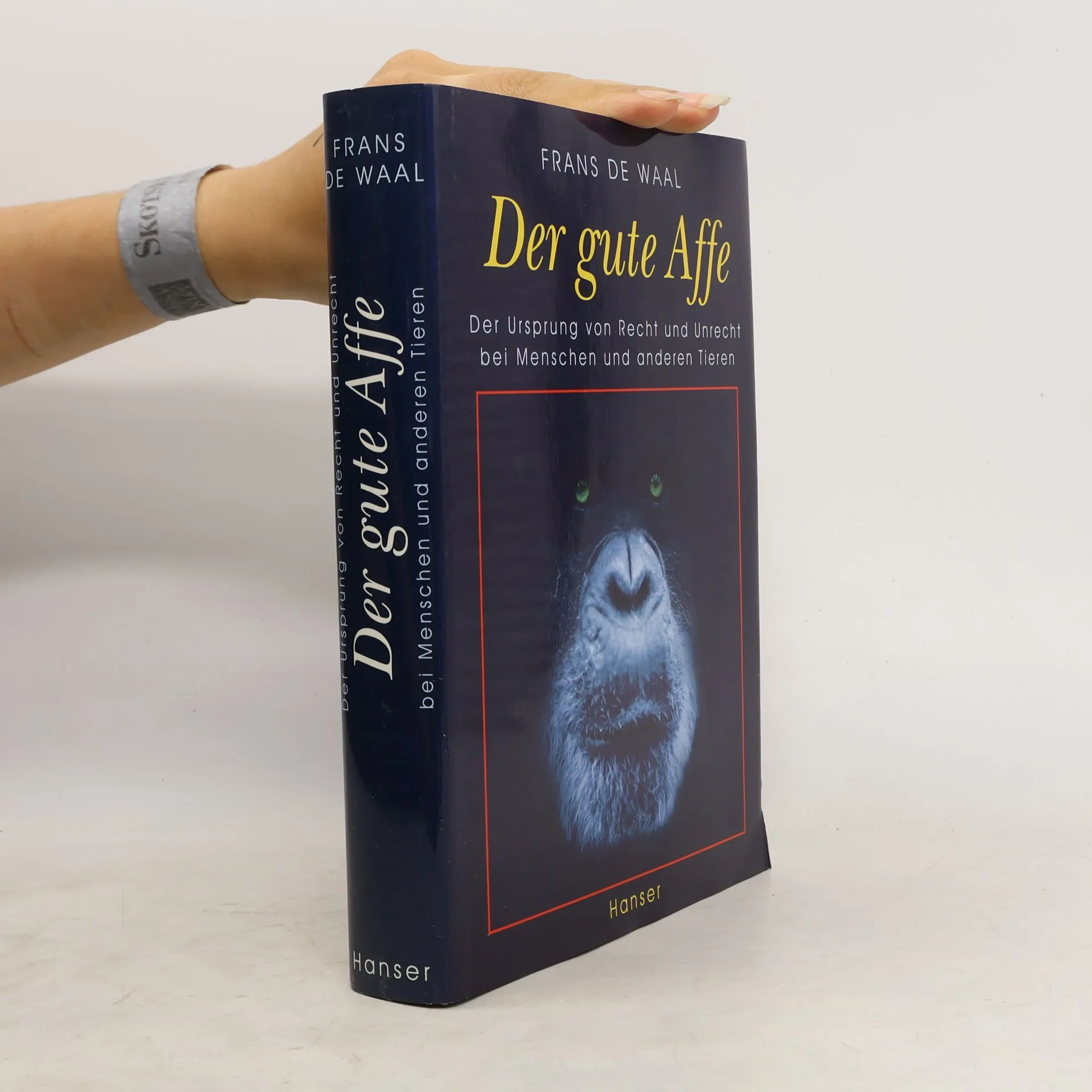
Sind wir von Natur aus gut? Müssen wir Moral erlernen oder sind wir doch von Natur aus dazu befähigt? Und wie steht es damit bei Primaten und anderen Affen? Frans de Waal zeigt an vielen Beispielen, dass moralisches Verhalten wie Rücksichtnahme oder gegenseitige Hilfe evolutionäre Vorteile sichert, die für Tiere genauso bedeutsam sind wie für Menschen. Die verbreitete Vorstellung, Menschen wie Tiere seien genetisch als pure Egoisten konzipiert, wäre damit widerlegt. „Können Affen zwischen Gut und Böse unterscheiden? Warum der Primatenforscher Frans de Waal mit seiner Moraltheorie überzeugt ... Dem miesen Menschenbild seiner Zunft setzt de Waal Mitleid, Einfühlung, Interesse und Selbstlosigkeit bei Menschen und Menschenaffen entgegen.“ Richard D. Precht im ›Spiegel‹
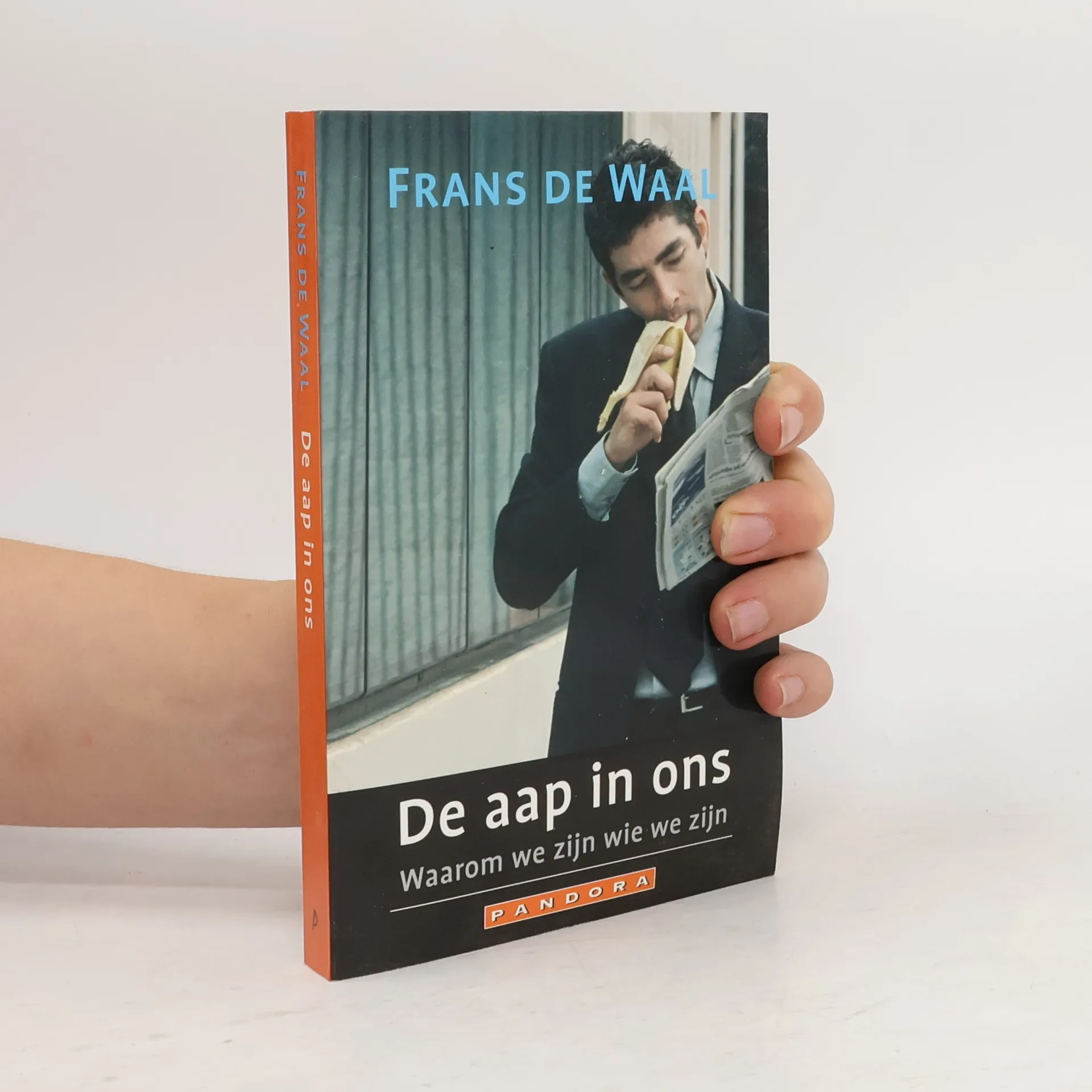
Sind Fußballfans nicht wie eine Horde wild gewordener Affen? Erinnert manch cholerischer Chef nicht an einen wütenden Gorilla? Frans de Waal, der den Menschen irgendwo zwischen den sanften Bonobos und den aggressiven Schimpansen ansiedelt, beweist im direkten Vergleich zwischen Primaten, Managern und Politikern, dass das menschliche Verhalten evolutionär bestimmten Schemata folgt. Ob es um Macht geht, um Gewalt oder Zuneigung: Der Mensch kann seine Verwandtschaft mit den Primaten nicht verleugnen. Eine unterhaltsame und kluge Erklärung, warum wir so sind, wie wir sind. Mit einem ZEIT-Artikel zum Thema »Tierische Intelligenz« von Michael Miersch. Zum Autor: Frans de Waal, geboren 1948 in Den Bosch, Niederlande, lehrt Primatenverhalten u. a. an der Emory University in Atlanta und zählt aufgrund seiner Bücher zu den bekanntesten Primatologen der Welt
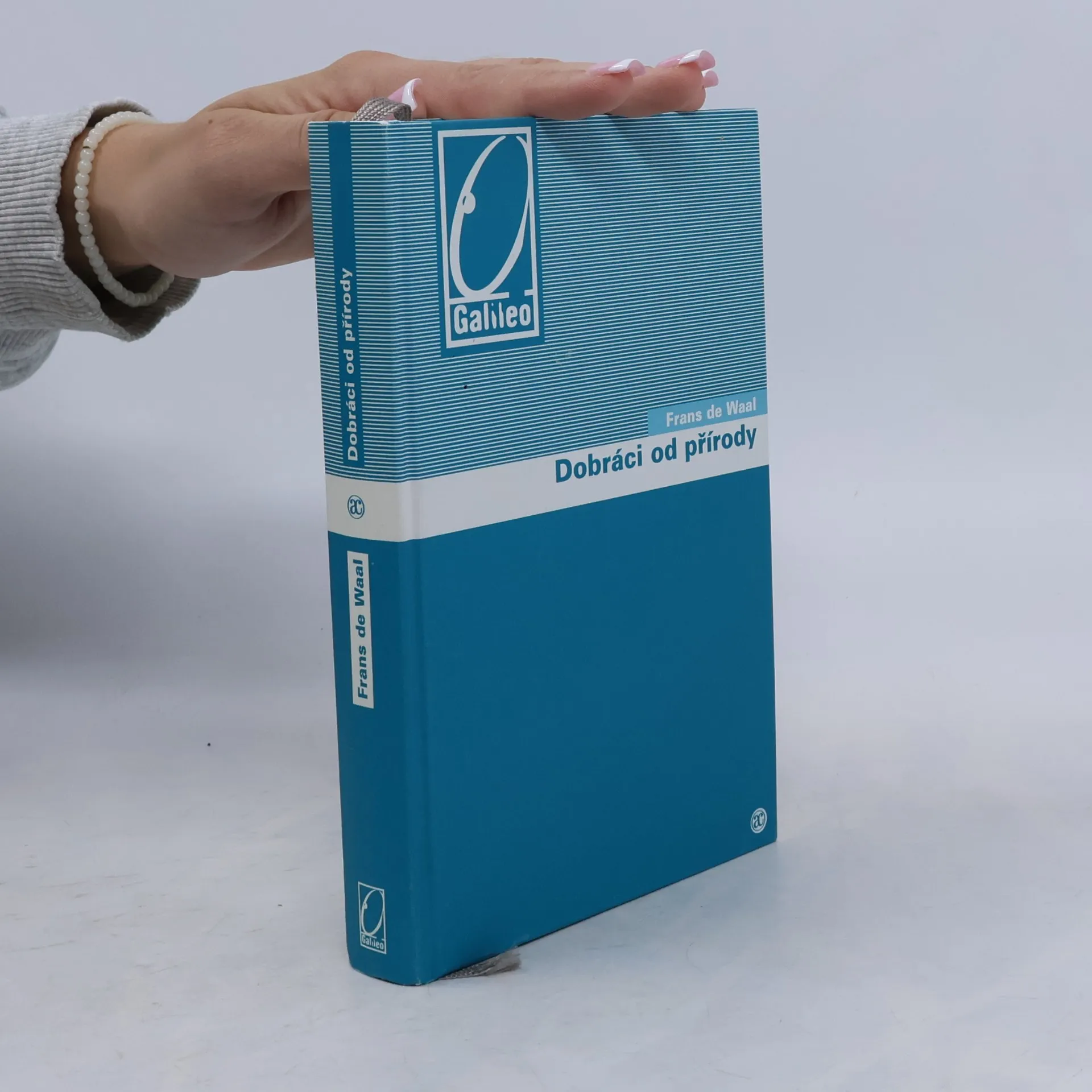
Kniha Dobráci od přírody se zabývá evolucí morálky a hledá její kořeny mezi našimi nejbližšími příbuznými – vyššími primáty. Mezi příbuznými, s nimiž máme společného víc, než jsme si mnohdy ochotni přiznat...
Ein amüsanter und intelligenter Bildband über erstaunliche Ähnlichkeiten§§Ungewöhnliche Fotos und Texte zeigen, wie komplex und intensiv die sozialen Beziehungen von Primaten sind und dass Primaten genauso vielfältige Ausdrucks- und Verhaltensweisen besitzen wie wir Menschen.§§Seit mehr als dreißig Jahren untersucht Frans de Waal, einer der herausragendsten Primatologen der Welt und Autor von Bestsellern wie "Der gute Affe" und "Bonobos. Die zärtlichen Menschenaffen", das Leben von Primaten in Zoos, Forschungsparks und in freier Natur. Über die Jahre hat er eine unglaubliche Menge an Fotomaterial von unseren nächsten Verwandten angesammelt. Die Auswahl an Fotografien für dieses Buch fängt die soziale Interaktion von Bonobos, Schimpansen, Kapuzineräffchen, Pavianen und Makaken ein und zeigt die feinen Gesten, Ausdrucksweisen und Bewegungen, die die meisten Naturfotografen oder gelegentlichen Beobachter so faszinieren. De Waal bietet zu jedem Foto einen Begleittext, der seine Beobachtungen und Eindrücke sowie seine professionellen Interpretationen schildert. Das Ergebnis ist ein besonders berührender und zugleich persönlicher Einblick in die Gesellschaftsstruktur der Primaten.
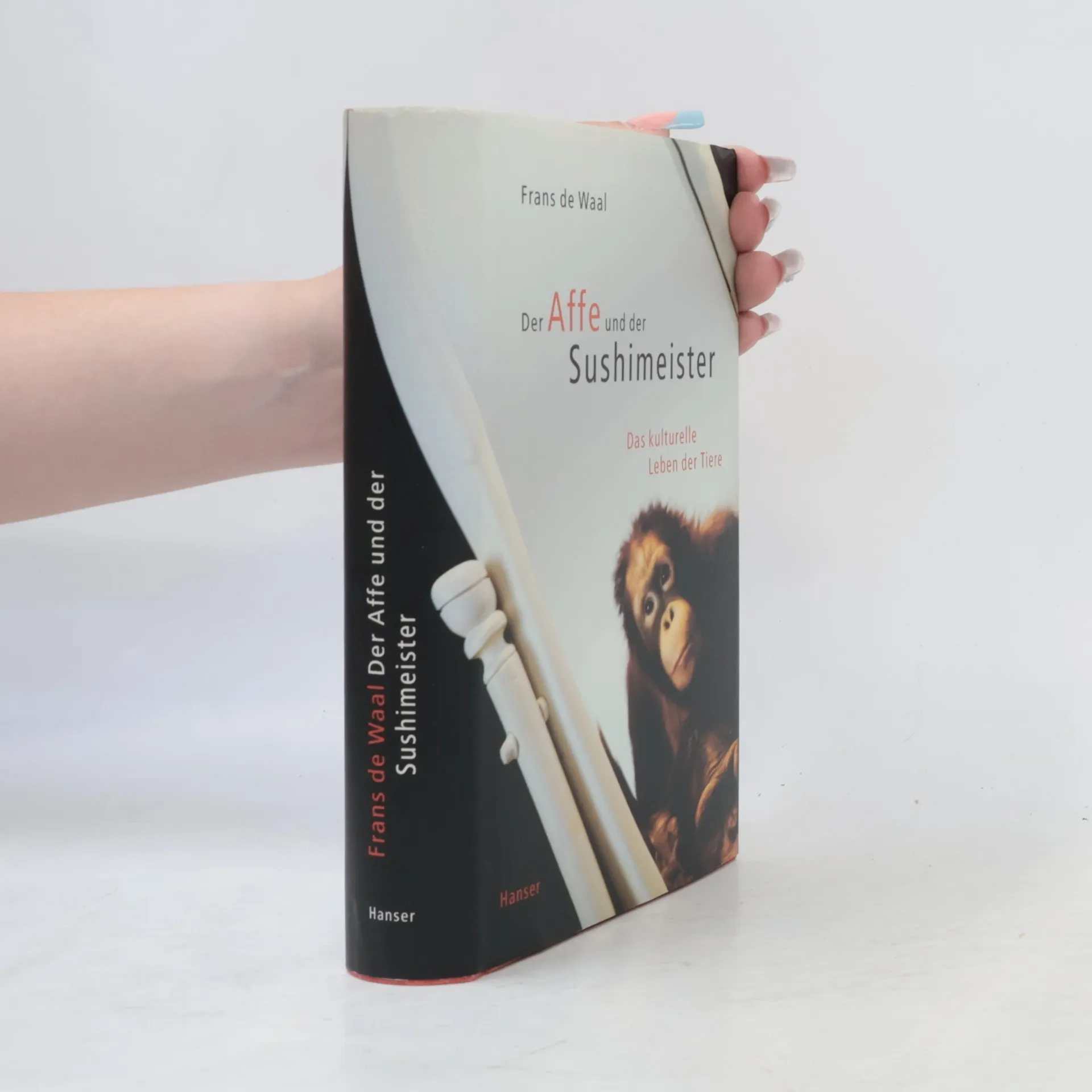
Unser Blick sieht und inszeniert eine Menschenähnlichkeit der Tiere, die unvollkommen bleibt und uns darin des Unterschieds zwischen Mensch und Tier versichert. De Waals anschauliches und anekdotisches Buch zeigt die fundamentale Bedeutung, die dieser Unterschied für unser Selbstverständnis hat. Gleichzeitig löst er ihn auf, denn auch Tiere besitzen die Fähigkeit, zu lernen und Gelerntes weiterzugeben. Wie „anders“ können wir sein, wenn auch die Tiere ihre Kulturen entwickeln und verändern?
Bonobos - die zärtlichen Menschenaffen
- 210 Seiten
- 8 Lesestunden
Zwei weltbekannte Experten auf ihrem Gebiet, der Primatologe Frans de Waal und der Photograph Frans Lanting, haben sich zusammengefunden, um dem Bonobo, diesem wunderbaren und uns so ähnlichen Menschenaffen, ein Denkmal zu setzen. Erstmalig wird einer interessierten Öffentlichkeit das Sozialleben der Bonobos ausführlich vorgestellt. Hochaktuelle Informationen und exklusive Photoessays erlauben seltene Einblicken in das Leben dieser Menschenaffen in ihrer Heimat, den entlegen Regenwäldern Afrikas.
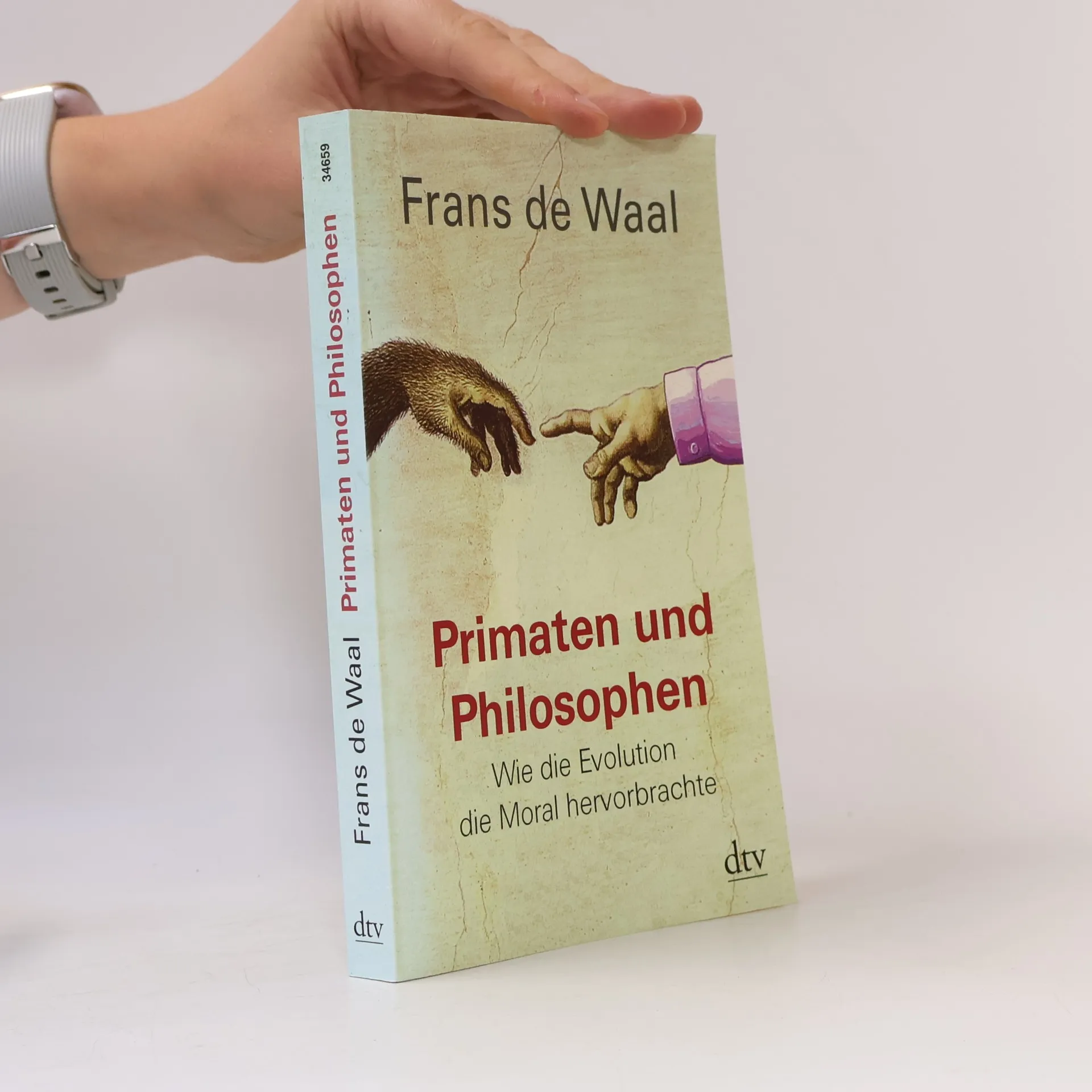
Moral und Ethik sind älter als der Mensch, tugendhaftes Verhalten fußt auf einem genetischen Fundament, das in den Grundzügen bereits beim Affen angelegt ist. So lautet die provokante These des Primatologen und Verhaltensforschers Frans de Waal. Seine Beobachtungen an Primaten ergeben, daß diese genauso wie Menschen Gut und Böse, Falsch und Richtig oder Recht und Unrecht erkennen. Anhand wunderbarer, überraschender Geschichten ist ein spannend zu lesendes und anschaulich in die fortgeschrittenste Verhaltensforschung einführendes Buch entstanden, das erste Antworten auf die Frage gibt, ob Tiere Verhaltensweisen an den Tag legen, die der Güte und gewissen Regeln moralischen Verhaltens beim Menschen entsprechen.
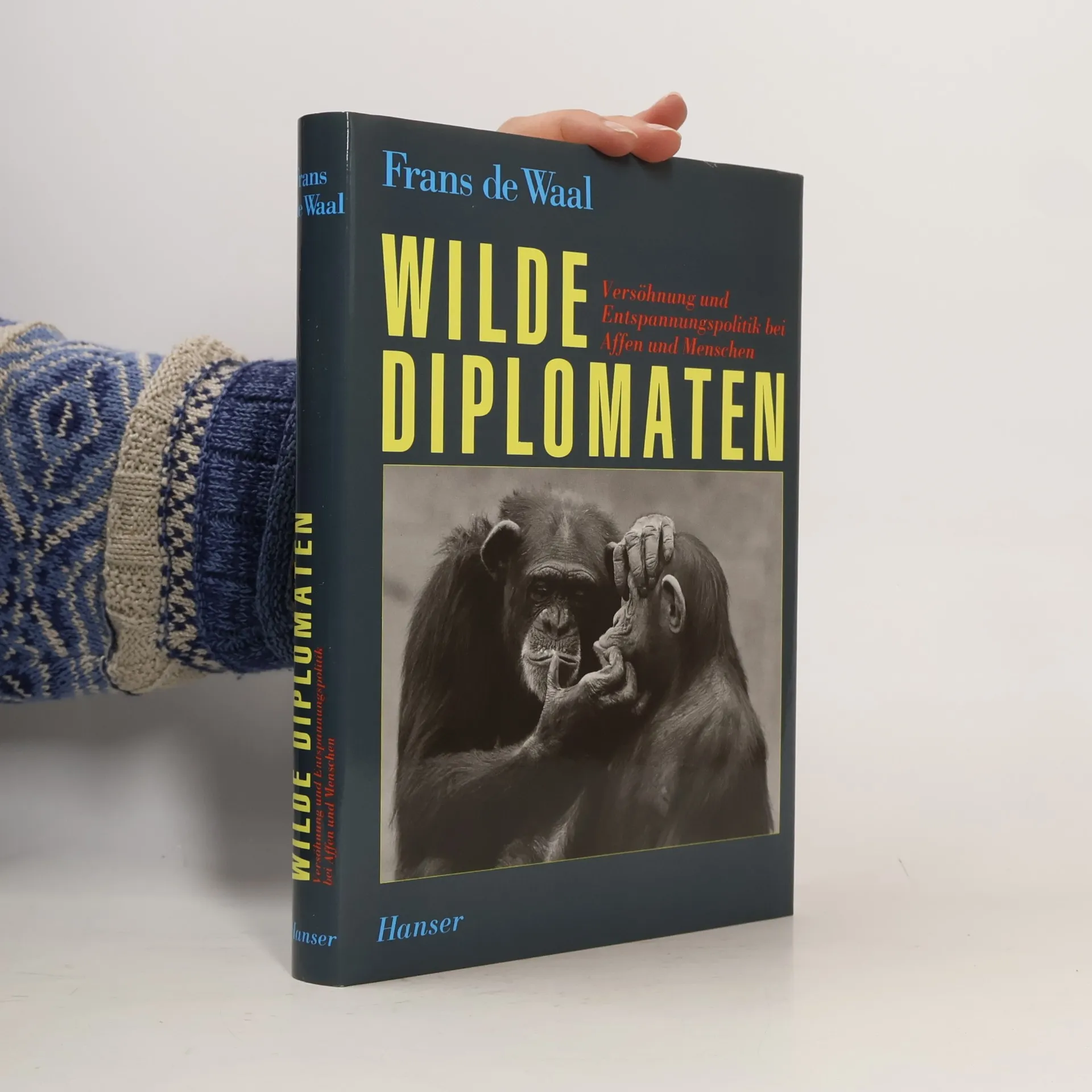
Wilde Diplomaten
- 295 Seiten
- 11 Lesestunden
Die Botschaft von Frans de Waals Buch ist einfach, aber grundlegend: Schon bei den Primaten haben sich, Hand in Hand mit Konkurrenz und aggressiven Tendenzen, starke und wirkungsvolle Mechanismen der Versöhnung und des Friedensstiftens entwickelt. Er demonstriert überzeugend, daß wir, die Menschen, diese Fähigkeit zur Konfliktlösung geerbt haben, und er widerlegt die Ansicht, daß biologisch verwurzelte Aggressivität die sozialen Beziehungen unveränderbar beherrschen müssen. Wir dürfen uns nicht der Illusion hingeben, daß aggressive Neigungen uns jemals verlassen werden, doch sollten wir ebensowenig unser Erbe an Versöhnungsbereitschaft vernachlässigen. (Süddeutsche Zeitung). Zu dieser neuen Betrachtungsweise trägt das kenntnisreich und zugleich unterhaltsam geschriebene Buch ein gut Teil bei.