Eichmann, Bormann, Ribbentrop, Freisler, Schirach und Mengele - sie alle waren die Erfüllungsgehilfen Hitlers. Ihre kriminelle Energie, ihr Zynismus, ihr Ehrgeiz und ihre menschenverachtende Gründlichkeit sorgten dafür, daß das nationalsozialistische Terrorregime gefestigt wurde. Guido Knopp und sein Team zeichnen ein eindrucksvolles Psychogramm von Hitlers Vollstreckern. Der SPIEGEL-Bestseller erstmals im Taschenbuch - über 50.000 verkaufte Hardcover!
Die 3. Auflage des Standardwerks Knochenkrankheiten bietet die präzise Beschreibung nahezu aller definierten Knochenkrankheiten, illustriert mit den zugehörigen Röntgenbildern, makroskopischen und histologischen Aufnahmen. Zahlreiche Tabellen, Diagramme und Schemazeichnungen fördern ergänzend das Verständnis der osteologischen Funktionen. Über drei Auflagen hinweg bietet dieses Nachschlagewerk Pathologen und Radiologen schnelle Information bei der praktischen Diagnostik der Knochenkrankheiten und vermittelt Klinikern (Orthopäden, Unfallchirurgen, Internisten u. a.) pathogenetische Zusammenhänge und prognostische Hinweise für ihre tägliche Praxis. Statistische Daten geben Auskunft über die Häufigkeit der jeweiligen Knochenkrankheit und deren Lokalisation innerhalb des Skeletts. Eine umfassende und zuverlässige Quelle osteologischer Informationen.
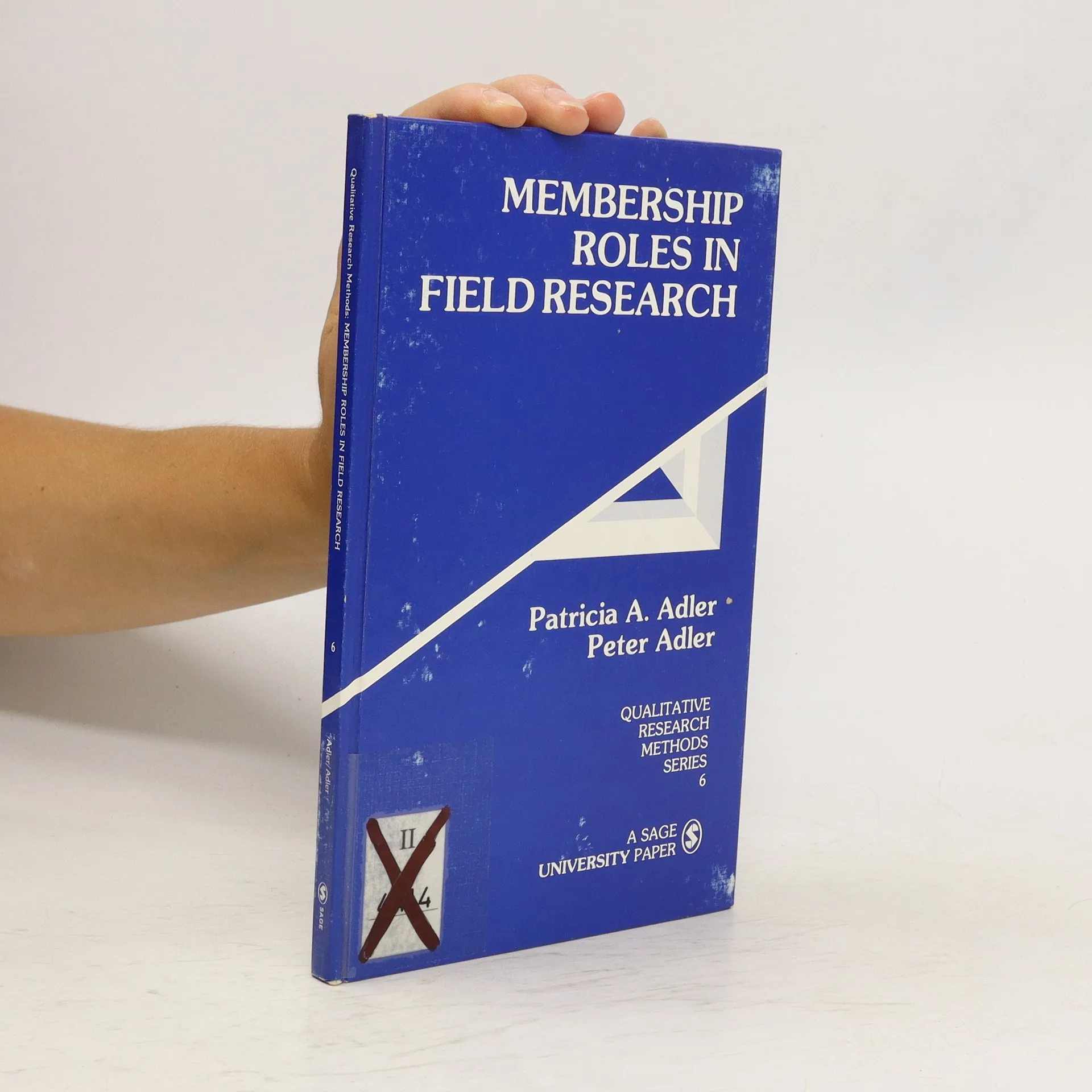
There are a range of possible roles that can be played by ethnographers in field research, from the detached observer to the the fully-fledged participant. The choice of role will affect the type of information available to the researcher and the kind of ethnography written. The authors discuss the problems and advantages at each level of involvement and give examples of modern ethnographic studies.
Social Power, Context, and Interaction - Seventh Edition
588 Seiten
21 Lesestunden
Packed with the most recent and relevant articles in the field, CONSTRUCTIONS OF DEVIANCE: SOCIAL POWER, CONTEXT, AND INTERACTION, Seventh Edition, shows you how to apply the concepts and theories of deviance to the world around you. The text's current, comprehensive coverage includes both theoretical analyses and ethnographic illustrations of how deviance is socially constructed, organized, and managed. Seasoned authors and award-winning professors, Patricia Adler and Peter Adler cover a wide variety of deviant acts--challenging you to see the diversity and pervasiveness of deviance in society. The text presents deviance as a component of society and examines the construction of deviance in terms of differential social power. Its unique "interactionist" or "constructionist" perspective on deviance explores the processes in society that create deviance. Ethnographic in character, the authors' intriguing selected studies focus on the experiences of deviants, the deviant-making process, and the ways in which people labeled as deviant in society react to that label. The balanced selection of readings is timely and engaging, while in-depth introduction, explanation of theory, and discussion questions after each reading guide you through the fascinating material.