
Bookbot

Barry Raftery

    Pagan Celtic Ireland
    Philip's Atlas of the Celts
    • Philip's Atlas of the Celts

      • 224 Seiten
      • 8 Lesestunden

      Philip's Historical Atlas of the Celts is a new addition to the highly successful Philip's Reference range. The Atlas details (in words, illustrations and maps) the history of the Celts, their expansion, decline and modern revival, their art and religion, and their impact on the Western world. It offers the most comprehensive coverage of the Celts. The Atlas of the Celts is arranged chronologically and spread-by-spread and there is a special section on Celtic culture (such as jewellery, clothing and mythology). The conclusion discusses some of the recent debates on Celtic identity. The appendices include: a detailed timeline of key dates in Celtic history, an atlas of Celtic sites and museums, a Who's Who in the Celtic world, drawings of Celtic ornaments, glossaries of Celtic terms and names, a gazetteer, and an index. The Historical Atlas of the Celts includes a foreword by Dr Barry Raftery, Professor of Celtic Studies at University College Dublin. Dr Raftery acted as principal consultant editor on the Atlas of the Celts. Additional consultation was provided by Dr Jane McIntosh of the University of Cambridge. The consultants have ensured that the Atlas of the Celts is an indispens

      Philip's Atlas of the Celts
      3,8
    • Pagan Celtic Ireland

      The Enigma of the Irish Iron Age

      • 240 Seiten
      • 9 Lesestunden

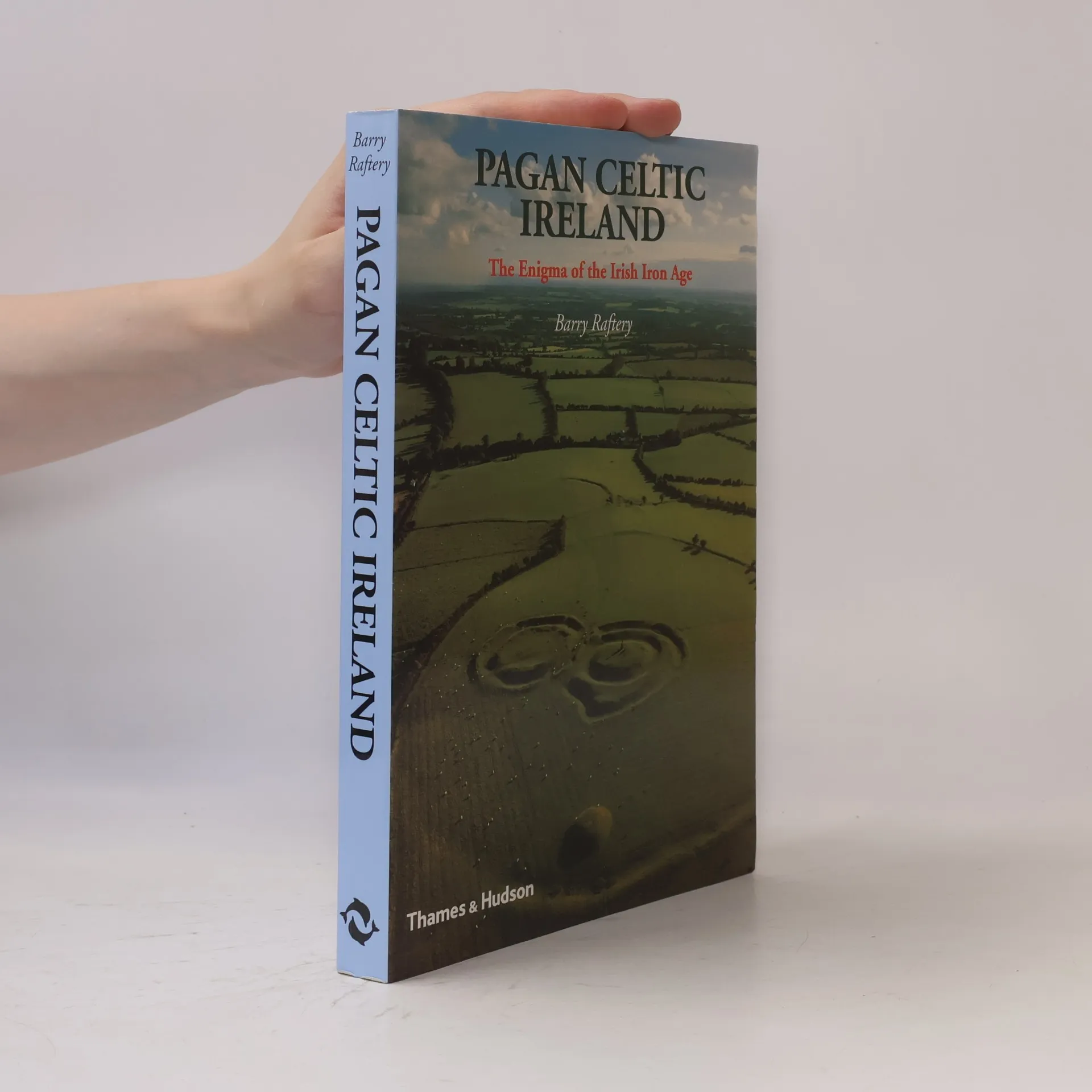
      Established impressions of early Celtic Ireland stem from epic sagas depicting heroic struggles, gods, and Druids. However, recent archaeological research has reshaped our understanding of this period. Professor Barry Raftery offers a compelling and contemporary account of Ireland in the millennium before Christianity. The transition from the Bronze Age to Iron Age brought significant changes, including the rise of imposing hillforts. Their purpose—whether defensive, ceremonial, or commercial—remains a topic of exploration. The emergence of the Celtic character in early Ireland coincides with the appearance of La Tene artifacts, which represent the material culture of the European Celts and signify a rising aristocratic elite expressing power through monumental architecture. Raftery delves into advancements in travel and transport, highlighted by the construction of the largest roadway in prehistoric Europe, and explores the lives of common people, the creativity of local metalsmiths, and complex religious beliefs illustrated by standing stones and offerings in water bodies. He also presents new insights into Ireland's interactions with the Roman world and examines whether La Tene culture arrived through invasion or peaceful diffusion. This work serves as a definitive statement on Ireland's Celtic origins, richly illustrated and poised to captivate readers.

      Pagan Celtic Ireland